
It’s the Angle, Not the Hours
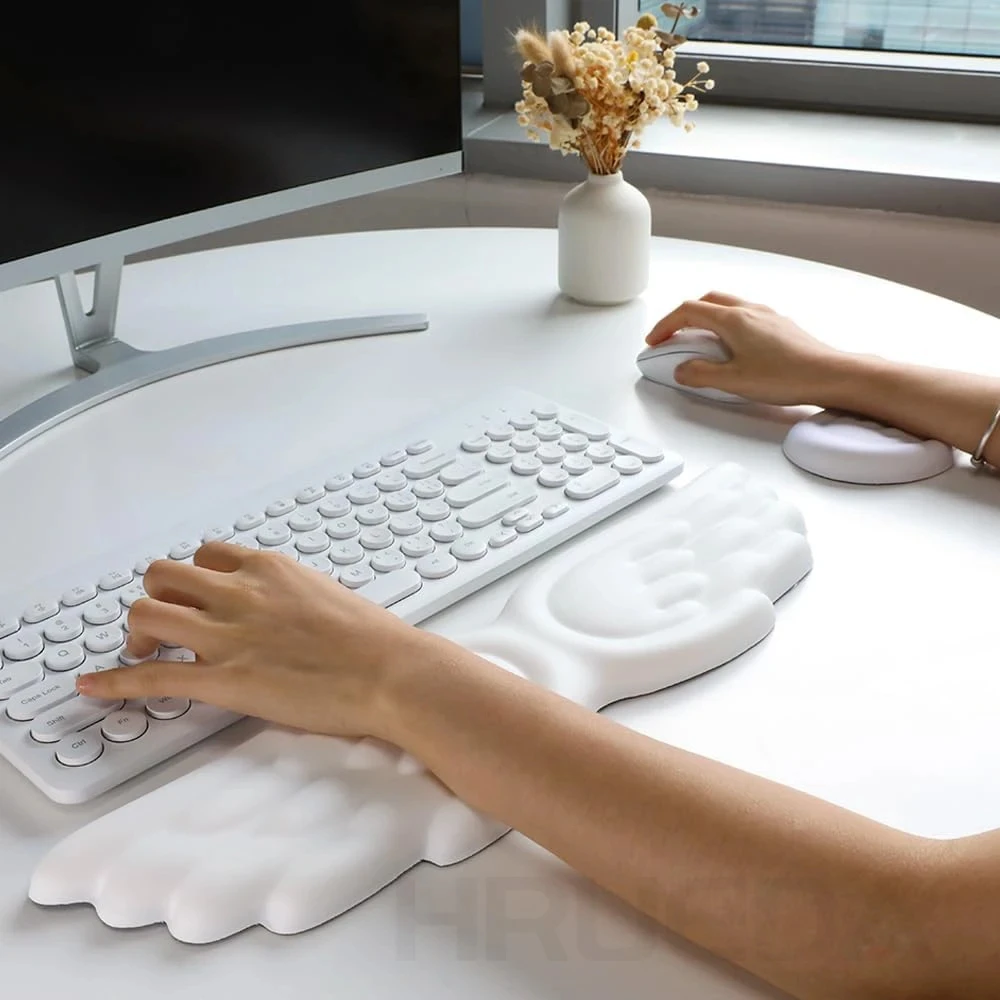
People blame typing hours for wrist pain, but the real culprit is usually the angle. A keyboard sitting on a hard desk edge forces the wrist into extension — bent backwards — and holds it there for eight hours. That position narrows the carpal tunnel and compresses the median nerve. A wrist rest doesn’t reduce your typing; it just stops your wrist being held at the one angle that makes typing harmful.
Key Benefits
- Supports a neutral wrist angle, which is what reduces carpal tunnel pressure
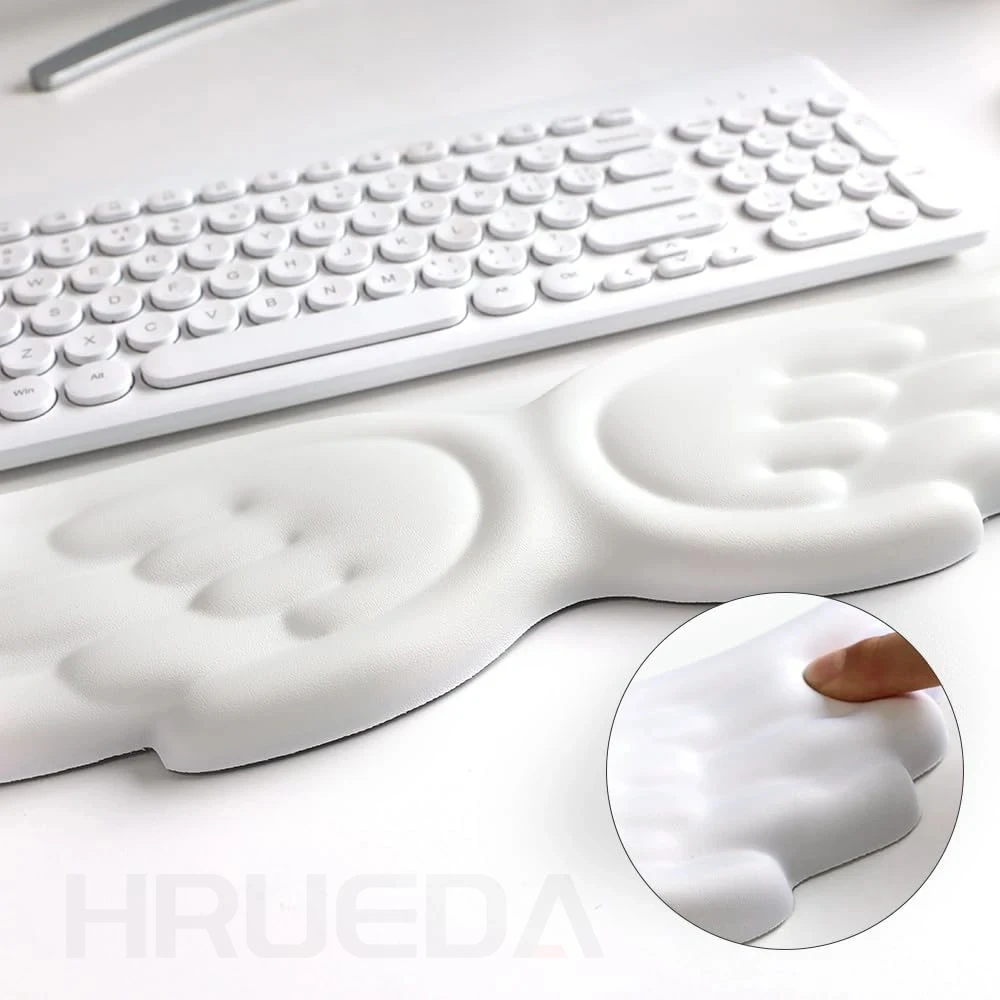
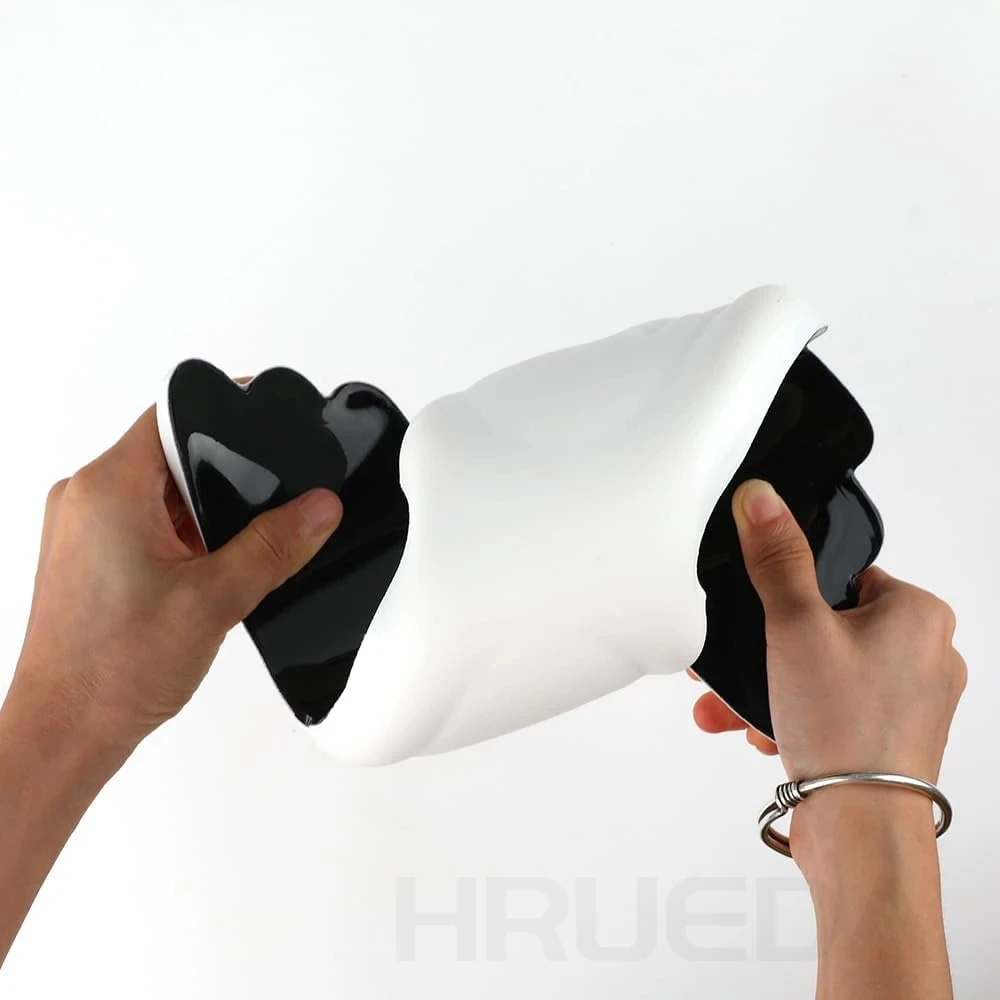
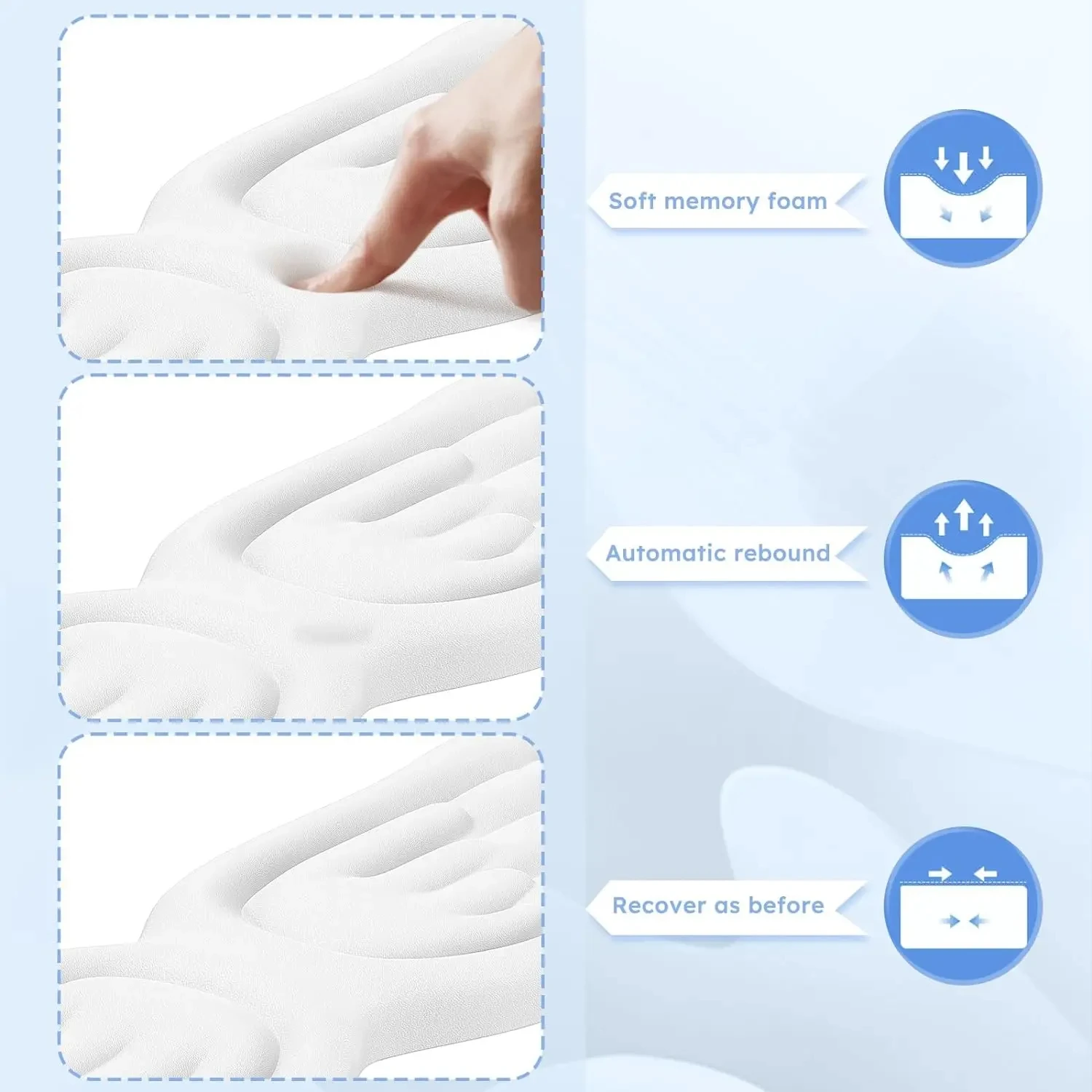
- Memory foam that moulds to the wrist and doesn’t flatten out
- Removes the hard desk edge pressing into the underside of the wrist
- Non-slip base that stays put
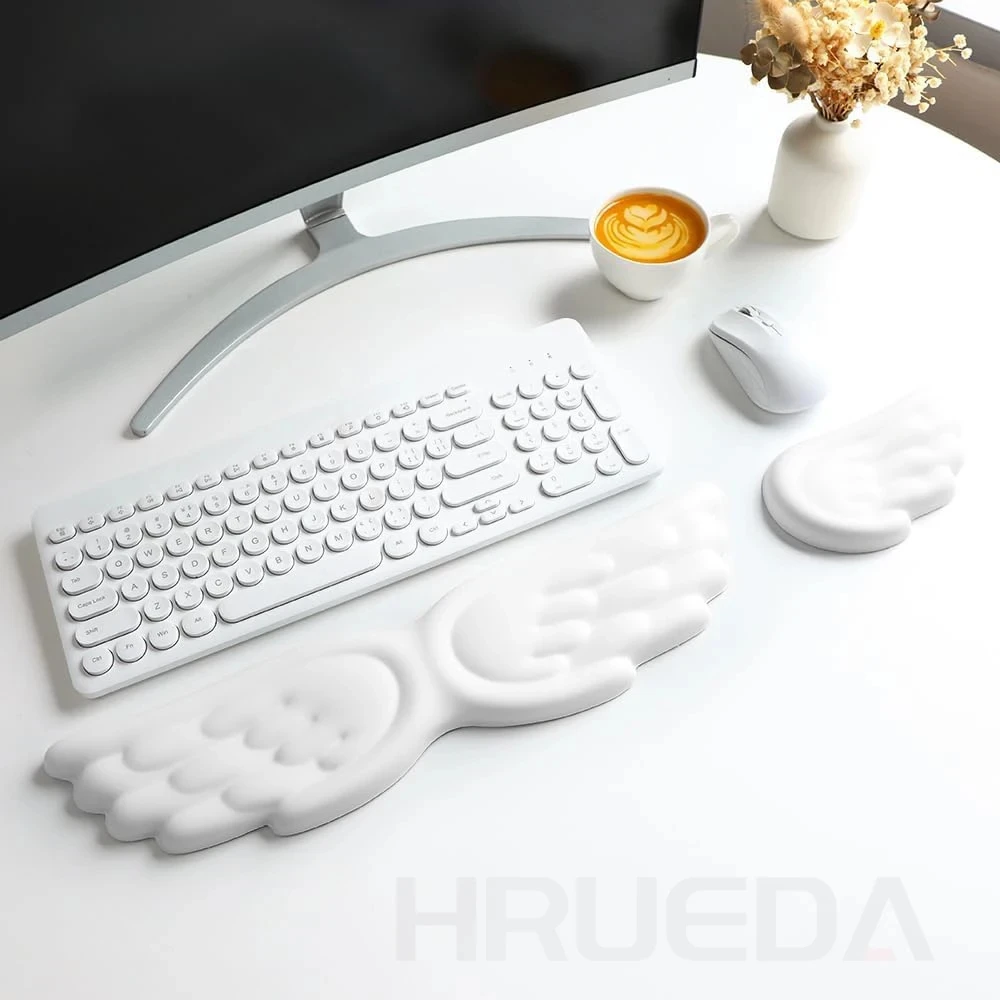
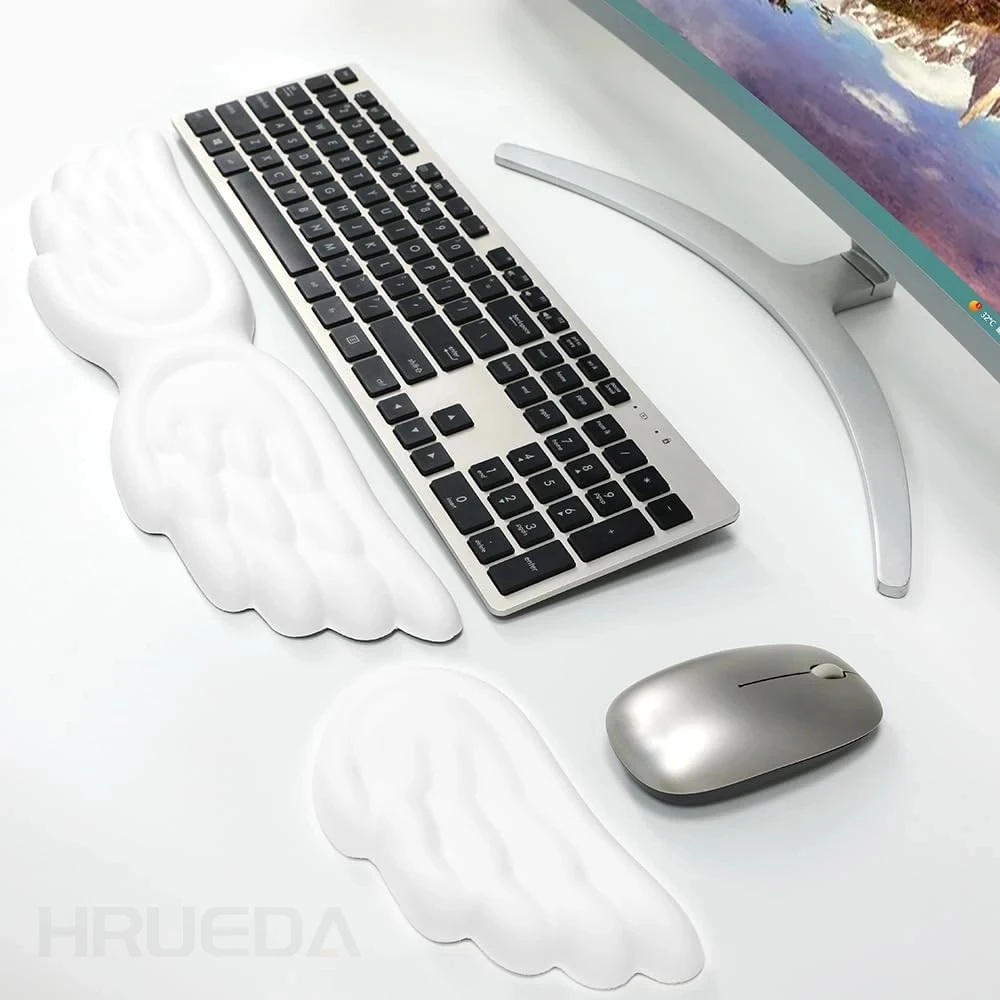
- Keyboard and mouse support
- Preventative — cheaper than treating RSI later
How to Use
Position the rest so your wrists stay level with the keyboard, not angled up. Important: it’s a rest, not a shelf — your wrists should float above it while typing and rest on it during pauses. Parking your full wrist weight on it while typing creates its own pressure point. Combine with a chair and screen height that let your forearms sit roughly parallel to the floor.
Specifications
| Type | Memory foam wrist rest |
|---|---|
| Material | Memory foam with non-slip base |
| Function | Maintains a neutral wrist angle |
| For | Keyboard and mouse |
| Best for | Desk work, RSI prevention, carpal tunnel discomfort |
| Correct use | Rest between typing — don’t press wrists down while typing |
Care & Maintenance
Spot clean with a damp cloth. Air dry.
What’s in the Box
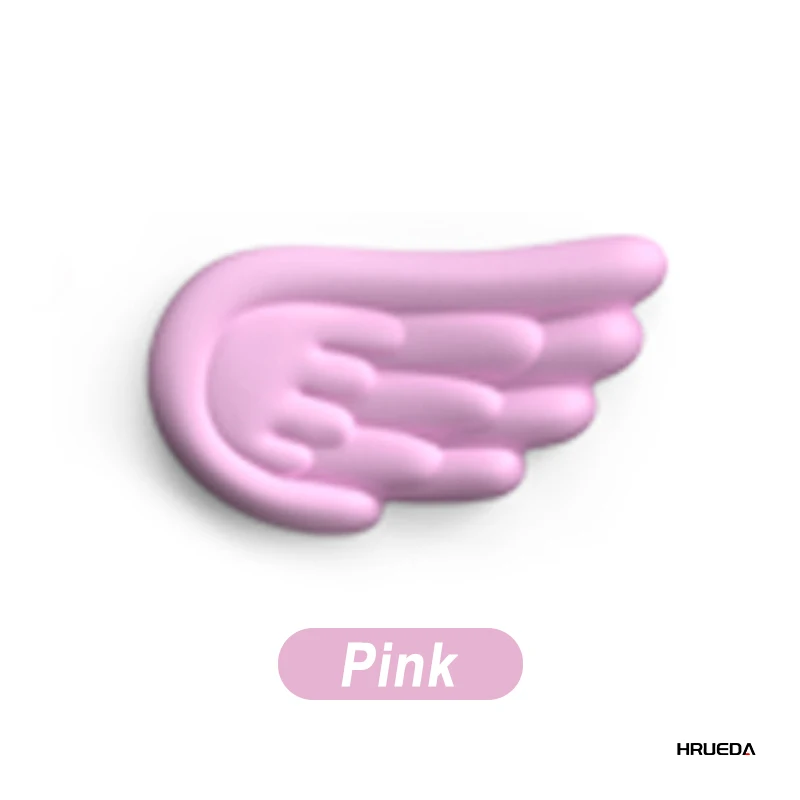
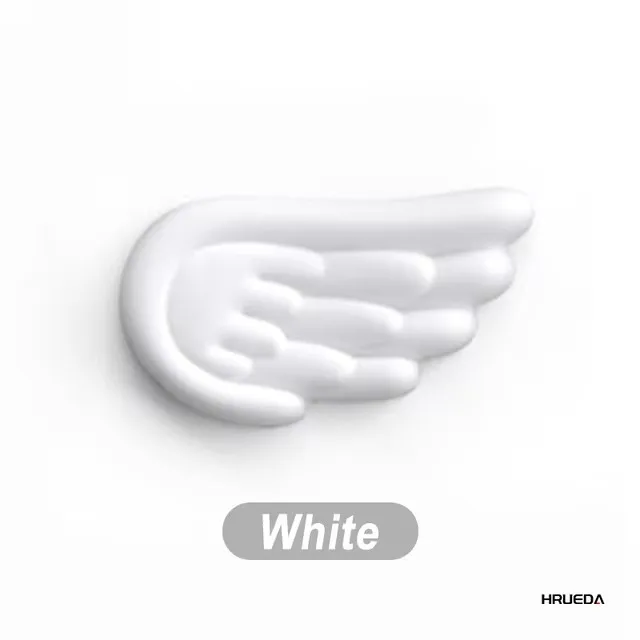
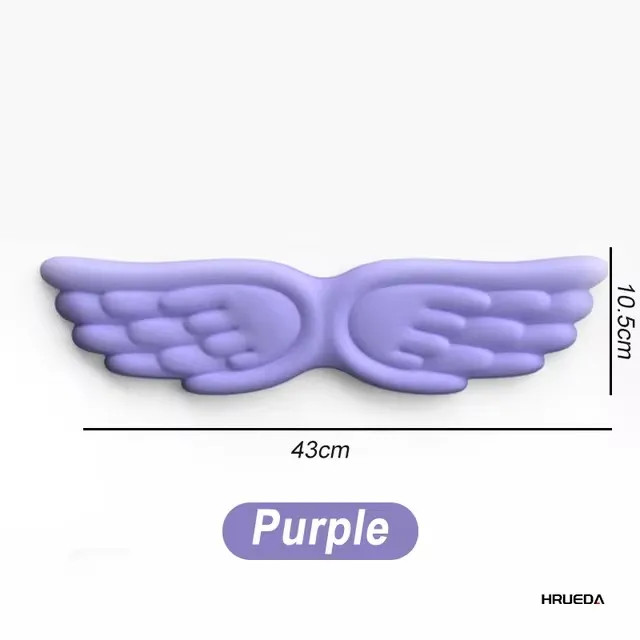
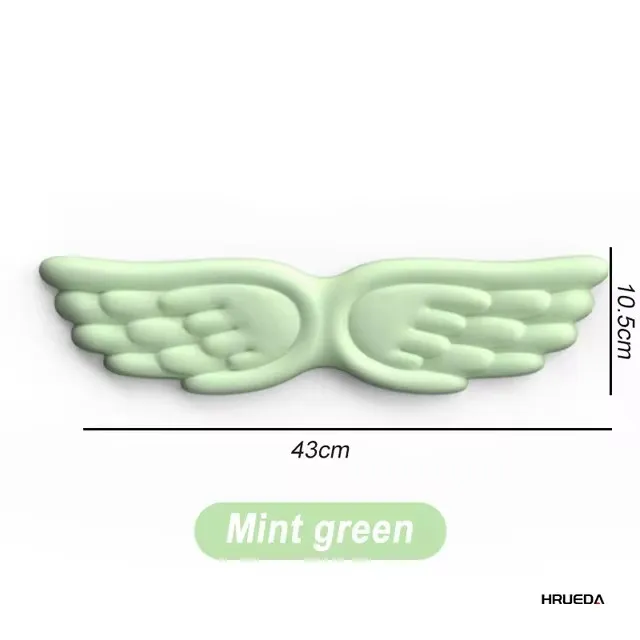
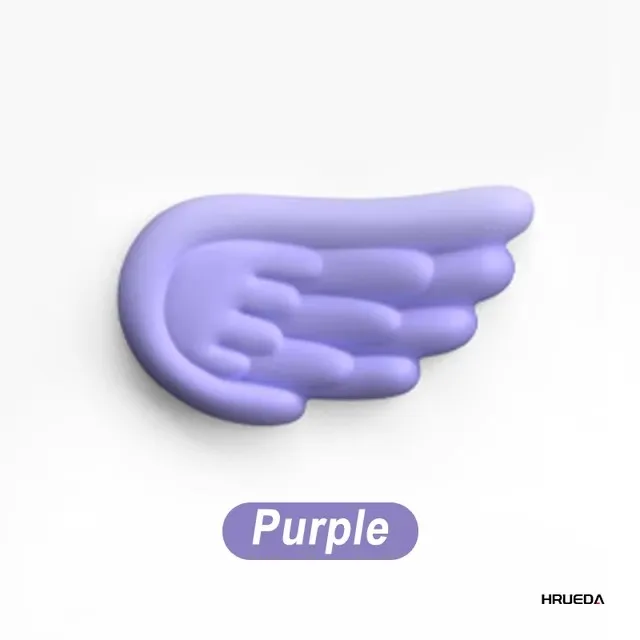
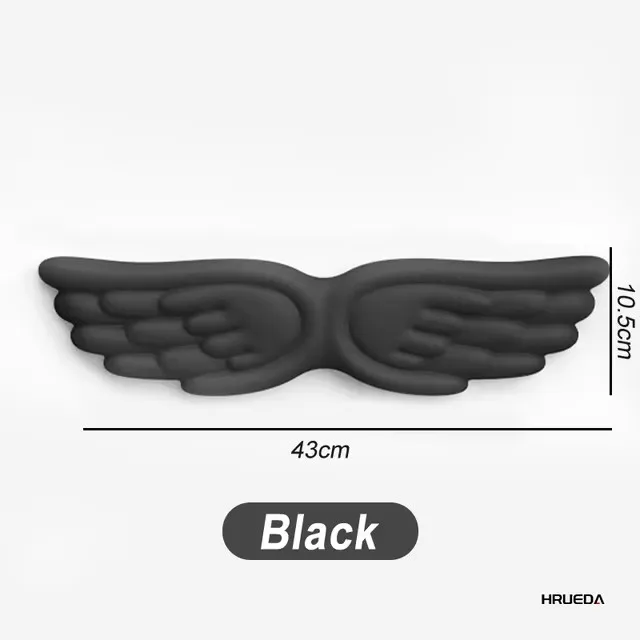
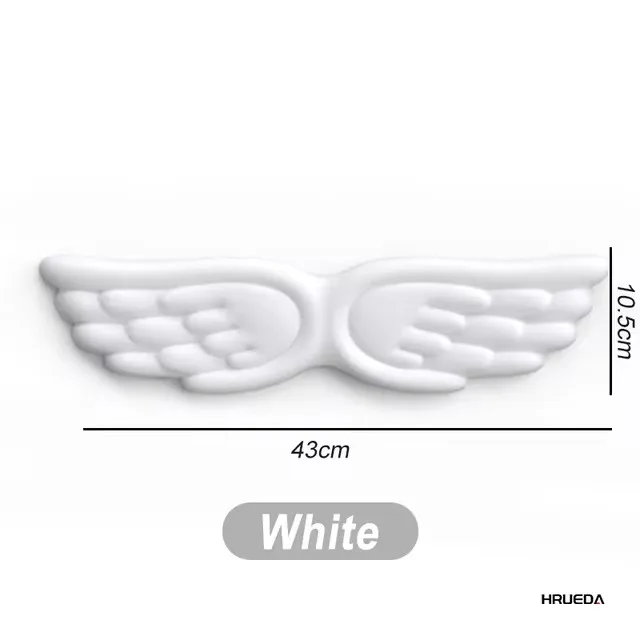
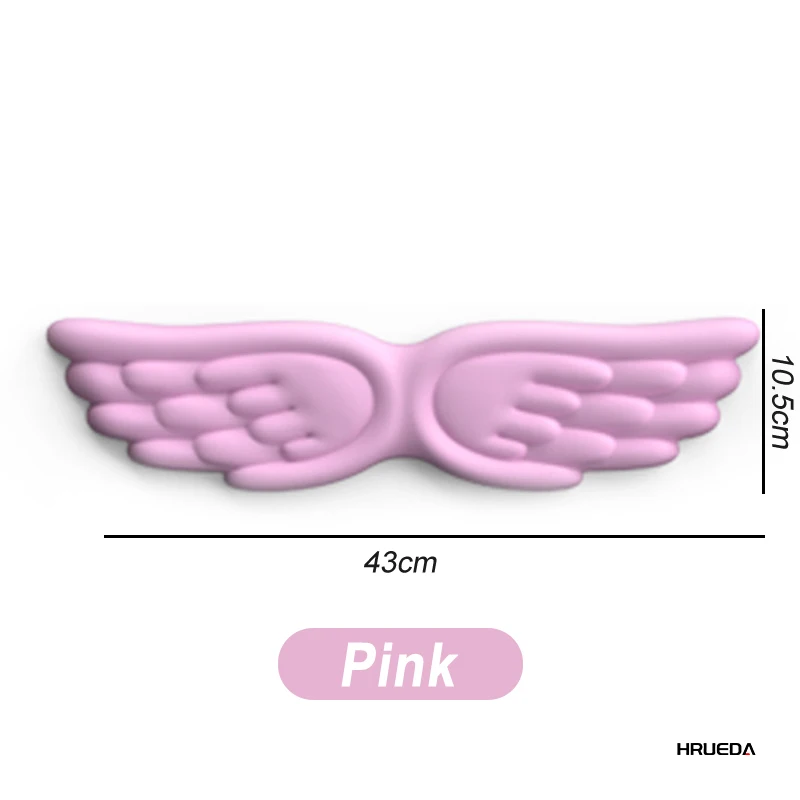
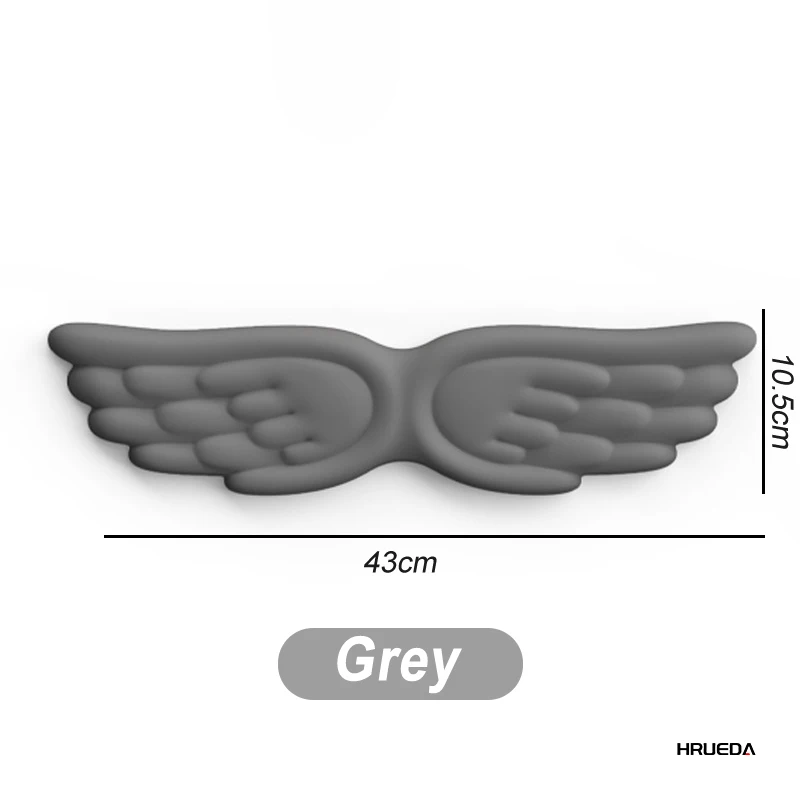
Wrist rest set (as selected)



Reviews
There are no reviews yet.