Compression Sleeves Don’t Slim Arms. Here’s What They Do.
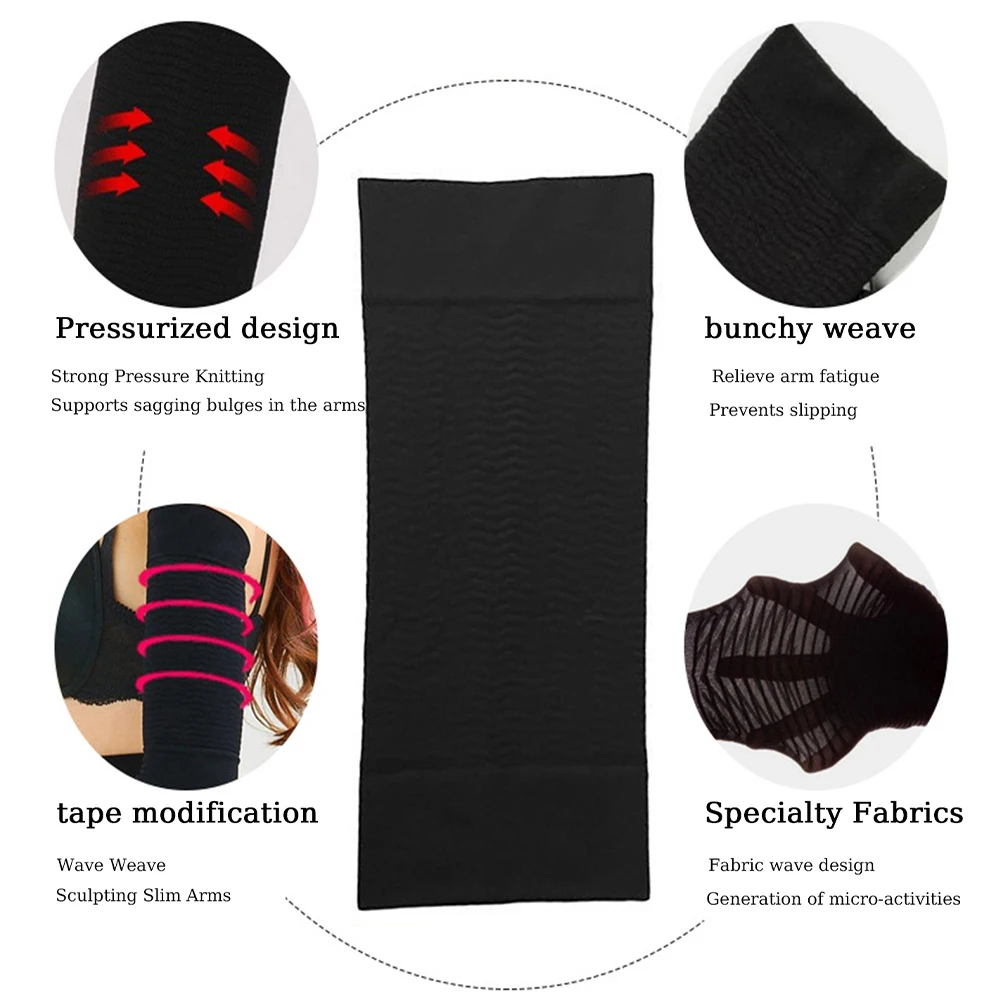
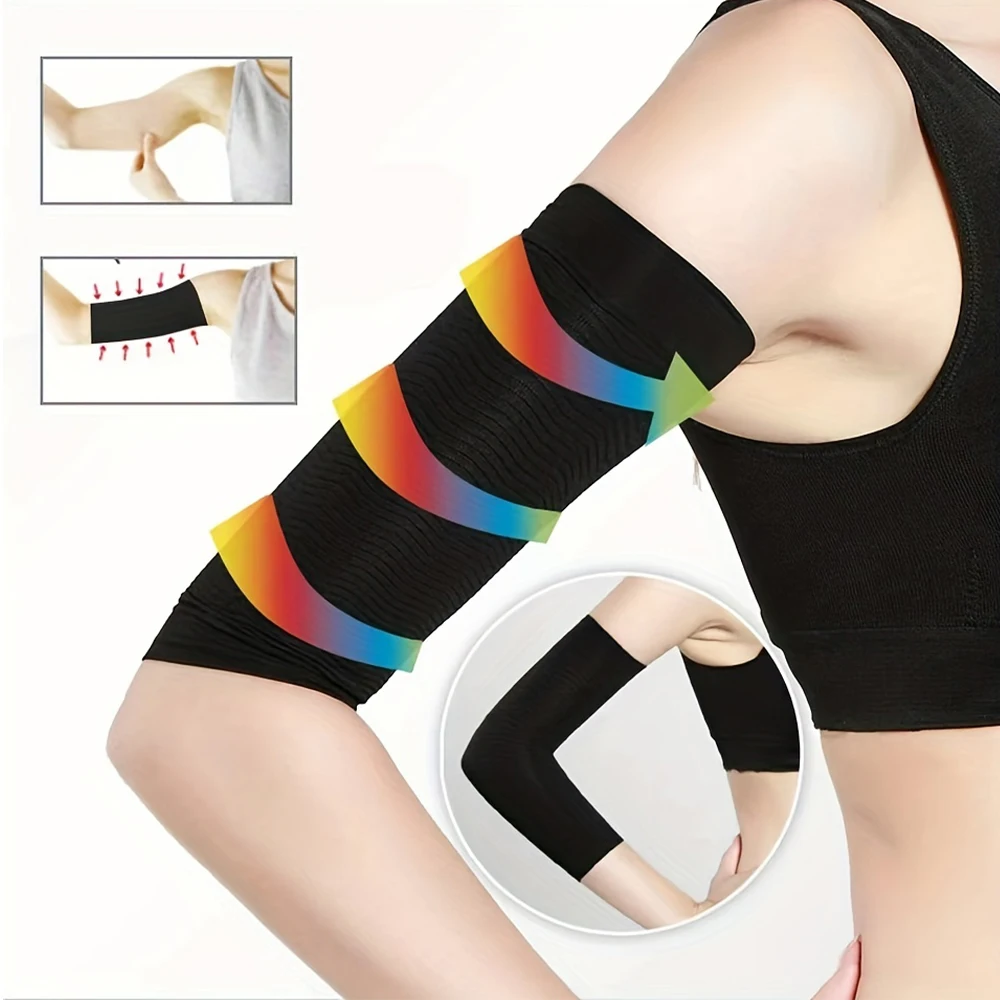
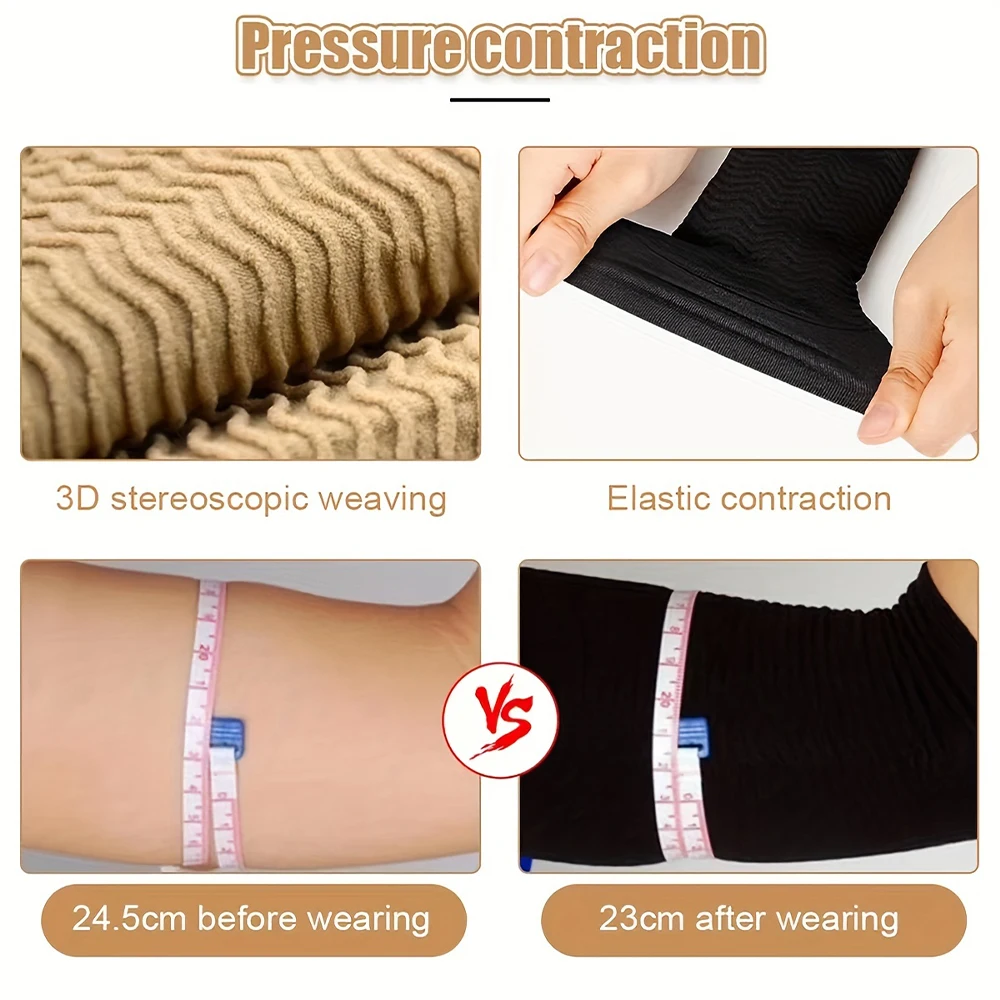
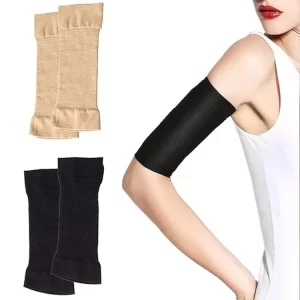
A knitted compression sleeve applies graded external pressure to the limb. That pressure supports the venous and lymphatic return, keeps the muscle warm, and increases the density of sensory feedback from the skin — which is why a compressed arm feels steadier and less fatigued during repetitive work. What it does not do is reduce fat. Compression temporarily displaces fluid and smooths the surface, so the arm can look tighter while the sleeve is on; the effect reverses within minutes of removing it. Fat loss requires a whole-body energy deficit, and no garment can target where that fat comes from.
Key Benefits
- The honest bit: no fat loss, no permanent slimming — the shaping effect is fluid displacement and it lasts as long as you wear it. Spot reduction is not a real mechanism.
- Real benefit — reduced muscle oscillation and arm fatigue — useful in racquet sports, cycling, climbing and long days of repetitive overhead or manual work.
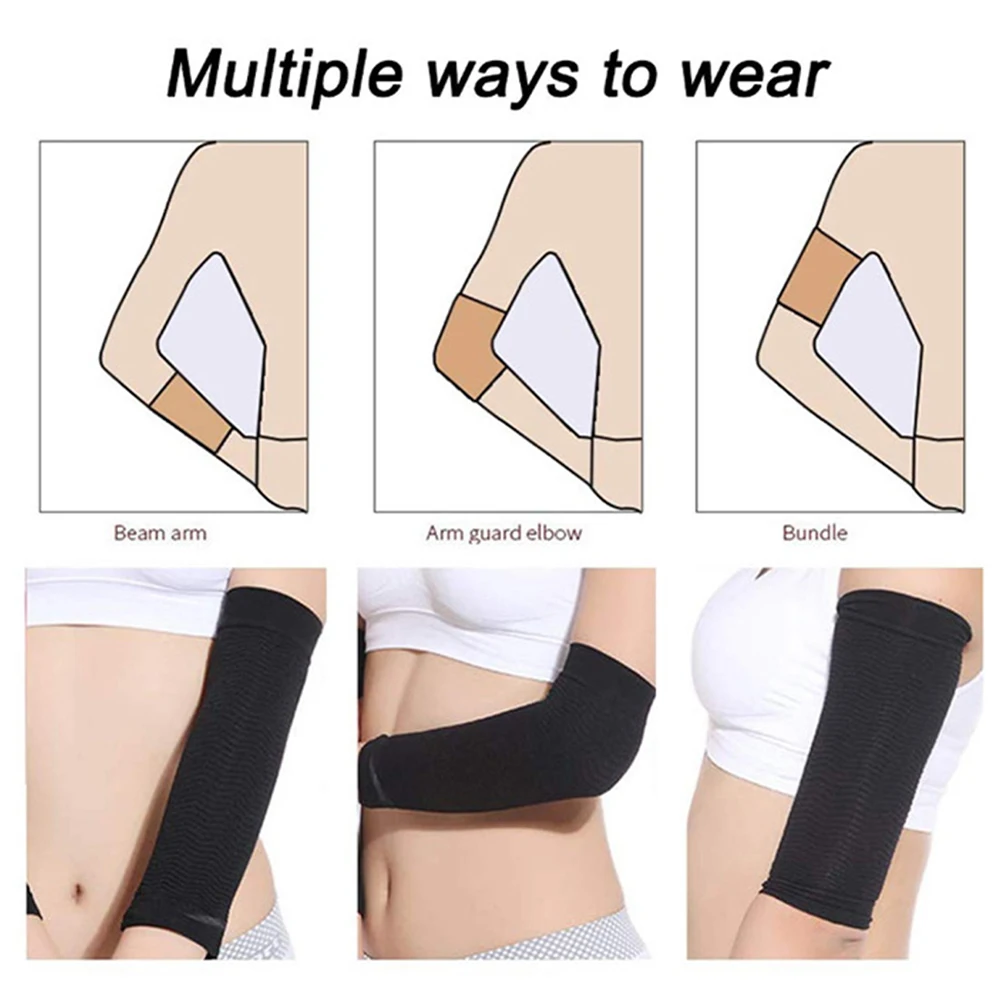
- Supports the elbow and forearm — a helpful adjunct for tennis and golfer’s elbow, where warmth and compression around the common tendon origin often takes the edge off.
- UV and abrasion cover — a lightweight barrier for outdoor training that also stops road rash on a bike.
- Encourages lymphatic and venous return — the legitimate clinical basis for compression, and the reason it can ease a heavy, swollen-feeling arm.
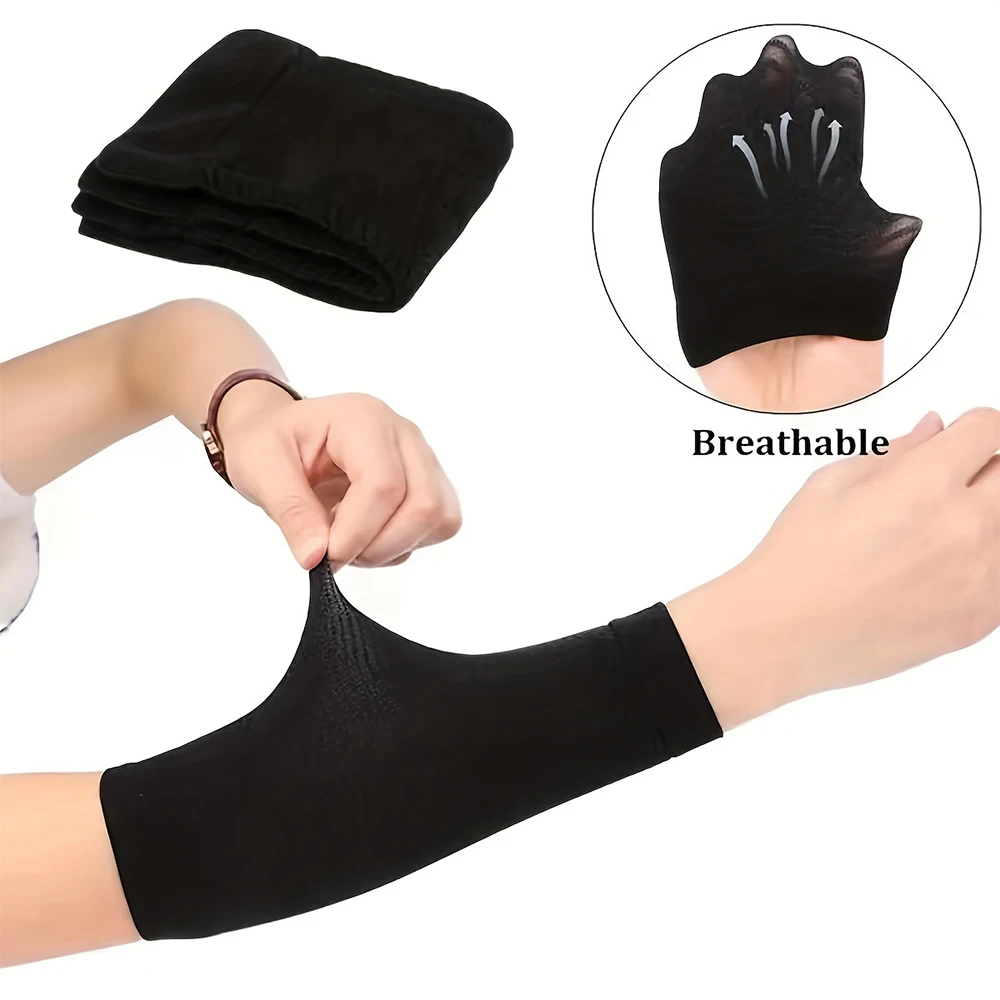
- Breathable knit for all-day wear — light enough to forget it is on, which is the only way you will keep wearing it.
How to Use
Roll the sleeve on rather than dragging it, working it up from the wrist and smoothing out any folds — a bunched band creates a pressure point and can restrict circulation. It should feel firm and even, never gripping or pinching. Wear during training, during your working day or for a few hours afterward for recovery. Remove it if you get tingling, numbness, colour change in the hand, or increasing swelling below the sleeve. Do not wear it if you have arterial insufficiency, an unmanaged blood clot, severe neuropathy, or broken or infected skin. If you have lymphoedema, or you have had lymph nodes removed, only use compression on your clinician’s advice and to their prescribed pressure — an over-the-counter sleeve is not the same thing as a fitted medical garment.
Specifications
| Type | Knitted elastic compression arm sleeve |
|---|---|
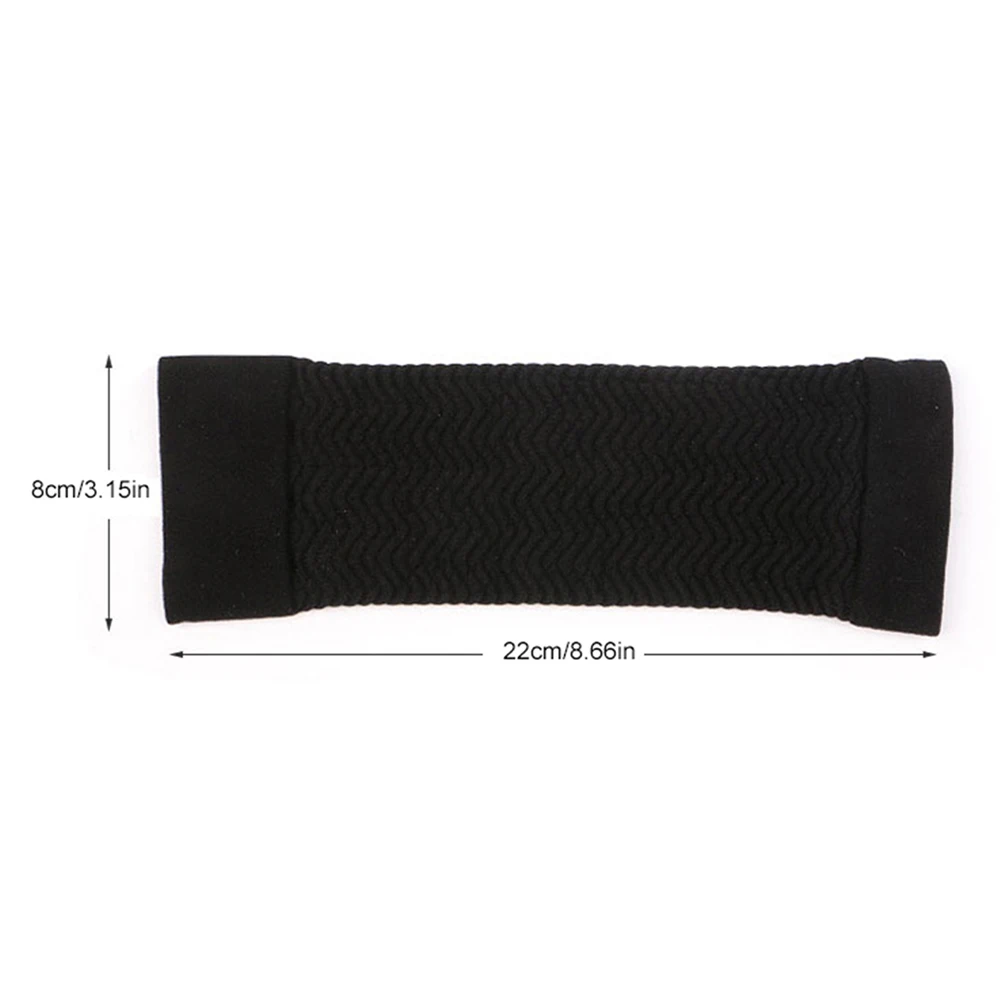
| Coverage | Upper arm to forearm — exact length variant dependent |
| Compression | Light to moderate; not a medical-grade certified garment |
| Fat reduction | None. Compression does not remove fat or slim the arm permanently. |
| Material | Elastic knit blend |
| Fit | Unisex |
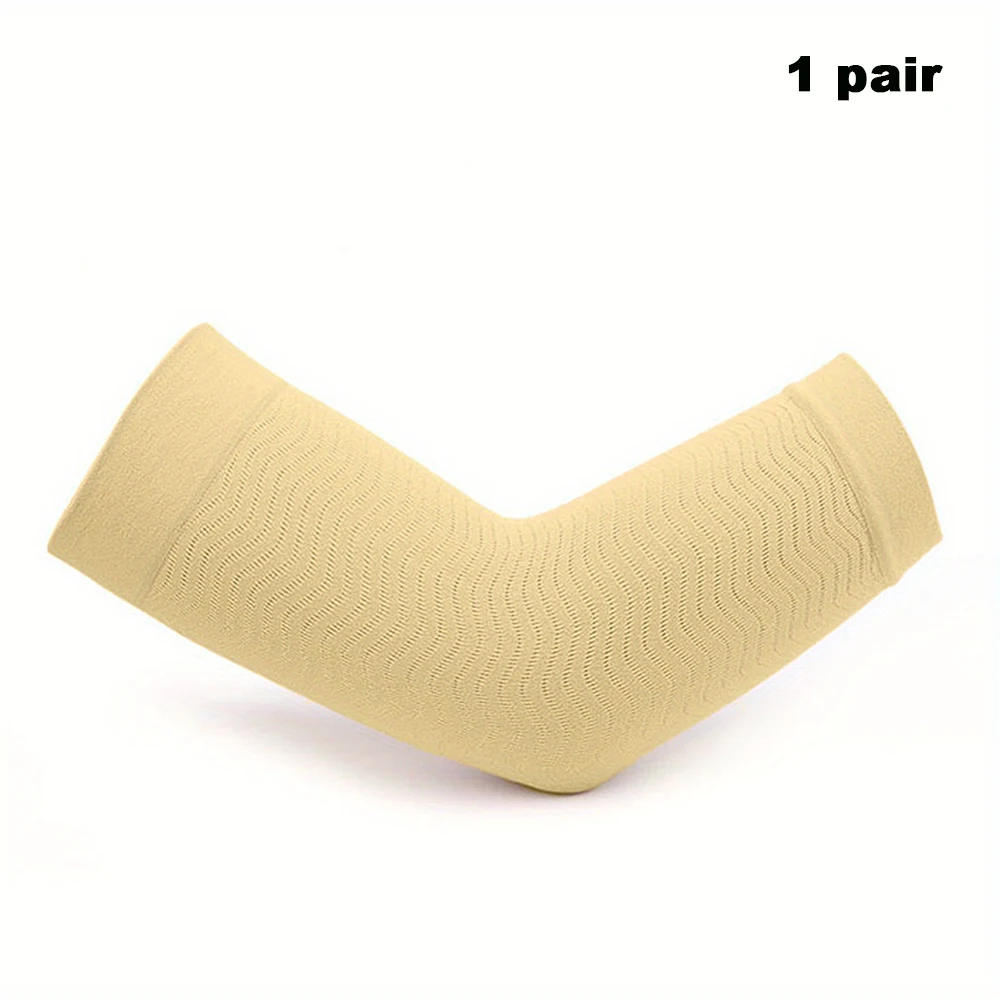
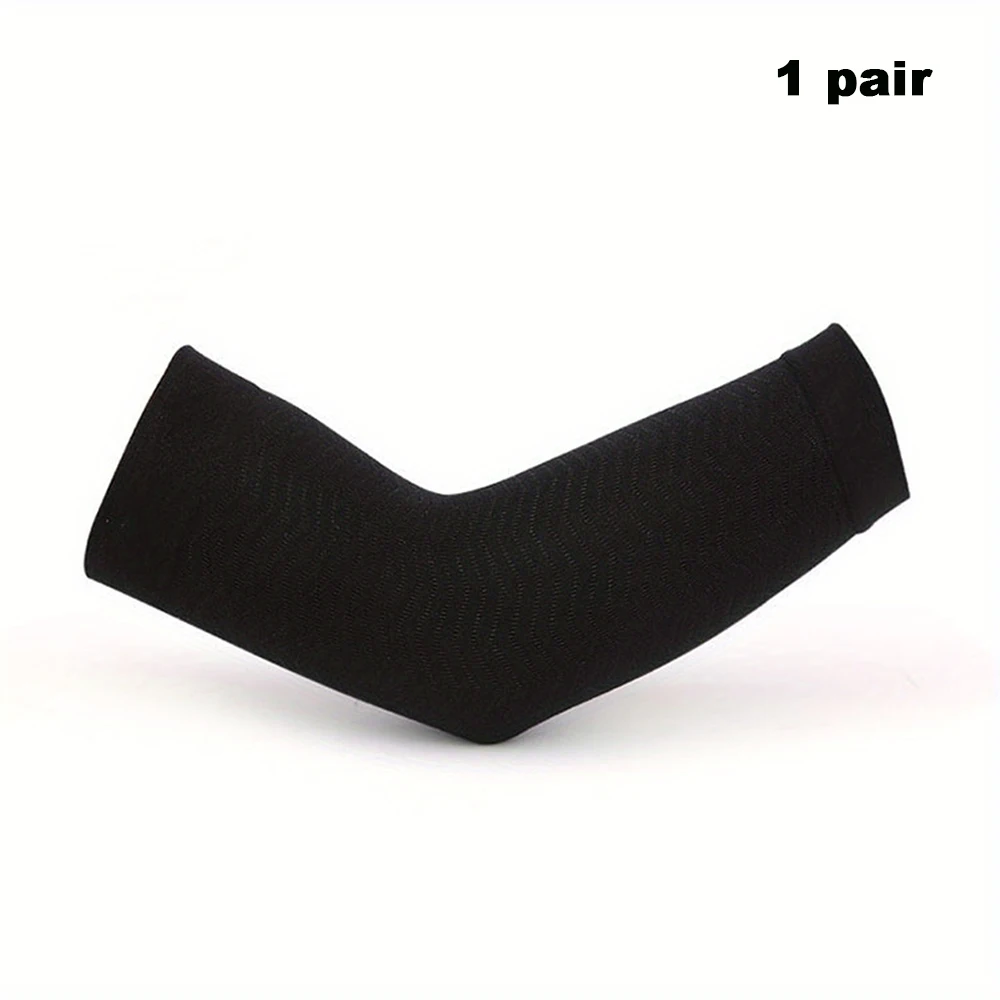
| Quantity | Pair or single — variant dependent, check listing |
| Size | Fit by upper arm and forearm circumference |
| Best for | Sport, repetitive manual work, elbow support, arm fatigue |
Care & Maintenance
Hand wash cool with mild detergent. Skip fabric softener entirely — it coats the elastane and destroys the compression. Air dry flat, never on a radiator or in a tumble dryer. Rinse after sweaty use even if you are not doing a full wash. Compression knit relaxes over time; if the sleeve slides down or no longer feels snug, it has stopped working and should be replaced.
What’s in the Box
Compression arm sleeve(s) as per the selected variant — confirm single or pair before ordering.
Reviews
There are no reviews yet.