


Gravity Is the Active Ingredient
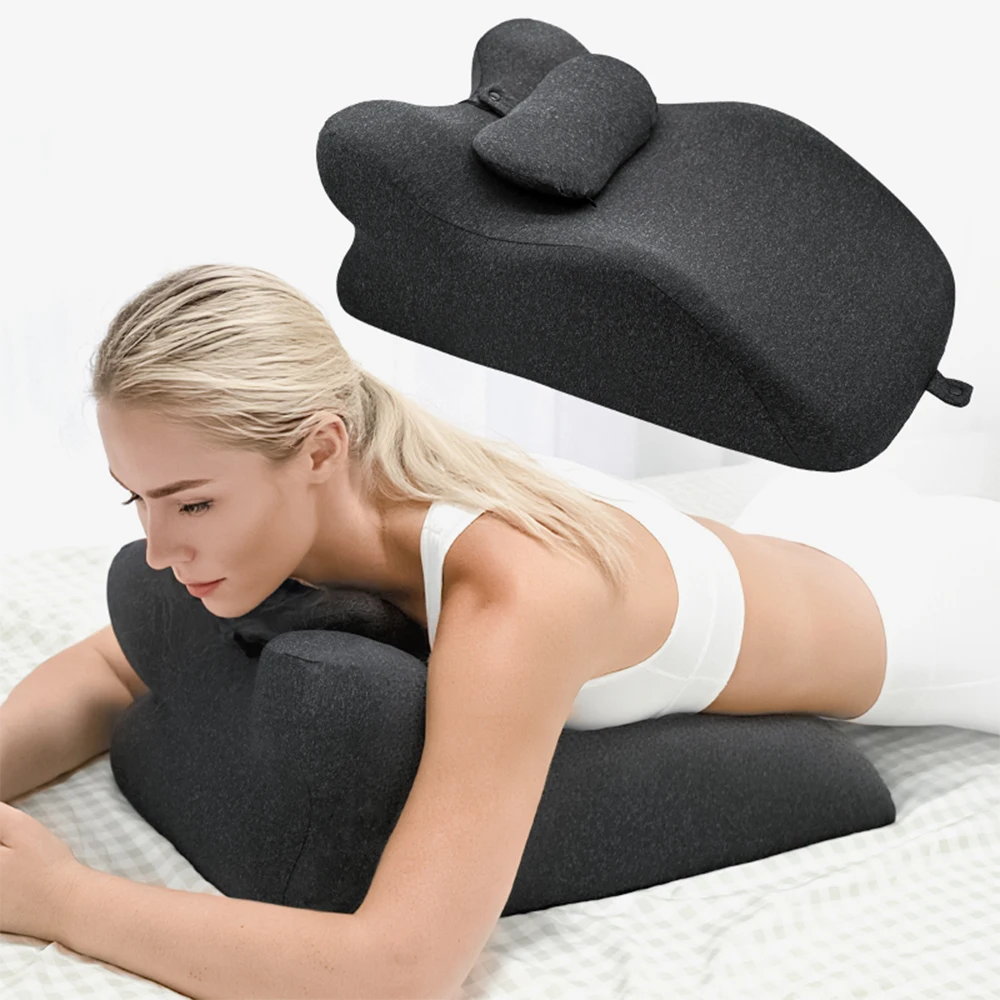
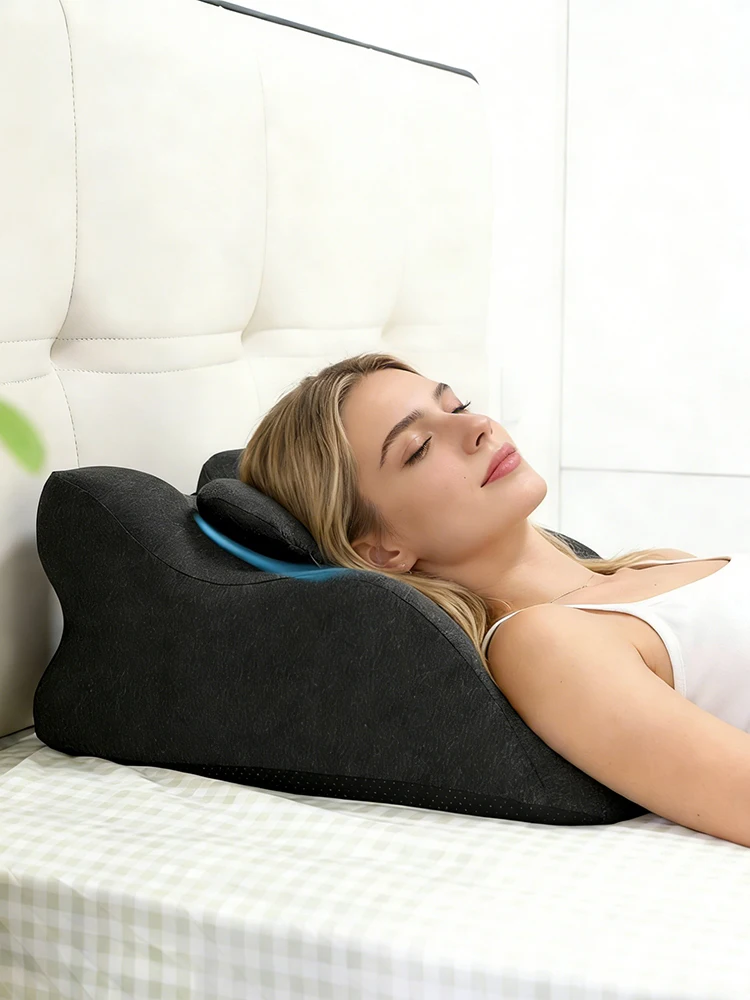
Lie flat and the junction between your oesophagus and stomach sits at roughly the same height as the stomach contents, so nothing but a weak muscular valve stands between acid and your throat. Tilt the upper body and gravity starts helping again — acid that refluxes drains back down instead of pooling. Elevating the head of the bed is one of the few lifestyle measures for night-time reflux that is actually recommended by clinicians, and it works because of the incline, not the pillow material. The same incline unloads the lumbar spine when you sit up in bed, and raises a leg to reduce venous pooling if you flip the wedge under your calves.
Key Benefits
- Reflux relief that relies on physics, not claims. A sustained upper-body incline keeps stomach contents where they belong. Stacking two ordinary pillows does not achieve this — it bends your neck and leaves your torso flat, which is the worst of both worlds.
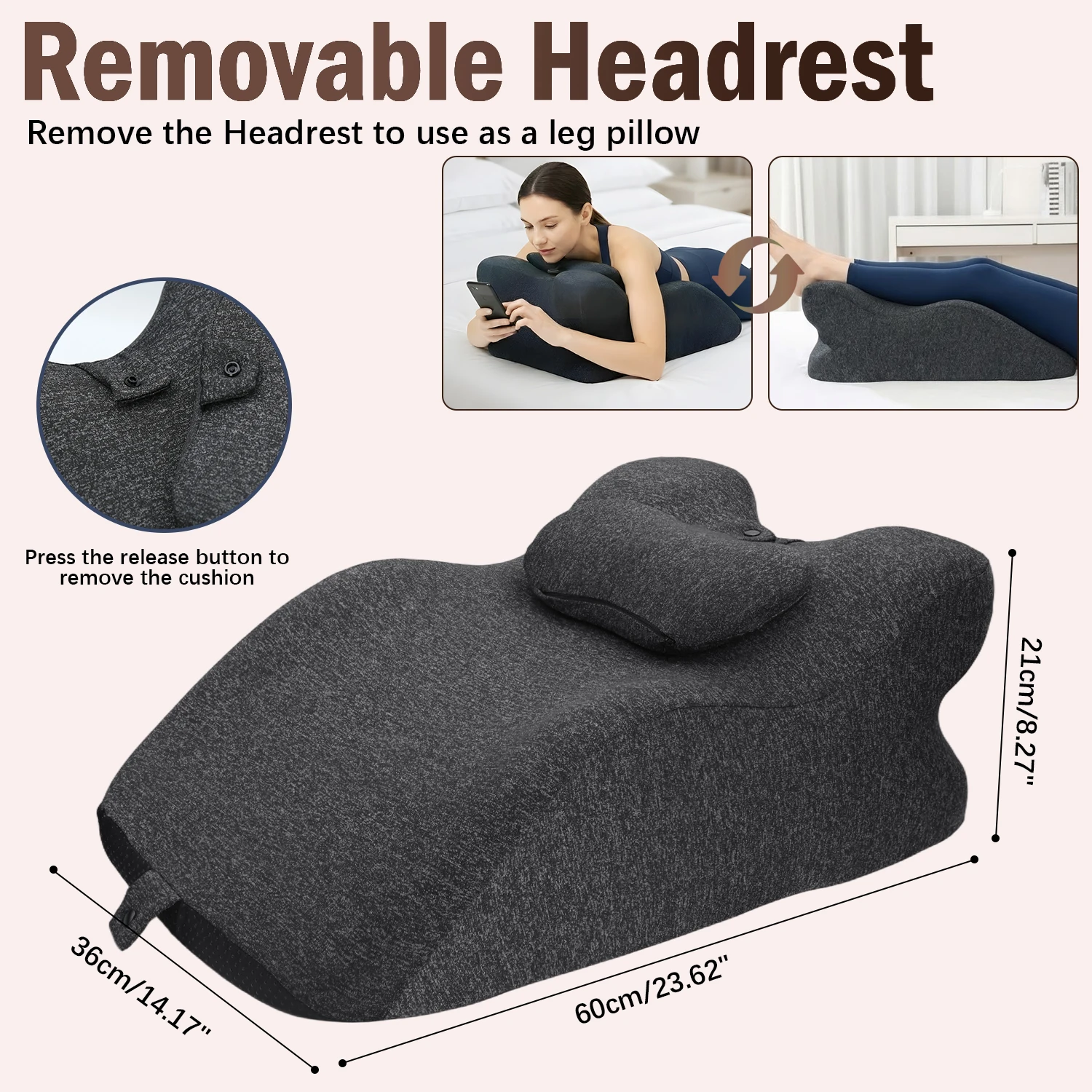
- 21cm of usable elevation. Enough gradient to matter, gentle enough over 60cm of length that you are not folded at the waist.
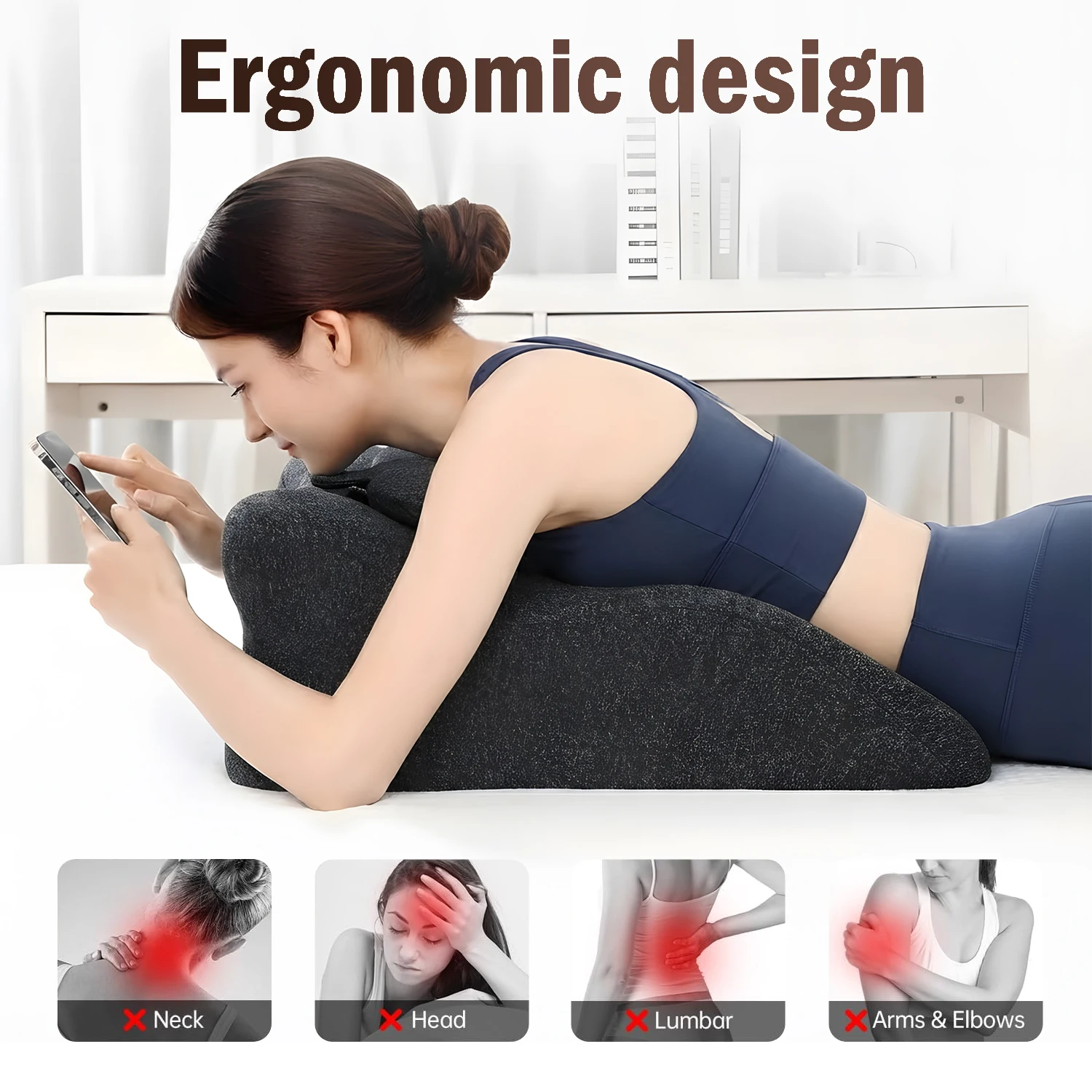
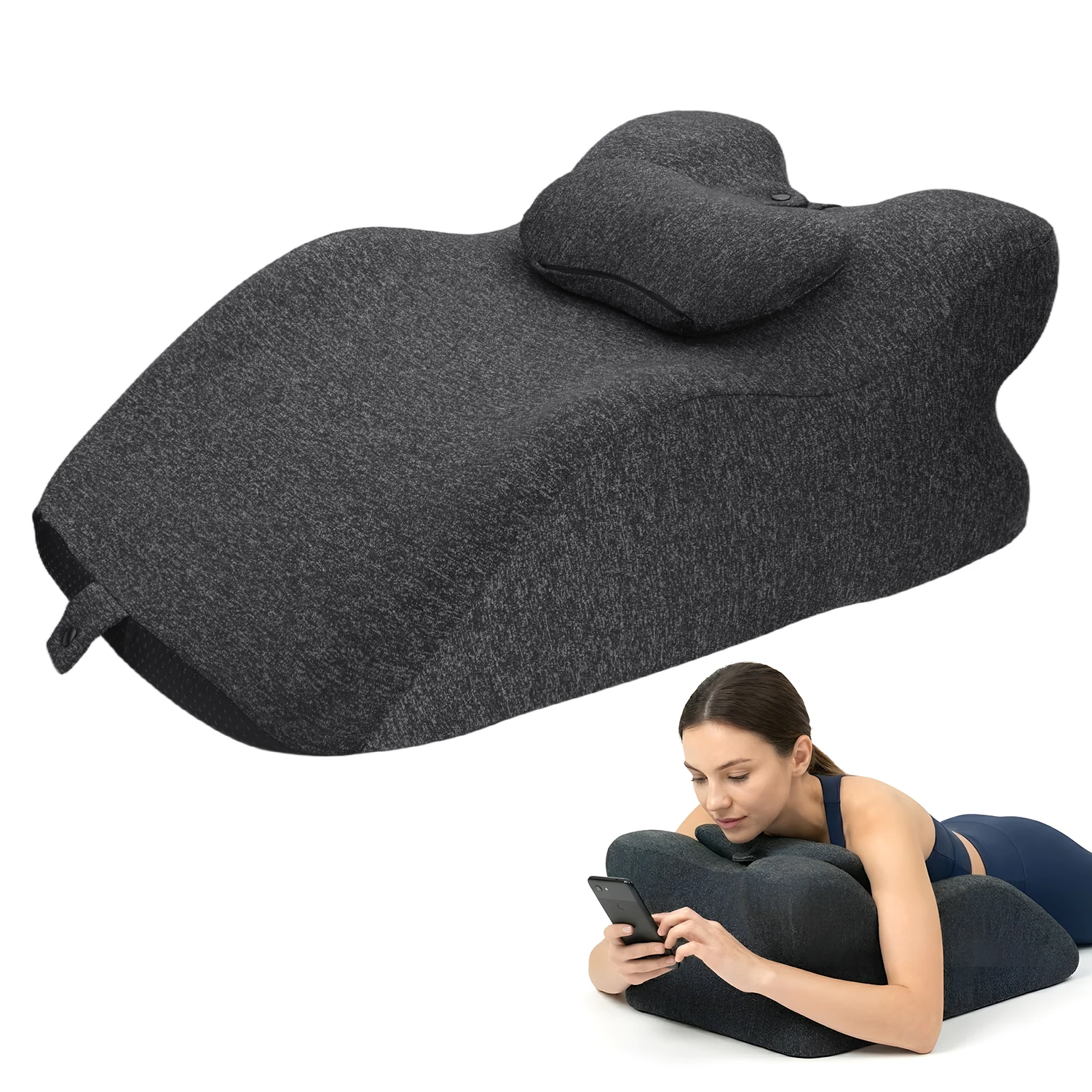
- Multi-position by design. Head-and-torso incline for reflux and breathing; under the knees to flatten the lumbar curve and take pressure off the lower back; under the calves for leg elevation; upright against a headboard for reading.
- Genuinely useful after surgery. Many procedures come with an instruction not to lie flat, and a wedge is a far more stable way to comply than a heap of soft pillows that collapse in the night.
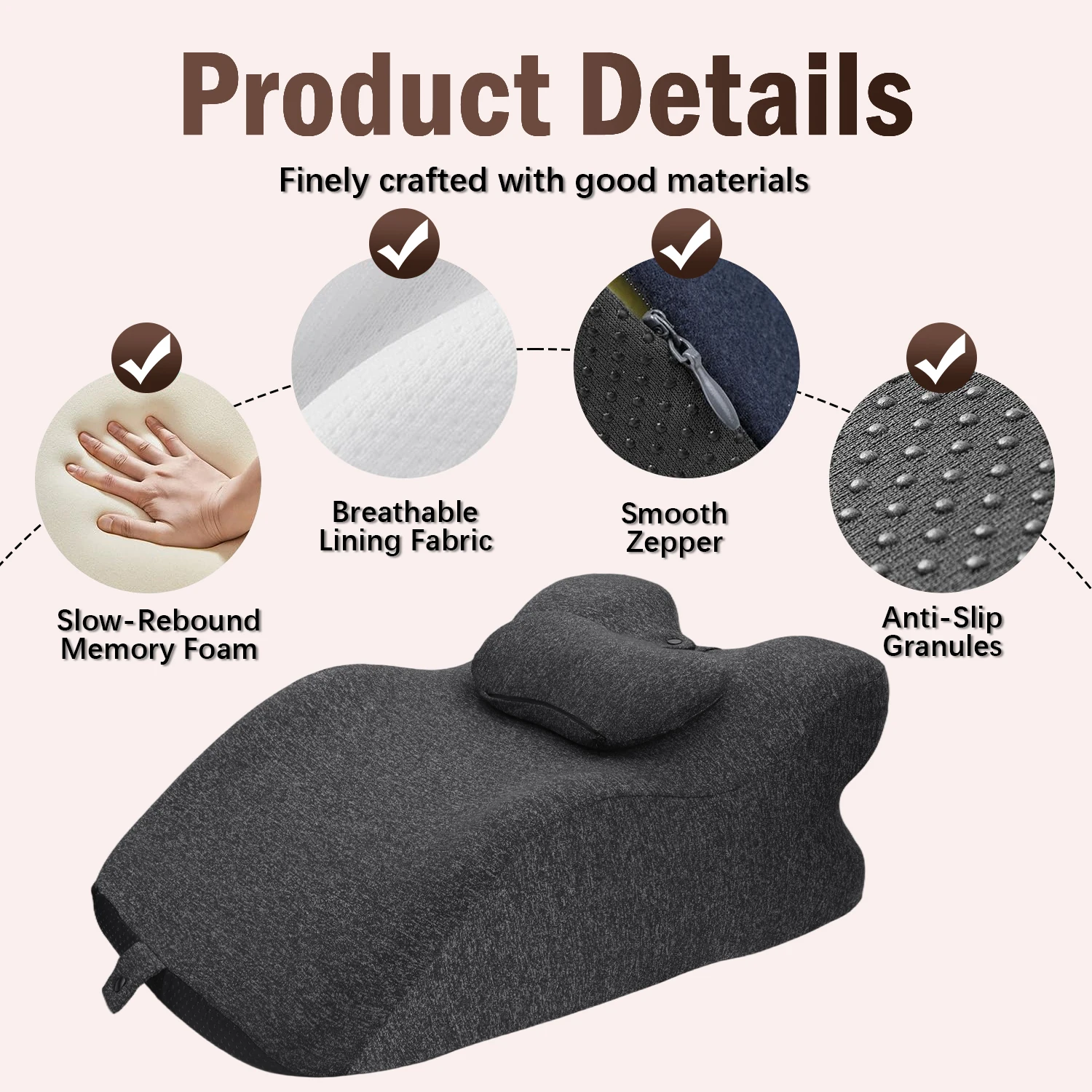
- Memory foam holds the angle. The point of a wedge is that it does not compress into nothing at 3am. Memory foam conforms to your shape while the underlying wedge geometry keeps the incline.
- Removable, washable cover. This is a product you sleep on nightly. A cover that comes off and goes in the machine is not a luxury.
How to Use
For reflux, place the wedge with the thick end against the headboard and the taper running down the bed, then lie so that your entire torso — not just your head — is supported by the slope. If your head is propped and your chest is flat, you have used it wrong and you may be making neck strain worse. You can put your normal pillow on top of the wedge for the head. Give yourself several nights to adapt; sleeping on an incline feels strange initially and most people settle within a week. Side sleepers generally get on with it well, and for reflux specifically, left-side sleeping on the wedge is the position most often suggested. For lower back relief, lie flat on your back and put the wedge under your knees instead — this reduces the pull of the hip flexors on the lumbar spine. Please note: a wedge manages the symptom of night-time reflux. It does not treat the cause, and persistent heartburn, difficulty swallowing, or reflux with weight loss should be seen by a doctor rather than managed with a pillow. If you are recovering from surgery, follow the positioning your surgeon gave you.
Specifications
| Dimensions | 60 x 36 x 21 cm |
|---|---|
| Elevation | 21 cm at the thick end |
| Fill | Memory foam |
| Cover | Removable and machine washable |
| Colour | Dark grey |
| Positions | Torso incline, under-knee, leg elevation, upright reading support |
| Common uses | Acid reflux / GERD, back pain, post-surgery recovery, reading in bed |
| Firmness | Supportive — designed to hold its angle under load |
Care & Maintenance
Unzip and machine wash the cover on a cool, gentle cycle; air dry it. Never put the memory foam core in a washing machine or soak it — memory foam holds water, takes days to dry, and can grow mould internally. Spot-clean the core with a barely damp cloth and let it air fully. Air the foam out of its cover for a few hours before first use if it has any manufacturing odour, and keep it out of direct sunlight, which degrades foam.
What’s in the Box
1 x memory foam wedge pillow, 1 x removable washable cover.


Reviews
There are no reviews yet.