Why Stabilising the Neck Is What Actually Mobilises It
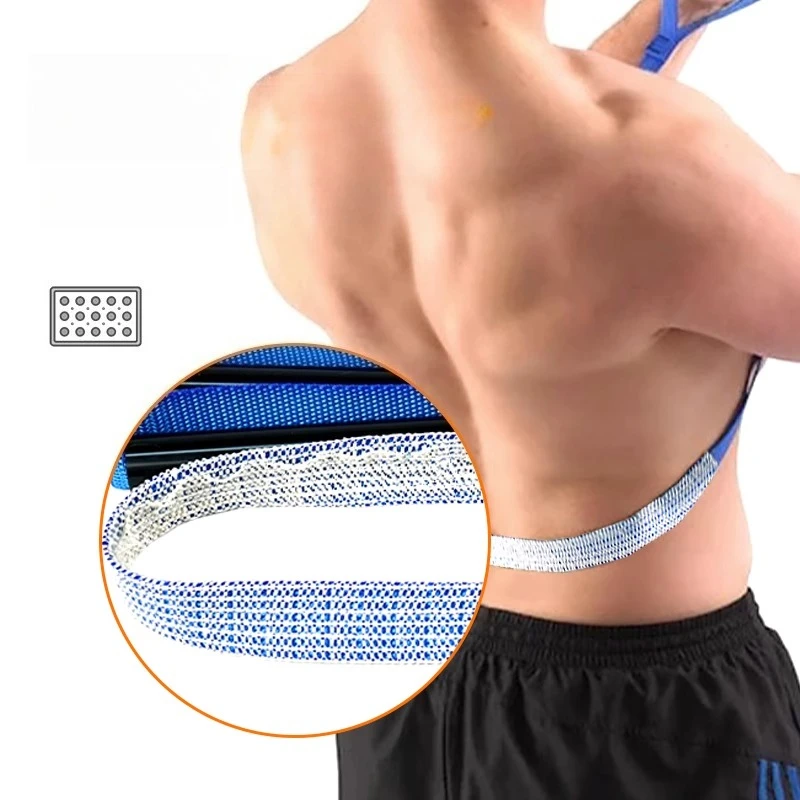
When your neck feels stiff, the instinct is to stretch it — but a global stretch simply moves wherever the neck already moves most, leaving the genuinely restricted segment untouched. This is the logic behind mobilisation-with-movement, a mainstream manual-therapy approach: a therapist blocks one vertebra with their hand while the patient actively turns, forcing the movement to occur at the restricted level rather than around it. A mobility belt does the same job as that hand. By anchoring the strap at a chosen point on the neck and rotating against it, you concentrate the movement where it is missing rather than where it is easy.
Key Benefits
- Localises the movement. Blocking one level and turning against it targets the stiff segment directly, instead of letting your already-mobile joints absorb the range.
- You control the force, so you control the safety. Self-mobilisation is inherently gentler than manipulation by another person — your own muscles will stop you long before anything is forced.
- Useful for the rotation loss most desk workers have. If reversing the car is uncomfortable on one side, that asymmetry is exactly what this addresses.
- Extends a physiotherapy programme into the home. Manual therapy tends to fade between appointments. A belt lets you repeat the same input daily, which is where most of the benefit accumulates.
- No cracking, no thrust. This is sustained, low-force mobilisation, not a high-velocity manipulation — a meaningful safety distinction for the cervical spine.
- Adjustable strap fits different neck sizes and anchor heights, so you can move the block up or down as the restricted level changes.
How to Use
Sit tall in a chair. Position the belt around the neck at the level just below the segment you want to move, and hold the free ends firmly — the strap should feel like a snug hand, not a tourniquet. Slowly rotate your head toward the restricted side until you feel a firm stretch, hold for a few seconds, and return. Six to ten slow repetitions is a session. It should feel like a stretch, never a sharp or electric sensation. Stop immediately and see a clinician if you get dizziness, visual disturbance, nausea, facial numbness, or pain radiating into an arm — those are not normal responses to neck mobilisation and must be assessed. Do not use this belt if you have unexplained neck pain after trauma, known cervical instability, inflammatory arthritis affecting the neck, osteoporosis, vertebral artery disease, or have had cervical surgery, without clearance from a physiotherapist or doctor. Never pull hard, and never use it around the front of the throat.
Specifications
| Type | Cervical self-mobilisation belt / strap |
|---|---|
| Method | Mobilisation-with-movement — segmental stabilisation plus active rotation |
| Adjustment | Adjustable strap length and anchor position |
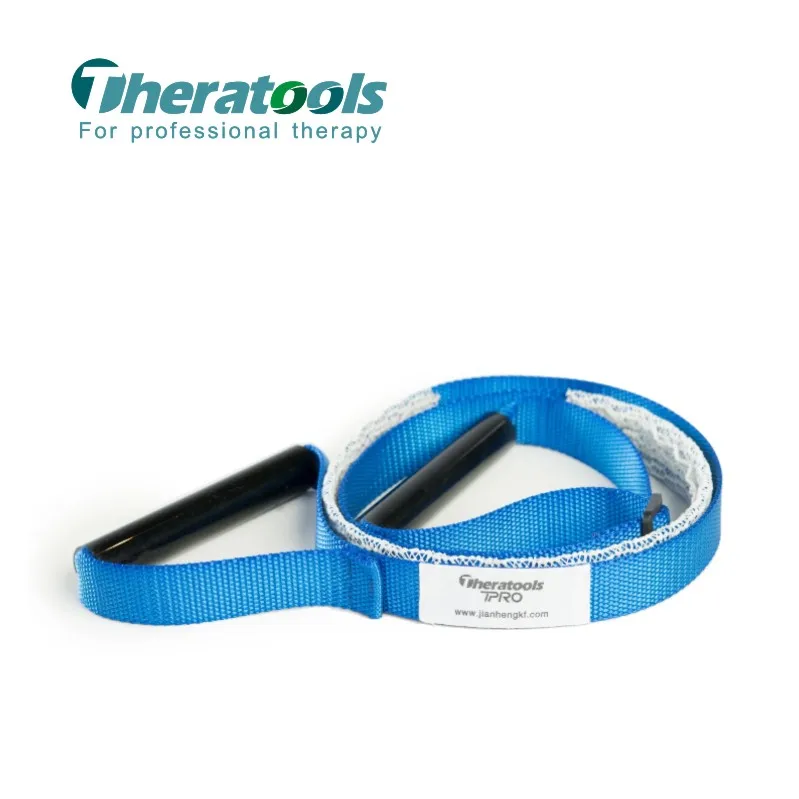
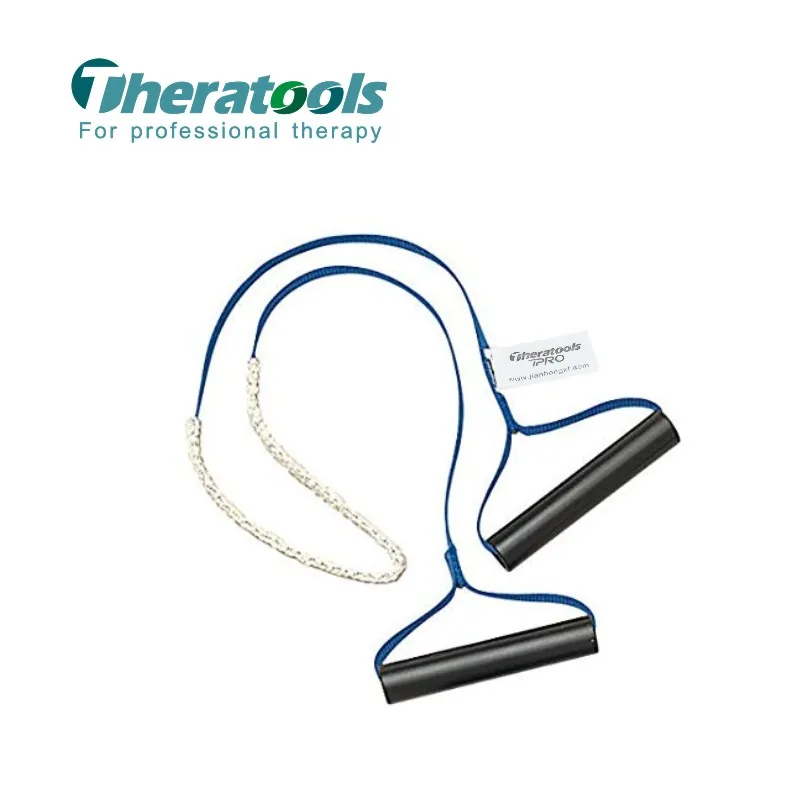
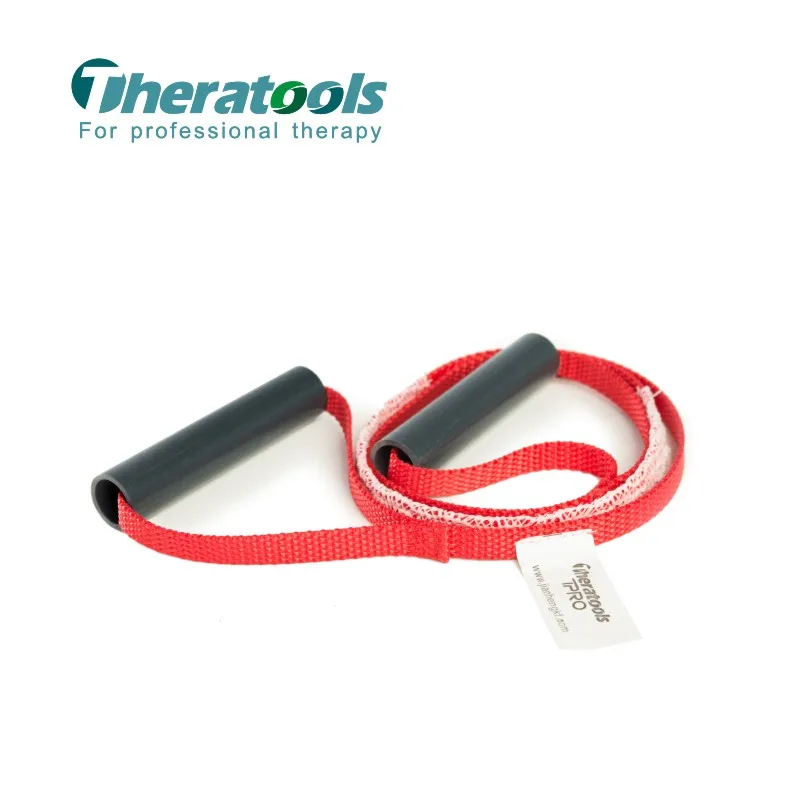
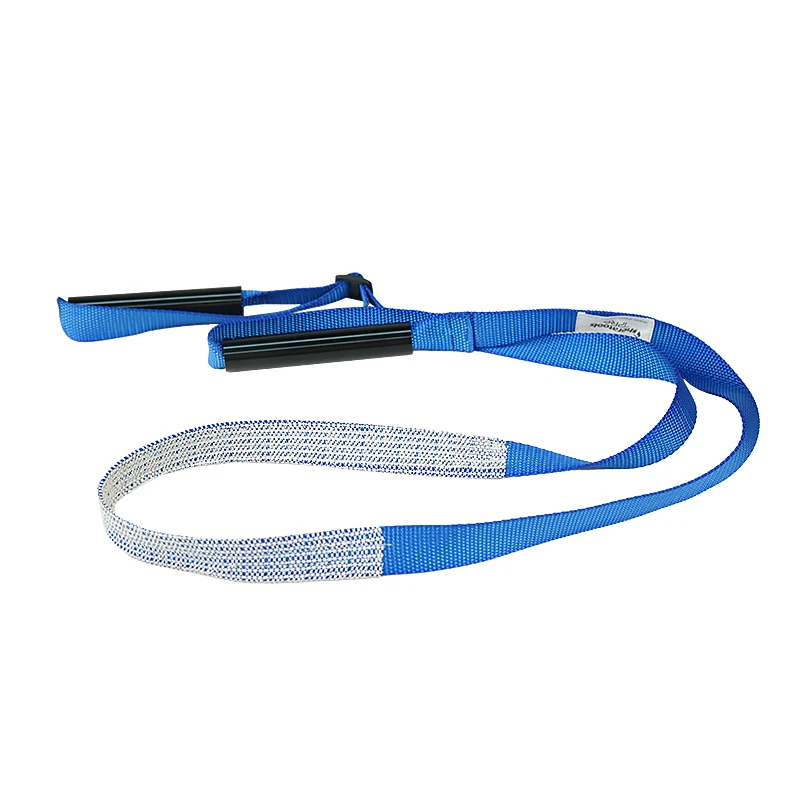
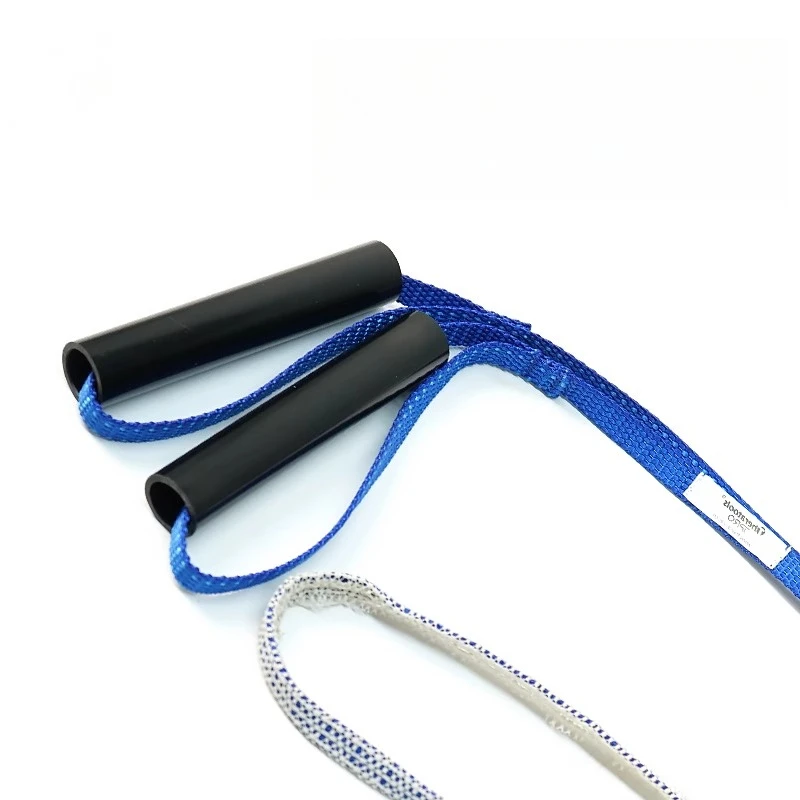
| Material | Reinforced webbing strap with grip handles |
| Use position | Seated, upright |
| Session | 6–10 slow repetitions per side |
| Best for | Rotation stiffness, desk-related neck tightness, home physio programmes |
| Not suitable for | Post-trauma neck pain, cervical instability, osteoporosis, radiating arm symptoms |
| Supervision | Ideally introduced by a physiotherapist |
Care & Maintenance
Hand wash the strap in cool water with mild detergent and air dry; do not tumble dry, as heat weakens webbing. Inspect the strap and stitching before every use — fraying at the stress points means the belt should be retired. Store flat or loosely coiled, out of direct sunlight, which degrades synthetic webbing over time.
What’s in the Box
1 x neck mobility belt with adjustable strap and handles, plus instructions. Not a substitute for assessment by a physiotherapist.

Reviews
There are no reviews yet.