Two Millimetres Matters More Than You’d Think
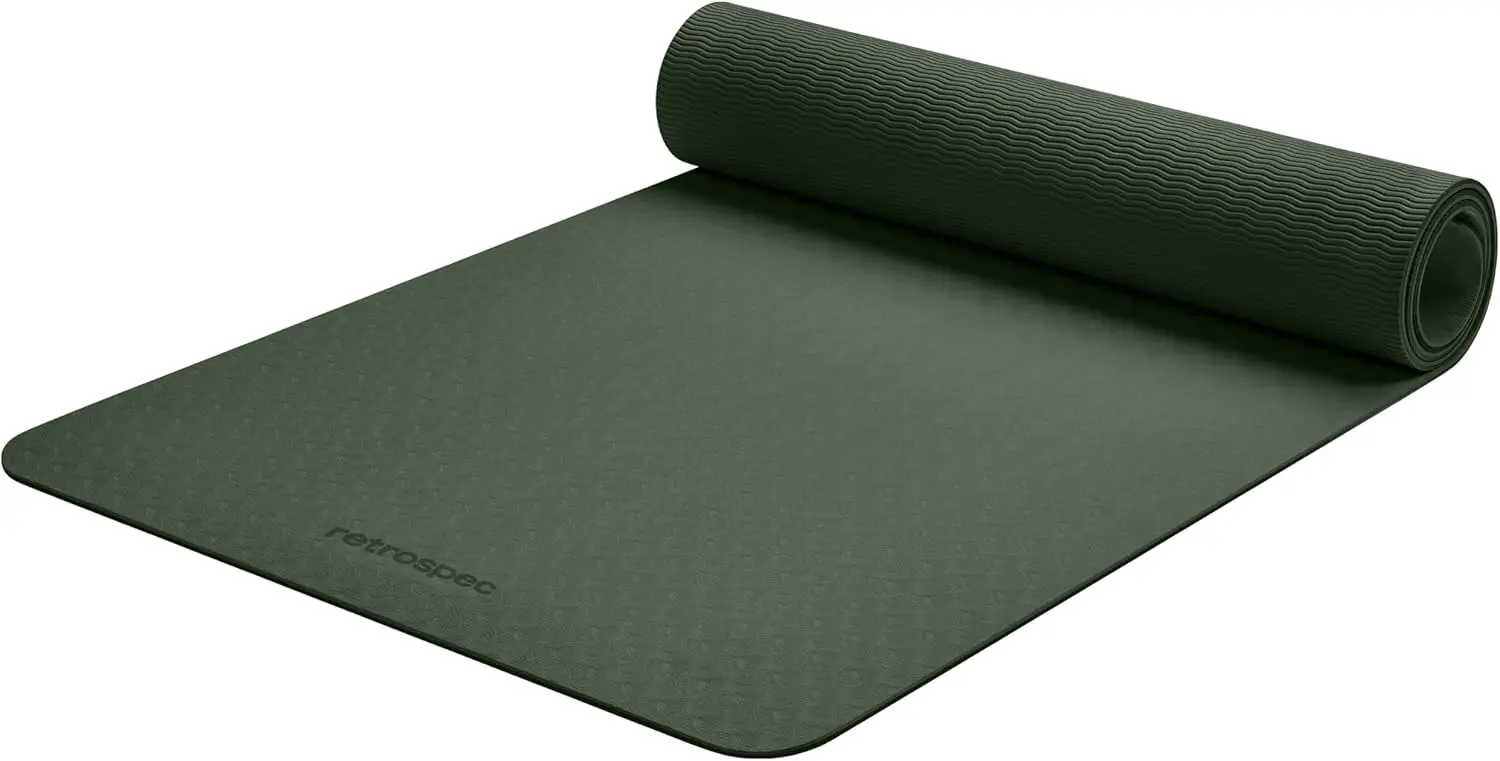
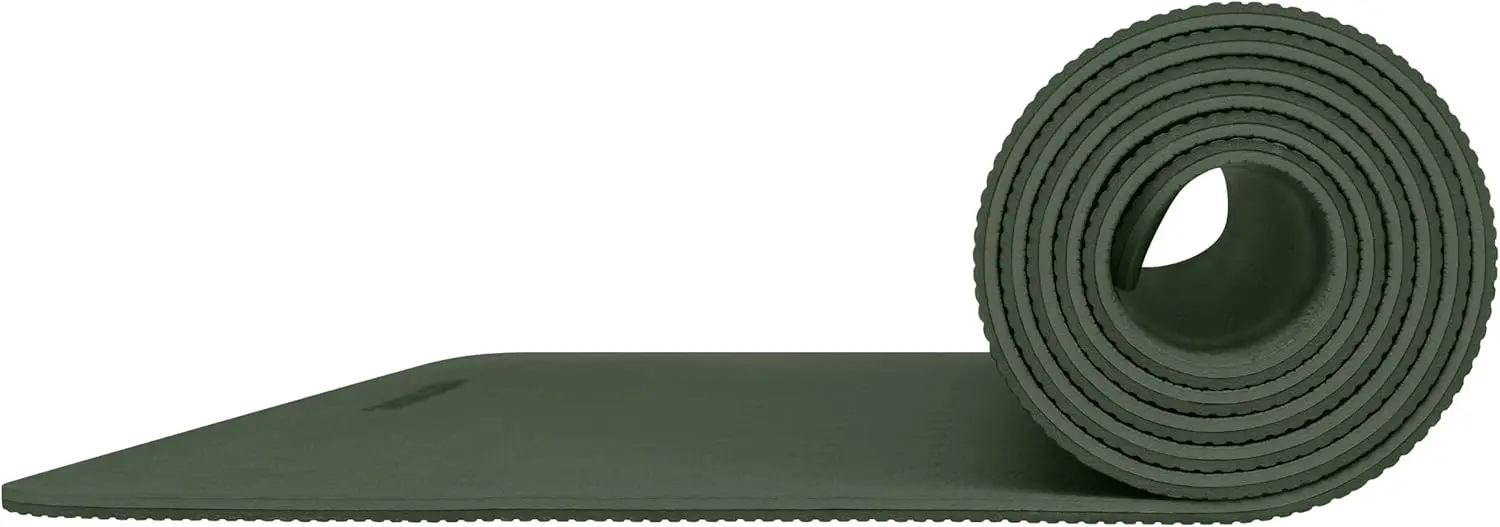
Standard studio mats are 4mm, which is the right compromise for balance-heavy practice. Six millimetres tilts it slightly toward comfort — noticeably kinder on knees, hips and spine during floor work, at a small cost in stability during standing balance poses. If your practice is more mat-based than balance-based, or your knees complain in kneeling poses, 6mm is the better choice and 4mm is not.
Key Benefits
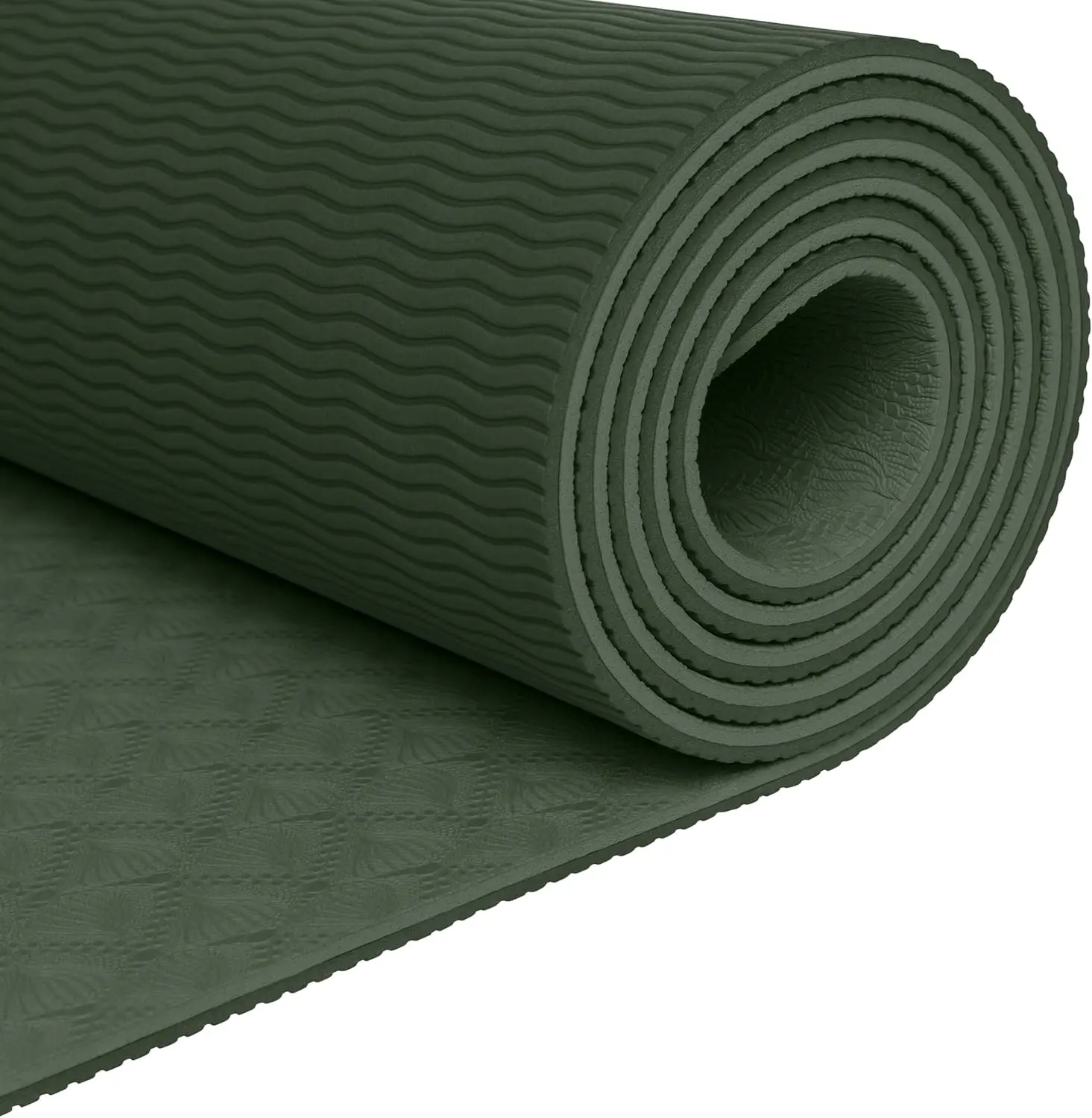
- 6mm thickness — meaningfully more cushioning for knees, hips and spine
- TPE, latex-free — safe for latex allergies
- Closed-cell surface that resists absorbing sweat and bacteria
- Non-slip texture on both faces
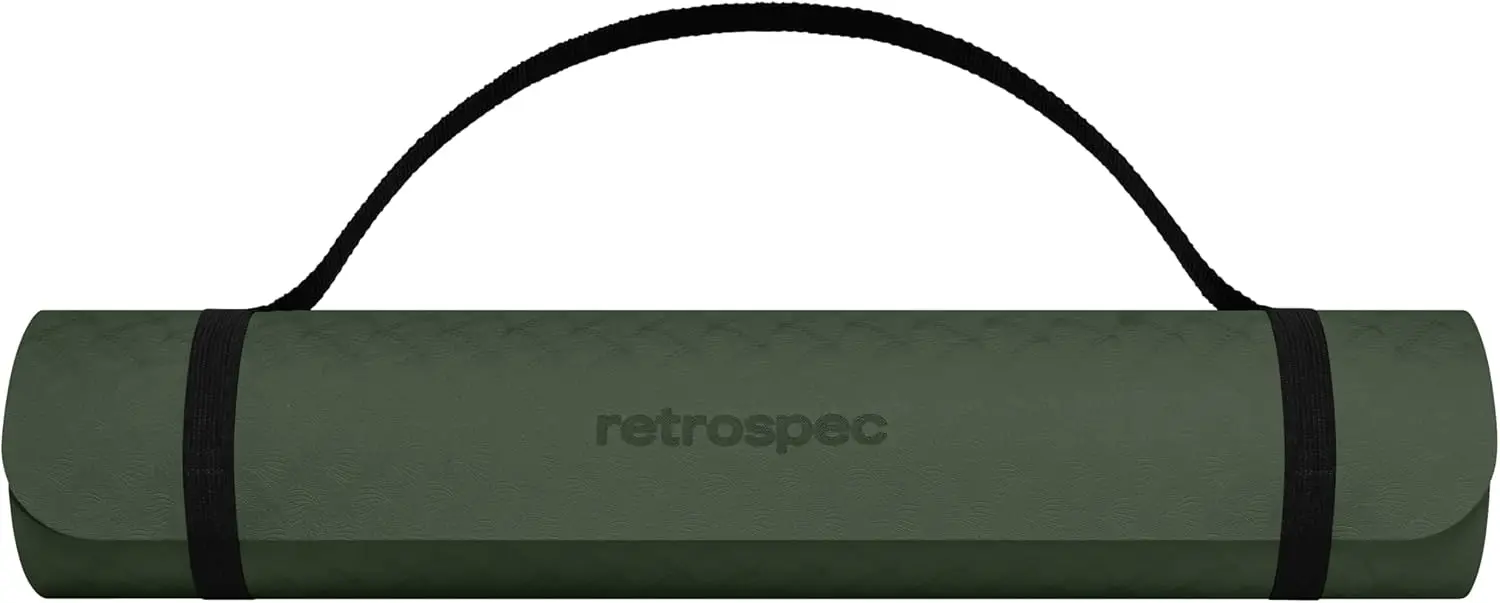
- Carry strap included
- Lighter than rubber mats of the same thickness
How to Use
Unroll and let it lie flat for a few hours before first use — new mats hold a curl. If the surface feels slick when new, wipe it down to remove manufacturing residue; TPE grips better after a clean. Note the trade-off honestly: at 6mm you’ll be slightly less stable in standing balance poses than on a 4mm mat. If tree pose is your priority, choose thinner.
Specifications
| Material | TPE — latex-free |
|---|---|
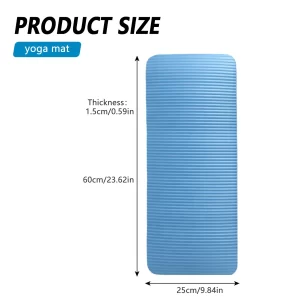
| Thickness | 6 mm |
| Surface | Non-slip textured, both sides |
| Cell structure | Closed-cell — resists sweat absorption |
| Included | Carry strap |
| Best for | Floor-based practice, sensitive knees, pilates, stretching |
| Trade-off | Slightly less stable than 4mm in standing balance poses |
Care & Maintenance
Wipe with a damp cloth and mild soap. Air dry flat, out of direct sunlight. Do not machine wash.
What’s in the Box
1 × TPE Yoga Mat (6mm), carry strap
Reviews
There are no reviews yet.