


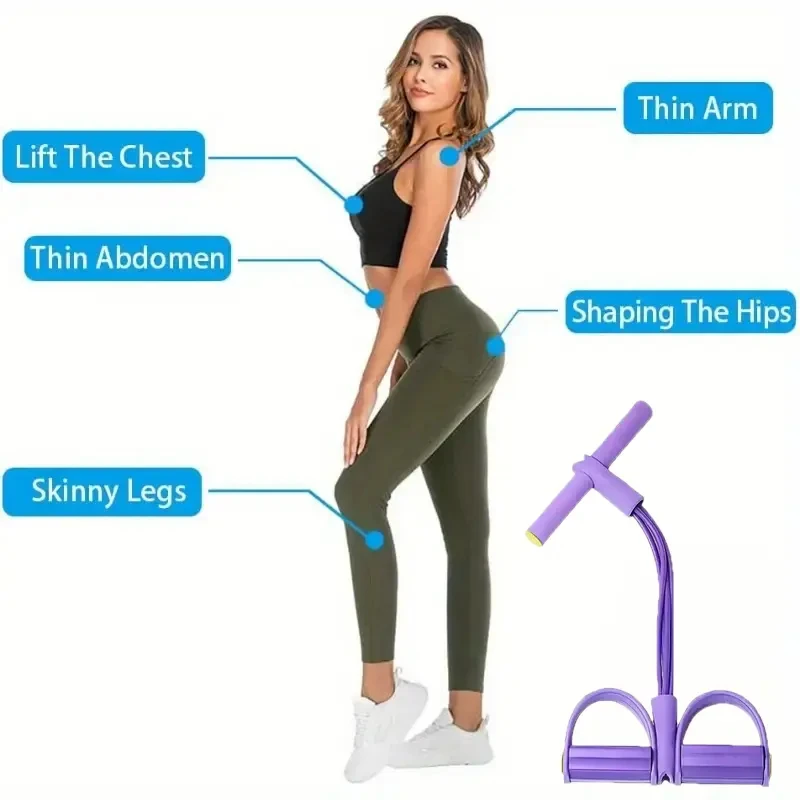
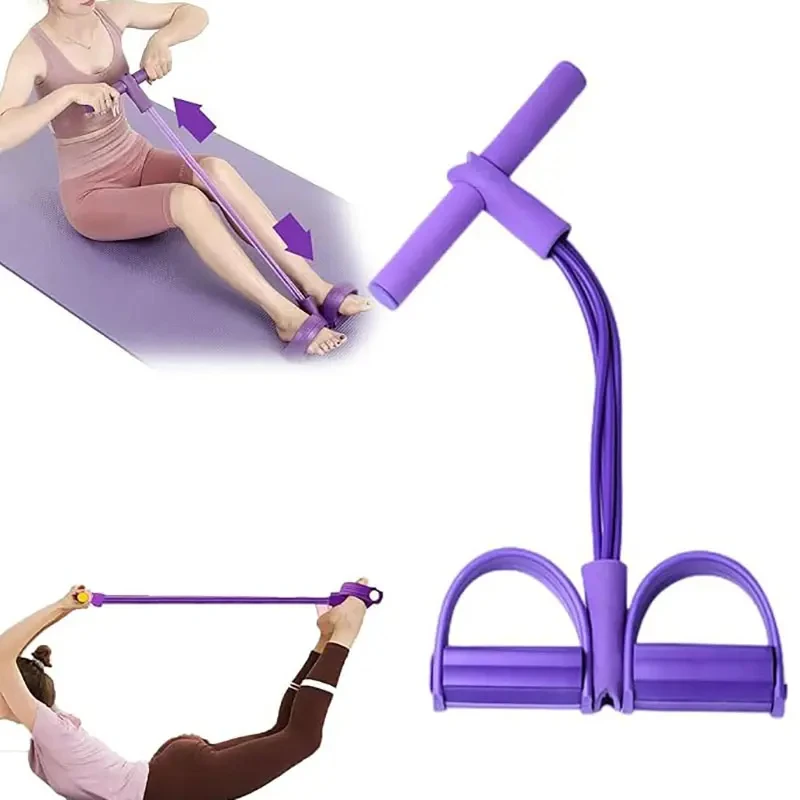

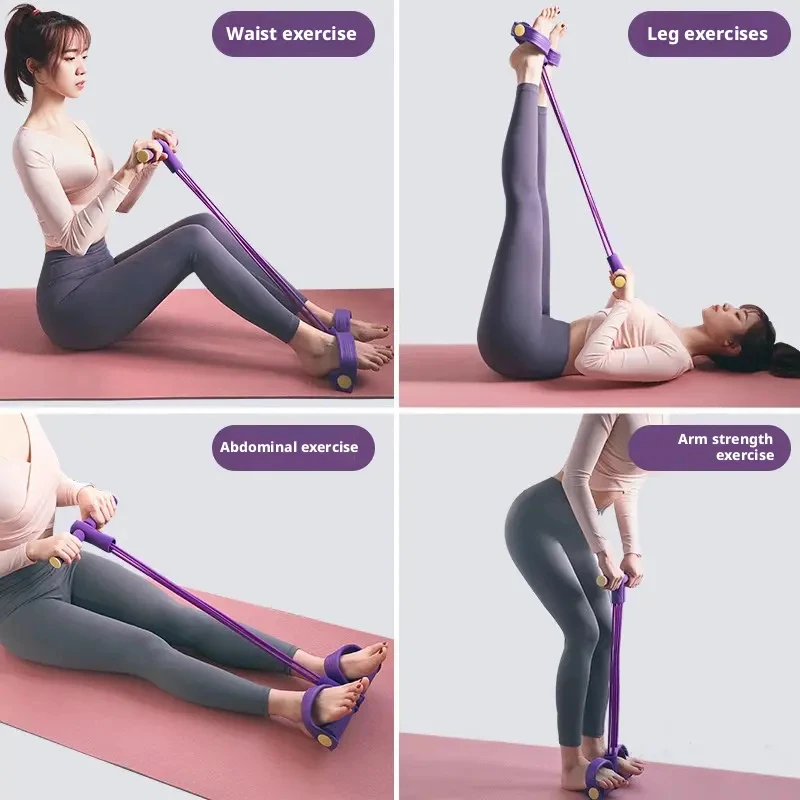

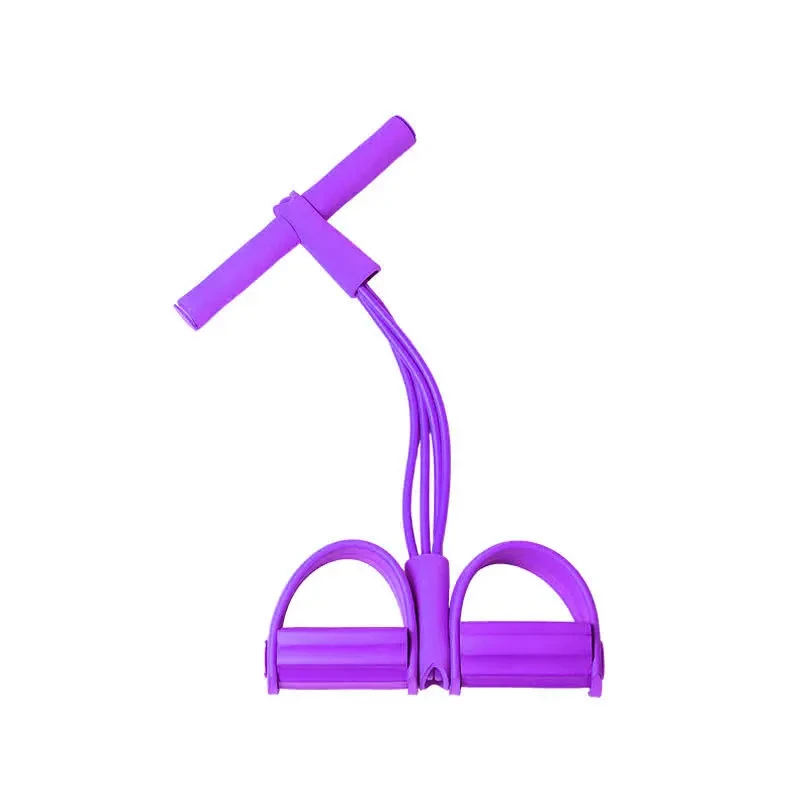
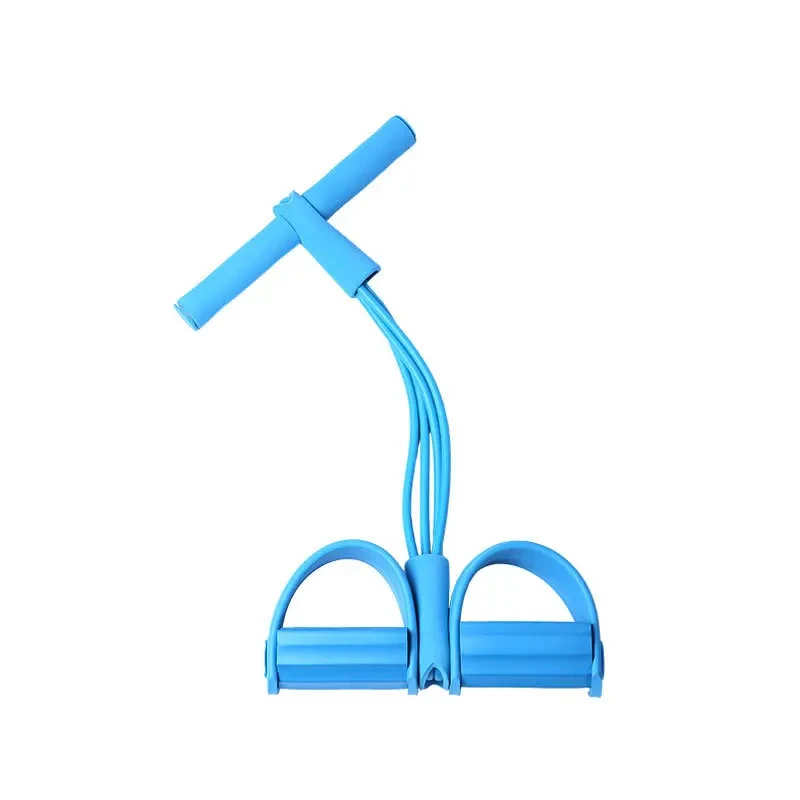
The Ascending Resistance Curve, And Why Bands Are Not Just Cheap Dumbbells
A dumbbell fights you with a constant load and the leverage of gravity, which means the hardest point of a curl is halfway up and the top is nearly free. An elastic tube behaves in the opposite way: tension climbs as the band lengthens, so resistance is lowest where the joint is at its most vulnerable, stretched position and highest where the muscle is contracted and mechanically strongest. Add near-zero inertia — no momentum to swing through — and you get a stimulus that is unusually kind to joints while still driving genuine tension through the working range.
Key Benefits
- Resistance that matches your strength curve — tension rises through the rep, loading the shortened, strong end range that dumbbells barely challenge.
- Four tubes, four load levels — stack or swap tubes to progress, so the set grows with you instead of being outgrown in a month.
- Genuinely joint-friendly — no inertia and no dead weight to catch, which is why bands are a rehab staple long before free weights are reintroduced.
- Trains horizontal and rotational patterns properly — rows, presses, wood-chops and pull-aparts all work against a band; gravity-based tools struggle with anything that isn’t up-and-down.
- Packs into a jacket pocket — a full-body kit that weighs a few hundred grams and travels in hand luggage.
- Cheap enough to keep a set at work — the best training equipment is the equipment that happens to be nearby.
How to Use
Anchor the tube at the height the movement demands — low for curls and rows (stand on it), chest height in a door anchor for presses and pull-aparts, high for triceps push-downs and lat work. Take up the slack before the first rep so tension is present from the start, then move slowly, and above all control the return: the eccentric phase is where the band tries to snap you back and where most of the muscle-building tension lives. Safety, and this matters more with bands than with weights: inspect every tube before use for nicks, splits, chalky patches or thinning near the clips, and bin any tube that shows them — a tube fails suddenly and travels fast. Never stretch a band toward your face, never anchor it to a door handle that can turn, and check the door anchor is on the far side of a closed door before you load it.
Specifications
| Product type | Elastic pull-rope resistance band set (4 tubes) |
|---|---|
| Tubes included | 4 elastic pull ropes of differing resistance |
| Resistance levels | Four; exact ratings are variant dependent |
| Colours | Pink, Purple, Sky Blue |
| Attachments | Handles and clips (contents vary slightly by variant — check the listing) |
| Trains | Chest, back, shoulders, arms, glutes, core; rowing and pull patterns |
| Best for | Home workouts, travel, rehab progressions, warm-ups |
| Storage | Rolls into a pocket or small bag |
Care & Maintenance
Wipe tubes down after sweaty sessions — sweat and body oils degrade latex and TPE over time. Store away from direct sunlight and radiators; UV and heat are what turn a band chalky and brittle. Never store a band stretched or knotted, and keep clips free of grit. Replace any tube showing nicks, cracks or thin spots rather than gambling on one more session.
What’s in the Box
Four elastic pull ropes with handles and connectors. Door anchor and ankle straps are variant dependent — check the options on this listing.
Reviews
There are no reviews yet.