

The Only Piece of Kit That Protects Something You Can’t Rebuild
A helmet does not work by being hard. It works by crushing. Inside the plastic shell sits a liner of expanded polystyrene foam, and in an impact that foam collapses in a controlled way, stretching the time over which the head decelerates. Because force is a function of how quickly momentum changes, buying even a few extra milliseconds cuts the peak force reaching the skull and brain enormously. The essential consequence is that the foam is single-use. It crushes once. It does not spring back. A helmet that has taken a real impact is spent — even if the outside looks perfect.
Key Benefits
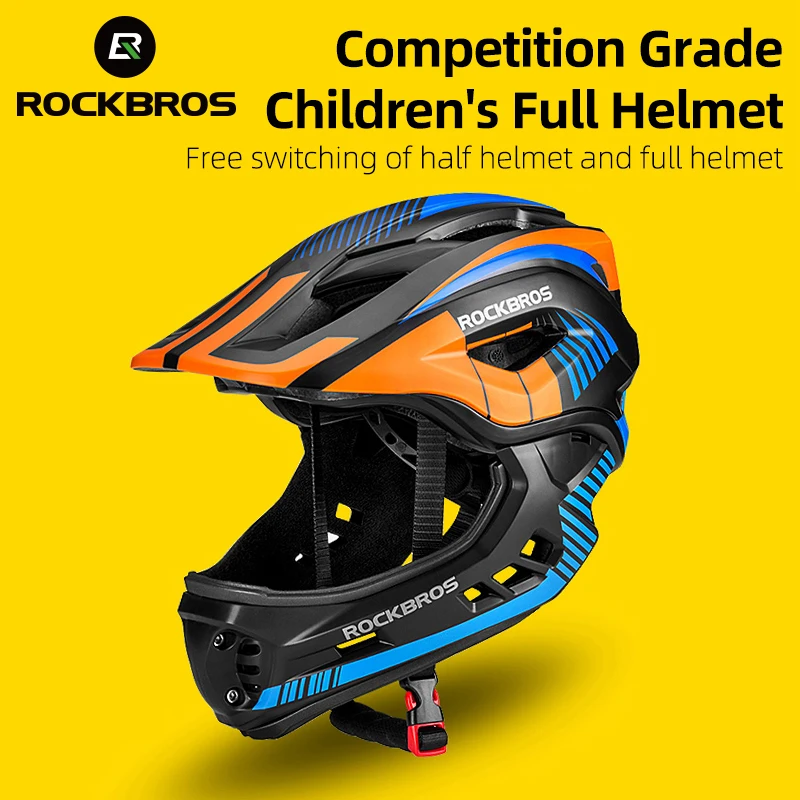
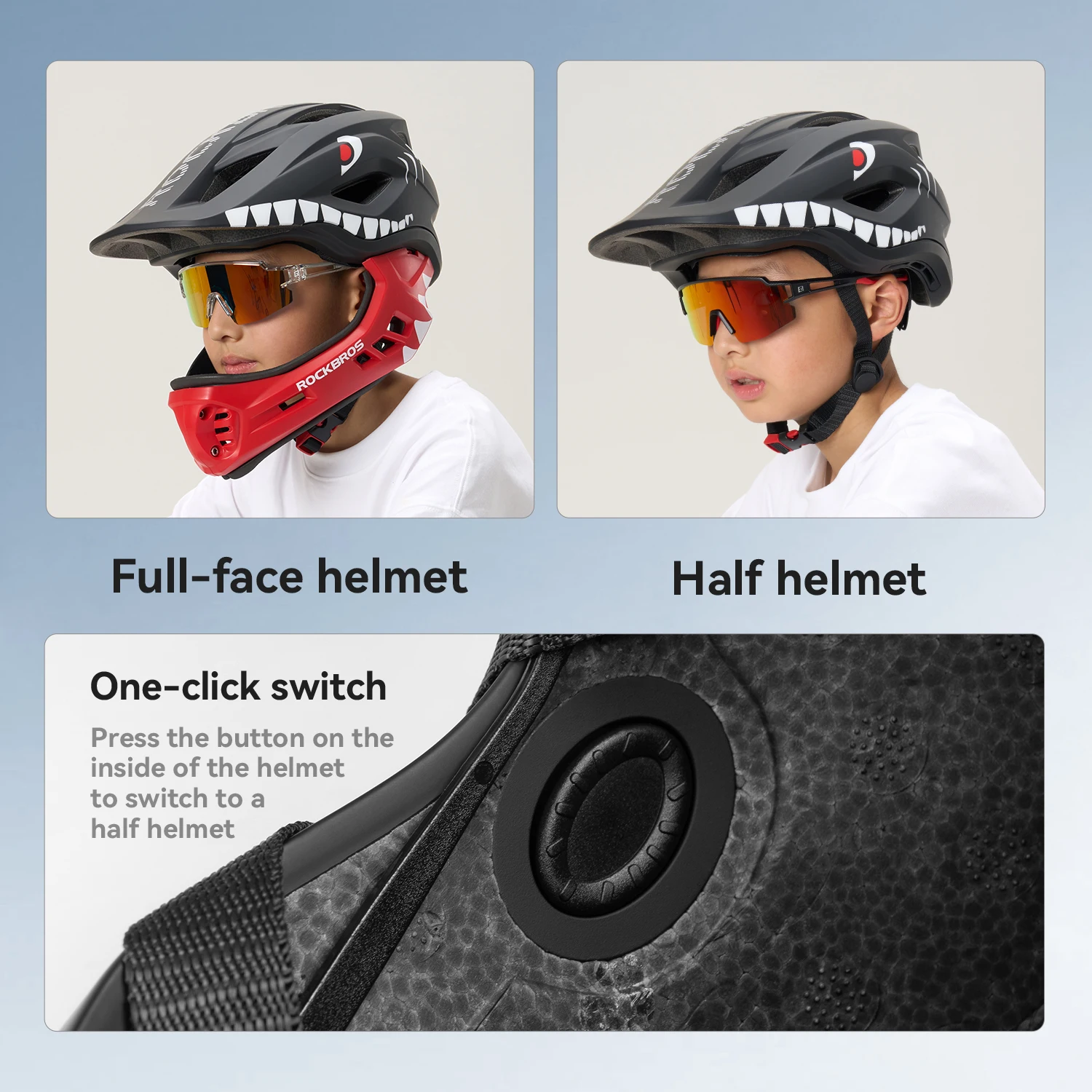
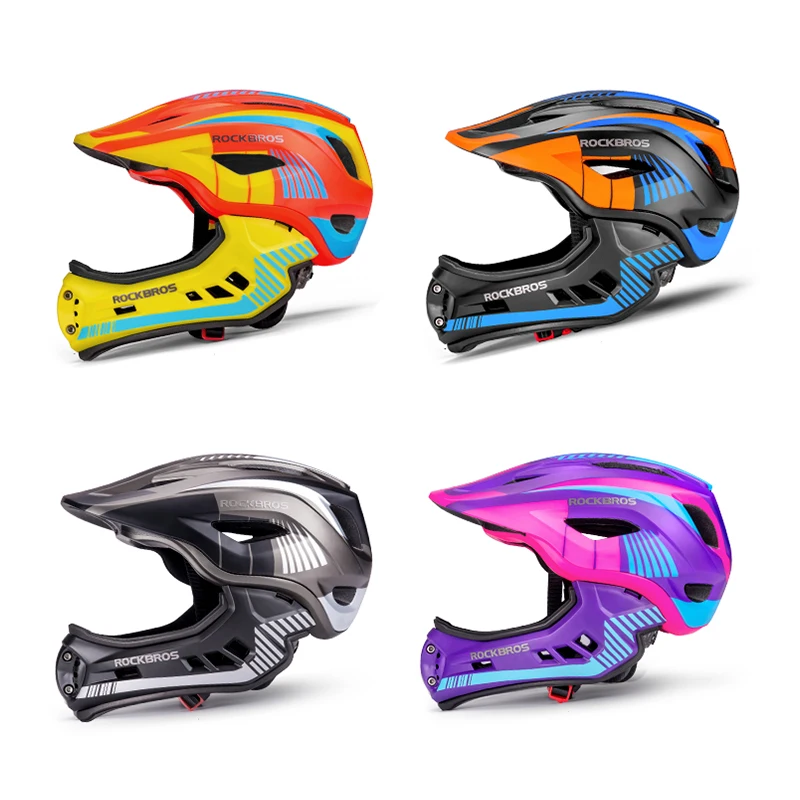
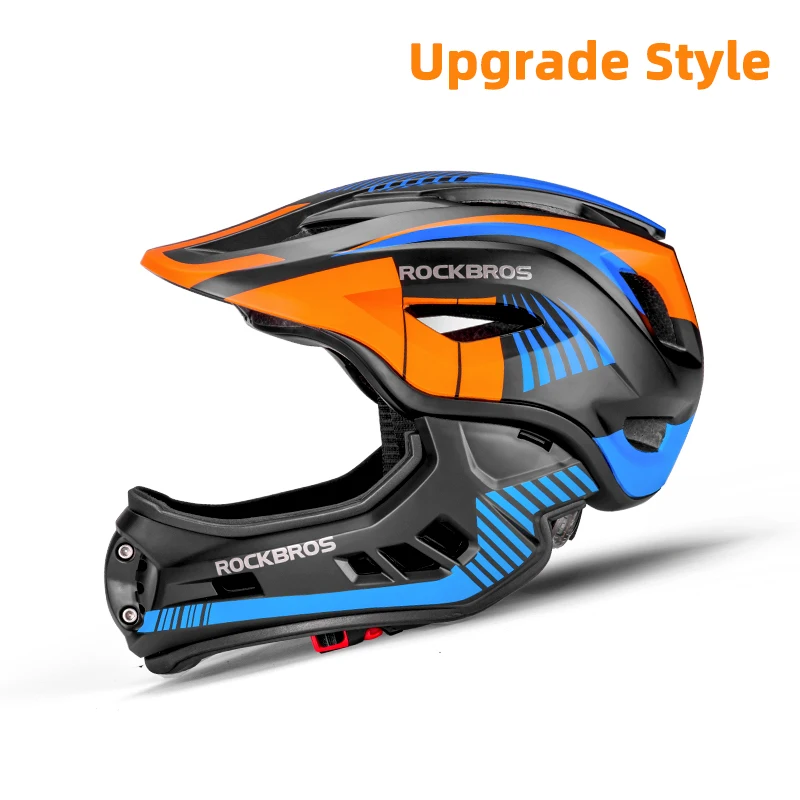
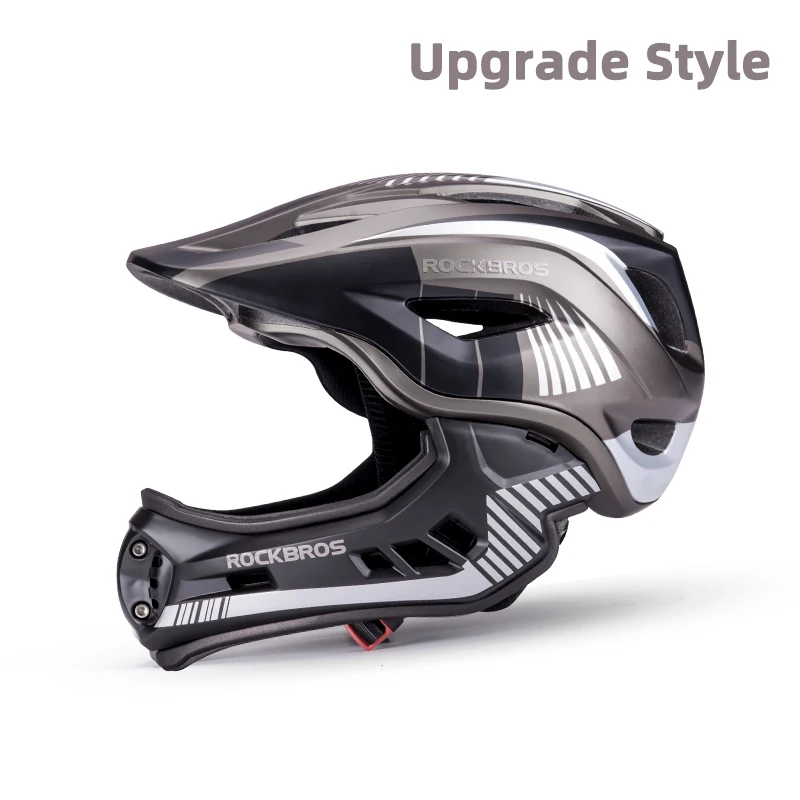
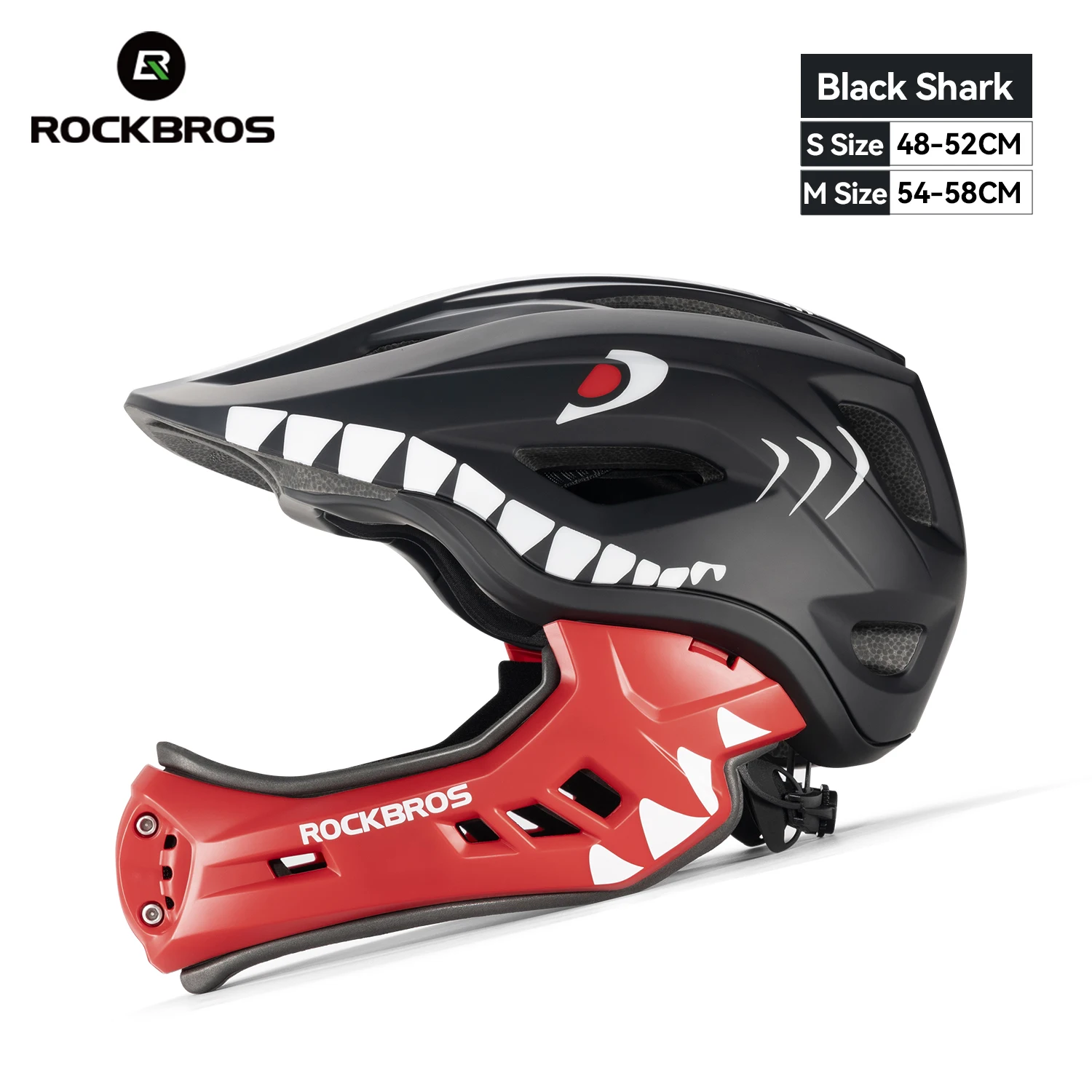
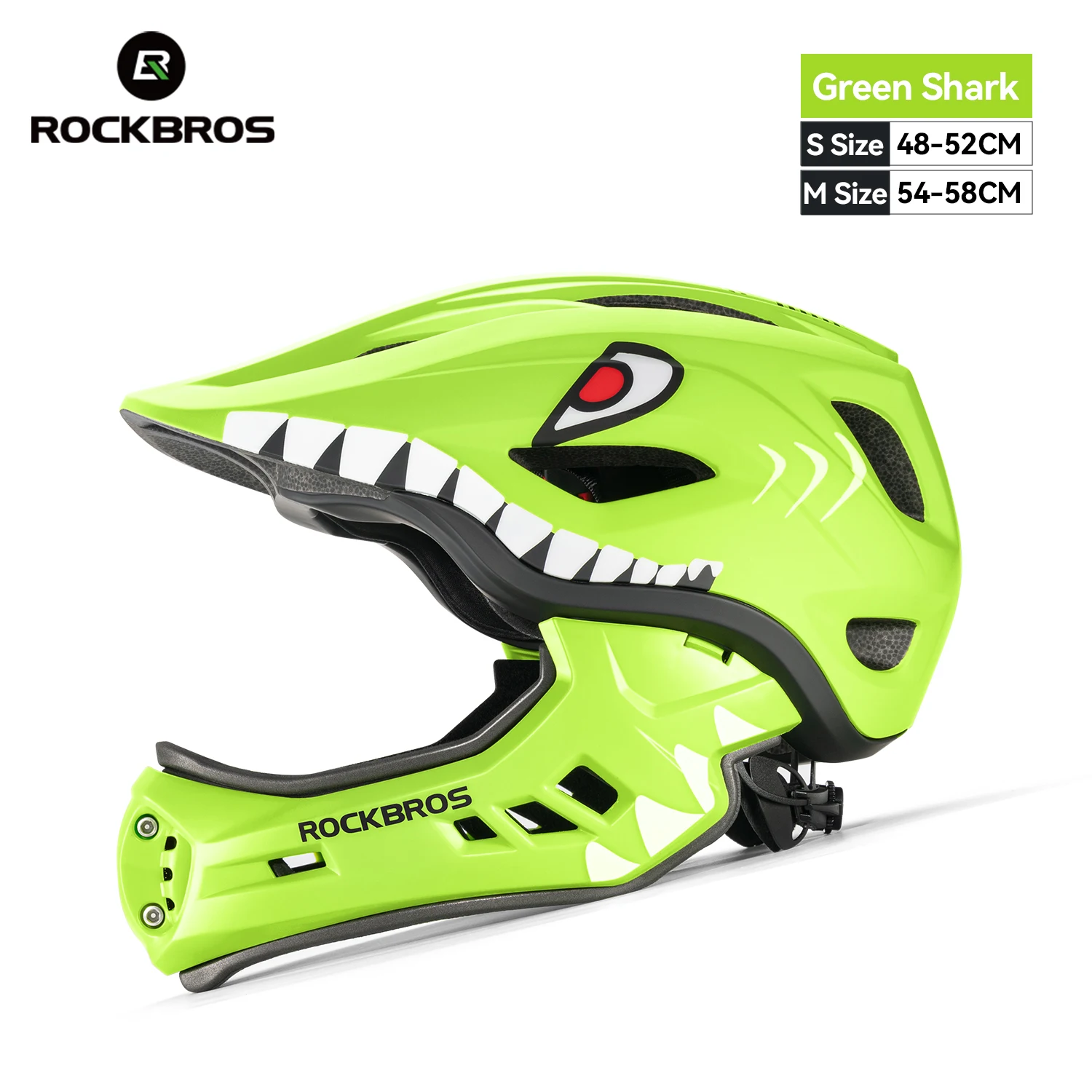
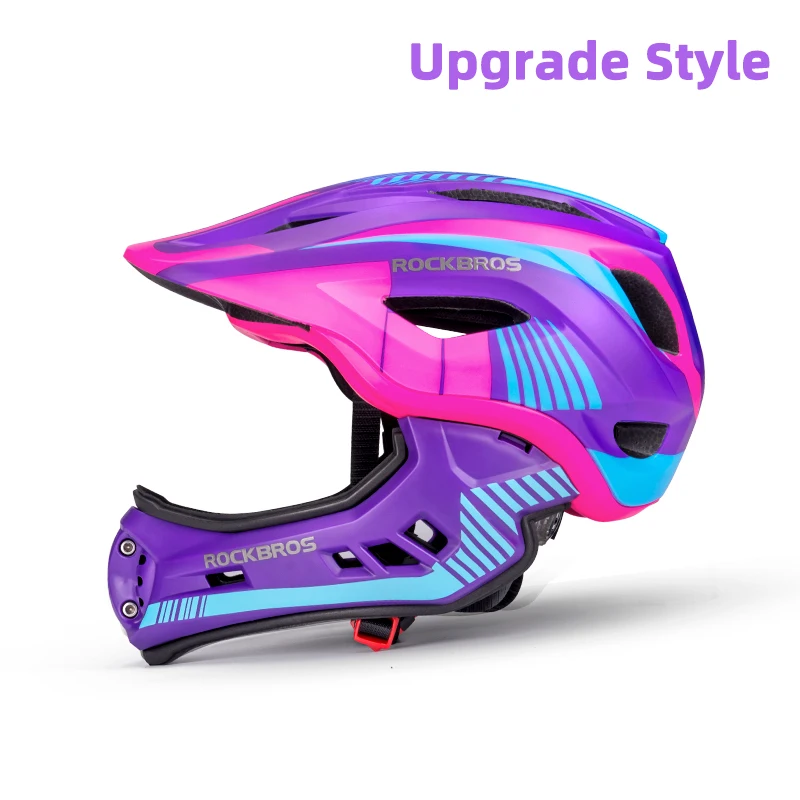
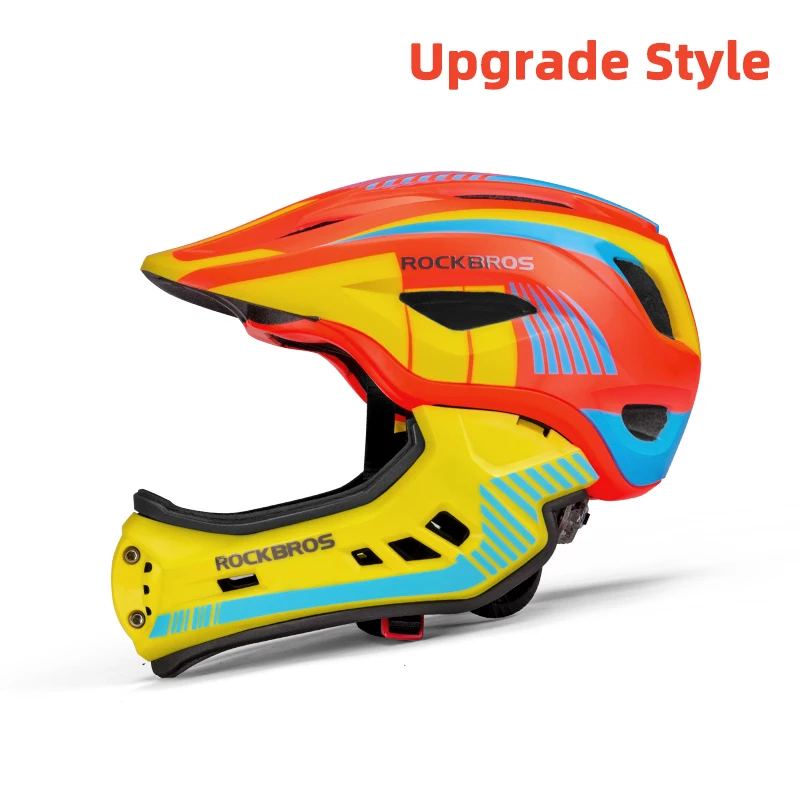
- Detachable full-face chin bar. On with the chin guard for scooter parks, jumps and downhill; off for the ride to school. That covers two genuinely different risk profiles without buying two helmets.
- Face and jaw coverage where it’s needed. A standard helmet leaves the face entirely exposed. Over-the-bars crashes and scooter faceplants land there — and teeth and jaws are expensive, painful things to repair.
- Check the certification mark before you rely on it. This is the single most important thing on this page. ‘Impact resistant’ is a marketing phrase with no legal meaning. What matters is a certification stamp inside the shell — CPSC in the US, EN 1078 in the EU and UK, AS/NZS 2063 in Australia and New Zealand. Look for the mark that applies where you live, and if you cannot find one, treat the item as a costume rather than as safety equipment.
- Fit is not a detail — fit is the product. A correctly certified helmet worn loose or tipped back protects a fraction of what it should. Most of a helmet’s real-world performance comes down to whether it is sitting in the right place when it matters.
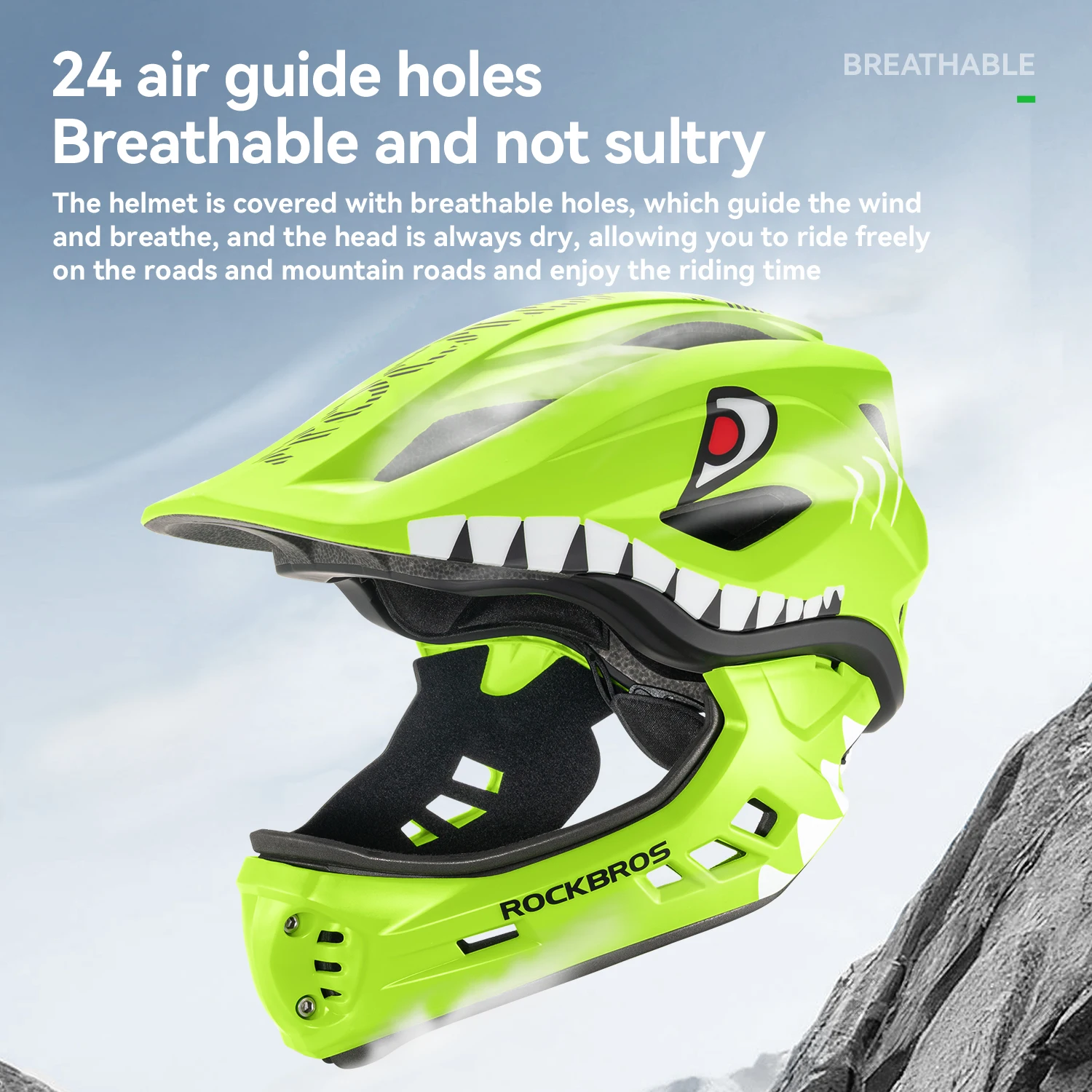
- Ventilation for a child who will otherwise take it off. The safest helmet is the one that stays on their head, and children remove hot helmets. Airflow is a safety feature.
- Fourteen size and colour variants. Sizing children’s helmets properly matters more than for adults, because there is no such thing as growing into a helmet.
How to Use
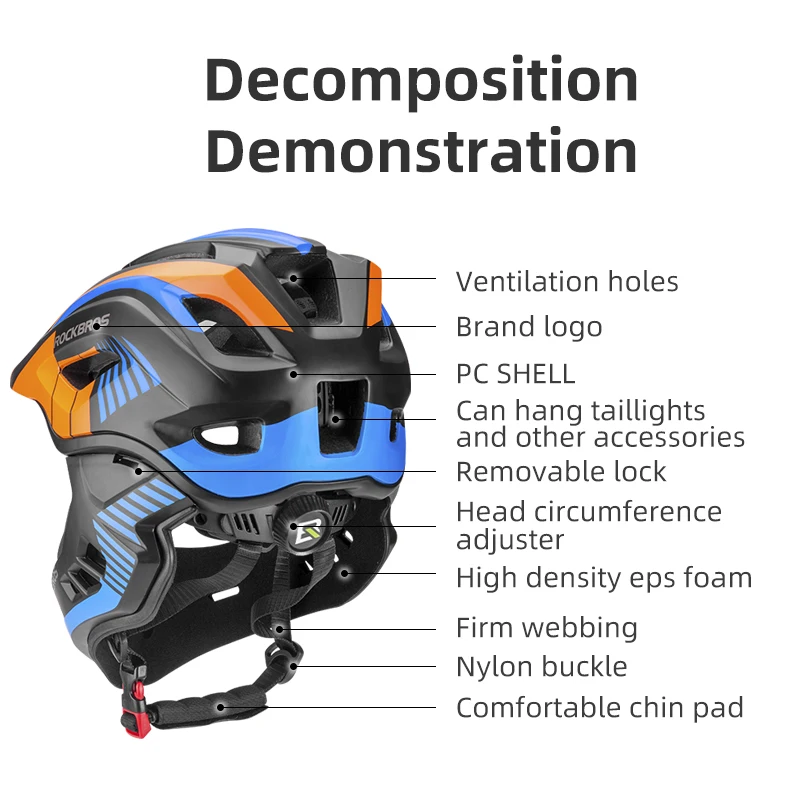
Fit it properly, because everything else is secondary. The rim should sit level, roughly two finger-widths above the eyebrows — not tipped back off the forehead, which is how most children wear a helmet and which leaves the forehead exposed in exactly the impact it is meant to prevent. Adjust the side straps so they form a V that meets just below and slightly forward of each ear. Fasten the chin strap so that only one finger fits between the strap and the chin. Then check the whole thing: with the strap done up, the helmet should not rock forward or back more than about an inch, and if you open your child’s mouth wide, they should feel the helmet pull down. SAFETY: replace the helmet after any significant impact, even if there is no visible damage, because the foam has already done its job. Replace it roughly every five years regardless, as the liner degrades with UV, sweat and time. Never accept a second-hand helmet with an unknown history. Do not let children wear it on playground equipment, on climbing frames, or while climbing trees — the chin strap is a strangulation hazard when the helmet snags, and helmets have caused deaths in exactly these settings. Do not paint it or apply solvent-based stickers, which attack the shell.
Specifications
| Type | Children’s cycling helmet with detachable full-face chin guard |
|---|---|
| Chin guard | Detachable — full-face or open-face configuration |
| Construction | Hard outer shell over energy-absorbing foam liner |
| Intended use | Bicycle, scooter, skateboard, balance bike |
| Adjustment | Adjustable retention system and chin strap |
| Brand | ROCKBROS |
| Sizes & colours | 14 variants available — measure your child’s head circumference before ordering |
| Certification | Check the mark inside the shell for the standard applicable in your country (CPSC / EN 1078 / AS-NZS 2063) |
| Replace after | Any significant impact, or approximately 5 years |
Care & Maintenance
Clean with mild soap and water only. Solvents, alcohol and petroleum-based cleaners attack both the shell and the foam liner and can silently compromise the helmet’s ability to protect. Do not leave it on a parcel shelf or in a hot car; heat degrades the foam. Store it somewhere it will not be dropped repeatedly onto hard floors. Inspect the shell for cracks, the foam for compression marks, and the straps and buckle for fraying before each ride, and retire the helmet at the first sign of any of them.
What’s in the Box
1 × helmet with detachable full-face chin guard. Additional pads, visor or carry bag inclusion is variant dependent — check the option you are selecting.
Reviews
There are no reviews yet.