


Two Kinds of Protection People Constantly Confuse
Glare and UV are unrelated problems. Light reflecting off a wet road or a car bonnet becomes horizontally polarized; a polarizing filter is oriented to block that plane specifically, which is why polarized lenses cut reflected glare so dramatically while barely dimming the rest of the scene. UV is invisible and does not affect comfort at all — you cannot feel it, and a dark non-UV lens is worse than no lens, because the dilated pupil behind it lets in more UV. UV400 means the lens blocks wavelengths up to 400nm, which covers effectively all UVA and UVB. Cumulative UV exposure is linked to cataract and pterygium, and cyclists get a large dose. You want both filters, and here you have both.
Key Benefits
- Polarized lens for road and water glare. Wet tarmac, low sun and reflections off cars produce exactly the horizontally polarized light a polarizing filter is designed to remove — which sharpens contrast so you see the pothole.
- Full UV400 protection. Blocks 100% of UVA and UVB up to 400nm. This is the part that protects the long-term health of the eye, and it is the spec worth checking on any pair of sunglasses you buy.
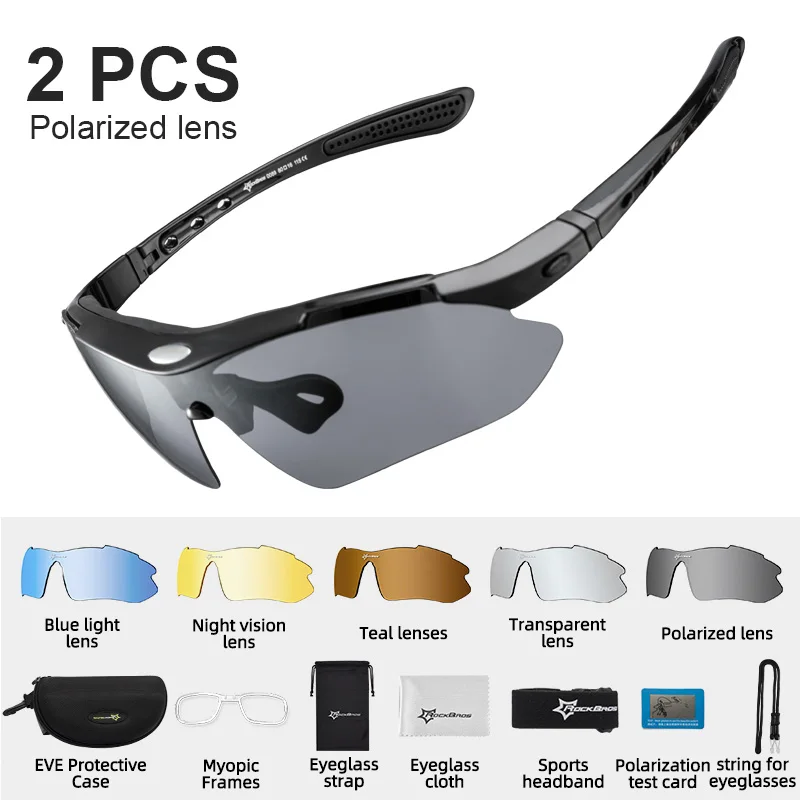
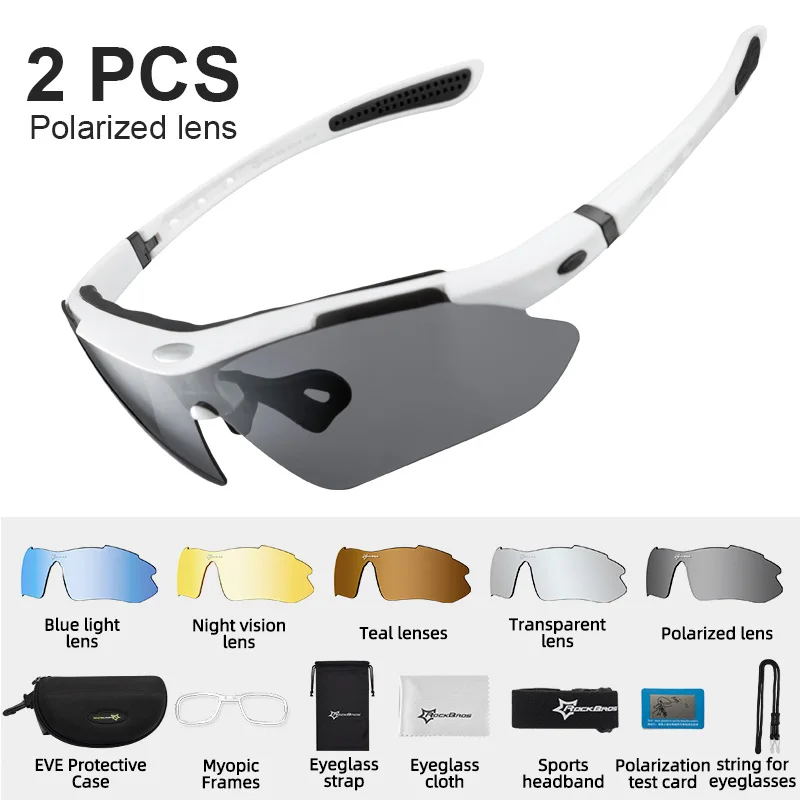
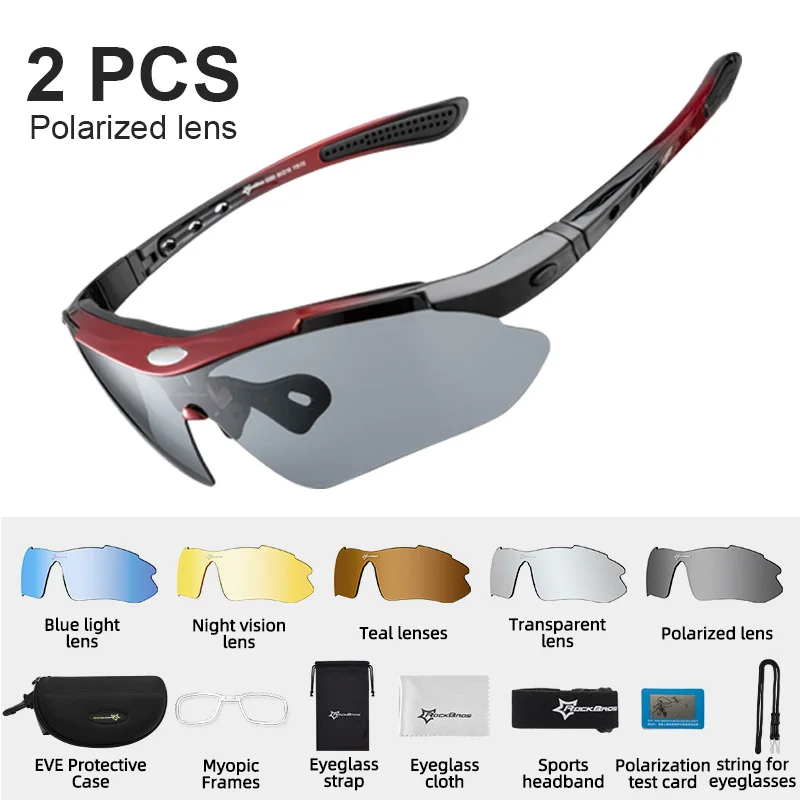
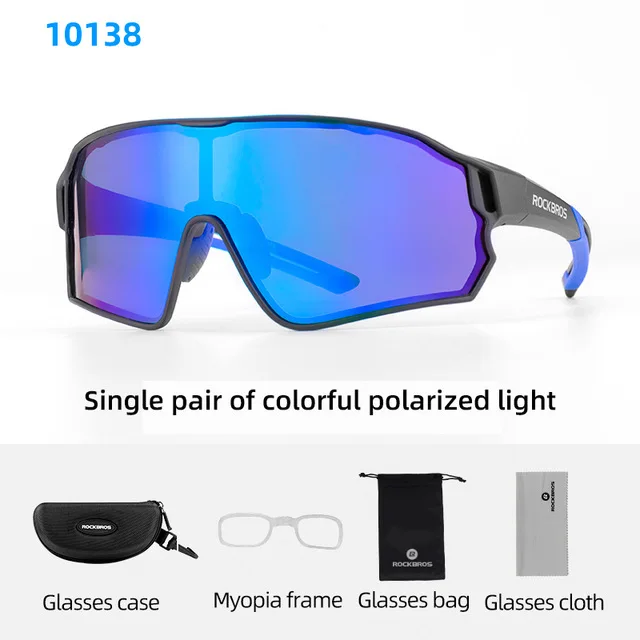
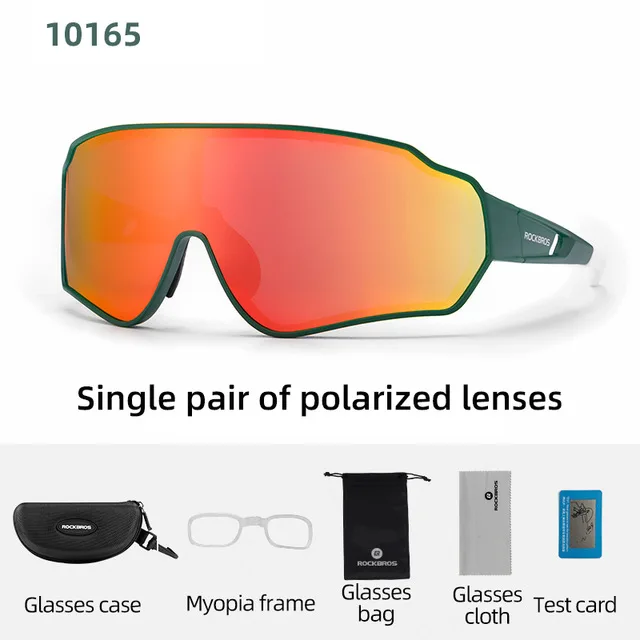
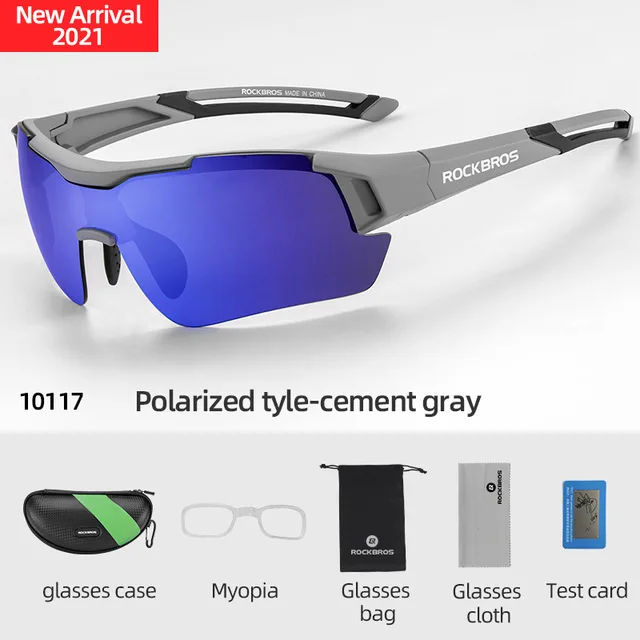
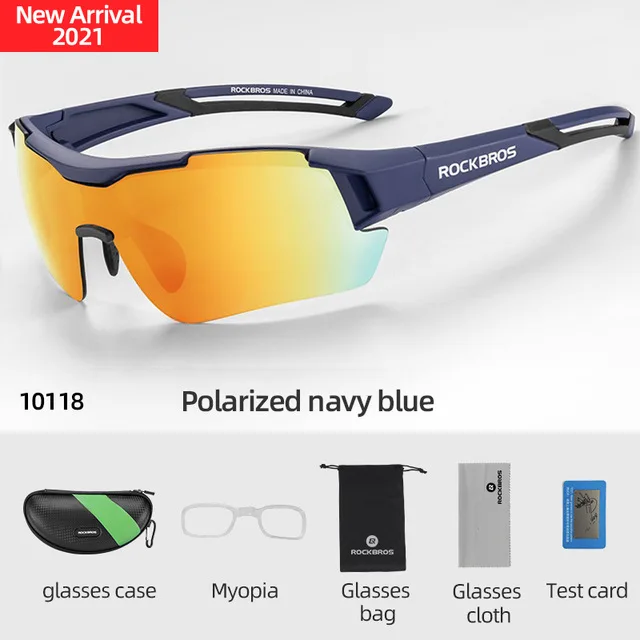
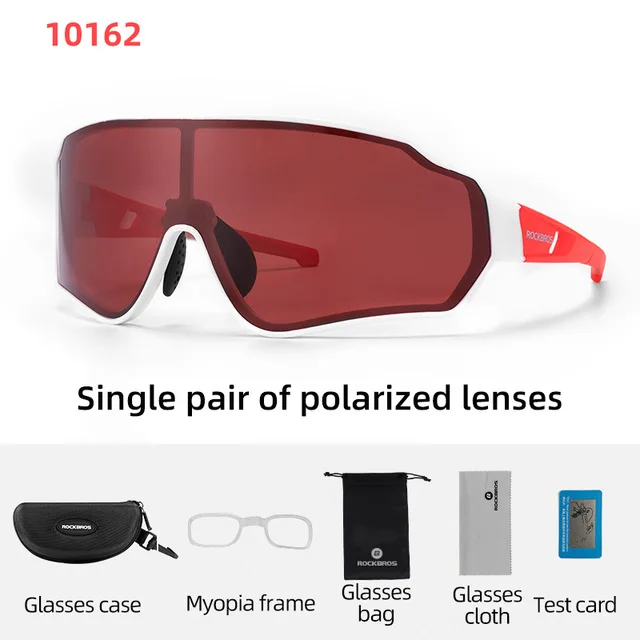
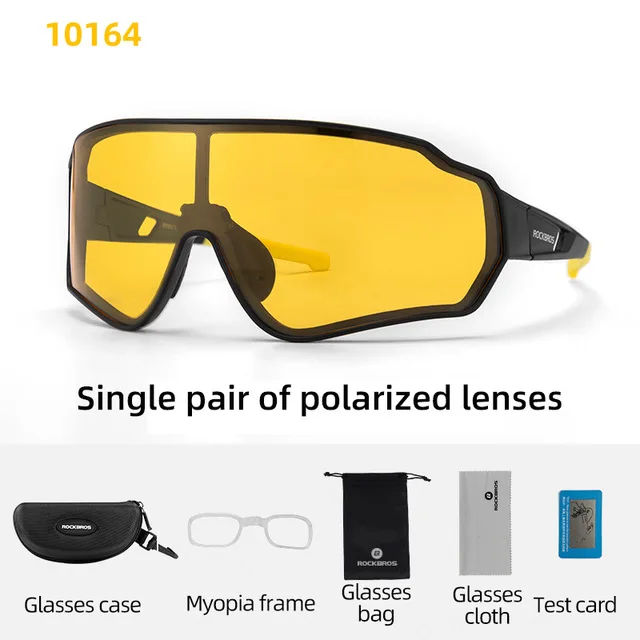
- Interchangeable lenses (5-lens option). One frame, multiple tints — a dark lens for bright sun, a clear lens for night riding and a low-light lens for overcast days. The clear lens is not cosmetic: at speed, wind, grit and insects are a genuine hazard to the eye.
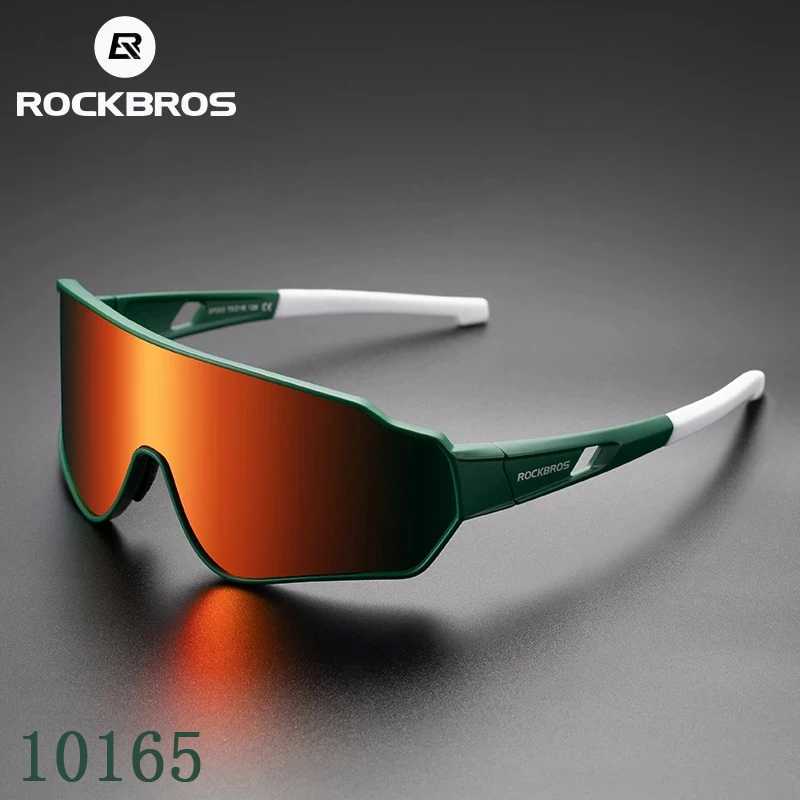
- Wrap coverage. A curved lens shields against wind coming in at the sides, which is what dries the eye and starts it watering on a fast descent.
- Lightweight sports frame. Designed to stay put under a helmet and in a head-down riding position rather than creeping down the nose.
- A caveat worth knowing. Polarized lenses can make some LCD screens — including certain bike computers and phone displays — look dark or patterned at particular angles. If you rely heavily on a screen while riding, this is a real trade-off. Consider the non-polarized clear lens for those rides.
How to Use
Match the lens to the light. Dark polarized lens for bright, high-glare conditions and wet roads; low-light or clear lens for dusk, night and heavy overcast — never wear a dark lens in poor light, because you lose the contrast that lets you read the road surface. To change a lens, flex the frame gently and pop the lens out of the retaining channel; hold it by the edges to keep fingerprints off the coatings. Put the glasses on before you fasten your helmet strap, and settle the arms over the helmet retention system rather than under it if you want to be able to remove them one-handed. Do not wear polarized lenses when you specifically need to see glare — an obvious one is judging ice, which polarization can make less visible. And if a lens is scratched, replace it: a scratch in the middle of your field of view scatters light exactly when the sun is low.
Specifications
| Brand | ROCKBROS |
|---|---|
| Lens | Polarized |
| UV protection | UV400 — blocks 100% UVA and UVB up to 400nm |
| Lens options | 1-lens or 5-lens interchangeable set (variant dependent) |
| Frame | Lightweight sports wrap frame |
| Intended use | Cycling, running, driving, outdoor sport |
| Unisex | Yes |
| Colour options | Multiple — variant dependent |
| Lens changing | Interchangeable on multi-lens sets |
Care & Maintenance
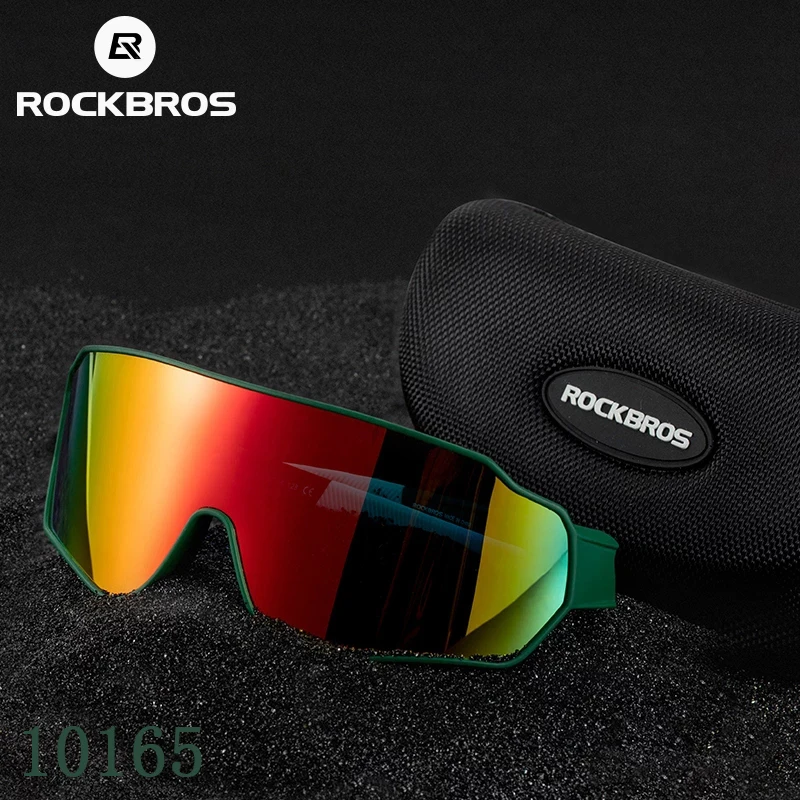
Rinse the lenses under clean water before wiping — dry-wiping road dust across a lens is the single fastest way to scratch a coating. Use the microfibre pouch or cloth, never a shirt hem or paper towel. Avoid alcohol, ammonia and household glass cleaner, which strip lens coatings. Store the glasses in the case, lens-up, and never leave them on a car dashboard: heat warps frames and can delaminate a polarizing film.
What’s in the Box
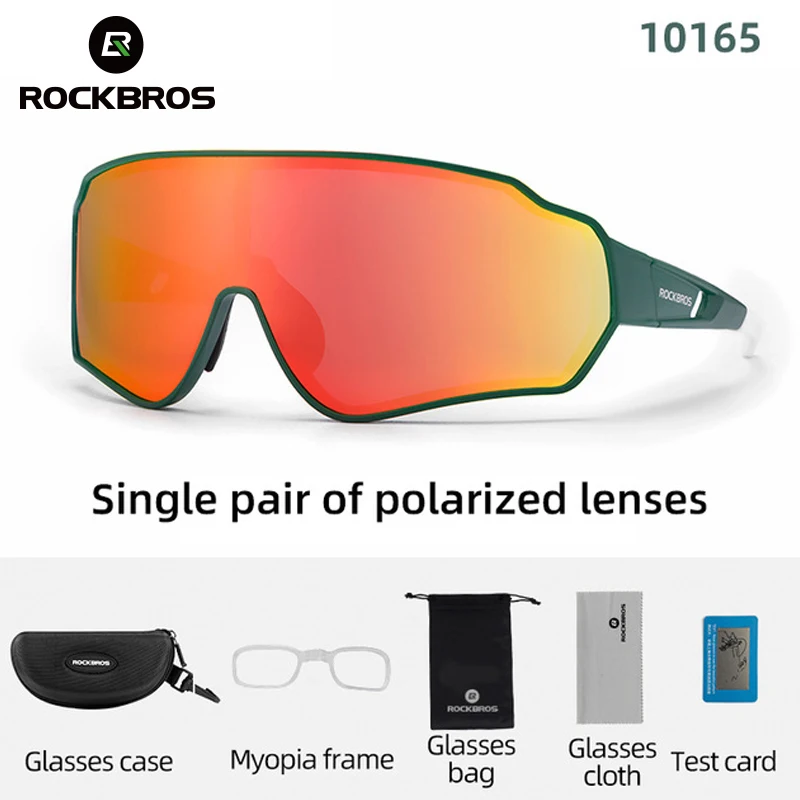
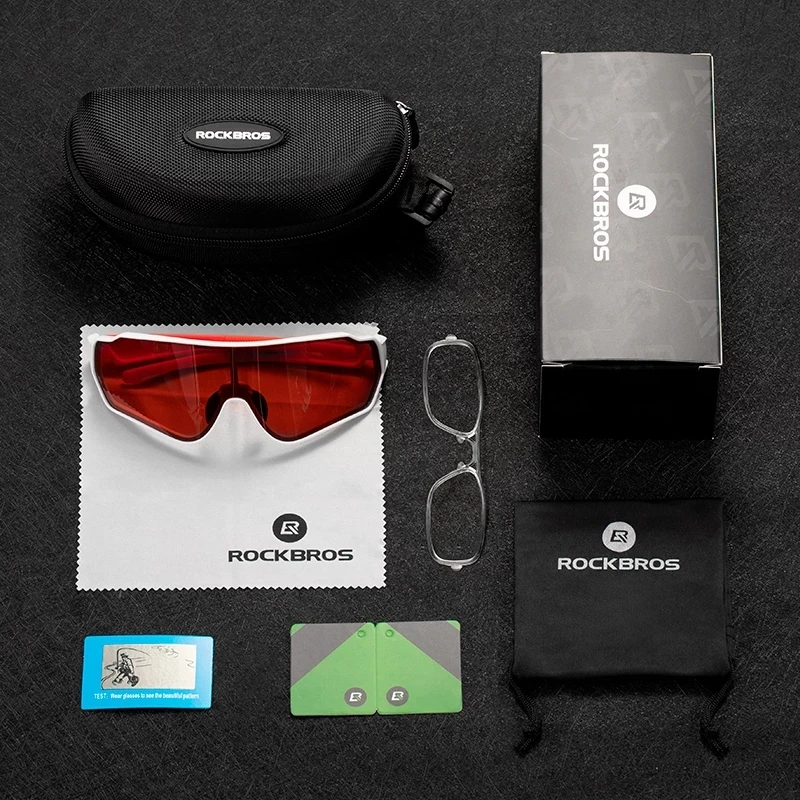
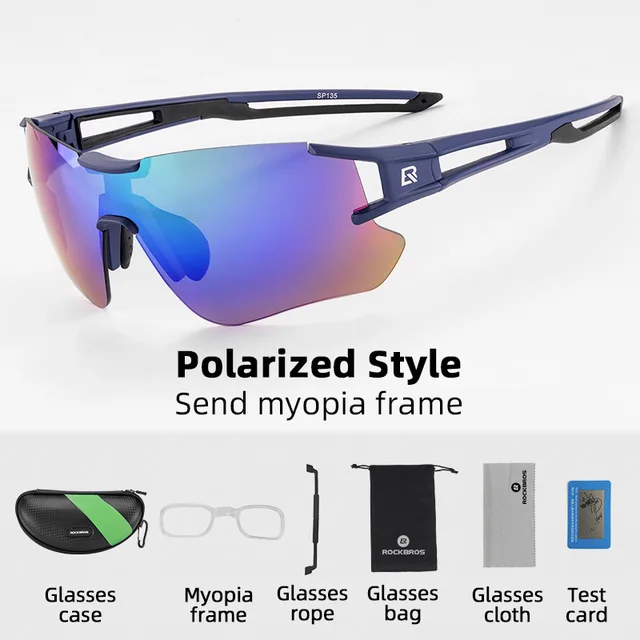
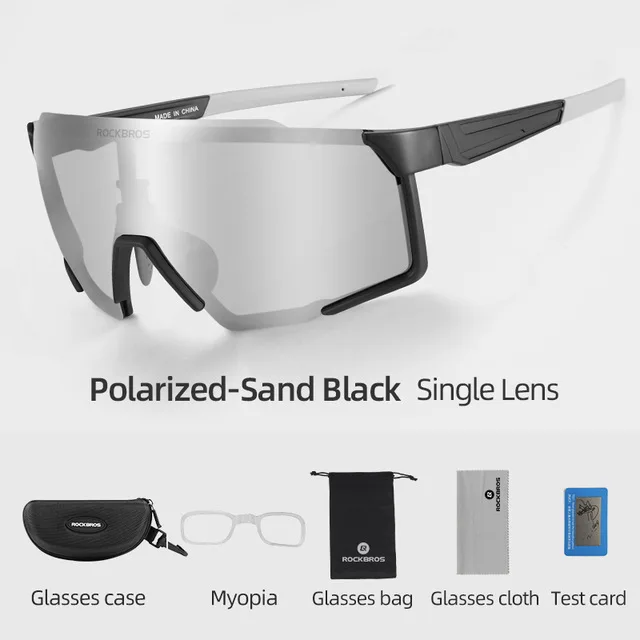
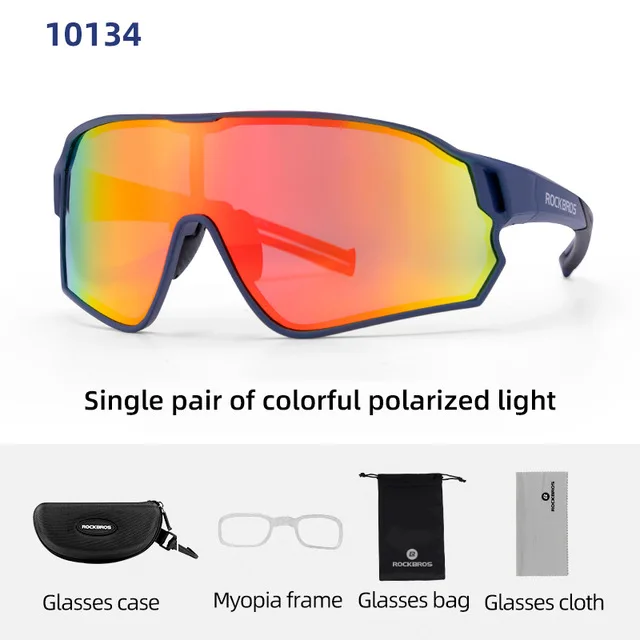
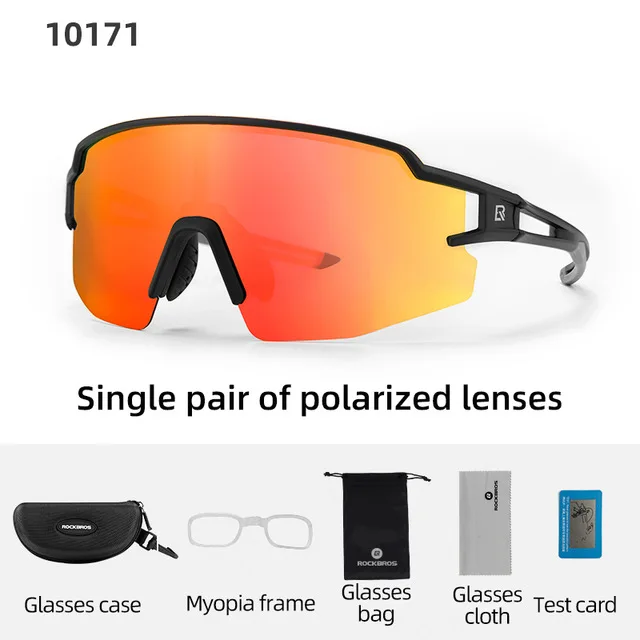
1 x ROCKBROS cycling glasses frame, lenses as per the selected variant (1 or 5), plus the accessories supplied by the manufacturer such as a case, pouch or cloth (contents vary by variant).
Reviews
There are no reviews yet.