Grip Is What Separates a Fascia Ball from a Bouncy Ball
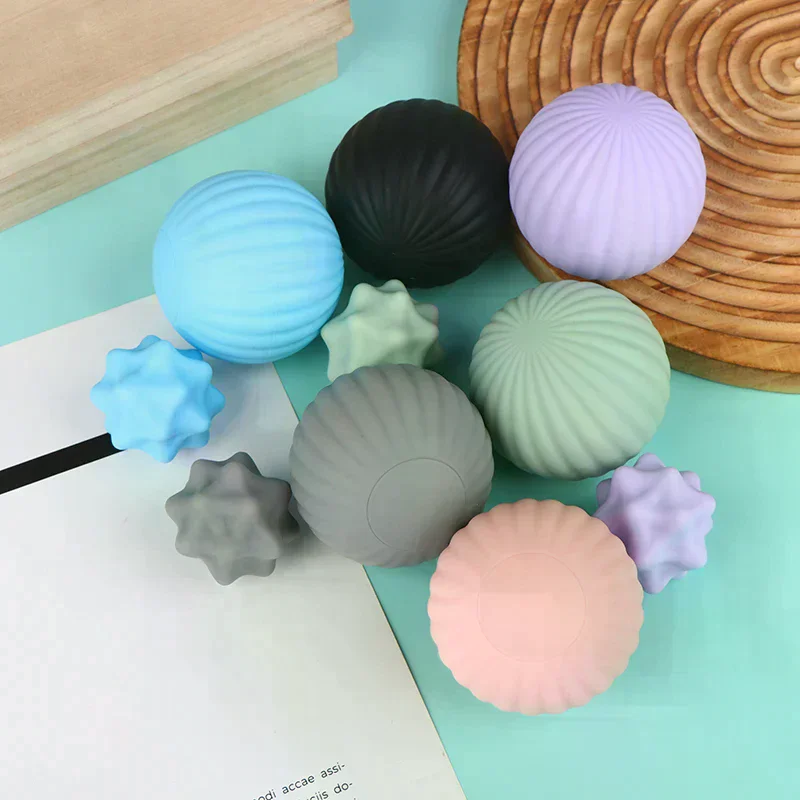
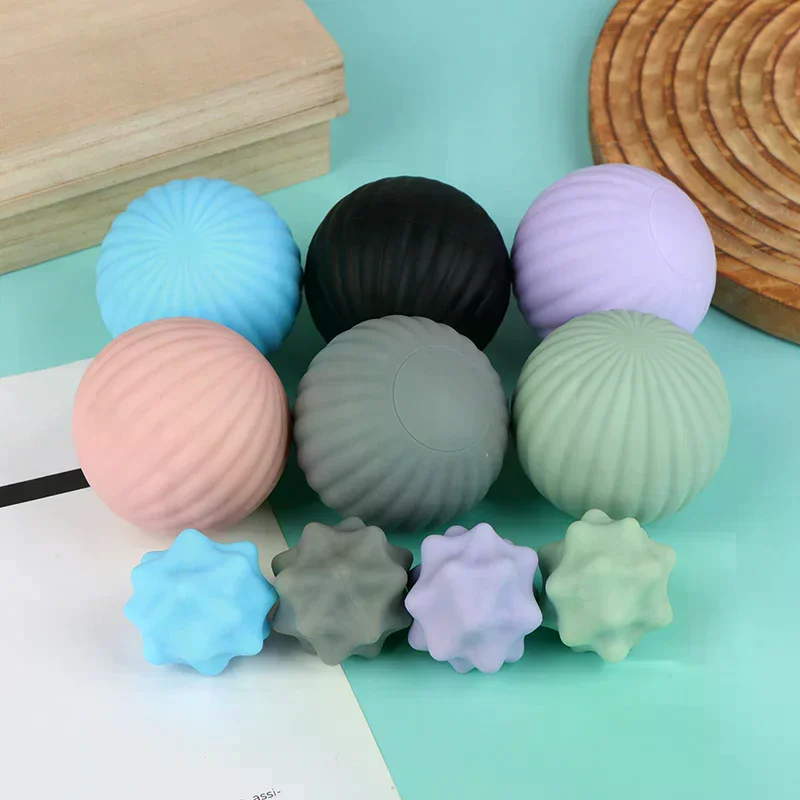
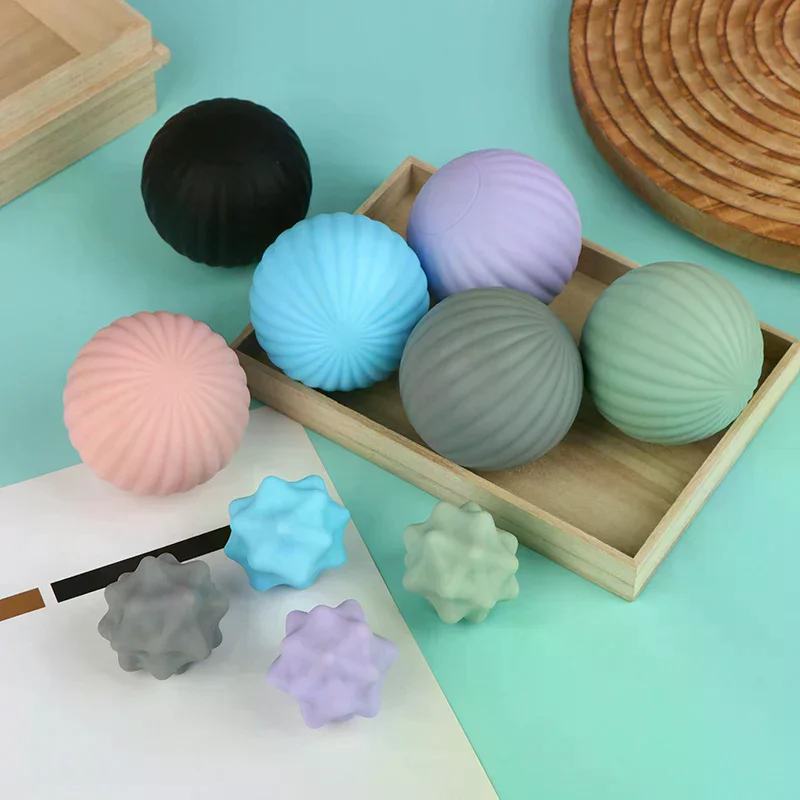
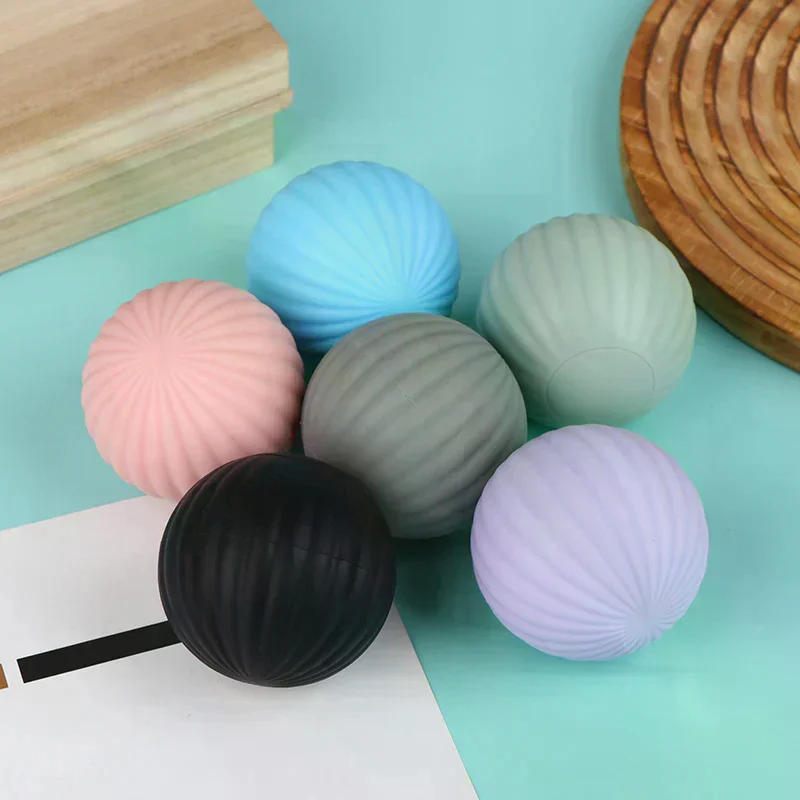
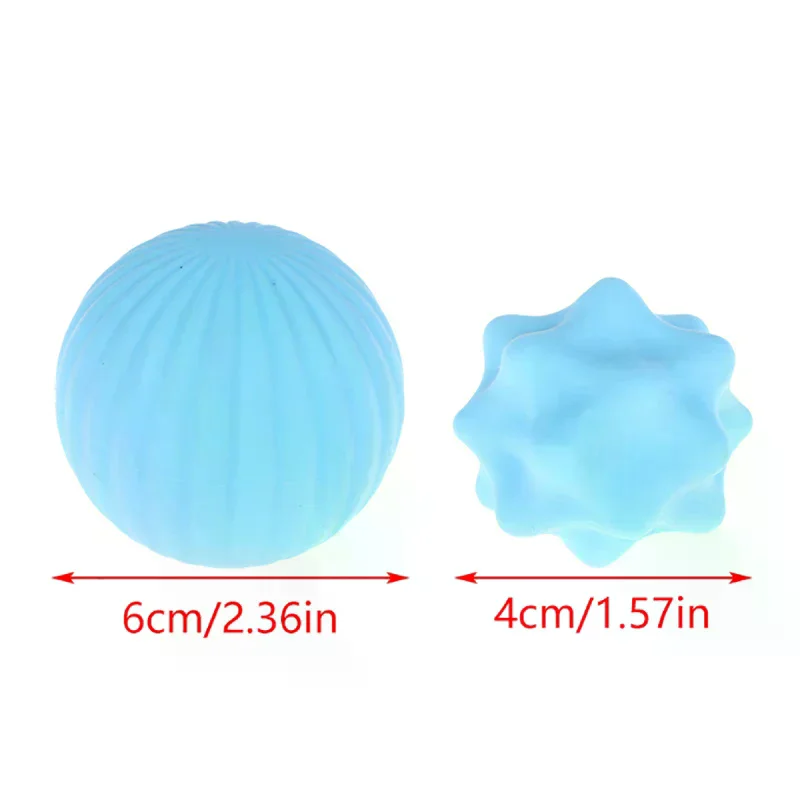
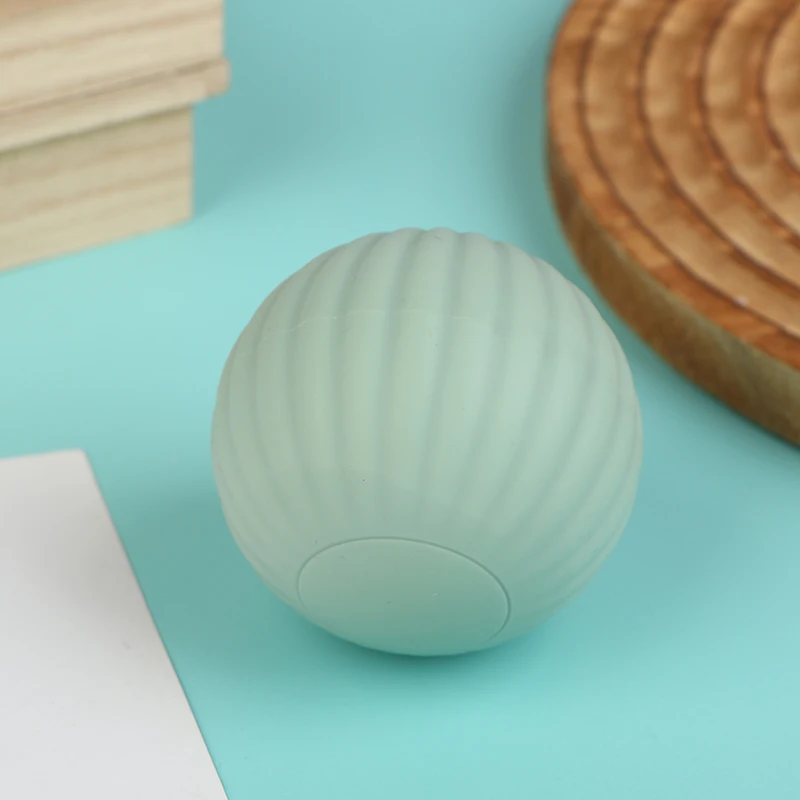
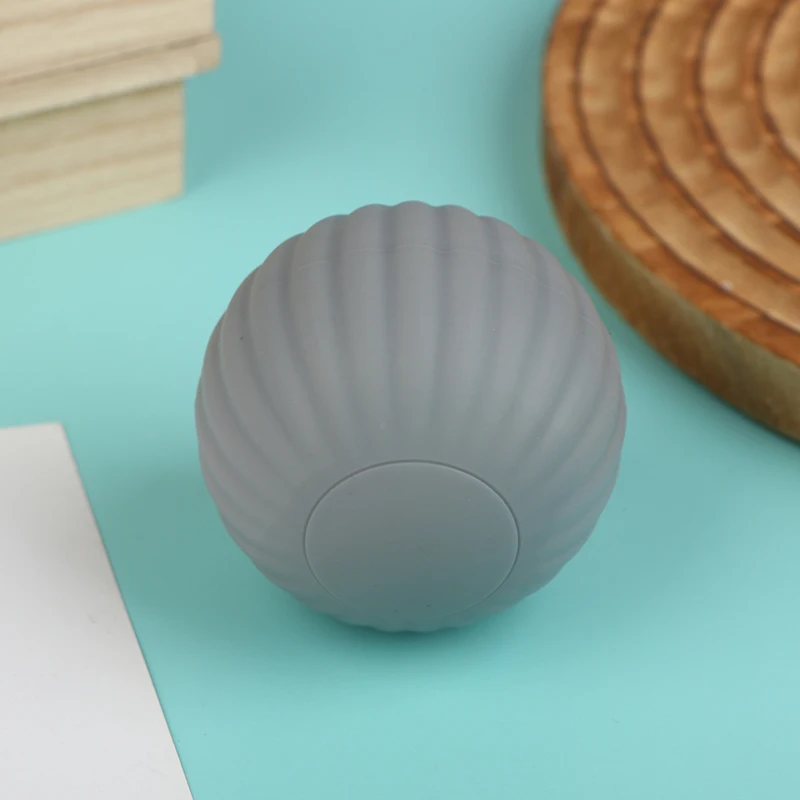
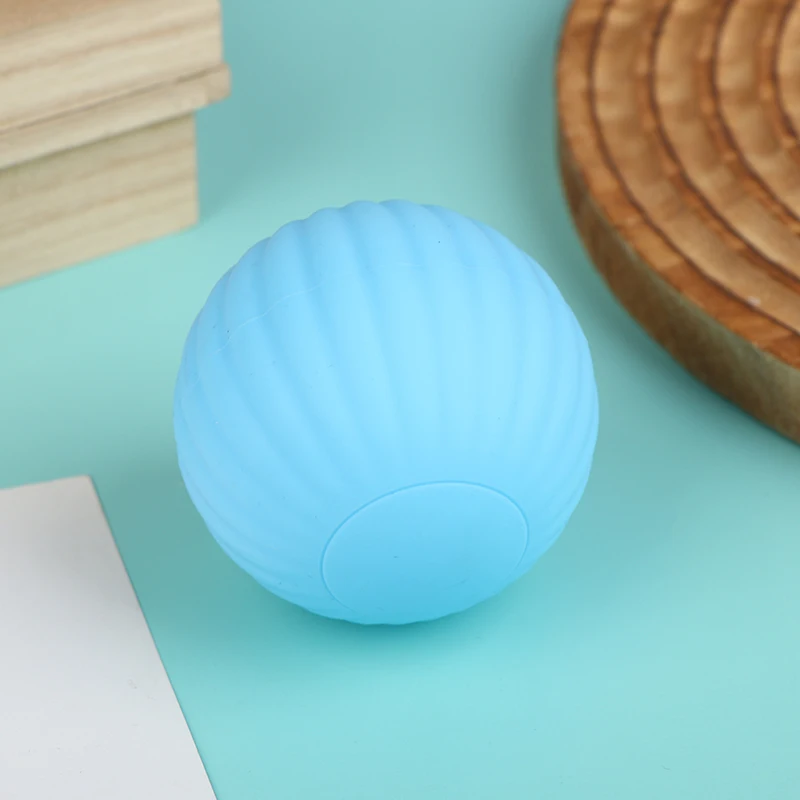
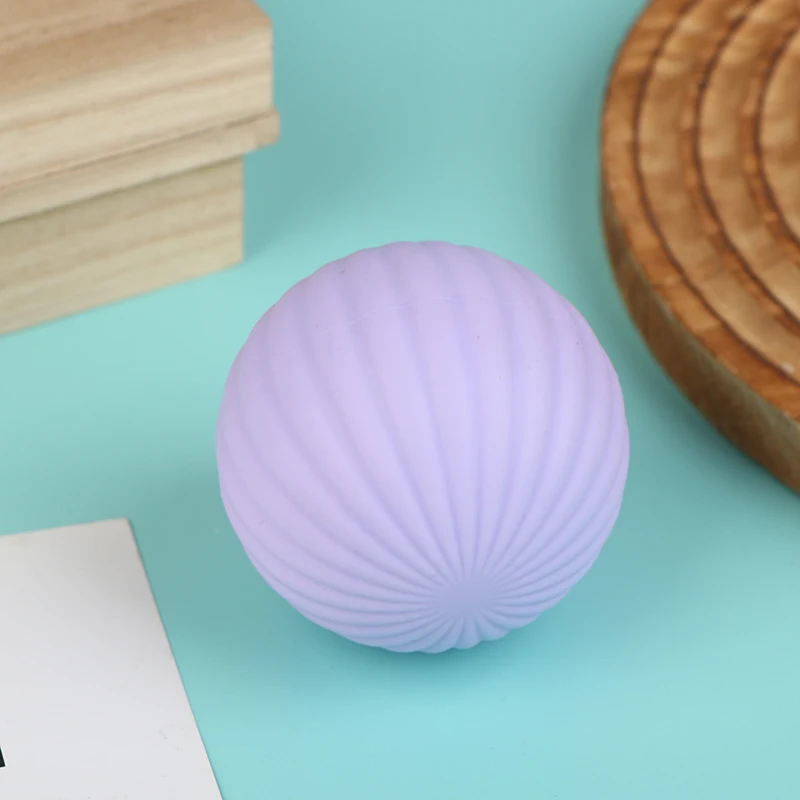
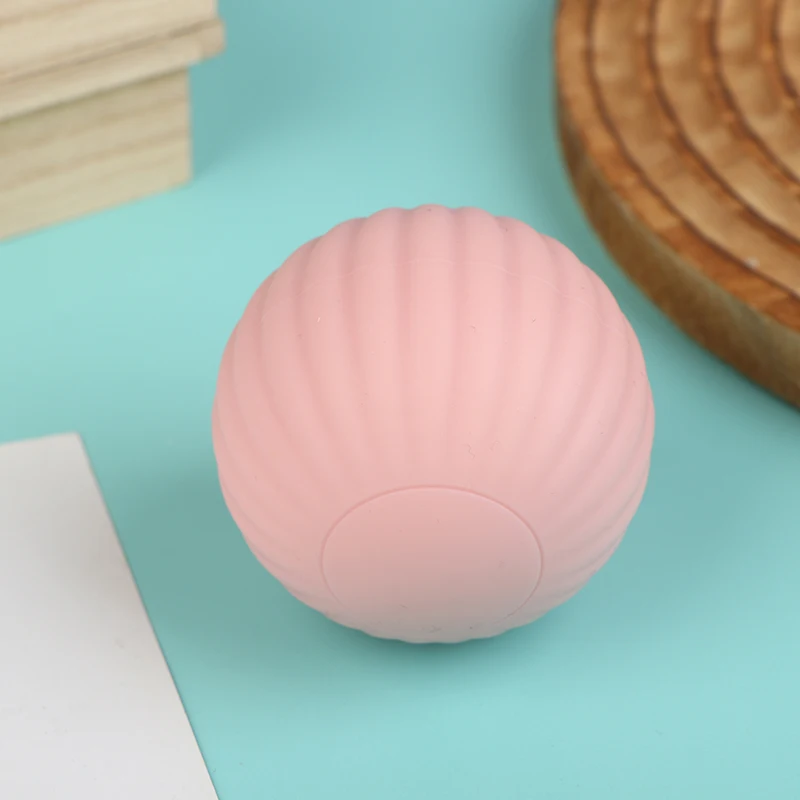
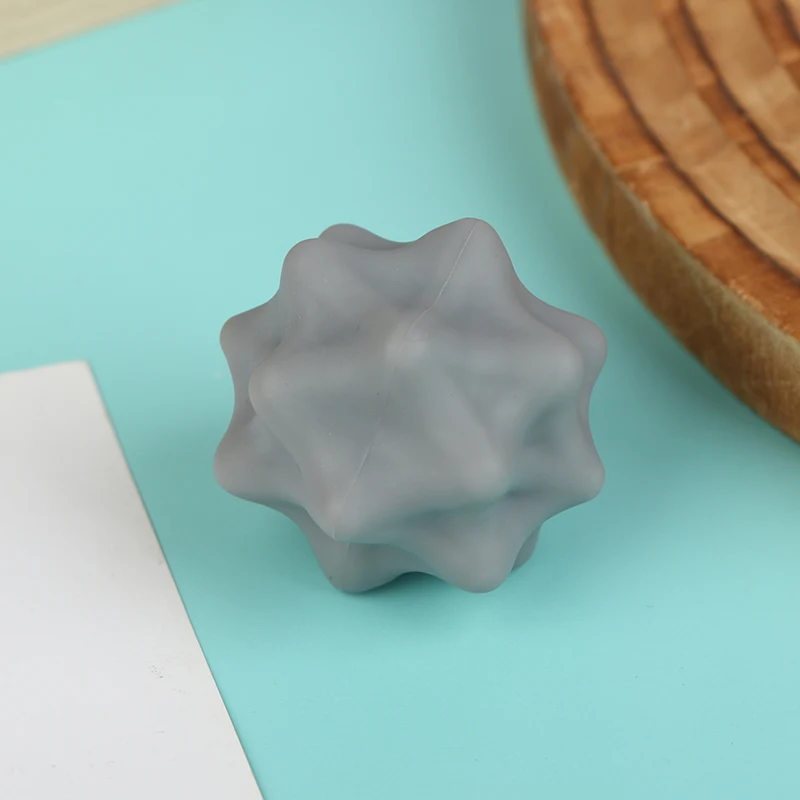
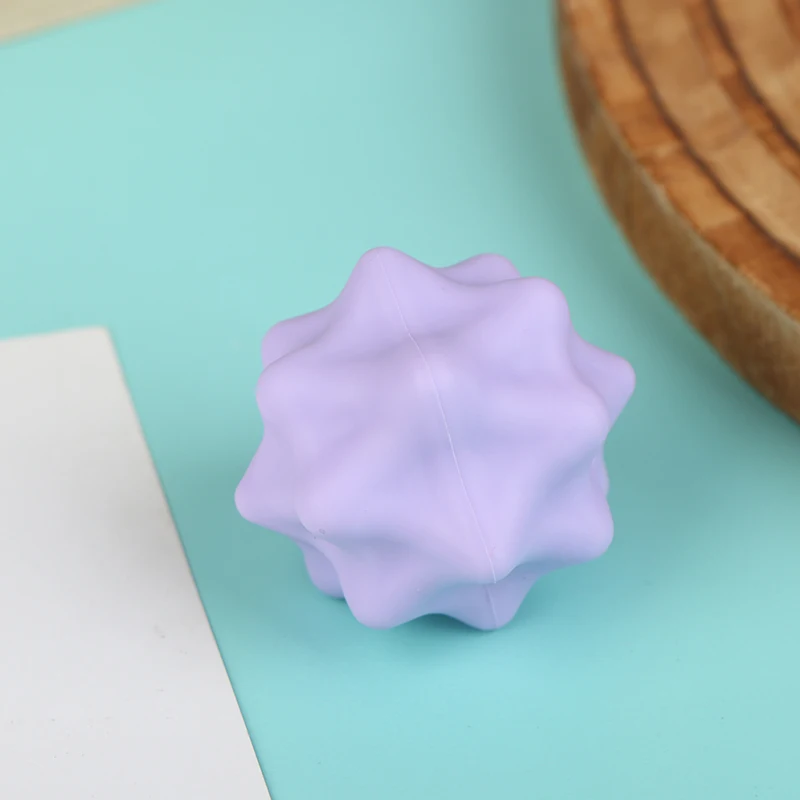
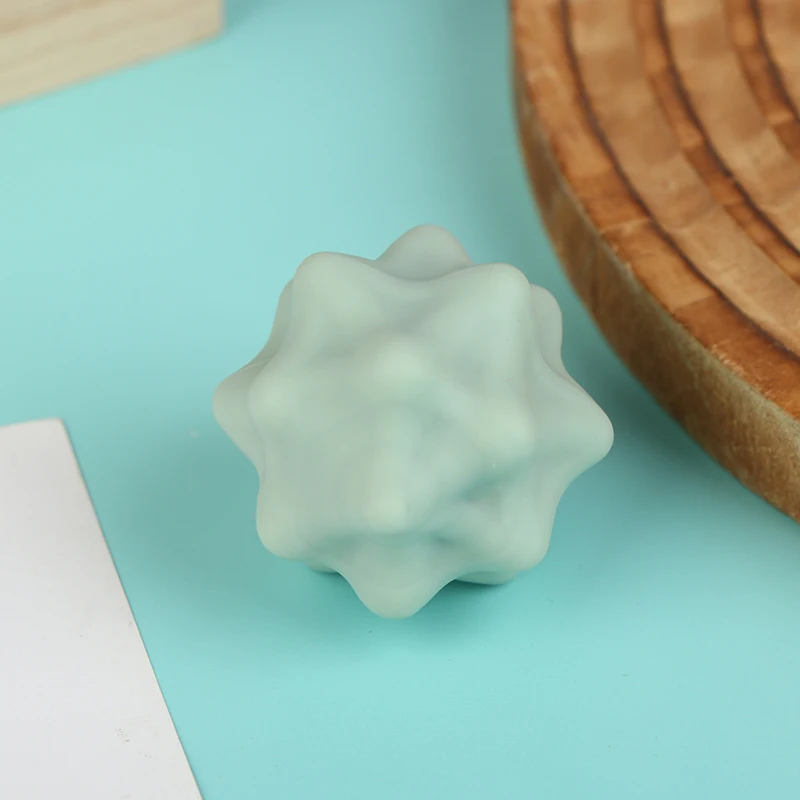
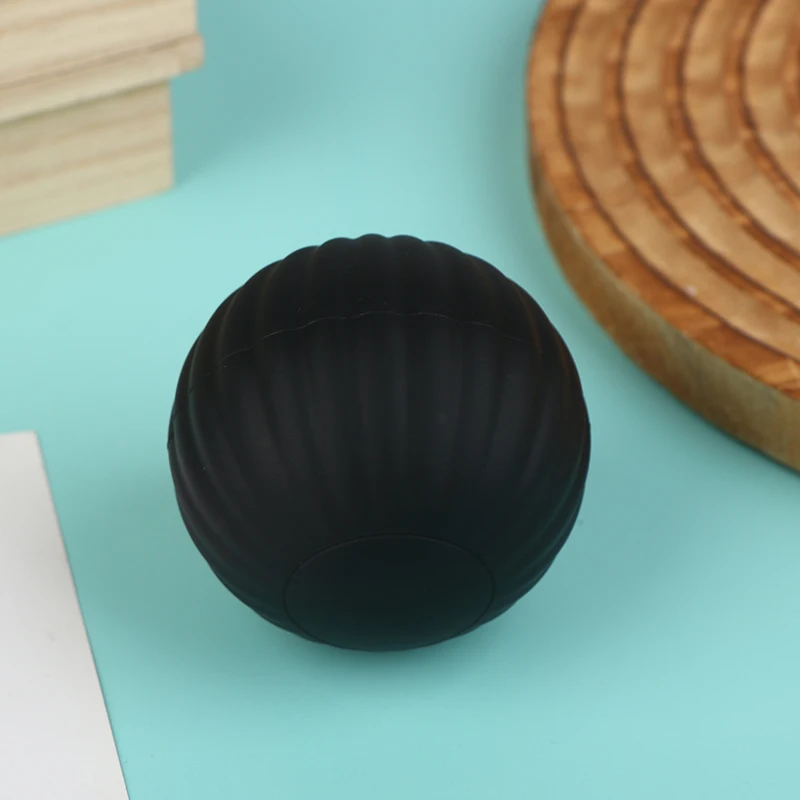
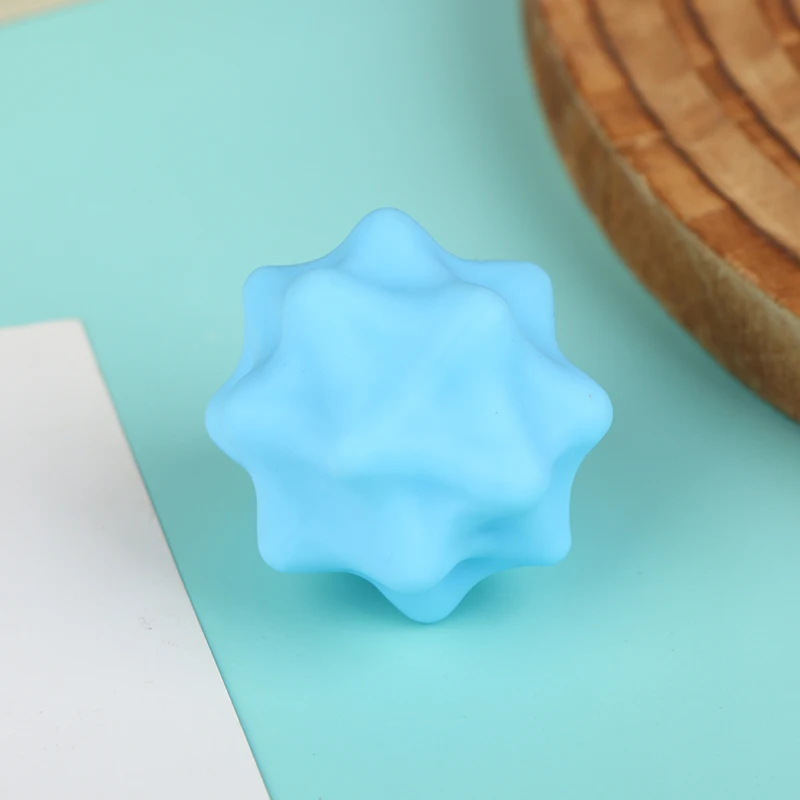
This is a silicone fascia release massage ball at $18.84, available in two sizes and ten colors, for deep tissue work on the shoulder, neck, foot, hand and back. Silicone grips. That sounds trivial until you try to pin a knot under your shoulder blade against a wall with a smooth rubber ball and it squirts sideways every time you press. A grippy surface stays where you put it, which is the only way sustained pressure on a trigger point actually works.
Key Benefits
- Grippy silicone surface. Stays on the spot under pressure instead of skidding off the muscle.
- Two sizes. The larger for glutes, back and thighs; the smaller for the foot, hand, and precise trigger points around the shoulder blade.
- Reaches what a roller cannot. A foam roller spreads pressure; a ball concentrates it into a single point – which is what a knot responds to.
- Plantar fascia work. Rolling the arch of the foot is standard self-care for foot tension and morning heel pain.
- Ten colors. Small enough for a desk drawer or a gym bag.
How to Use
- Foot: roll slowly from heel to toes under the arch for 1–2 minutes per side.
- Upper back: pin the ball between your shoulder blade and a wall, lean in, and move in slow small circles. Keep it off the spine itself.
- Glutes: sit on the ball, cross the ankle over the opposite knee, and hold on the tender spot for 20–30 seconds.
- Breathe out into the pressure rather than bracing against it. Guarding against the ball defeats the point.
- Never roll over an active injury, a bruise, a varicose vein, or directly on the spine.
Specifications
| Type | Silicone fascia release / massage ball |
|---|---|
| Sizes | Two size options |
| Colors | Ten options |
| Surface | Grippy silicone |
| Target areas | Shoulder, neck, back, glutes, foot, hand |
| Gender | Unisex |
Care & Maintenance
Wash in warm soapy water and air dry. Silicone is non-porous, so it cleans completely. Keep away from sharp objects.
What’s in the Box
- 1 x Silicone fascia massage ball
Frequently Asked Questions
Why silicone rather than a lacrosse ball?
Grip. A smooth, hard ball slides off the muscle the moment you apply real pressure, especially against a wall. Silicone holds position, which is what lets you keep sustained pressure on a trigger point.
Which size should I choose?
The larger ball suits big muscle groups – glutes, thighs, upper back. The smaller one is for precision: the arch of the foot, the hand, and the small muscles around the shoulder blade.
How is this different from a foam roller?
A roller spreads pressure over a wide contact strip and suits big muscles. A ball concentrates the same body weight into one point, which is what a knot actually responds to. Most people end up using both.
How long should I stay on one spot?
20 to 30 seconds on a tender point, and 1–2 minutes per muscle group. Grinding away at a single point for ten minutes usually leaves it more irritated than when you started.
Does it hurt?
Expect firm discomfort. Sharp, radiating or electric pain means move off the spot immediately.
Reviews
There are no reviews yet.