Foam Rolling Doesn’t Break Down Fascia. Here’s What It Actually Does.
The popular story — that rolling physically melts adhesions or breaks up scar tissue — does not survive contact with the evidence. Fascia requires forces far beyond what a person can generate with their own bodyweight on foam to deform plastically. What rolling reliably does is neurological: sustained pressure stimulates mechanoreceptors and Golgi tendon organs, triggering descending inhibition that lowers muscle tone and, above all, raises your tolerance to stretch. The measurable result is a short-term increase in range of motion with no loss of force output — which is exactly why it belongs before a session, not instead of one.
Key Benefits
- Range of motion without a strength cost. Static stretching before lifting can transiently blunt power output. Rolling increases ROM without that trade-off, which makes this the better pre-training option.
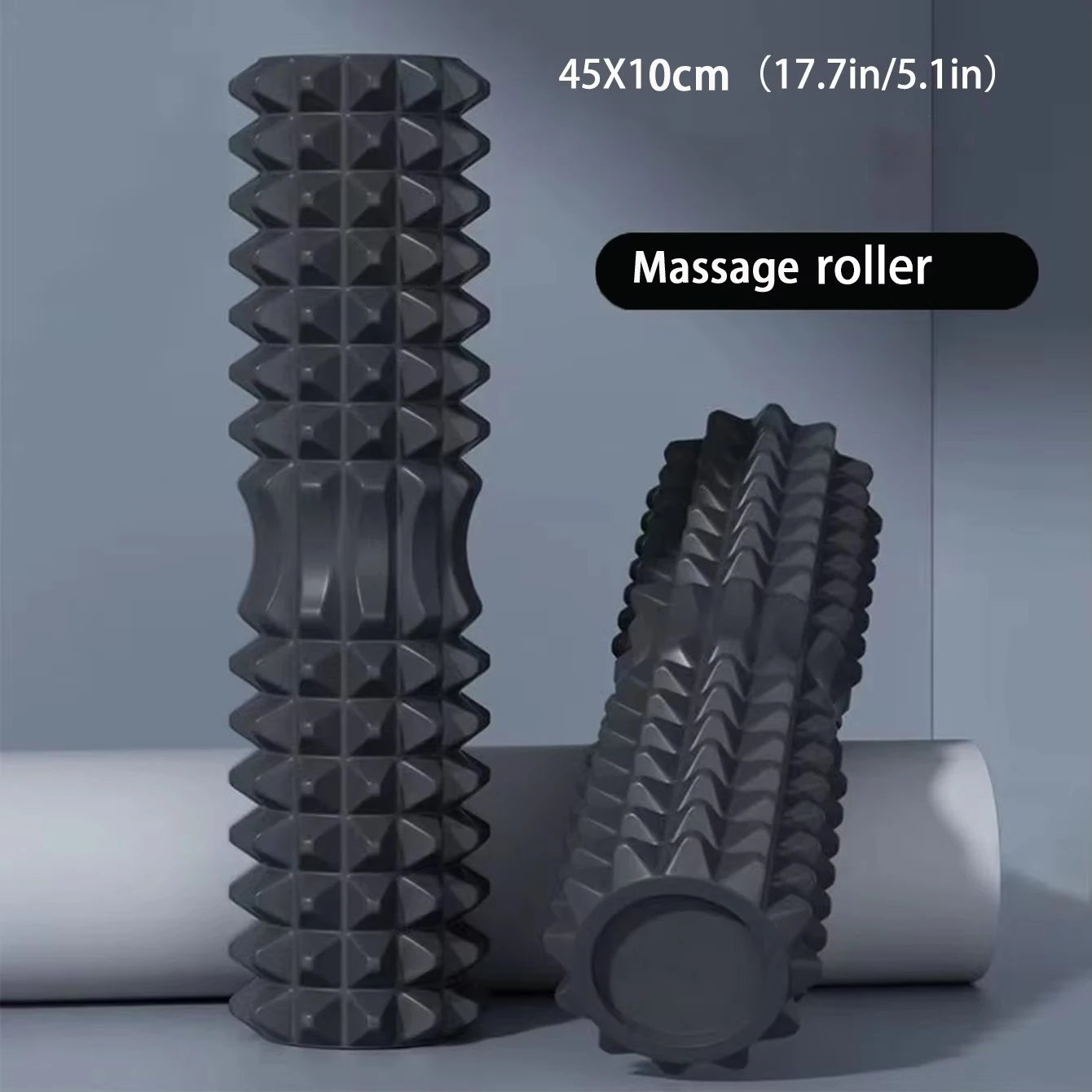
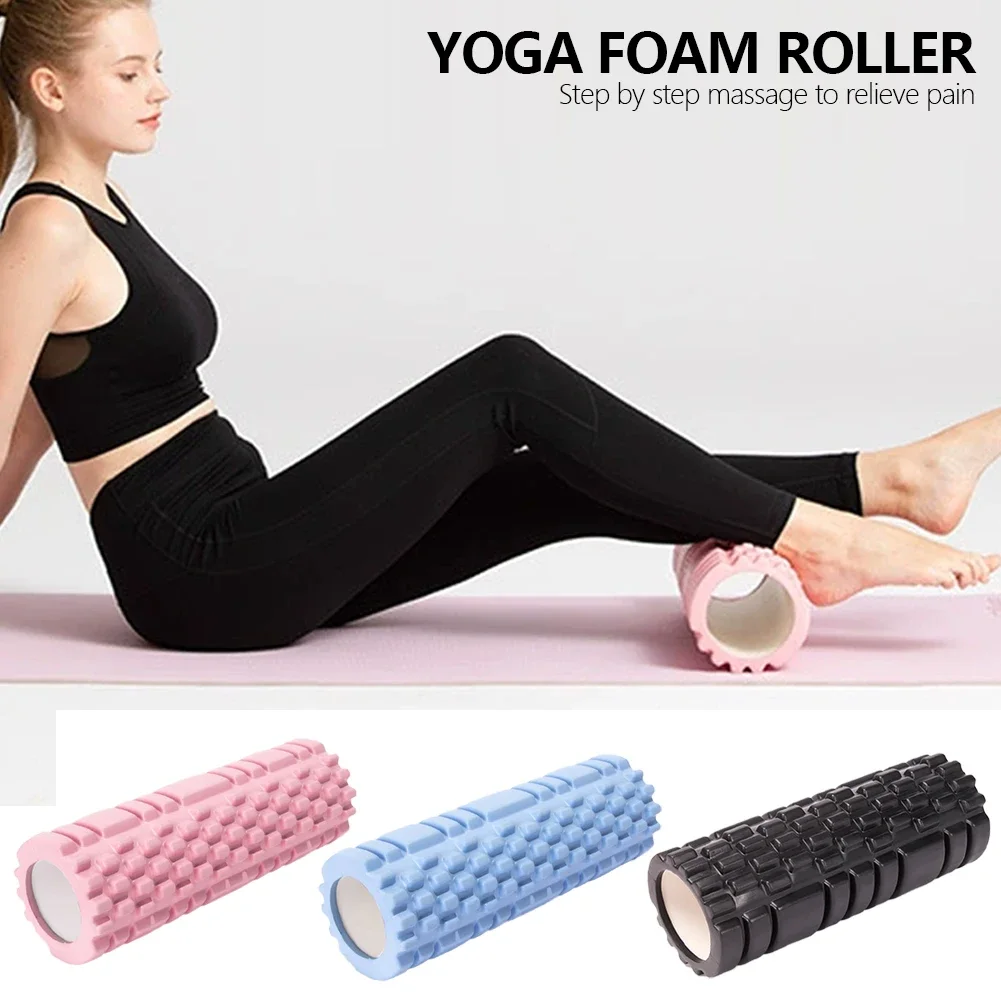
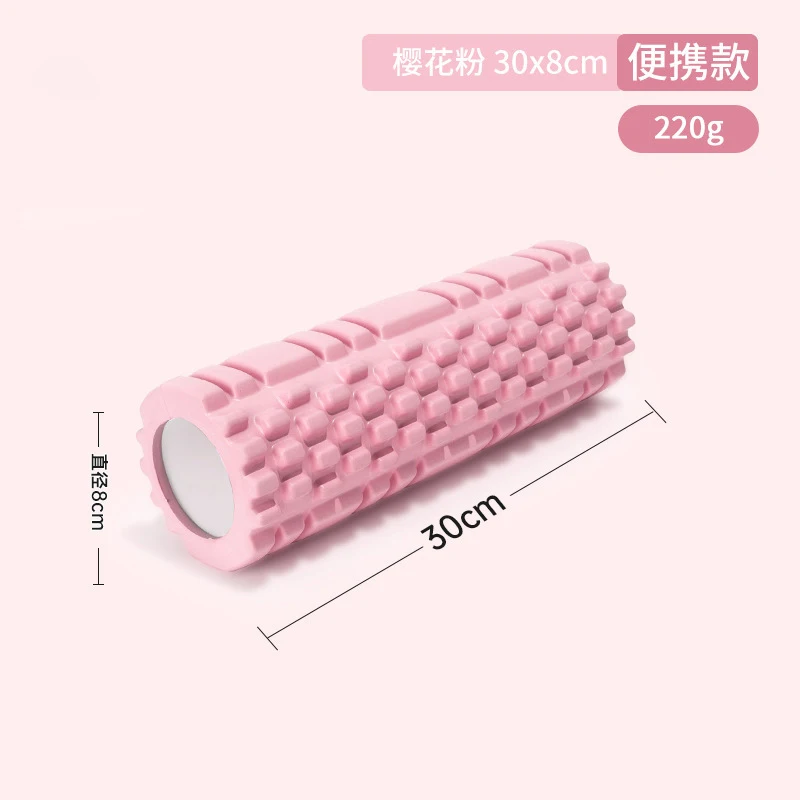
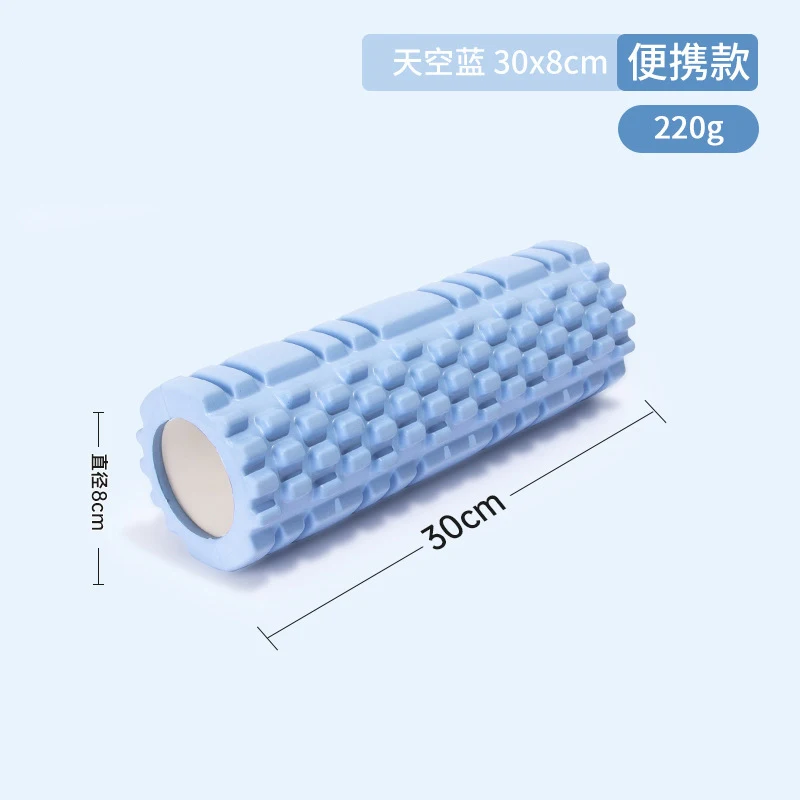
- 30 × 8 cm is a deliberate size. A short column concentrates your bodyweight into a smaller contact patch, so it bites harder into a calf or a glute than a full-length roller — and it fits in a gym bag rather than needing its own.
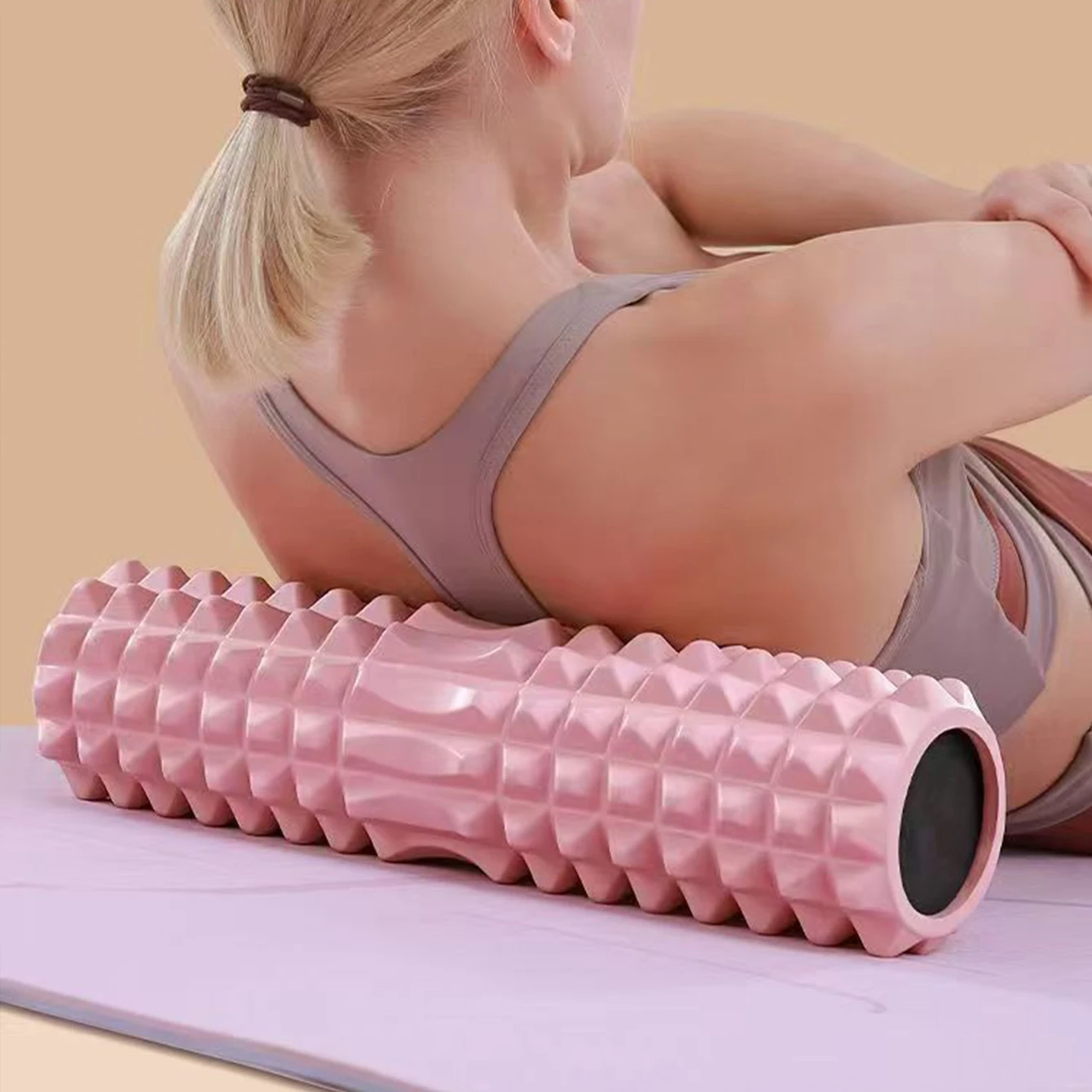
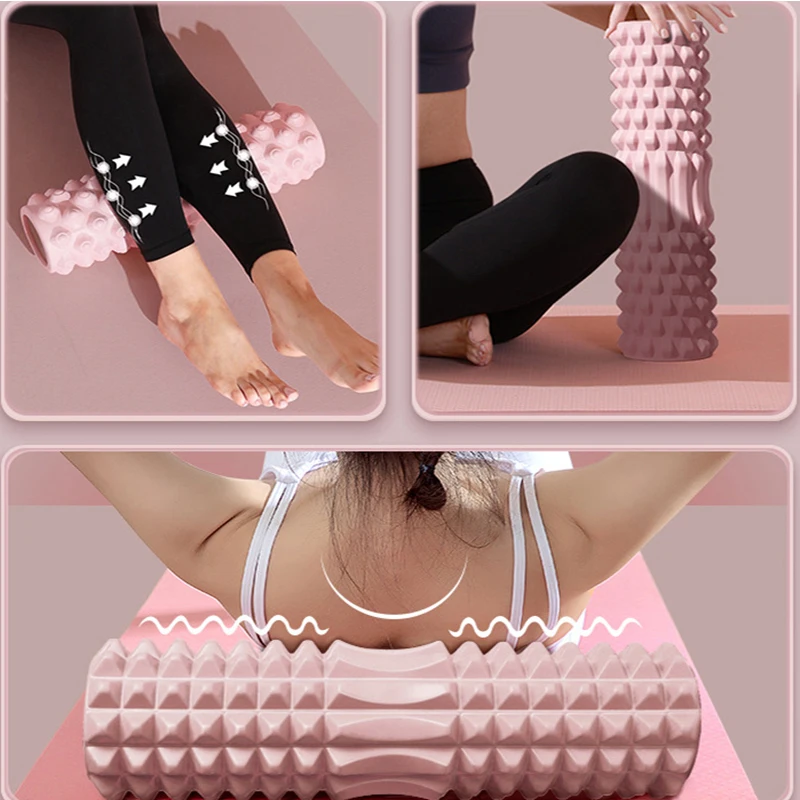
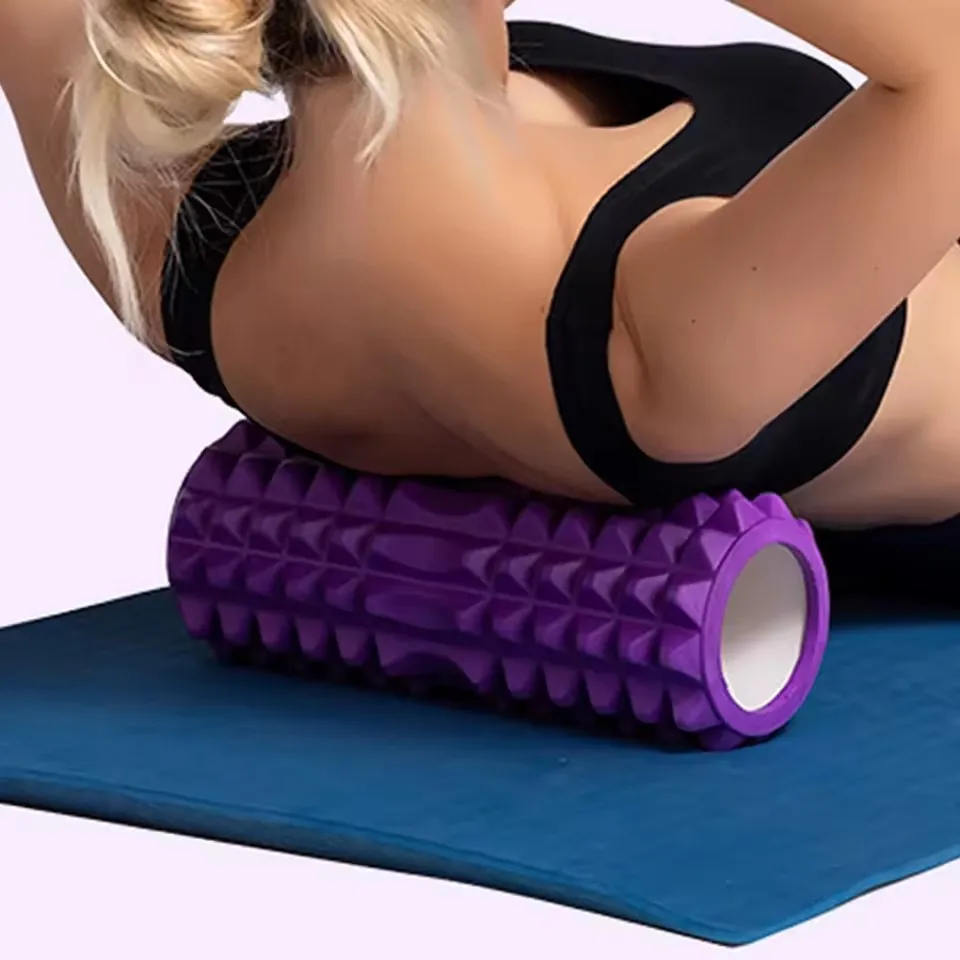
- Doubles as a Pilates and yoga prop. Placed under the thoracic spine it opens the chest; under the sacrum it supports bridge work; underfoot it becomes a balance challenge.
- EVA foam holds its shape. Cheap polyethylene rollers compress into an oval within weeks and stop applying useful pressure. Closed-cell EVA resists that and cleans easily.
- Genuinely useful for DOMS. Rolling after hard training has decent evidence for reducing perceived muscle soreness and speeding the recovery of sprint and power performance in the following days.
- Firm enough to be useful, not so firm it is unusable. The point of diminishing returns on a roller is the density at which you tense up instead of relaxing — and a tensed muscle does not respond.
How to Use
Roll slowly — around 2.5 cm per second, not the frantic sawing you see in gyms. When you find a tender spot, stop on it and hold for 30–60 seconds while you breathe out slowly; the relaxation response is what you are chasing, and you cannot get it while bracing. Two to three minutes per muscle group is plenty. Aim for a 5–7 out of 10 discomfort, never agony — pain that makes you hold your breath causes the muscle to guard and defeats the purpose. Safety: never roll directly over the spine, the front of the neck, the kidneys, or a joint; do not roll over an acute injury, an open wound, a varicose vein or a recent bruise. For low back pain, roll the glutes and lats instead of the lumbar spine — rolling the lower back directly forces the unsupported lumbar vertebrae into extension. Speak to a clinician first if you have osteoporosis, a bleeding disorder or are on anticoagulants.
Specifications
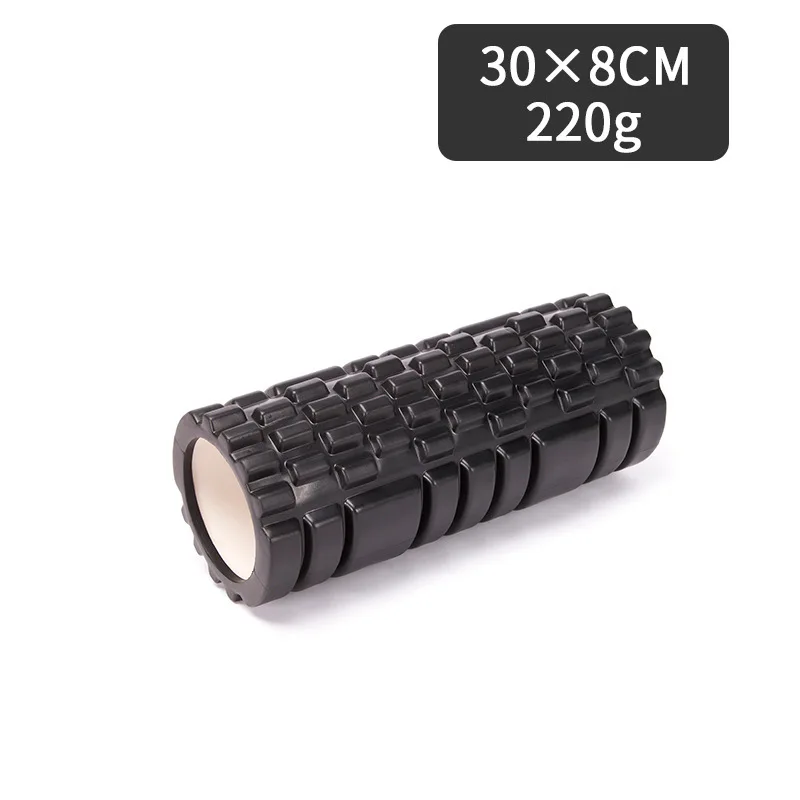
| Size | Approx. 30 cm long × 8 cm diameter |
|---|---|
| Material | EVA foam (closed cell) |
| Colours | Pink, Black, Blue |
| Surface | Smooth |
| Density | Firm |
| Primary uses | Myofascial release, Pilates, yoga support, balance work |
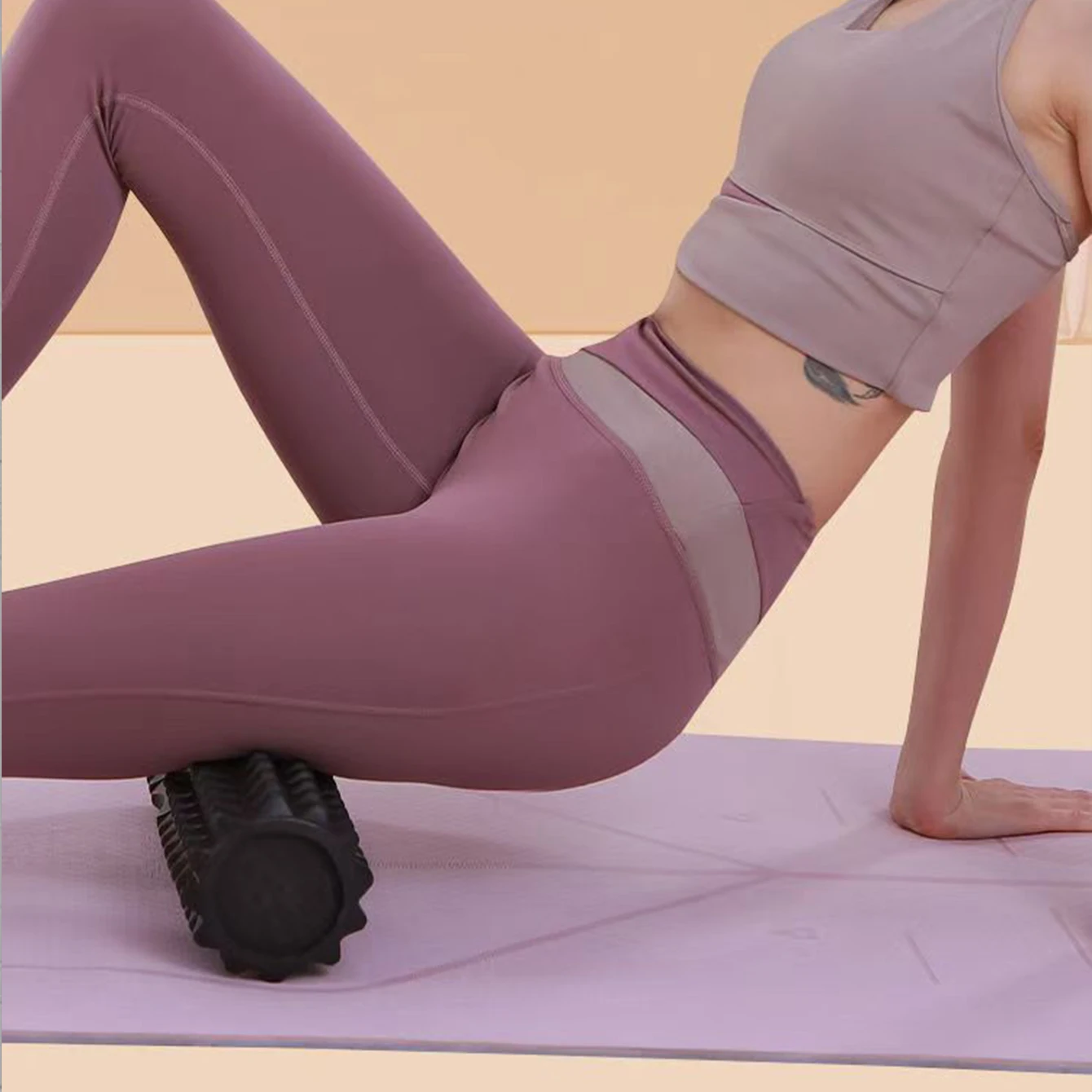
| Best for | Calves, quads, hamstrings, glutes, lats, thoracic spine |
| Portability | Fits a standard gym bag |
Care & Maintenance
Wipe down with a damp cloth and mild soap after use and air dry — sweat left on foam is what makes rollers smell. Do not soak it, machine wash it, or leave it in a hot car or in direct sun, as heat gradually softens EVA and it will not recover its density. Stored upright or flat away from sunlight it will outlast most of your training gear.
What’s in the Box
One EVA foam roller / yoga column (approx. 30 × 8 cm) in your selected colour. Additional yoga blocks or bricks are variant dependent — check the option you select before ordering if you need the full set.
Reviews
There are no reviews yet.