Where Heels Actually Hurt
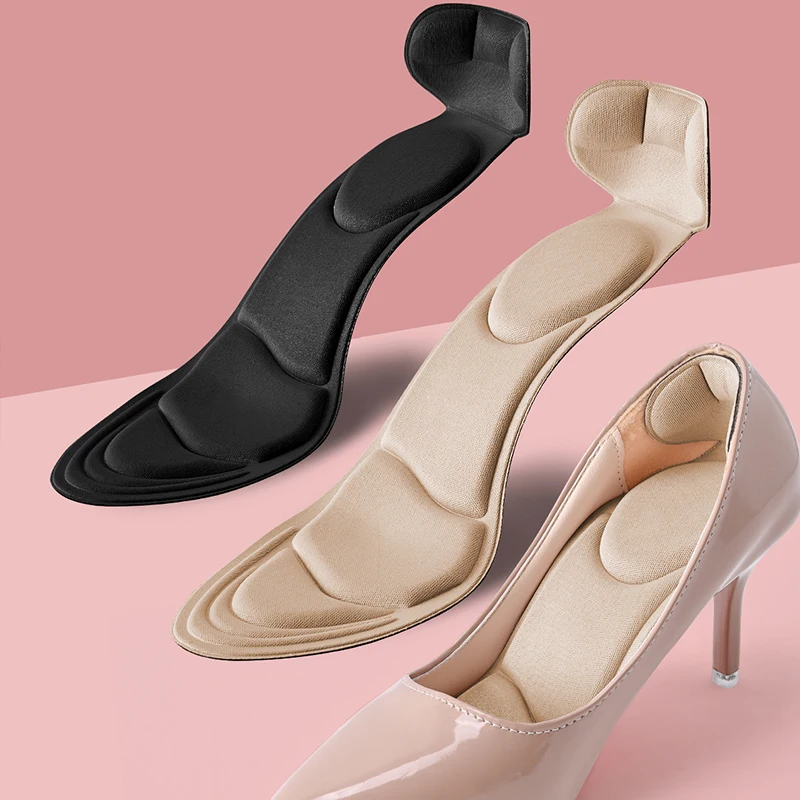
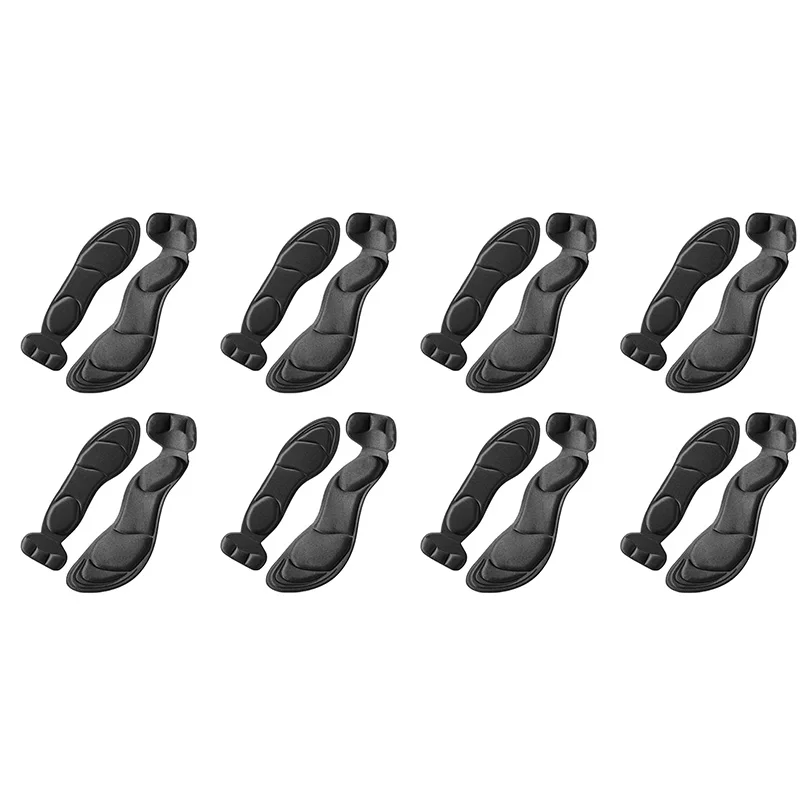
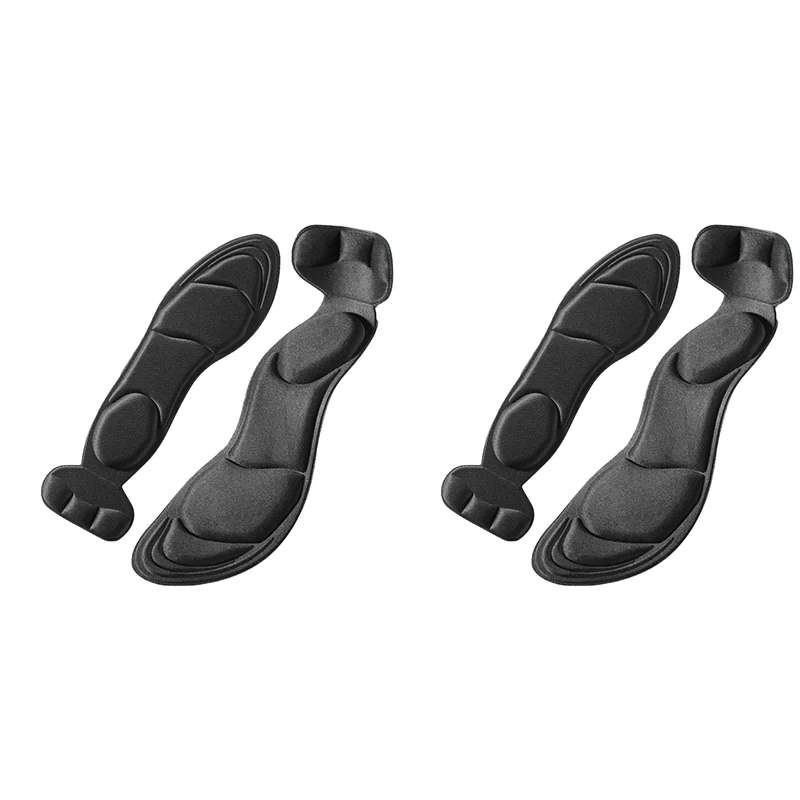
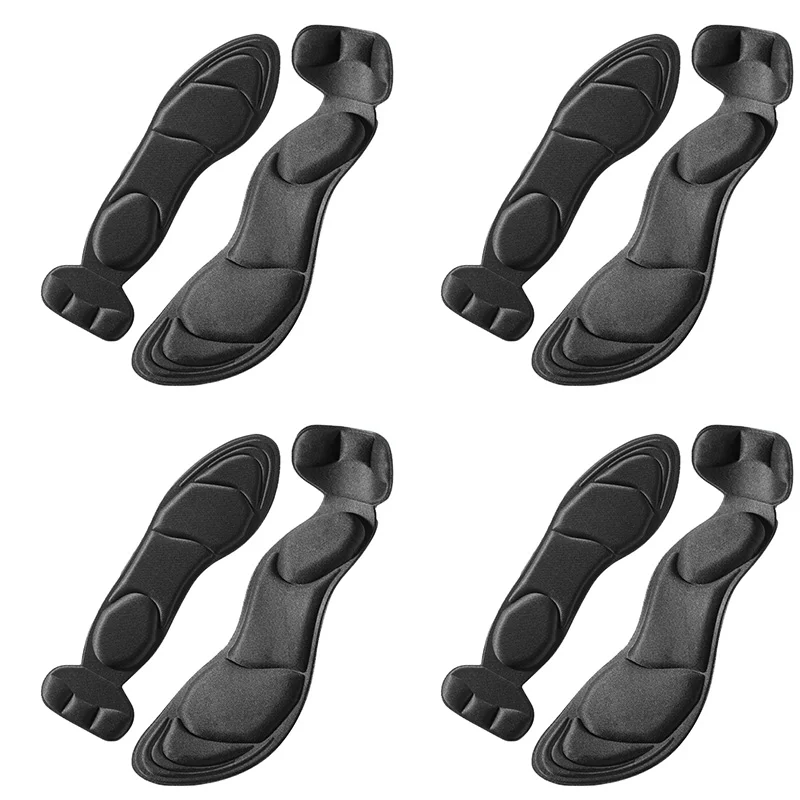
In a high heel, the mechanics are unavoidable: raising the heel transfers a large share of your bodyweight forward onto the metatarsal heads — the ball of the foot — which was never designed to carry it. That’s the burning, aching pain that arrives around hour three. Memory foam under the forefoot doesn’t change the mechanics, but it does put a compressible layer between bone and shoe, and that is the difference between an evening and an ordeal.
Key Benefits
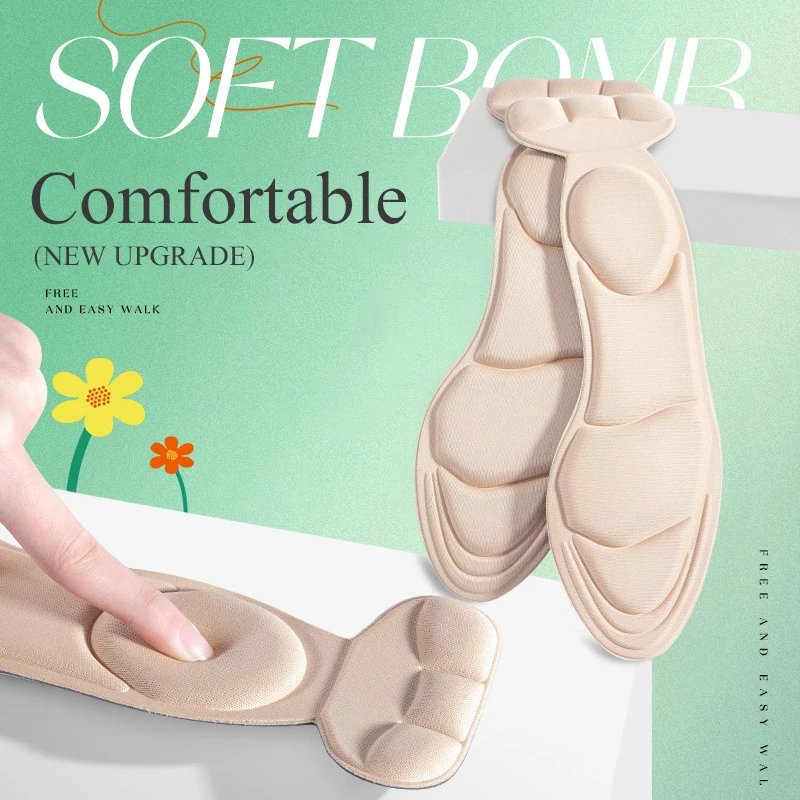
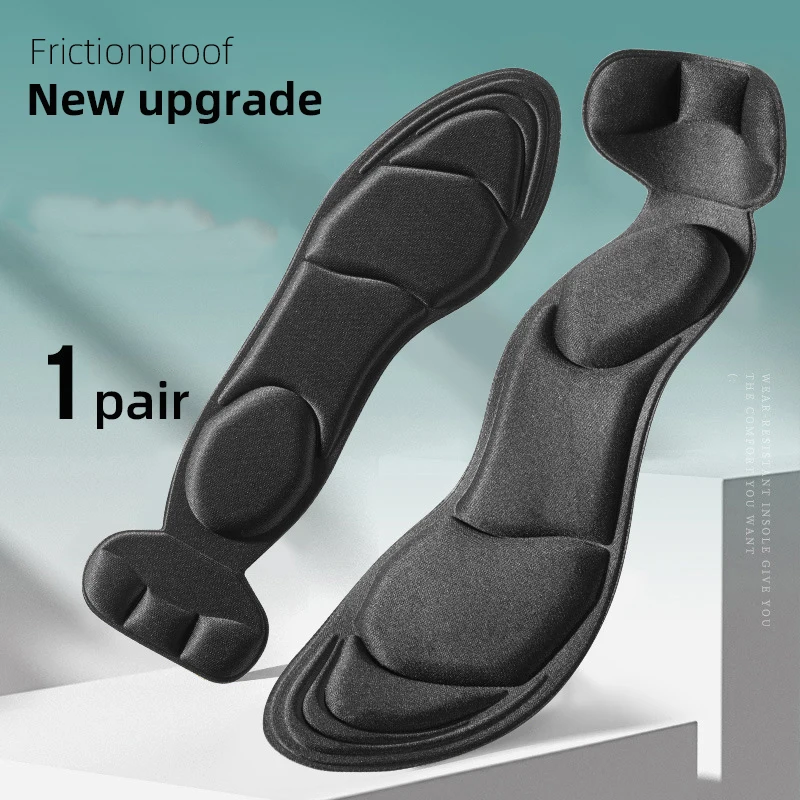
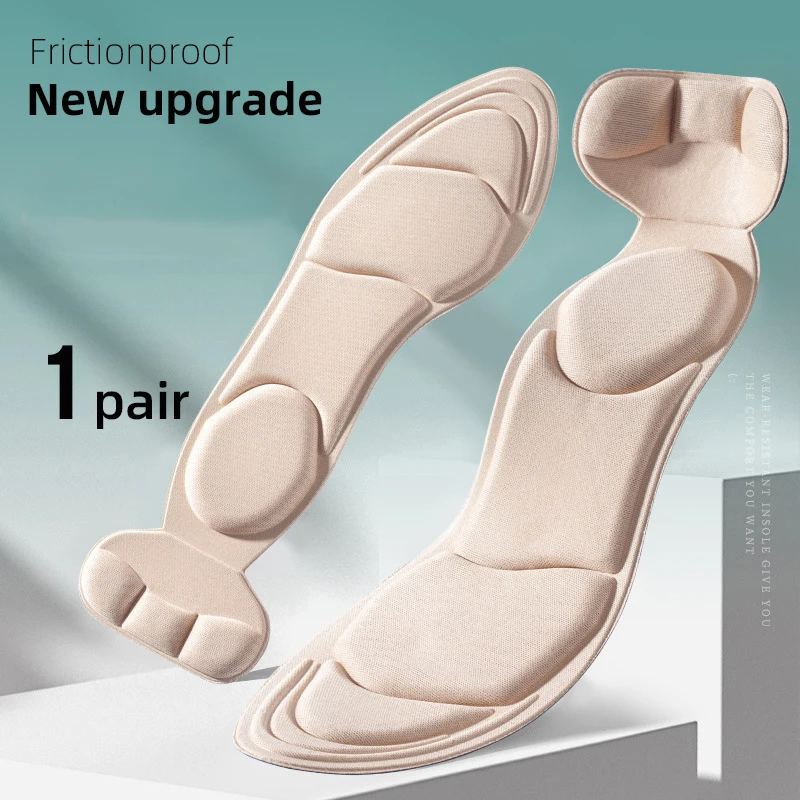
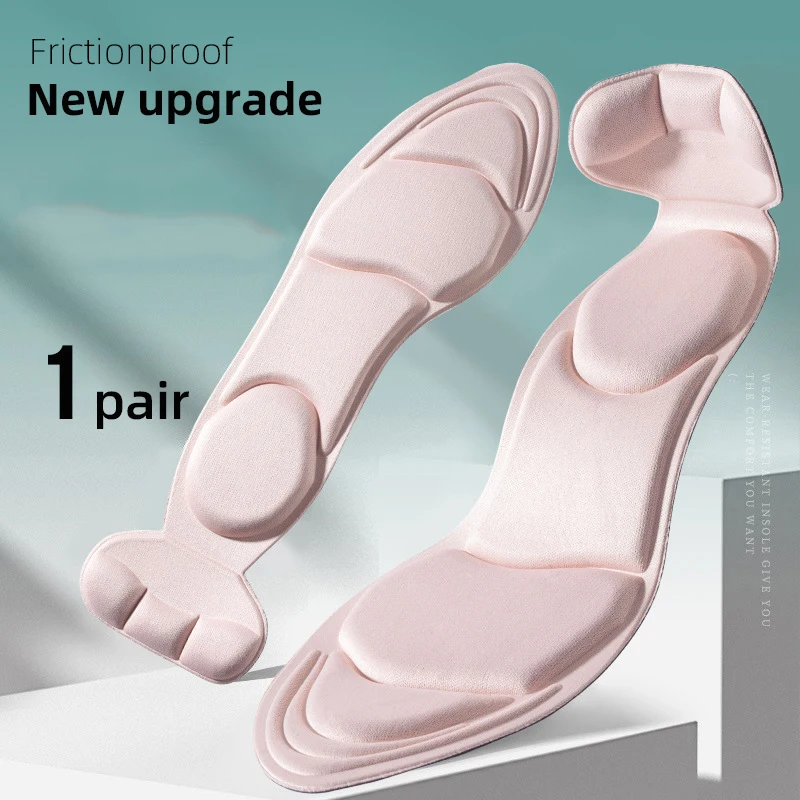
- Memory foam forefoot cushioning exactly where heels concentrate load
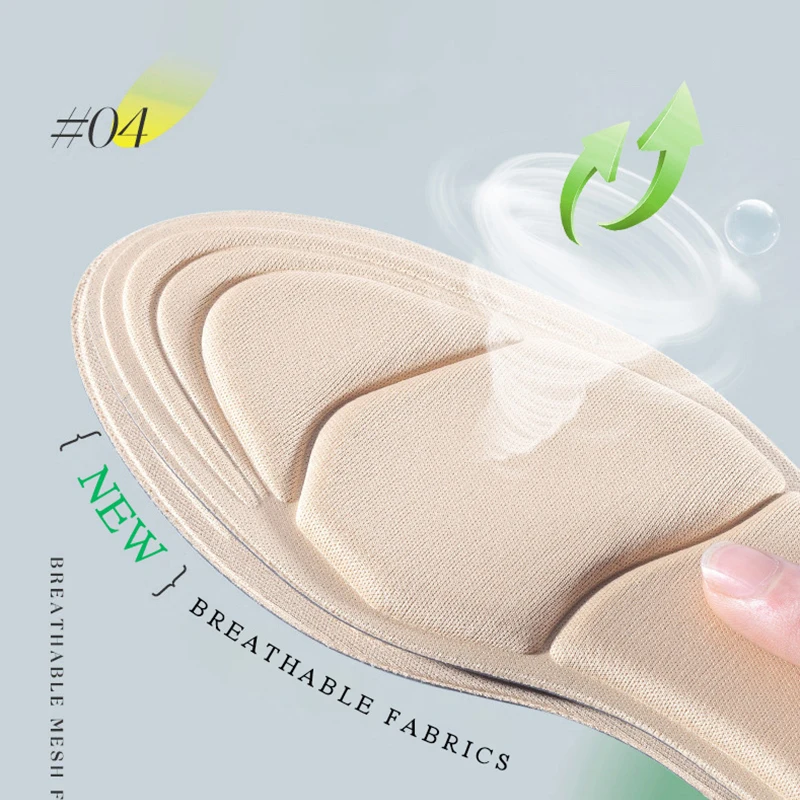
- Moulds to your foot with body heat
- Thin enough not to tighten the fit of the shoe
- Self-adhesive backing so they stay put
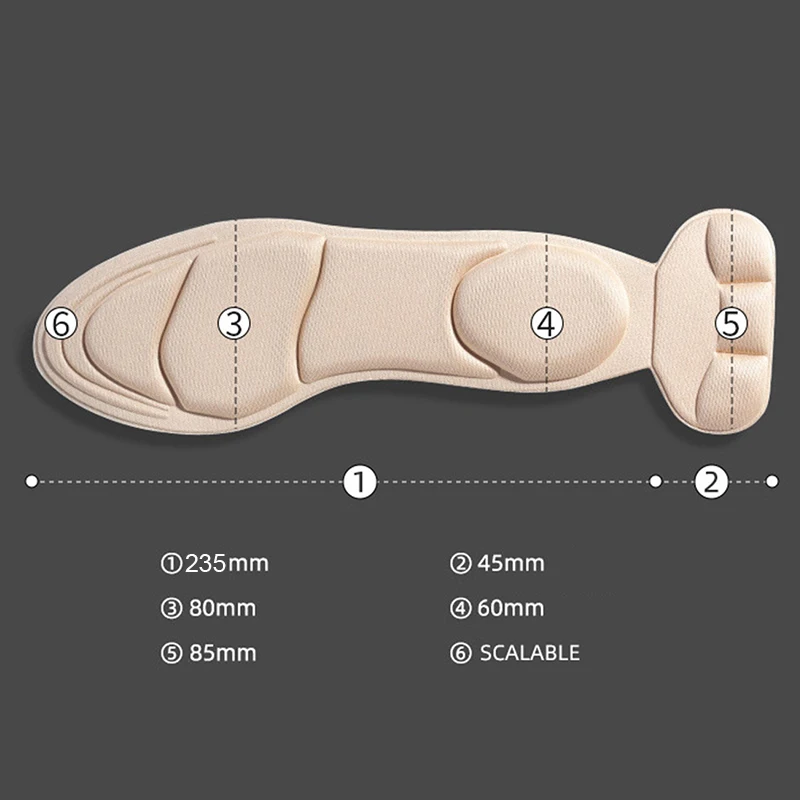
- Trimmable to shoe size
- Reduces the burning ache under the ball of the foot
How to Use
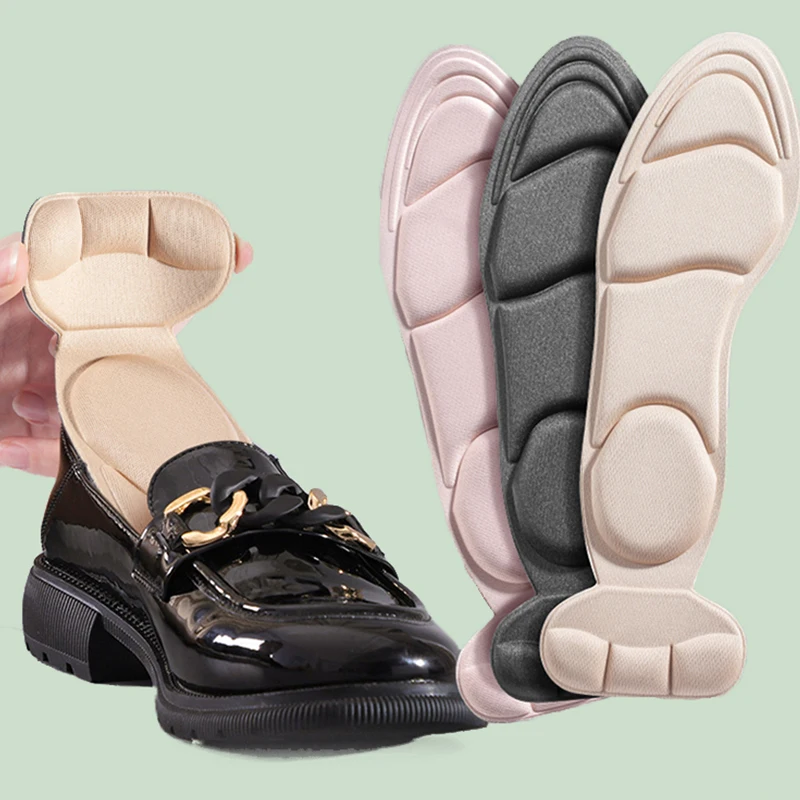
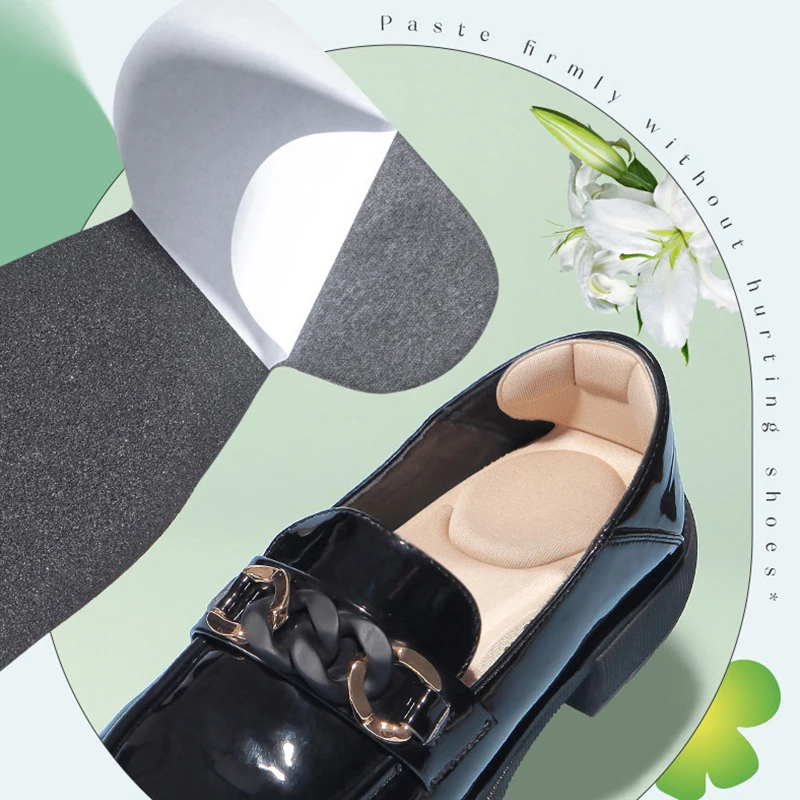
Clean the inside of the shoe, peel the backing and press the insole into place under the ball of the foot. Trim to fit if needed. Note honestly: cushioning reduces the symptom, it doesn’t remove the cause. If you’re in heels daily and getting forefoot pain, that is worth taking seriously — persistent metatarsal pain can develop into something that needs treating.
Specifications
| Type | Memory foam forefoot insoles |
|---|---|
| Placement | Under the ball of the foot |
| Material | Memory foam — moulds with body heat |
| Backing | Self-adhesive |
| Trimmable | Yes |
| Best for | High heels, dress shoes, forefoot pain |
| Note | Reduces symptoms — does not change the load mechanics of a heel |
Care & Maintenance
Wipe with a damp cloth. Air dry fully before replacing in the shoe.
What’s in the Box
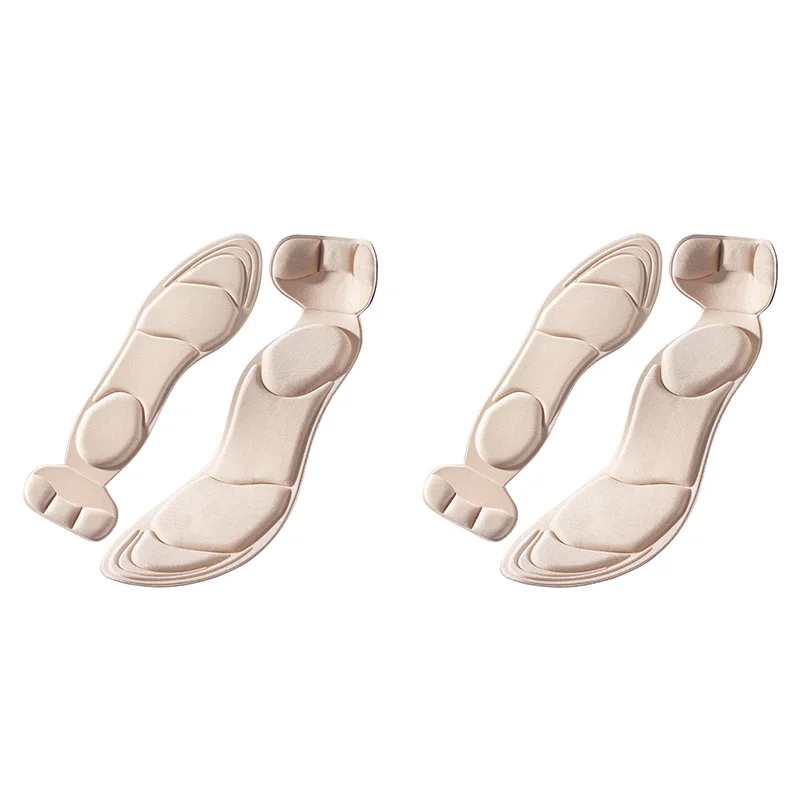
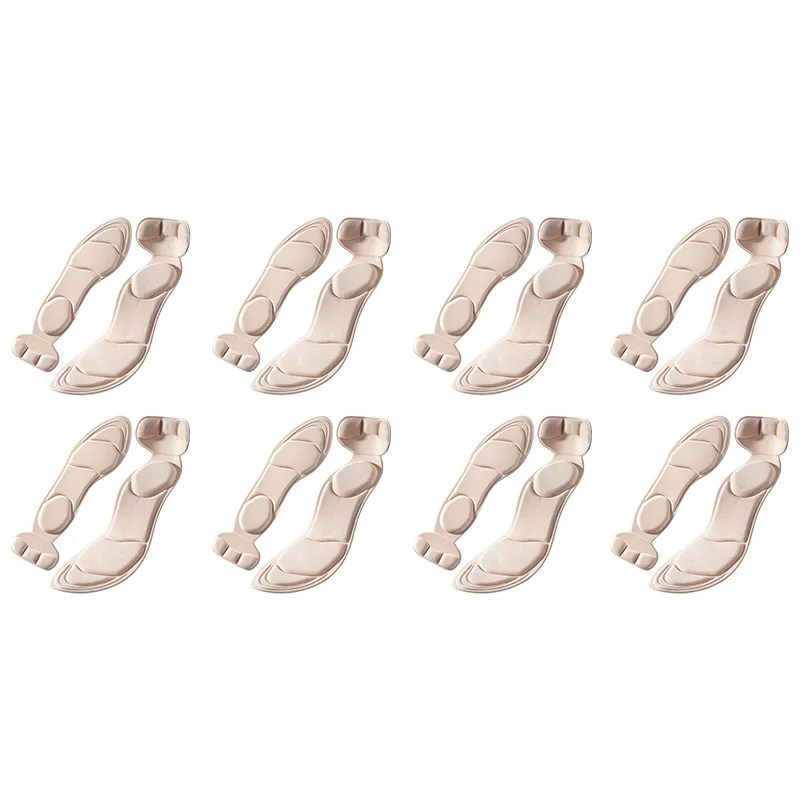
1 × Pair of High-Heel Insoles
Reviews
There are no reviews yet.