The Eye Injuries in Team Sport Come From Fingers, Not Footballs
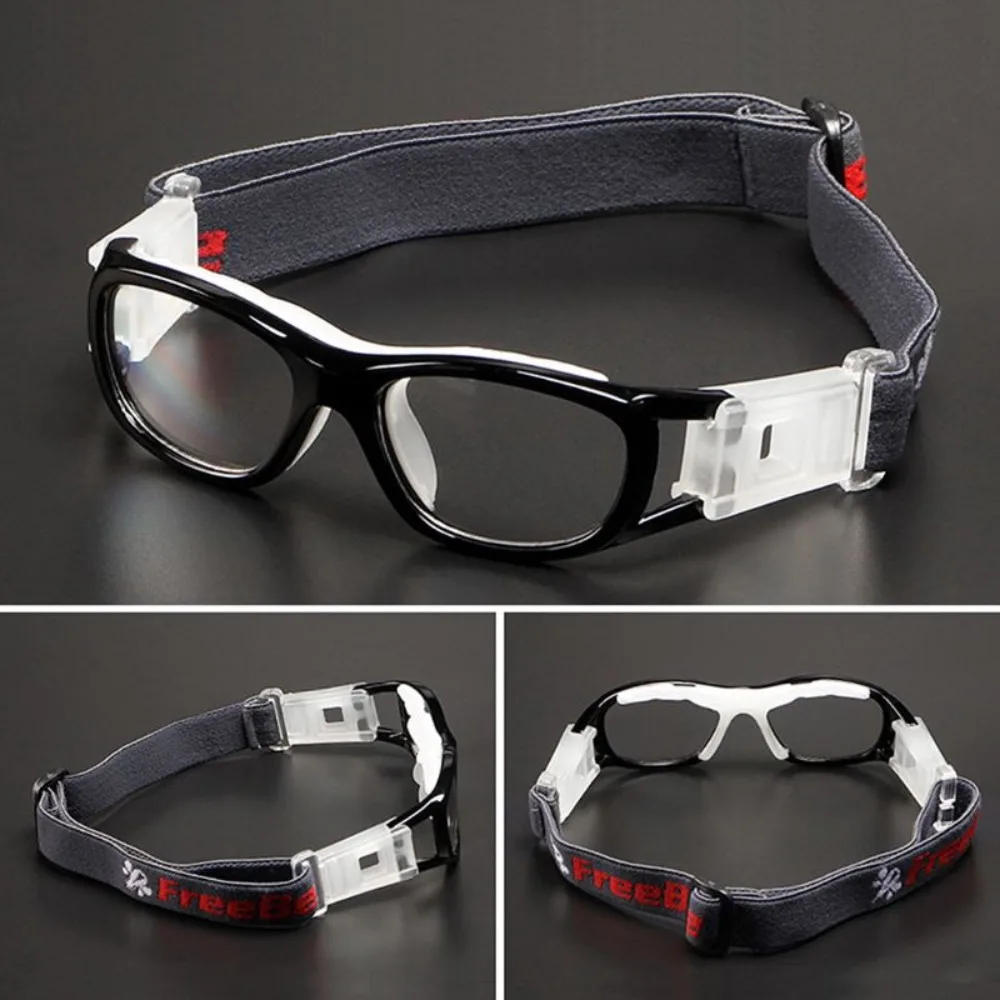
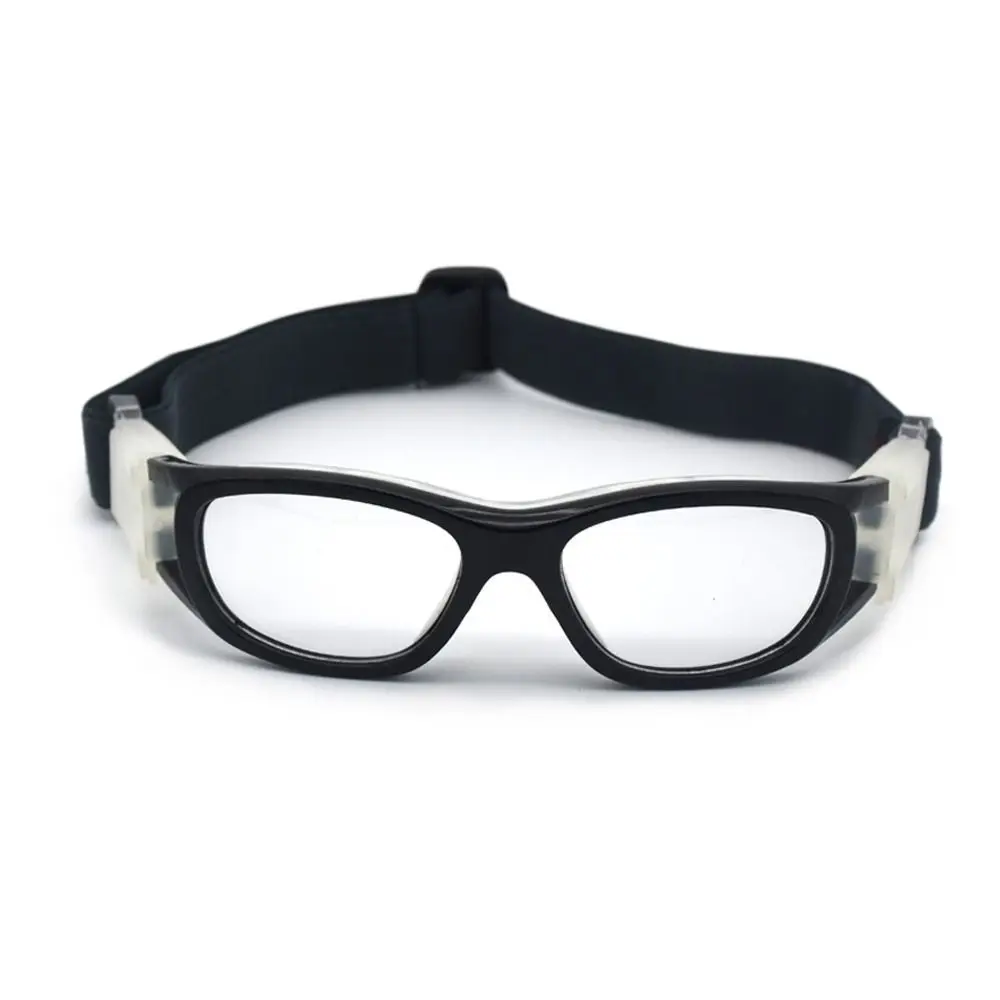
An eye socket offers good protection against blunt, wide objects and almost none against narrow ones. In basketball and soccer the classic injuring object is a finger or an elbow arriving inside the orbital rim — which is why sports eye injuries are so disproportionately common in those two sports. A wraparound goggle works by moving the contact surface outward: the frame bridges the brow and the cheekbone, so a poking finger hits rigid plastic rather than the cornea. The strap matters as much as the lens, because eyewear that flies off on first contact protects nothing.
Key Benefits
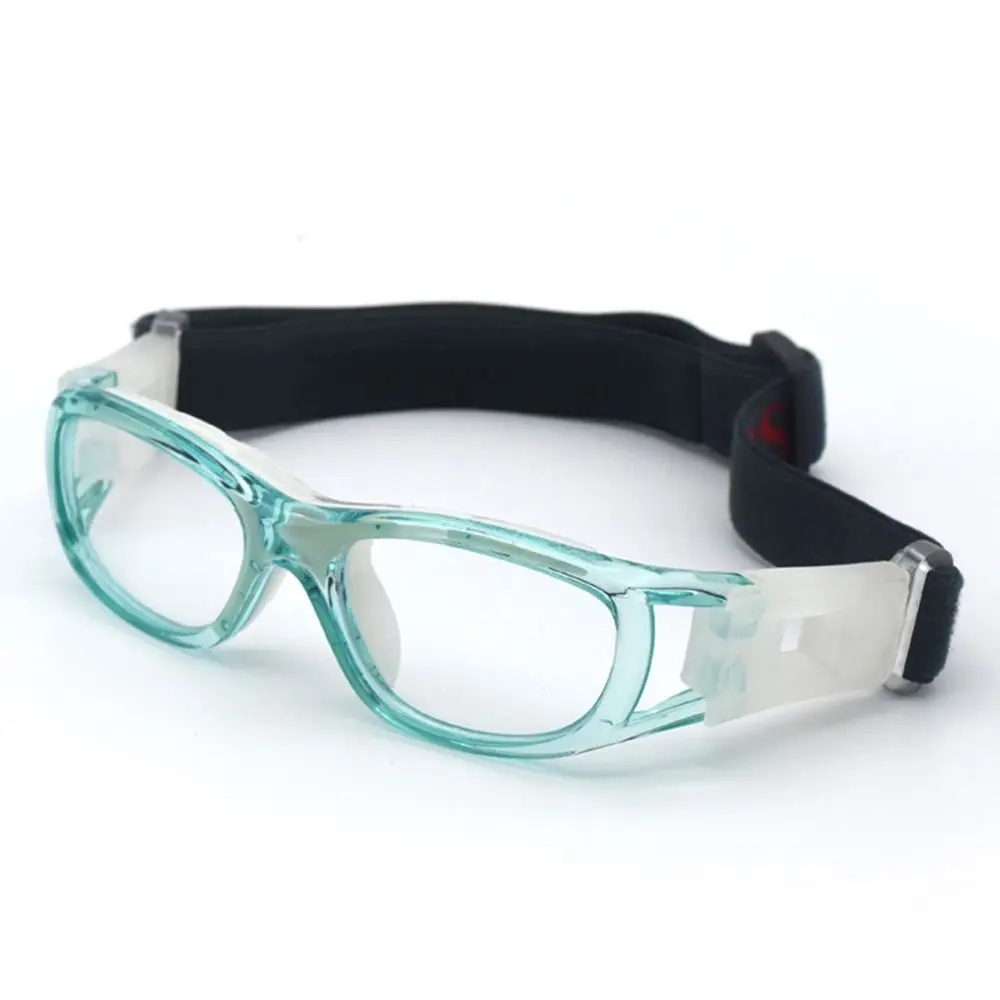
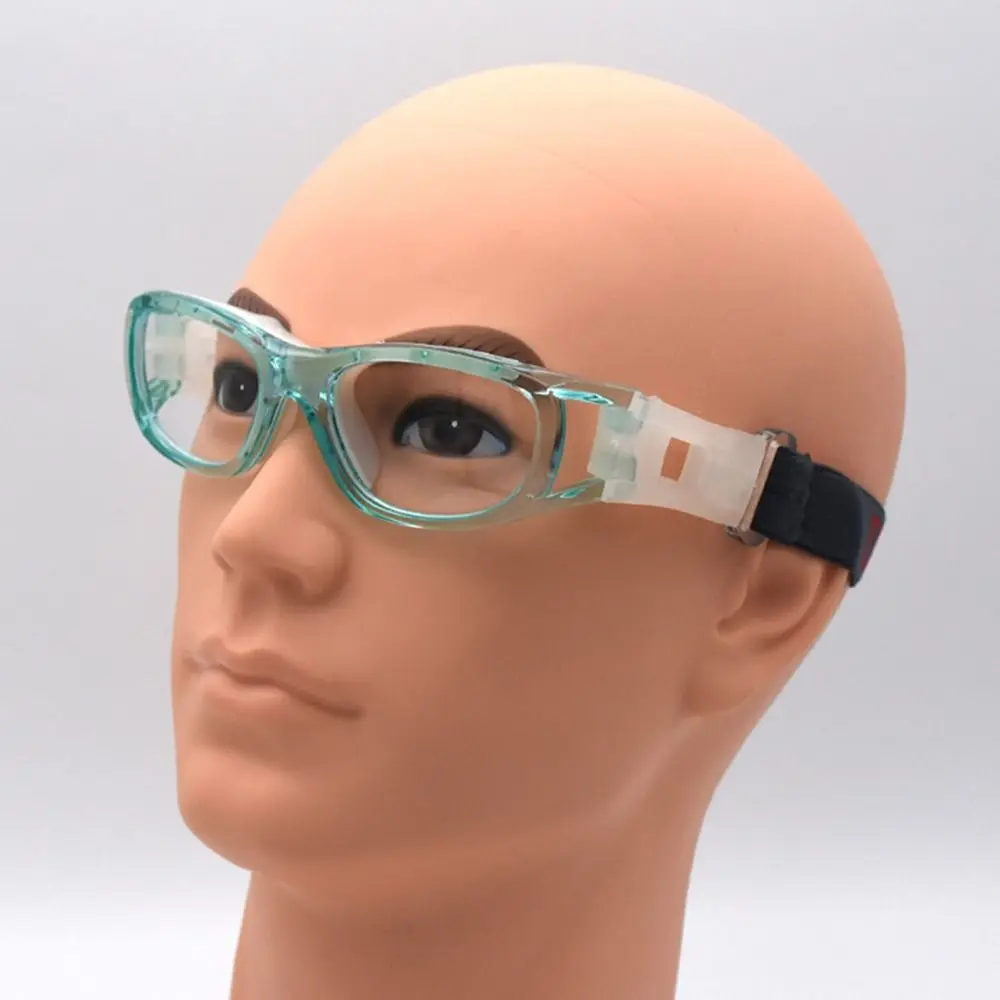
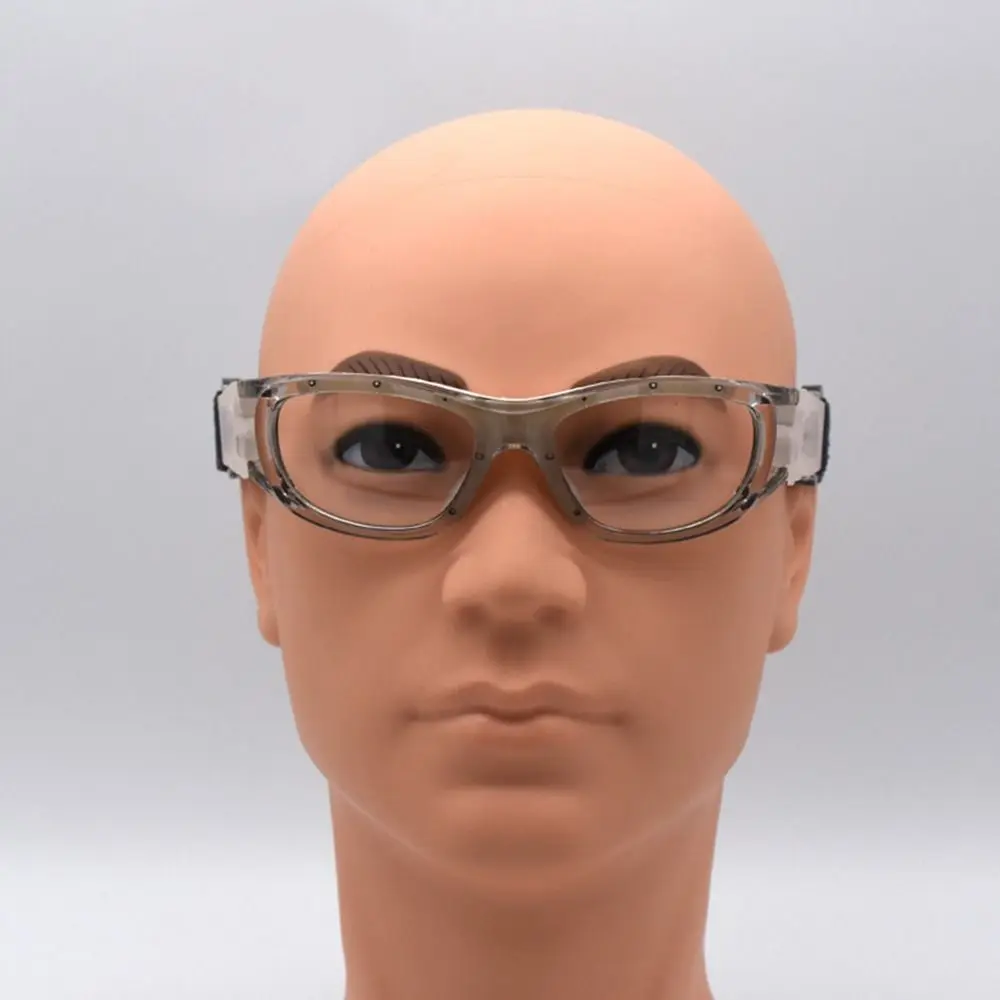
- Frame stands off the face. The wraparound shape spreads impact into the brow and cheekbone, which are built to take it, instead of into the eye socket.
- Strap-retained, not ear-hooked. An adjustable elastic head strap keeps the goggles on through a rebound scramble or a header — the failure mode of normal glasses in sport.
- Wide, unobstructed field of view. Peripheral vision is non-negotiable in team sport; the lens curve is designed to keep the side channels clear.
- Works across contact sports. Soccer, basketball, handball, cycling, racquet sports — anywhere a fast small object or a stray limb reaches your face.
- Ventilated to fight fogging. Frame venting lets warm air escape; fogged lenses in the middle of a fast break are a hazard in themselves.
- Honest note on certification: the supplier has not provided an ASTM F803 or equivalent certification for these goggles, so we are not claiming one. If your league mandates certified protective eyewear, or if you have one functional eye, buy certified eyewear — this is a general-purpose protective goggle, not verified competition-grade equipment.
How to Use
Fit the goggles before the game, not on the court. Adjust the head strap so the frame sits firmly against the brow and cheekbone with no rocking when you shake your head hard — but not so tight that it presses a ridge into your temples, which will give you a headache by the second half. Check that the lower rim clears your cheek when you smile, or it will lift and slip during play. Look up, down, and hard to each side to confirm the frame isn’t cutting into your peripheral vision. Replace the goggles if the lens becomes deeply scratched or cracked: a cracked lens can shatter inward on impact and turn a protective device into a hazard. These are not prescription lenses and not certified impact-rated safety eyewear for industrial use.
Specifications
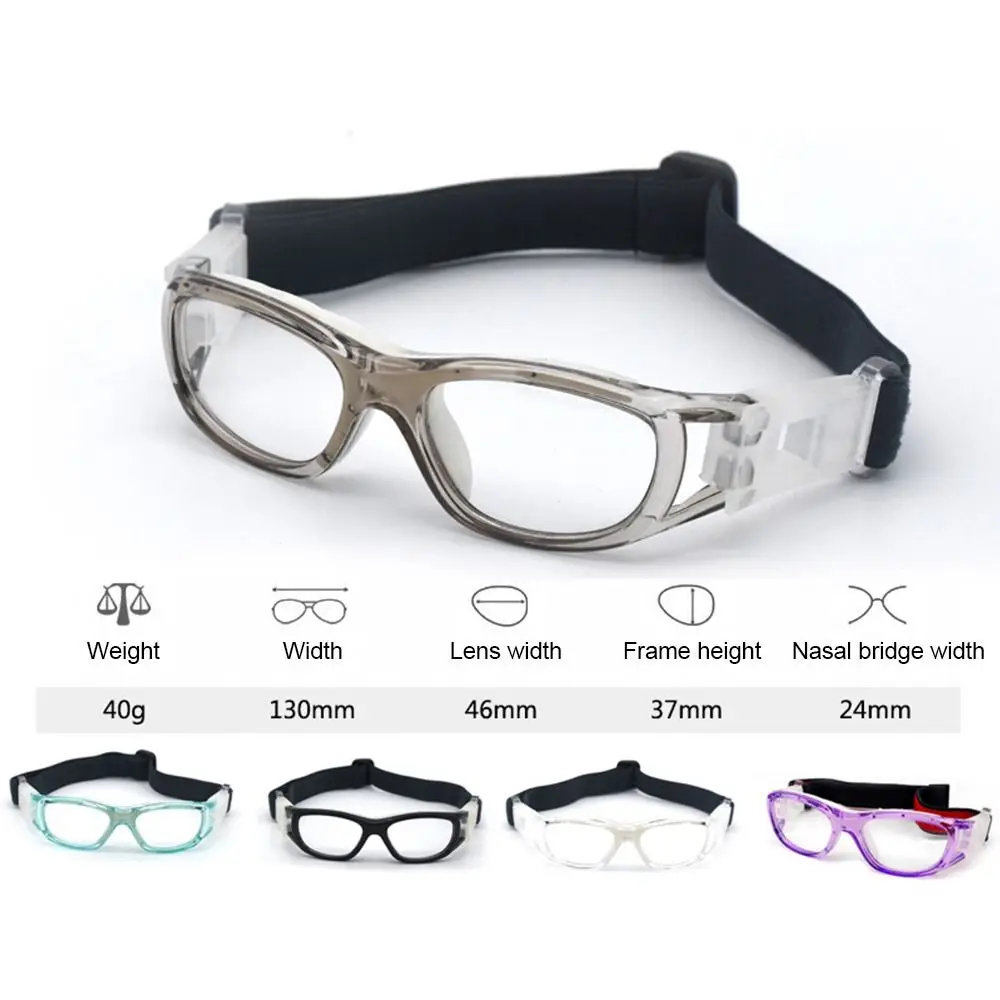
| Product type | Wraparound sports protective goggles |
|---|---|
| Intended sports | Soccer, basketball, handball, cycling, general outdoor sport |
| Retention | Adjustable elastic head strap |
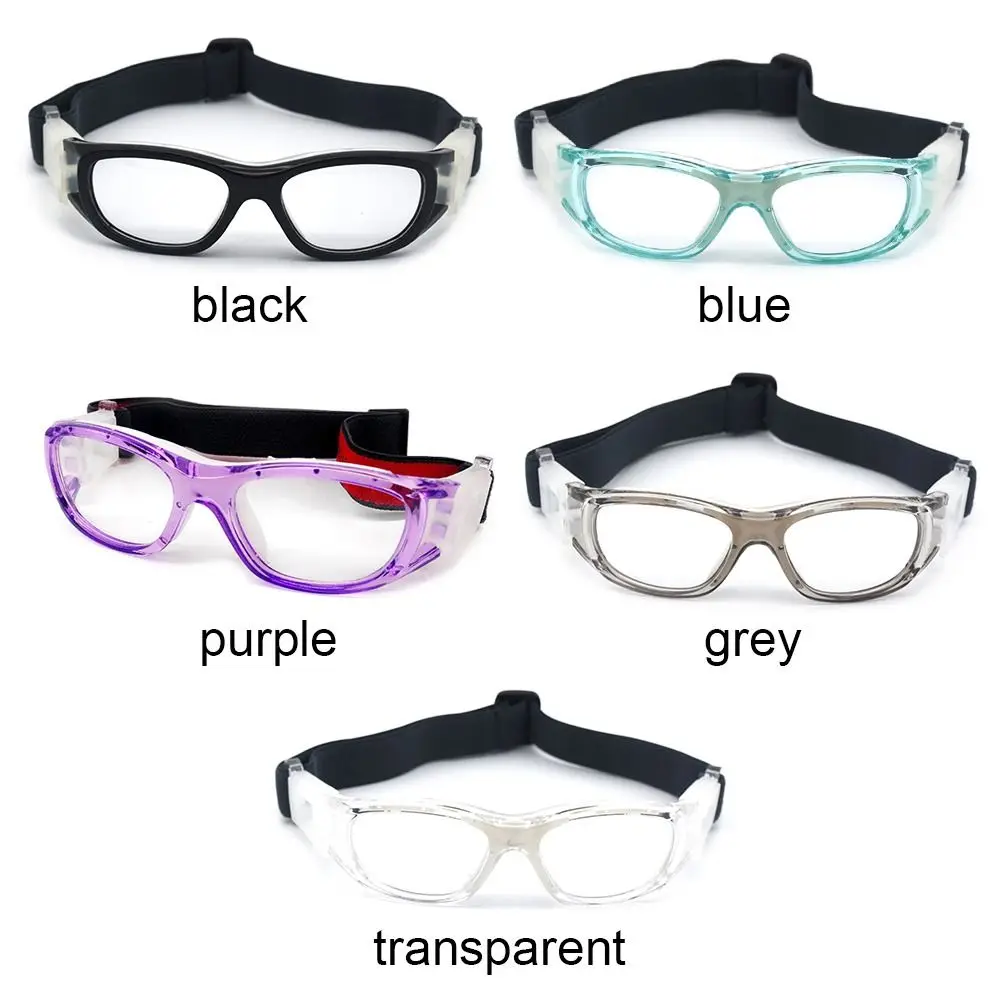
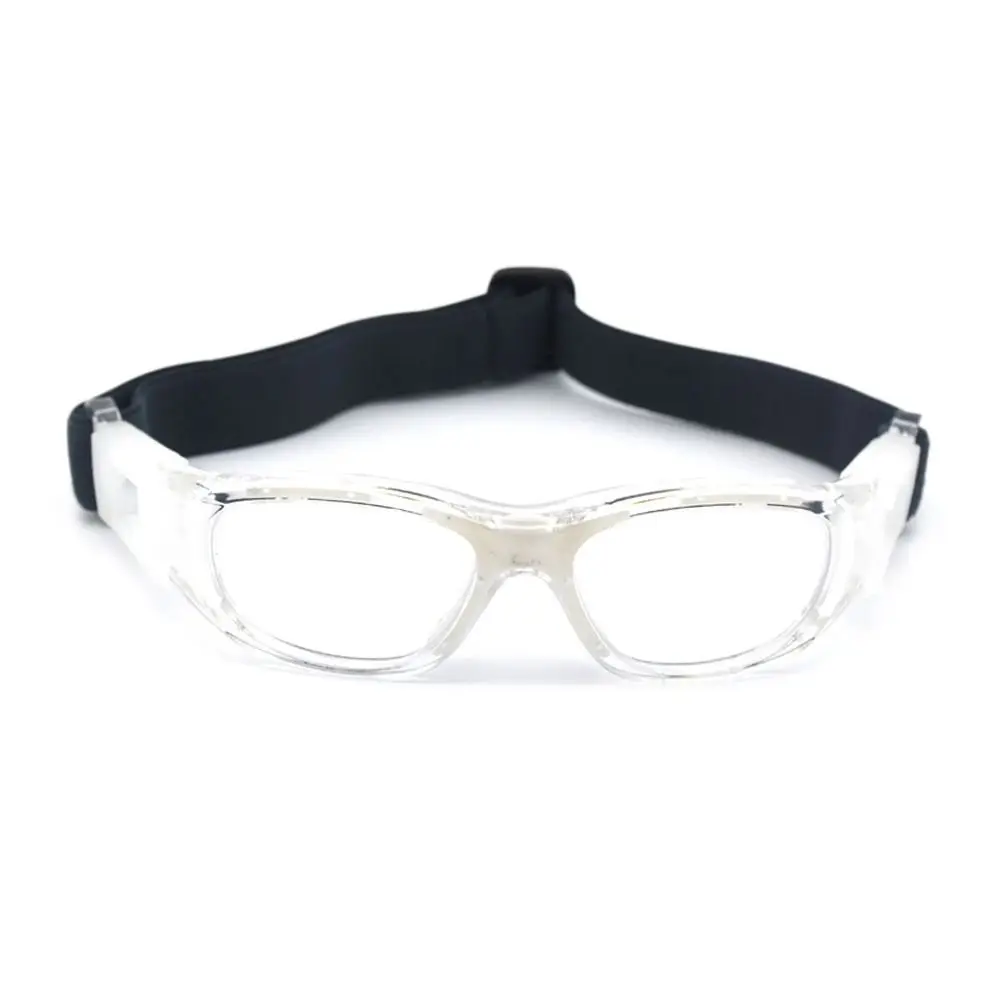
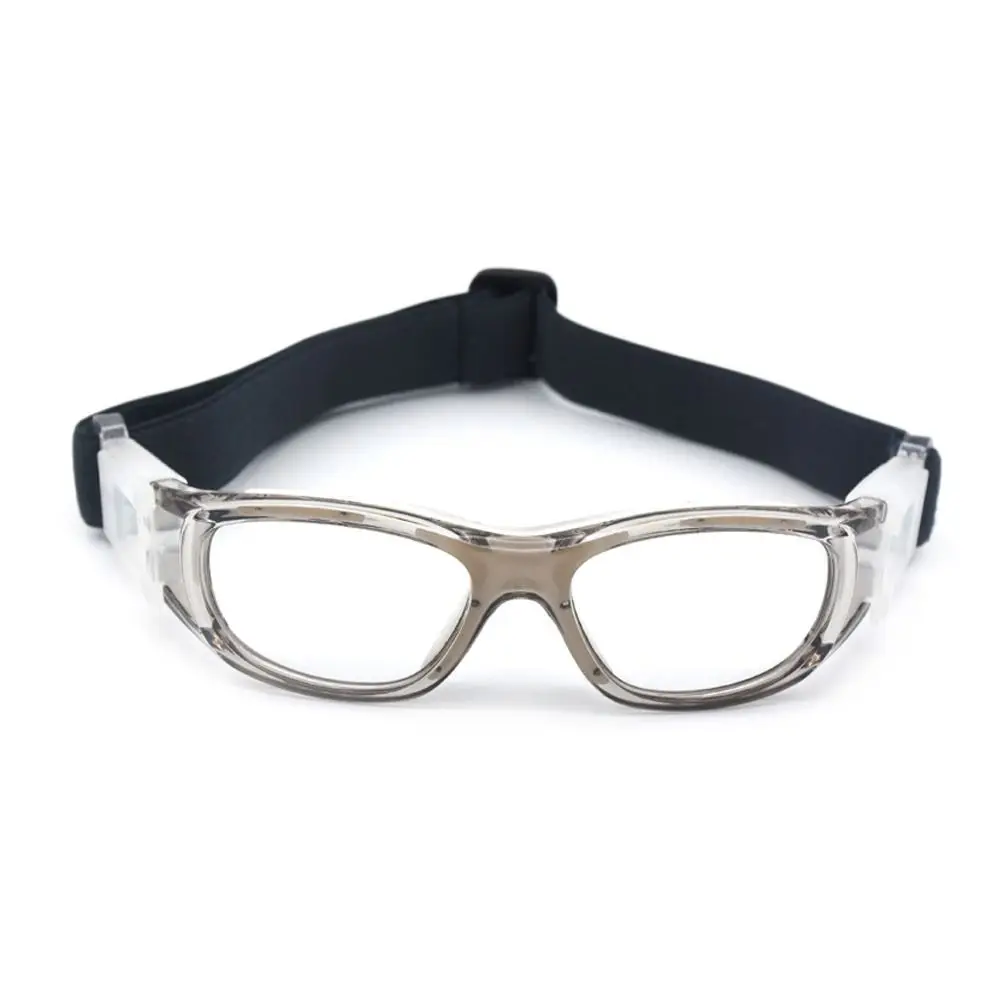
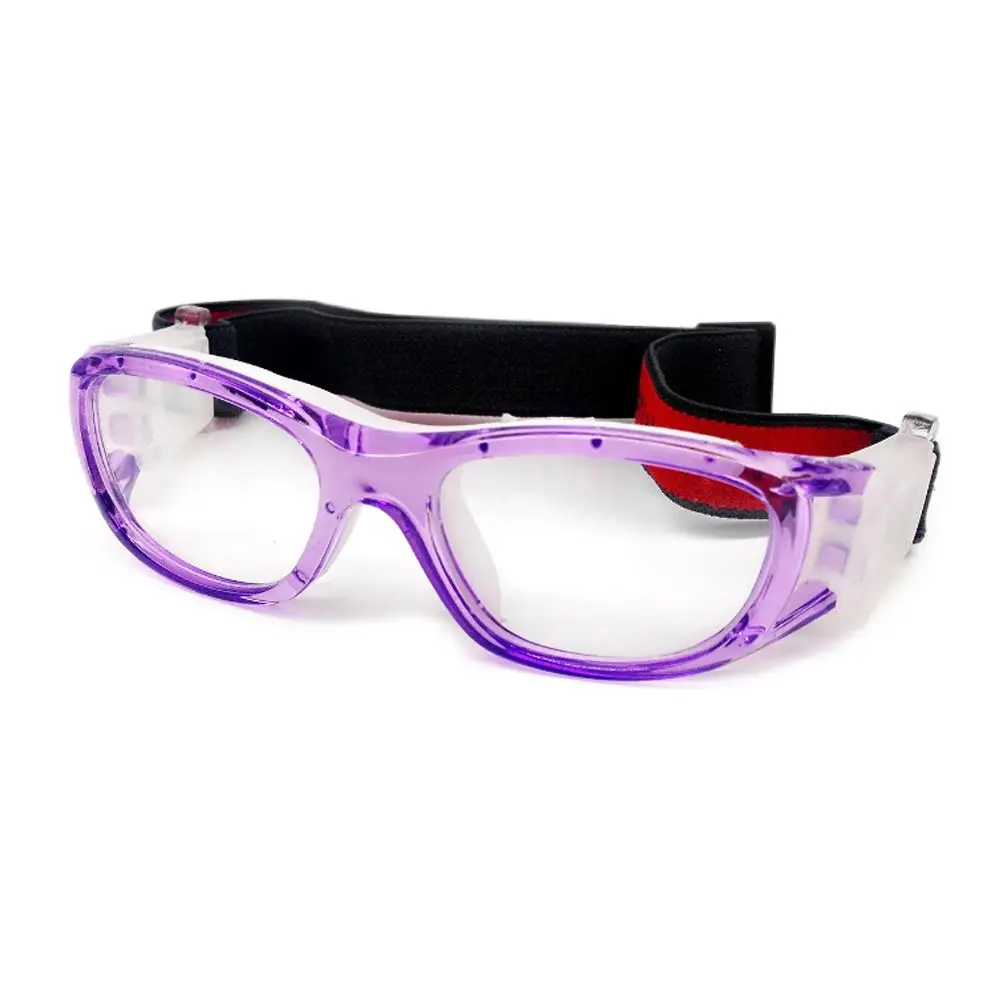
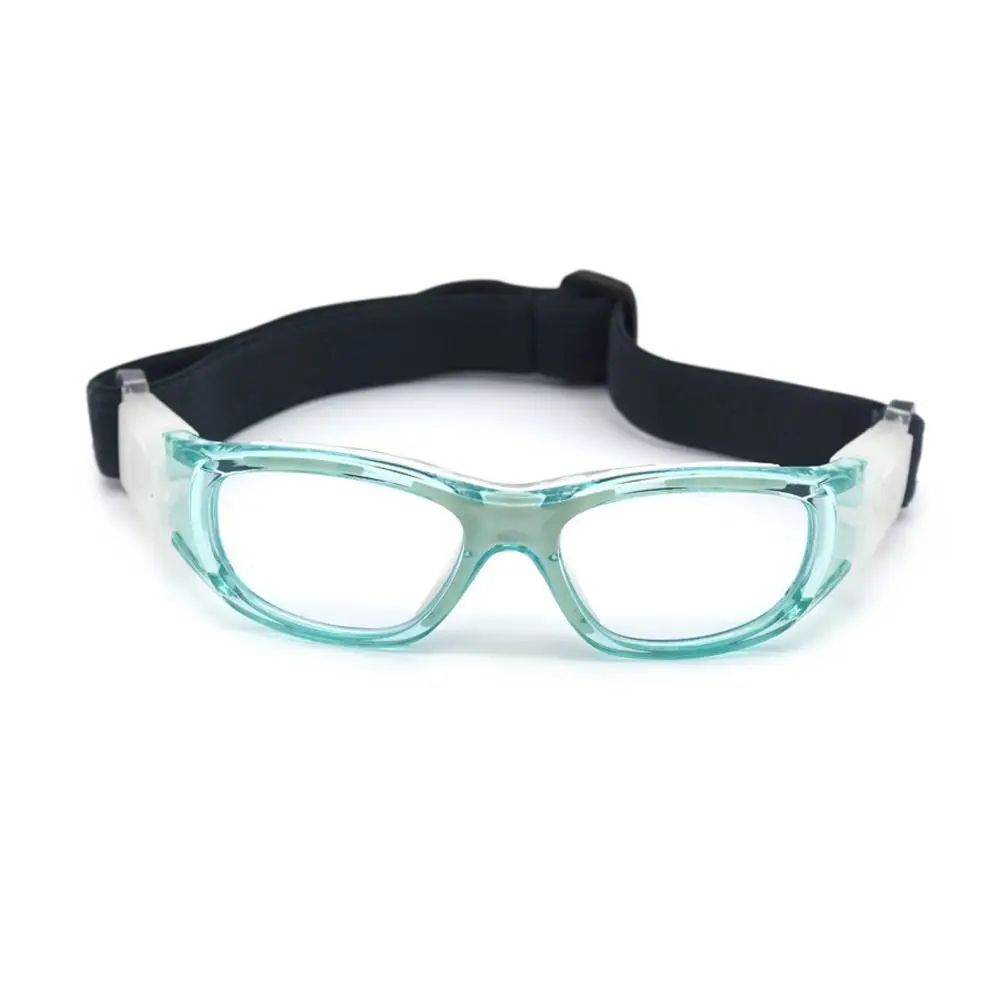
| Lens tint | Variant dependent — transparent, grey, black, purple or blue |
| Frame | Flexible polymer with venting |
| Prescription | Non-prescription lenses |
| Certification | No ASTM F803 / EN certification supplied — not claimed |
| Fit | Adult / youth, strap-adjustable |
Care & Maintenance
Clean the lens with a soft microfibre cloth and plain water or lens cleaner only. Never use paper towel, a shirt hem, or household glass cleaner with ammonia — all three scratch or craze the coating, and a hazed lens in a fast game is genuinely dangerous. Store in a hard case, lens up. Rinse sweat off the strap regularly and let it air dry. Inspect the lens and frame for cracks before every use, and retire them after any significant impact even if they look fine.
What’s in the Box
1 × pair of sports protective goggles with adjustable head strap, in the lens colour selected.
Reviews
There are no reviews yet.