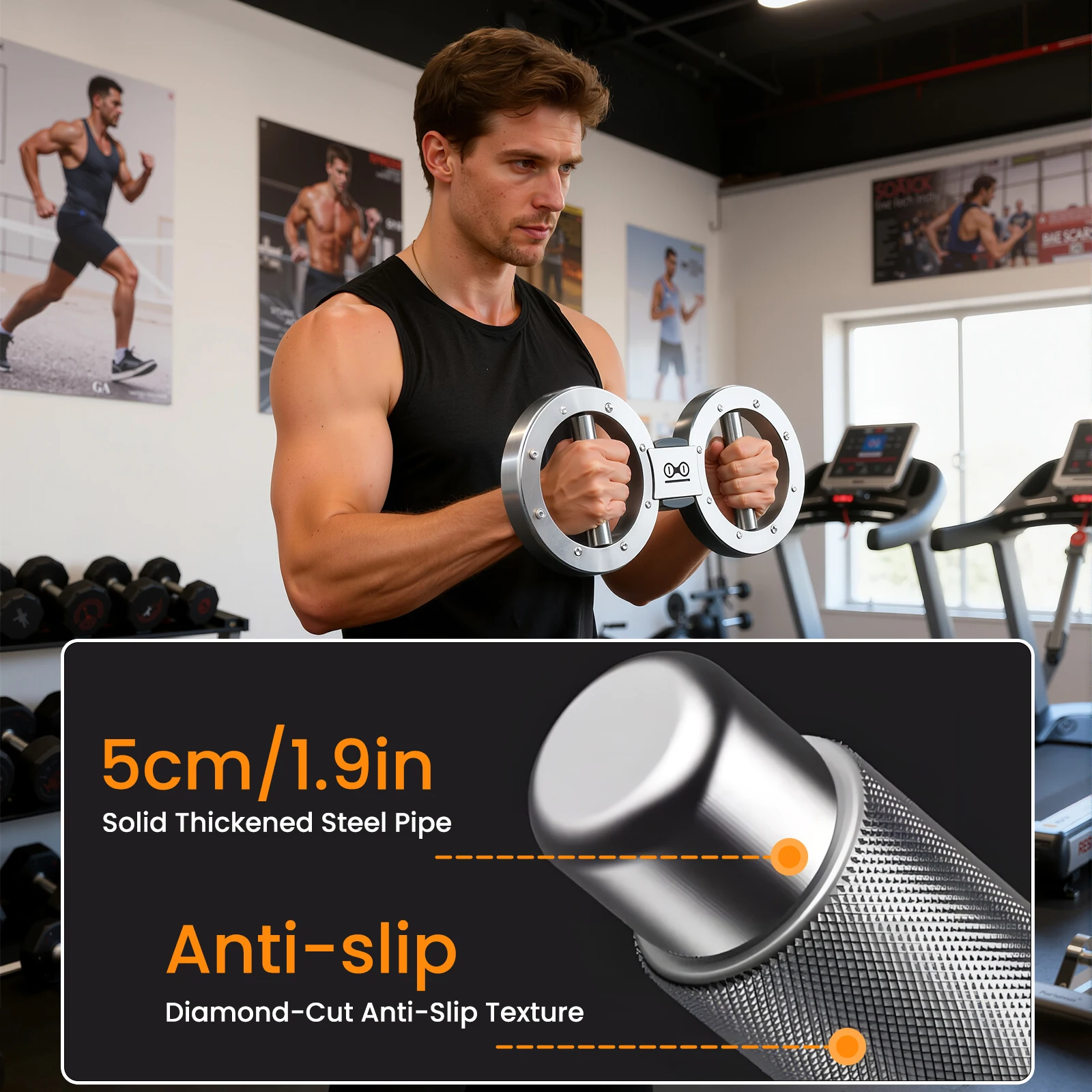
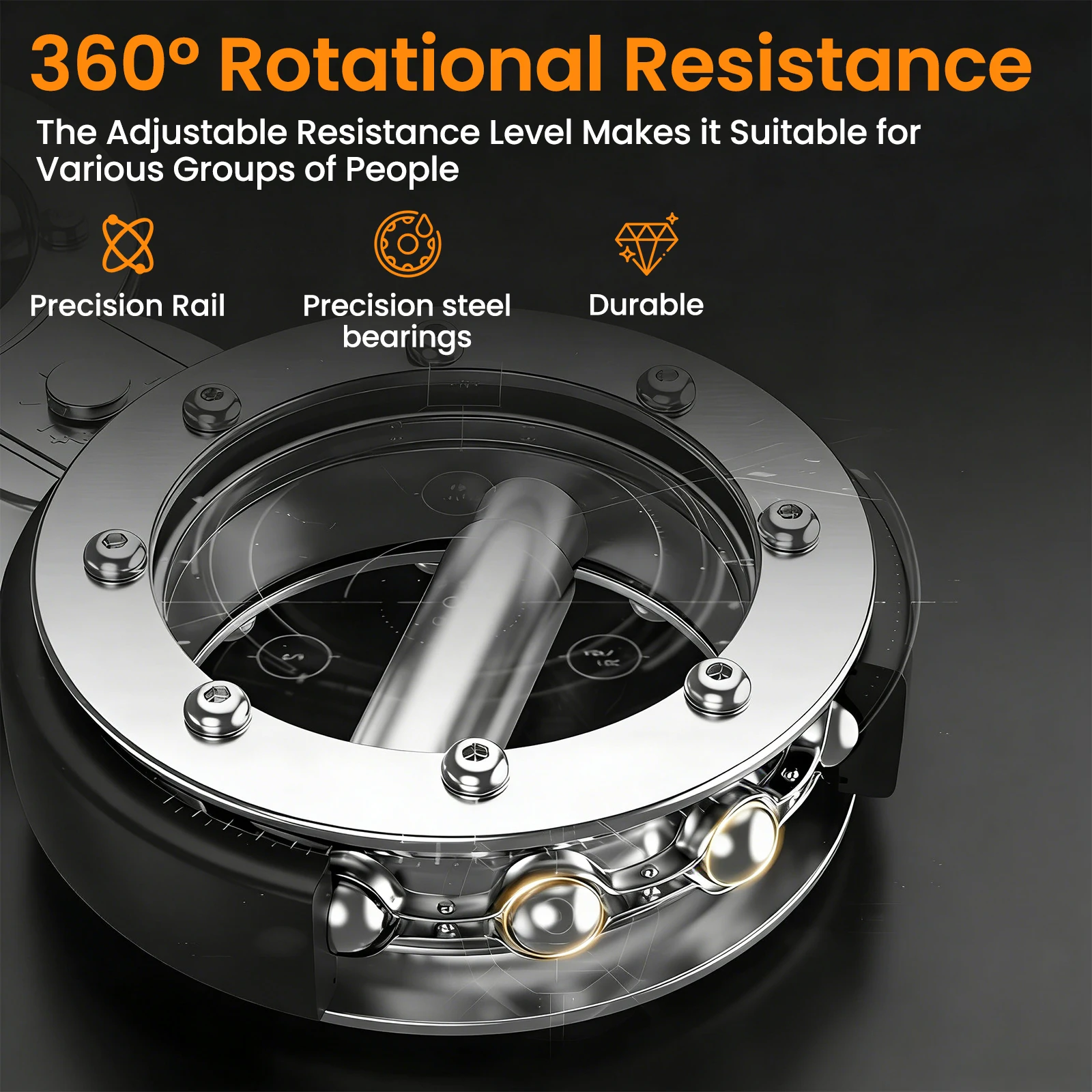
Train the Forearm Through Its Rotation, Not Just Its Squeeze
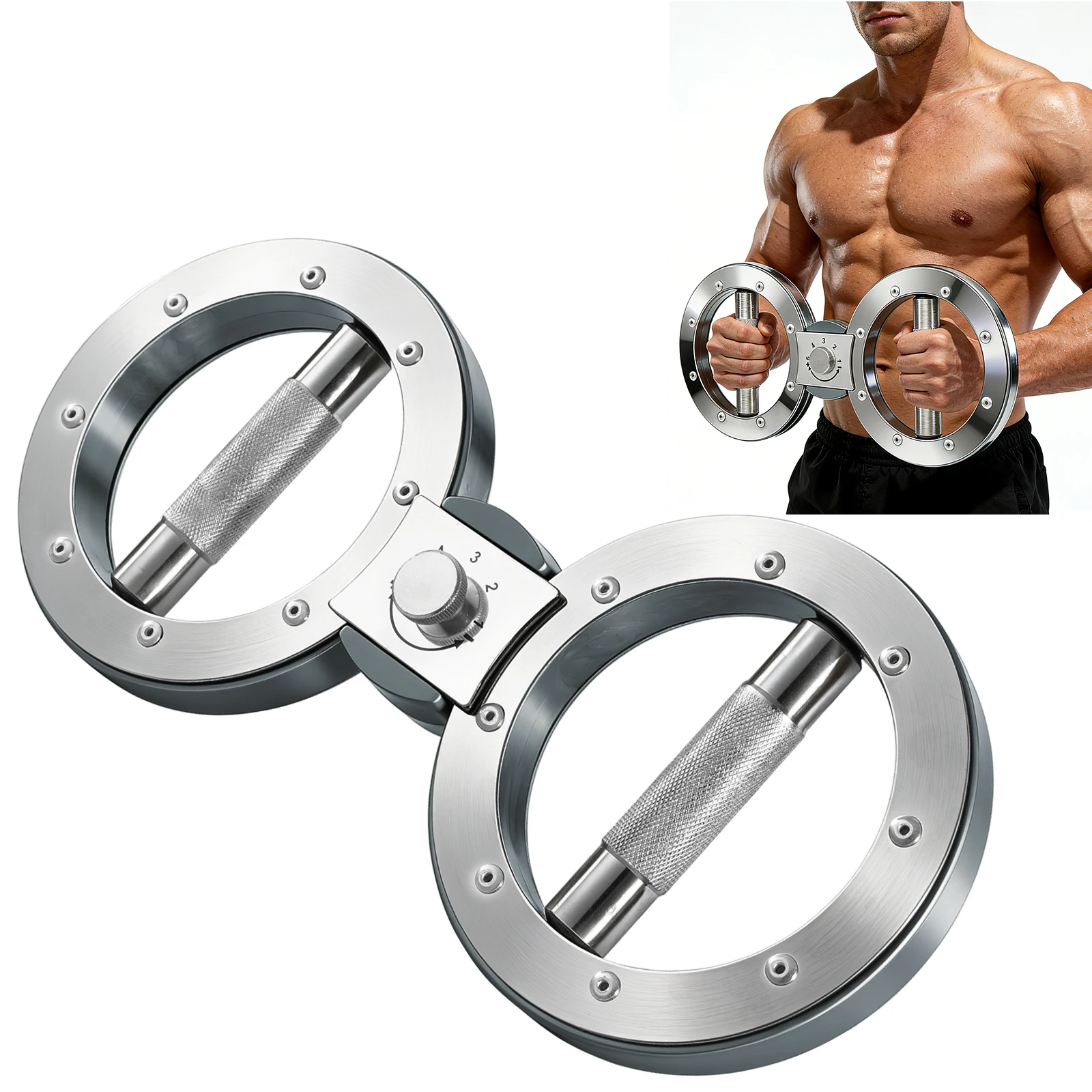
Grip is not one muscle. Crushing a handle recruits the finger flexors, but every real-world grip task — carrying a case, controlling a barbell, swinging a racquet — also demands that the forearm resist rotation. That job belongs to the pronator teres, supinator, brachioradialis and wrist extensors, and a static spring gripper never touches them. This trainer resists a rotating handle through an arc, so the forearm has to produce and control torque under load. Loading tissue through range, rather than in one fixed position, is what builds tendon tolerance rather than just a stronger squeeze.
Key Benefits
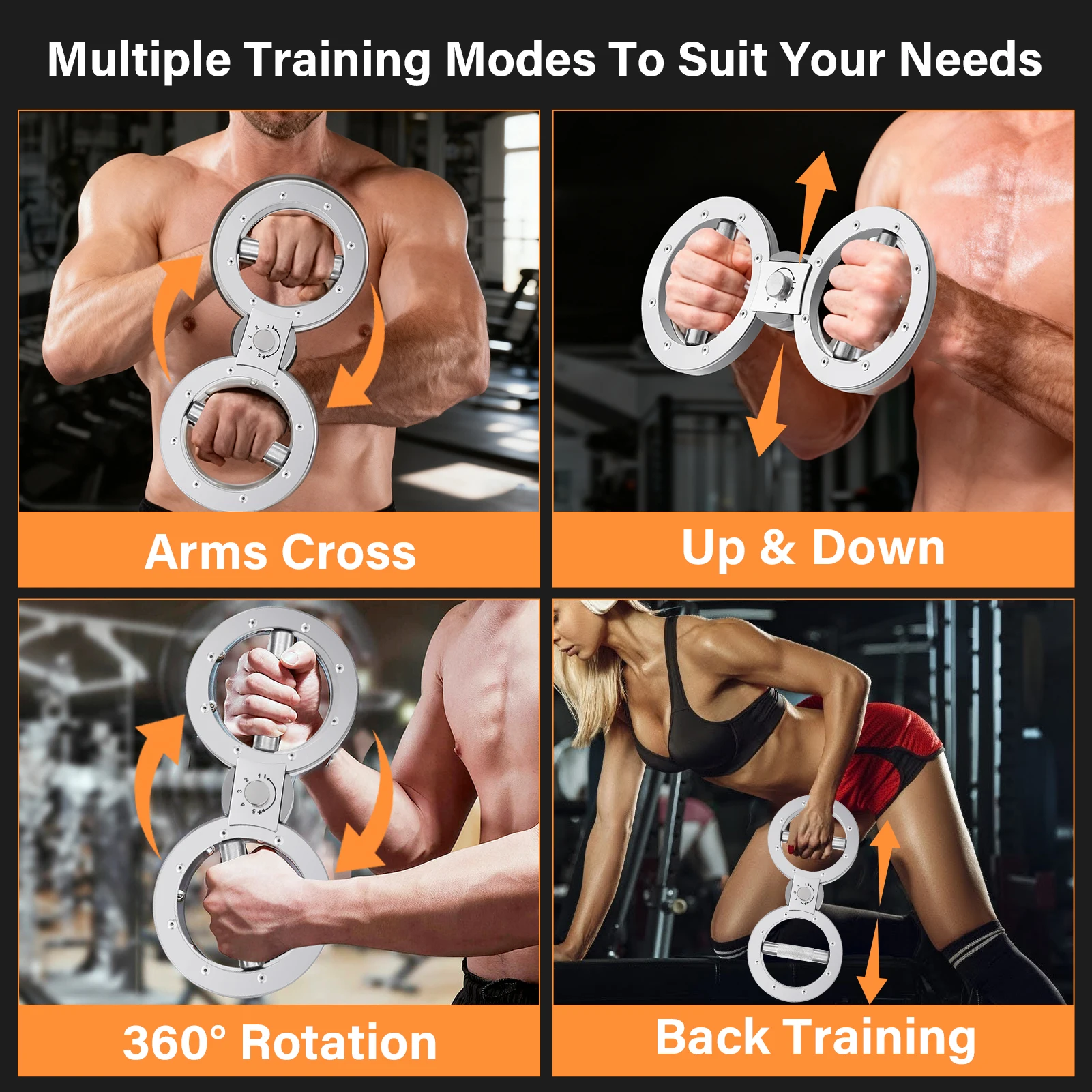
- Trains rotation, not just crush — the rotating handle loads pronation and supination under resistance, working the forearm rotators that fixed-handle grippers leave completely idle.
- Adjustable 8 to 15 lb — a genuine progression range, so you can start below your working capacity and add resistance as your forearms adapt instead of buying a heavier tool.
- Targets the tissue behind elbow pain — the wrist extensors and rotators are the tissues implicated in lateral epicondylitis. Progressive, controlled loading is the general principle behind rehab for that region, though this is a training tool, not a treatment.
- Carries over to the lifts you already do — grip is the first link to fail on deadlifts, rows and carries. Strengthening it usually means more reps before your hands quit, not your back.
- Silent and self-contained — no plates, no bench, no noise. It works at a desk, on the sofa, or between sets.
- Trains both directions — supinating and pronating loads different muscles. Working both keeps the forearm balanced rather than building one dominant pattern.
How to Use
Set the resistance low for your first week — forearm tendons adapt more slowly than muscle, and starting at the top of the range is the fastest route to a sore elbow. Tuck your elbow to your side at roughly 90 degrees, grip the handle, and rotate it slowly through as much range as you have, resisting on the way back rather than letting it snap. Slow is the point: aim for a 2-second turn out and a 3-second controlled return. Eight to fifteen reps per direction, two or three sessions a week, with a day between. Both hands, even if only one feels weak. Safety: stop if you feel sharp or pinpoint pain at the elbow or wrist, as opposed to muscular burn. If you have existing tendon pain, get it assessed before you start loading it — training into a painful tendon without guidance often makes it worse.
Specifications
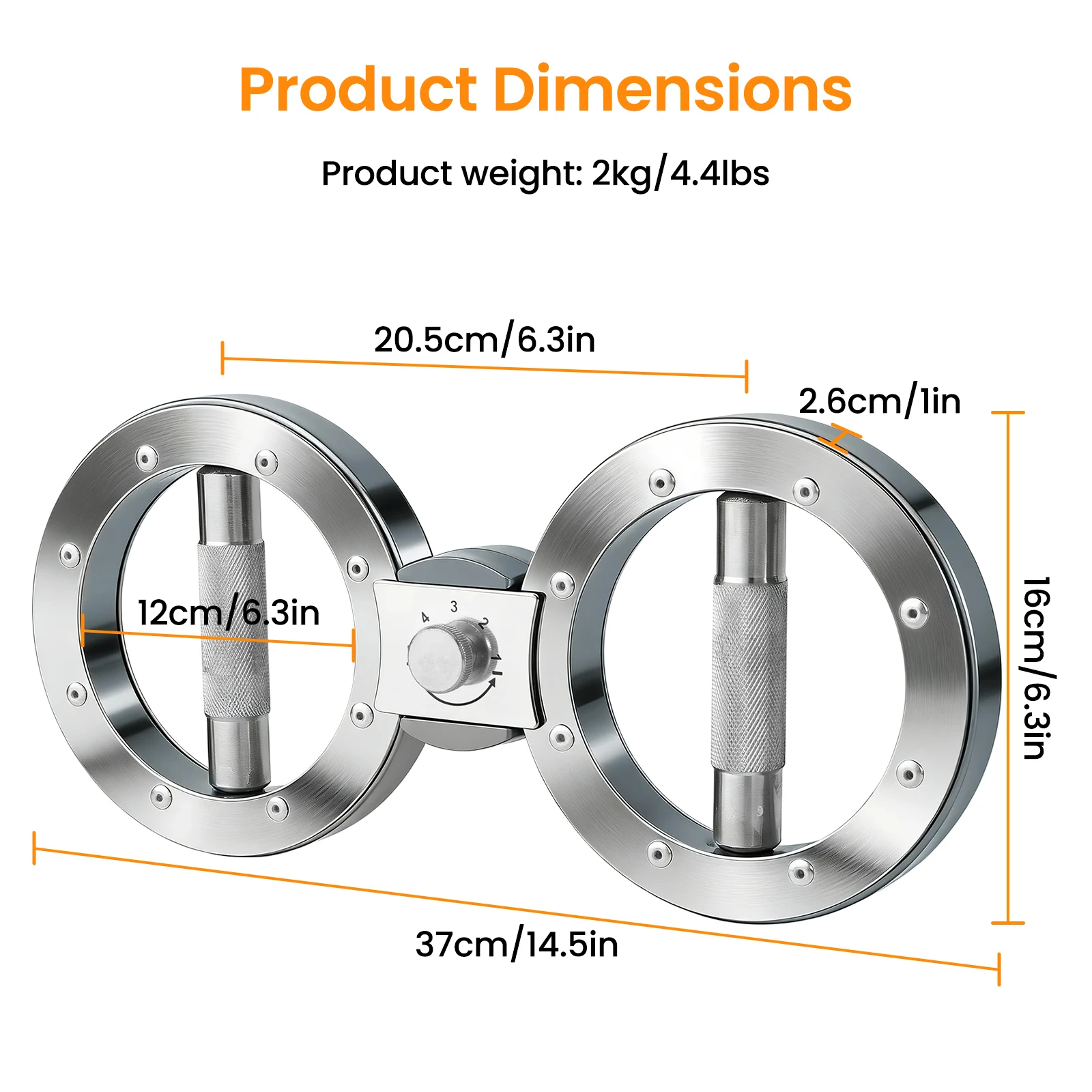
| Resistance range | 8–15 lb, adjustable |
|---|---|
| Adjustment | Stepped resistance setting |
| Primary targets | Forearm flexors and extensors, pronators, supinators, brachioradialis |
| Movement | Rotational (pronation / supination) under resistance |
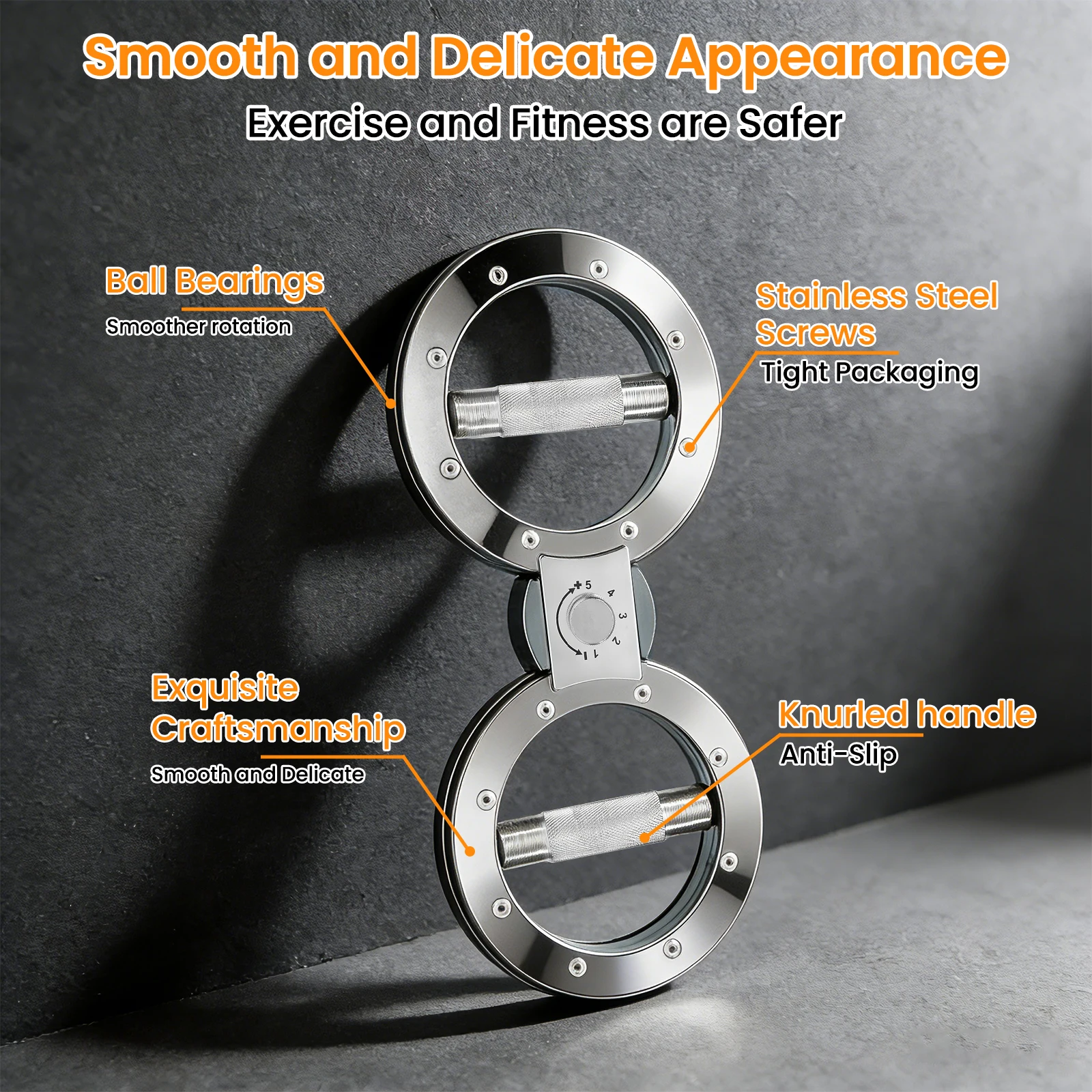
| Grip | Textured non-slip handle |
| Hands | Suitable for left and right; use both |
| Use case | Grip and forearm strength, sports carryover, desk breaks |
| Colour / finish | Variant dependent |
Care & Maintenance
Wipe the handle down after use — sweat is what degrades grip texture and corrodes internal spring mechanisms. Keep it dry and store it out of direct sun. Periodically check that the resistance adjustment still locks positively into its setting; if it slips under load, stop using it.
What’s in the Box
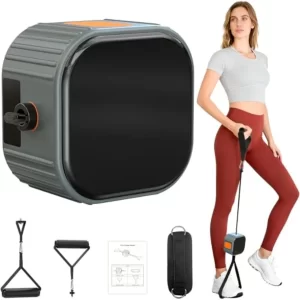
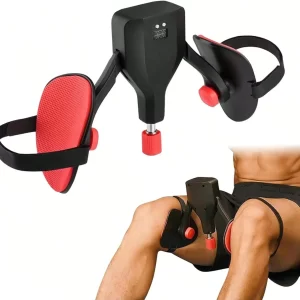
1 × rotational grip strength trainer with adjustable resistance. Accessory contents may vary by variant.
Reviews
There are no reviews yet.