A Net Won’t Fix Your Swing — It Removes the Excuse Not to Rehearse It
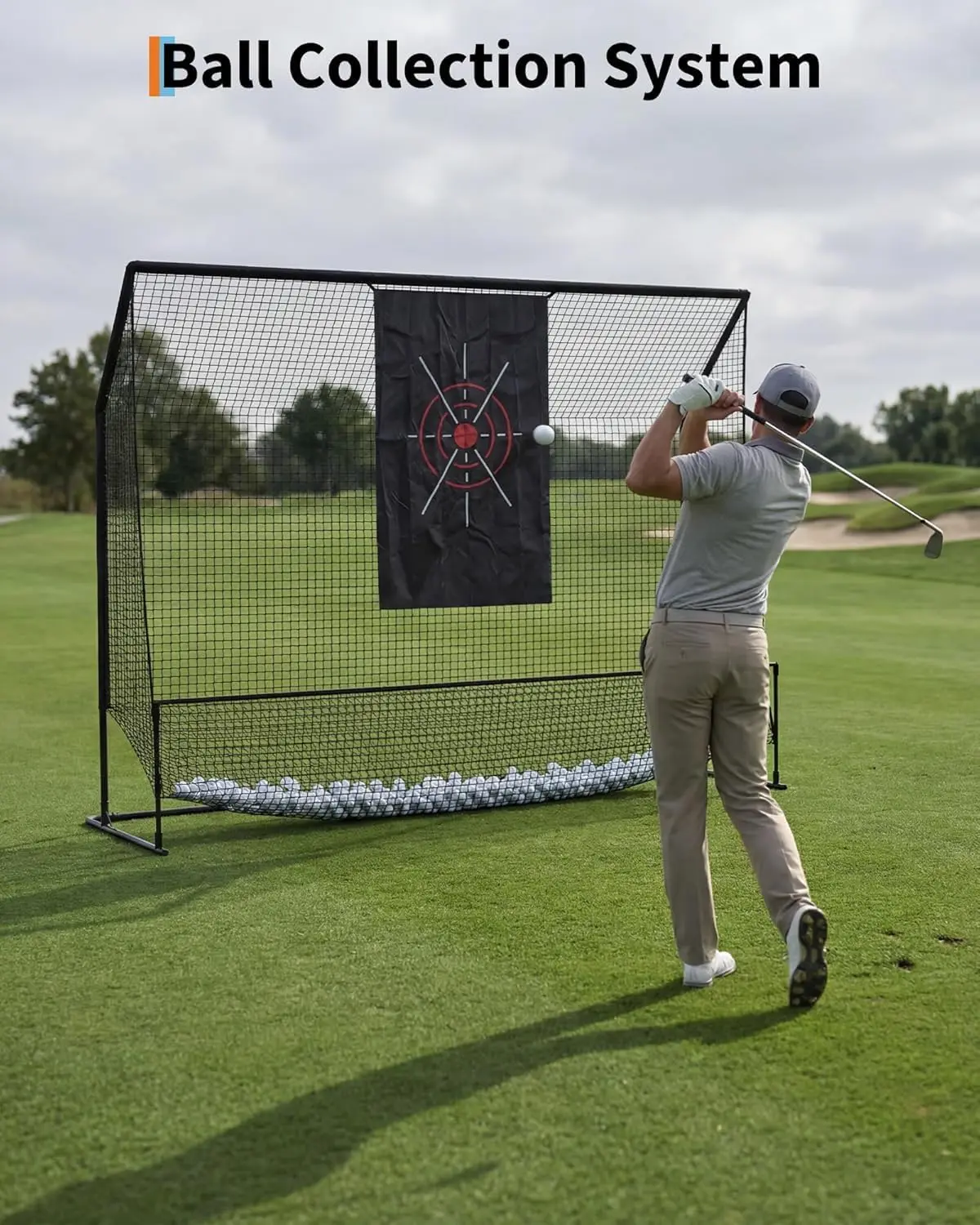
Motor learning runs on repetitions performed with intent, and the binding constraint for almost every amateur golfer is not talent but access. A range trip costs an hour and a drive, so it happens once a week and the swing change never sticks. A net collapses the cost of a repetition to walking into the garden. That is the whole mechanism: not that the net teaches you anything, but that it moves you from forty swings a week to four hundred. The aim cloth matters because face angle at impact governs the majority of the ball’s initial direction, and hitting at a target — rather than into a void — is what lets you feel that relationship.
Key Benefits
- Volume is the variable that actually changes a swing. Grooving a movement pattern requires hundreds of reps, not dozens. A net at home is the only realistic way most people get them.
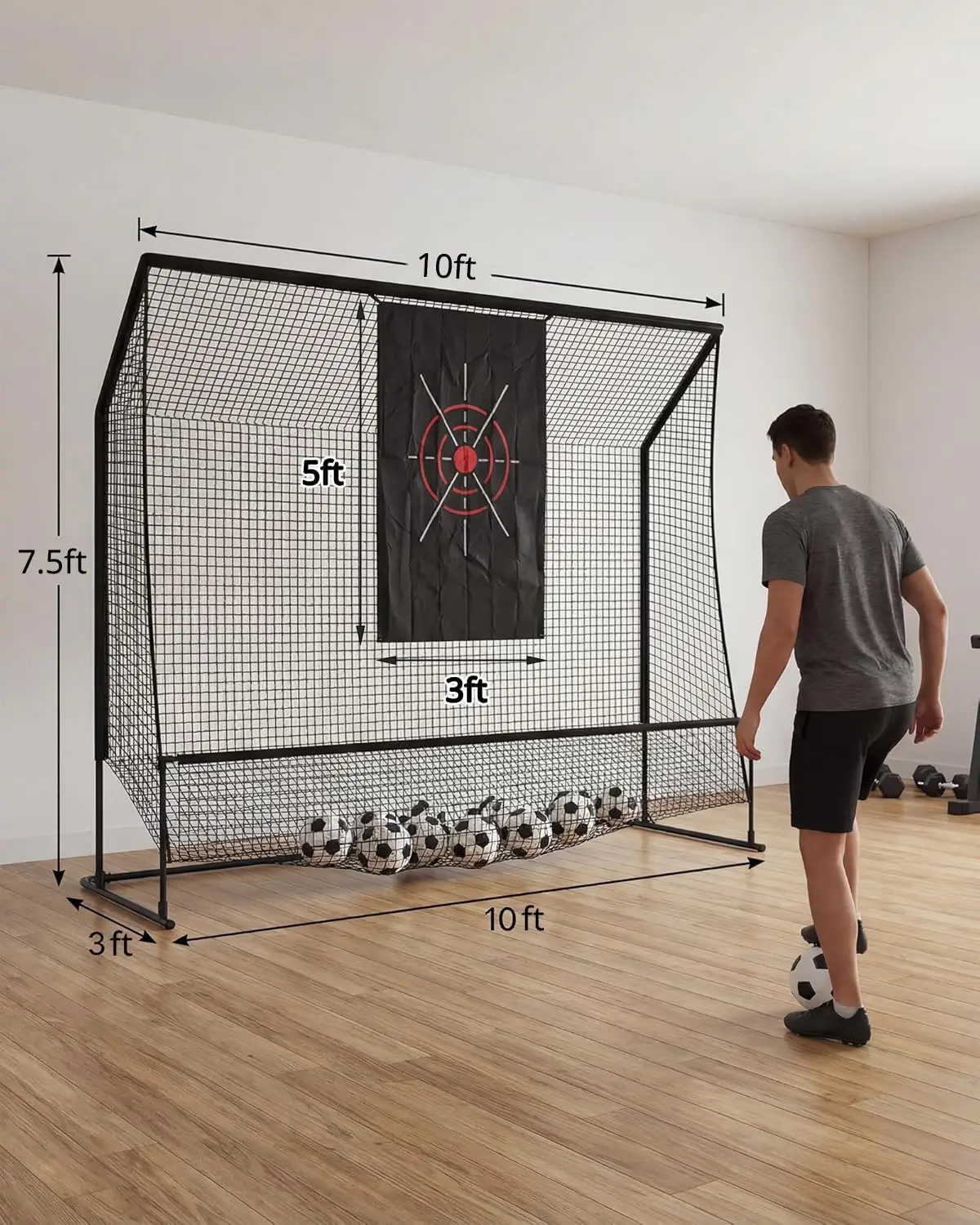
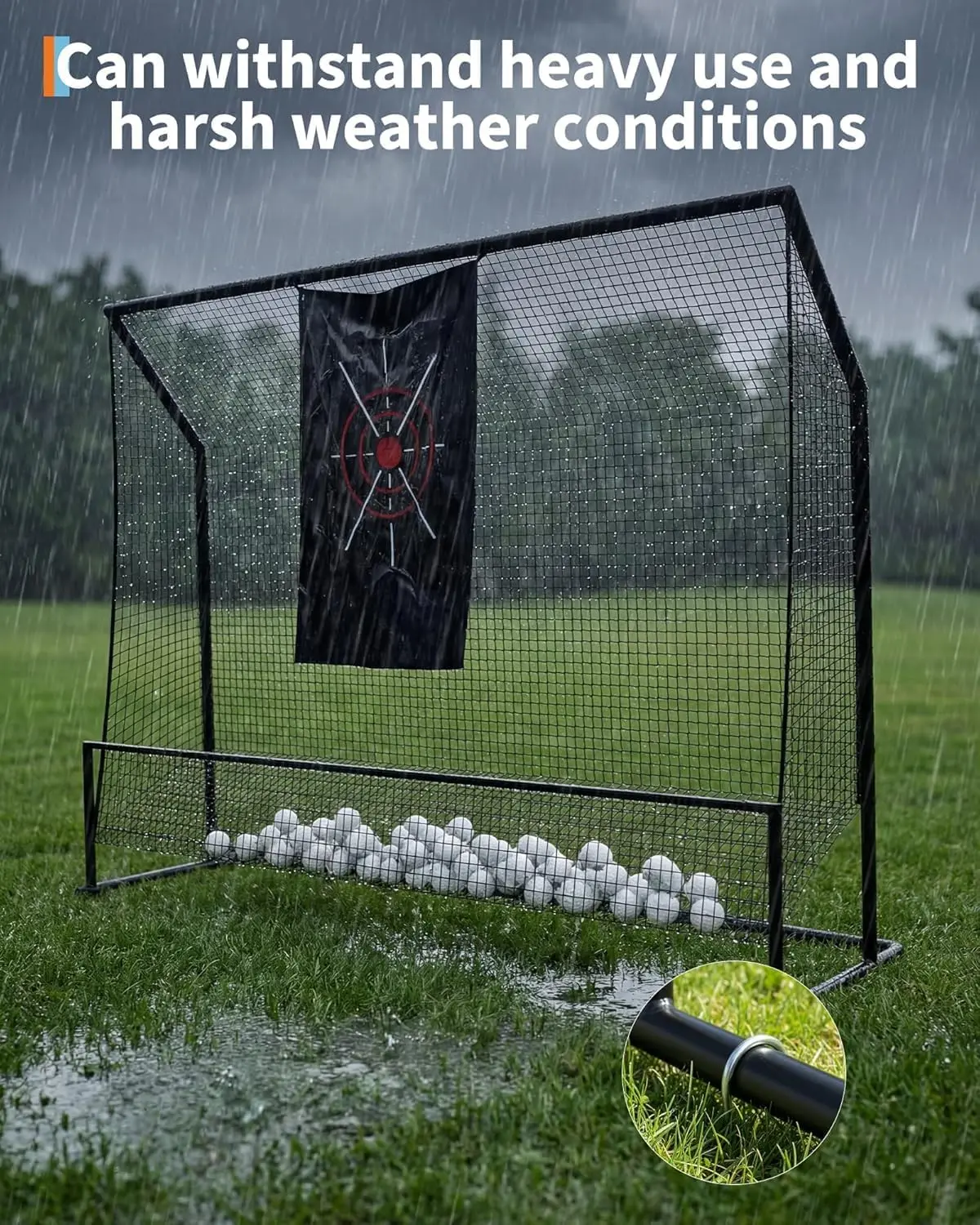
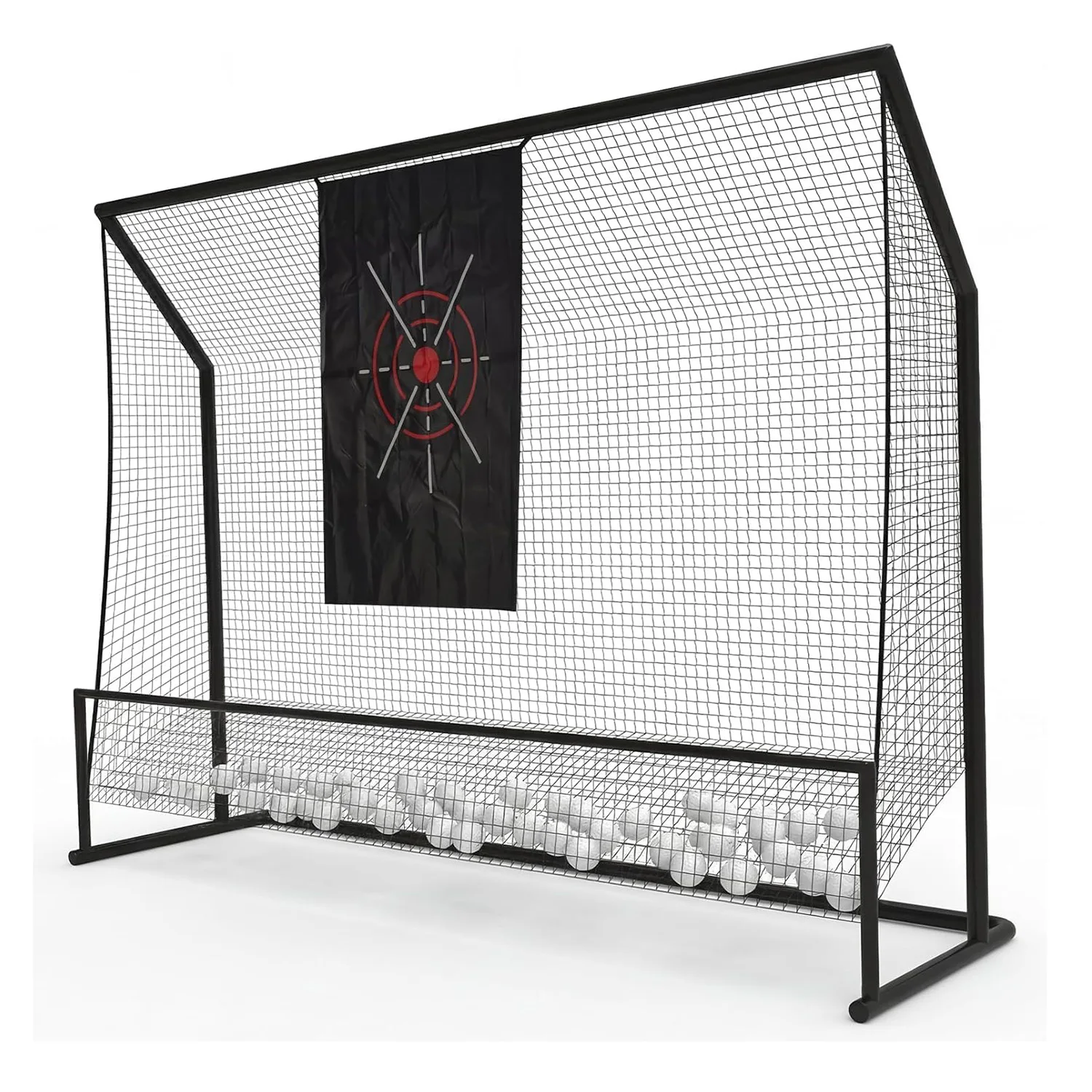
- 10 × 7.5ft catches the mishits, not just the good ones. A small net punishes the shanks and thins you most need to practise out — and those are precisely the shots that leave the frame.
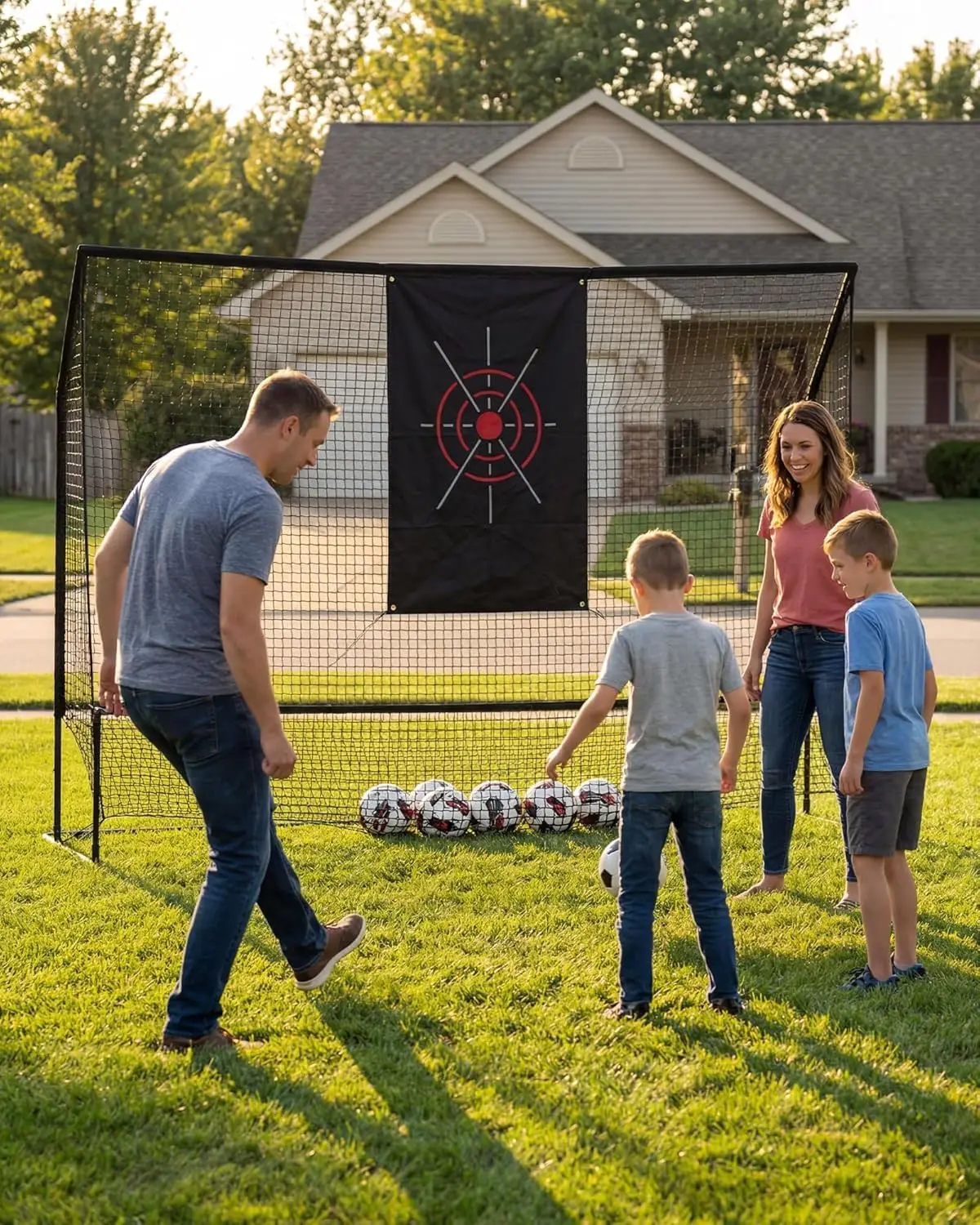
- Aim cloth gives the swing a target. Practising without a target trains a swing, not a shot. The cloth restores the intent.
- Full swings and chipping in the same frame. Short game is where handicaps actually fall, and chipping into a net is the most under-rated practice in golf.
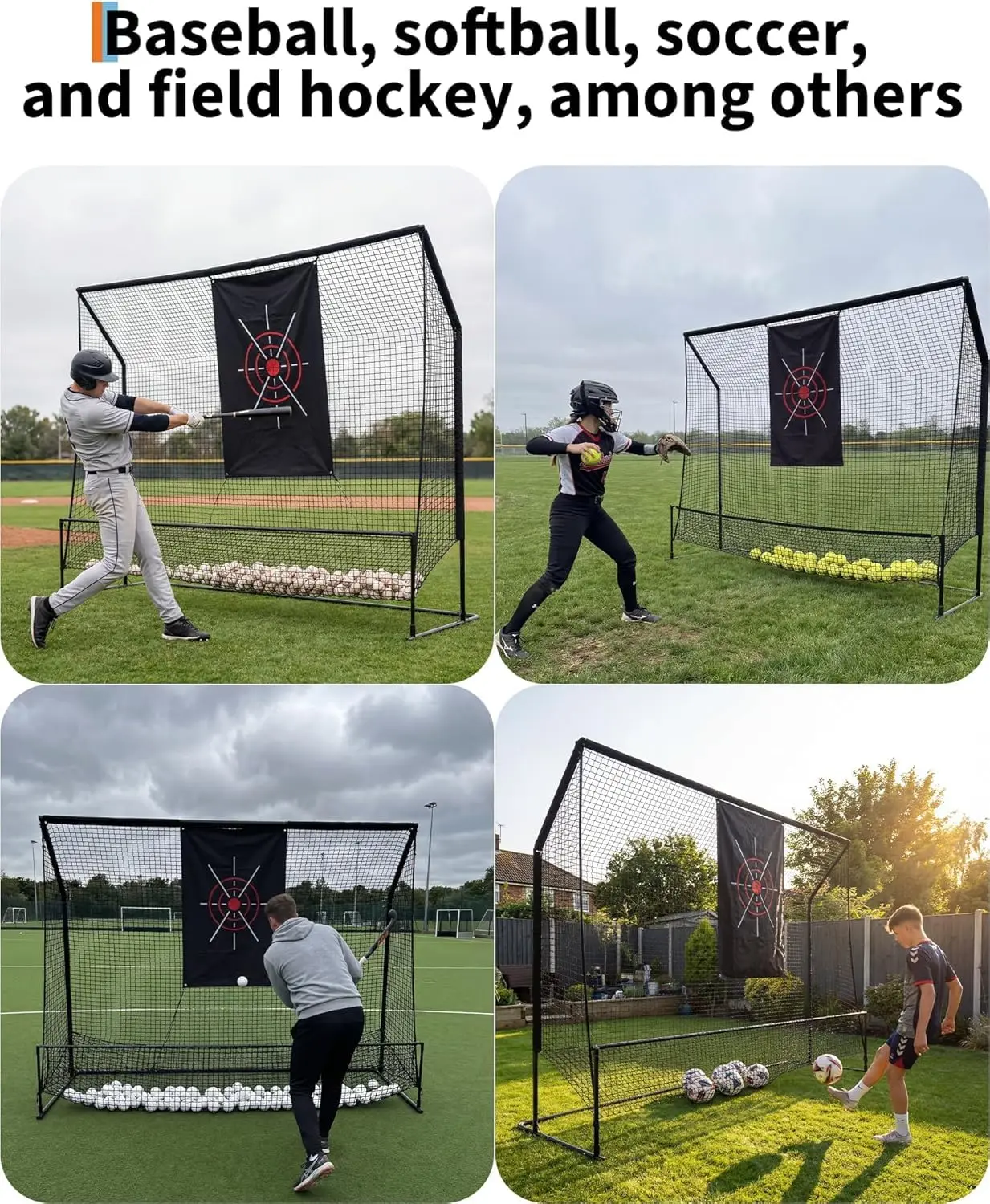
- Indoor or outdoor, so weather stops being a reason. Garage in January, garden in July.
- Packs into the included carry bag. A net permanently pitched in a garden degrades in UV and rain; one that packs away in two minutes gets taken down.
How to Use
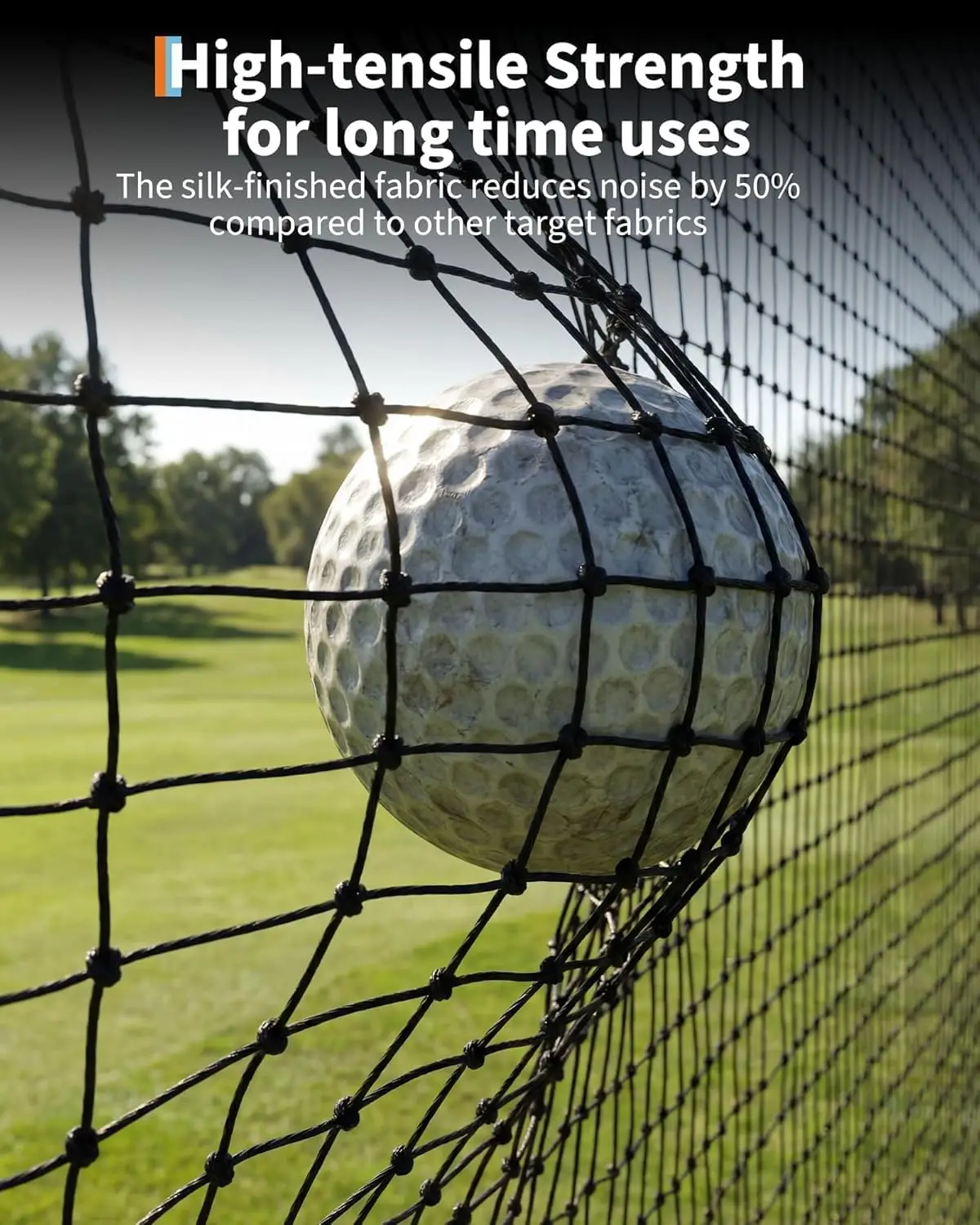
Assemble on level ground and give yourself real clearance — a full driver swing needs roughly 10 feet of ceiling height and a wide arc, and clipping a garage joist on the downswing is both expensive and dangerous. Stand back from the net rather than crowding it; hitting from close range gives the ball no time to lose energy and increases rebound. Use the aim cloth as an actual target and hit at it. Safety, and this part is not optional: inspect the netting for holes, thinning and frayed seams before every single session — a golf ball leaves the clubface at over 100mph and a compromised net will not stop it. Never allow anyone to stand beside, behind or in line with the hitter, because balls can and do deflect back off the frame and the net face. Peg or weight the frame in any wind. If you are hitting indoors, or if the net shows any wear, use foam or limited-flight balls rather than real ones.
Specifications
| Net Size | 10 ft wide × 7.5 ft high |
|---|---|
| Use | Indoor and outdoor |
| Included Training Aid | Aim cloth target |
| Portability | Carry bag included |
| Suitable Shots | Full swings, irons, chipping |
| Colour | Black |
| Frame | Pole-and-sleeve construction — material variant dependent |
| Setup | Tool-free assembly |
| Recommended Ceiling Height (indoor) | ~10 ft for full driver swings |
Care & Maintenance
Take the net down and store it dry rather than leaving it out season-round; UV is what turns netting brittle, and brittle netting is what lets a ball through. Rinse off mud, dry fully before bagging, and inspect the impact zone — the centre of the net takes nearly all the wear. Retire and replace the net at the first sign of thinning or a broken strand; this is a component where you do not push your luck.
What’s in the Box
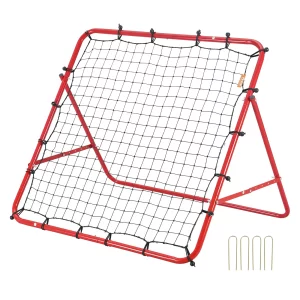
1 × golf practice net, frame poles, aim cloth, carry bag. Ground pegs are variant dependent — check the listing if you intend to use it outdoors in wind.
Reviews
There are no reviews yet.