Adding Mass at the End of the Lever
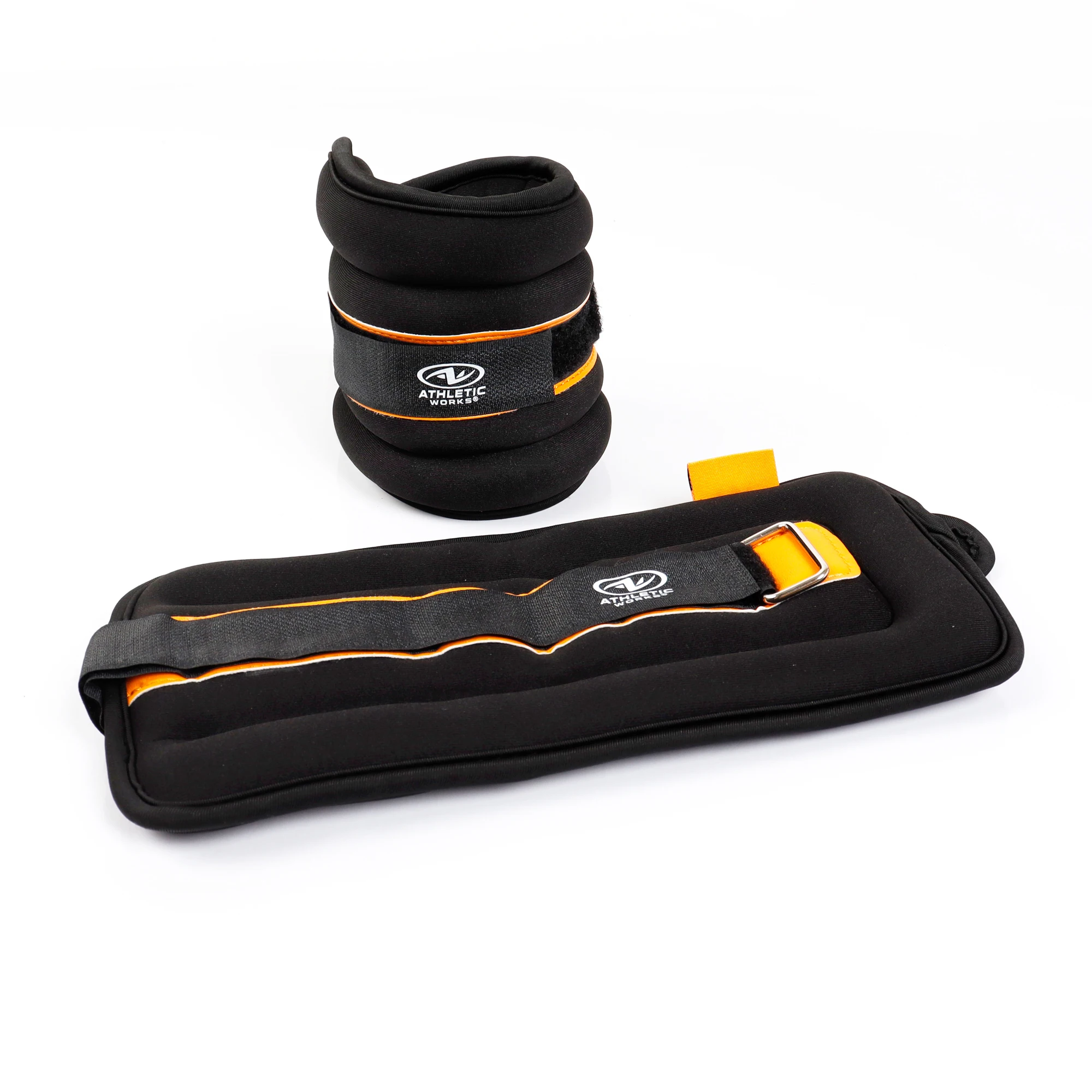
Torque is force multiplied by distance from the joint. Strap five pounds to your ankle and you have not just added five pounds — you have added five pounds acting through the entire length of your leg, which is why a straight-leg raise that felt trivial becomes brutal. The hip flexors, glutes and abductors have to generate substantially more moment to move the same limb. That is the whole mechanism, and it is a real one. It applies equally at the wrist for shoulder endurance work.
Key Benefits
- Big torque increase from small mass. Because the weight sits far from the hip or shoulder, its effect on required muscle force is disproportionate to its actual weight — which is why 5 lb at the ankle humbles people who bench far more.
- Turns bodyweight work into resistance training. Donkey kicks, fire hydrants, leg raises, side-lying abduction and standing kickbacks all plateau quickly without load. Ankle weights are the simplest way to keep them progressive.
- Hands-free. Because they strap on, they leave your hands free for floor work, mat work, Pilates and barre — contexts where holding a dumbbell simply is not possible.
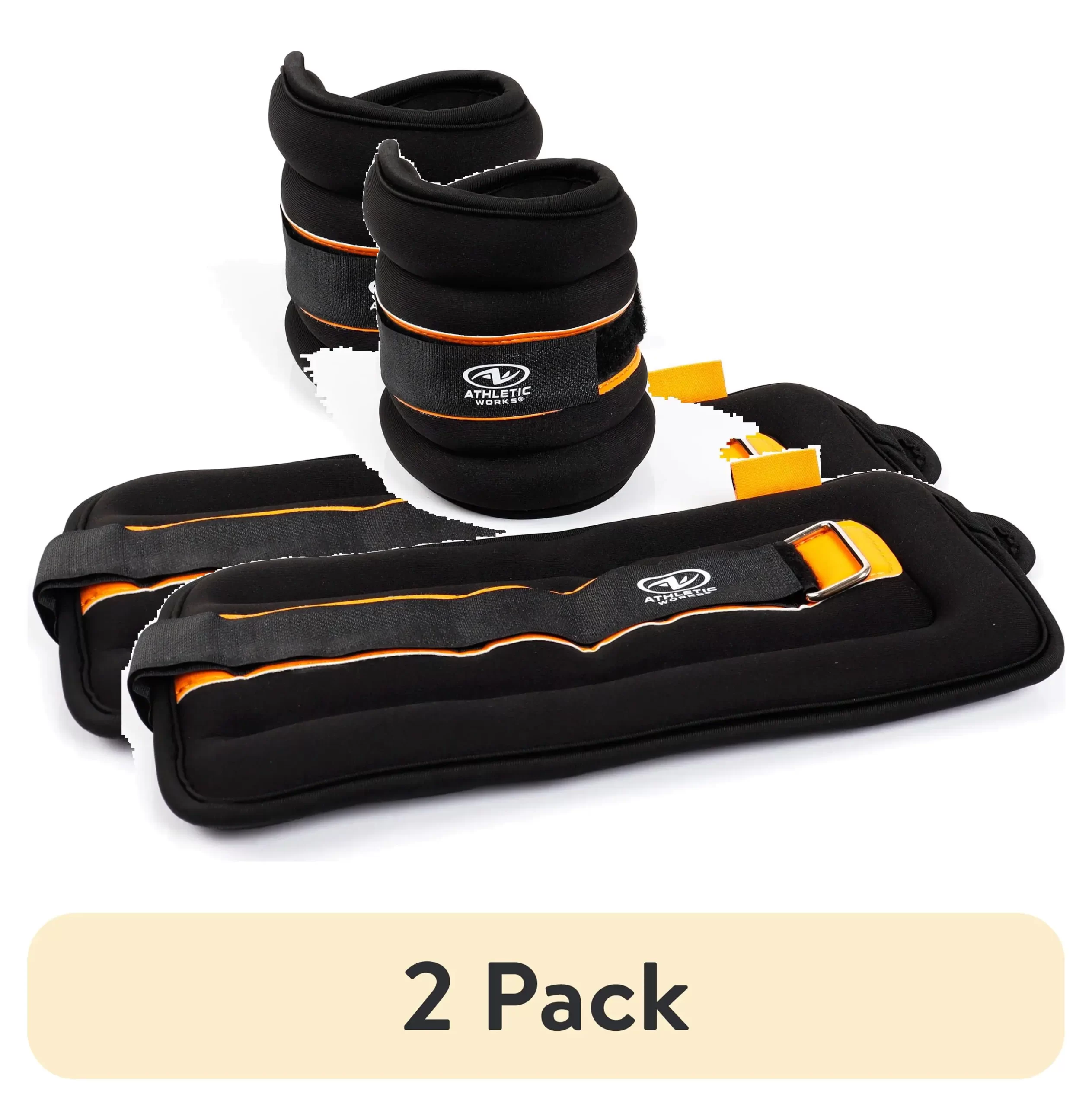
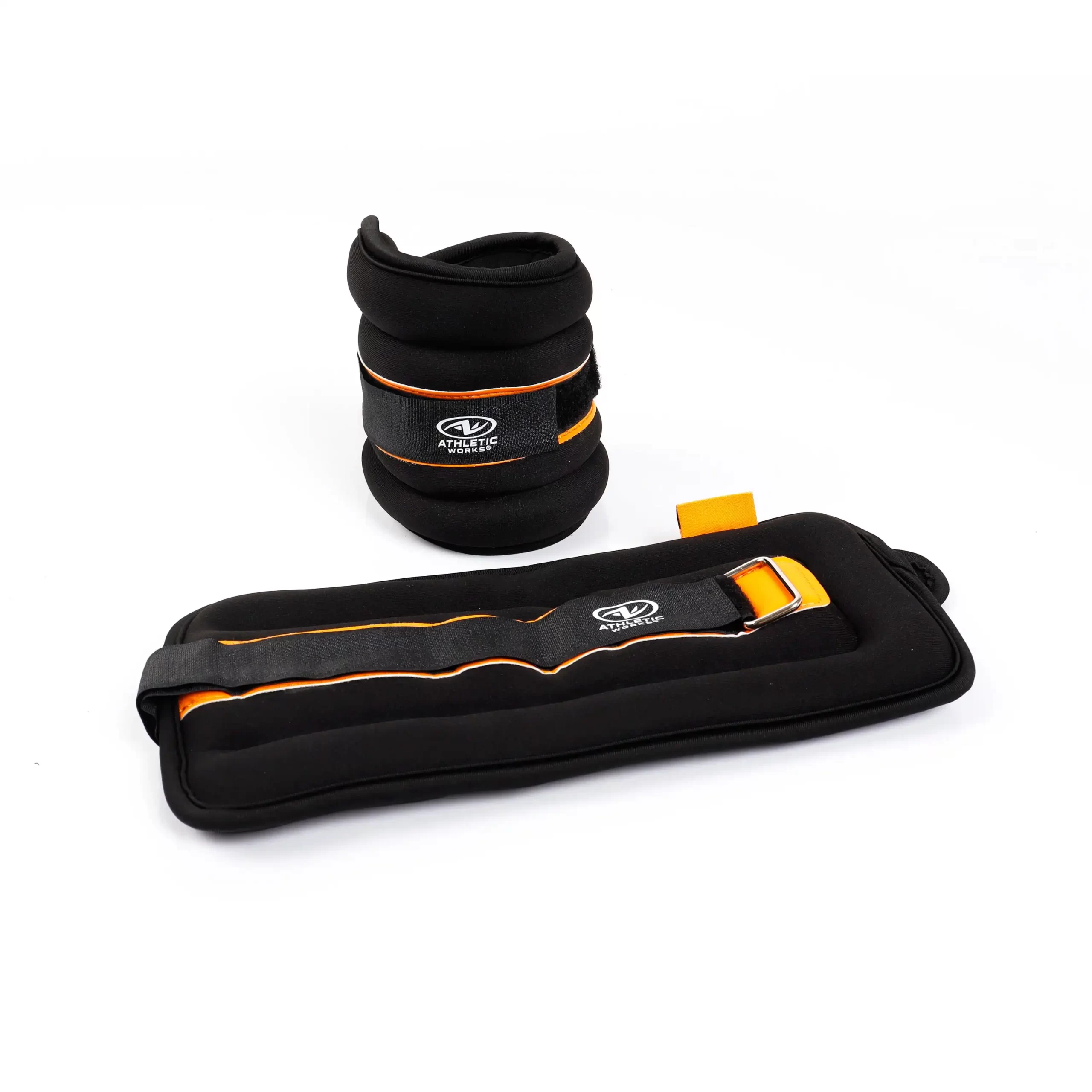
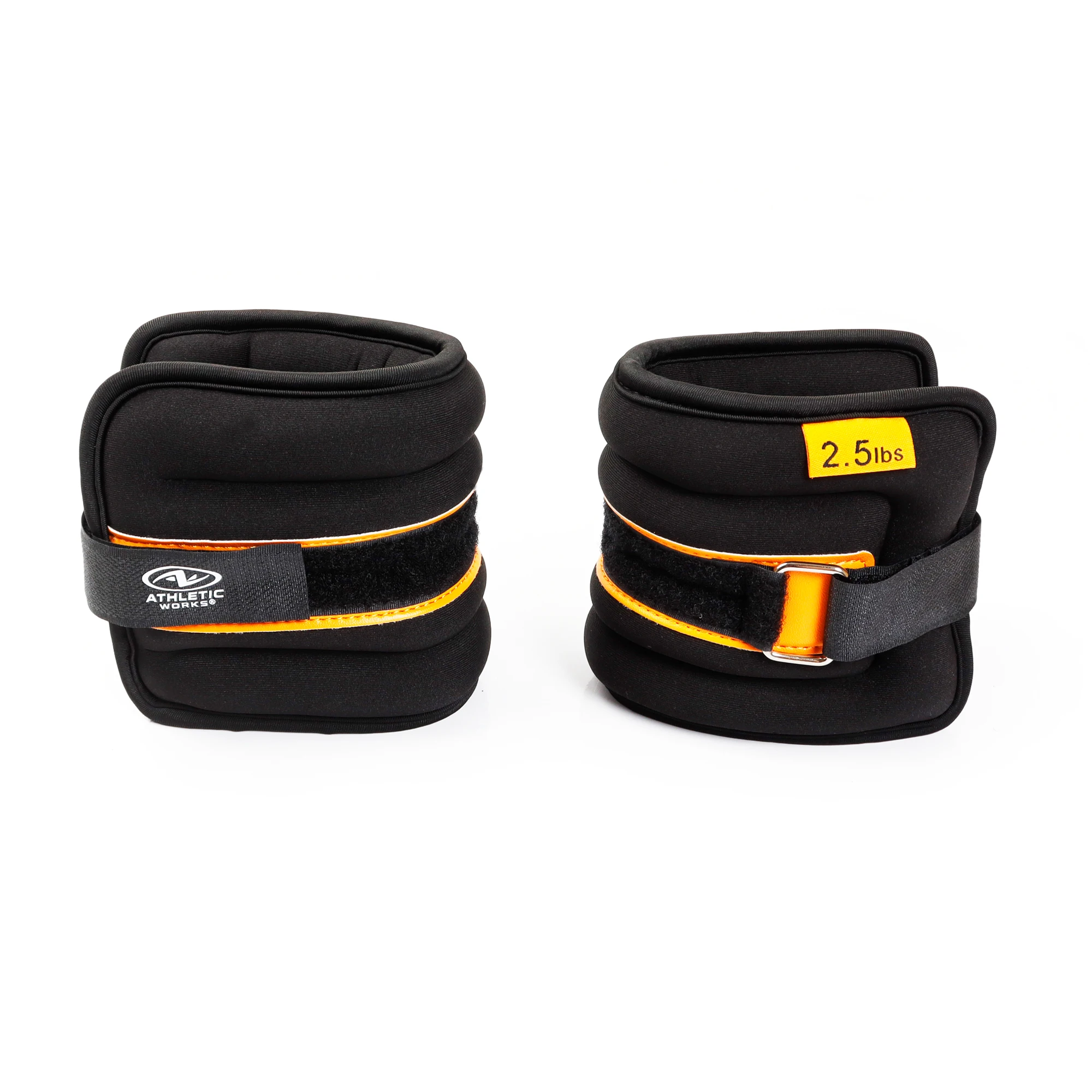
- Adjustable straps stop the slide. A weight that migrates down toward the foot mid-set changes the lever length and chafes. A firm adjustable strap is the difference between a usable tool and an irritating one.
- They do not spot-reduce fat. Ankle weights will not slim your thighs and wrist weights will not slim your arms. Spot reduction is not physiologically possible; fat loss is systemic and driven by overall energy balance. They build muscle and burn a modest number of extra calories — that is the honest offer.
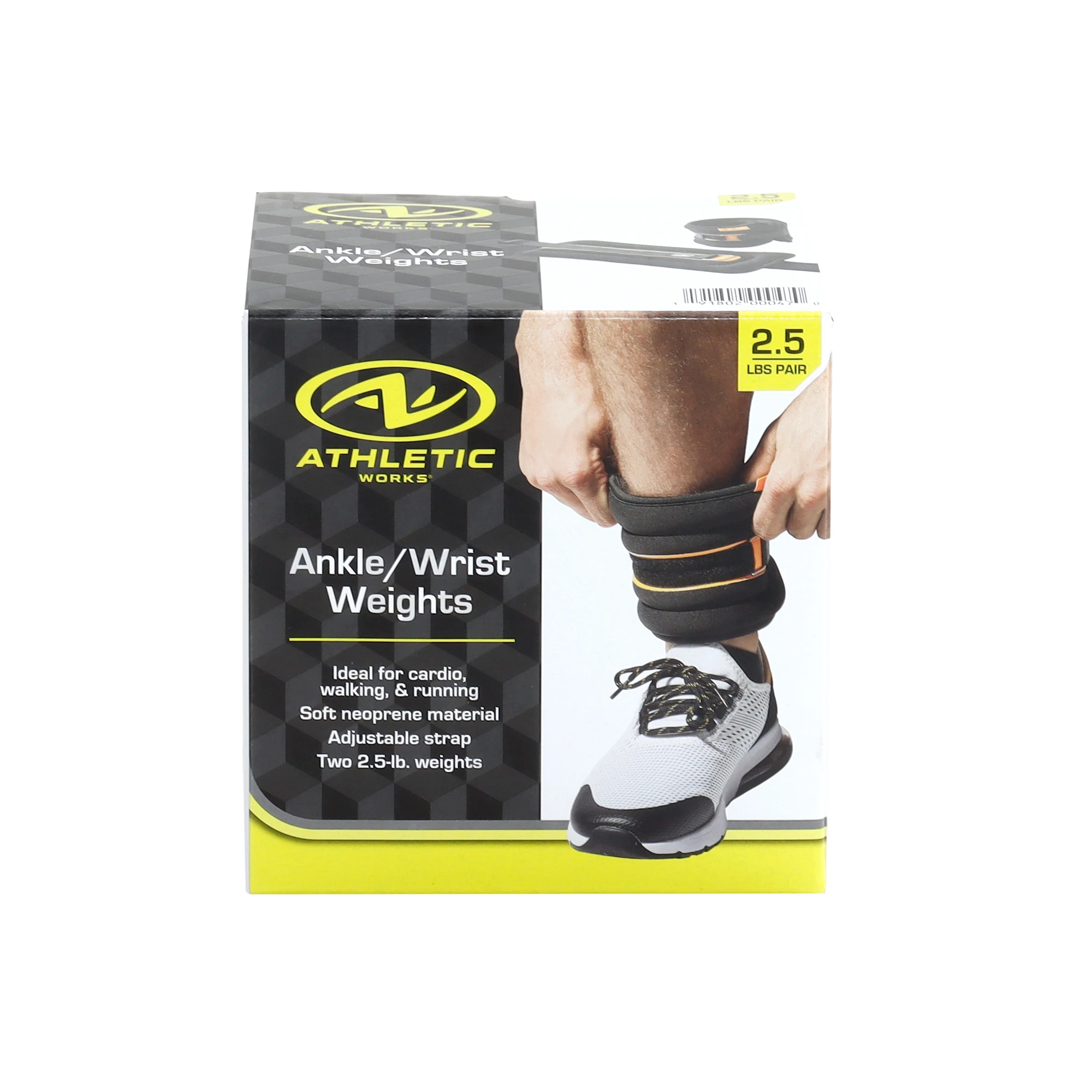
- Sold as a pair. Two 5 lb weights, so you can load both limbs and train symmetrically rather than buying twice.
How to Use
Fasten each weight snugly just above the ankle bone or just above the wrist — firm enough that it cannot slide, loose enough that it does not compress the tissue or restrict circulation. Use them for controlled, deliberate movements: leg raises, hip abduction, glute kickbacks, standing marches, and slow shoulder raises. Move at a tempo you can stop at any point; if momentum is doing the work, the weight is too heavy or the tempo too fast. Safety, and this one matters: do not run, jog, or do jumping or plyometric work while wearing ankle weights. The added distal mass alters your gait, increases the eccentric load on the knee and hip at every foot strike, and is a well-recognised route to overuse injury. Do not wear them for extended periods during daily activity for the same reason. Remove them immediately if you feel numbness, tingling, or throbbing in the hand or foot.
Specifications
| Weight per piece | 5 lb (approx. 2.3 kg) |
|---|---|
| Quantity | 2 pieces (pair) |
| Total weight | 10 lb across the set |
| Fastening | Adjustable strap closure |
| Wear position | Ankle or wrist |
| Best for | Floor glute work, leg raises, Pilates, barre, shoulder endurance |
| Not suitable for | Running, jogging, jumping or plyometric training |
| Filling / cover | Variant dependent |
Care & Maintenance
Surface-wipe with a damp cloth and mild detergent, then air-dry fully before storing — these sit against sweaty skin and will hold odour if put away damp. Do not machine wash or submerge unless the variant explicitly states the cover is removable and washable. Check the strap and stitching regularly; a strap that no longer holds tension is a weight that will slide, and a sliding ankle weight is a trip hazard.
What’s in the Box
2 × 5 lb strap-on weights with adjustable fastenings.

Reviews
There are no reviews yet.