What Spinal Decompression Actually Does — and What It Doesn’t
Upright, your lumbar discs sit under continuous compressive load; over a day they lose fluid and lose a little height, and the surrounding muscles hold tension to stabilise the column. Traction reverses the pressure gradient, creating a small negative pressure that allows discs to rehydrate slightly and gives compressed tissue a window of relief. The paraspinal muscles, no longer bracing, release. That is a genuine mechanical effect and it explains why this feels so good. It is also a transient one — decompression relieves symptoms, it does not repair a disc or permanently change your spine. Used consistently alongside strengthening, it’s a useful tool. Used as a substitute for strengthening, it’s a very pleasant way to stay exactly as you are.
Key Benefits
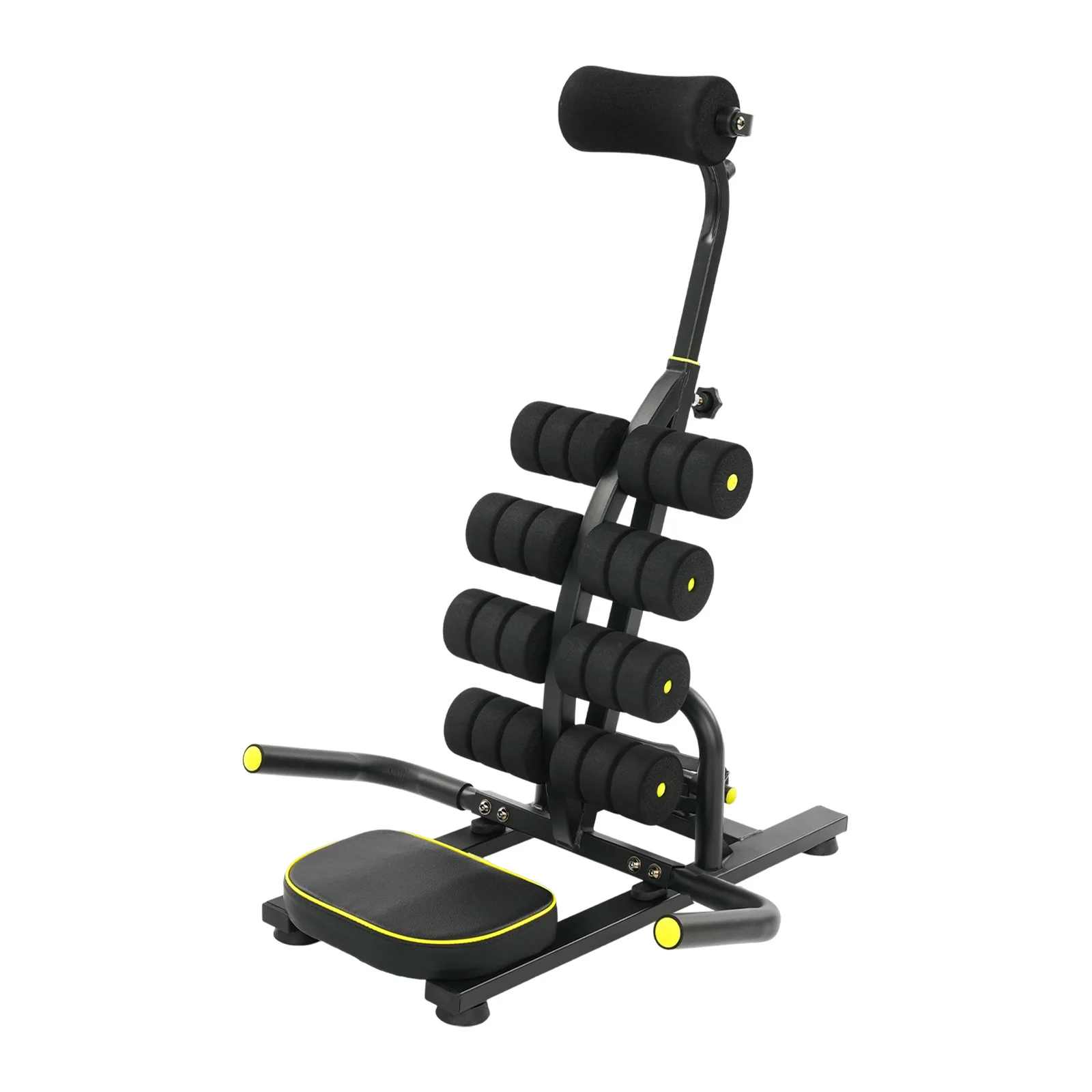
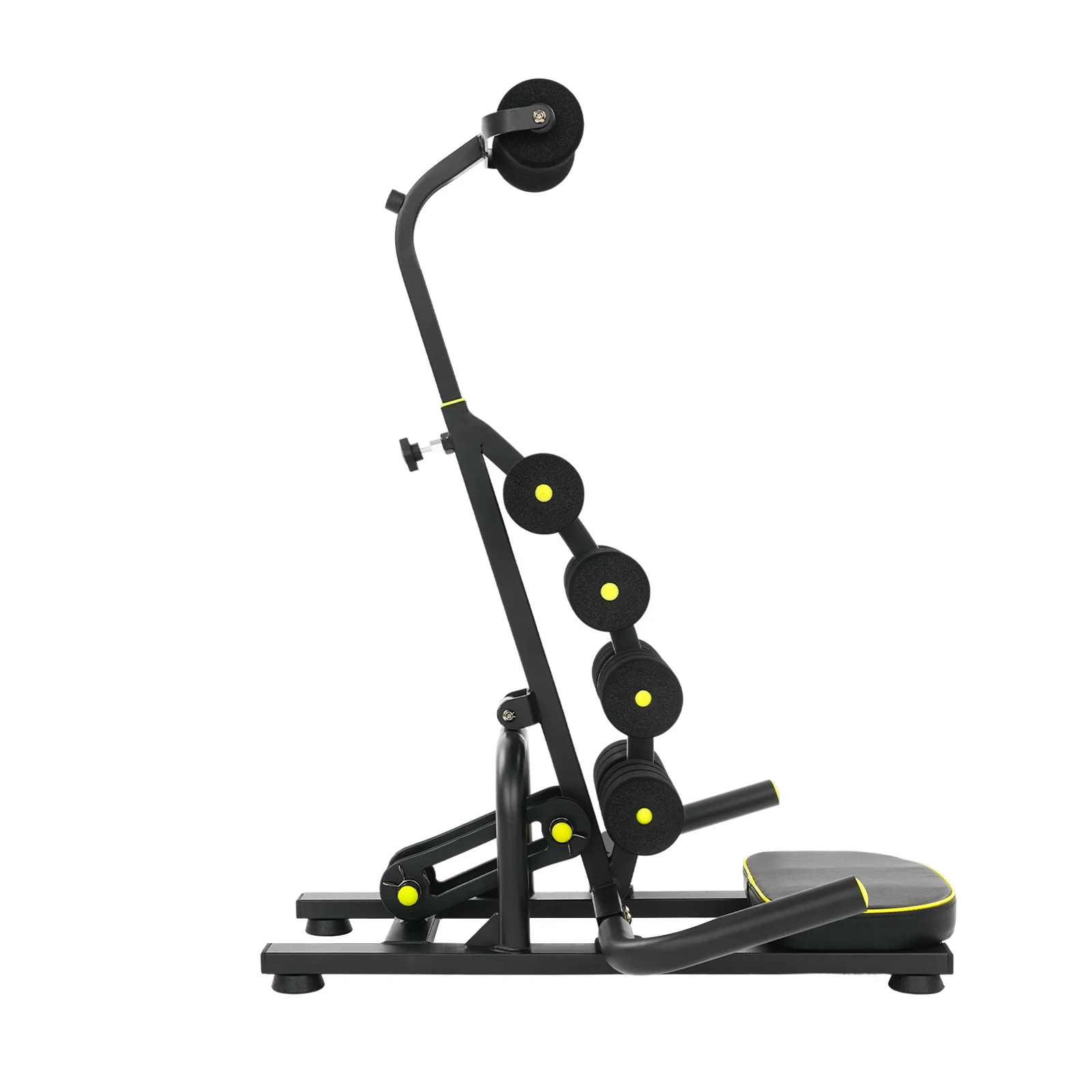
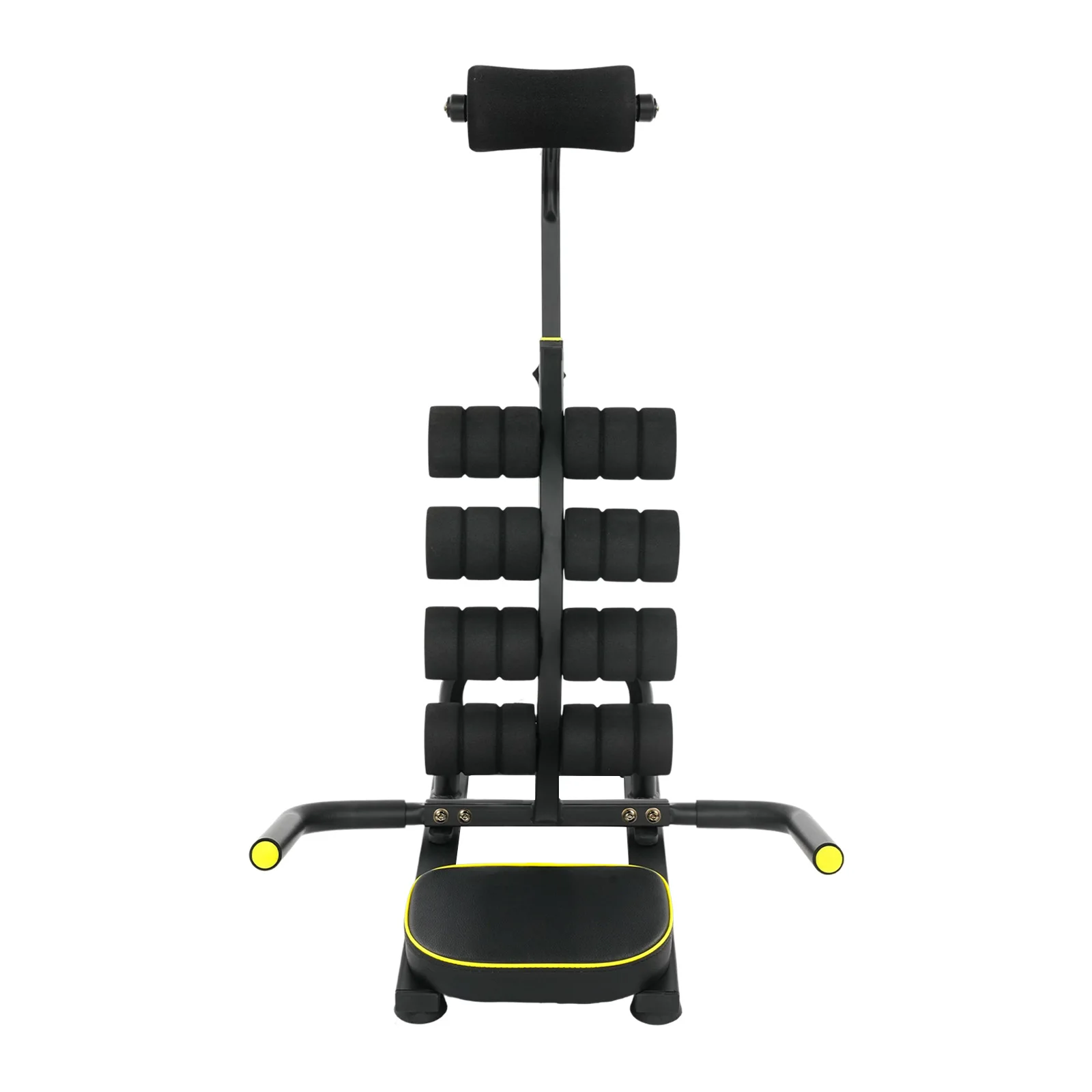
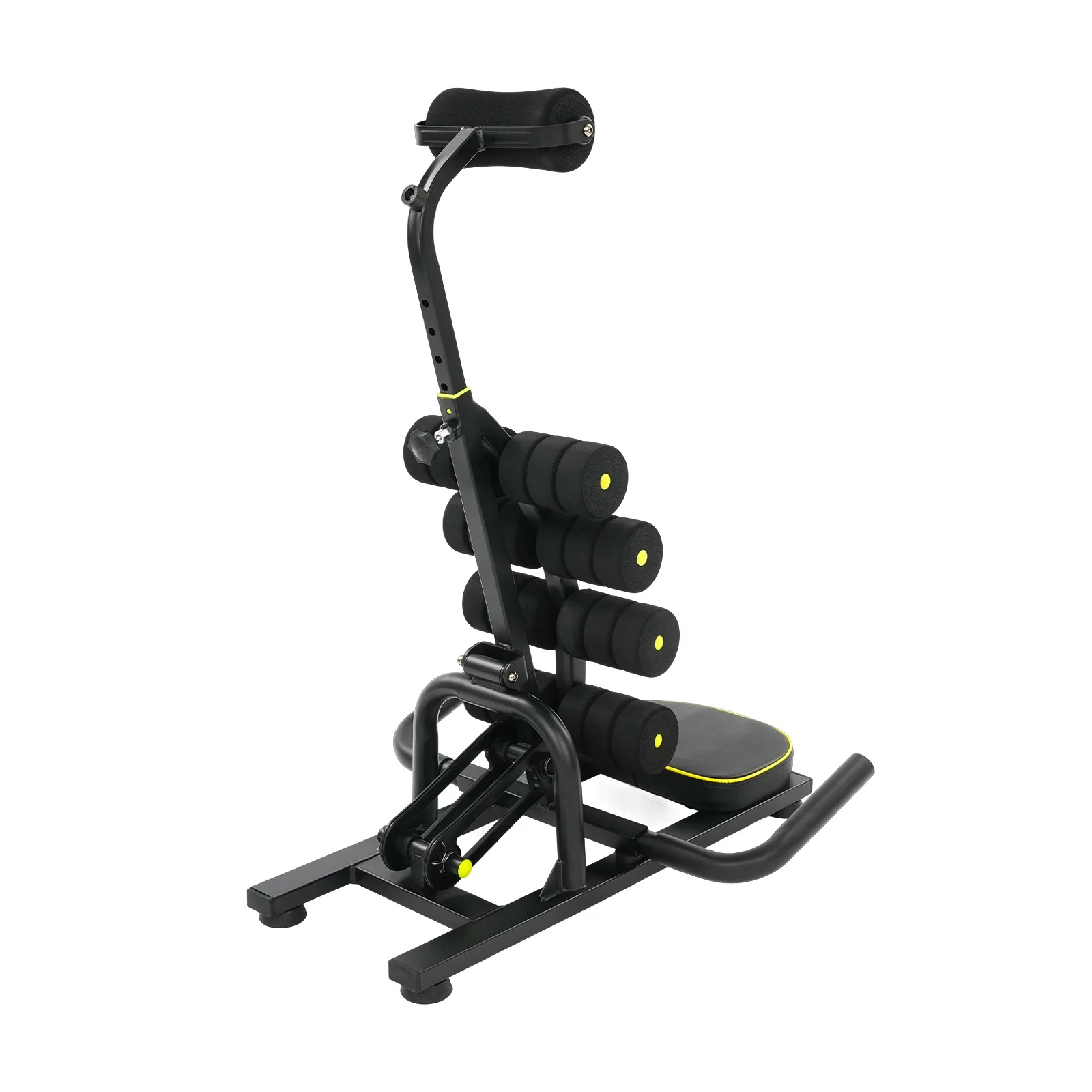
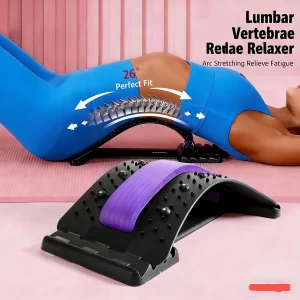
- Adjustable arch, several intensities: the multi-level arch lets you start shallow and progress. Starting at the deepest setting because it looks most effective is the single most common way people hurt themselves with these.
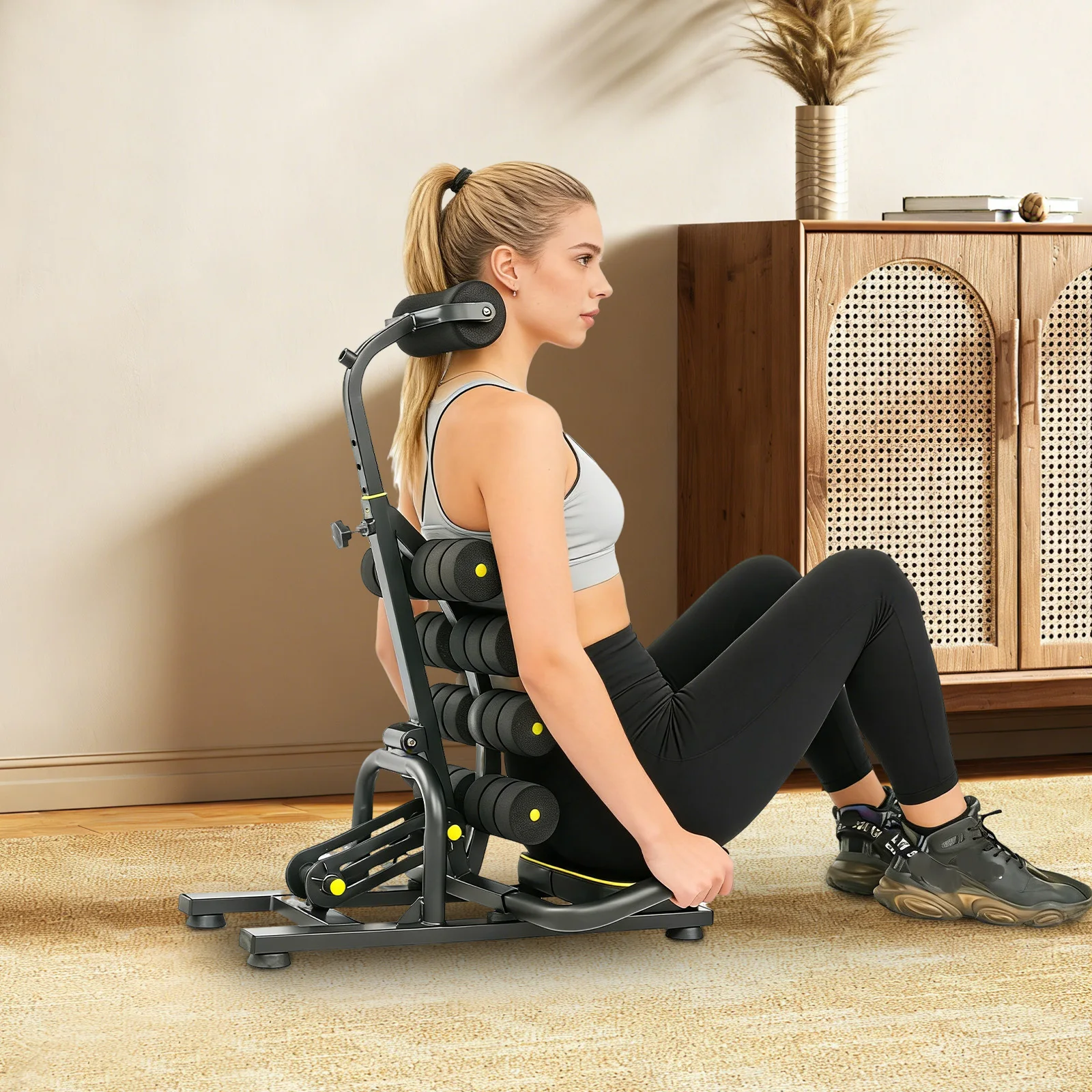
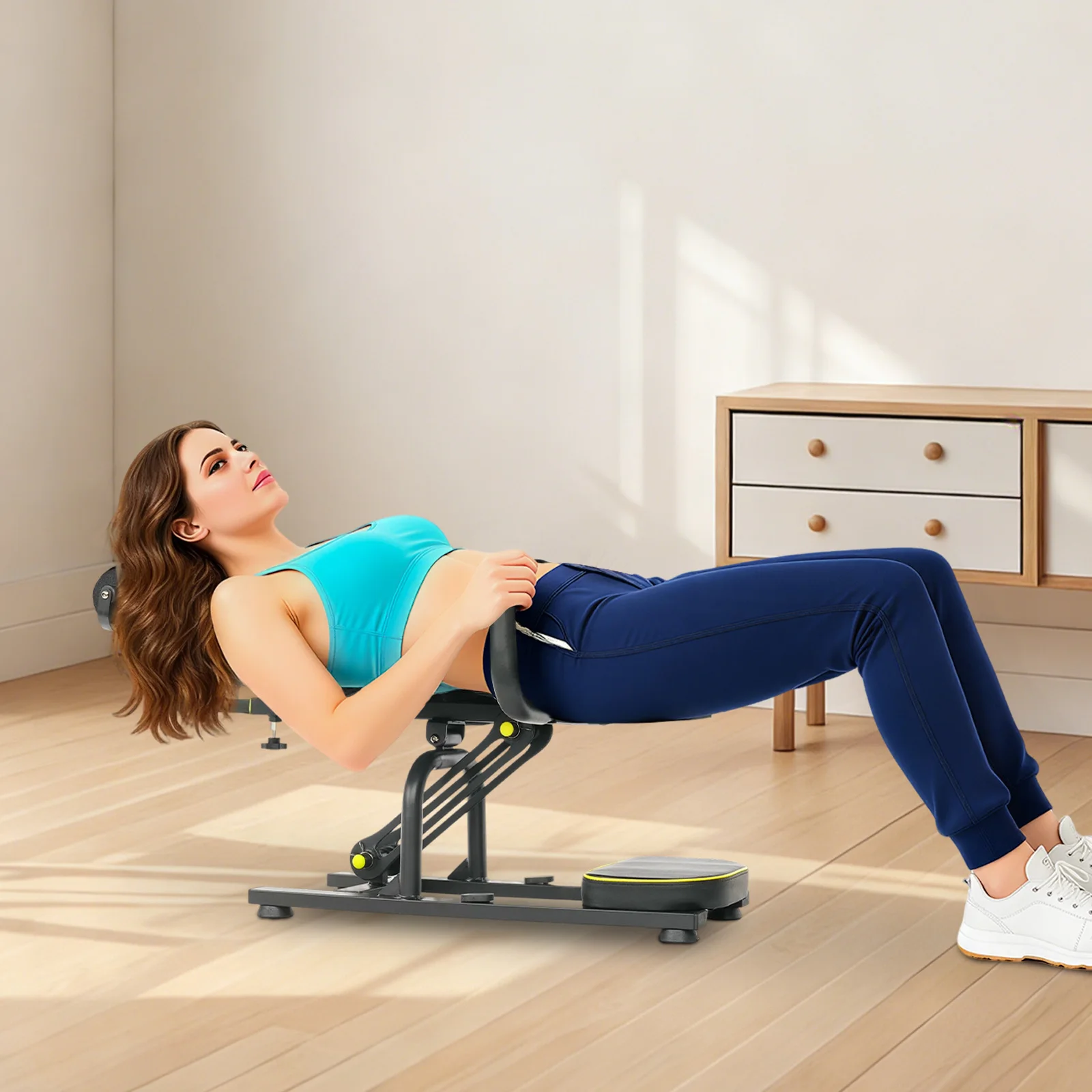
- Targeted lumbar traction: gentle extension over a fixed arch opens the anterior column and can ease the ache of prolonged sitting, which is a flexion-dominant posture your lower back has been holding for eight hours.
- Opens the chest and hip flexors too: lying back over an arch stretches the anterior chain — pecs, abdominals, hip flexors — that desk work shortens. Often that’s where the actual restriction lives.
- Parasympathetic downshift: a few minutes lying supine with slow breathing does measurably lower sympathetic arousal. Part of why this feels restorative is simply that you stopped.
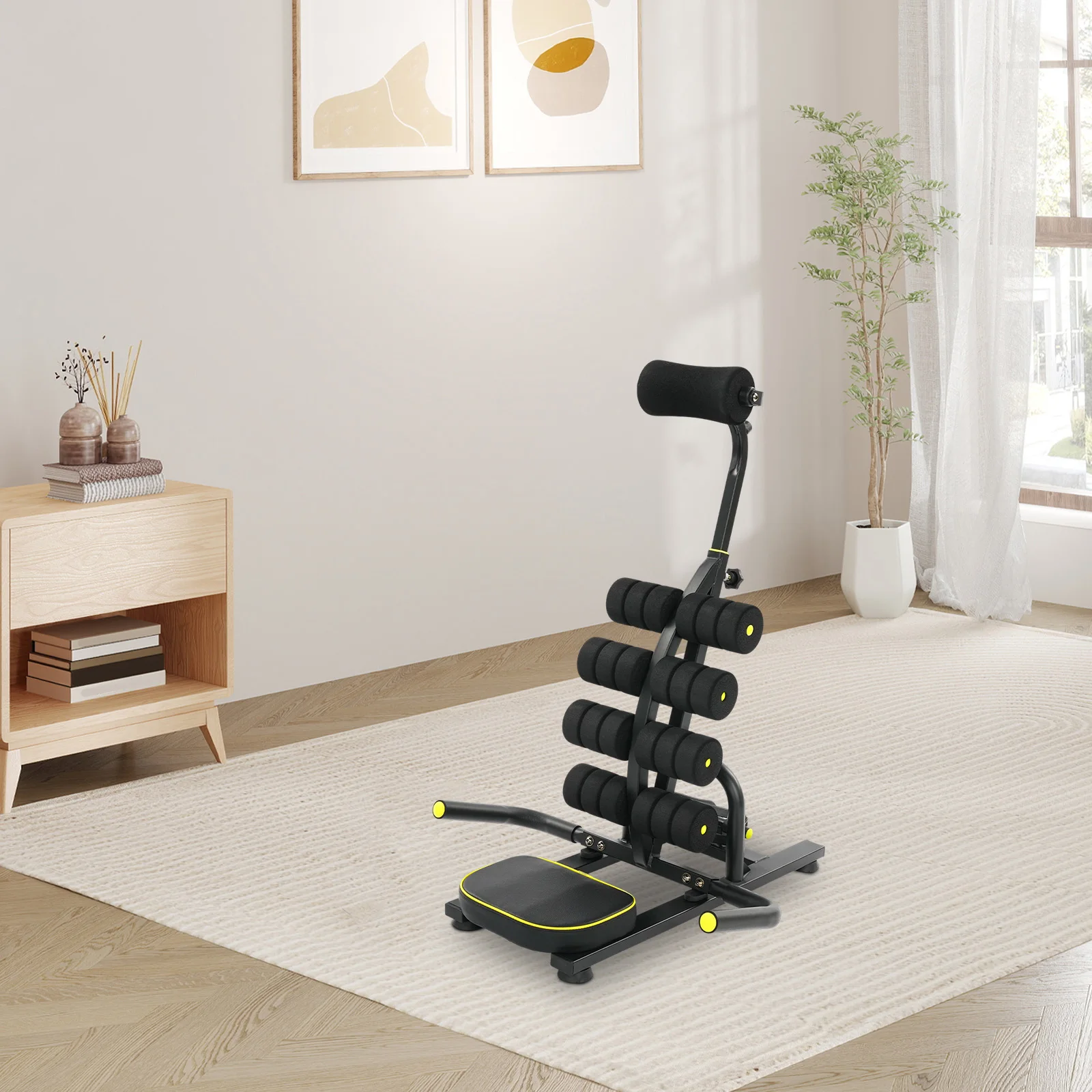
- Portable and needs no power: it folds flat, stores under a bed, and works on any floor. The best recovery tool is the one you don’t have to set up.
- An honest ceiling: this is a symptom-relief and mobility device. It does not cure sciatica, herniation or degenerative disc disease, and anyone claiming a plastic arch does is selling you something.
How to Use
Set the arch to its LOWEST setting for your first several sessions, regardless of how flexible you think you are. Lower yourself down slowly with your hands taking your weight, position the arch under the small of your back, and let your body settle for 30 seconds to 2 minutes while breathing slowly. Come off it the way you got on — controlled, with your hands — never by sitting straight up. Build to 5 minutes over weeks, not days. Stop immediately if you feel sharp pain, numbness, tingling or pain radiating down a leg; that is not a stretch you should push through. Do not use this if you are pregnant, have osteoporosis, a spinal fracture, recent spinal surgery, an acute disc injury, uncontrolled high blood pressure, glaucoma or heart disease — inverted and traction positions are specifically contraindicated in several of these. If you have persistent or radiating back pain, get it assessed rather than self-treating it.
Specifications
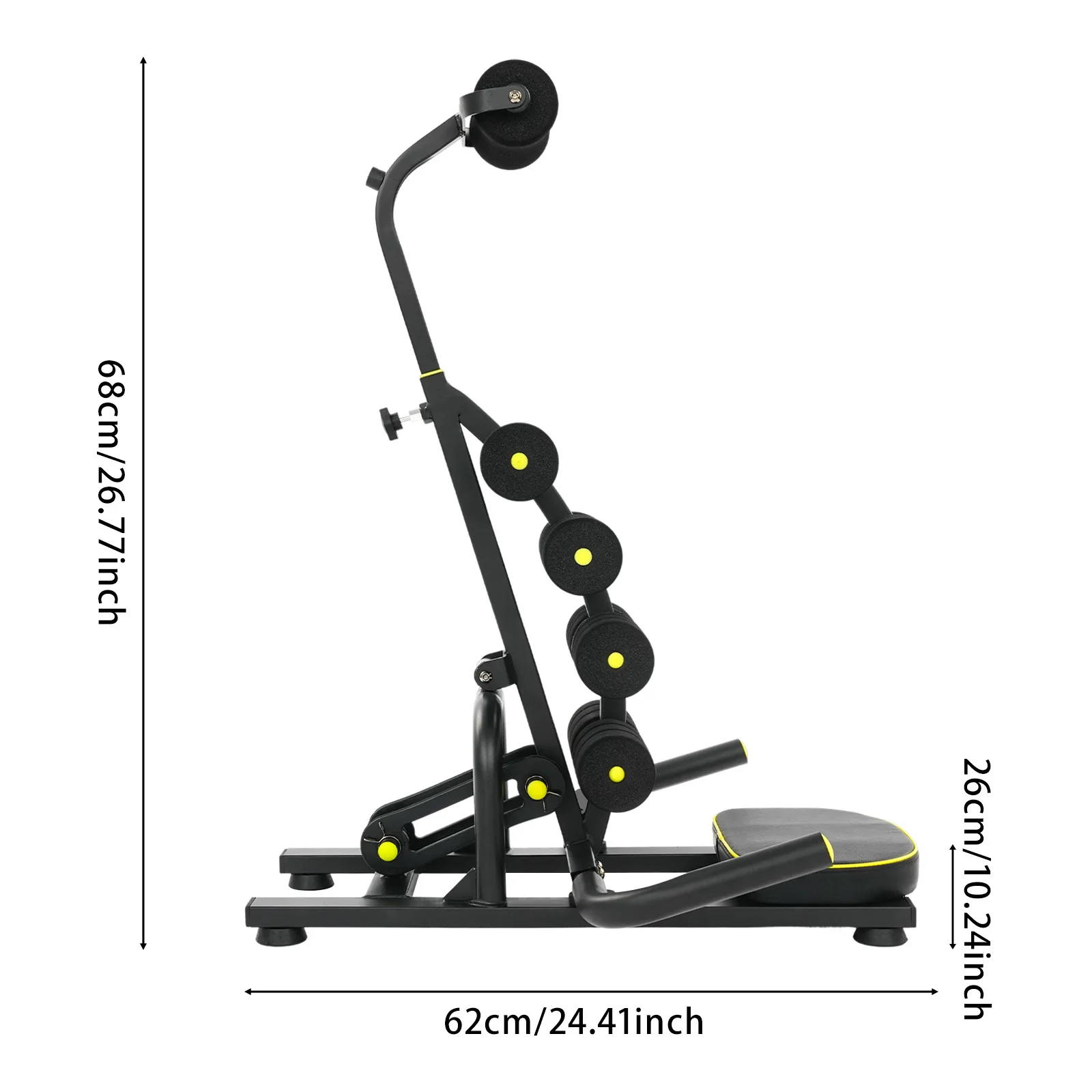
| Type | Multi-level adjustable arch back stretcher / lumbar traction device |
|---|---|
| Adjustability | Multiple arch height settings (typically 3) |
| Power | None required — bodyweight operated |
| Frame | Rigid moulded plastic frame with cushioned contact points |
| Position | Supine (lying on your back) |
| Portability | Lightweight, stores flat |
| Session length | Start 30 seconds–2 minutes; build gradually |
| Weight capacity | Variant dependent — check listing before use |
Care & Maintenance
Wipe the frame and pads with a damp cloth and mild soap; skip solvents, which can craze plastic. Before every session, check the arch mechanism is fully locked into its setting and inspect for cracks or stress marks around the hinge points — a frame that gives way under load is the main failure mode. Store flat and out of direct sunlight, as prolonged UV makes plastic brittle.
What’s in the Box
1 × adjustable back stretcher frame with cushioned supports, 1 × instruction sheet. Accessory acupressure points or magnets are variant dependent.
Reviews
There are no reviews yet.