Graduated Compression: Why the Pressure Has to Be Uneven
Blood returning from the legs travels uphill against gravity through veins that rely on one-way valves and the squeeze of surrounding muscle. When that system underperforms, fluid pools in the lower leg and the limb aches and swells. Graduated compression applies its firmest pressure at the ankle and eases off toward the knee, creating a pressure gradient that helps push venous blood upward rather than letting it stagnate. The gradient is the entire mechanism — a sleeve that squeezes evenly, or worse, more tightly at the top, can act as a tourniquet.
Key Benefits
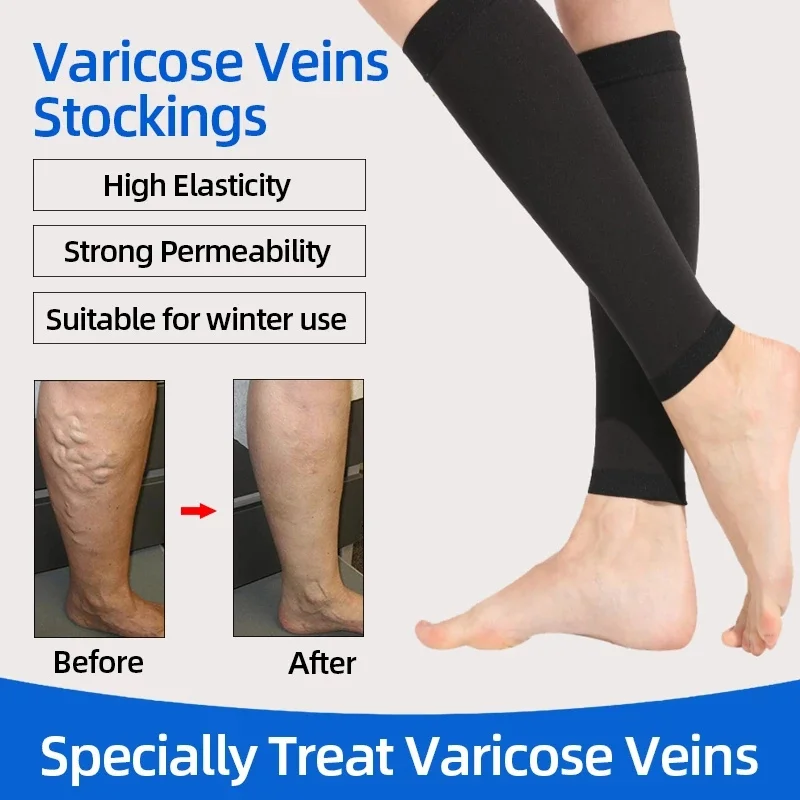
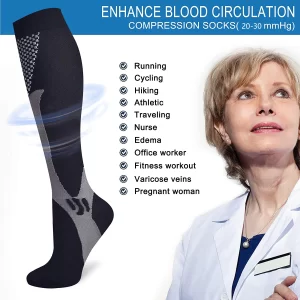
- A real 20-30 mmHg class. This is the firm range clinicians typically reach for with varicose veins, oedema and post-thrombotic symptoms — noticeably stronger than the 15-20 mmHg sold as “sports compression”.
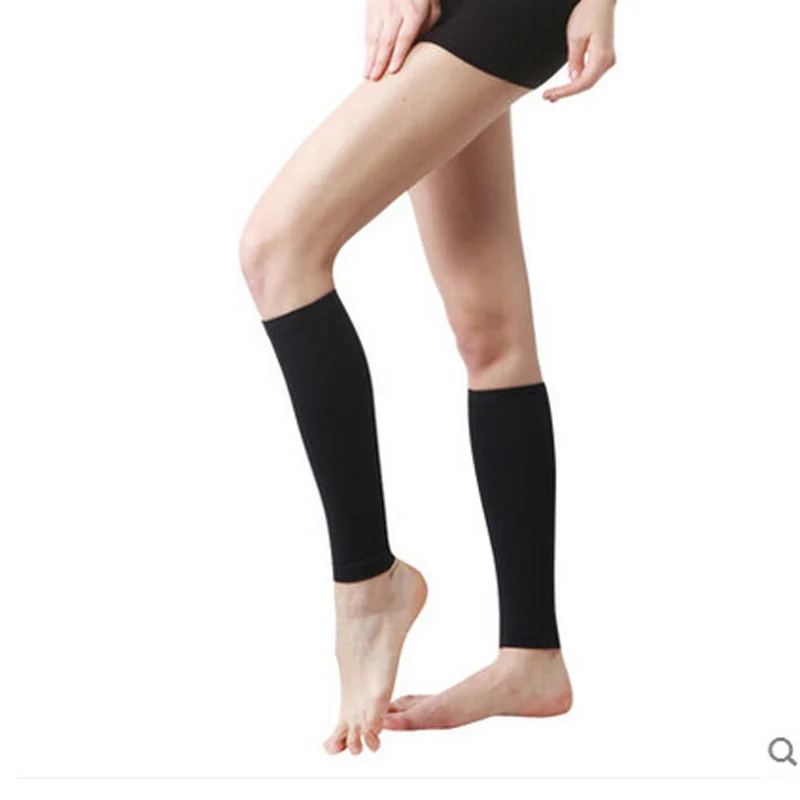
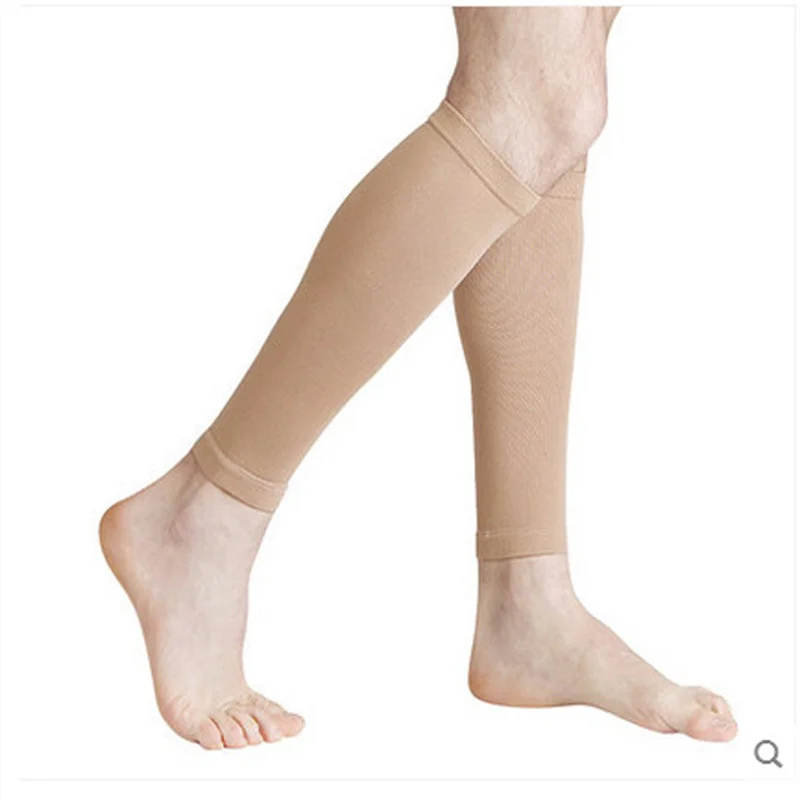
- Footless by design. Leaves the foot free, so you wear your own socks, keep your usual shoe fit, and avoid the seam pressure across the toes that makes full stockings intolerable for some people.
- Targets the calf pump. Compression is concentrated over the soleus and gastrocnemius, the muscles that do most of the work returning blood from the lower leg.
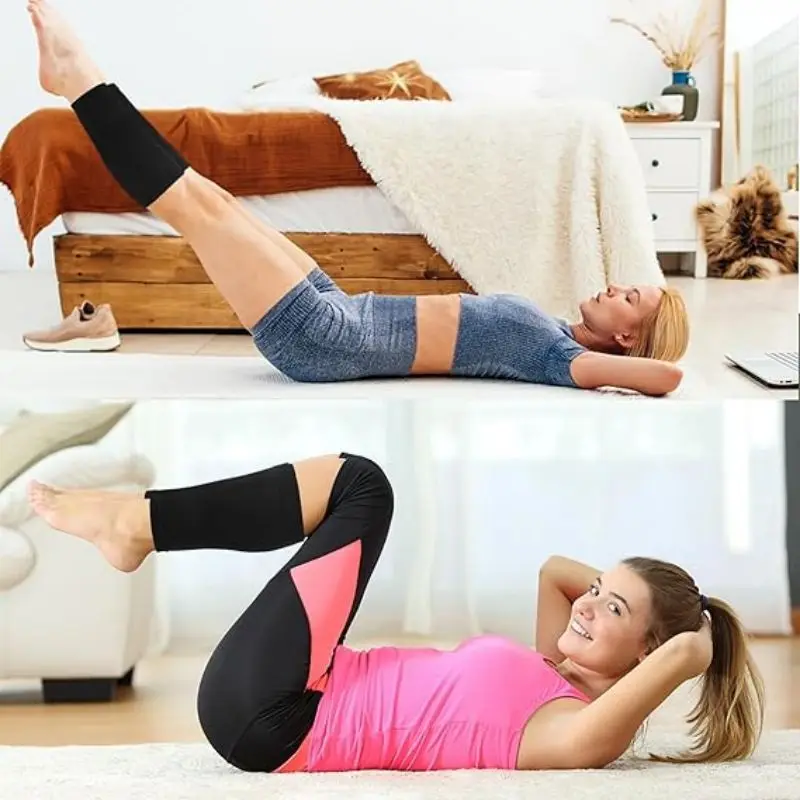
- Useful for long static periods. Flights, long drives, standing shifts — the situations where the calf pump goes quiet and fluid accumulates.
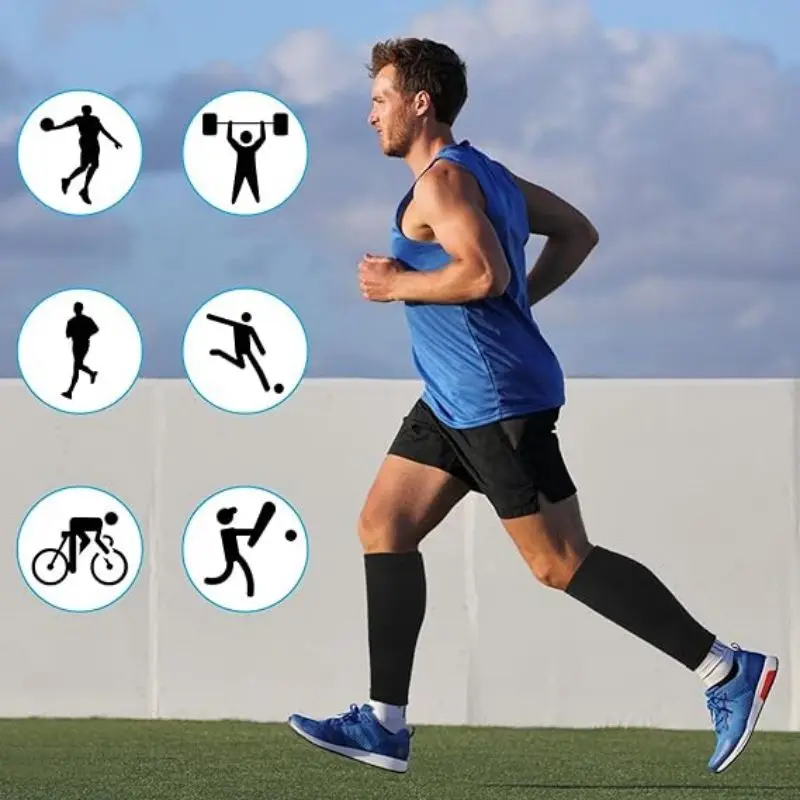
- Reduces post-exercise swelling. The clearest evidence for compression in sport is on perceived soreness and swelling after hard sessions, rather than on performance during them.
- Flat-knit cuff. A wide band at the top spreads load so the sleeve stays put without a thin elastic line digging into the calf.
How to Use
Put them on first thing in the morning, before your legs have had time to swell — this is the single biggest factor in whether they feel comfortable or unbearable. Turn the sleeve inside out to the ankle, seat it, and roll it up the leg smoothly. Do not fold or roll the top band down: a doubled band doubles the pressure and creates exactly the tourniquet effect the gradient is designed to avoid. Safety, and this genuinely matters at this pressure class: do not use 20-30 mmHg compression if you have peripheral arterial disease, an ankle-brachial index below 0.8, uncompensated heart failure, an active skin infection or an unhealed ulcer, and speak to a doctor first if you have diabetes or neuropathy. Remove them if you get numbness, tingling, colour change or increasing pain. If you have a suspected DVT — a hot, swollen, painful calf — that is a medical emergency, not something to manage with a sleeve.
Specifications
| Compression class | 20-30 mmHg, graduated (firmest at ankle) |
|---|---|
| Style | Footless calf sleeve / stocking |
| Coverage | Ankle to below the knee |
| Top band | Wide flat-knit cuff |
| Fabric | Elastane-blend circular knit |
| Fit | Size by calf circumference and ankle measurement, not shoe size |
| Typical use | Swelling, aching legs, travel, standing shifts, post-training recovery |
| Sold as | Variant dependent — check the option selected |
Care & Maintenance
Hand wash or machine wash cool on a delicates cycle and air dry away from direct heat. High heat destroys elastane and a sleeve that has lost its stretch has lost its compression, which makes it useless rather than merely worn. No fabric softener, no bleach, no tumble drying. Most compression garments should be replaced every 3–6 months of regular wear; if you can pull one on easily, it is finished.
What’s in the Box
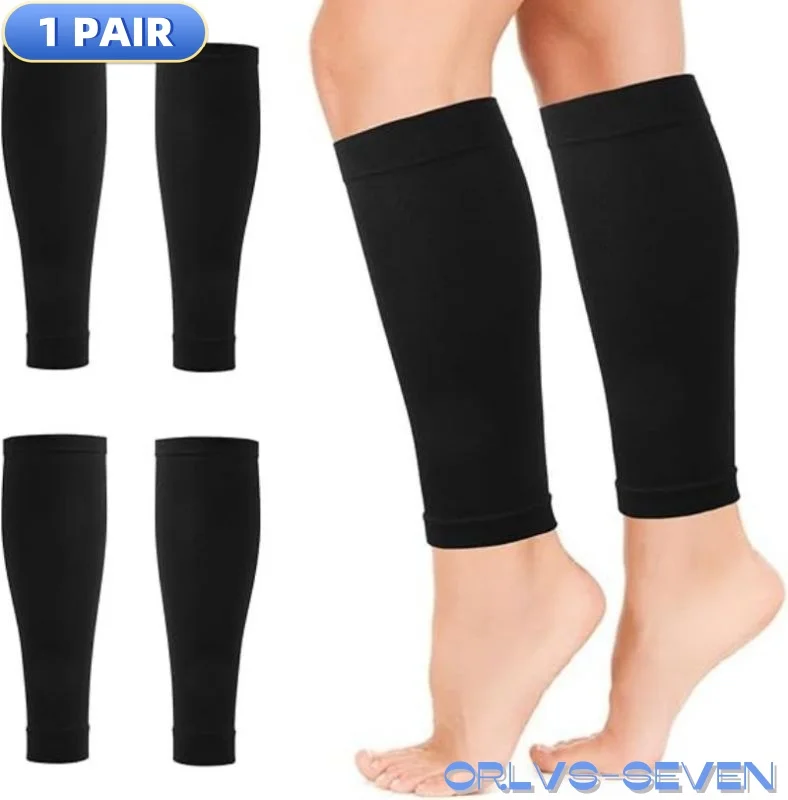
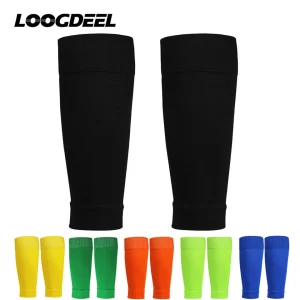
1 pair of footless graduated compression calf sleeves.
Reviews
There are no reviews yet.