The Prop That Brings the Floor Closer to You
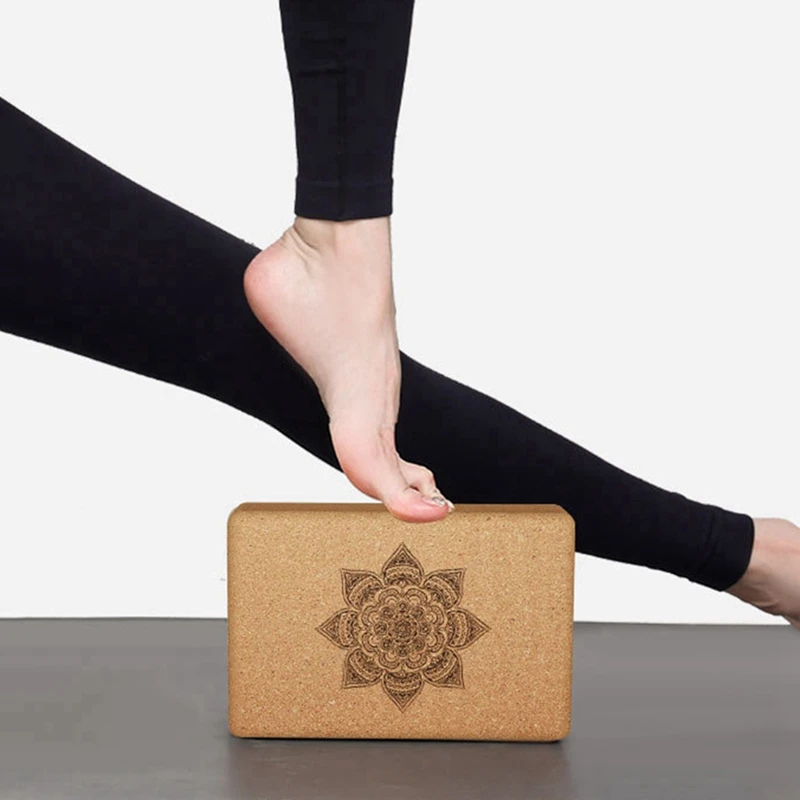
Flexibility is not only a muscle-length problem — it is a nervous-system permission problem. Your body restricts range when it senses instability. A cork block removes that threat by giving a joint something solid to rest against, so the surrounding muscles can stop guarding and lengthen. Cork is stiff enough not to compress under bodyweight, which is precisely why it works where soft foam fails: the support stays where you put it, your brain registers ground contact, and the stretch is allowed to deepen. It is a height adjuster, not a crutch.
Key Benefits
- Does not compress under bodyweight — unlike EVA foam, cork holds its height when you put a hand or hip on it, so the support you set up with is the support you get in the pose.
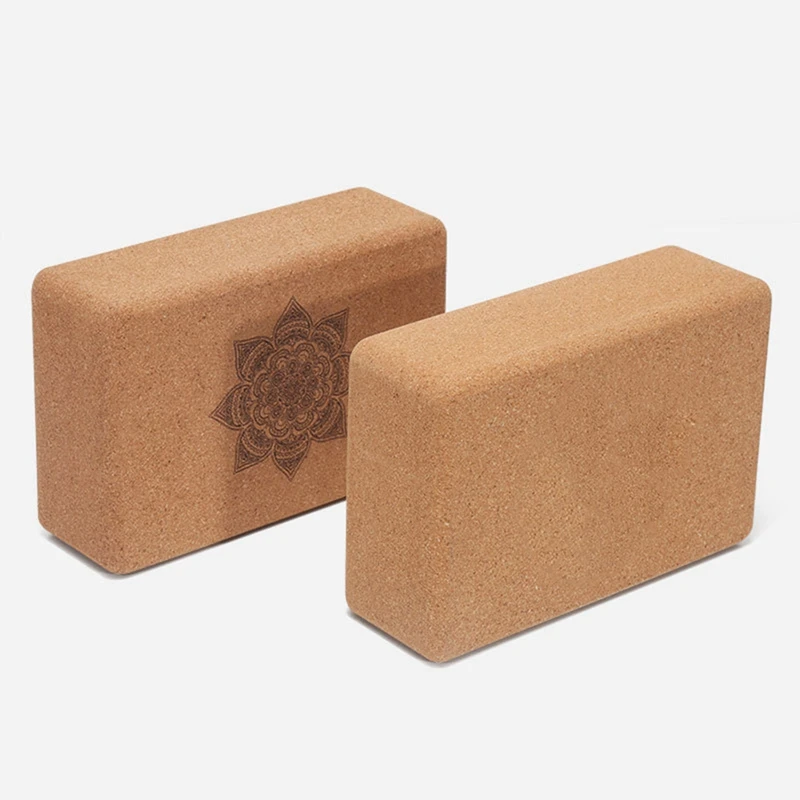
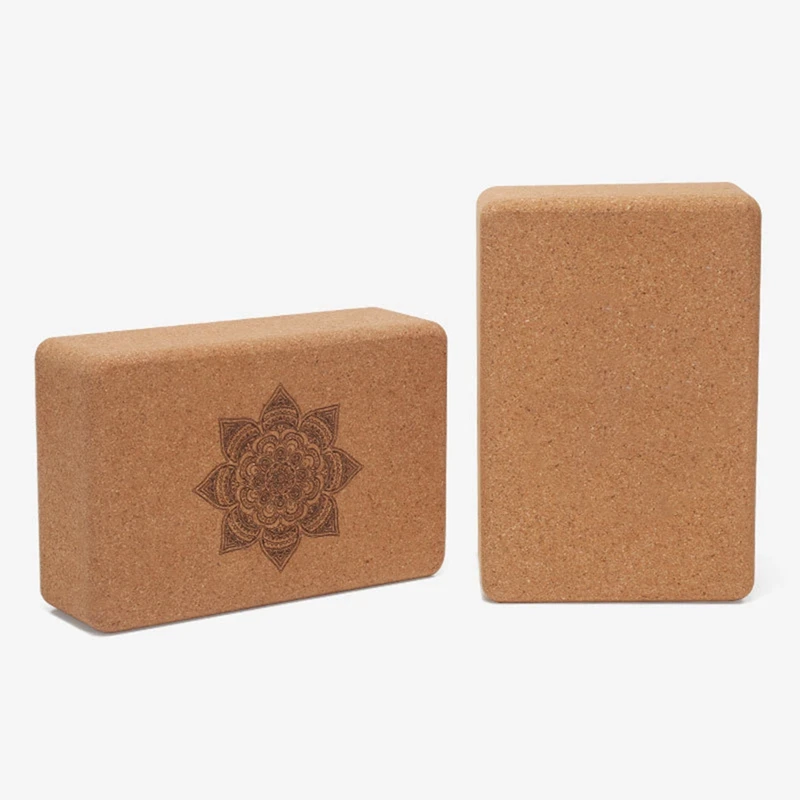
- Three usable heights from one block — laid flat, on its side, or on its end, giving you roughly 5cm, 7.5cm and 23cm of lift to match the day and the pose.
- Grip that improves when damp — cork’s surface texture holds onto sweaty palms rather than skating out from under them, which is the failure mode of plastic and hard foam blocks.
- Rounded edges for weight-bearing — the chamfered corners mean the block sits under a palm or between the thighs without digging into soft tissue.
- Naturally antimicrobial and odour-resistant — cork’s suberin content resists the bacterial build-up that makes foam props start to smell after a few months.
- Harvested without felling the tree — cork bark regrows, so the material is genuinely renewable rather than a marketing line.
How to Use
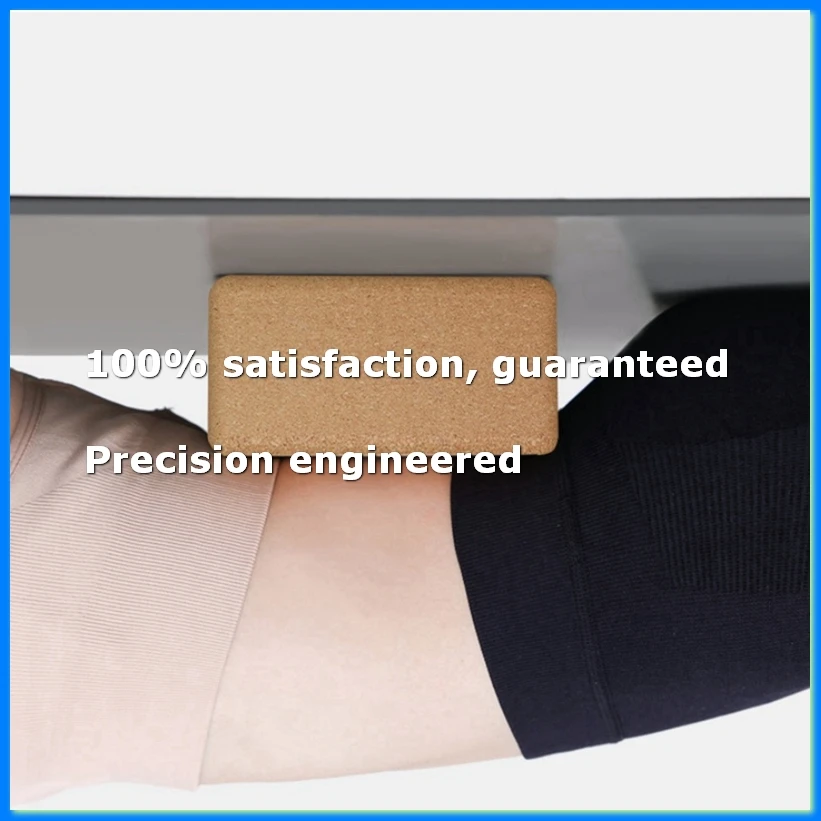
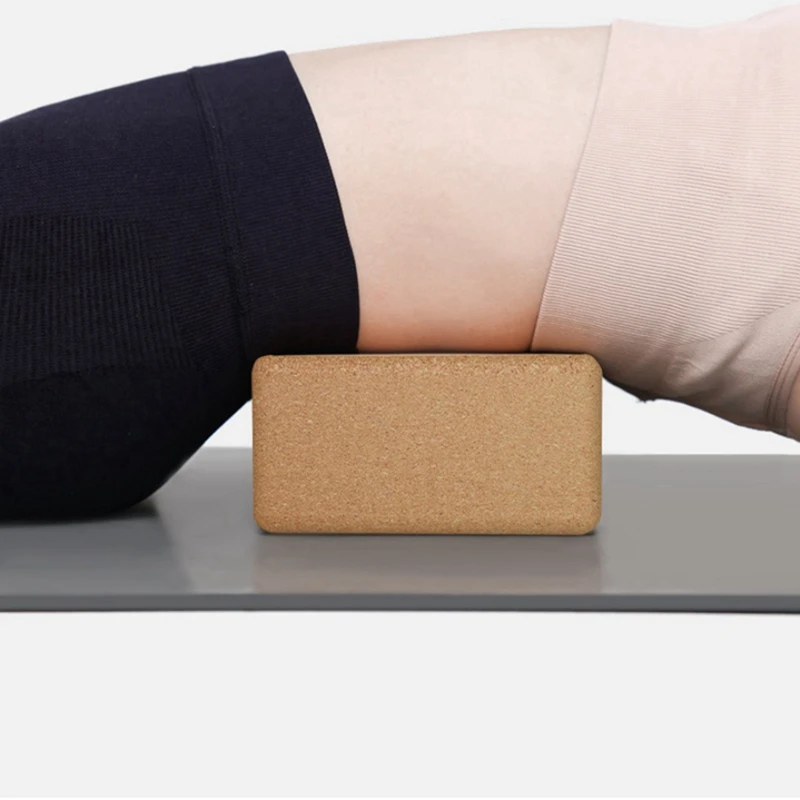
Set the block to the height that lets you keep a long spine rather than the lowest height your ego will accept — that is the whole point of a prop. In triangle or half-moon, place it under the lower hand, outside the front foot, and press down to create length rather than collapsing onto it. In seated forward folds, sit on the block to tilt the pelvis forward and unlock the hamstrings. In bridge, place it between the thighs and squeeze lightly to engage the adductors. In supported fish or reclined poses, lay it flat under the shoulder blades and let gravity do the work. Safety: cork is hard. Do not sit or stand on it edge-on, do not use it as a step, and never place it under the head or neck for weight-bearing. If a block slips, stop rather than chasing the pose.
Specifications
| Material | Natural cork |
|---|---|
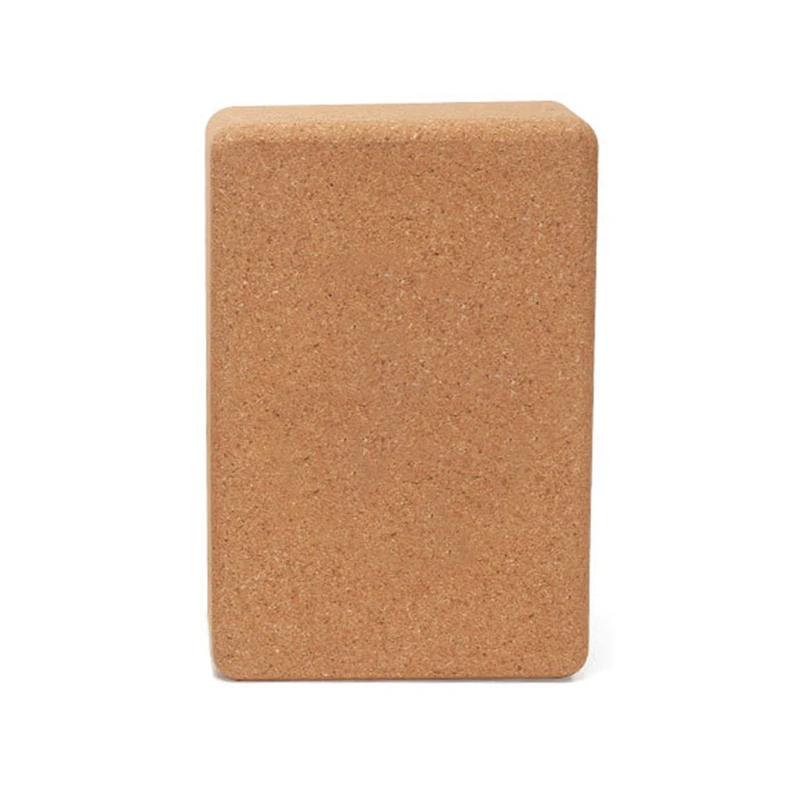
| Typical dimensions | Approx. 23 x 15 x 7.5 cm (variant dependent) |
| Heights available in use | 3 (flat, side, end) |
| Surface | Textured, non-slip |
| Edges | Chamfered / rounded |
| Weight-bearing | Yes — holds shape under bodyweight |
| Water resistance | Naturally water-resistant |
| Odour control | Naturally antimicrobial |
| Model | B-A21R |
| Quantity | Sold singly — buy two for symmetrical poses |
Care & Maintenance
Wipe with a damp cloth and a drop of mild soap; wring the cloth out well, as cork should be cleaned rather than soaked. Air-dry fully before storing. Do not machine wash, do not leave it sitting in water, and keep it out of prolonged direct sunlight, which dries the cork and encourages surface crumbling. Light shedding of cork dust in the first few sessions is normal and settles down.
What’s in the Box
1 x cork yoga block. Sold individually — most alignment work is symmetrical, so a pair is worth considering.
Reviews
There are no reviews yet.