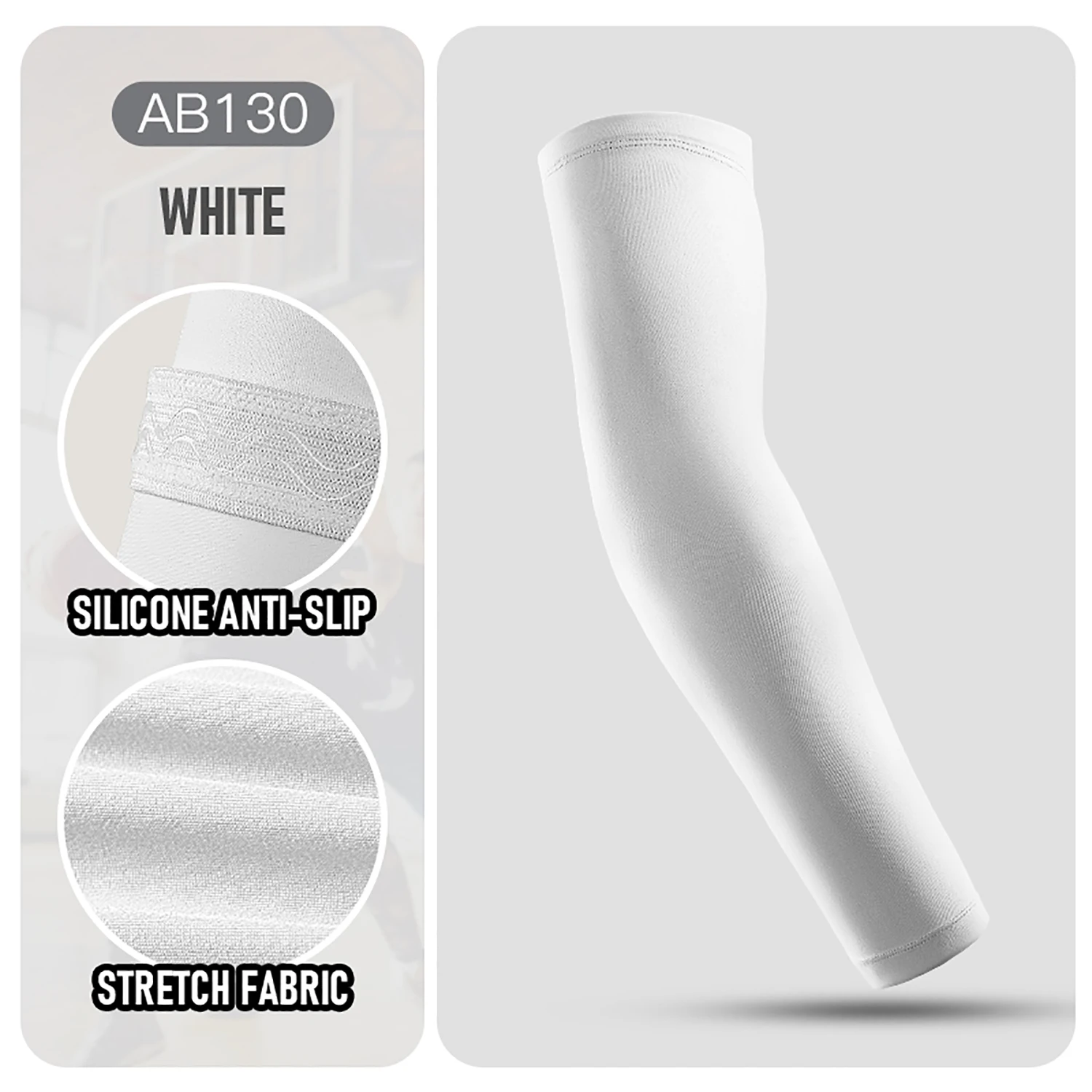
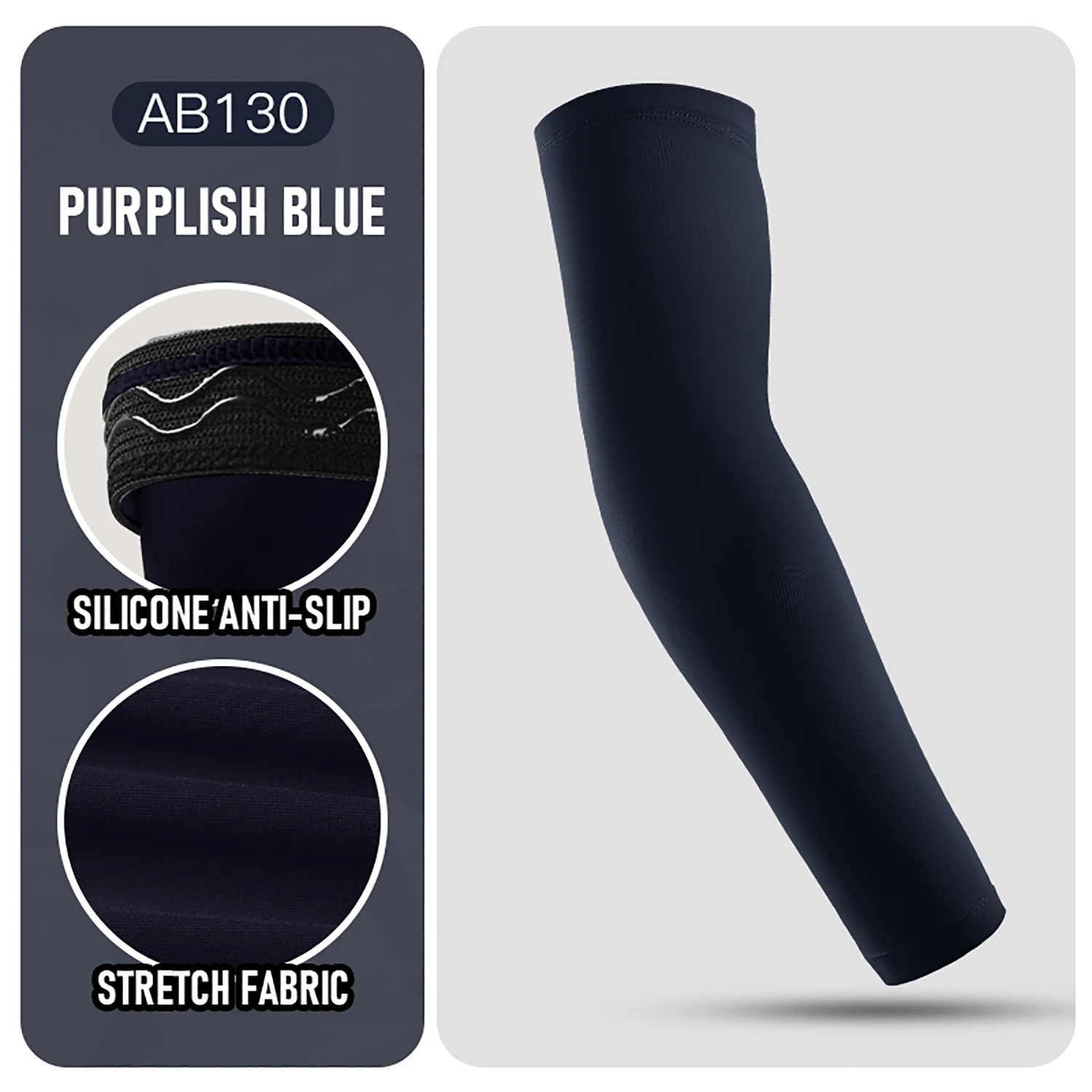
What A Compression Sleeve Actually Does For Your Elbow
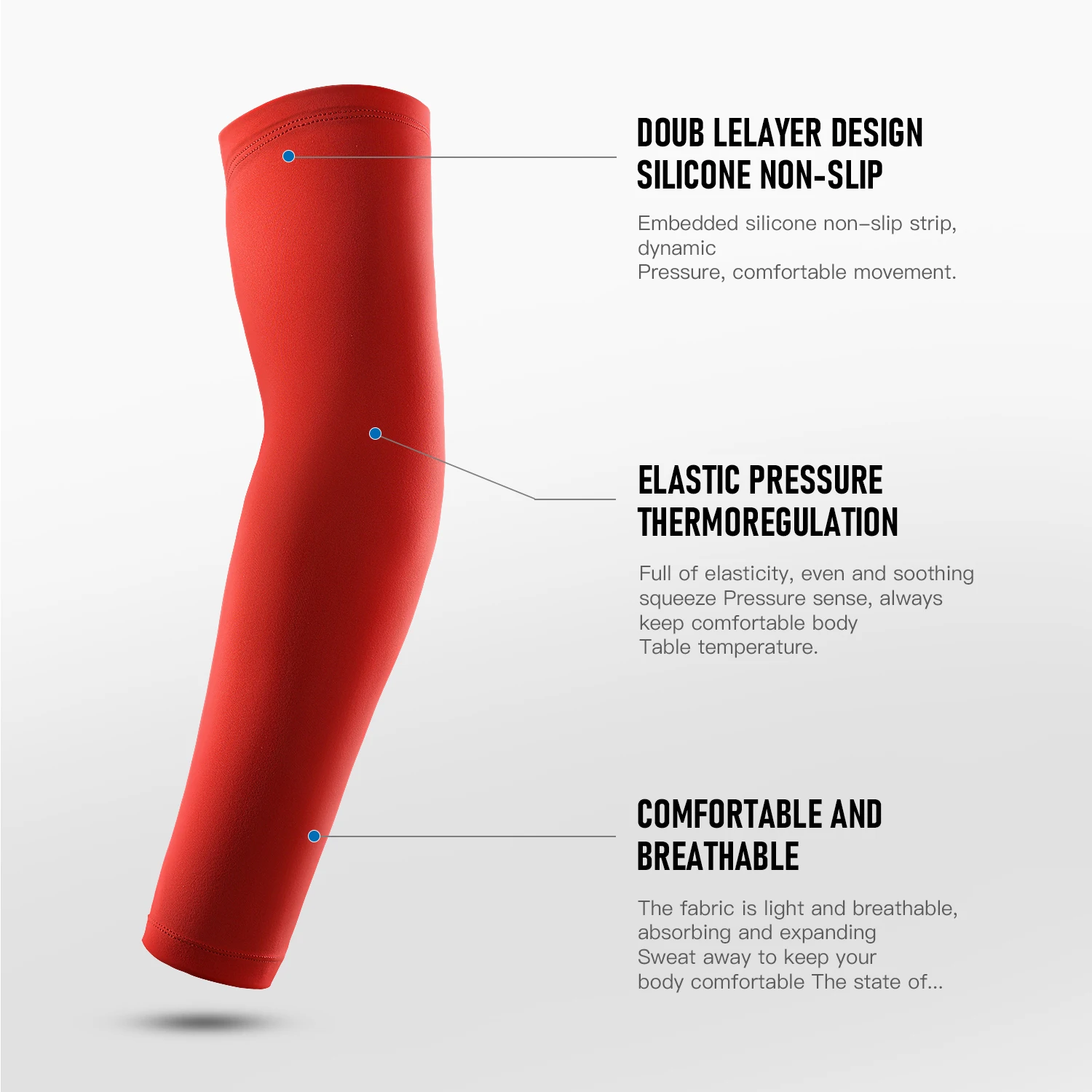
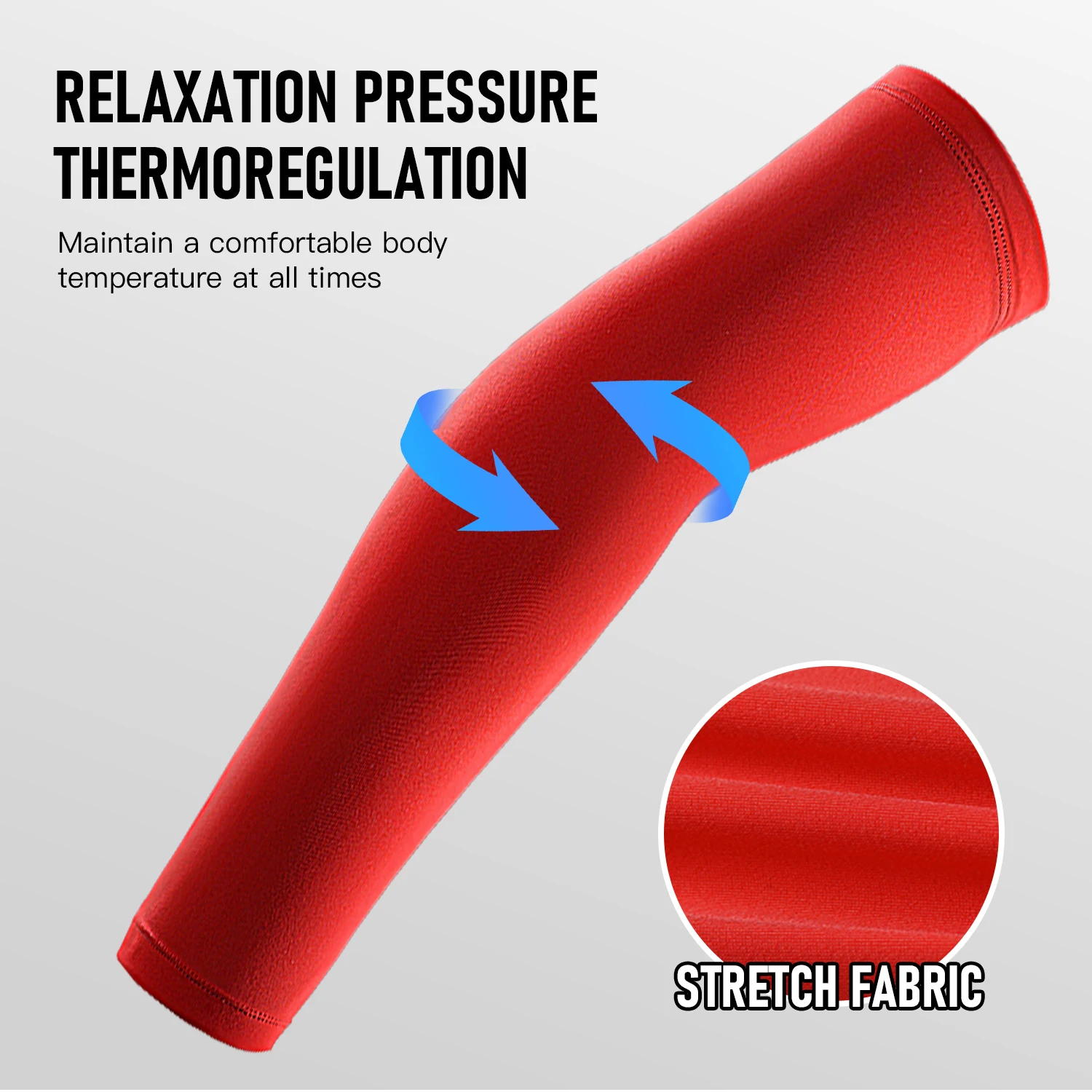
A compression sleeve does not hold your elbow together. Its effects are subtler and better understood than the marketing suggests. Even gentle circumferential pressure activates the skin’s mechanoreceptors, which sharpens proprioception – your brain’s sense of where the joint is and how it is loaded. That improved awareness is why a sleeve often makes a joint feel more secure without changing its mechanical stability at all. The sleeve also traps heat, keeping the tissue warm and more extensible, and it damps the soft-tissue oscillation that happens with repeated impact.
Key Benefits
- Better position sense under load. Skin pressure feeds your nervous system more information about the joint, which is the main reason a sleeve feels reassuring.
- Keeps the joint warm. Warm tendon and muscle are more compliant, which matters in cold weather cycling or early-morning training.
- Reduces soft-tissue oscillation. Less muscle wobble on repeated impact, which can modestly reduce next-day soreness.
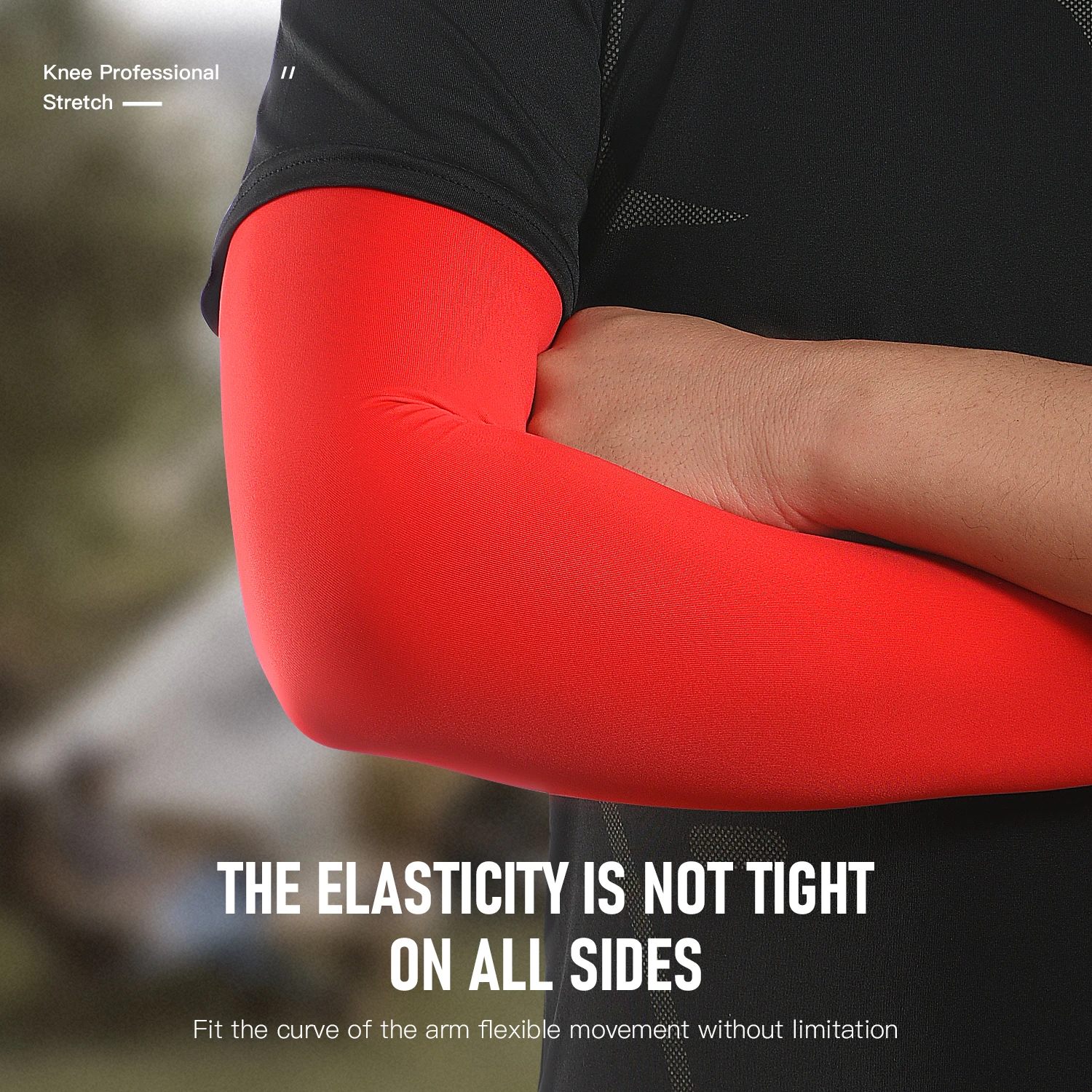
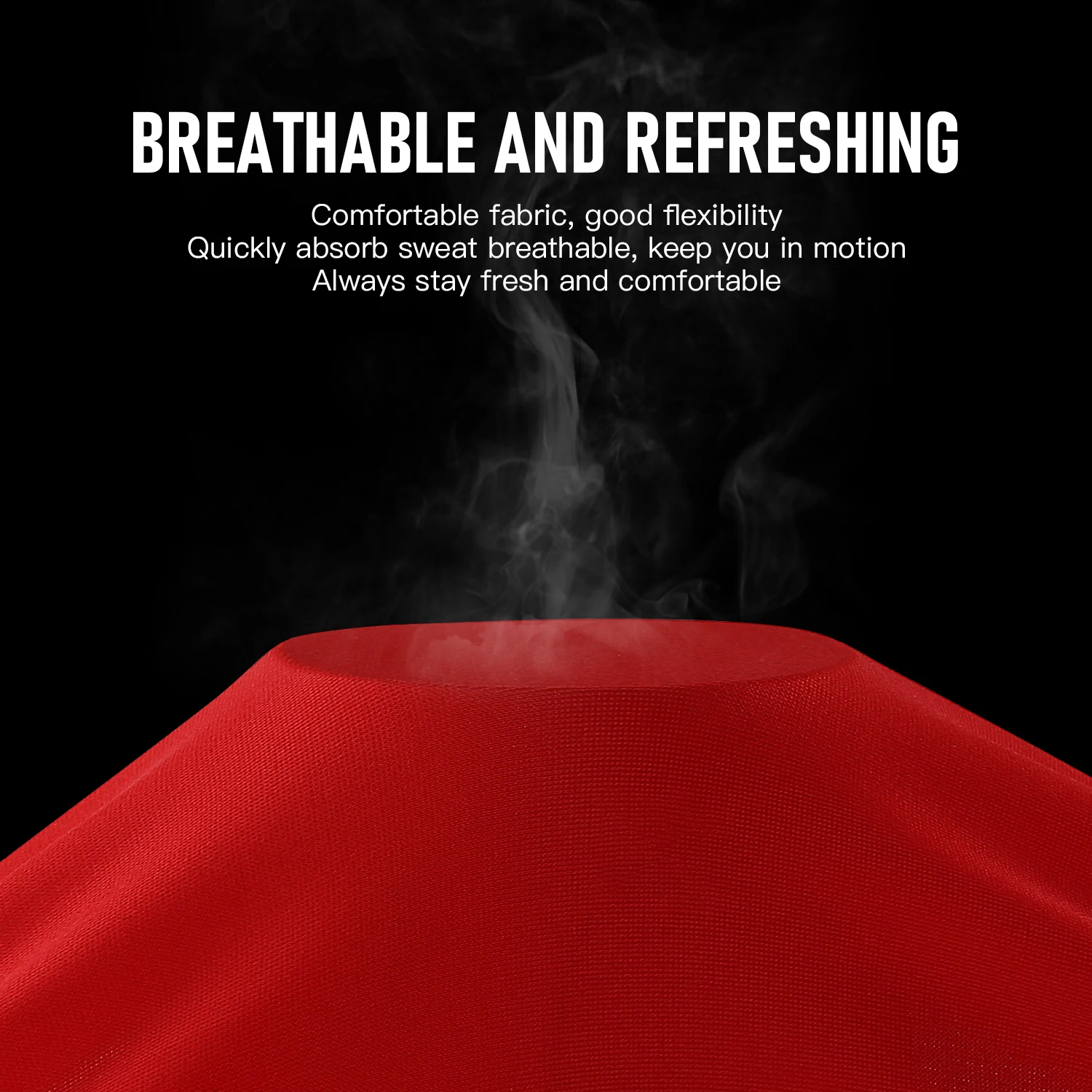
- Breathable and thin enough for sport. It sits under a sleeve, does not lock up the elbow, and does not roast the arm the way neoprene does.
- Abrasion cover as a side benefit. A real, if unglamorous, use in basketball, cycling and volleyball – a layer between your elbow and the floor.
- The honest limitation. A sleeve does not heal tennis elbow or golfer’s elbow. Tendinopathy responds to graded loading and time, not to fabric. A sleeve can make training more comfortable while you do the actual rehab, but it is not the rehab. It also will not stabilise a ligament injury, and it is not a substitute for a clinician’s assessment if your elbow hurts.
How to Use
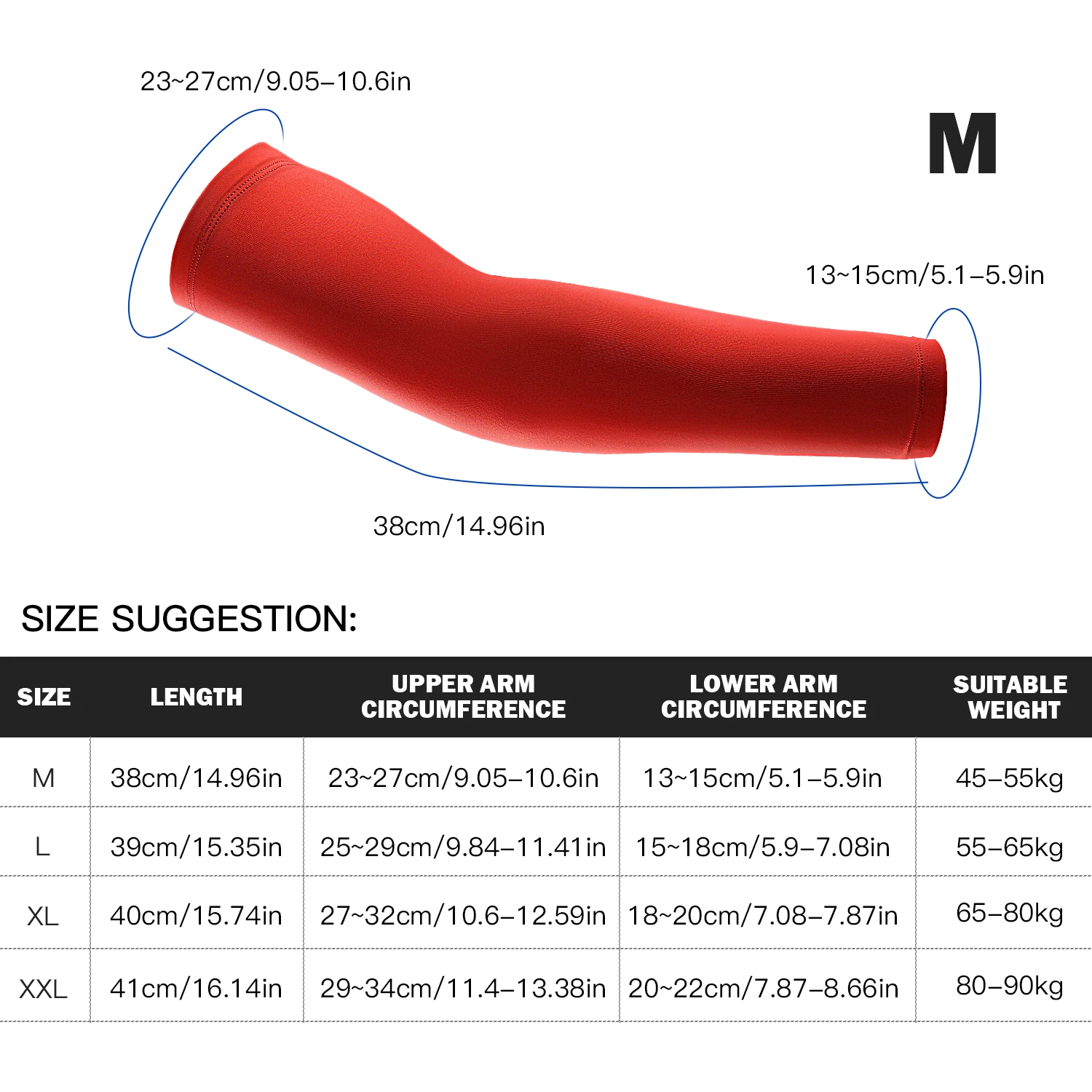
Measure the circumference of your arm just above the elbow and size from the chart rather than guessing – a sleeve that is too tight is worse than no sleeve. Roll it up rather than dragging it, so the fabric sits smooth without folds; a bunched seam in the crease of the elbow will chafe within a kilometre. Wear it during activity and take it off afterwards. Check yourself: if your forearm or hand tingles, goes numb, feels cold, or the skin below the sleeve looks pale or purple, it is too tight – take it off immediately. Do not sleep in it, do not wear it over broken or irritated skin, and do not wear it all day as a substitute for treating a painful elbow. If you have circulatory problems, diabetes, neuropathy or a history of blood clots, check with your doctor before using compression garments.
Specifications
| Type | Breathable elbow compression sleeve / arm guard |
|---|---|
| Pack | Available as 1-piece or 2-piece (pair) |
| Sizes | M, L, XL, 2XL |
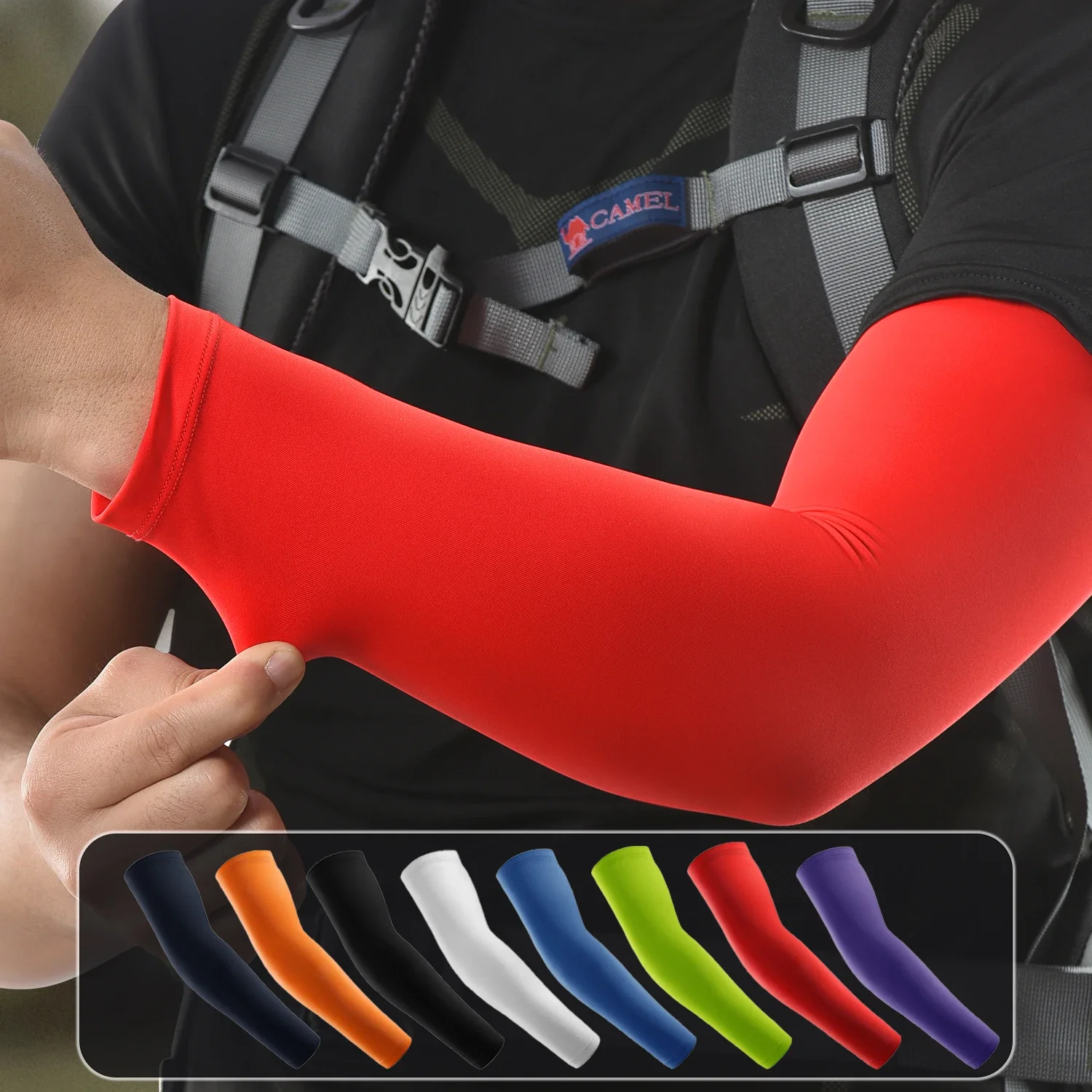
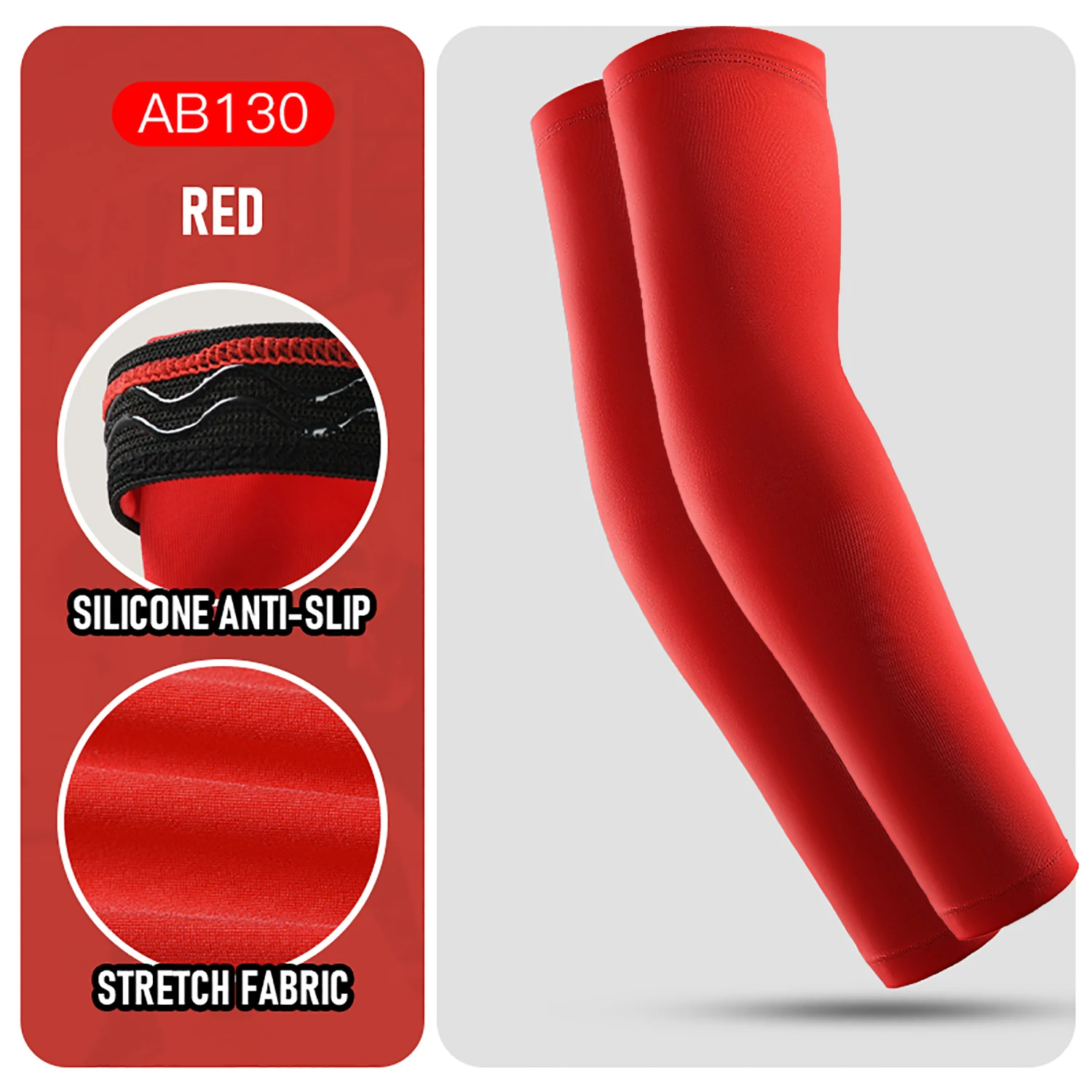
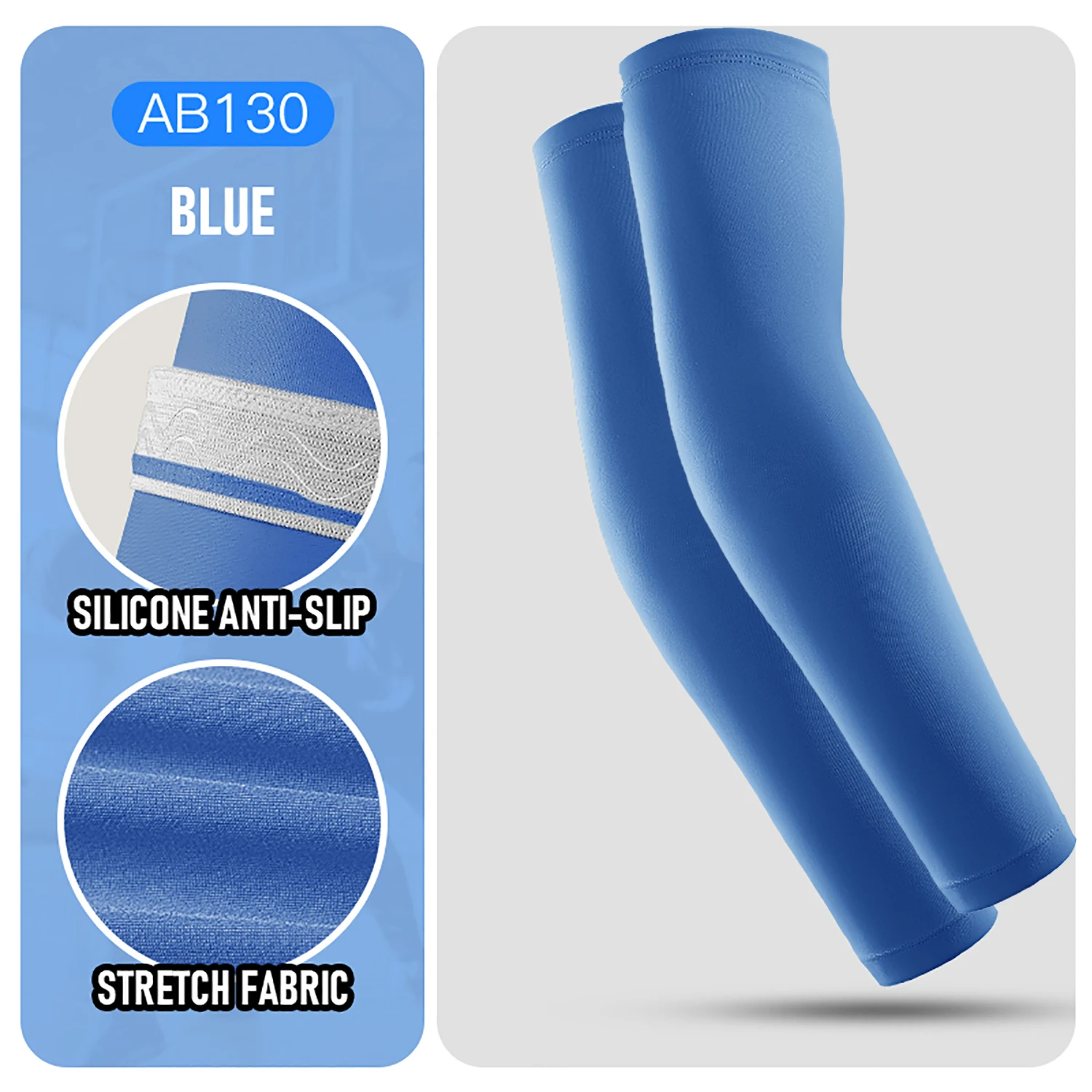
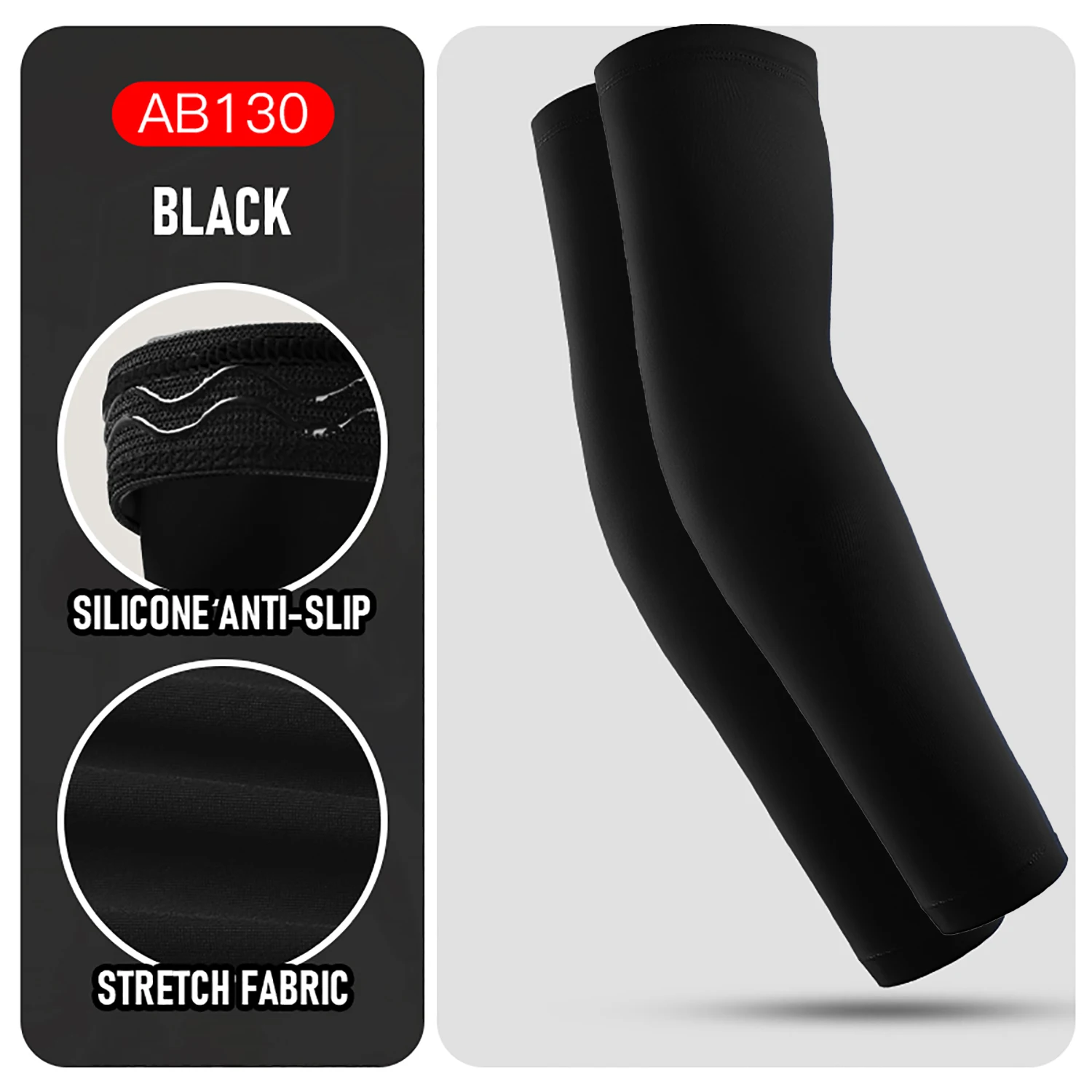
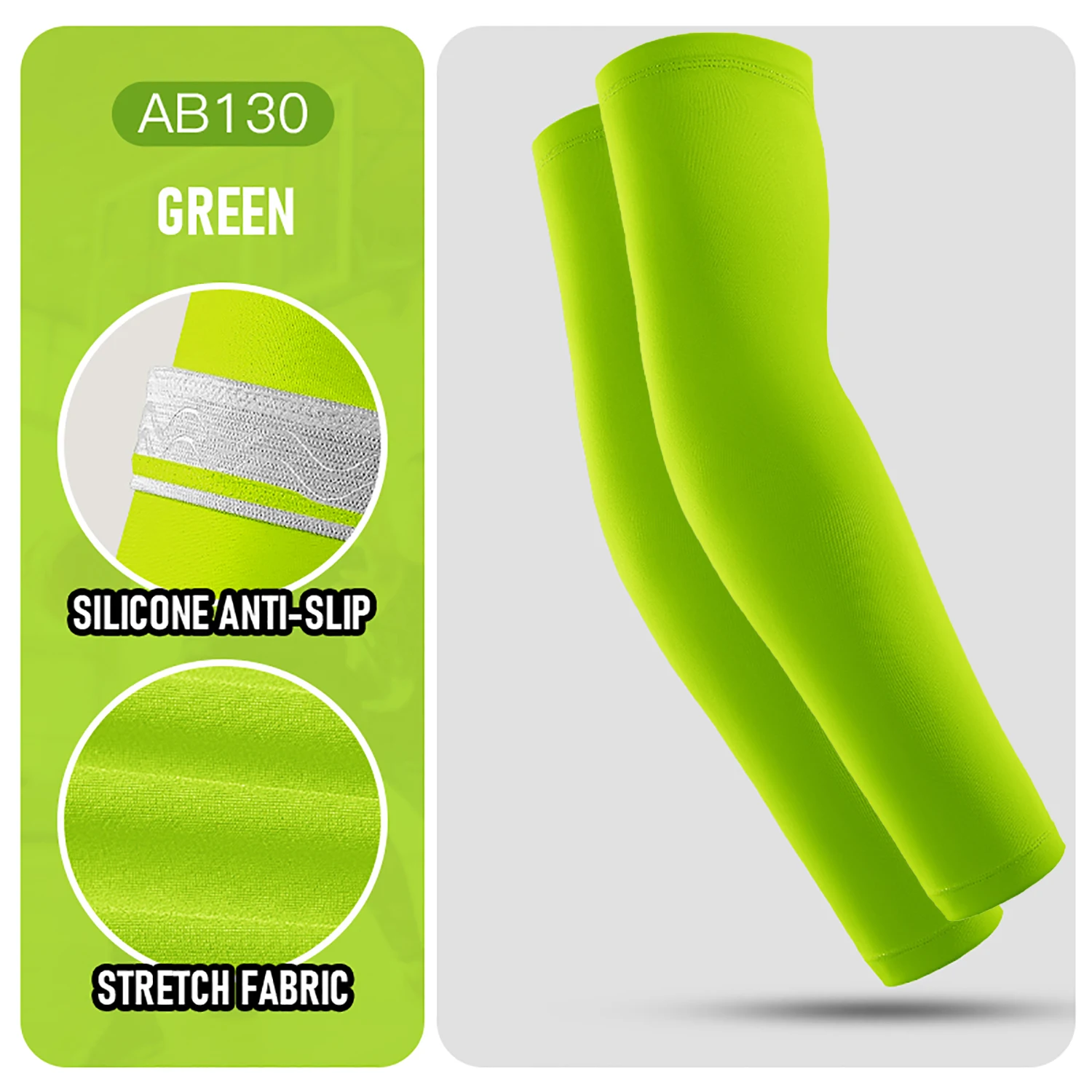
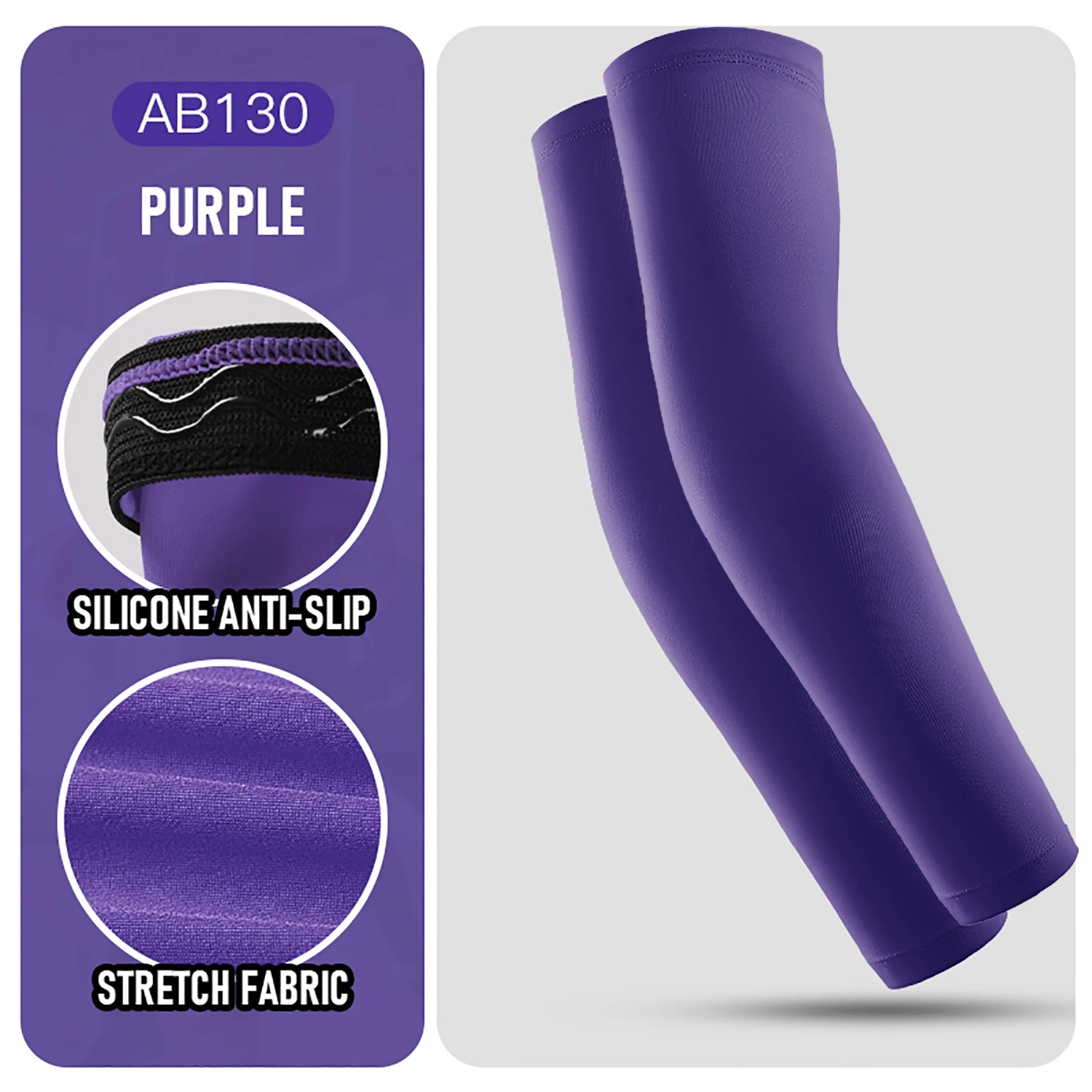
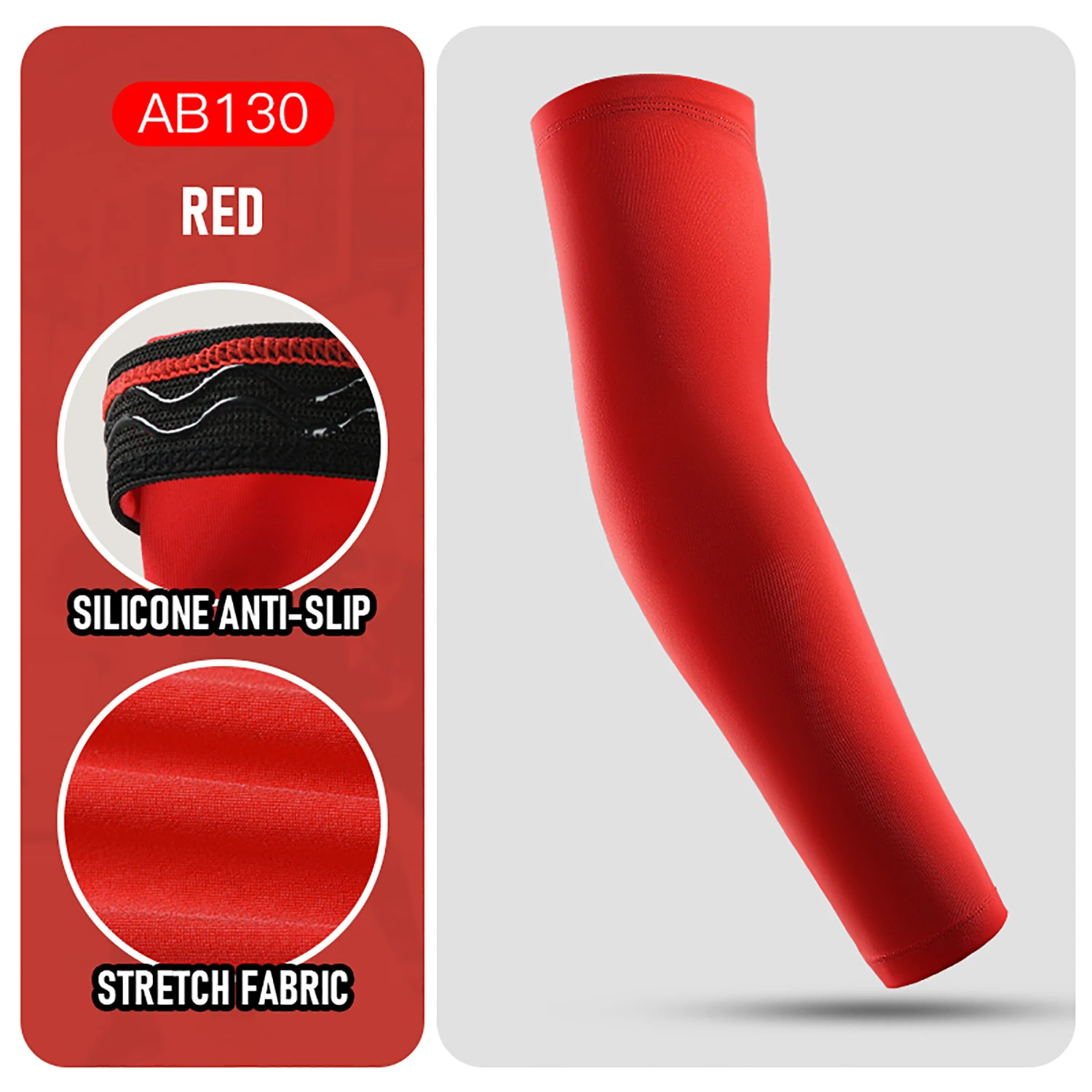
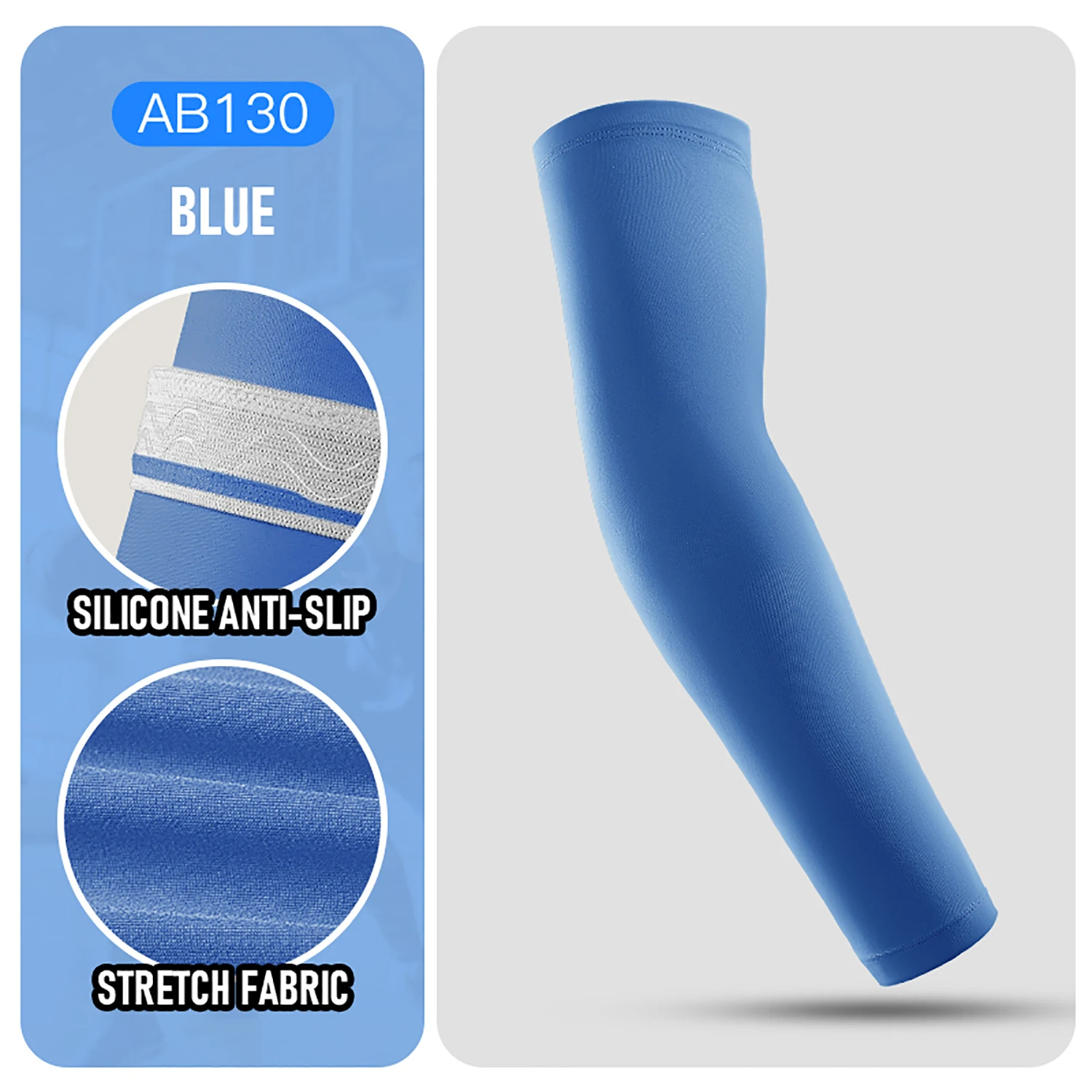
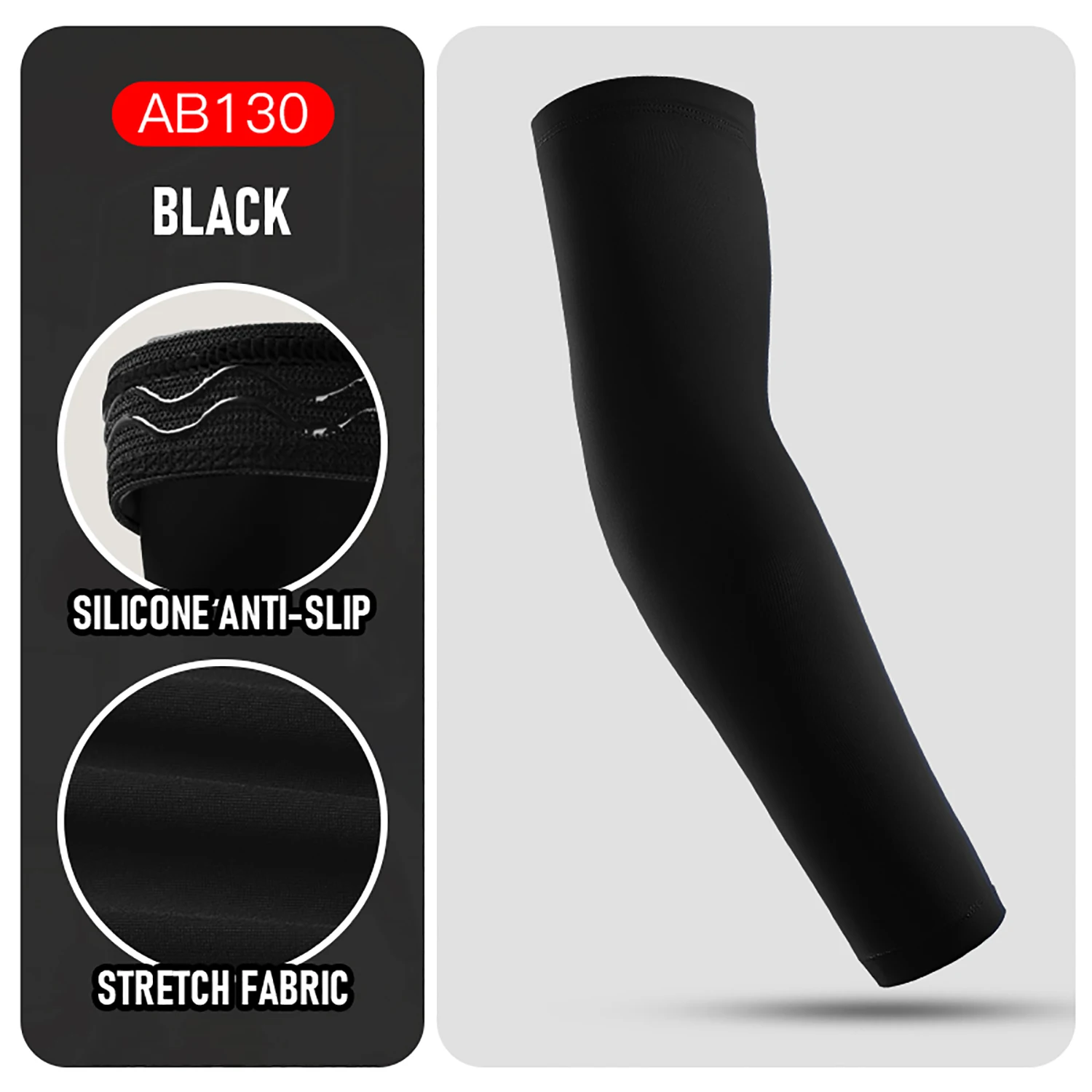
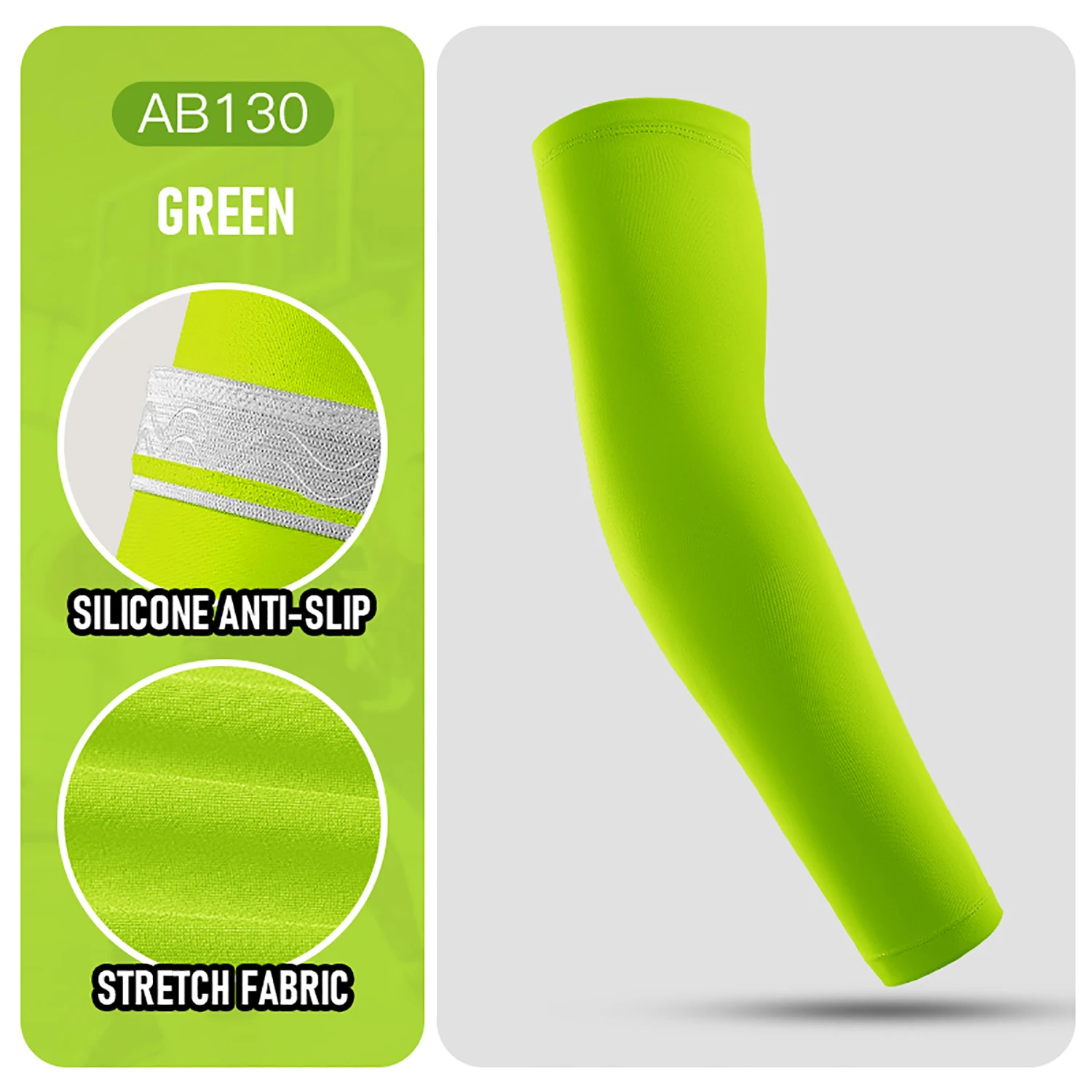
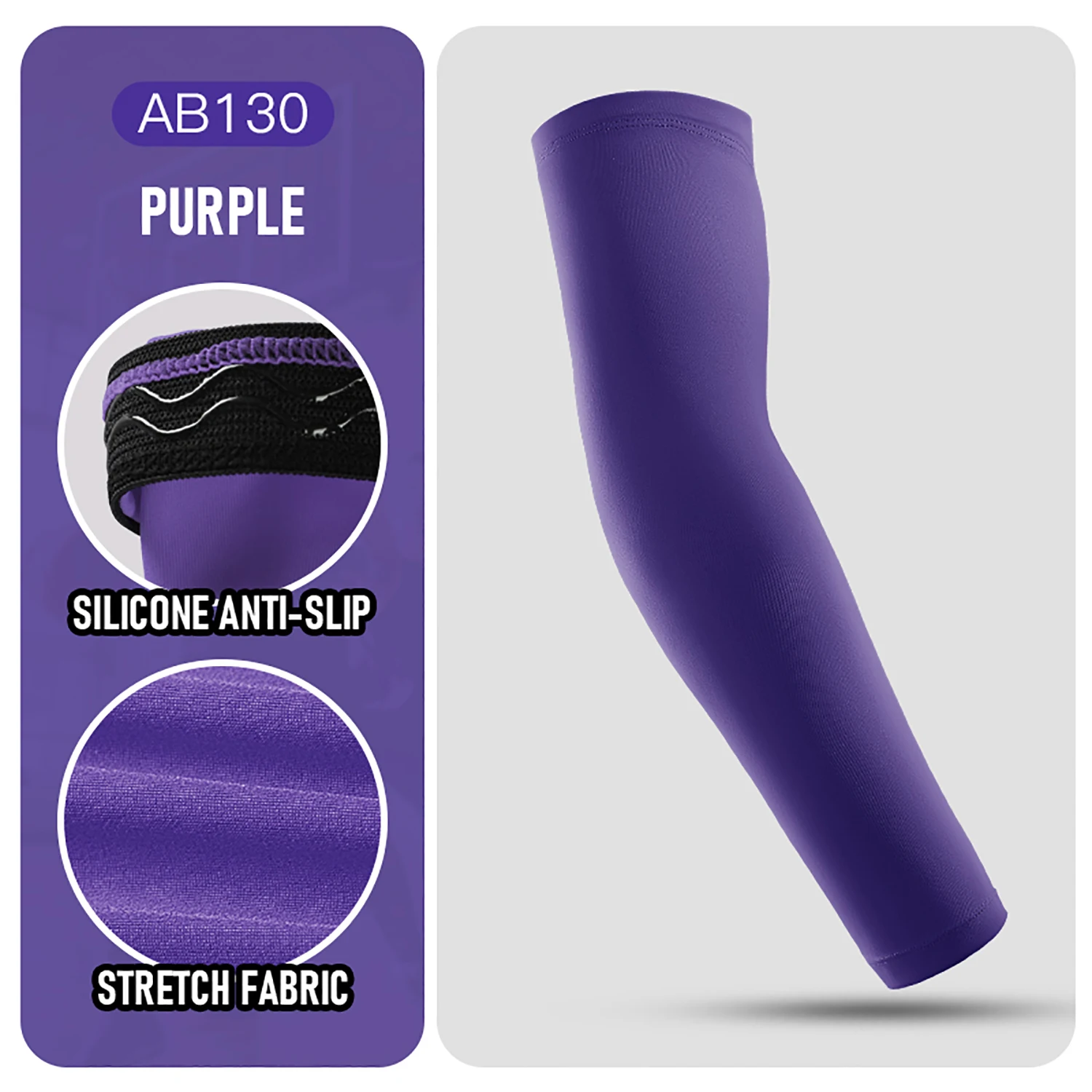
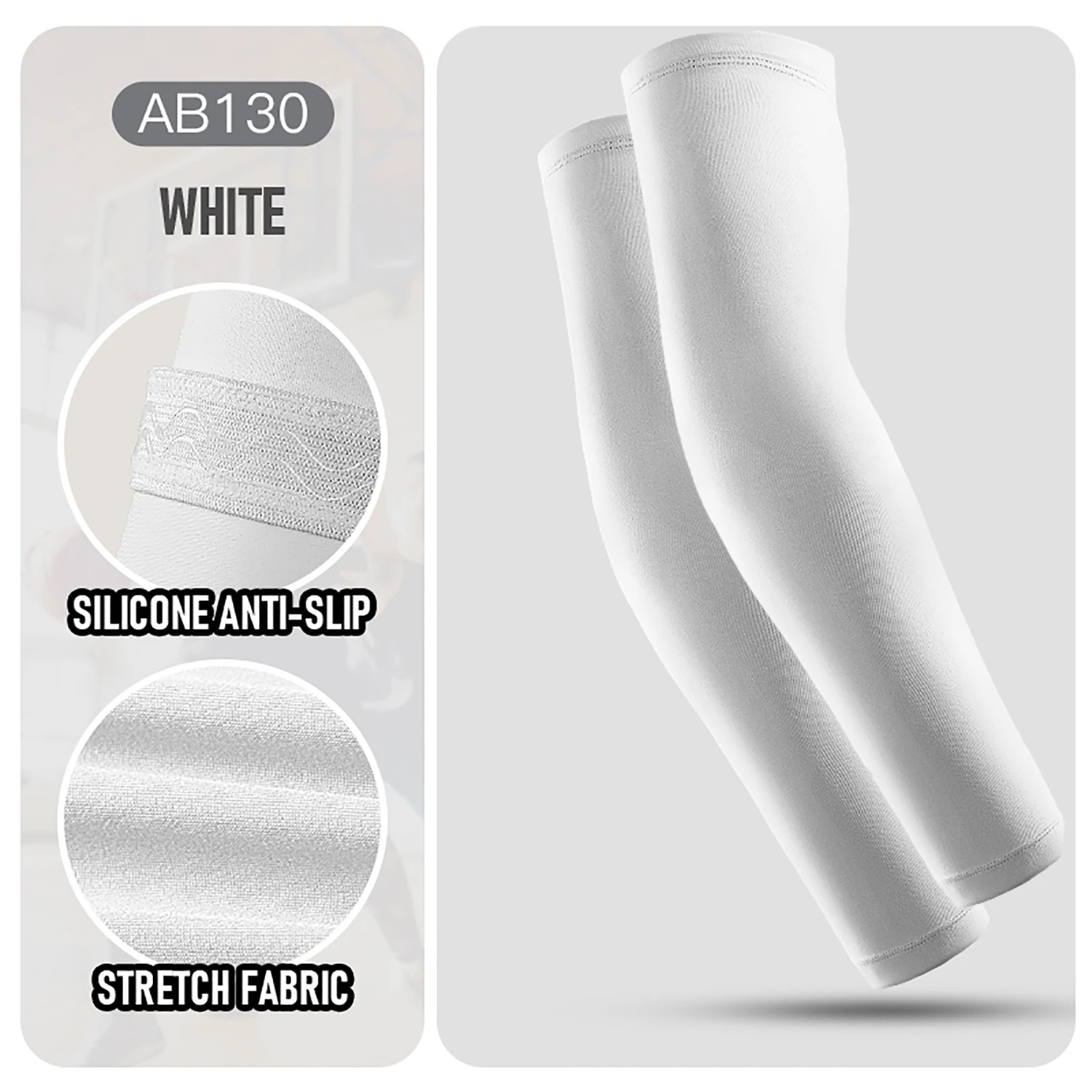
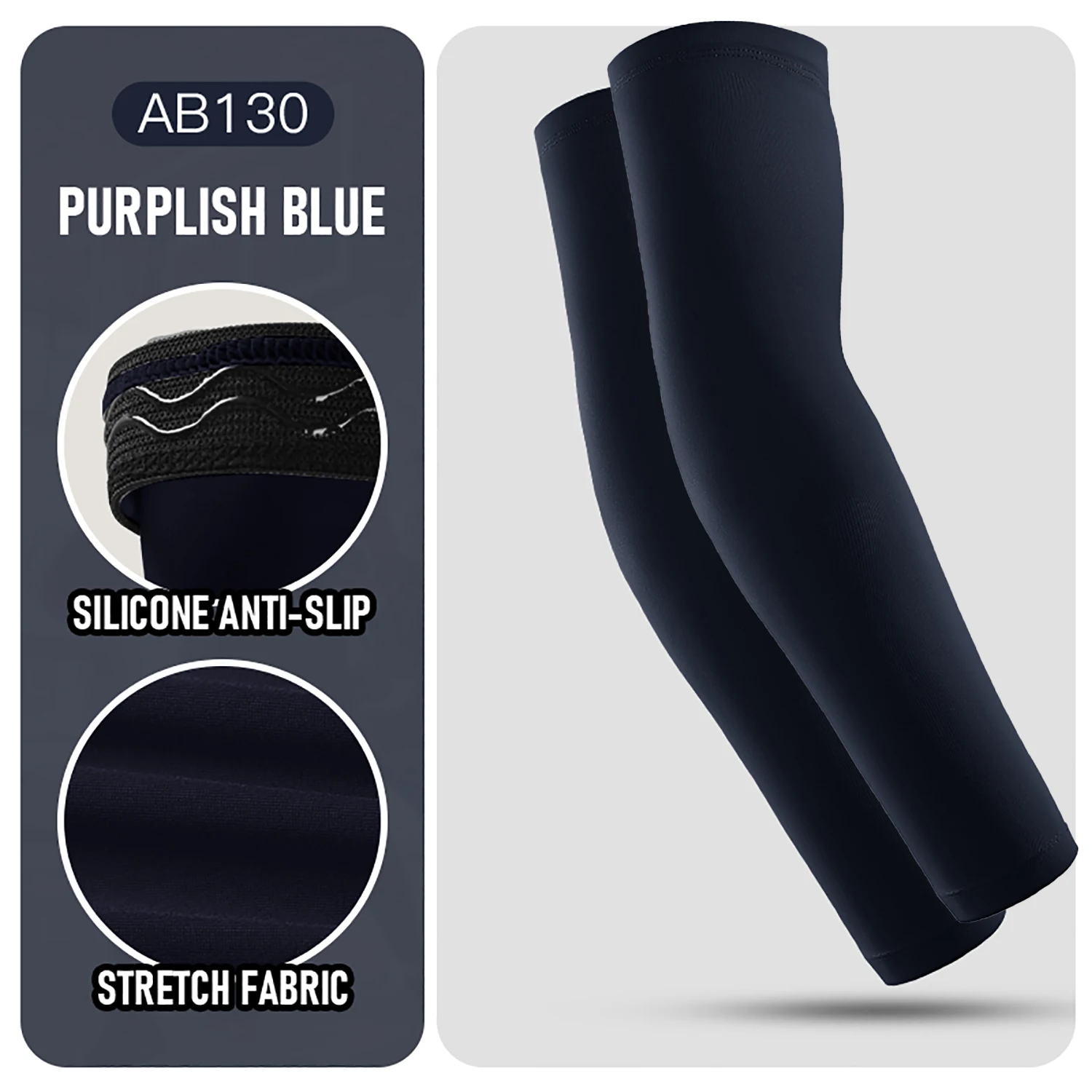
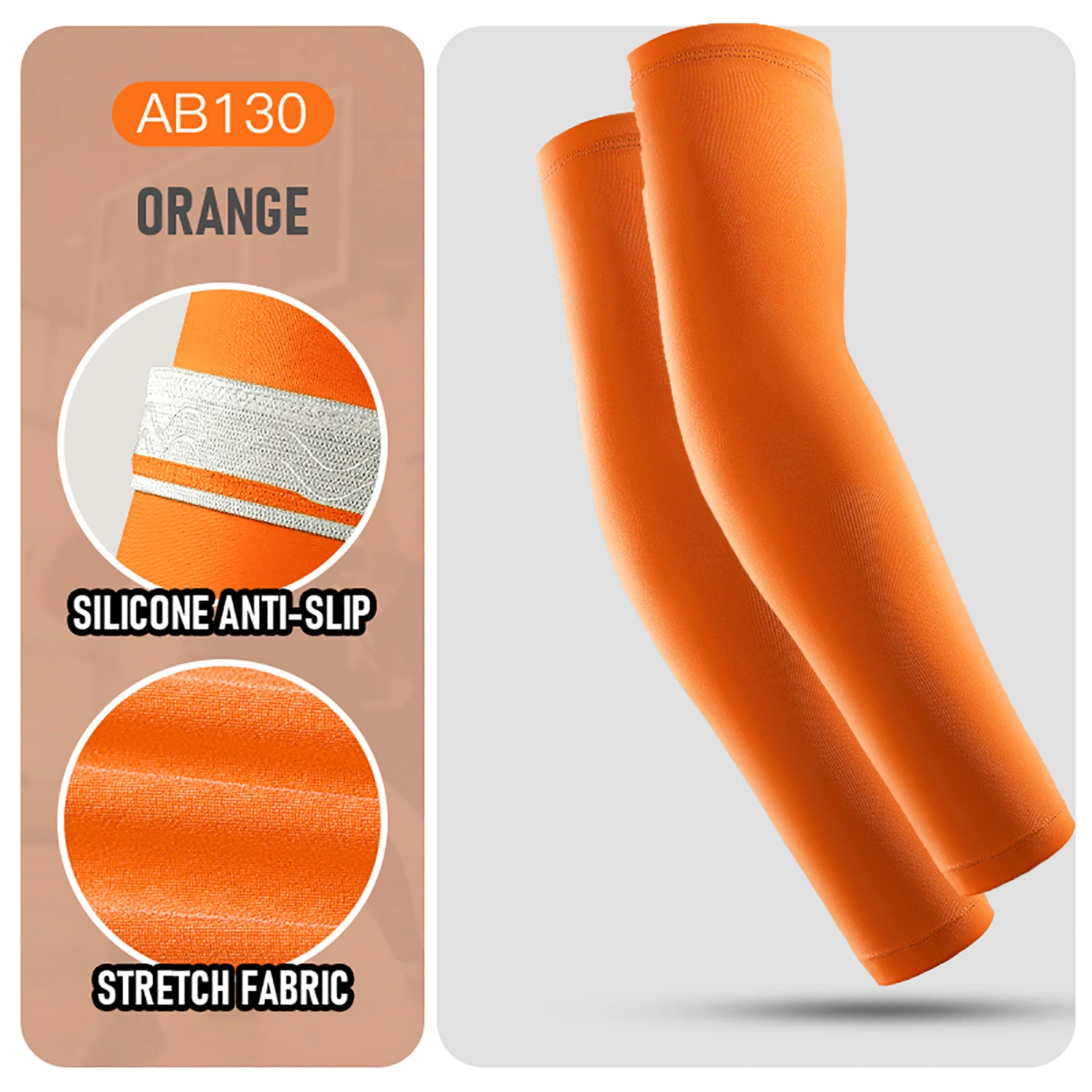
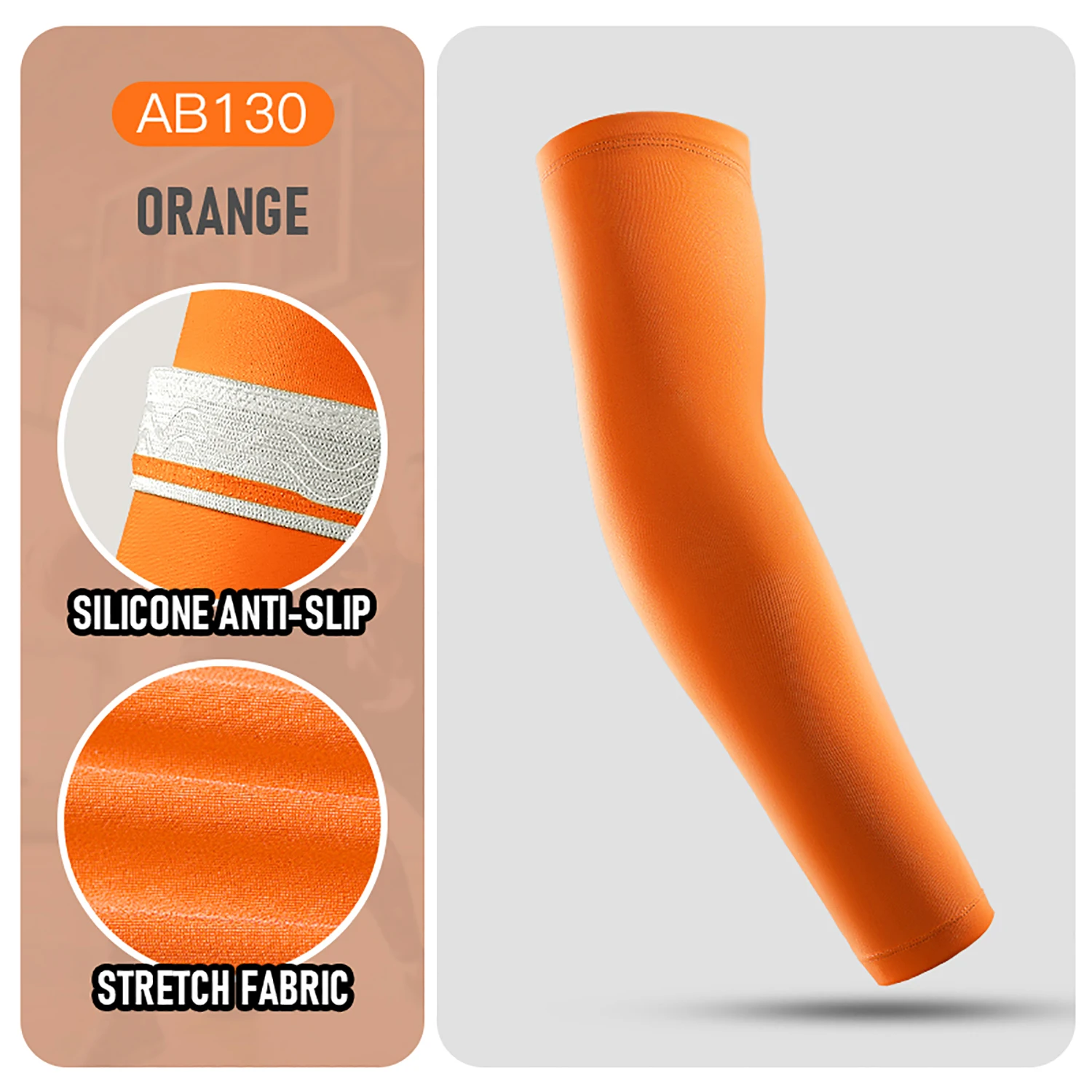
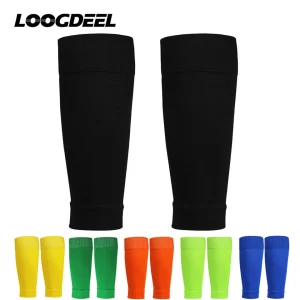
| Colours | Black, blue, red, green, white, purple, navy, orange (variant dependent) |
| Fabric | Breathable elastic knit |
| Fit | Non-slip band, sleeve style (no straps or hinges) |
| Best for | Cycling, running, basketball, volleyball, gym training |
| Not suitable for | Sleeping in, wearing over broken skin, treating an undiagnosed painful elbow |
Care & Maintenance
Hand-wash in cool water with mild detergent and air-dry away from direct heat. Elastic fibre is destroyed by hot tumble dryers and radiators – heat is what turns a snug sleeve into a loose one. Do not iron, bleach or dry-clean. Wash it after every few wears; sweat residue degrades elastane over time and is the main reason compression garments stop compressing. Replace the sleeve once it no longer springs back or slides down during use, since a sleeve that has lost its recoil is doing nothing.
What’s in the Box
1 or 2 elbow compression sleeves depending on the pack you select. Size and colour chosen at checkout.
Reviews
There are no reviews yet.