What an Arch Support Actually Does — And What It Definitely Doesn’t
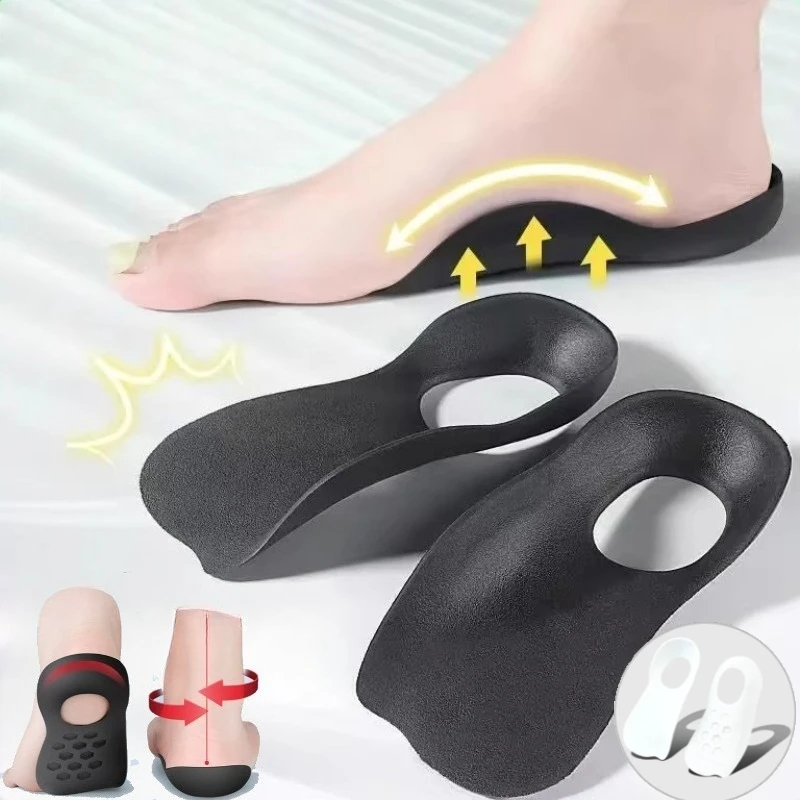
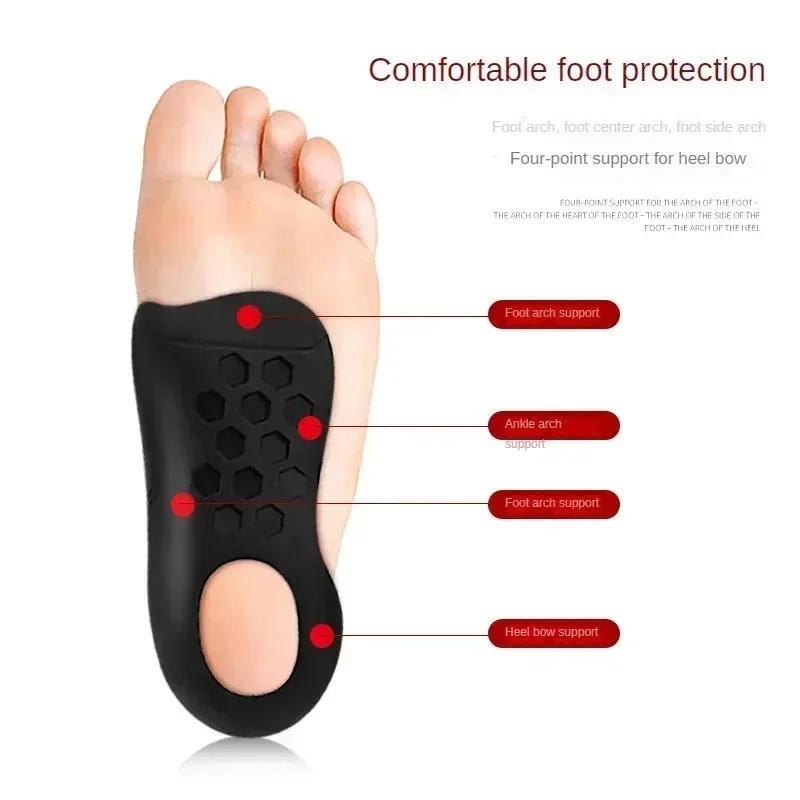
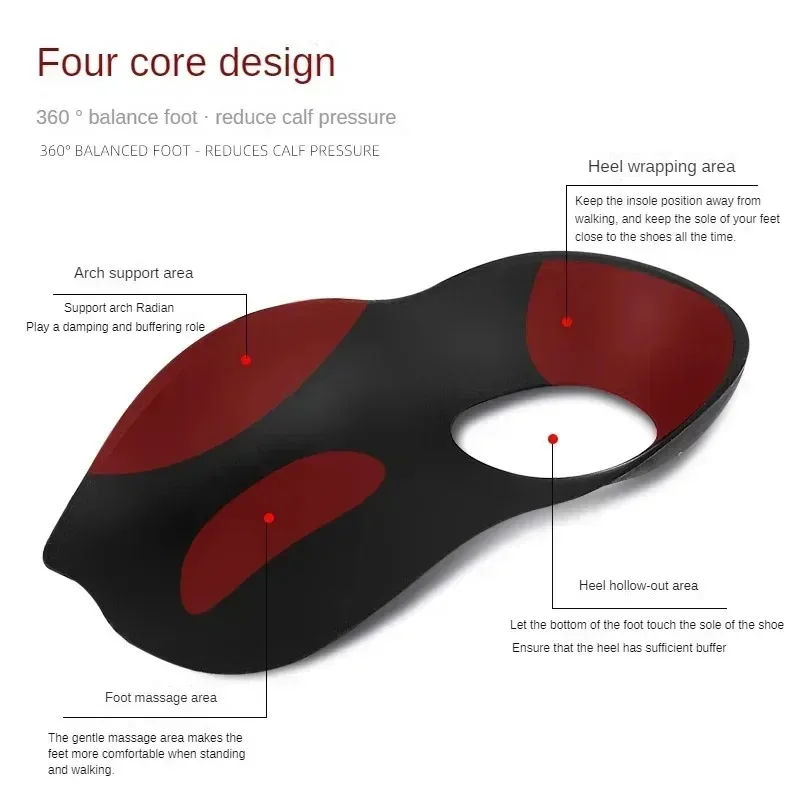
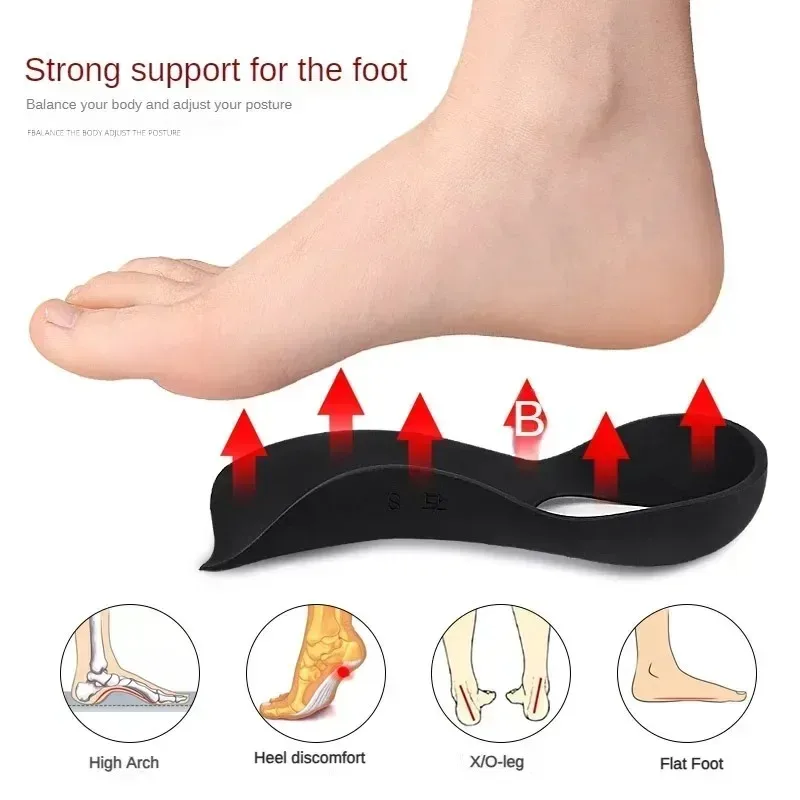
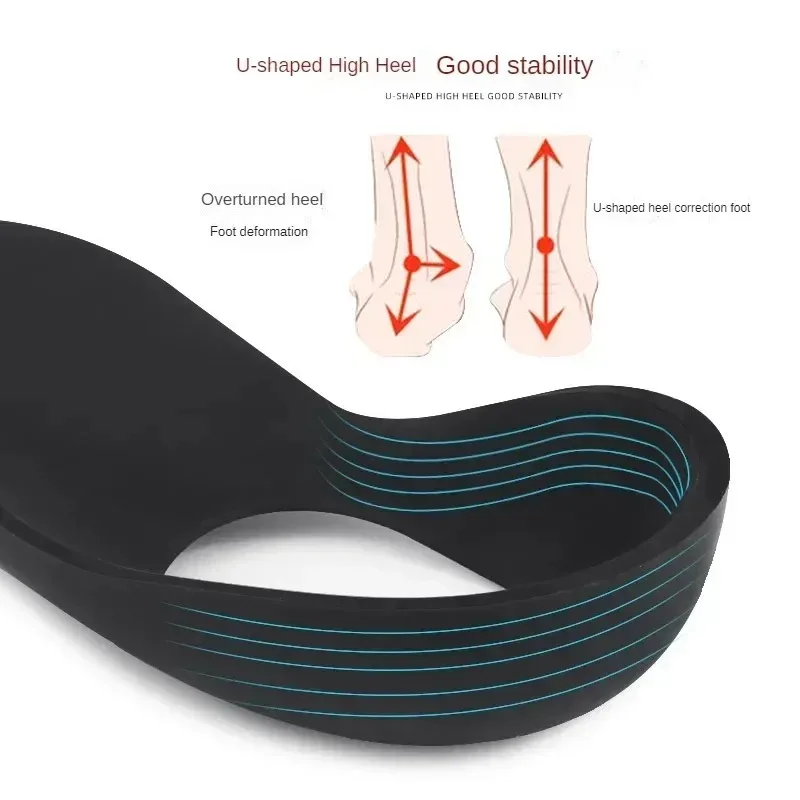
Let’s clear something up first: insoles do not correct the bony alignment of your legs. No shoe insert reshapes a femur, a tibia, or an adult knee angle — that is not how bone works, and marketing that promises to fix bow legs or knock knees is false. What a well-built arch support genuinely does is mechanical and worthwhile. It fills the space under a collapsed medial arch, which limits excessive pronation and shortens the lever arm through which the plantar fascia is loaded. That reduces peak tension where the fascia inserts at the heel — the exact spot that screams on your first step out of bed. Less strain, less microtrauma, less pain.
Key Benefits
- Directly targets the plantar fascia. By supporting the arch through midstance, the insole reduces the repetitive tensile load at the heel insertion that drives plantar fasciitis pain.
- Real help for flat feet. A collapsed arch lets the foot roll inward and the tissue up the chain absorb the difference. Filling that gap redistributes pressure across the whole sole instead of concentrating it.
- Honest about the O-leg claim. Insoles can change how your foot loads the ground, which can slightly alter knee loading and feel better. They cannot correct bowed legs. We’d rather you buy this for what it does do.
- Reduces the all-day standing ache. Nurses, retail staff, chefs — anyone on hard floors for eight hours — typically notice the difference in the arch and heel first.
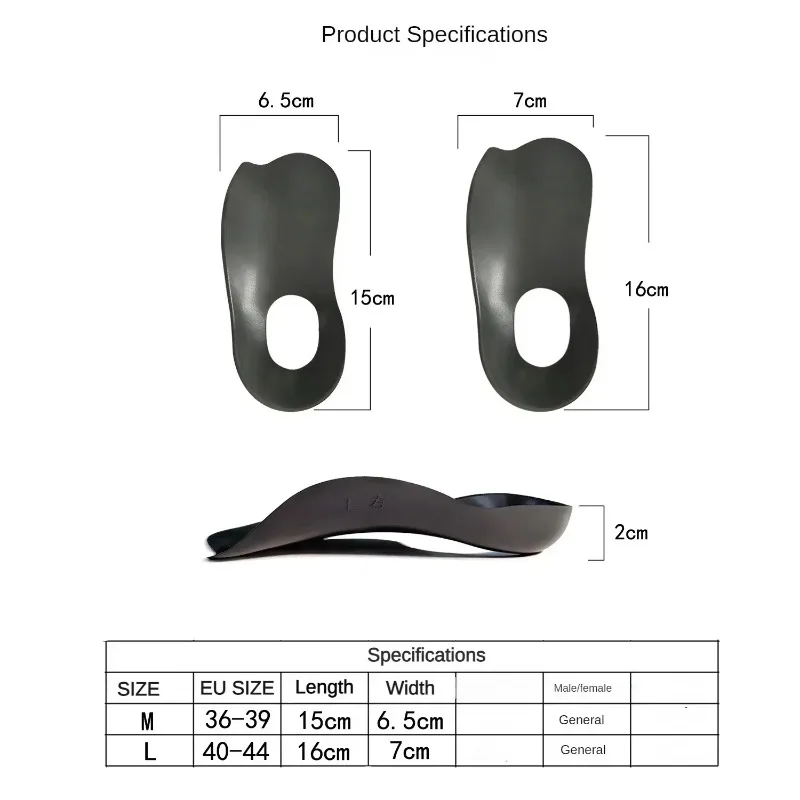
- Fits normal shoes. Two size bands (EU 35-39 and EU 40-45) drop into trainers, work shoes and boots with a removable liner.
- Cheaper than a first physio appointment. If it works, you’ve solved it. If it doesn’t, you’ve learned something for the cost of a lunch.
How to Use
Take the existing liner out of the shoe first — stacking an insole on top of one cramps the toe box and changes the fit for the worse. Trim to the outline of the original liner if needed, always cutting from the toe end, never the heel. Then break them in gradually: 2-3 hours on day one, adding an hour or two a day. Supporting an arch that has never been supported changes how the whole leg loads, and going straight to a 12-hour shift usually produces a few days of aching arches and calves. Some mild adjustment discomfort in the first week is normal; sharp pain, numbness or pain that is getting worse rather than better is not — stop and see a podiatrist. If you have diabetes, peripheral neuropathy or reduced sensation in your feet, talk to a clinician before using any insert, as you may not feel a pressure point developing.
Specifications
| Type | Orthopedic arch-support insole (pair) |
|---|---|
| Intended for | Flat feet, fallen arches, plantar fasciitis, overpronation |
| Sizes | M (EU 35-39), L (EU 40-45) |
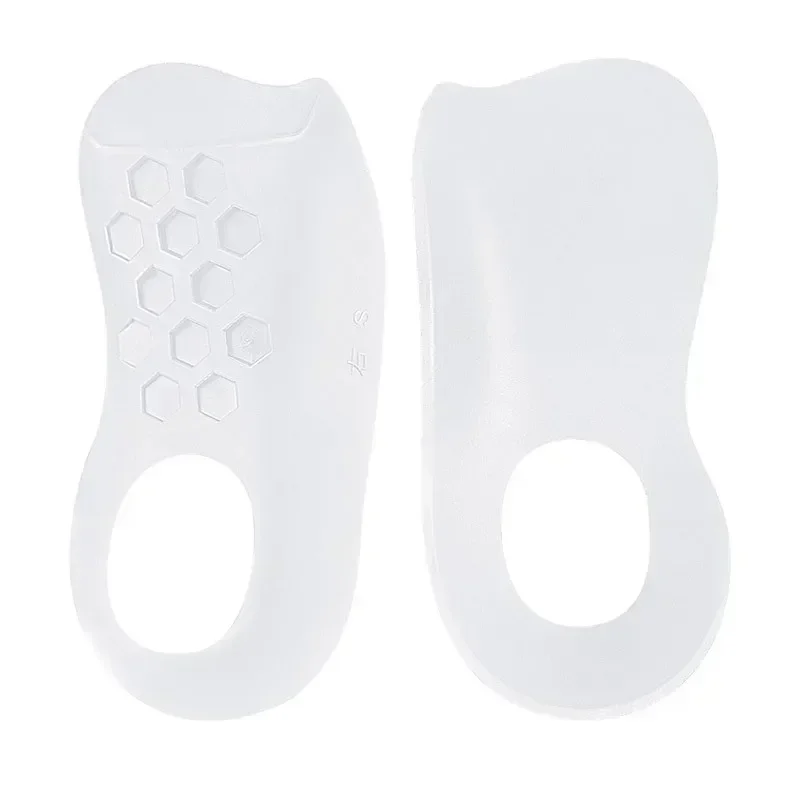
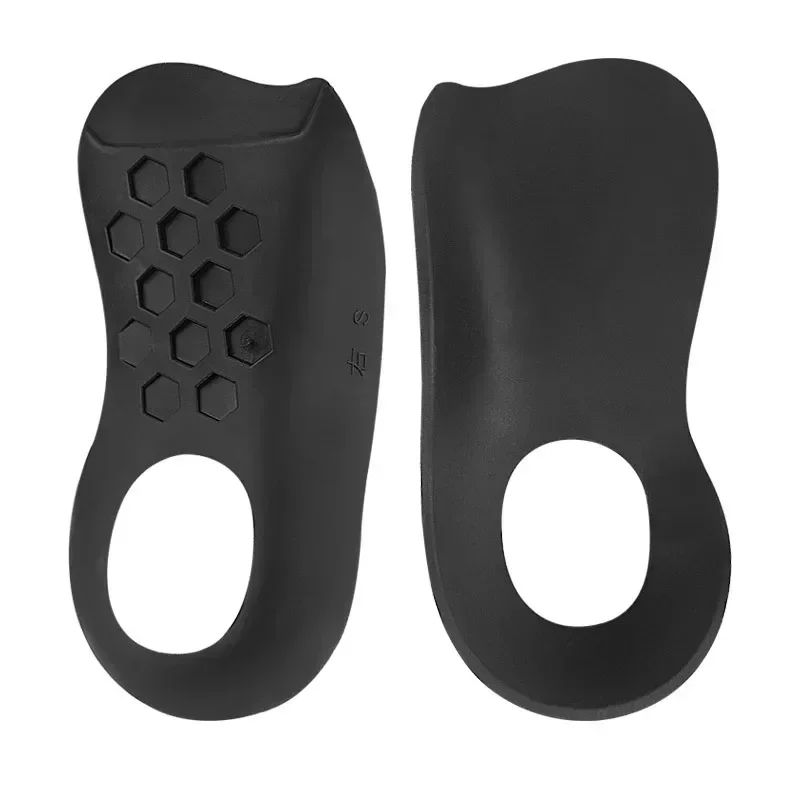
| Colour | White or black |
| Trimmable | Yes — trim from the toe end to fit |
| Suits | Trainers, work shoes, boots with removable liners |
| Sold as | One pair |
| Not a medical device | Supportive footwear insert, not a prescription orthotic |
| Best for | Long hours standing, walking, everyday wear |
Care & Maintenance
Remove them from the shoe and air them out overnight — trapped moisture is what makes any insole smell. Hand wash in cool water with mild soap, then air dry away from radiators and direct sun; heat warps the arch and the whole point is the shape. Never machine wash or tumble dry. Replace them when the arch visibly flattens or stops springing back under thumb pressure, typically every 6-12 months with daily use — a compressed insole is just a flat bit of foam.
What’s in the Box
1 x pair of orthopedic arch-support insoles in the selected size and colour.
Reviews
There are no reviews yet.