What a Brace Can and Cannot Do for a Sore Elbow
Tennis and golfer’s elbow are tendinopathies — the tendon at the elbow has been overloaded and has begun to degrade, not inflame. That distinction matters, because it means the only thing that genuinely rebuilds the tendon is graded loading over months. What a strap does is mechanically alter where force is transmitted: by compressing the muscle belly just below its attachment, it creates a secondary point of load transfer, reducing the pull on the irritated insertion at the bone. It also provides constant sensory feedback, which reliably dampens perceived pain. Both effects are real, immediate, and symptomatic. Neither is a cure, and wearing the brace instead of doing your rehab is how a six-week problem becomes a six-month one.
Key Benefits
- Redirects tendon load. Compression across the forearm just below the elbow offloads the irritated insertion point — which is why the relief is often immediate rather than gradual.
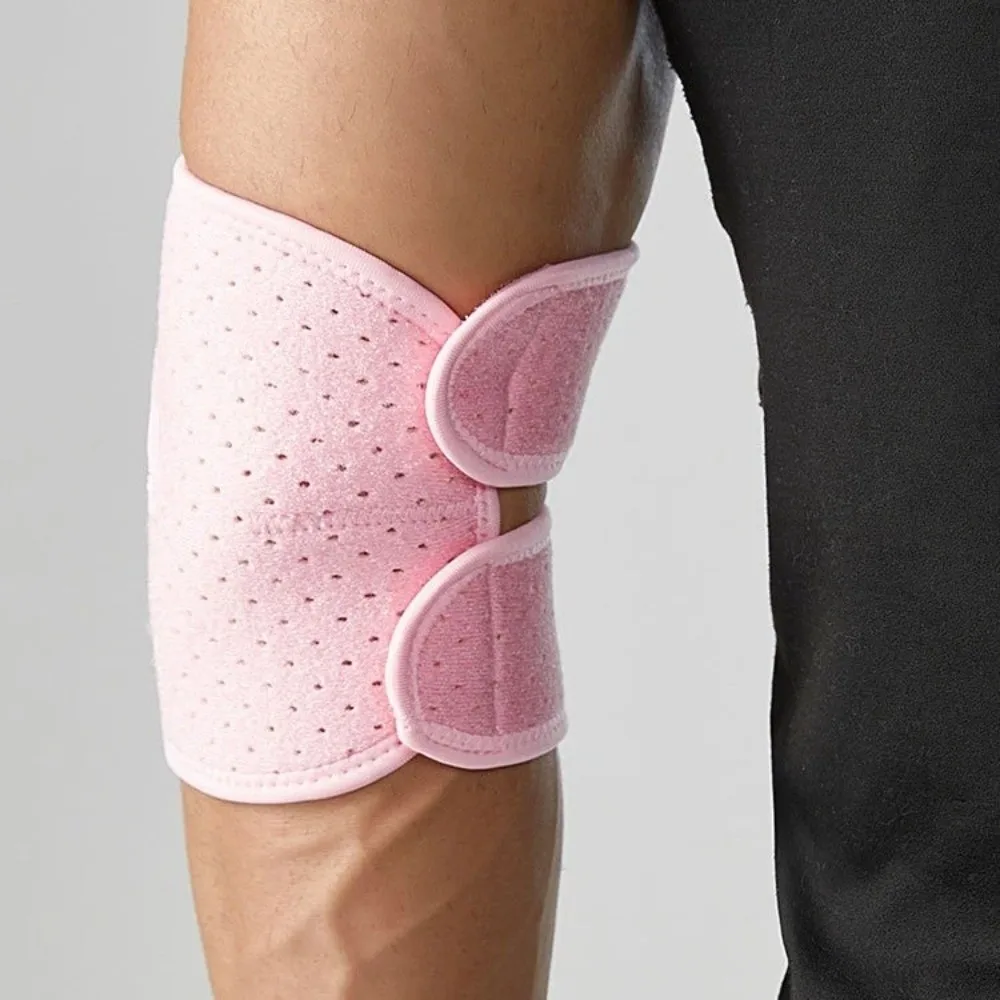
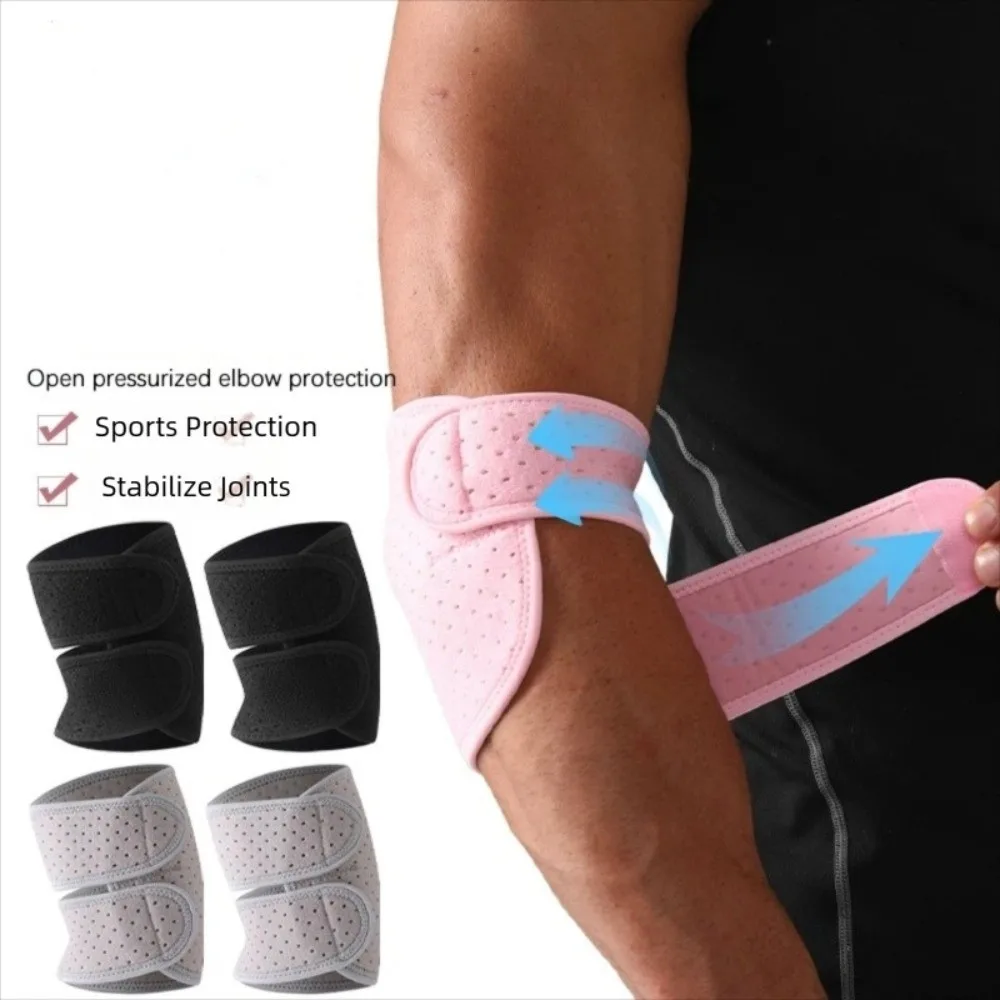
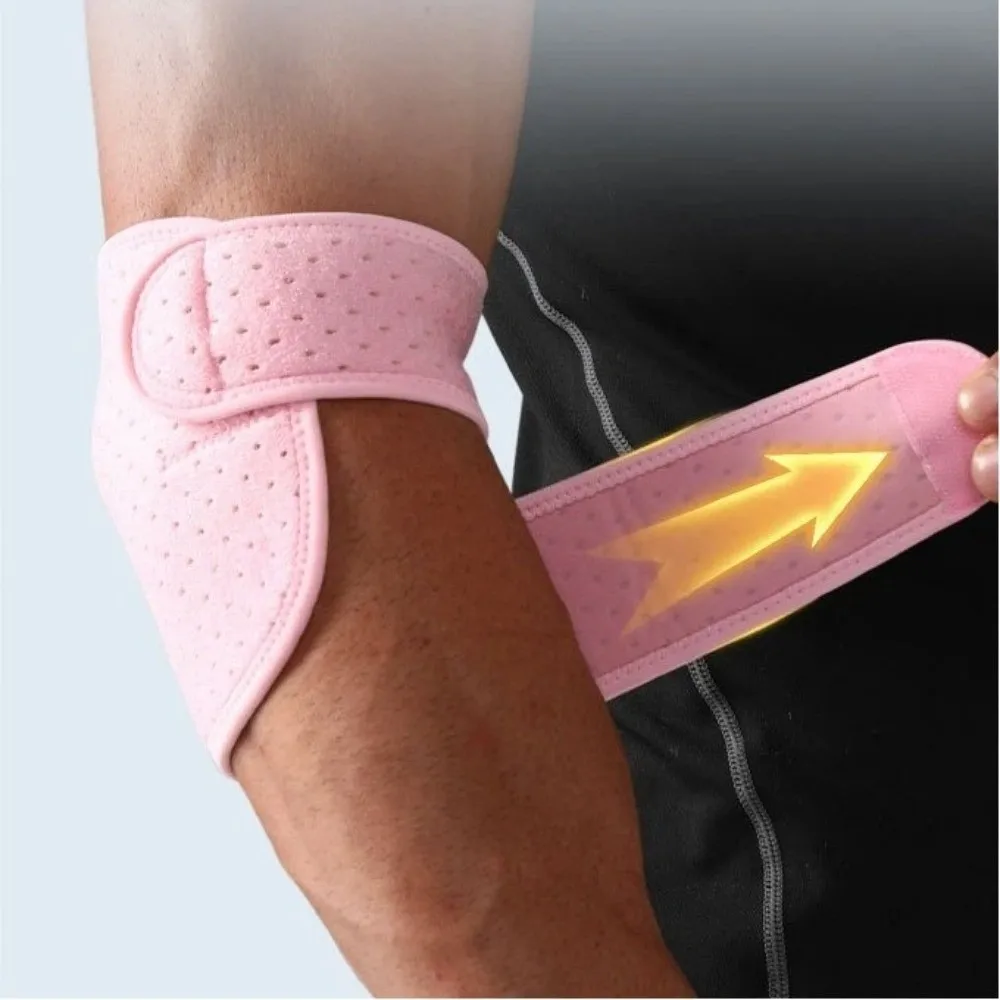
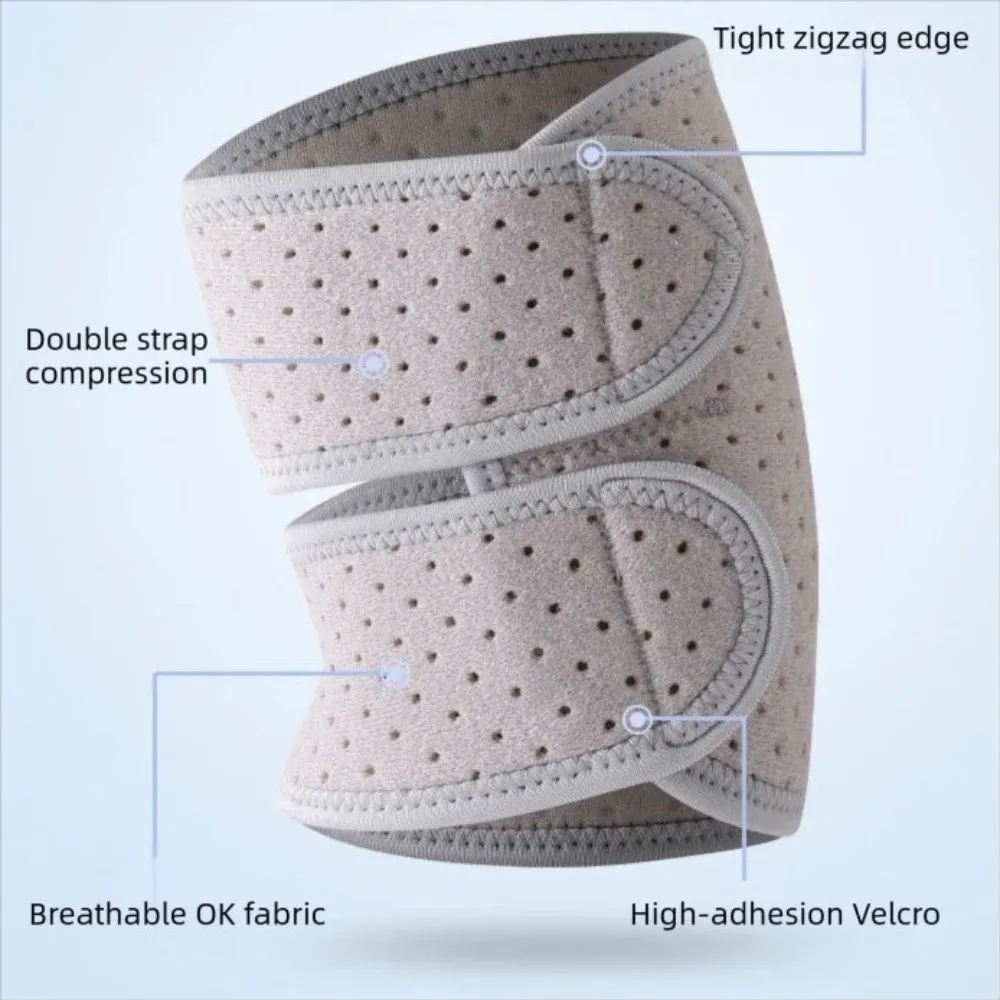
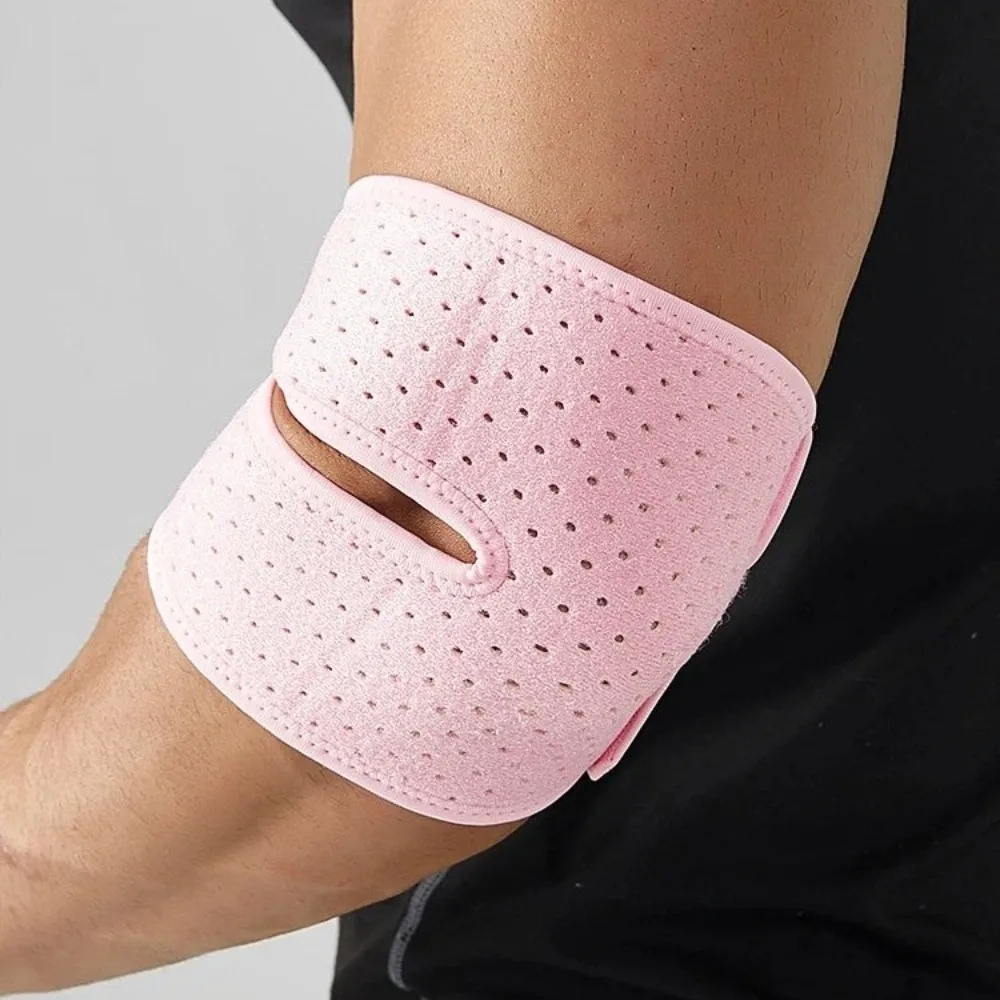
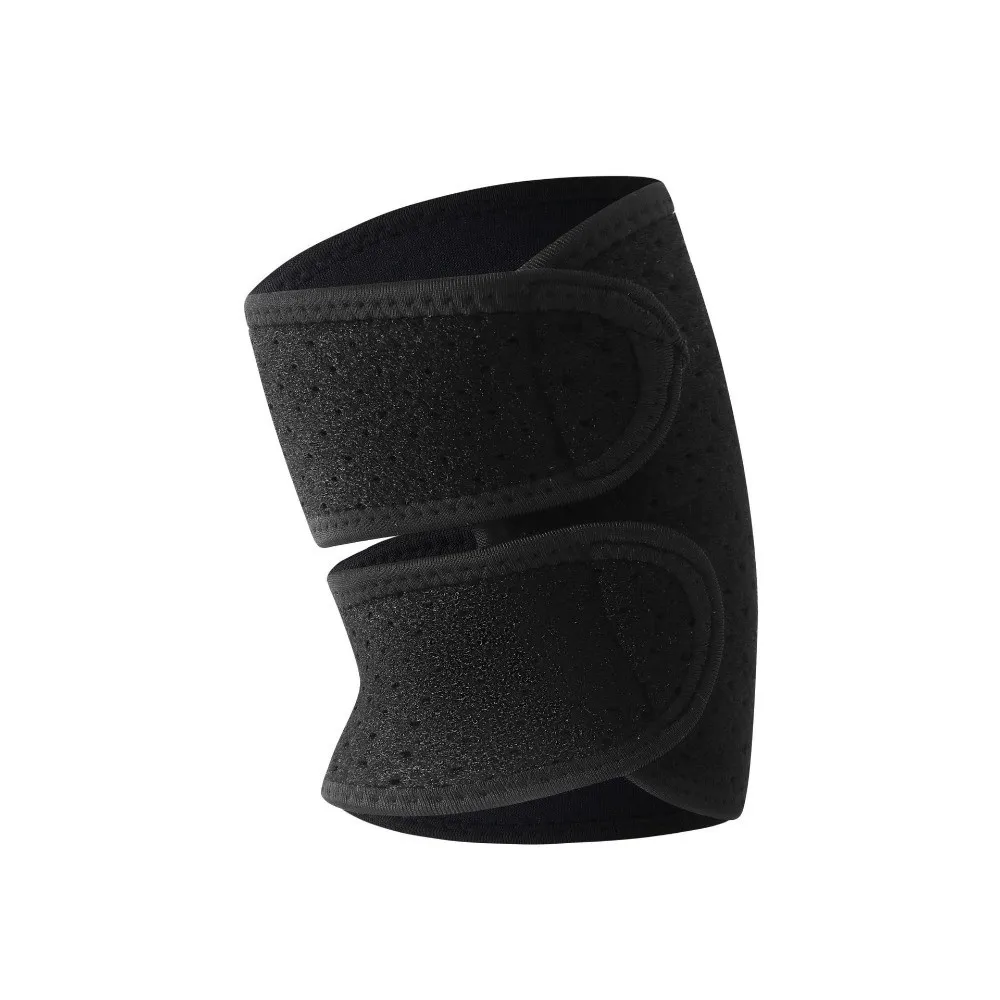
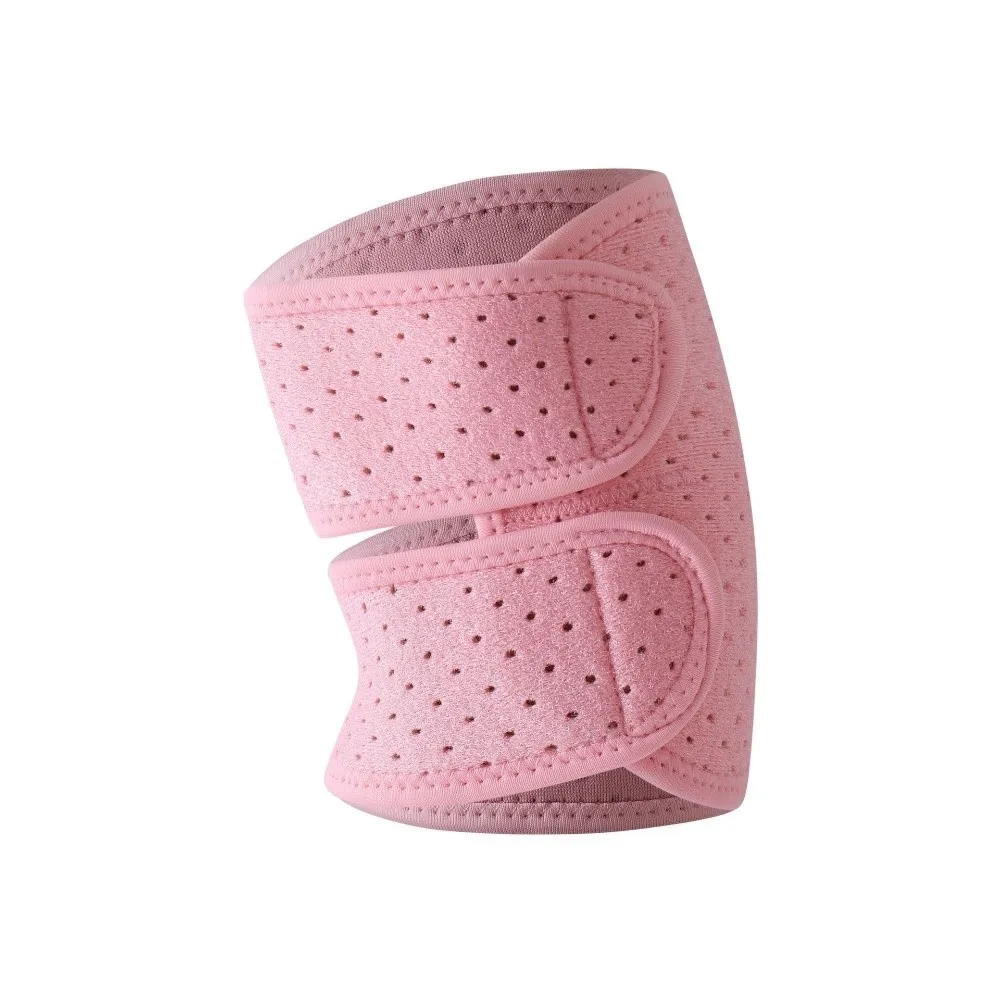
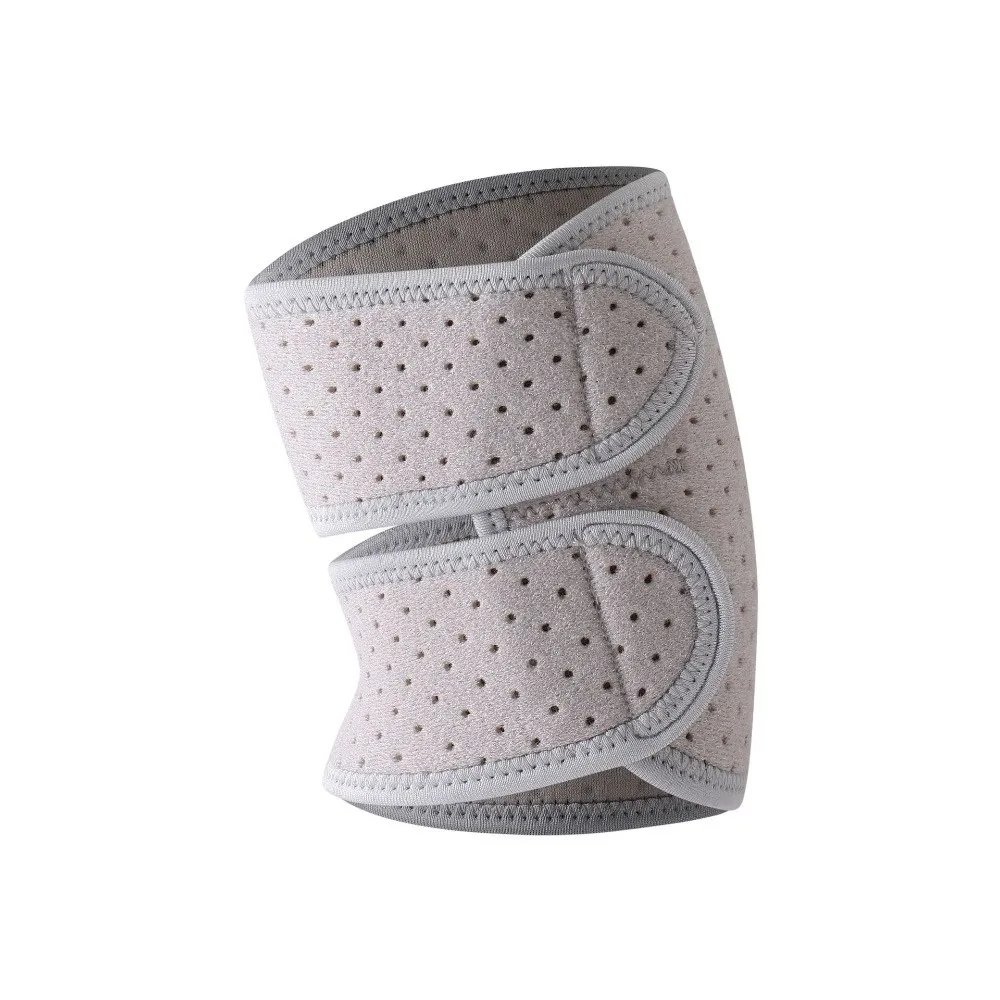
- Two straps mean genuinely adjustable pressure. Tendon pain sites vary by a few centimetres between people; independent straps let you place the compression exactly where it helps.
- Sensory feedback reduces perceived pain. Firm, constant pressure over a painful area measurably reduces how much it hurts, which is what lets you keep gripping, typing and lifting.
- Breathable fabric matters for all-day wear. A brace that becomes hot and itchy is a brace that ends up in a drawer.
- Useful across the whole cause list. Racquet sports, climbing, lifting, trades work and long hours at a keyboard all produce the same overloaded tendon.
- Explicitly not a substitute for rehab. Tendons remodel in response to load. Eccentric and isometric wrist work is the treatment; this brace is what makes doing it tolerable.
How to Use
Position the brace so the compression pad sits over the muscle belly of the forearm, roughly two to three finger-widths below the bony point of the elbow — not directly on the sore bone itself. Tighten the straps until the pressure is firm and noticeable but does not cause tingling, numbness, colour change or throbbing in the hand; if it does, it is too tight and you are compressing nerves and circulation. Wear it during aggravating activity — lifting, racquet sport, gripping, typing — rather than continuously through the day and night. Take it off periodically. And do the rehab: isometric holds and slow eccentric wrist work are what actually rebuild the tendon. See a clinician if the pain persists beyond a few weeks, wakes you at night, follows a sudden pop, or comes with numbness or weakness in the hand.
Specifications
| Type | Adjustable compression elbow brace with double strap |
|---|---|
| Adjustment | Two independent hook-and-loop straps |
| Compression | Targeted pad over the forearm muscle belly |
| Fabric | Breathable, moisture-wicking sleeve |
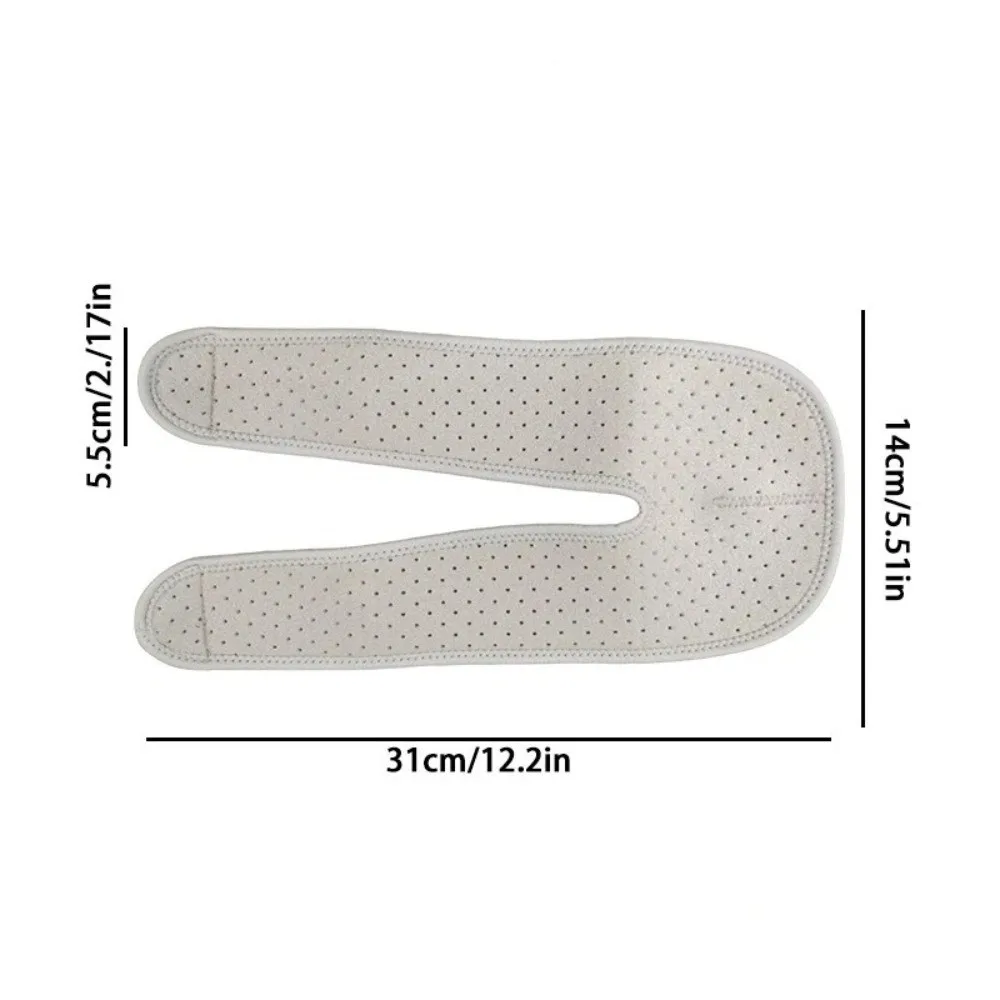
| Fit | Adjustable, one size fits most (measure forearm circumference) |
| Wear | Left or right arm |
| Best for | Tennis elbow, golfer’s elbow, gripping and lifting, trades work, keyboard use |
| Wear time | During aggravating activity — not continuously, not while sleeping |
Care & Maintenance
Hand wash in cool water with mild detergent and air dry away from direct heat; hot water and tumble dryers destroy elastic fibres and hook-and-loop fastening alike. Close the straps before washing so they do not snag the fabric. Replace the brace when the elastic no longer recoils or the straps stop holding — a brace that cannot maintain compression is doing nothing.
What’s in the Box
1 x adjustable compression elbow brace with two straps. Sold individually — order two if you need both arms.
Reviews
There are no reviews yet.