Keep the Wrist Near Neutral, Hour After Hour
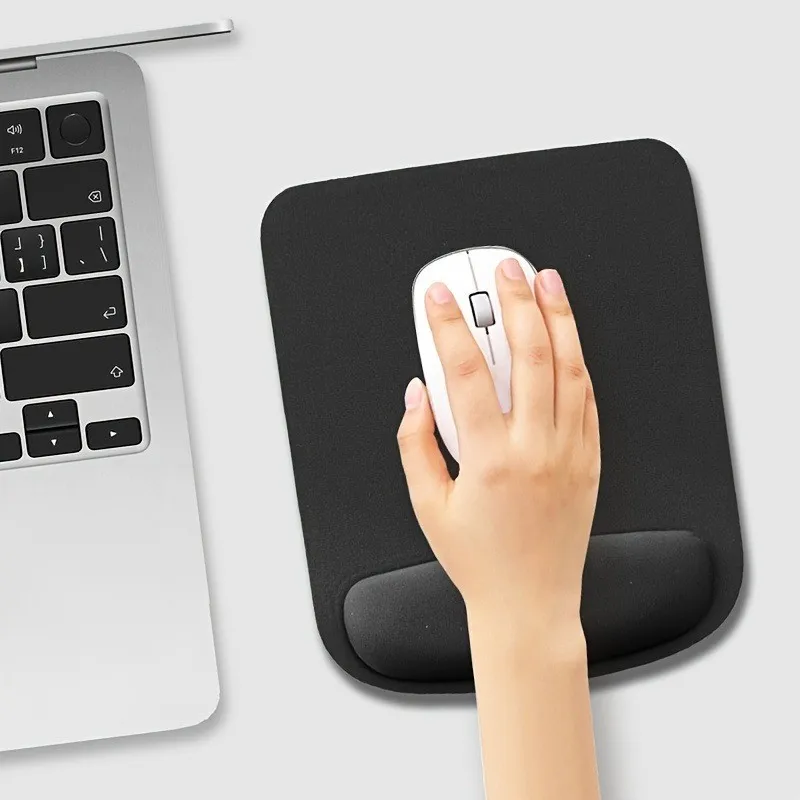
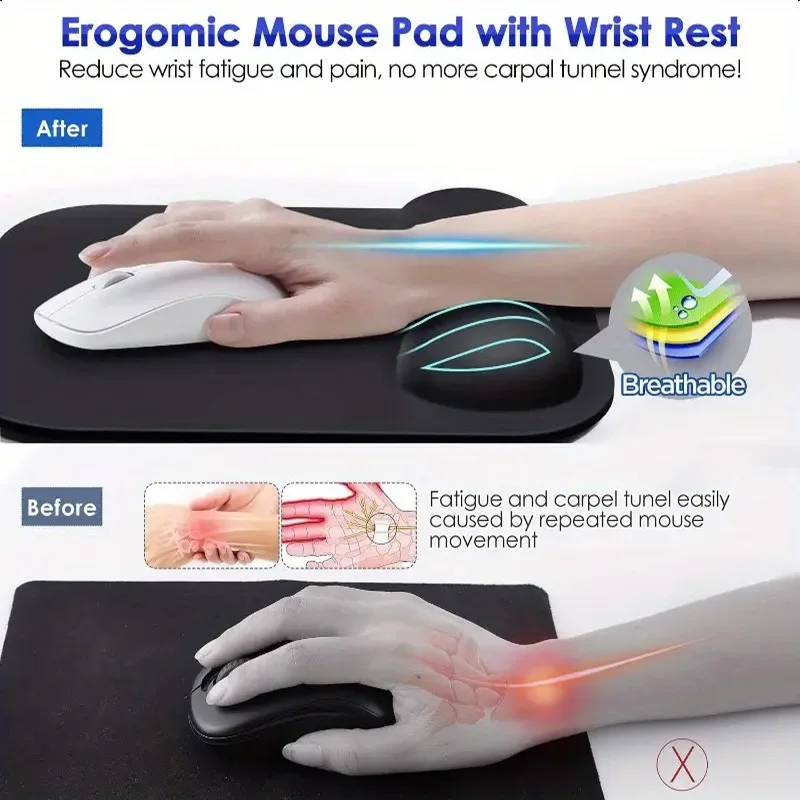
Pressure inside the carpal tunnel is lowest when the wrist is straight and rises sharply as it bends up or down. Rest a bare hand on a flat desk and the wrist sits in extension all day, with the forearm extensors holding a low-level static contraction to keep it there. A gel pad supports the heel of the hand at roughly the height of the mouse, bringing the wrist back toward neutral and giving the forearm somewhere to unload between movements. Less extension, less static holding — that is the whole mechanism, and it is a real one.
Key Benefits
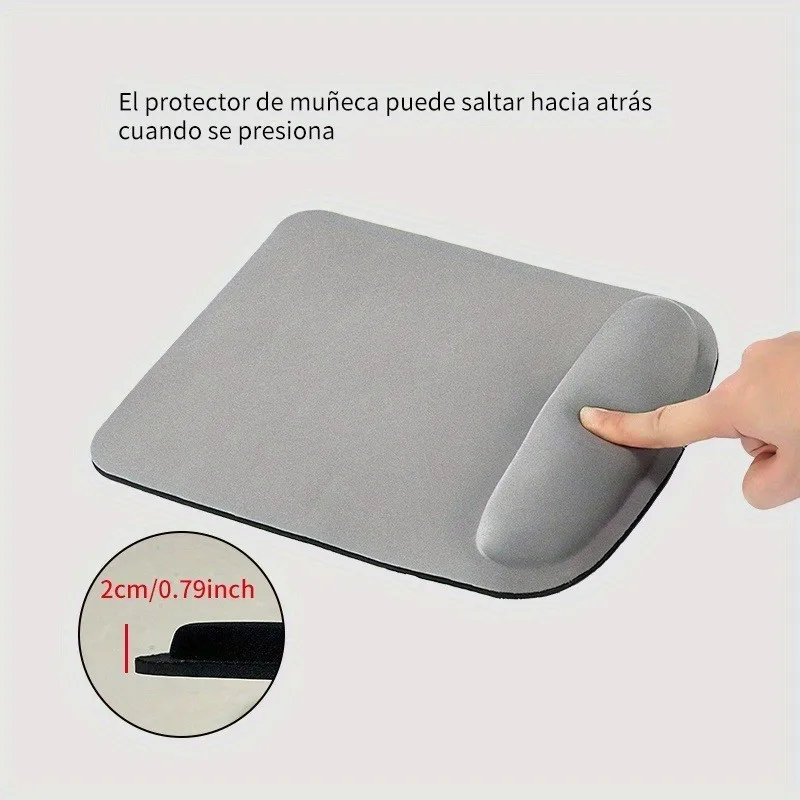
- Neutral-angle support: the gel cushion lifts the heel of the hand so the wrist approaches a straight line with the forearm, the position where carpal tunnel pressure is lowest.
- Unloads static forearm tension: with the hand supported, the extensors stop holding the wrist up against gravity, which is the low-grade ache most people notice after a long session.
- Gel, not memory foam: gel deforms under load and springs back rather than slowly compressing flat, so the support height stays consistent through the day.
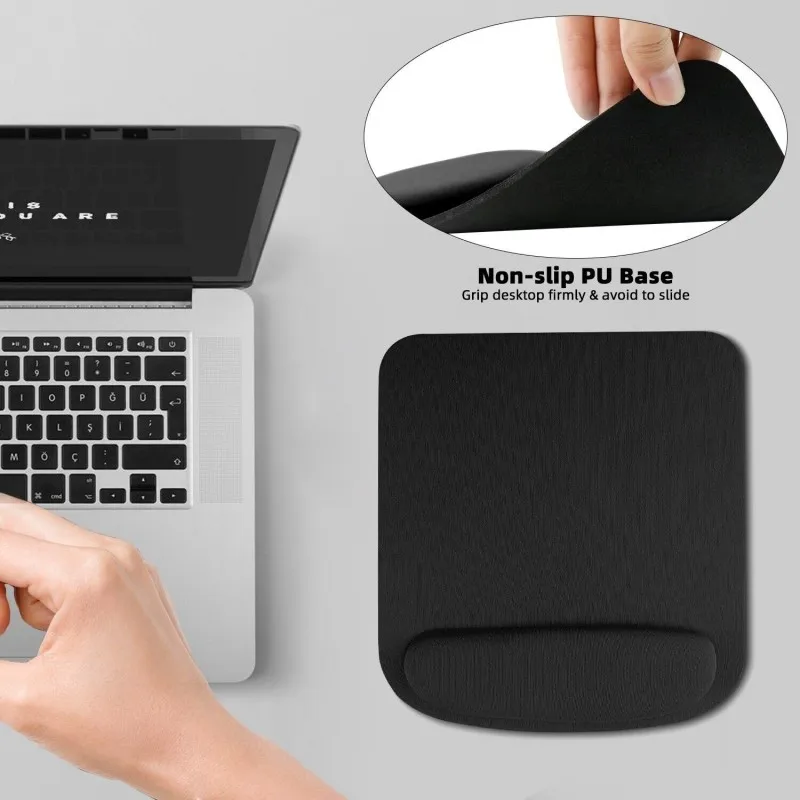
- Non-slip base: the pad stays put through fast flick-aim in games and quick drag-select in spreadsheets, so your hand position stays predictable.
- Smooth tracking surface: a consistent, low-friction cloth face suits both optical and laser sensors without the tracking dropouts you get on bare desk laminate.
- An honest limit: a wrist rest is a positioning aid, not a treatment. It does not cure carpal tunnel syndrome, tendinopathy or RSI, and no mouse pad does.
How to Use
Position the pad so the gel supports the heel of your hand, not the wrist crease itself — you want to bridge the gap under the base of the palm, not press a hard edge into the underside of the wrist where the nerve and tendons pass. The rest is a place to park the hand between movements, not a pivot to grind against: move the mouse from the elbow and shoulder for large sweeps, and let the hand float slightly rather than anchoring and twisting from a fixed wrist. Set your chair and desk so the forearm is roughly parallel to the floor with the elbow near 90 degrees; a wrist rest cannot compensate for a desk that is too high. Safety and honesty: if you have persistent numbness, tingling or night pain in the thumb, index and middle fingers, that warrants a clinician, not an accessory — get it assessed rather than working around it. Take a genuine break every 30–45 minutes; changing position regularly does more for desk-related discomfort than any single piece of equipment.
Specifications
| Product type | Mouse pad with integrated gel wrist rest |
|---|---|
| Wrist rest fill | Soft gel |
| Surface | Smooth fabric tracking surface |
| Base | Non-slip backing |
| Sensor compatibility | Optical and laser mice |
| Intended use | Office, study and gaming desk setups |
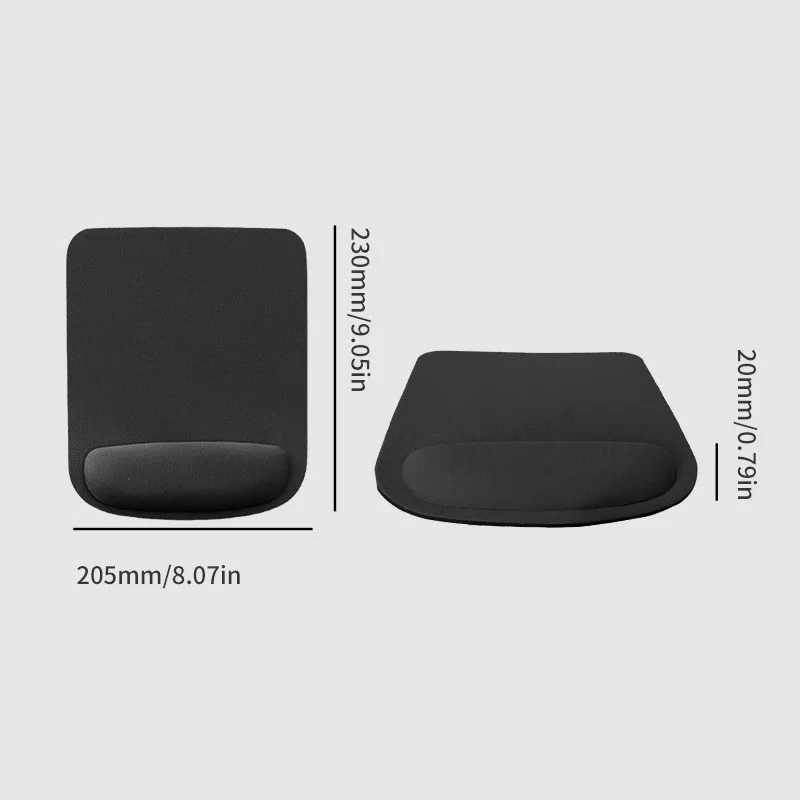
| Dimensions | Variant dependent — see listing options |
Care & Maintenance
Wipe the gel rest and surface with a damp cloth and a little mild soap, then air-dry fully before use — skin oils build up on the wrist rest faster than people expect and are the usual reason a pad starts to feel tacky. Do not machine wash, soak, iron or tumble-dry it, and keep it out of direct sunlight, which hardens gel over time. Replace the pad if the gel splits or takes a permanent dent, as an uneven rest is worse than none at all.
What’s in the Box
1 x ergonomic mouse pad with integrated gel wrist rest. No batteries, cables or software required.
Reviews
There are no reviews yet.