Why Flat Marker Discs Beat Tall Cones for Agility Work
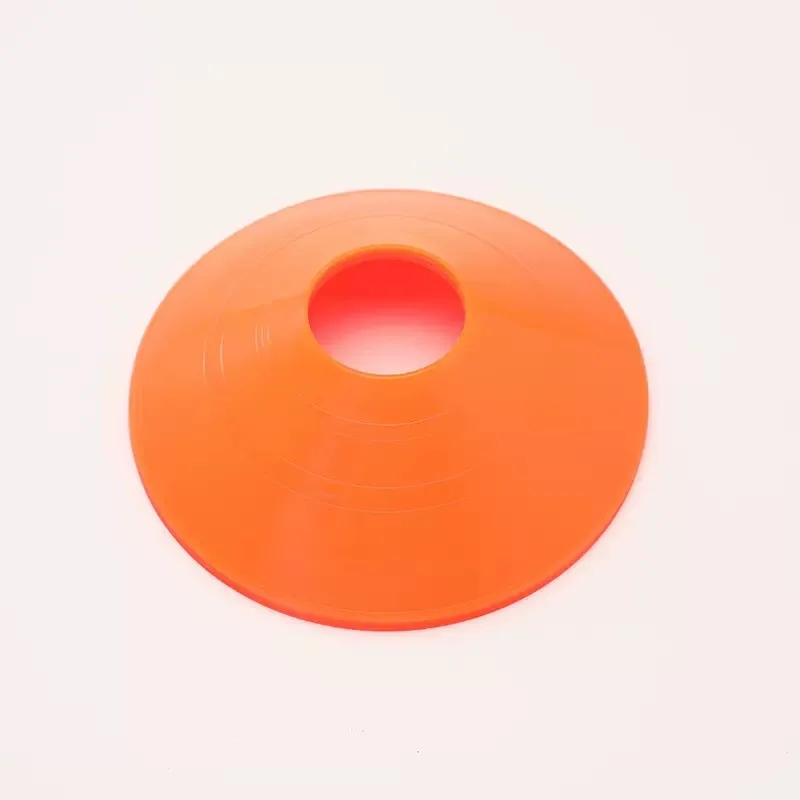
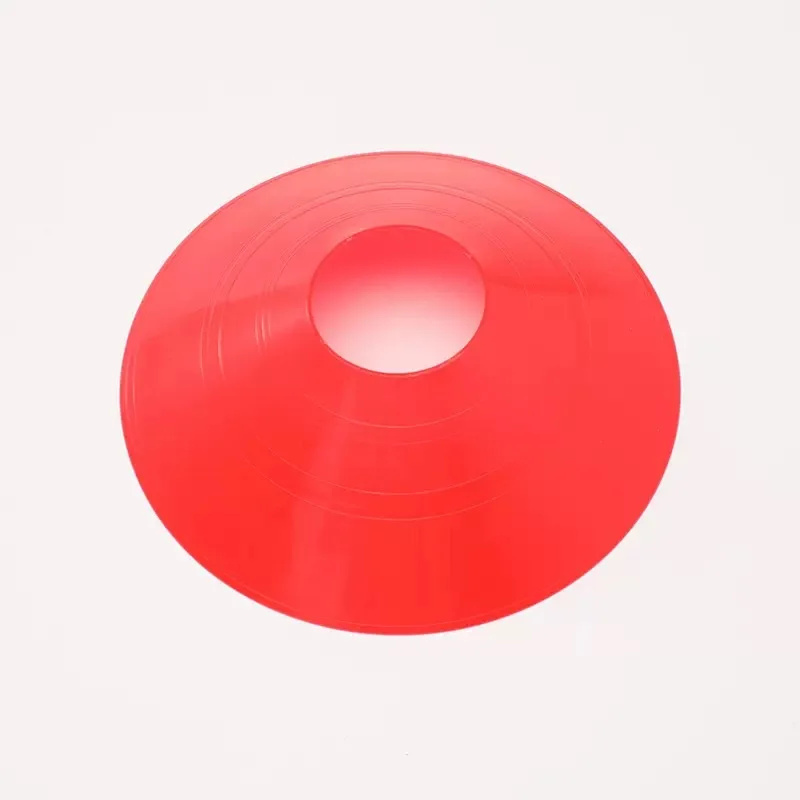
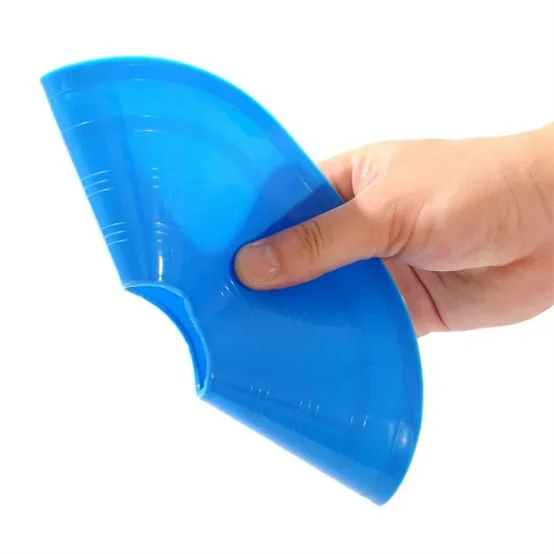
The point of a marker is to force a decision at a fixed place in space. Change-of-direction ability improves when an athlete has to decelerate, plant and reaccelerate repeatedly at defined points — the cone is simply what defines the point. Flat discs matter for a specific reason: a tall cone is a trip hazard and an ankle-roll risk the moment a player cuts hard across it, so athletes unconsciously slow down and give it a wide berth, which is precisely the opposite of what the drill is meant to train. A low-profile disc can be stepped on, sprinted over and cut against at full pace, so the drill produces real intensity rather than cautious jogging.
Key Benefits
- Low profile means full-speed cutting. Players can plant directly beside — or on top of — a flat disc without fear, so agility ladders and zig-zag drills run at genuine game intensity instead of half pace.
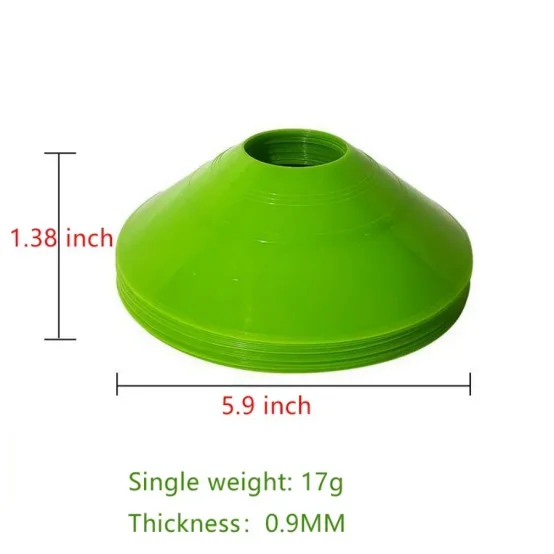
- Ten markers cover a real drill. Ten is the practical minimum for a proper session: a slalom, a grid, a rondo boundary or a shuttle course all need eight or more before they start to make sense.
- Marks pitch zones and small-sided goals. Beyond agility, discs define channels, offside lines, pressing triggers and mini-goals — the difference between a structured session and twenty-two people chasing a ball.
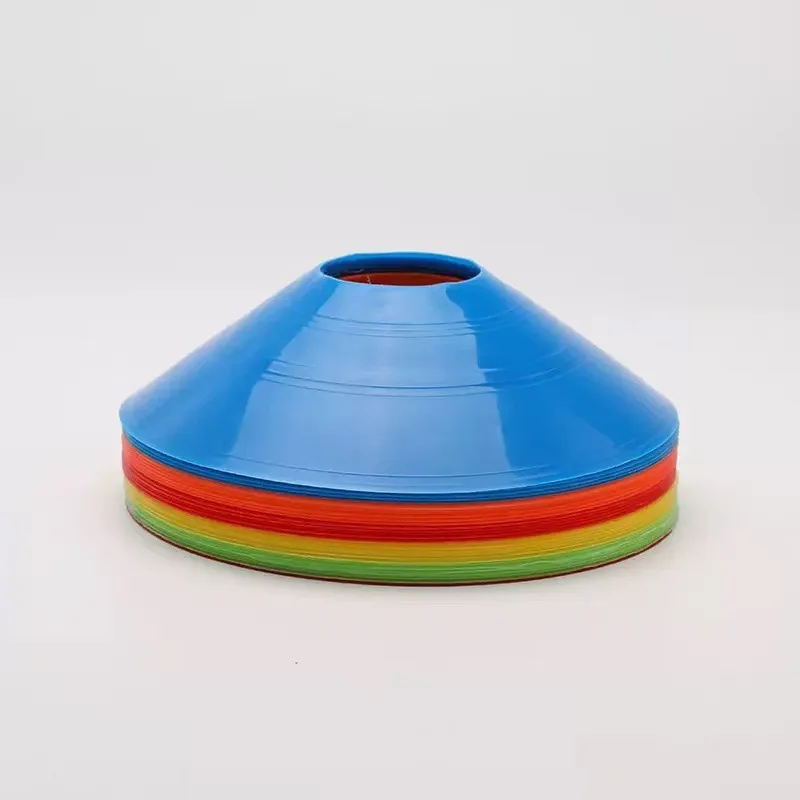
- Stack flat for transport. The whole set collapses into a stack that fits in a kit bag, which is why coaches actually bring them rather than leaving them in a shed.
- Wind-resistant on open pitches. Low, wide discs stay put in conditions that send lightweight tall cones cartwheeling across the pitch mid-drill.
- Not just for football. The same discs mark out rugby, hockey, basketball, tennis footwork, dog agility and general fitness circuits — nothing about them is sport-specific.
How to Use
For agility work, set discs 1–2 metres apart for tight footwork and 4–5 metres apart when you want genuine deceleration and reacceleration; the closer spacing trains foot speed, the wider spacing trains braking, and they are not interchangeable. Lay a slalom for dribbling, a square grid for a rondo, or two lines for shuttle runs. Place discs on the grass surface rather than pressing them into mud, where they disappear. Safety: check the playing surface is clear of stones and holes before setting up, warm up thoroughly before any high-intensity change-of-direction work — cutting drills on cold muscles are a classic route to a hamstring or groin strain — and keep the drill area well away from goalposts, fences and walls so a sprinting player has room to slow down safely.
Specifications
| Product Type | Flat agility marker discs / training cones |
|---|---|
| Quantity | 10 pieces |
| Profile | Low-profile flat disc |
| Material | Flexible moulded plastic |
| Sports | Football, rugby, hockey, basketball, general agility |
| Storage | Stackable |
| Surfaces | Grass, astroturf, indoor court, hard court |
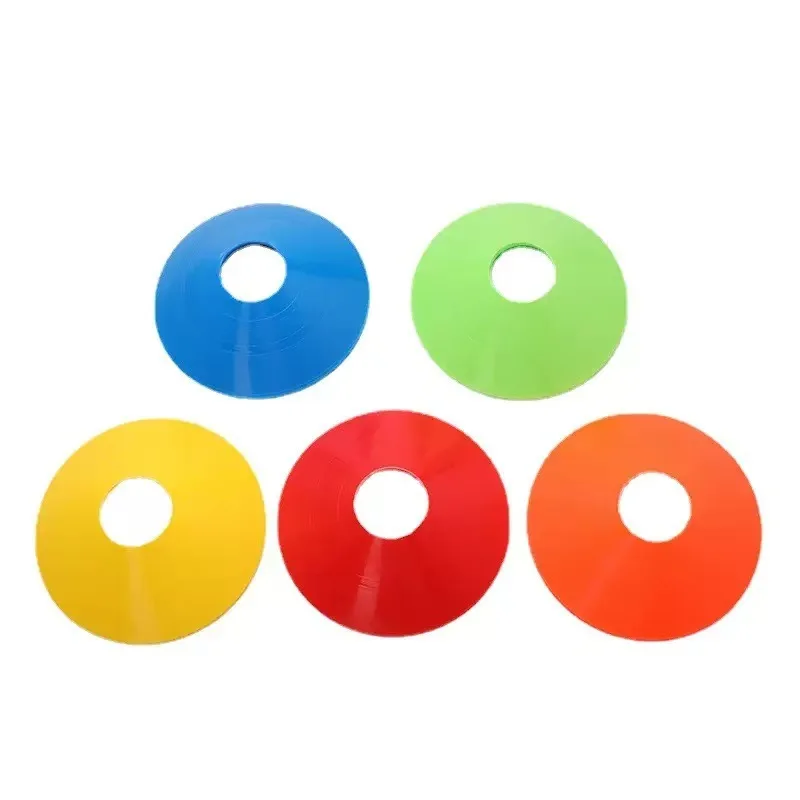
| Colour | Variant dependent |
| Age Suitability | Youth and adult training |
Care & Maintenance
Rinse mud and grass off with water after wet sessions and let them dry fully before stacking; discs put away damp and stacked will grow mildew between the layers. Store flat and out of direct sunlight, since prolonged UV makes moulded plastic brittle and prone to cracking. Do not leave them under heavy equipment, which deforms the disc shape.
What's in the Box
10 flat football training marker discs. Storage carrier and any accessories are variant dependent.

Reviews
There are no reviews yet.