Solving the One Thing That Stops People Hip Thrusting at Home
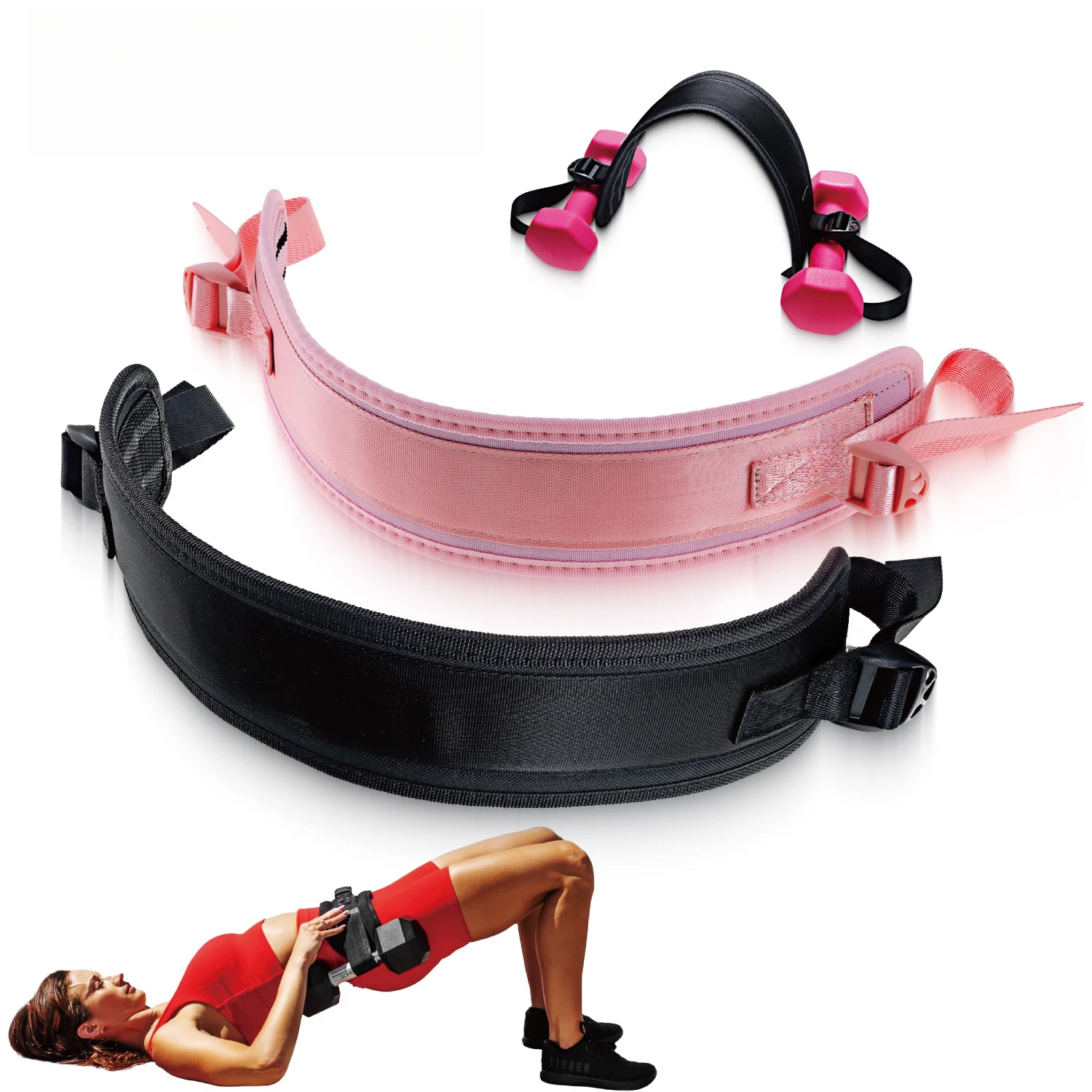
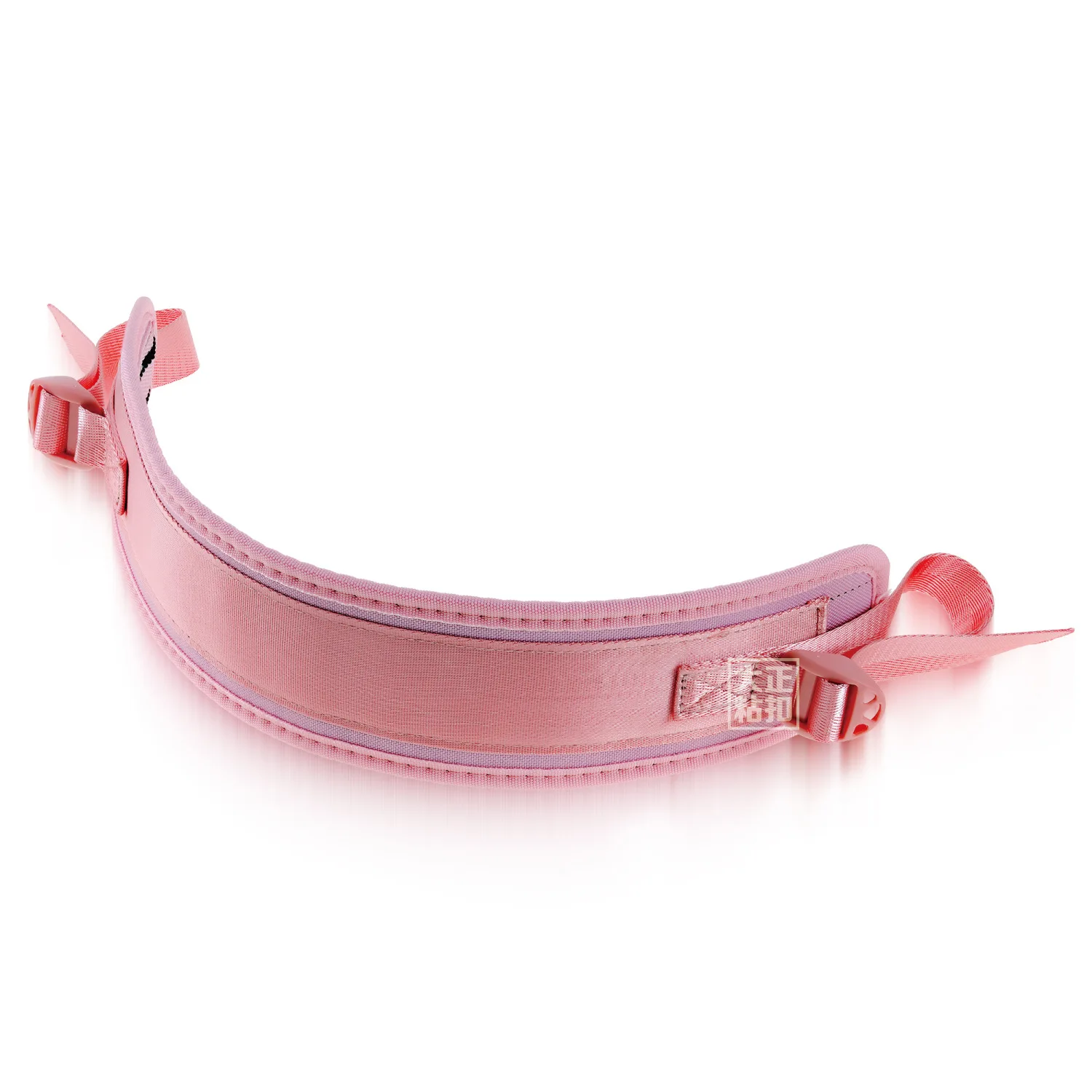
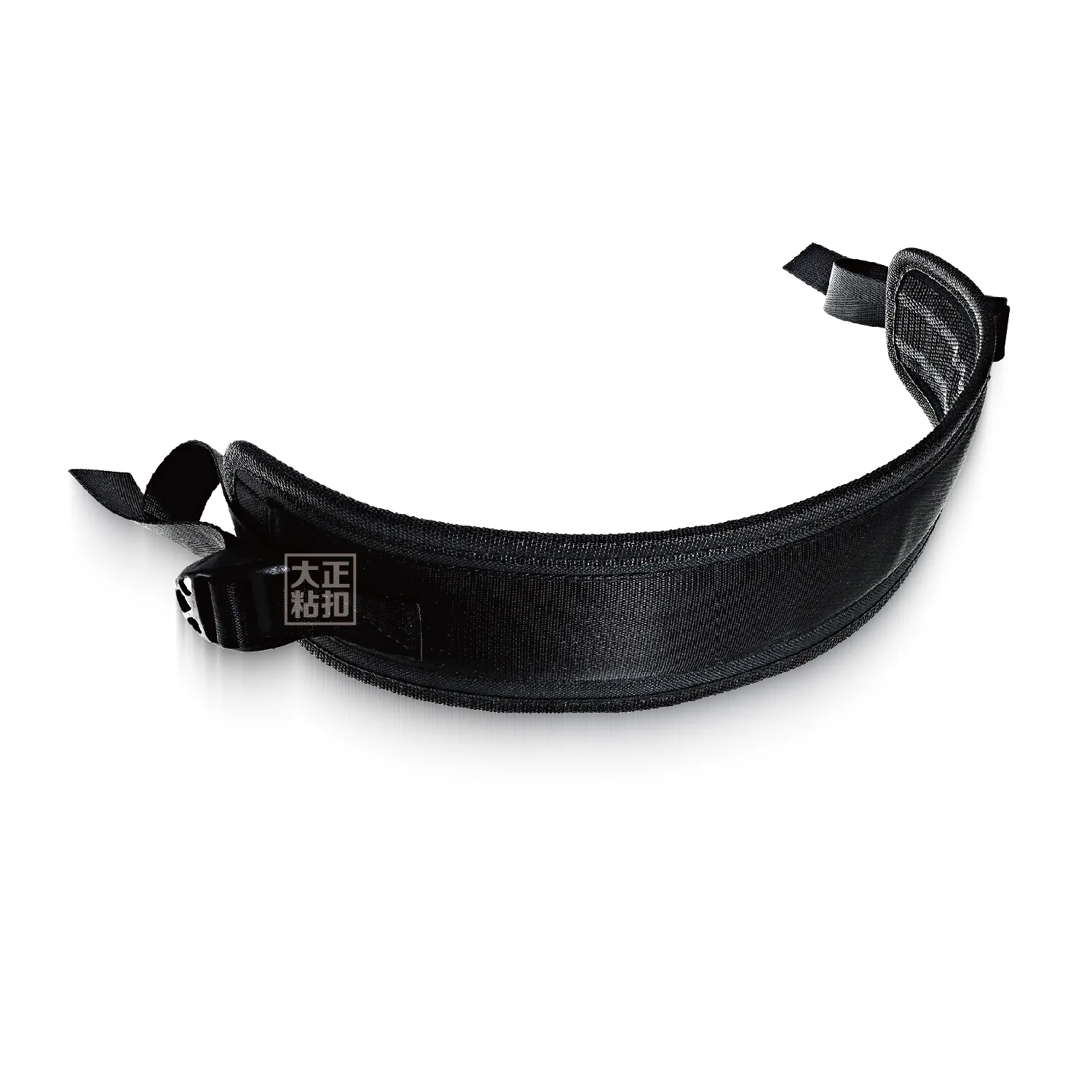
The hip thrust loads the glutes at full hip extension — the position where they produce peak force and where squats and deadlifts provide almost no tension at all. That is why it is the most direct glute-building movement available. The obstacle has never been the exercise; it has been the interface. A barbell resting on your pubic bone is genuinely painful, and most home gyms have no barbell anyway. A padded belt spreads the load across the pelvis and lets you hang dumbbells or kettlebells instead, which removes the barrier entirely.
Key Benefits
- Peak tension at full hip extension. This is the hip thrust’s whole advantage over squats: the glutes are maximally loaded at lockout, the exact joint angle where they are strongest and where most exercises stop challenging them.
- Load spread, not concentrated. The padded belt distributes weight across the pelvis rather than driving a steel bar into one bony point — which is the reason people abandon barbell hip thrusts, not lack of effort.
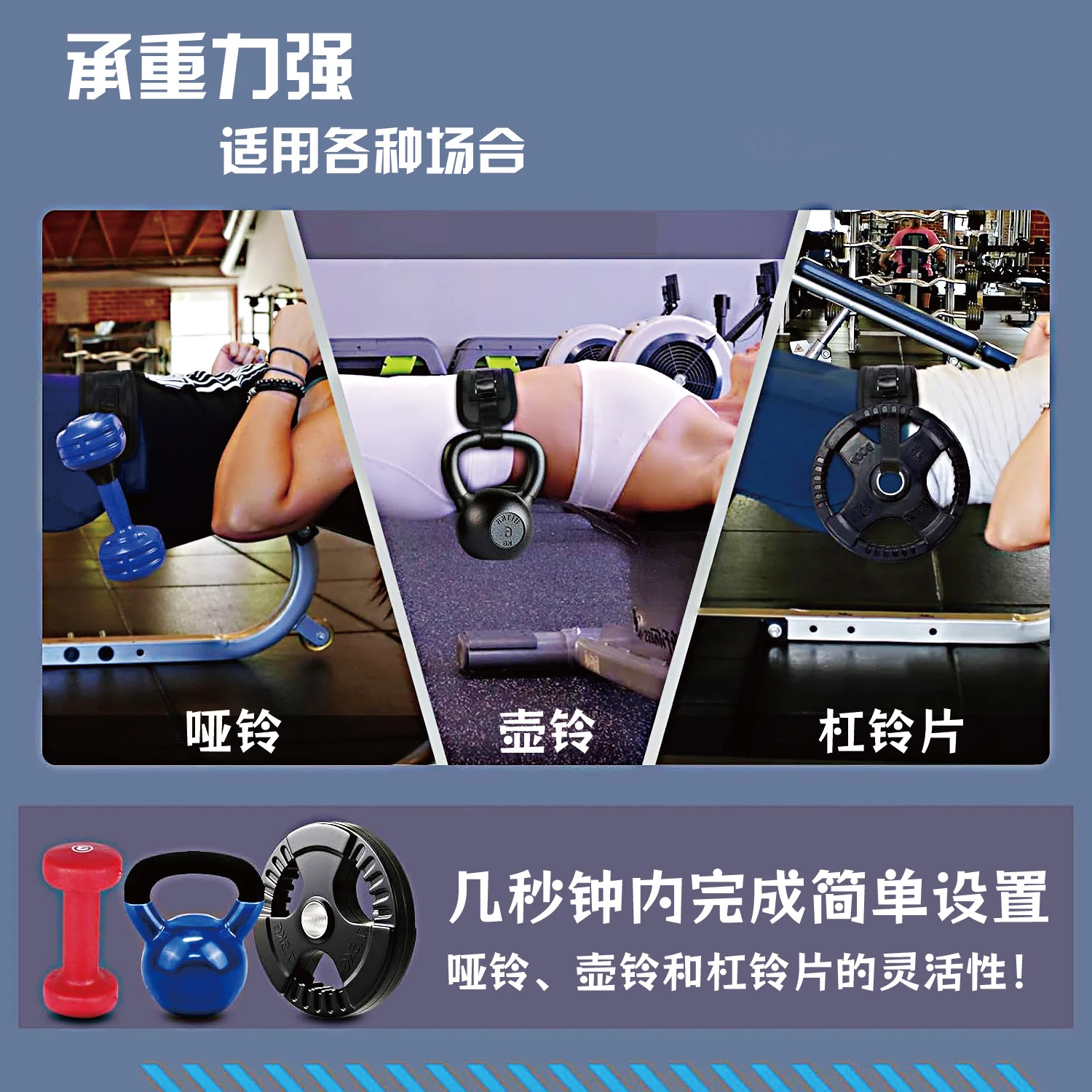
- Works with what you already own. Dumbbells, kettlebells or plates hang from the belt. No barbell, no rack, no gym membership.
- No hands, no forearm limit. Because the weight hangs from your hips rather than being held, your grip is never the limiting factor. You can load the glutes to their actual capacity.
- Transfers to real athletic output. Hip extension power is the engine behind sprinting, jumping and change of direction. Loading it directly is not cosmetic training.
- It adds no resistance by itself. Worth saying plainly: the belt is a delivery mechanism. Your glutes grow because you progressively add weight to it over weeks, not because you own it.
How to Use
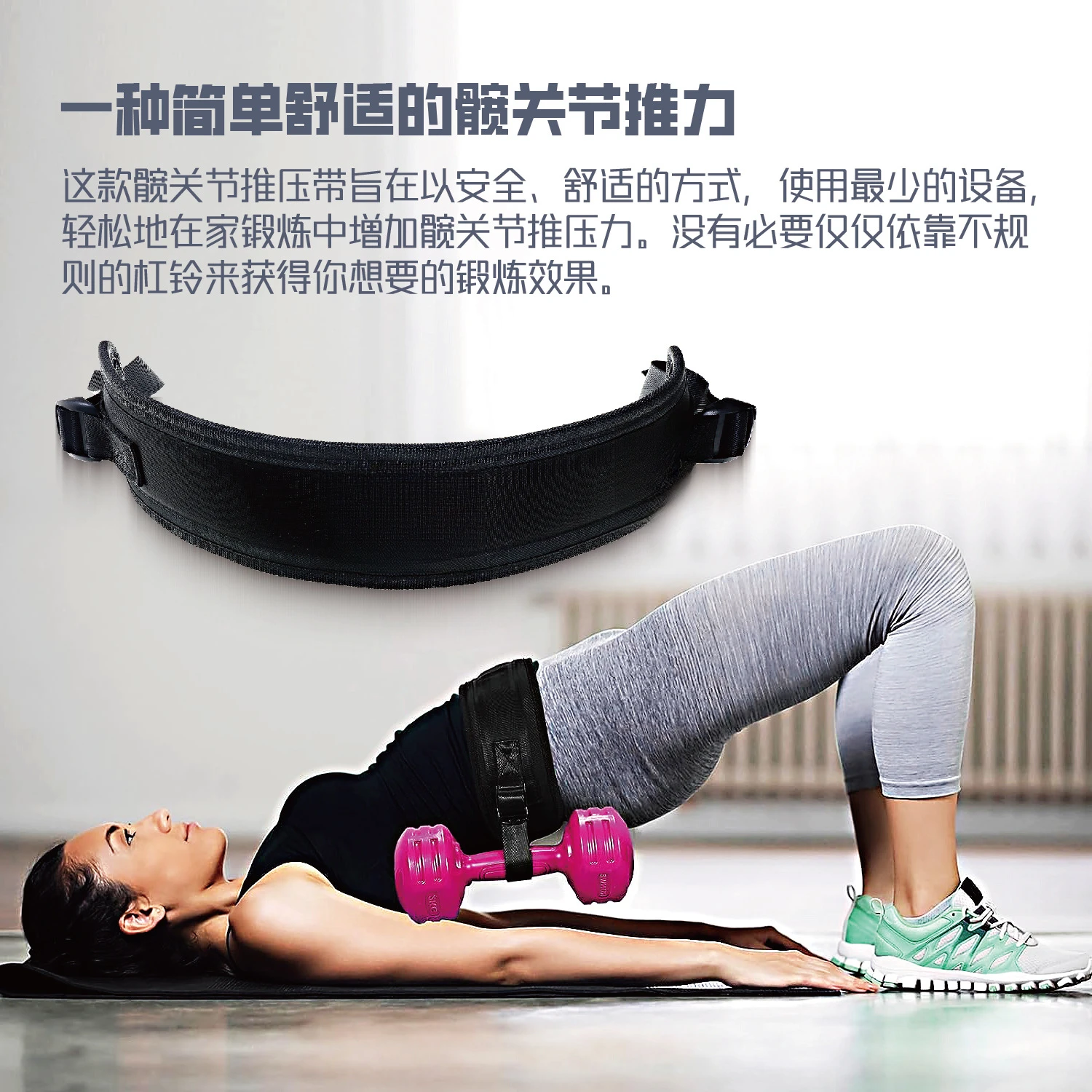
Sit on the floor with your upper back braced against a bench or sofa, knees bent, feet flat and about shoulder-width apart. Fasten the belt around your hips so the padded section sits across the front of the pelvis — over the hip bones and soft tissue, not on the abdomen — then attach your weights. Drive through your heels, extend the hips until your torso and thighs form a straight line, and squeeze hard at the top for a full second. Keep your chin tucked and ribs down; the movement is hip extension, not lower-back extension, and arching your spine to finish the rep is the most common error and the most common route to injury. Lower under control. Safety: inspect the straps, buckle and stitching before every session — a strap failing under load drops iron on your hips. Set the weights down deliberately rather than dropping them, keep your feet where you can see them clear of the plates, and stop if you feel pinching at the front of the hip.
Specifications
| Type | Padded hip thrust / glute bridge loading belt |
|---|---|
| Compatible load | Dumbbells, kettlebells, weight plates |
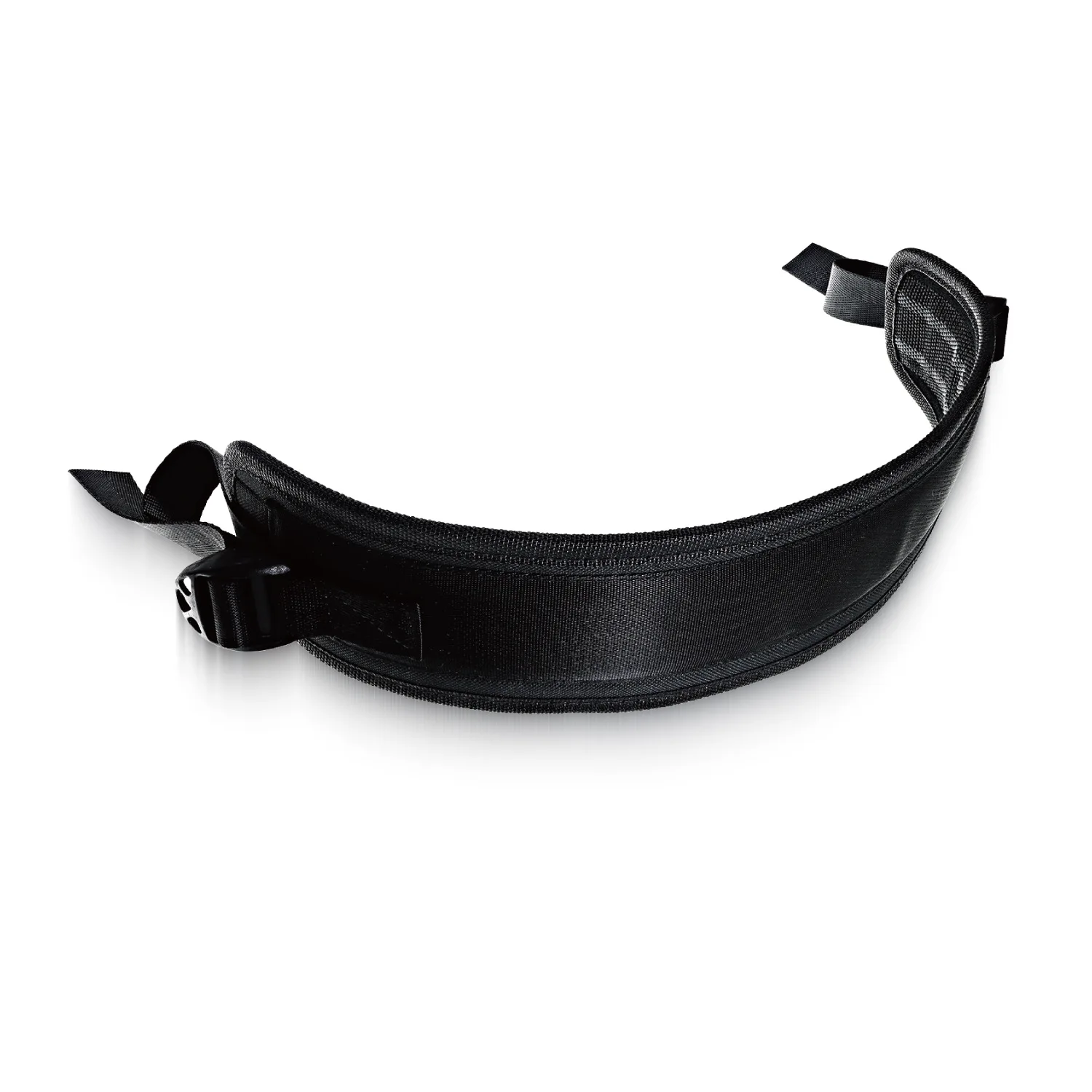
| Padding | Cushioned hip panel to distribute load |
| Closure | Adjustable strap and buckle |
| Primary movements | Hip thrust, glute bridge, and loaded hip extension variants |
| Grip requirement | None — load hangs from the belt |
| Adds resistance itself | No — the belt carries the weight you supply |
| Size / max load | Variant dependent |
Care & Maintenance
Wipe the padding and straps down after use and air-dry; sweat soaked into webbing degrades it and smells. Do not machine wash. Before every session, check the buckle, the stitching where the straps meet the pad, and the load-bearing loops for fraying or a thinning seam — this is a load-bearing item and it should be inspected like one. Retire it at the first sign of a failing seam. Store dry, out of direct sunlight.
What’s in the Box
1 × padded hip thrust belt with adjustable straps. Weights are not included.
Reviews
There are no reviews yet.