Compression Works Through Your Nervous System, Not Your Ligaments
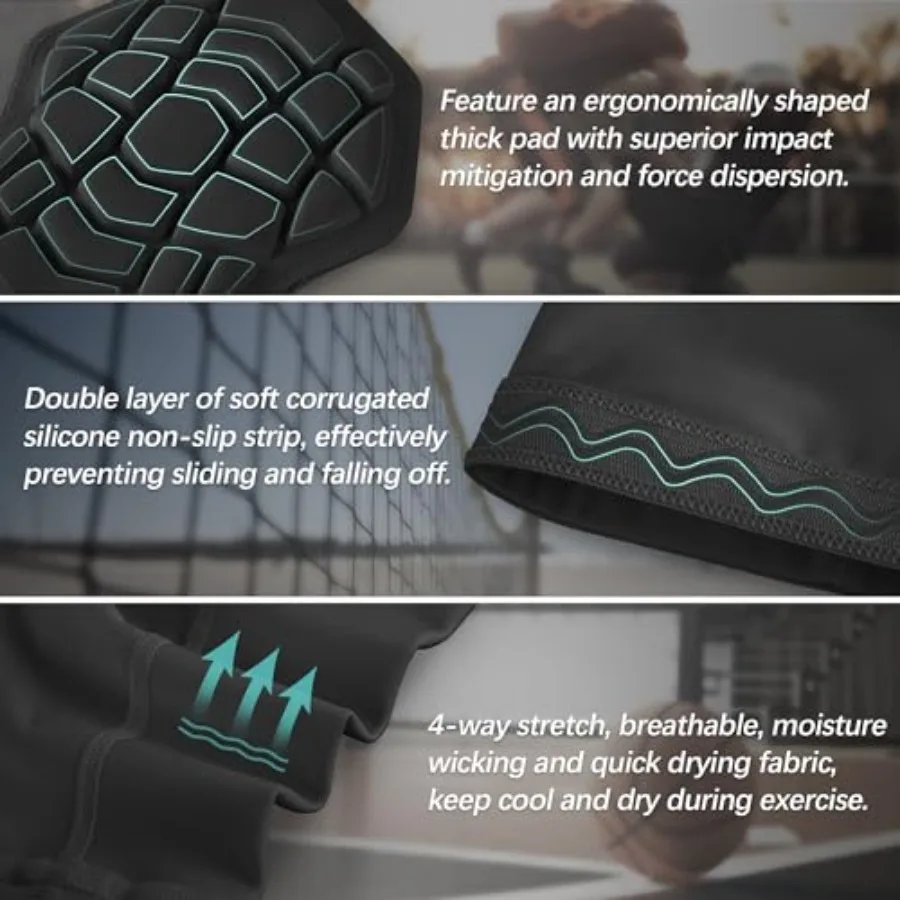
A compression sleeve does not mechanically stabilise a knee. It is elastic fabric; it cannot resist the forces that tear an ACL, and any brand implying otherwise is selling you a false sense of security. What it does do is apply uniform pressure across the joint, which stimulates the skin’s mechanoreceptors and measurably improves proprioception — your brain’s sense of where the joint is and what it is doing. Better joint awareness means better reflexive muscular control during landings and cuts. Compression also supports venous return, which helps manage the swelling and post-exercise soreness that follow hard sessions.
Key Benefits
- Improved proprioception during cutting and landing. The sleeve gives your nervous system constant feedback about knee position, sharpening the reflexive muscle control that protects the joint in volleyball landings and wrestling scrambles.
- Manages swelling and post-session soreness. Graduated pressure assists venous return, reducing fluid pooling around the joint after hard training and helping the knee feel less puffy the next morning.
- Warmth keeps the joint tissue pliable. Retained heat around the knee keeps the surrounding soft tissue warm and compliant, which is useful in cold gyms and outdoor sport.
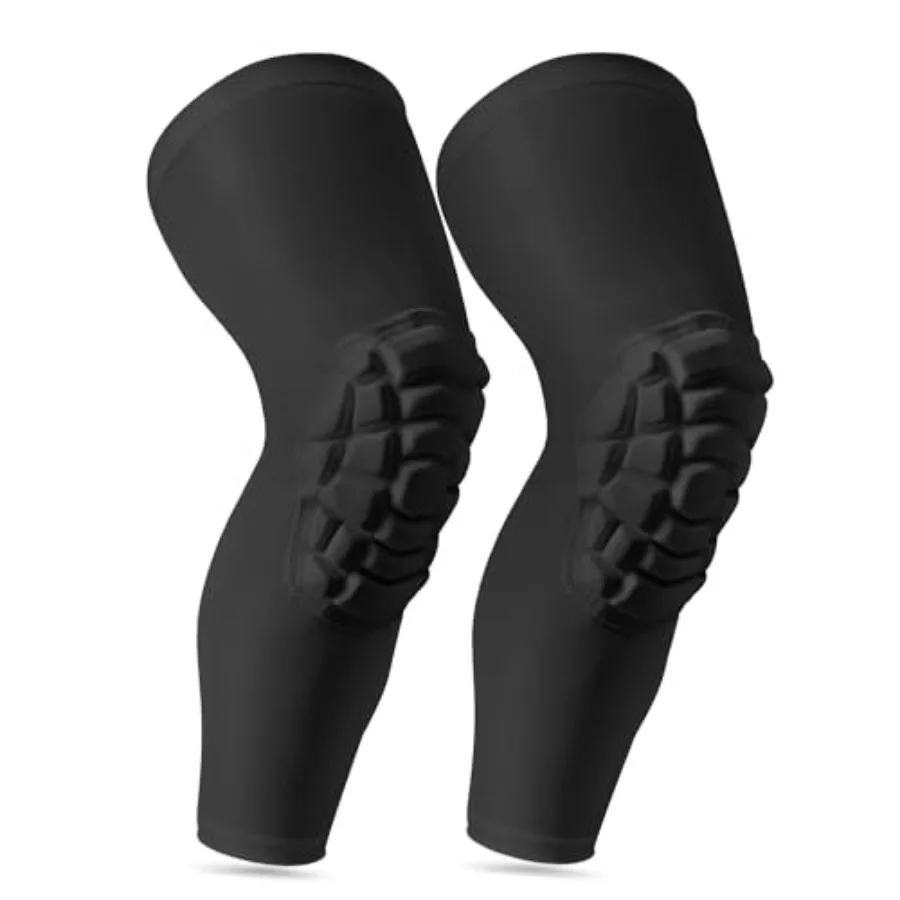
- Sold as a pair, for youth and adult. Knees come in twos, and so does this. Sizing spans youth through adult, so the whole squad is covered.
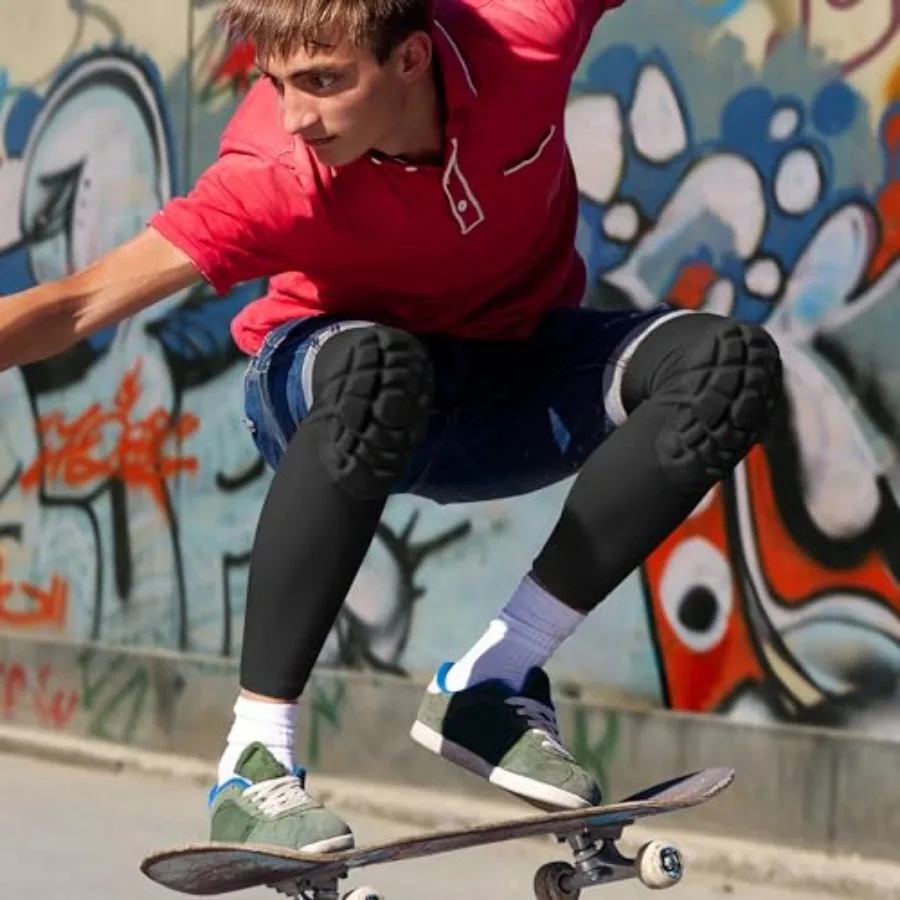
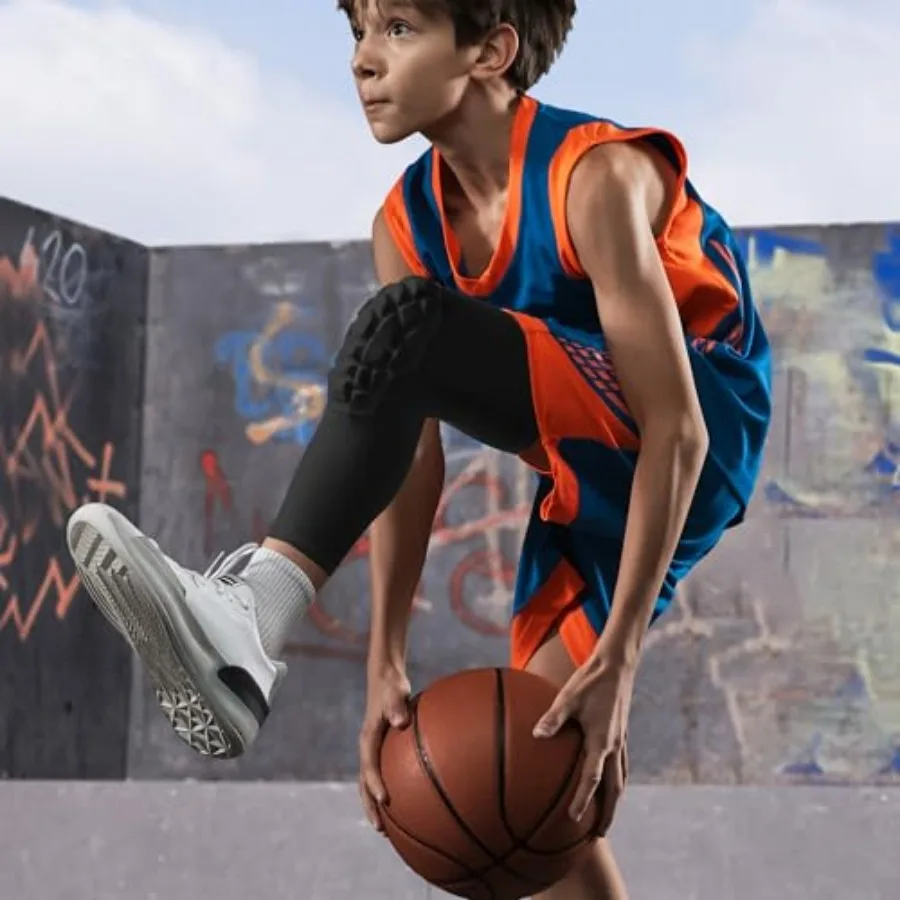
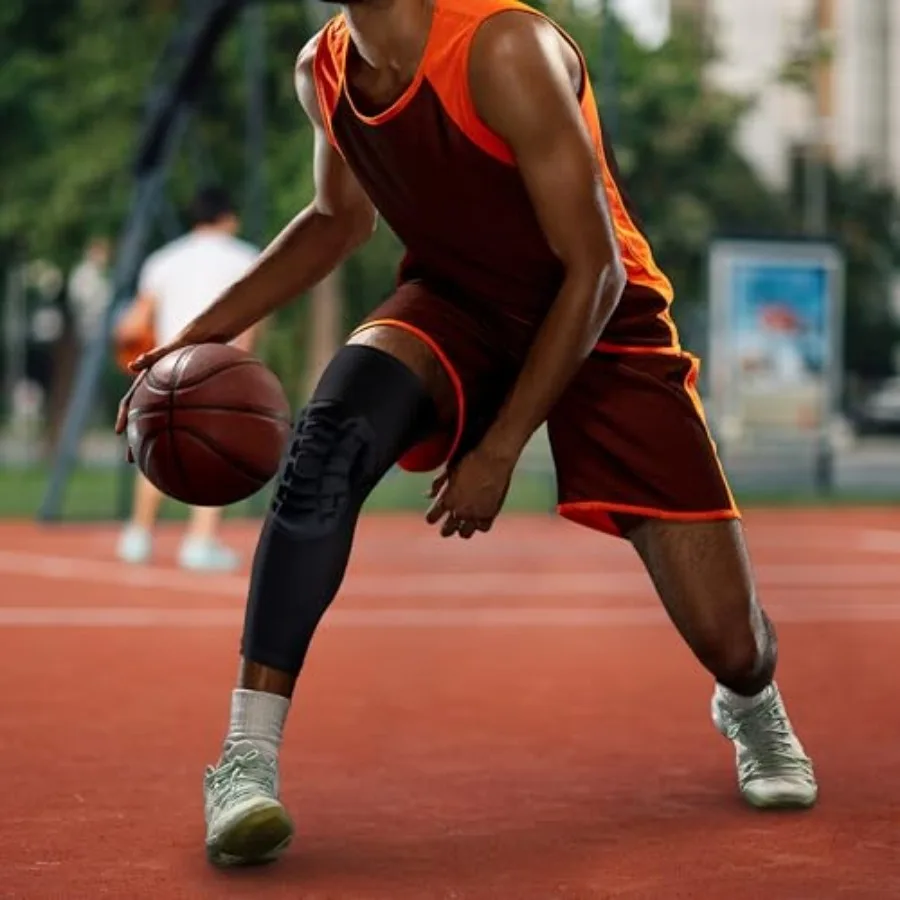
- Low-profile under kit. Fits under volleyball tights, wrestling singlets and football kit without bunching or snagging.
- Honest limit. A compression sleeve is not a brace. If you have ligament instability, a knee that gives way, locks or buckles, you need a hinged brace and a clinician — not fabric. Wearing a sleeve on an unstable knee and returning to sport is a genuinely bad idea.
How to Use
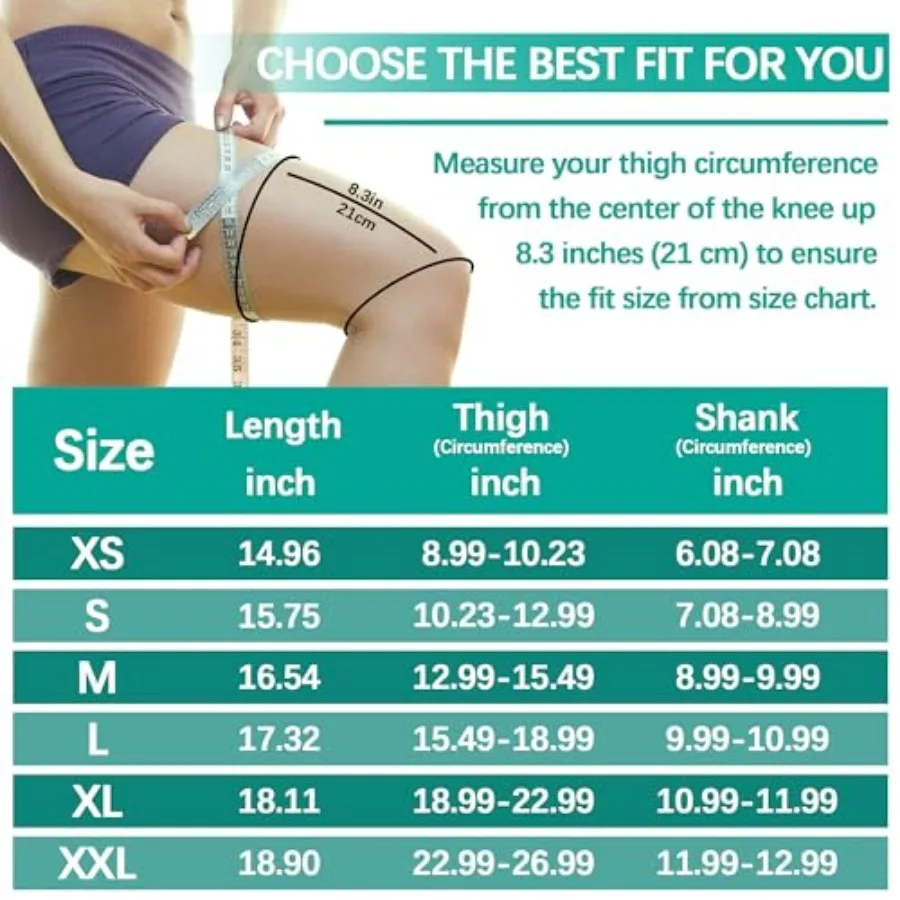
Measure your leg circumference and buy to the size chart rather than to your clothing size — a sleeve too large does nothing, and a sleeve too small acts as a tourniquet. Roll it up over the calf rather than dragging it, which tears the fabric at the heel over time. It should sit centred over the kneecap with uniform, firm pressure and no wrinkles or bunching behind the knee, where folds create pressure points. Correct compression feels supportive and warm; it should never tingle, throb, go numb, or leave your lower leg cold or discoloured. If any of that happens, take it off. Wear during training and competition, and for a period afterwards if you are managing swelling, but do not sleep in it. Remove it if the skin underneath becomes irritated or macerated.
Specifications
| Product type | Knee compression sleeves |
|---|---|
| Sold as | Pair |
| Colour | Black |
| Sizing | Youth and adult |
| Function | Compression, proprioceptive support, warmth, swelling management |
| Sports | Volleyball, wrestling, football, basketball, general training |
| Profile | Low-profile, wearable under kit |
| Material and exact sizing | Variant dependent — see product options |
Care & Maintenance
Hand wash in cool water with mild detergent and air dry. Machine washing on a hot cycle and tumble drying will destroy the elastane, and a sleeve that has lost its stretch has lost every one of its benefits — it becomes a decorative tube. Never use bleach or fabric softener; softener coats the fibres and reduces both breathability and grip. Wash after every use: sweat degrades elastic fibres and creates a bacterial environment against your skin. Dry fully before the next wear, and rotate between pairs if you train daily. Replace when the sleeve slides down during activity, which is the clearest signal the elastic is finished.
What’s in the Box
1 x pair of knee compression sleeves in your selected size and colour.
Reviews
There are no reviews yet.