Control Beats Power in Padel
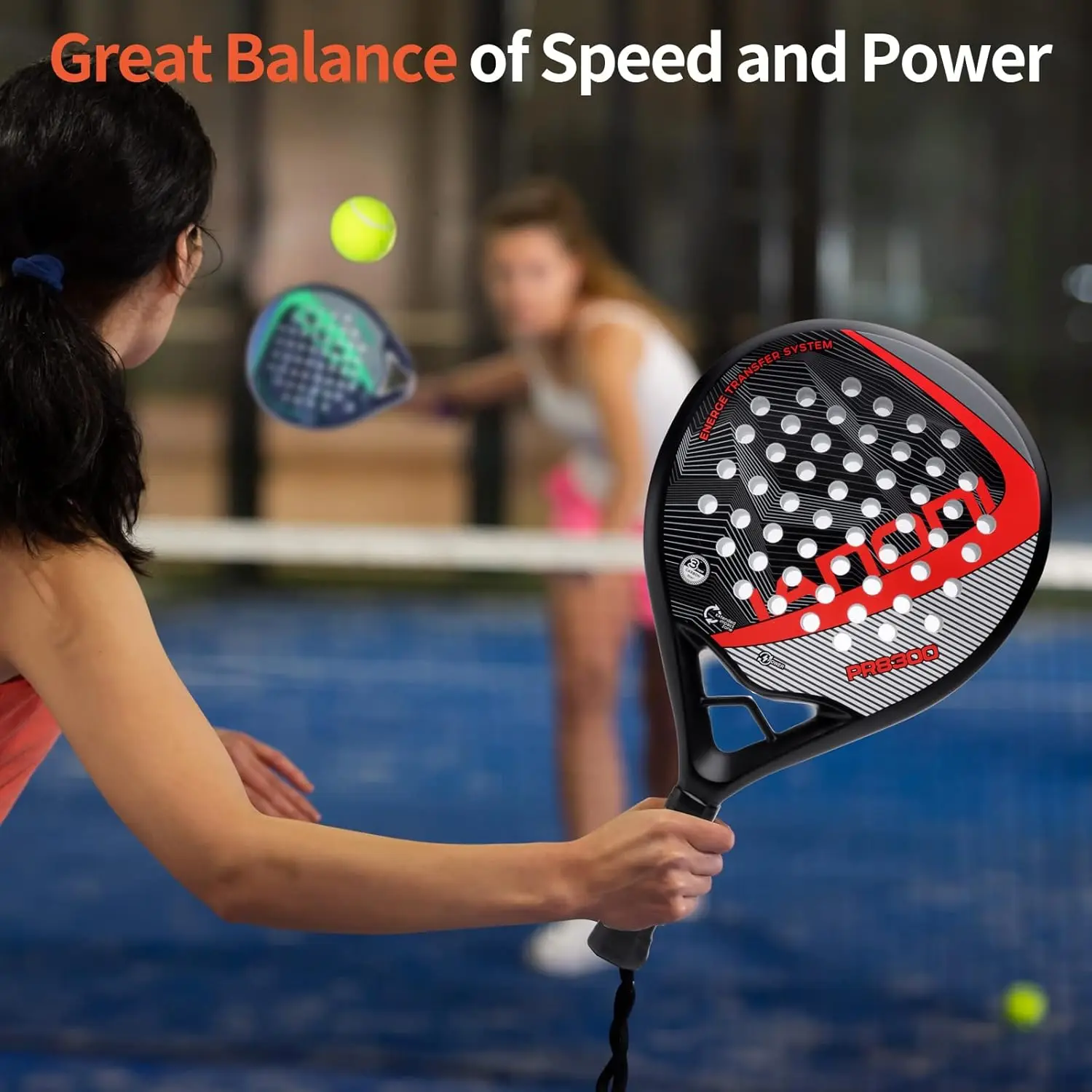
Padel is not tennis with walls. The court is small, the ball comes back off the glass, and points are won by placement and patience rather than by hitting through your opponent. That’s why a lighter, control-oriented racket suits most club players better than a heavy power head — you’ll play more balls, react faster at the net, and your elbow will thank you after two hours.
Key Benefits
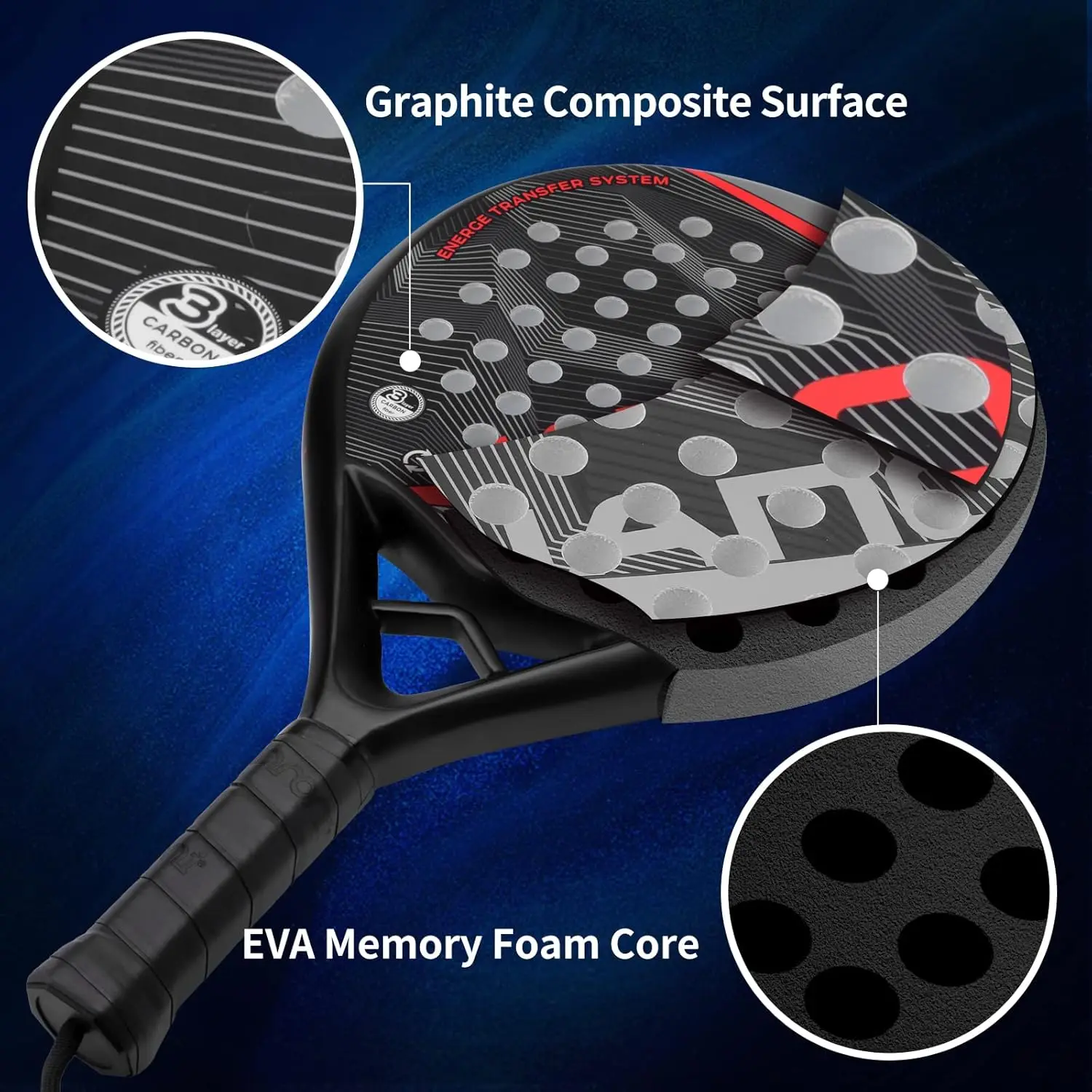
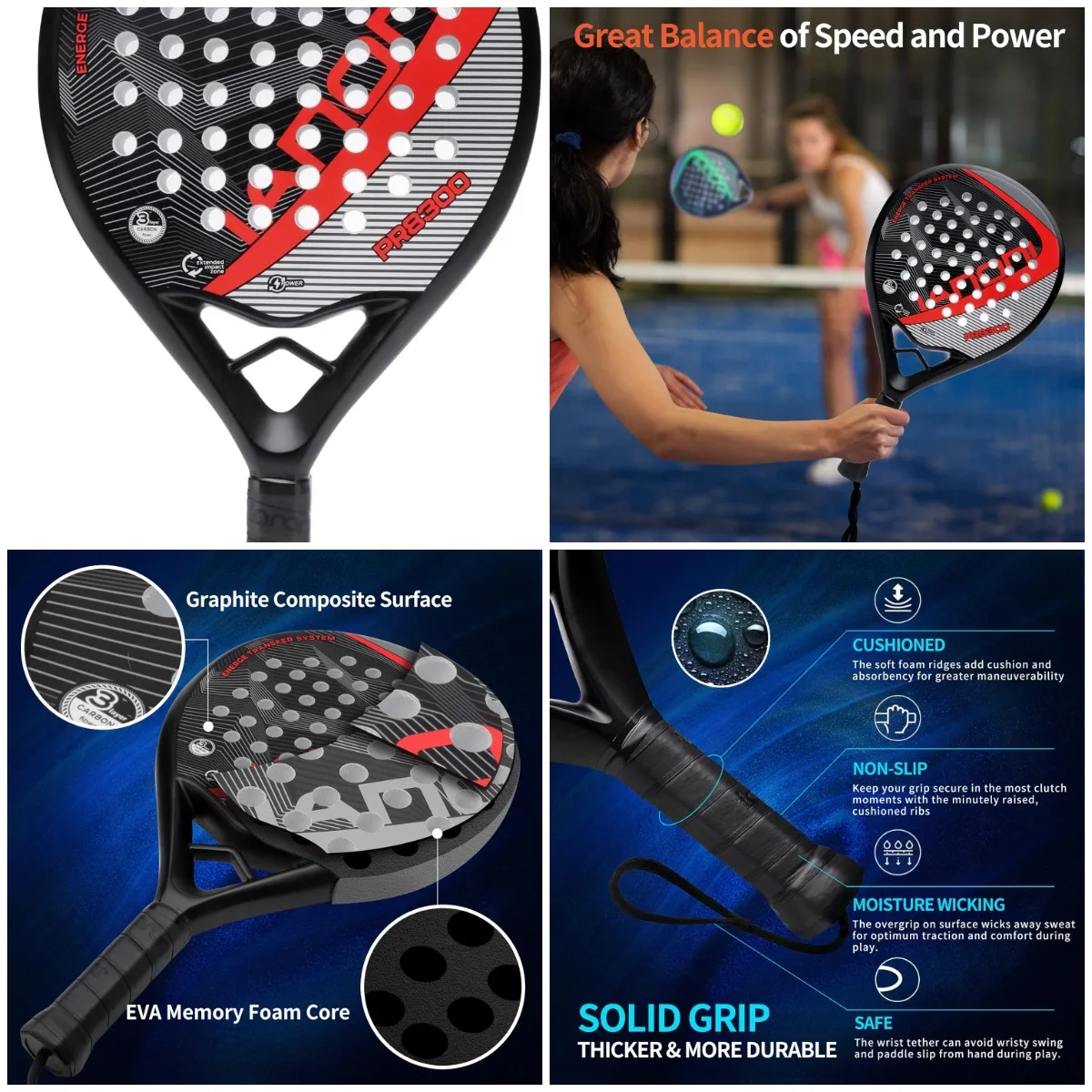
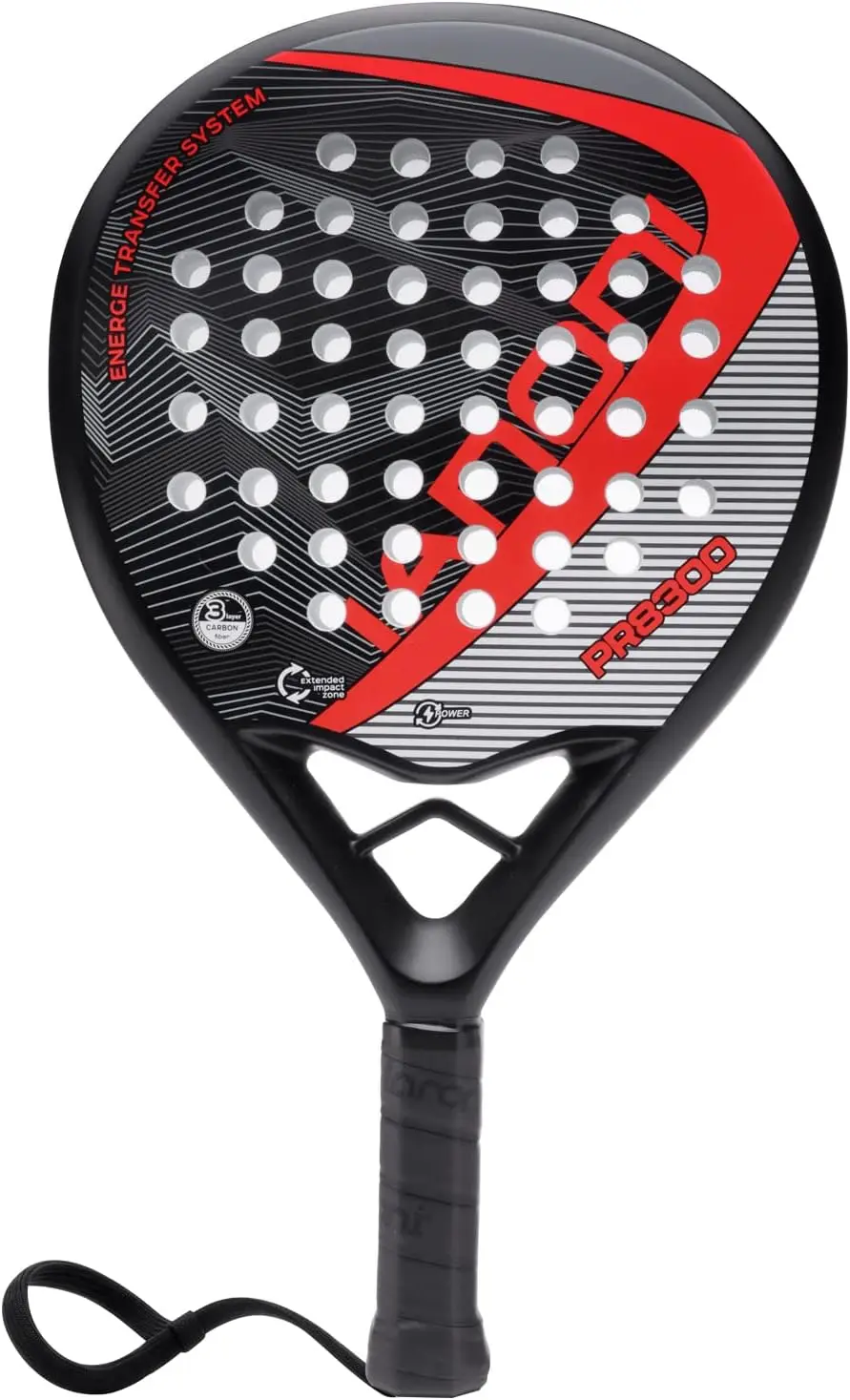
- Carbon fibre face — stiff, responsive, and light for its strength
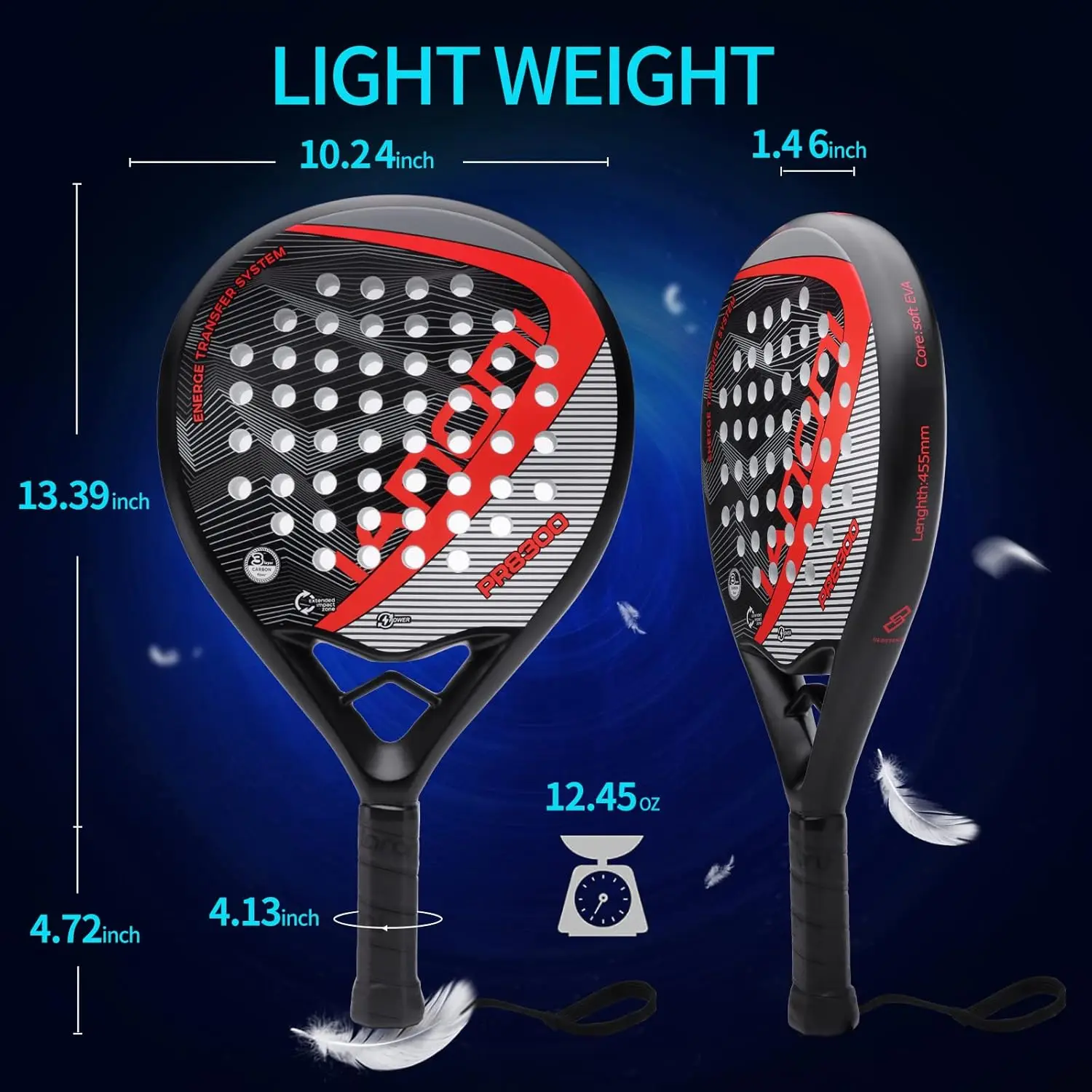
- Lightweight balance for faster reactions at the net
- Control-oriented, which is how padel points are actually won
- Easier on the elbow than a heavy power racket
- Suits club and improving players
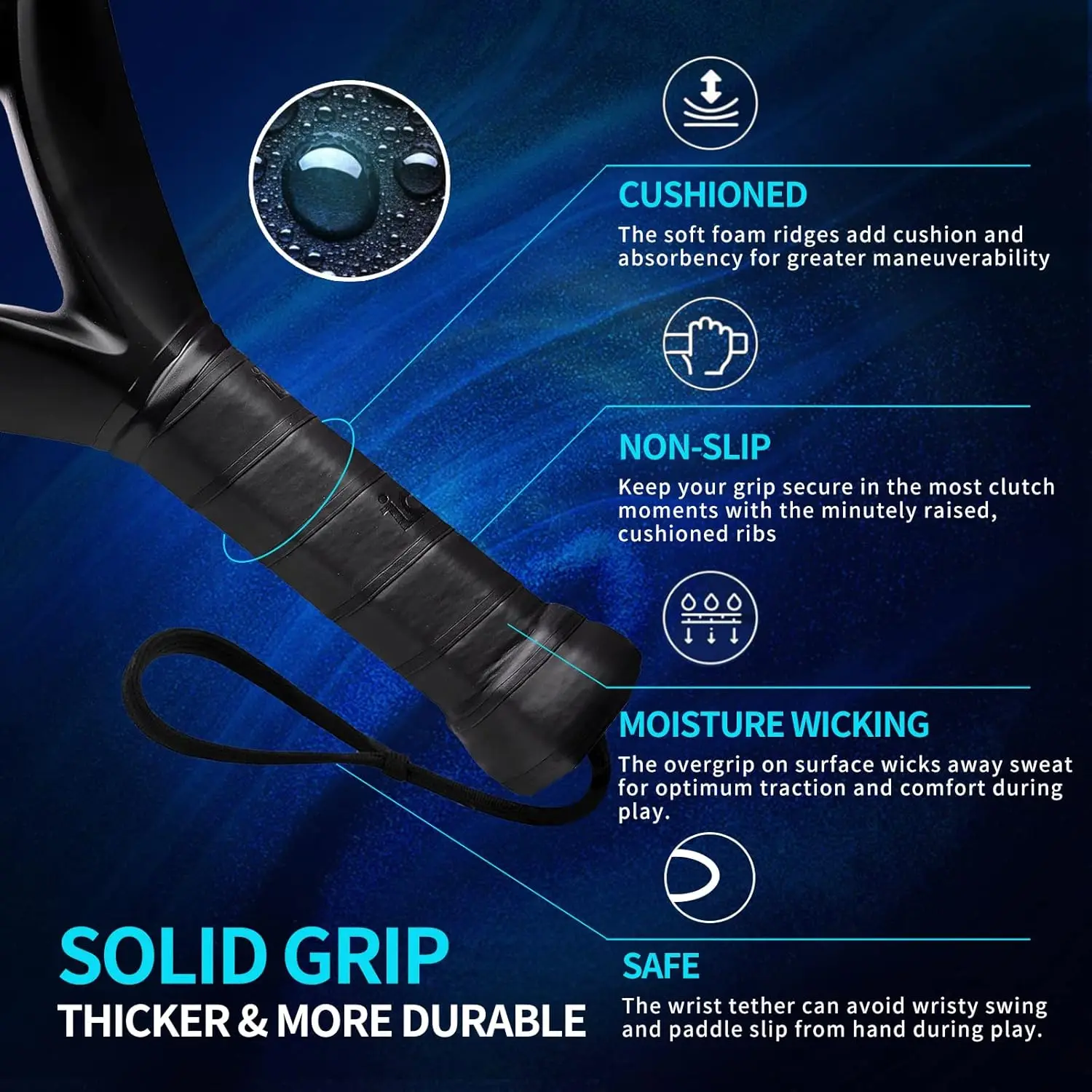
- Comfortable grip
How to Use
Padel rackets have no strings — the face is solid with drilled holes, and the sweet spot is smaller than a tennis racket’s. Keep your grip relaxed; squeezing hard transmits vibration into the elbow, which is the main route into padel elbow. Always use the wrist strap — rackets fly out of hands, and a padel court has other people in it. Check the frame for cracks periodically, particularly if you’ve caught the wall.
Specifications
| Sport | Padel |
|---|---|
| Face | Carbon fibre |
| Weight | Lightweight |
| Balance | Control-oriented |
| Suits | Club players, improvers, net players |
| Safety | Always use the wrist strap |
Care & Maintenance
Wipe the face after play. Store out of extreme heat — car boots in summer will delaminate a racket. Check for frame cracks regularly.
What’s in the Box
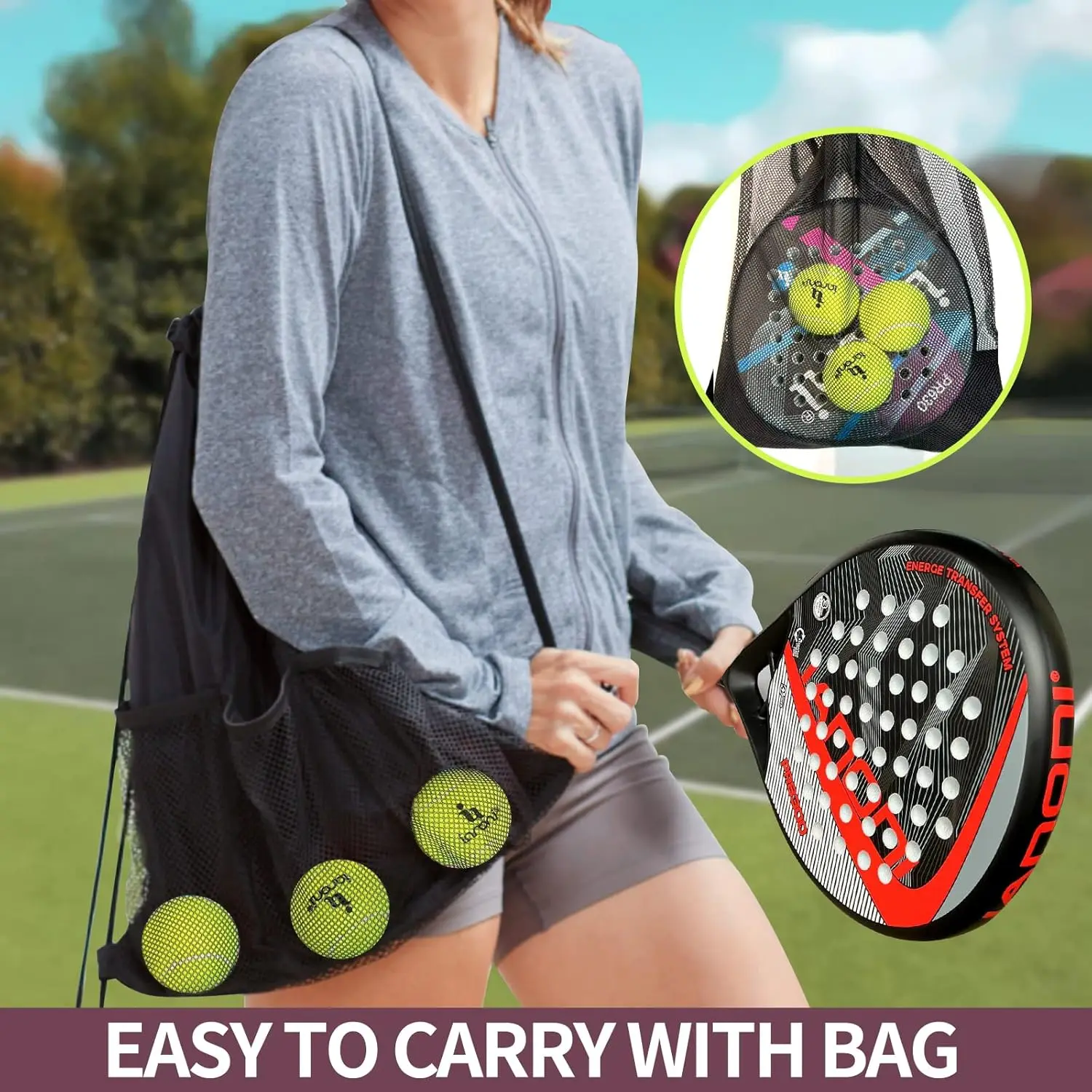
1 × Padel Racket, protective cover


Reviews
There are no reviews yet.