
What a Traction Arch Actually Does to a Compressed Lower Back
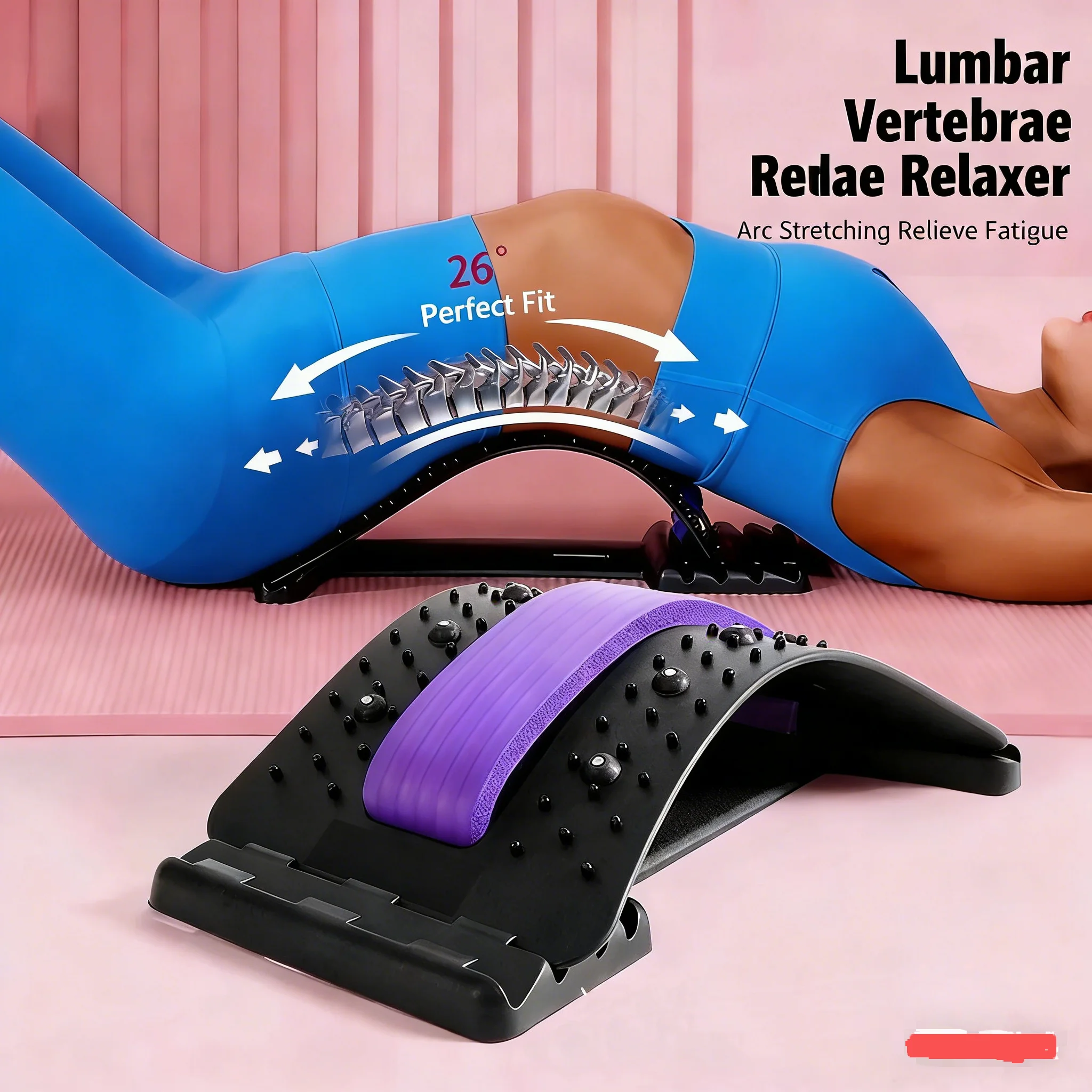
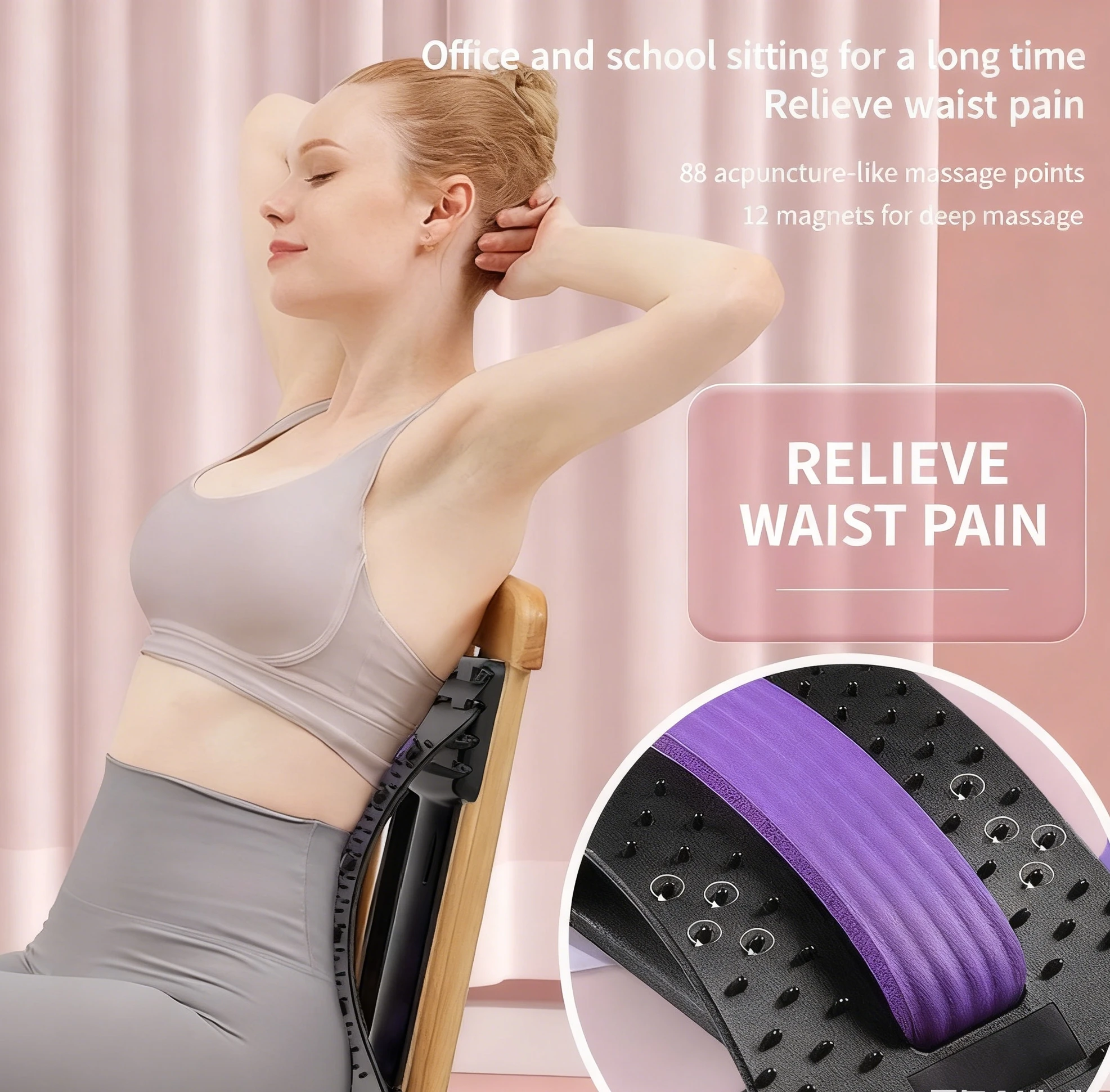
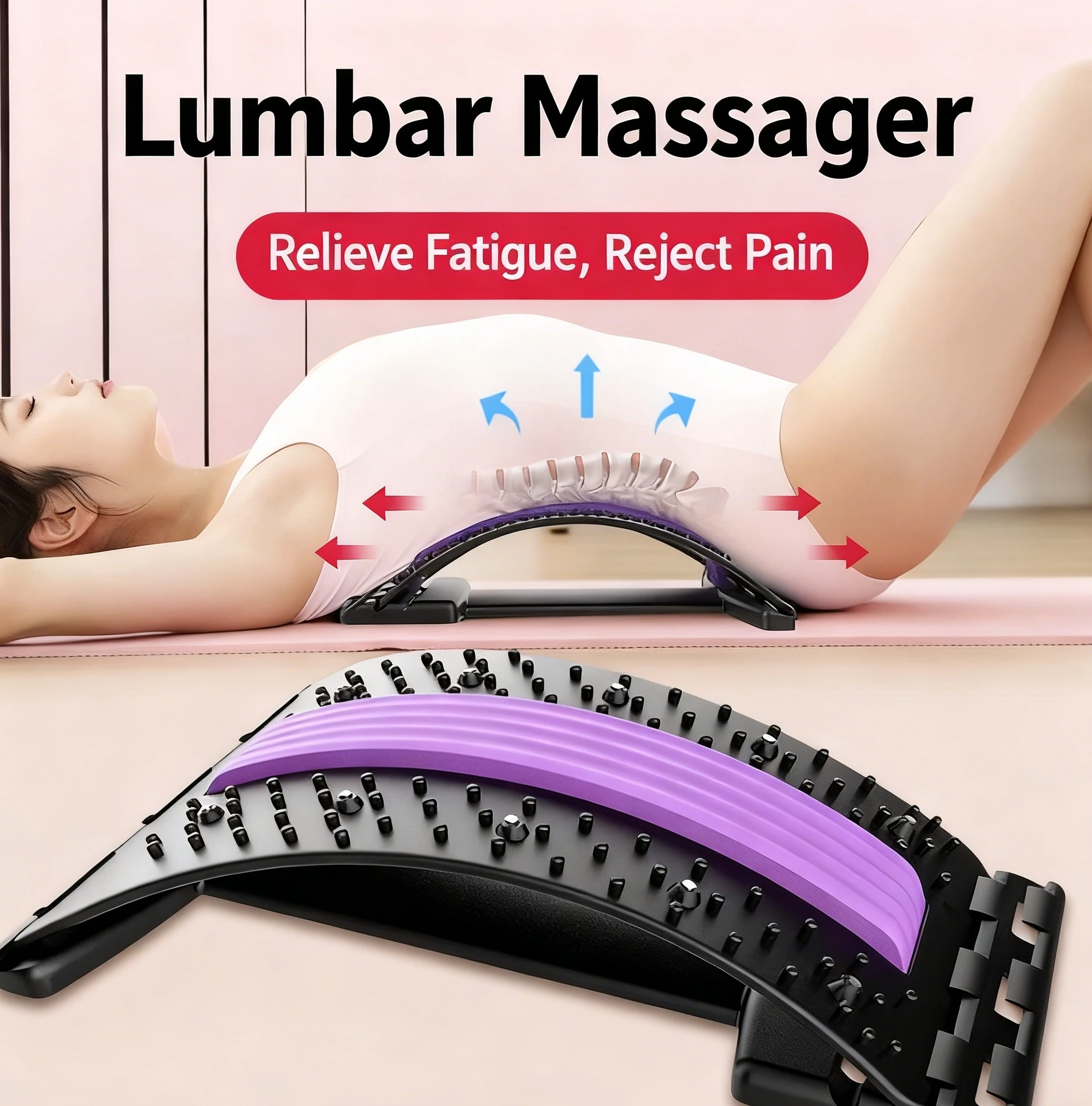
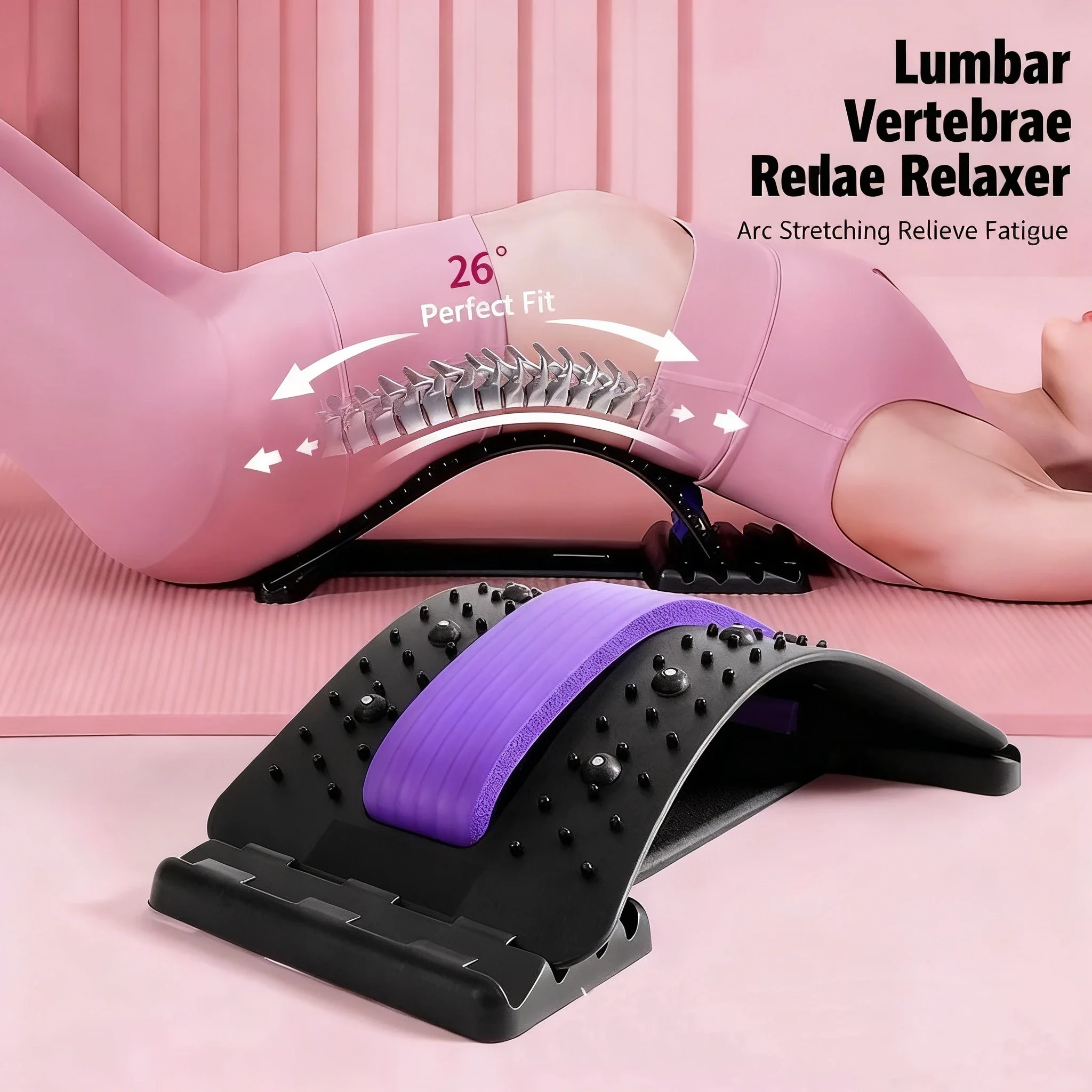
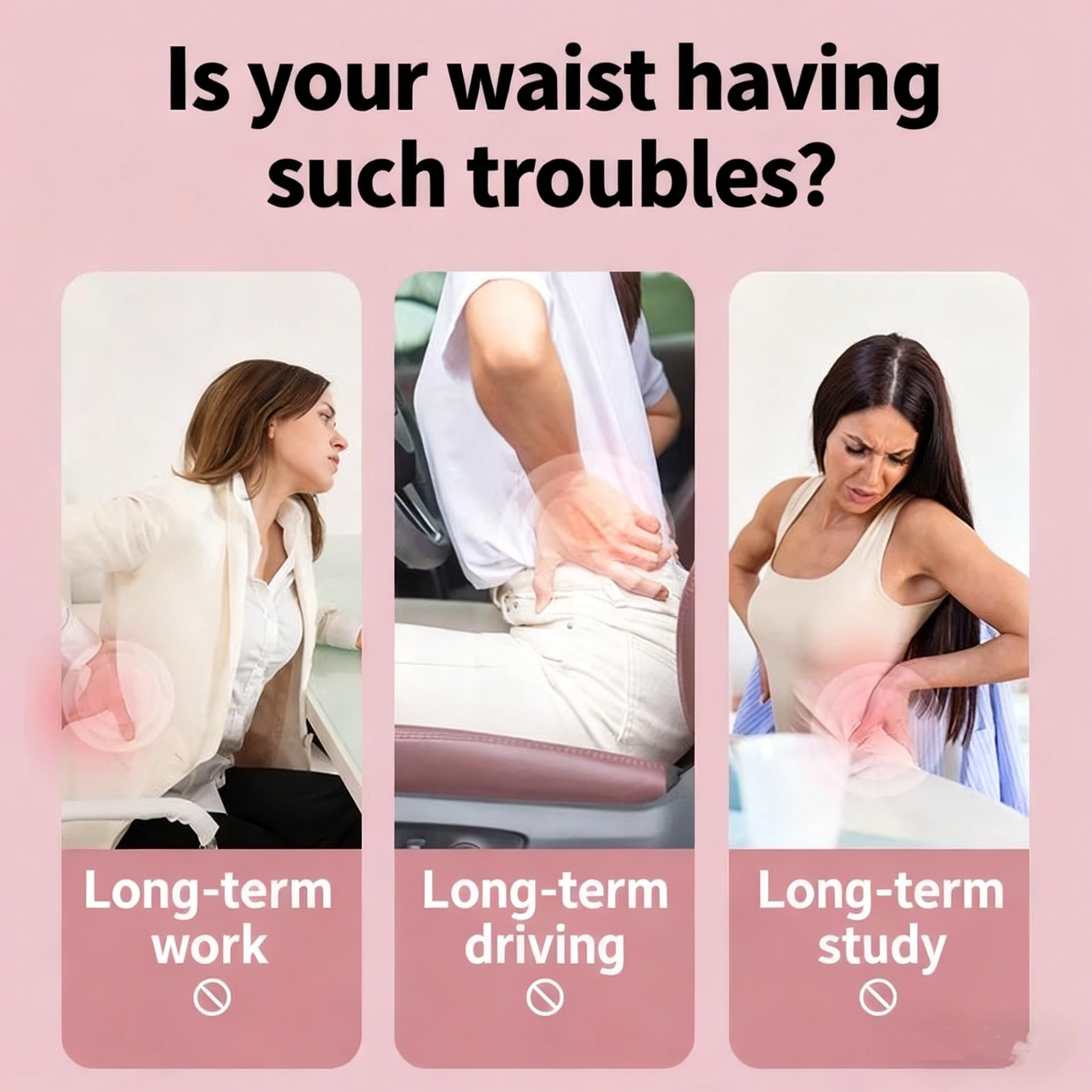
Sit for eight hours and the lumbar spine spends the day flexed — discs loaded at the front, the deep extensors held long and switched off, hip flexors shortened. A traction arch reverses that geometry. Lying back over a fixed curve puts the lumbar spine into gentle extension while gravity and the weight of your ribcage and legs create a mild distraction force through the segment. The result is a stretch through the anterior chain and the paraspinals, and a brief decompressive load change at the joints. It feels good because it is the exact opposite of the shape you have been holding since breakfast — not because it realigns anything permanently.
Key Benefits
- Reverses the seated posture — puts the lumbar spine into supported extension, the position your back barely visits during a desk-bound day.
- Bodyweight traction, no motor — the stretch is driven by gravity and your own mass, so the force is self-limiting and you can stop it instantly by rolling off.
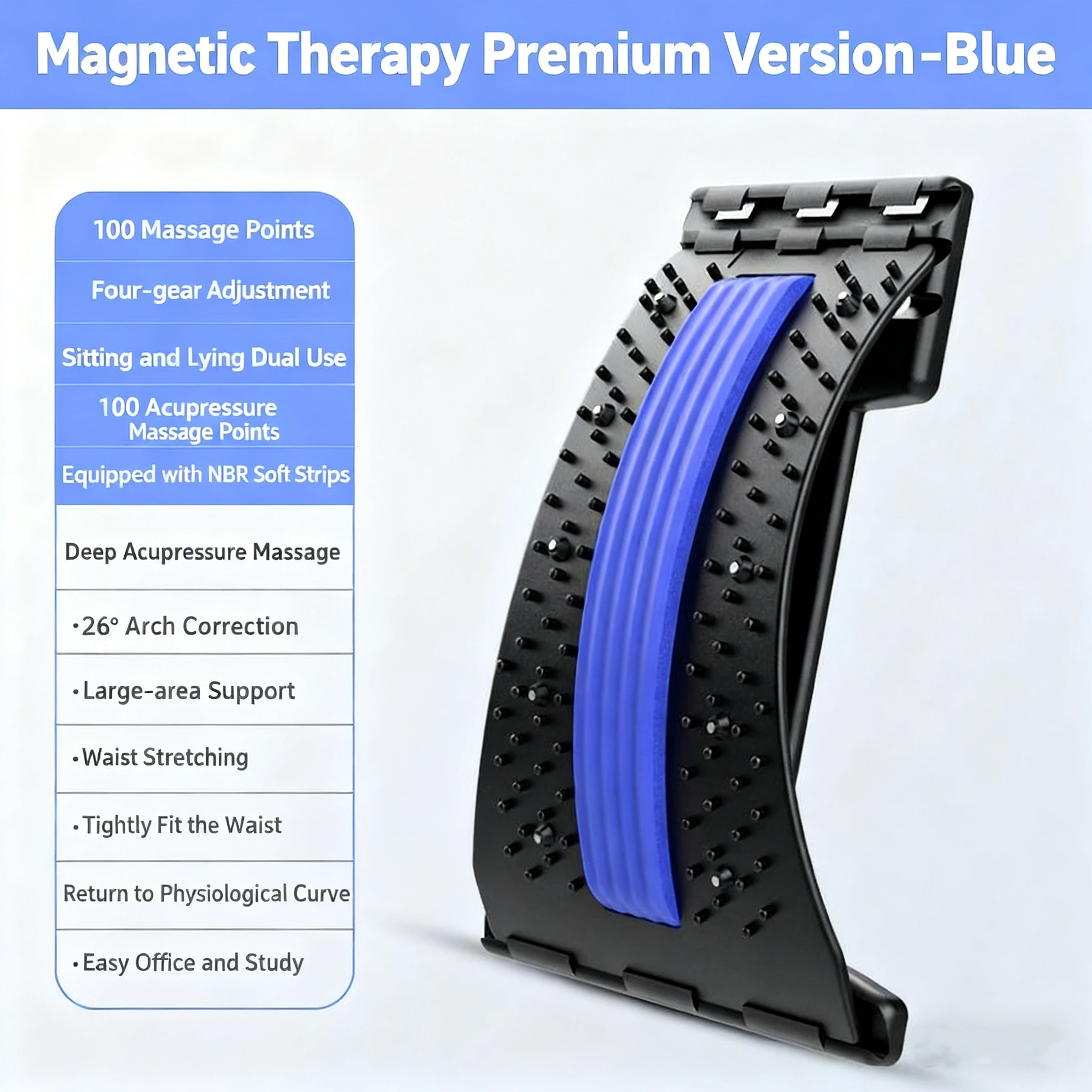
- Multi-level height settings — start on the shallowest arch and progress only when the shallowest is genuinely comfortable; the aggressive setting is not the goal, it is an option.
- Opens the chest and hip flexors too — lying back over the arch stretches the abdominals and anterior hips, which are usually as much of the problem as the back itself.
- Works for thoracic and neck use — reposition it higher up the spine for mid-back mobility, or under the neck for a short, gentle cervical stretch.
- Costs you ten minutes, not a clinic visit — a cheap, repeatable daily habit for general desk-job stiffness.
How to Use
Set the arch to its lowest height for the first two weeks. Sit on the floor in front of it, place it under your lower back, and lower yourself down slowly with your hands — never flop backwards onto it. Start at 30 seconds to 1 minute, breathing out slowly, and build up to around 5 minutes. Come off by rolling to your side and pushing up with your arms; do not sit straight up from the arch. SAFETY: this device applies extension force to your spine. Do not use it if you have osteoporosis, spinal stenosis, spondylolisthesis, a known or suspected disc herniation, recent spinal surgery, or if you are pregnant, without clearance from a clinician. Sharp, shooting, or radiating pain down a leg means stop immediately — that is not a stretch you push through. Mild stretching discomfort is expected; pain is not.
Specifications
| Type | Multi-level lumbar traction / spinal stretching arch |
|---|---|
| Mechanism | Bodyweight-driven passive extension and traction |
| Adjustable settings | Multiple arch heights (number of levels is variant dependent) |
| Target areas | Lumbar spine, thoracic spine, neck, hip flexors |
| Power required | None — fully manual |
| Session length | 30 seconds to approx. 5 minutes |
| Use surface | Firm floor or exercise mat |
| Not suitable for | Osteoporosis, stenosis, spondylolisthesis, acute disc injury, pregnancy (without clinical advice) |
Care & Maintenance
Wipe the shell with a damp cloth and mild detergent; keep it out of prolonged direct sunlight, which makes moulded plastic brittle over time. Inspect the frame and the height-adjustment mechanism before each use and stop using it if you find any crack, flex, or a setting that will not lock. Store flat, and do not stand or sit heavy objects on top of it.
What’s in the Box
1 x multi-level lumbar back stretcher / traction arch. Instructions may vary by supplier.
Reviews
There are no reviews yet.