Why a Rubber Tube Trains Muscle Differently From a Dumbbell
A dumbbell’s resistance is constant — the load is the same at the bottom of a curl as at the top, so the muscle is genuinely challenged only in the narrow part of the range where leverage is worst. An elastic band does the opposite: force rises with elongation, so resistance increases through the range and peaks exactly where your joint is at its strongest and most contracted. This is called an ascending resistance curve, and it means the muscle is loaded meaningfully across the entire movement rather than at one sticking point. It also loads the eccentric — the lowering phase, which drives most of the adaptation — with no momentum and almost no joint compression. That combination is why bands remain a staple of physiotherapy and serious strength programmes alike.
Key Benefits
- Stackable resistance — genuine progressive overload. Four tubes of different strengths clip to the same handles. Combine them to build up as you get stronger, which is what actually drives adaptation. One band is a toy; a stackable set is a training tool.
- Joint-friendly loading. Resistance ramps from near-zero, so the shoulder, elbow and knee are never asked to accept a heavy load at their most vulnerable angle. This is the reason bands dominate rehab settings.
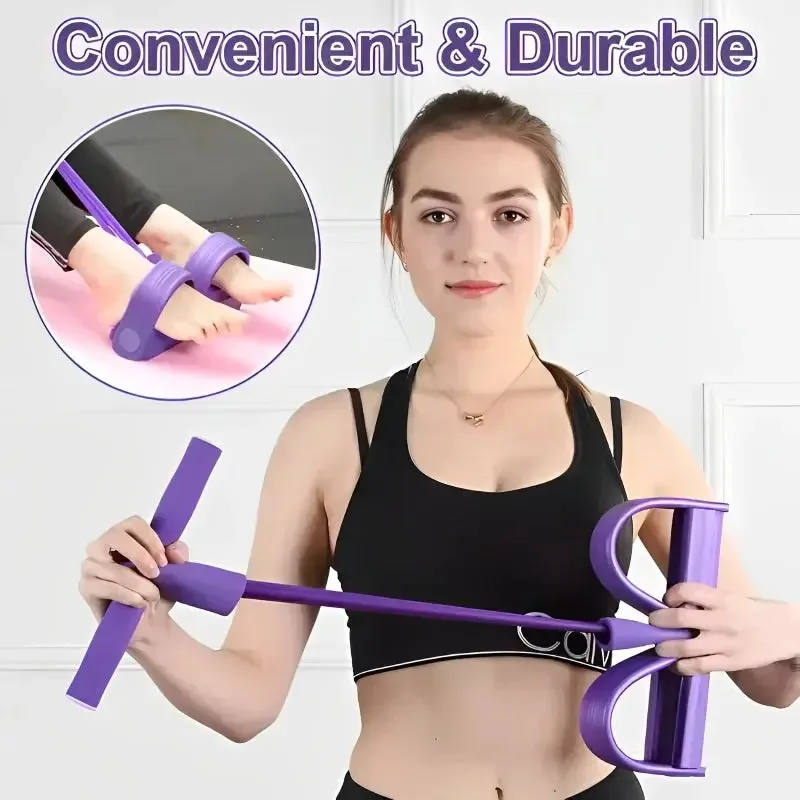
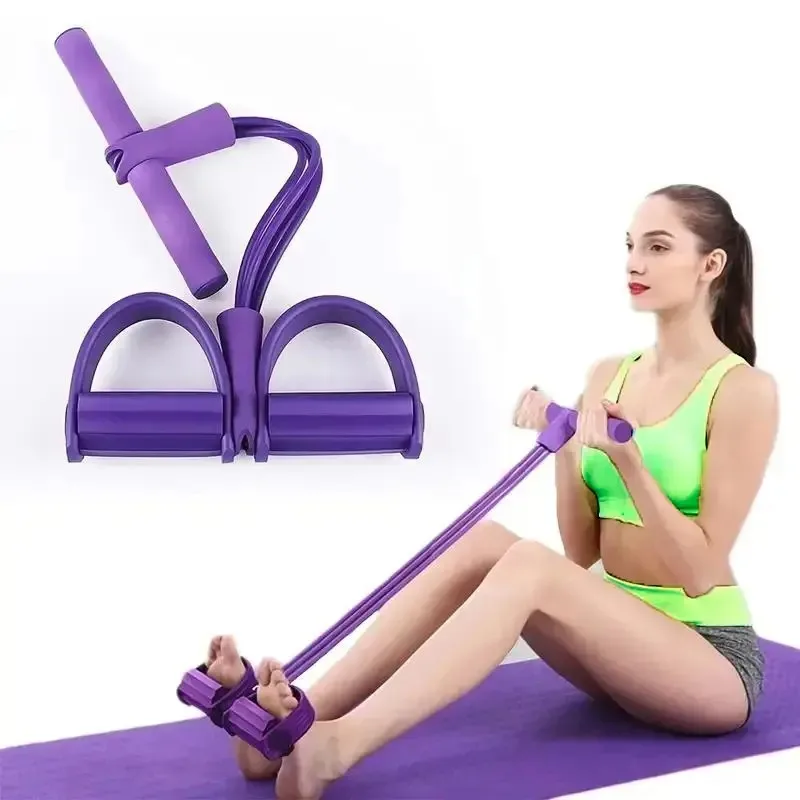
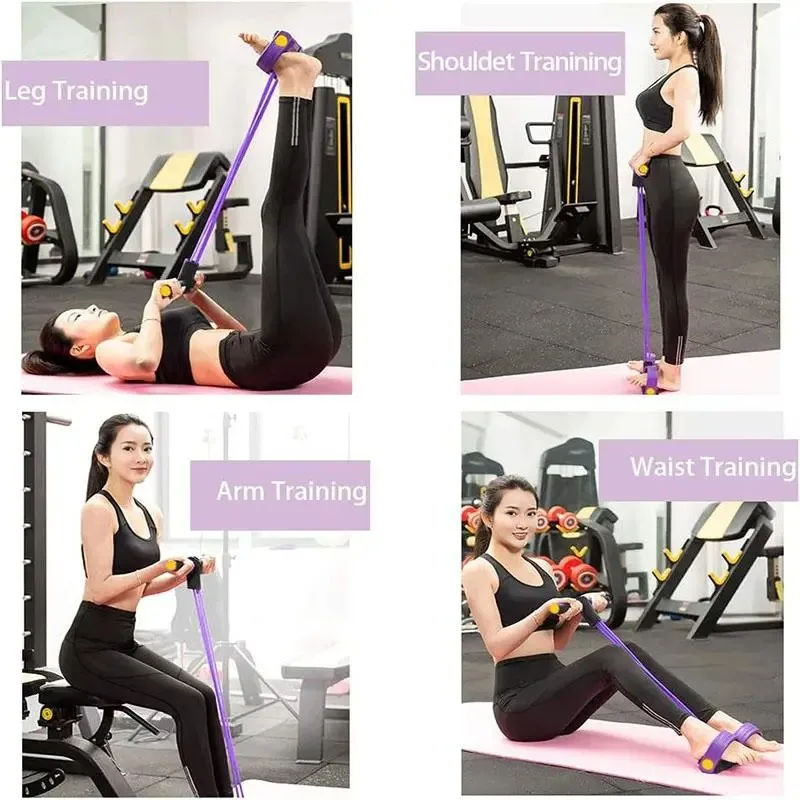
- Genuinely full-body. With a door anchor you get pressing, rowing, pulldowns and rotation; with ankle straps you get glute and hamstring work. Chest, back, shoulders, arms and legs, from one box.
- Travels anywhere. The whole set weighs a few hundred grams and packs into a carry bag. There is no honest excuse for missing training in a hotel room, and this removes the last one.
- Constant tension the whole set. A band never gives you a rest position — there is no point in the movement where the load falls to zero, so time under tension per rep is high.
- An honest correction to the marketing. This kit is often sold for ‘abdominal weight loss’ or targeted fat burning. Spot reduction is not real: you cannot choose where your body takes fat from, and no exercise for a body part burns the fat sitting on top of it. What resistance training genuinely does is build and preserve muscle, raise your resting energy expenditure, and improve strength and body composition alongside a sensible diet. That is a better sell, and it happens to be true.
How to Use
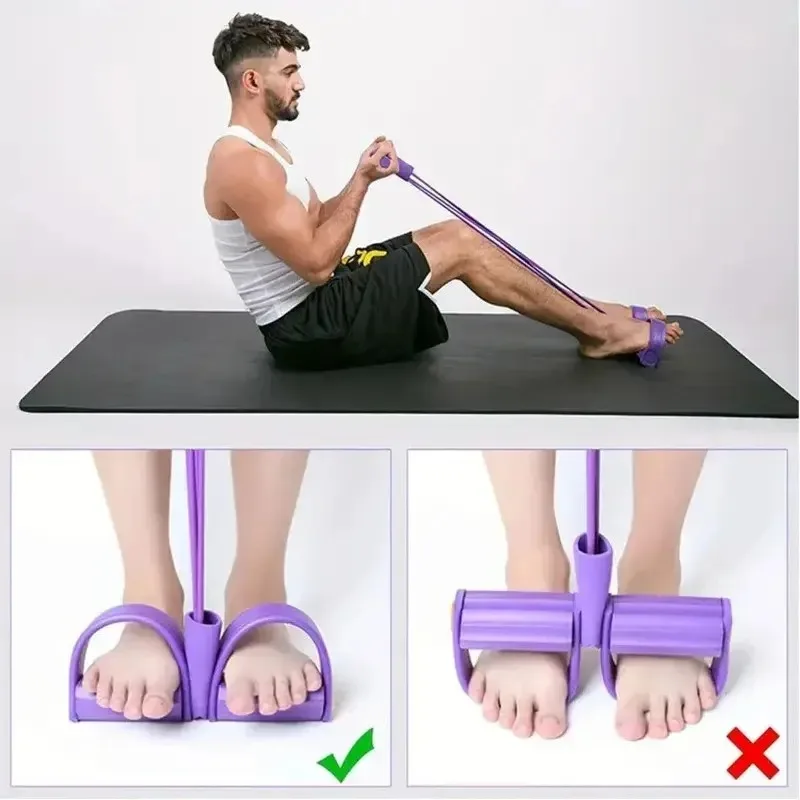
Clip the tubes to the handles by the carabiners, starting with one or two, and check every connection is fully closed before you take tension. For pressing and rowing, shut the door anchor into the hinge side of a closed, latched door and confirm it cannot pull through. Stand further from the anchor to increase resistance, closer to reduce it. Work at a controlled tempo — around two seconds up, three seconds lowering — for 10–15 reps, and add a tube when the last rep stops being hard. Safety, and this matters: inspect every tube before every session. Run it through your fingers and look for nicks, cuts, cracks, chalky patches, or any thinning near the metal fittings, and bin any tube that shows them — a band that fails under load snaps back at roughly the speed you stretched it. Never stretch a band toward your face or anyone else’s, never stand on a tube and pull upward past your head, and never anchor it to anything that could give way. Do not over-stretch tubes beyond about two and a half times their resting length. Keep them away from sharp edges, rough concrete and direct sunlight, which degrades latex.
Specifications
| Type | Stackable tube resistance band set with handles |
|---|---|
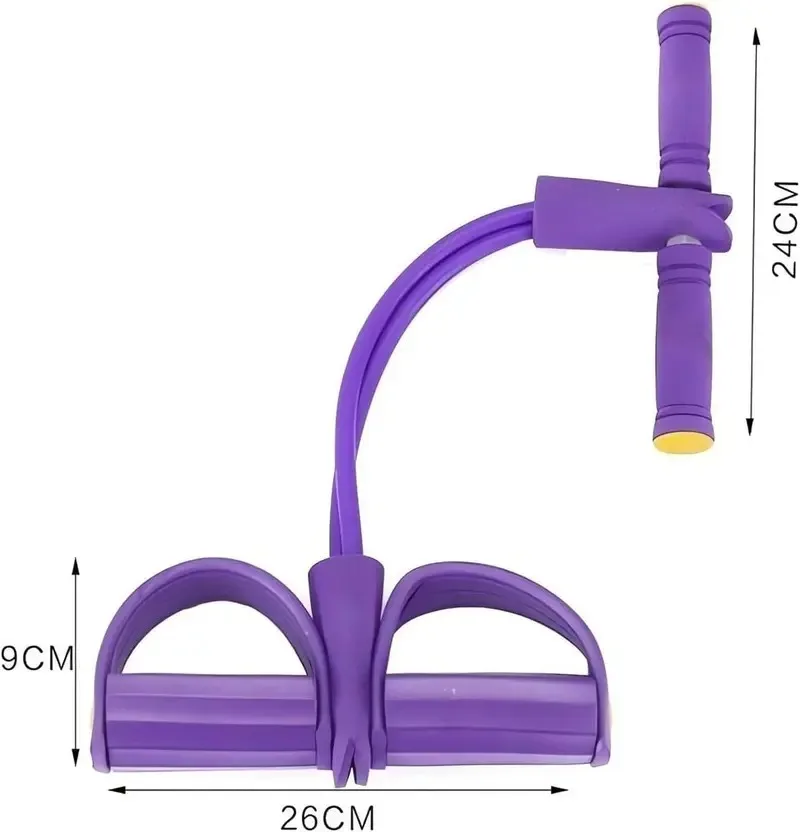
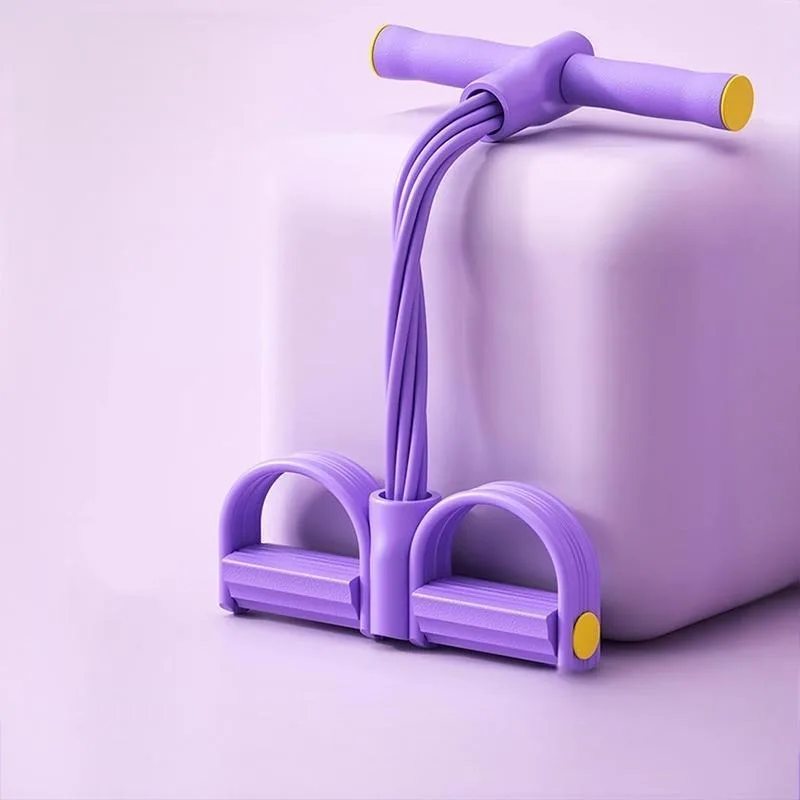
| Tubes | 4 elastic tubes of varying resistance, stackable on shared handles |
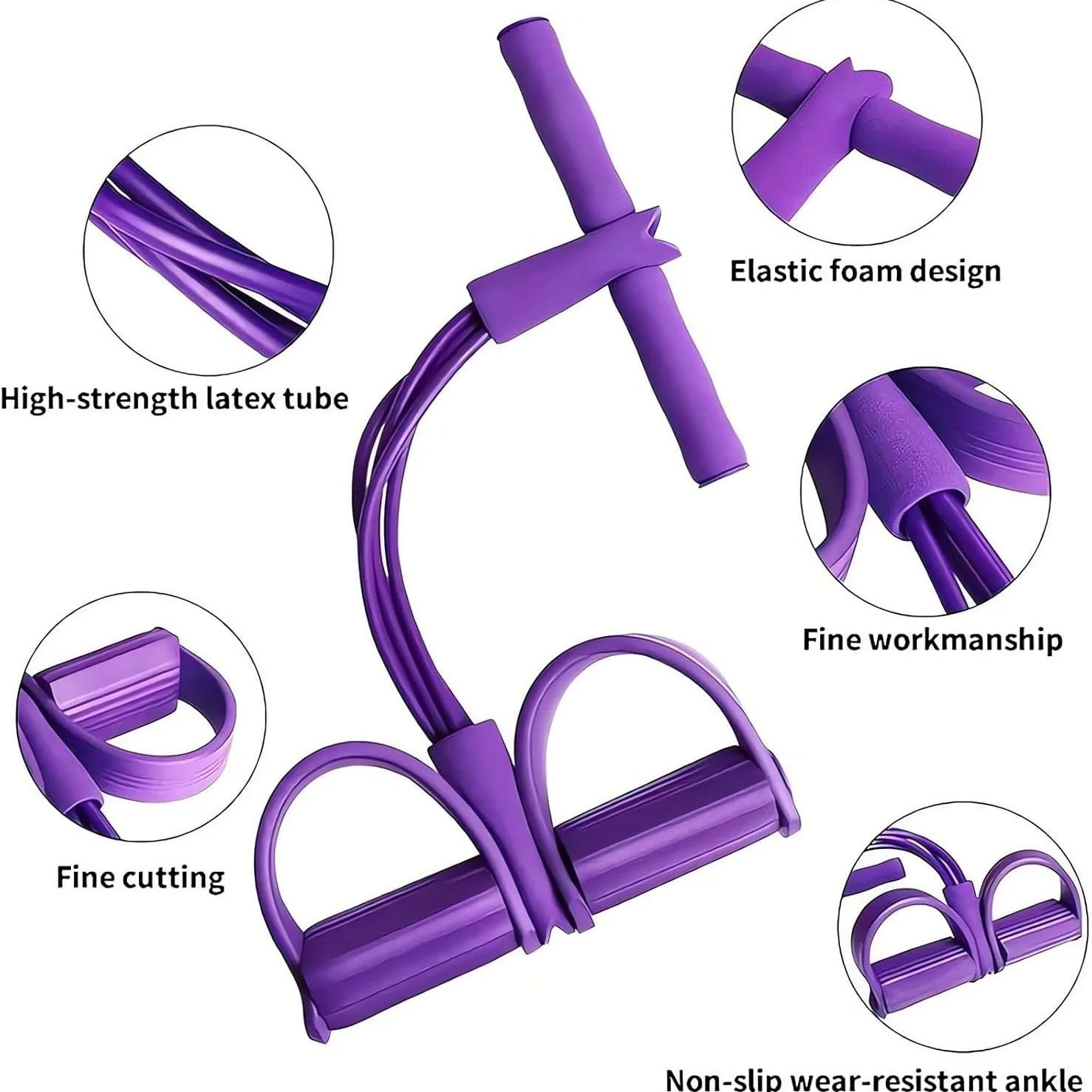
| Attachments | Foam handles, door anchor, ankle straps (per listing) |
| Resistance method | Ascending / progressive — resistance increases with elongation |
| Trains | Chest, back, shoulders, arms, glutes, legs, core |
| Best for | Home training, travel, rehab-style controlled loading |
| Portability | Packs into an included carry bag |
| Inspection | Check tubes for nicks and cracks before every use |
| Colour / exact resistances | Variant dependent — colour-coded by strength |
Care & Maintenance
Wipe the tubes down with a damp cloth after sweaty sessions — salt degrades latex over time. Air dry fully and store coiled loosely in the bag, out of direct sunlight and away from heat, both of which make rubber brittle. Never store them stretched, knotted or under tension. Check the carabiners and stitched fittings periodically for wear. Resistance tubes are consumables with a finite life: replace any tube at the first sign of a nick, crack, or chalky surface rather than gambling on one more session.
What’s in the Box
4 x resistance tubes (varying strengths), 2 x foam handles, 1 x door anchor, ankle strap(s), 1 x carry bag. Exact contents may vary slightly by variant.

Reviews
There are no reviews yet.