The Only Method That Actually Works
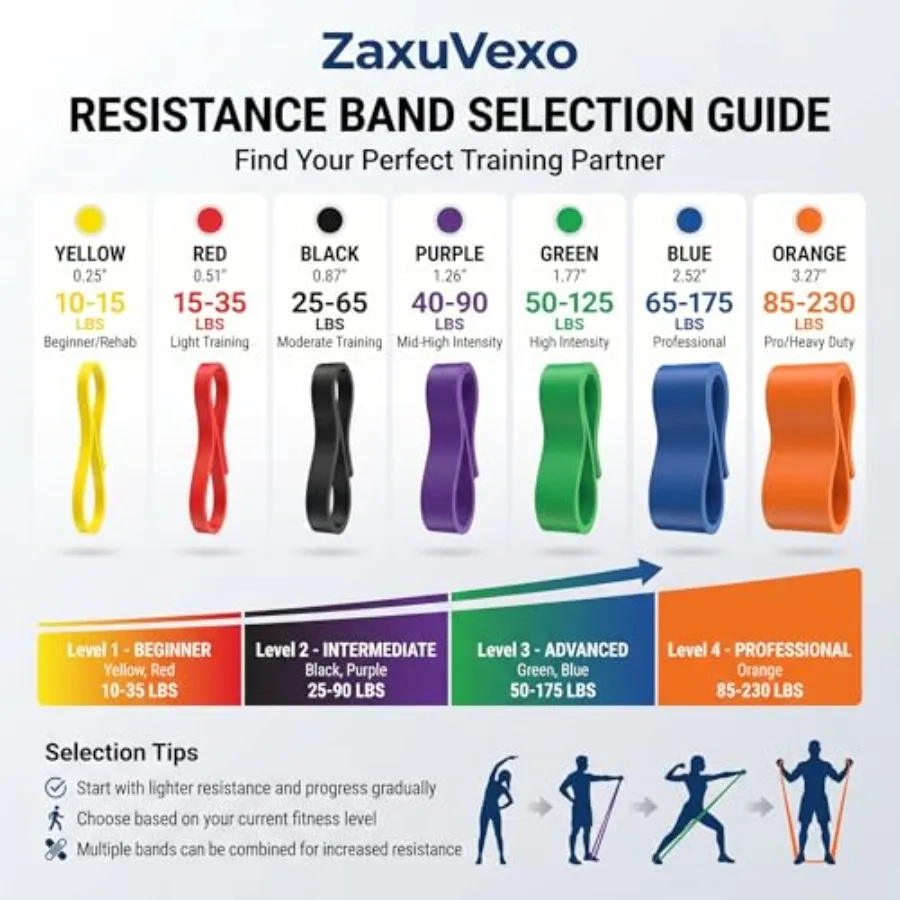
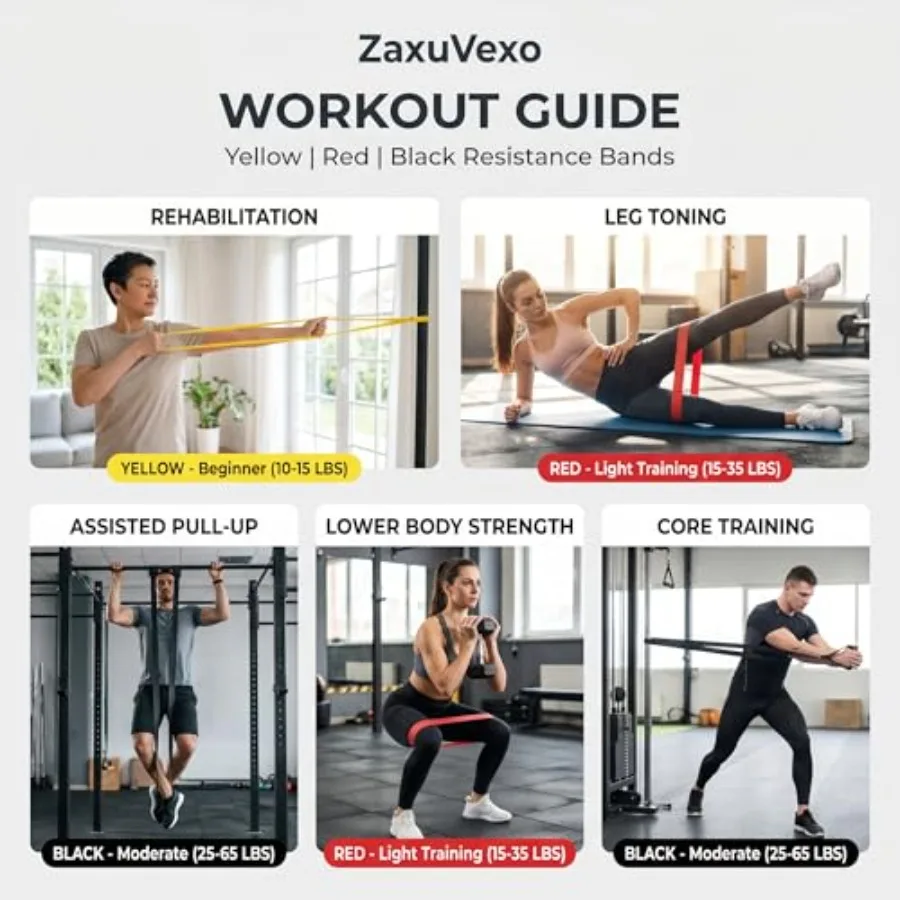
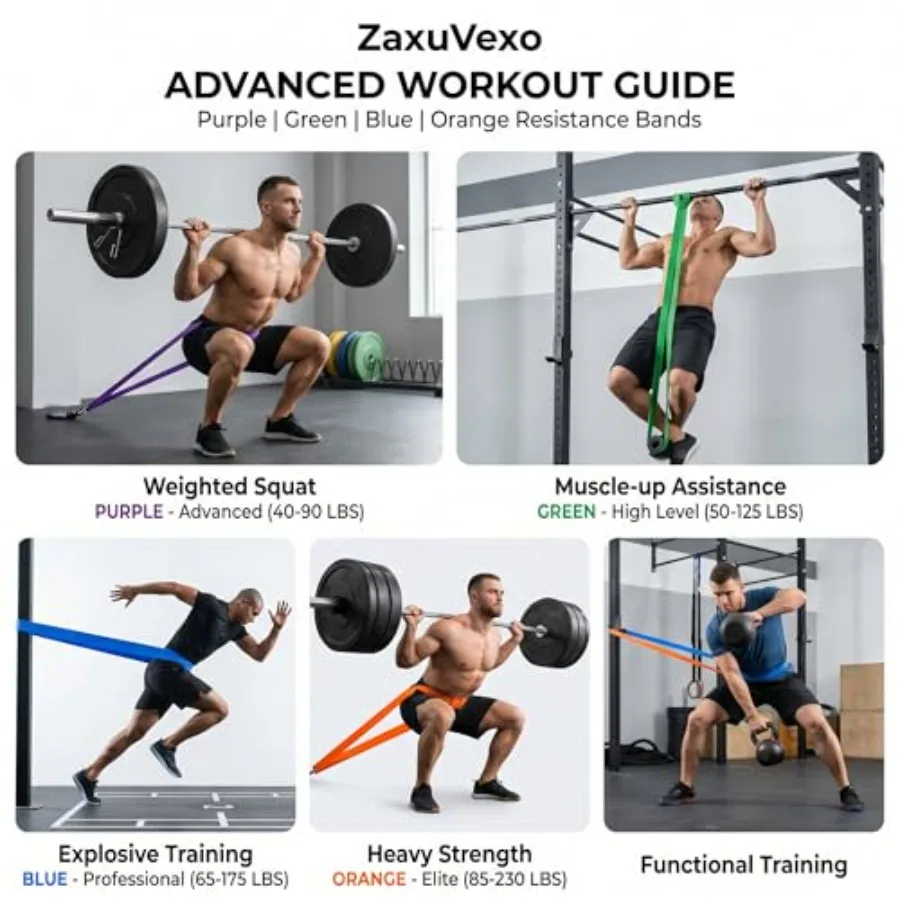
Most people trying to get their first pull-up do the same thing: hang, strain, fail, repeat. That builds almost nothing, because you never complete a rep with good form and never accumulate the volume needed to adapt. An assist band changes the equation — it removes just enough bodyweight that you can do five clean reps with a full range of motion. Then you use a thinner band. Then a thinner one. That’s how it’s done.
Key Benefits
- Progressive assistance — step down band thickness as you get stronger
- Complete real reps with full range of motion, which is what drives adaptation
- Gives most help at the bottom, where you’re weakest — exactly where you need it
- Doubles as a banded lifting tool for squats, deadlifts and bench
- Also useful for mobility — banded shoulder and hip distractions
- Layered latex built for bodyweight loads
How to Use
Loop the band over the bar and thread it through itself. Place a foot or knee in the bottom loop, grip the bar, and pull. Choose a band that lets you complete 5 to 8 clean reps with a full range. When you can do 10, move to a thinner band. Keep your face clear of the band when mounting and dismounting — this is where injuries happen. Inspect for nicks and tears before every single use and discard damaged bands; a band failing under bodyweight tension is dangerous.
Specifications
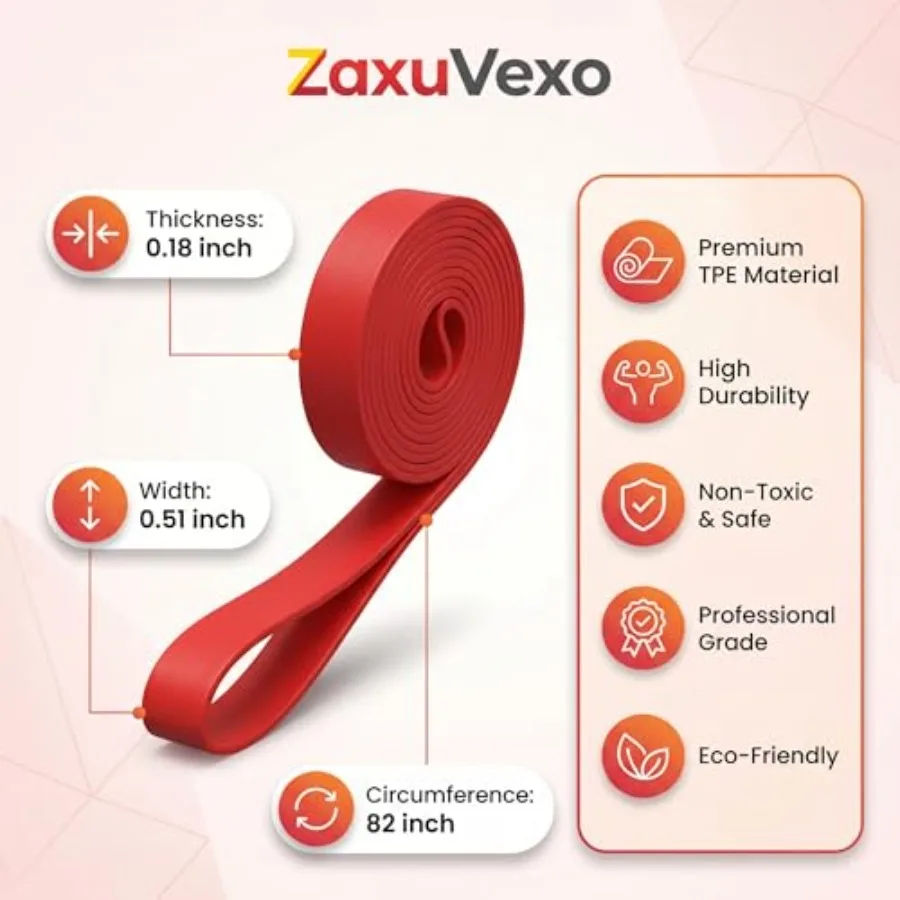
| Type | Looped pull-up assistance bands |
|---|---|
| Material | Layered natural latex |
| Primary use | Assisted pull-ups and chin-ups |
| Secondary use | Banded squats, deadlifts, bench; mobility distractions |
| Progression | Move to a thinner band as you get stronger |
| Safety | Inspect before every use; keep face clear when mounting |
Care & Maintenance
Wipe clean, air dry, store out of direct sunlight and away from heat.
What’s in the Box
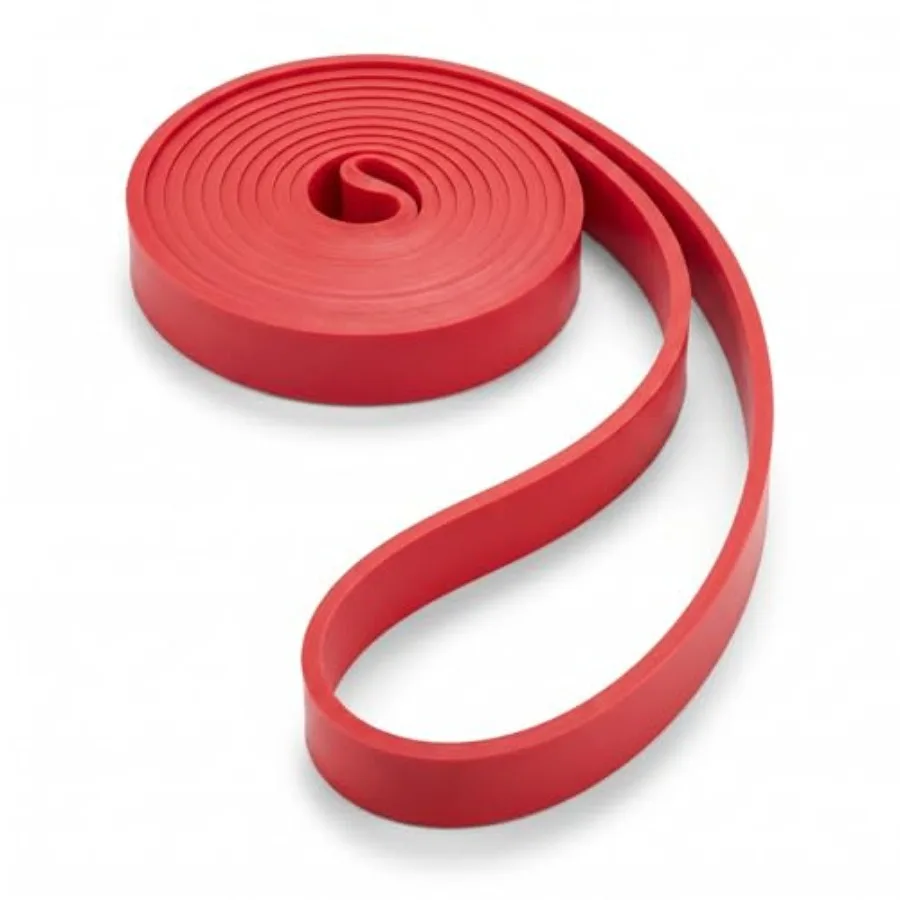
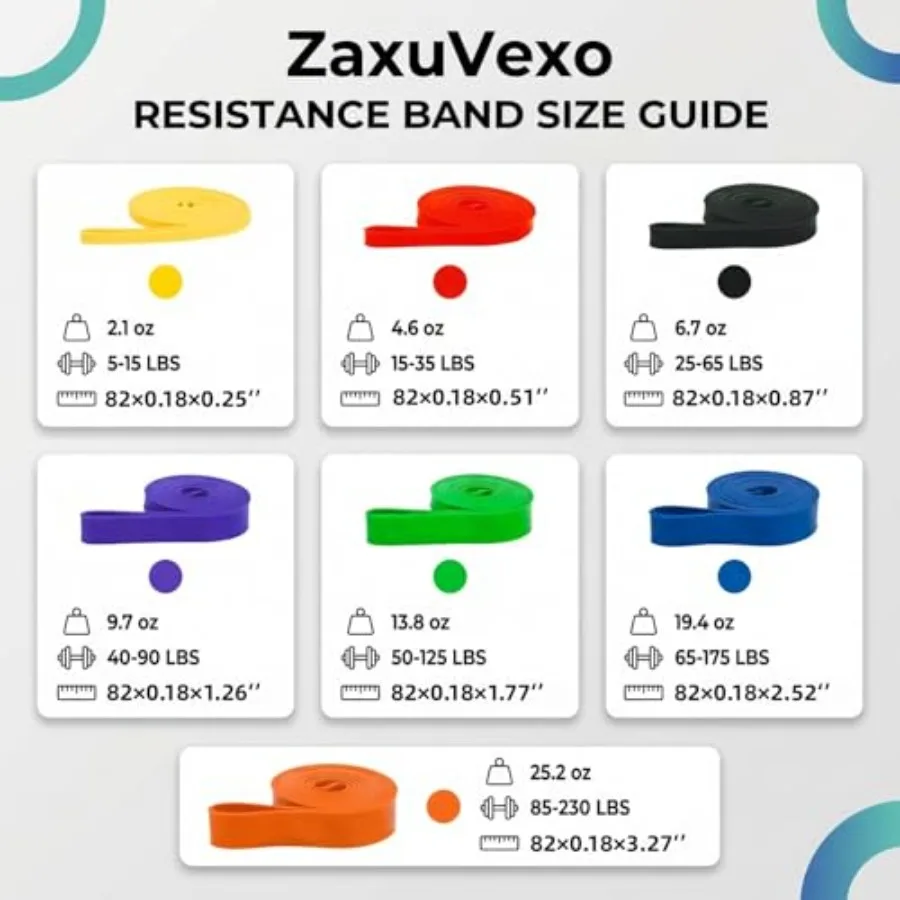
Pull-up assist band (level as selected)
Reviews
There are no reviews yet.