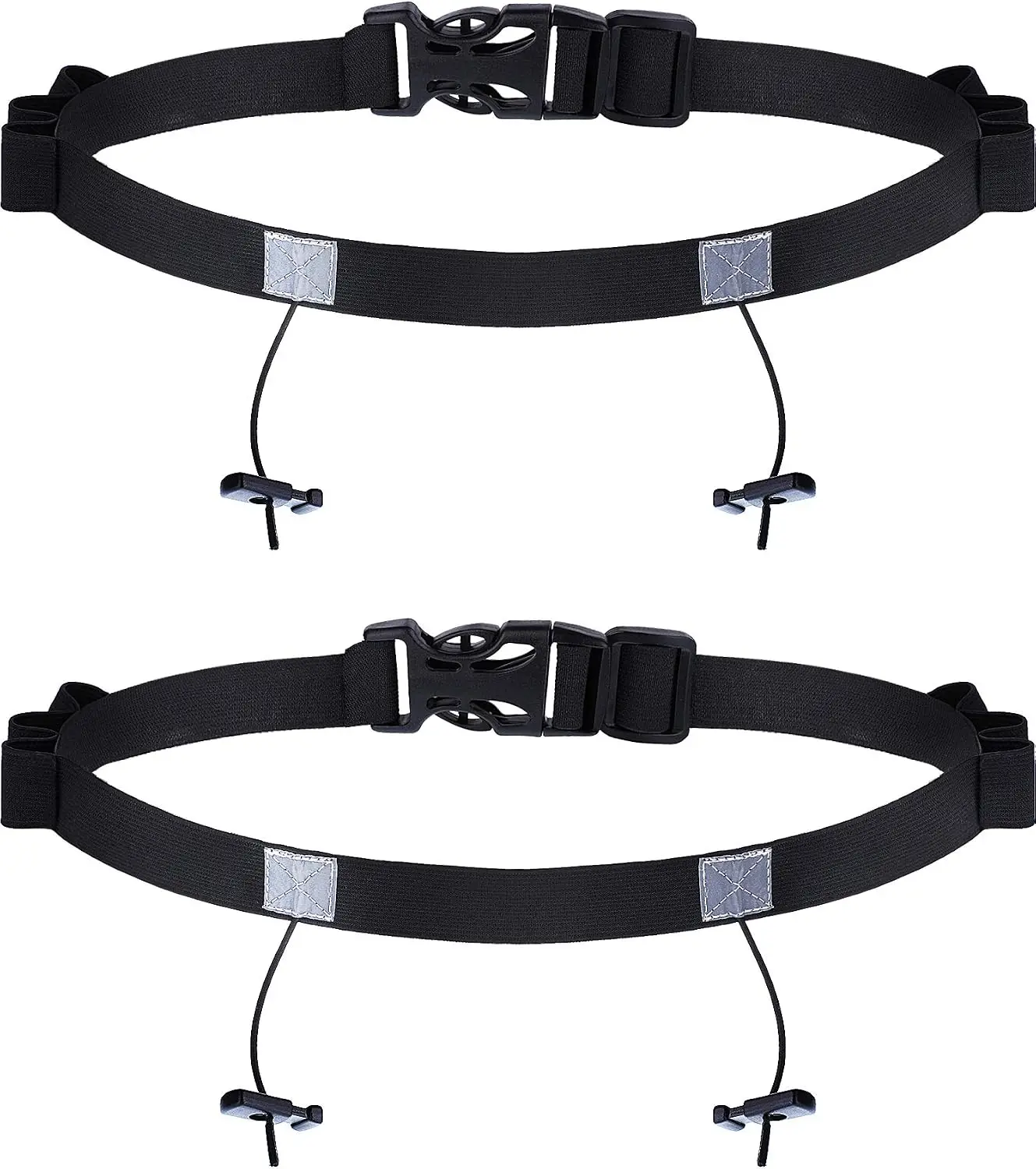
Stop Pinning Holes in Your Race Kit
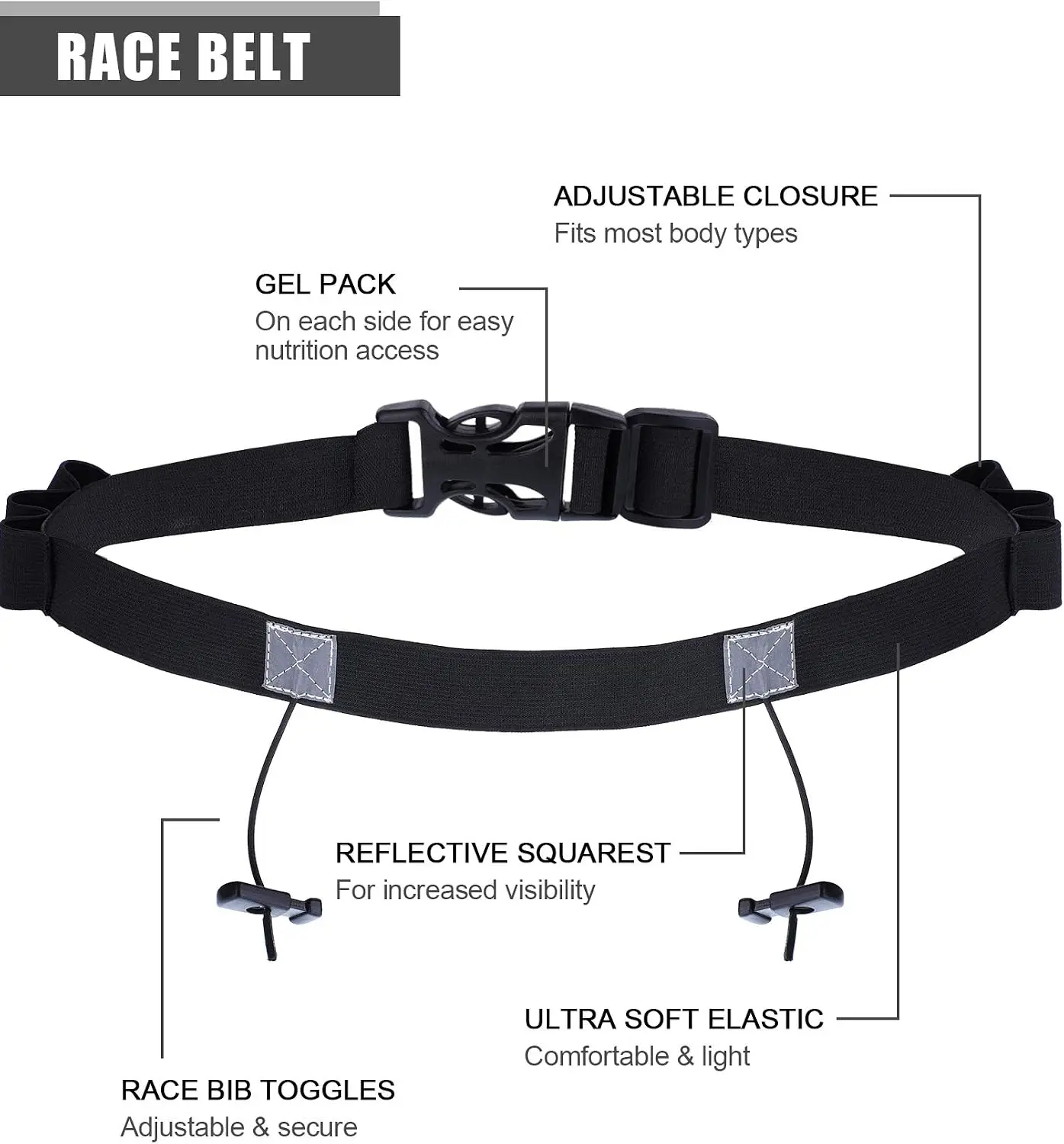
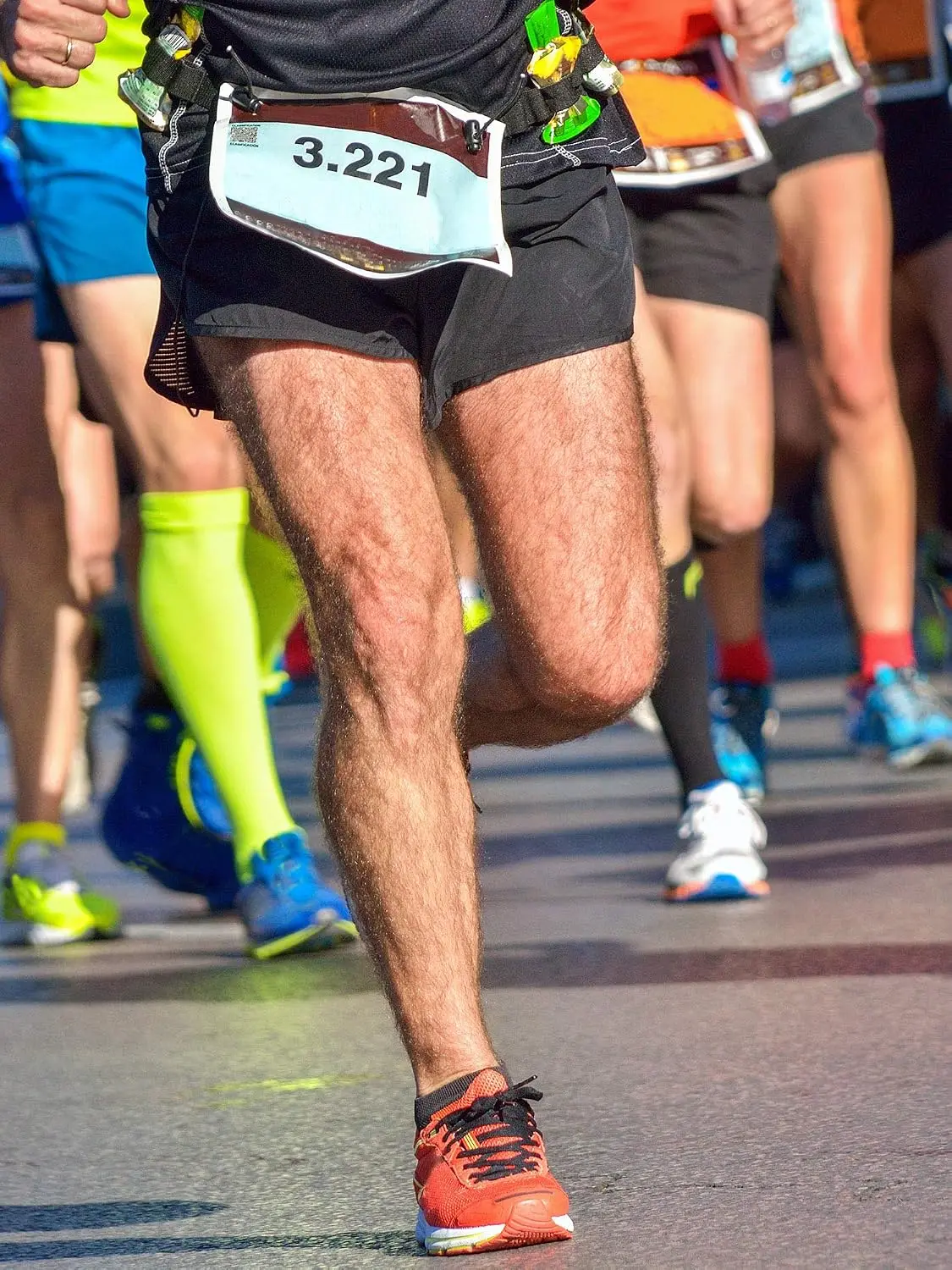
A pinned bib is fixed to your shirt, which means it moves with every arm swing and every degree of torso rotation — thousands of times over a race. The paper saws at the fabric, the fabric saws at you, and the flapping edge is a small but constant drag. A belt takes the bib off the shirt entirely and mounts it on an elastic waistband, mechanically decoupling it from upper-body motion. It also rotates: you can spin the bib to your back on the bike and to your front on the run without touching a pin, which is precisely why belts are standard equipment in triathlon.
Key Benefits
- No holes, ever. Technical race shirts and tri suits cost real money, and safety pins put four permanent punctures in every one. Over a season of racing the belt pays for itself several times.
- Faster transitions. Clip the belt on in T1, spin the bib round in T2. That is seconds you would otherwise spend fumbling with a pinned number and your fine motor control is already gone at that point in a race.
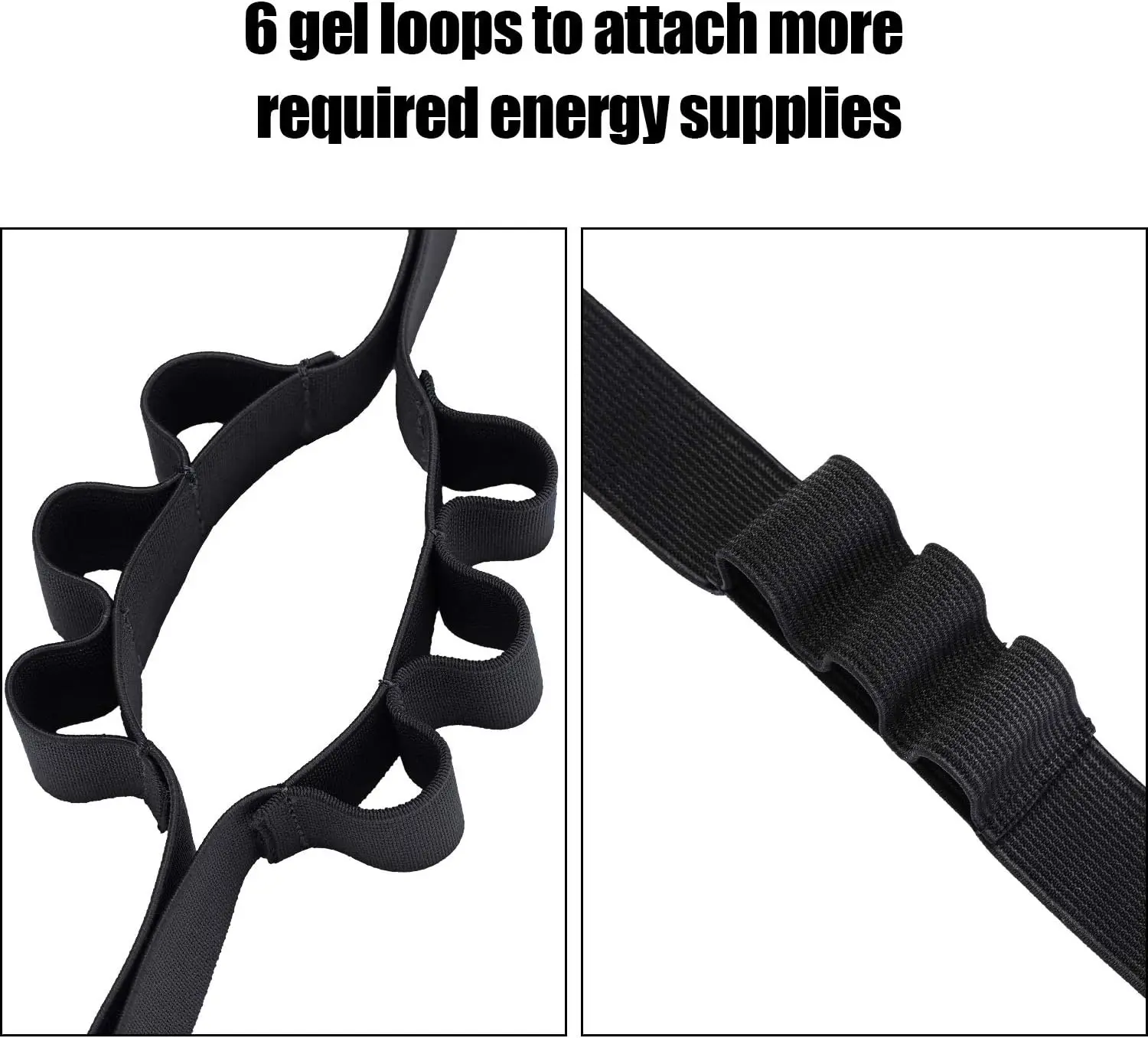
- Six gel loops. Fuel carried at the waist is reachable without breaking stride, and it is not bouncing in a pocket or clamped in your hand for two hours.
- Less chest and nipple chafing. The bib is the abrasive edge in a wet shirt. Move it to a belt and one of the classic causes of long-distance chafing goes away.
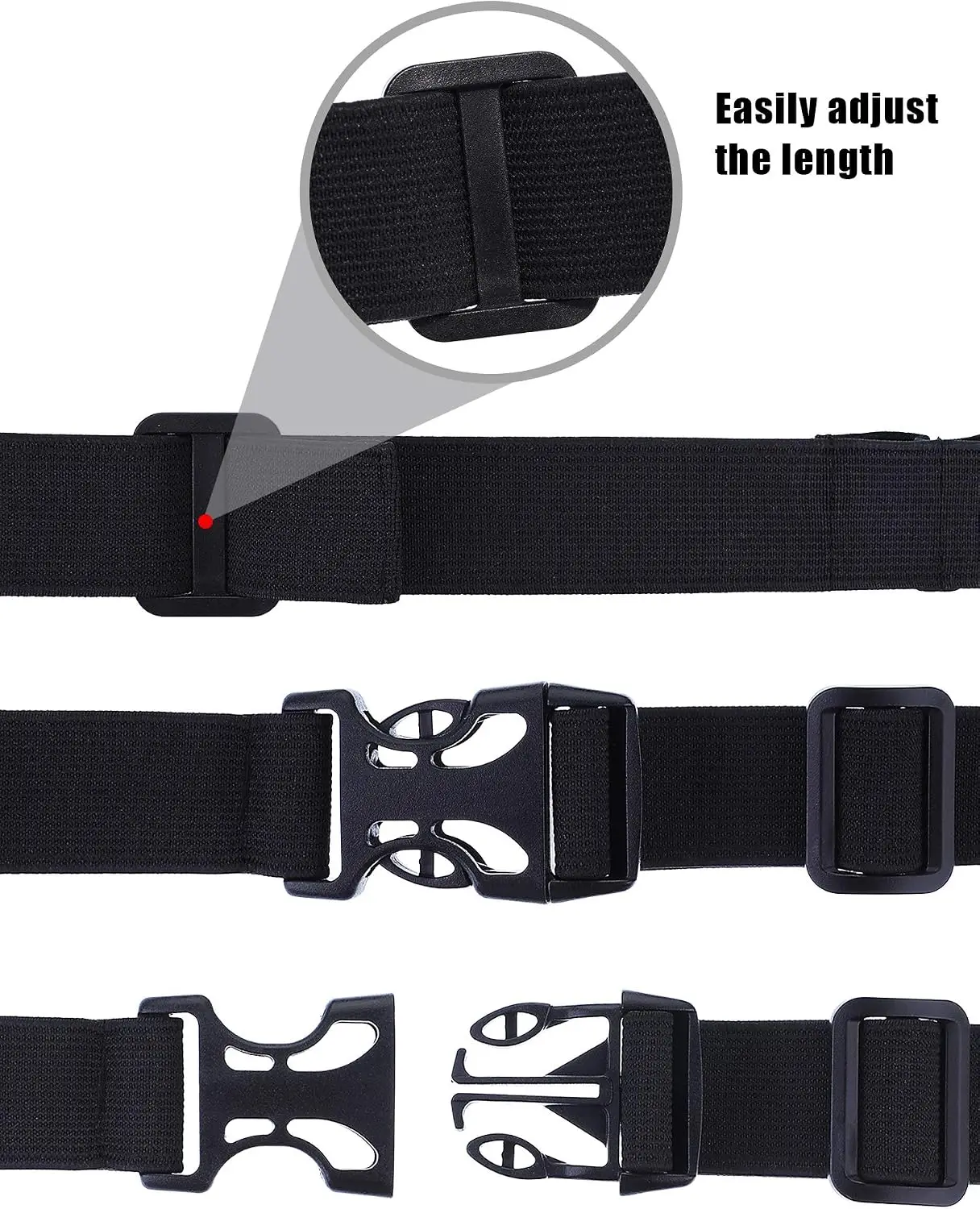
- Fully adjustable, and it fits over anything. Elastic webbing with a buckle works over a tri suit, a vest, a jacket, or bare skin.
- Two belts. One for you, one for a training partner — or a spare, which matters, because a snapped buckle on race morning is a genuinely bad five minutes.
How to Use
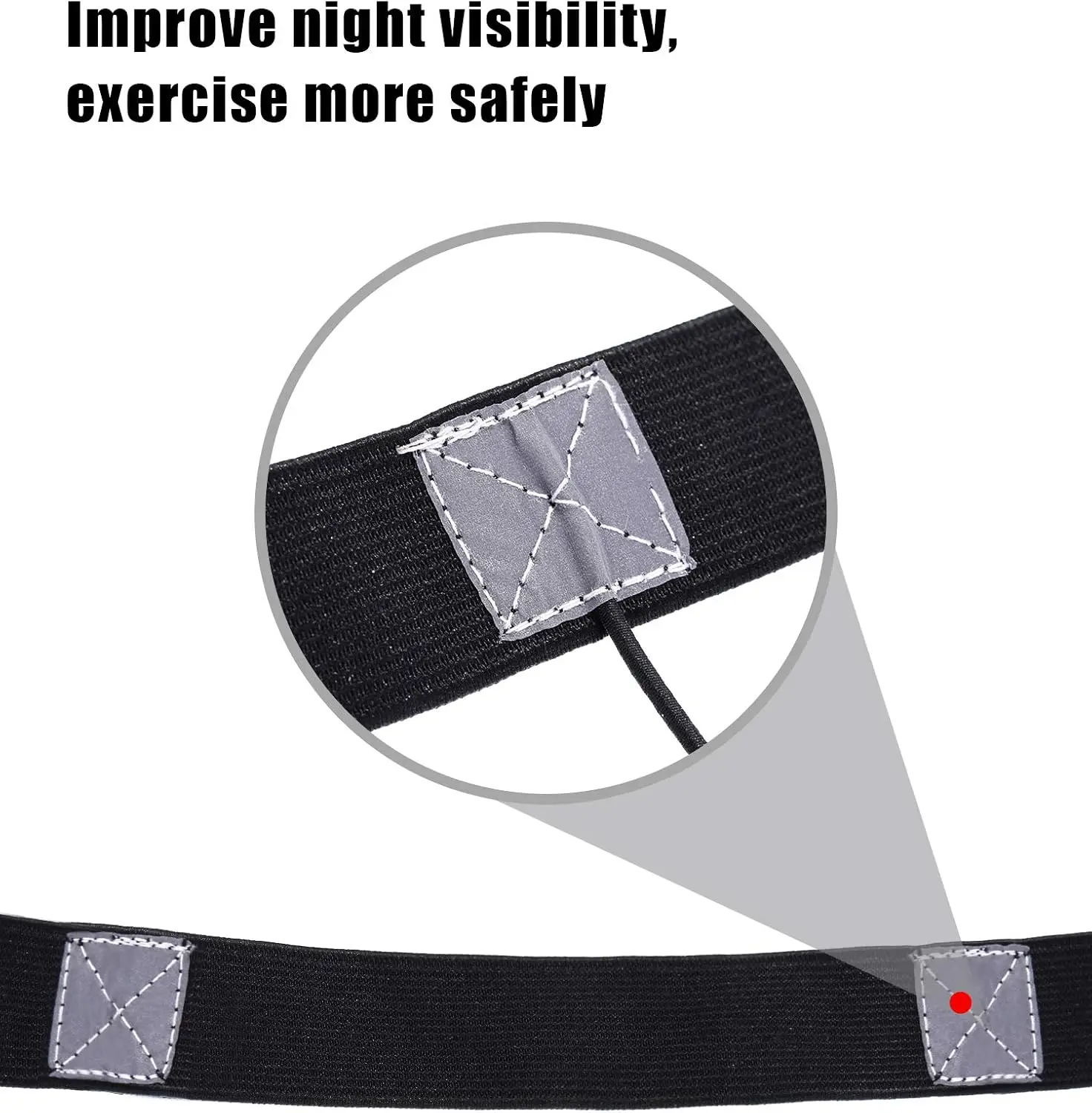
Thread the belt, attach the bib with the toggles or clips through the standard bib holes, and settle it across the hip bones — not the soft waist above them, where it will ride up and roll. Cinch it snug enough that it does not slide, loose enough that it does not restrict breathing; a belt that bounces will chafe. Load gels into the loops before you start, with the ones you will need first at the front. Practise with it on a long training run before race day — never debut a new piece of kit in a race, because a belt that is comfortable for 5 km can be raw by 30 km. A little anti-chafe balm along the belt line is worth the ten seconds. Safety: check your event’s rules, as some races require the number to be visible on the front and unfolded, and a small number of events specifically prohibit belts — a folded or hidden bib can cost you a timing split or a disqualification.
Specifications
| Quantity | 2 belts |
|---|---|
| Gel loops | 6 per belt |
| Bib attachment | Toggle / clip fixings |
| Material | Elastic webbing |
| Closure | Adjustable buckle |
| Rotates | Yes — bib can be worn front or back |
| Intended use | Running, cycling, marathon, triathlon |
| Sizing | One size, adjustable |
Care & Maintenance
Rinse in cool fresh water after salty or muddy races — dried sweat stiffens elastic webbing and eventually kills its stretch. Hand wash with mild detergent and air dry away from direct heat. Do not tumble dry, iron or bleach. Check the buckle and the toggles for cracks before every race; both are plastic and both fail without warning.
What’s in the Box
Two adjustable race number belts, each with six gel loops and bib fixings.
Reviews
There are no reviews yet.