The Core Exercise That Actually Trains What the Core Is For
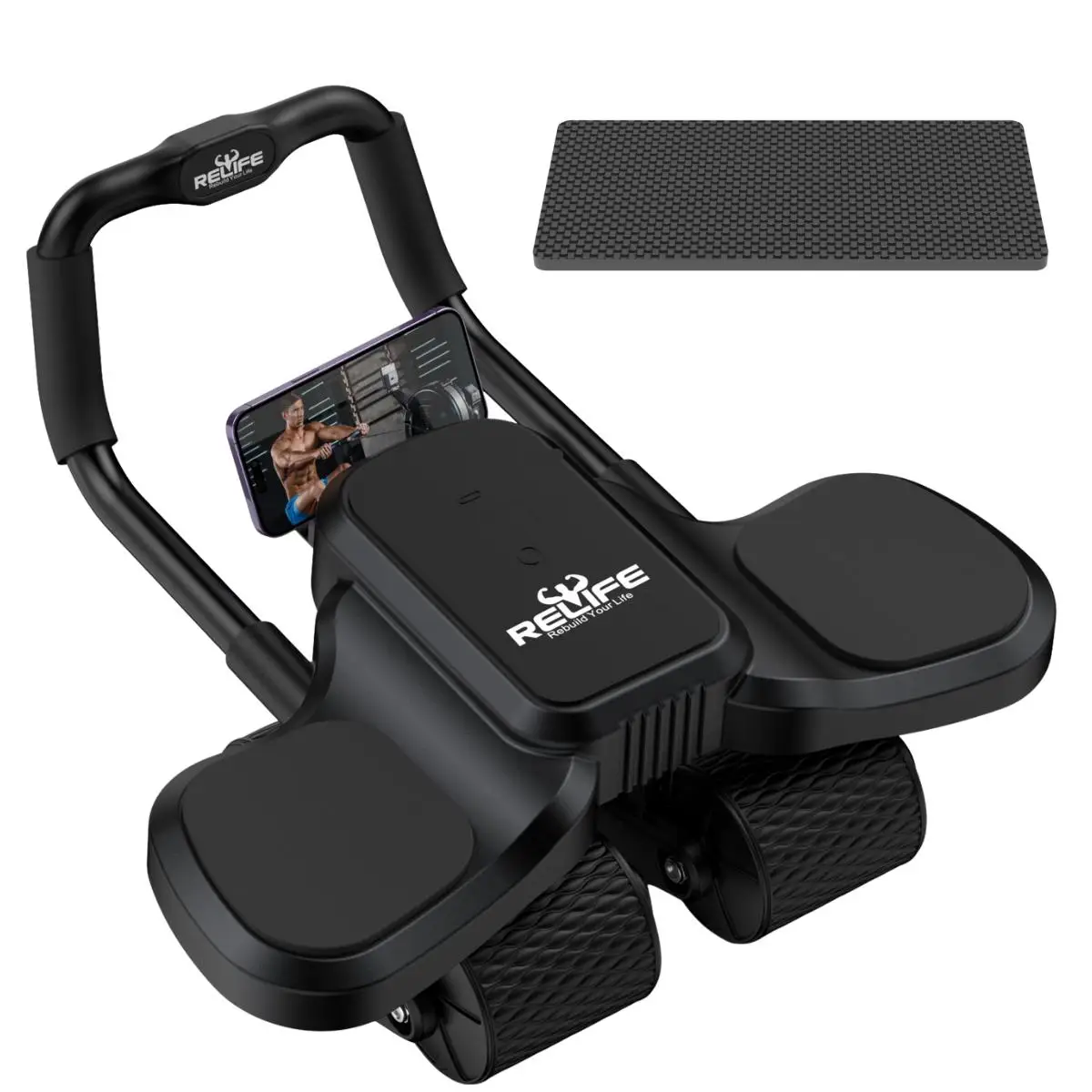
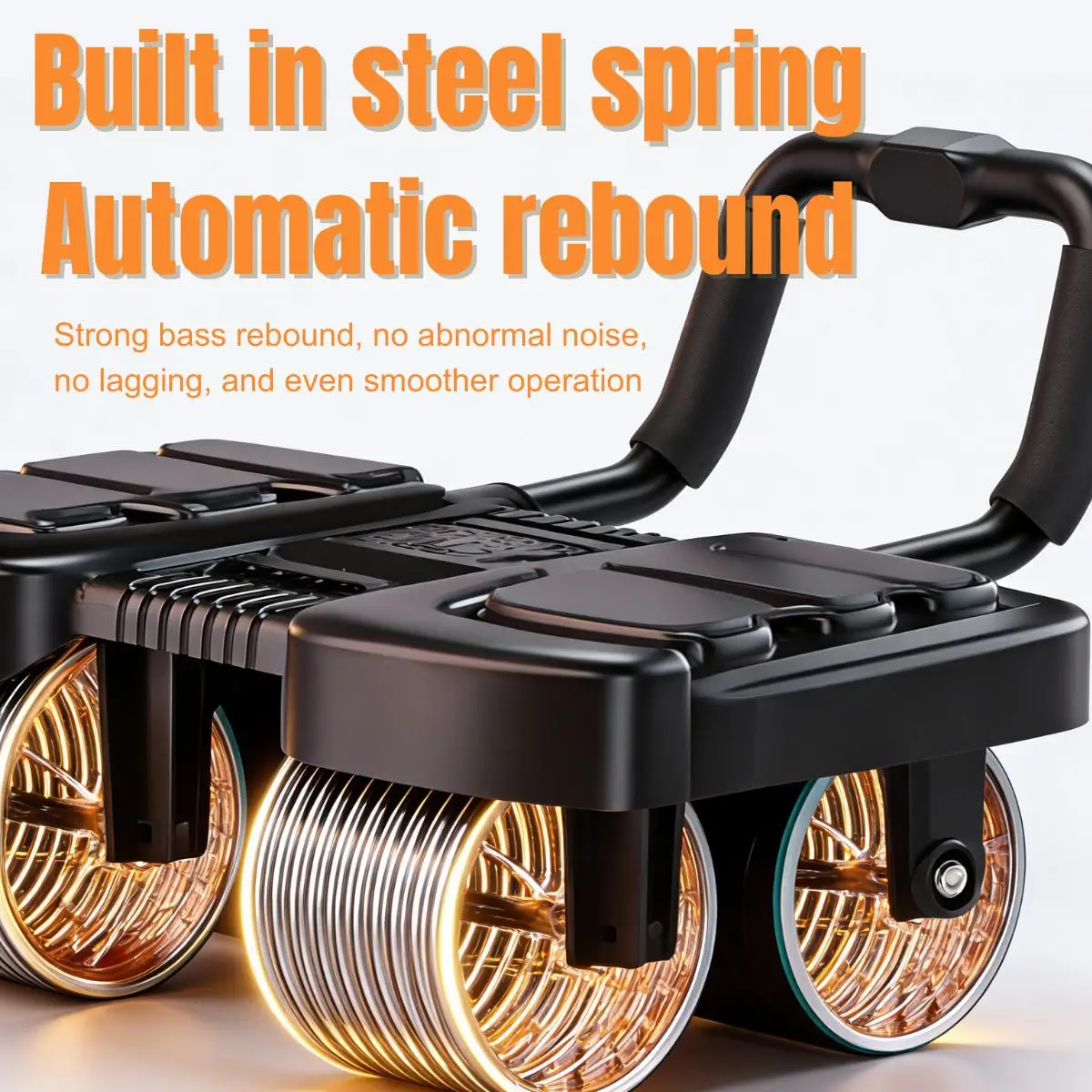
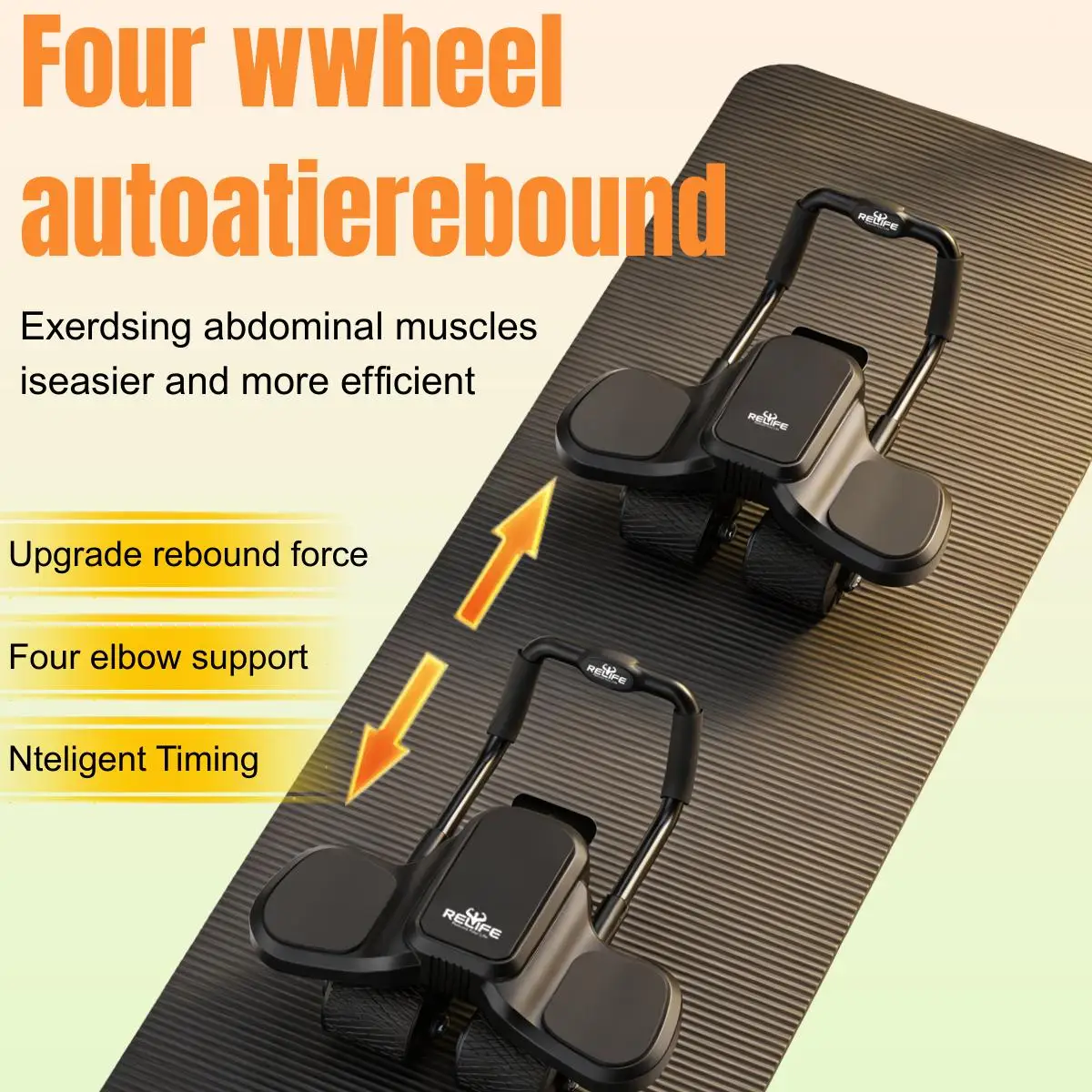
Your abdominals are not primarily a flexion muscle group — their main job is resisting extension, keeping the lumbar spine from arching under load. That is exactly what an ab rollout demands: as the wheel travels away, gravity tries to hyperextend your lower back, and the rectus abdominis, obliques and transverse abdominis have to fire isometrically to stop it. The auto-rebound spring provides assistance on the return, which is where most people lose their brace and dump the load into the lumbar spine. Four wheels widen the base, so you fight your core instead of fighting your balance.
Key Benefits
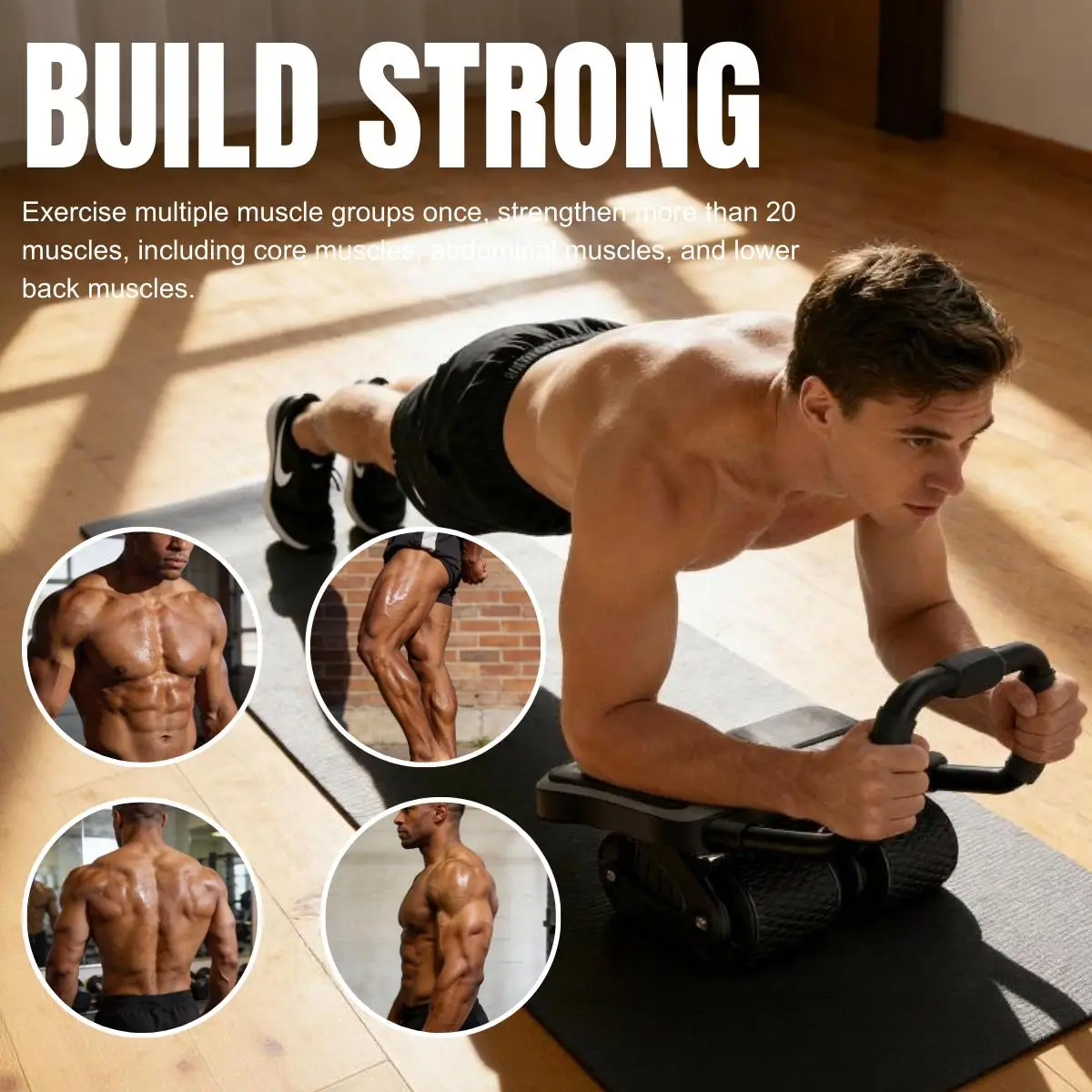
- Anti-extension is the real training effect. A rollout loads the core the way it functions in life — bracing against a lengthening force — rather than repeatedly crunching your spine into flexion.
- Auto-rebound protects the return phase. The spring assist gives you help coming back, which is when fatigued beginners typically sag at the hips and hand the load to their lower back.
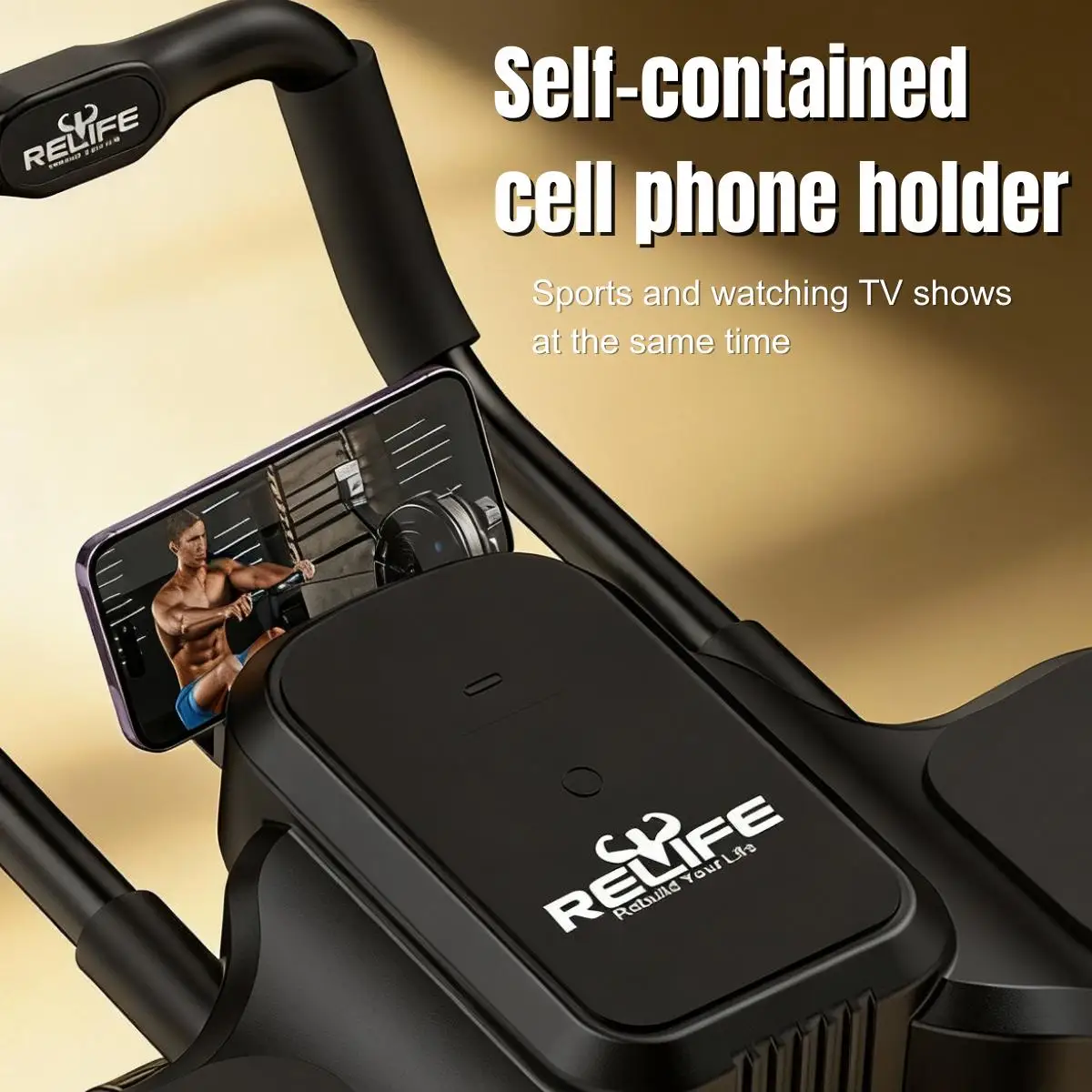
- Elbow support pads change the exercise. Forearm-supported rollouts remove the shoulder and wrist strain that stops many people from ever getting to a full rollout, and let you work closer to true core failure.
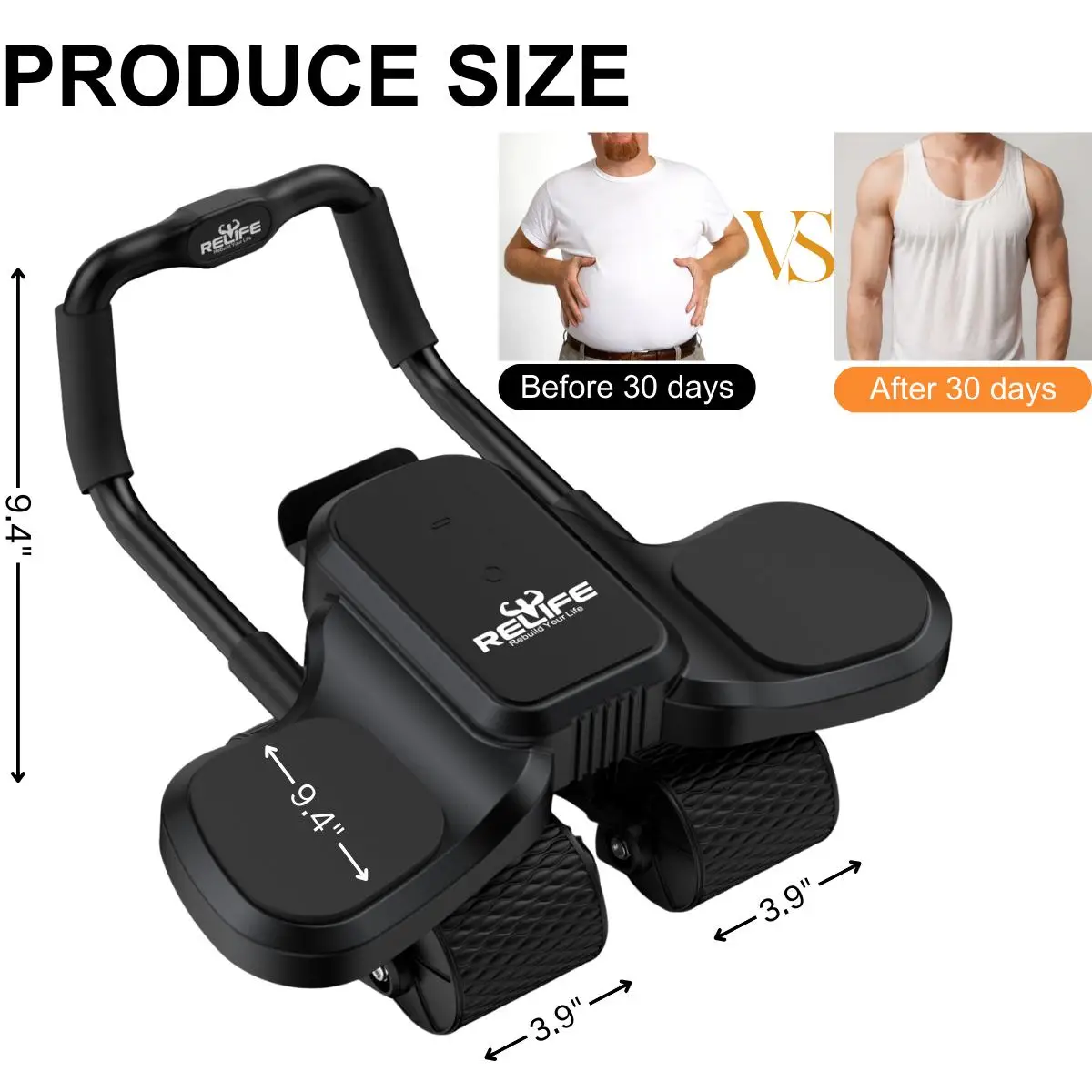
- Four wheels, wider track. A twin-axle, four-wheel base resists side-to-side wobble, so the limiting factor becomes core strength — not your ability to keep a single narrow wheel straight.
- Knee mat included. Rollouts on a hard floor end when your kneecaps do. The mat is not an accessory; it is the difference between finishing the set and not.
- Small, cheap, brutally effective. It stores under a sofa and it will humble people who can do a hundred sit-ups.
How to Use
Kneel on the mat, hands or forearms on the grips, and set your ribs down and pelvis slightly tucked — a posterior pelvic tilt — before the wheel moves at all. That brace is the exercise. Roll out slowly only as far as you can go without your lower back arching; for most beginners that is a very short distance, and that is fine. Exhale on the way out, keep the glutes squeezed, and use the rebound to help you back. Stop the set the moment your hips start to sag or you feel the effort move into your lower back — that is your core failing, and continuing past it is how people hurt themselves with this tool. Do not attempt standing rollouts until kneeling ones are effortless. Avoid entirely if you have a disc injury, an abdominal hernia, or are pregnant or recently postpartum, and clear it with a clinician first if you have any history of lower-back injury.
Specifications
| Type | Ab wheel roller, core trainer |
|---|---|
| Wheels | Four wheels (twin axle) for lateral stability |
| Assist | Automatic rebound spring on the return phase |
| Supports | Elbow / forearm support pads |
| Included surface | Knee mat |
| Use position | Kneeling (standing rollouts for advanced users only) |
| Assembly | Tool-free snap assembly |
| Muscles trained | Rectus abdominis, obliques, transverse abdominis, lats, shoulders |
Care & Maintenance
Wipe the grips and pads down after use and keep the wheels free of grit — a stone caught in a wheel makes the roller track sideways mid-rep. Check the axle bolts and the rebound spring before each session; a spring that has lost tension no longer assists the return and should be retired. Store it dry, and keep it off carpet with long pile, which loads the wheels unevenly. Do not oil the wheel bearings with anything that will make the wheel slip on a hard floor.
What’s in the Box
1 × four-wheel ab roller with elbow support pads and auto-rebound mechanism, 1 × knee mat, assembly instructions.
Reviews
There are no reviews yet.