
Cheaper Than Fixing the Floor
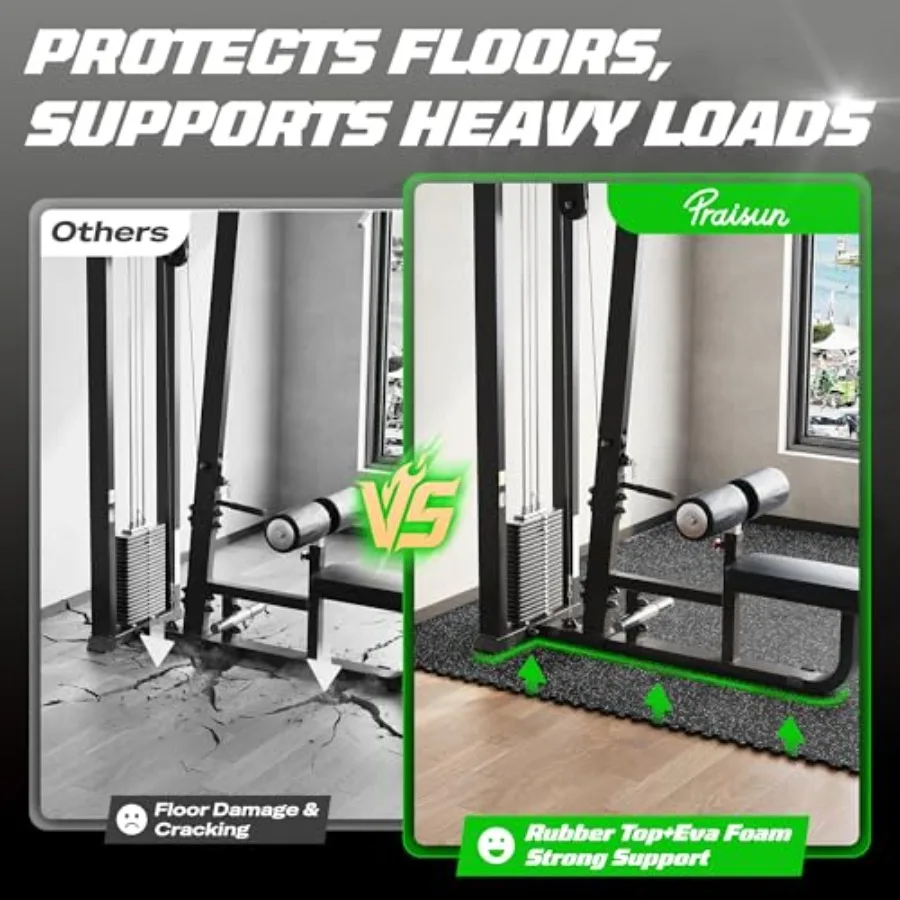
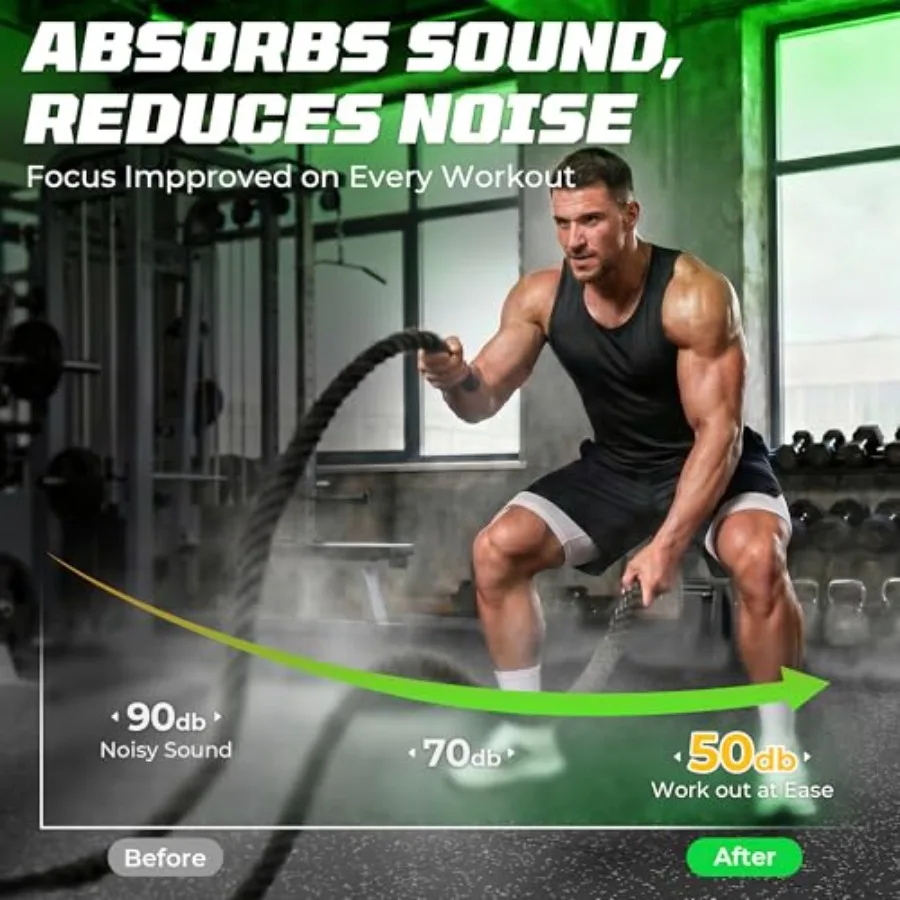
A dropped dumbbell will crack a tile, dent a hardwood board, or punch through laminate, and none of those are cheap to repair. Rubber flooring exists for that reason first, but two others matter almost as much: it grips, so you’re not doing lunges on a surface that slides, and it deadens sound — which is the difference between training at 6am in a flat and a permanent argument with the person downstairs.
Key Benefits
- Protects the subfloor from dropped weights — cheaper than repairing hardwood or tile
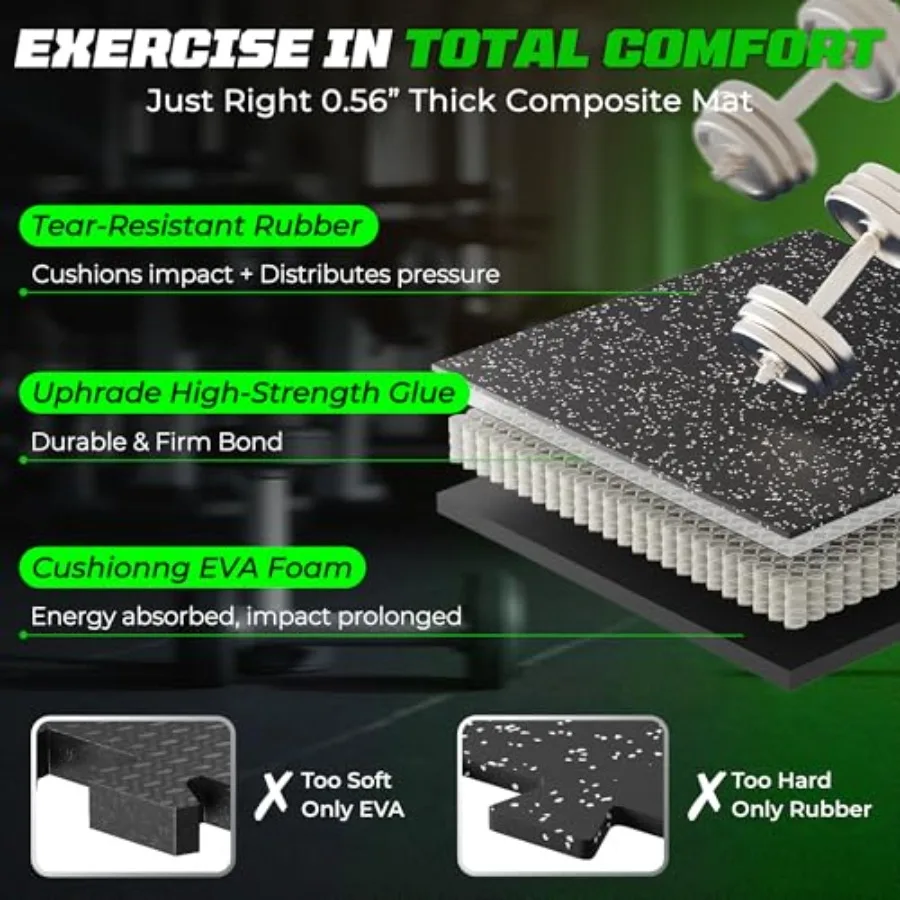
- 0.56 inch (14mm) heavy-duty thickness
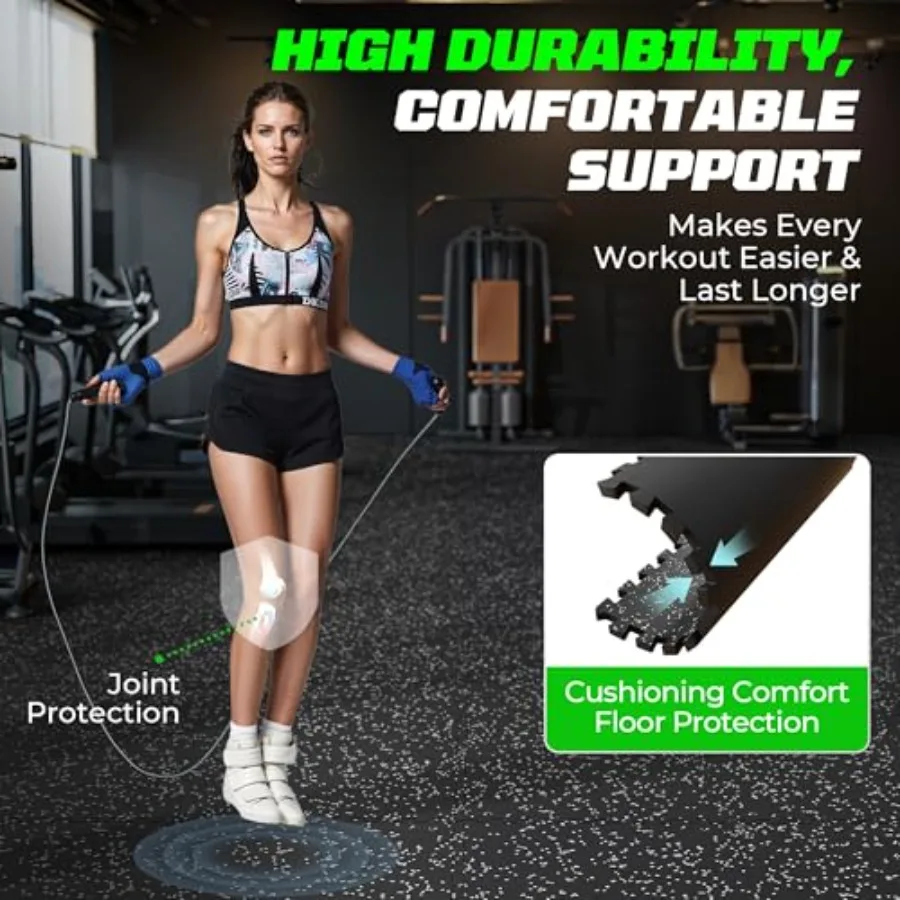
- Substantially reduces noise and impact transmitted to neighbours below
- Secure grip for lifting and bodyweight work
- Protects the equipment too, not just the floor
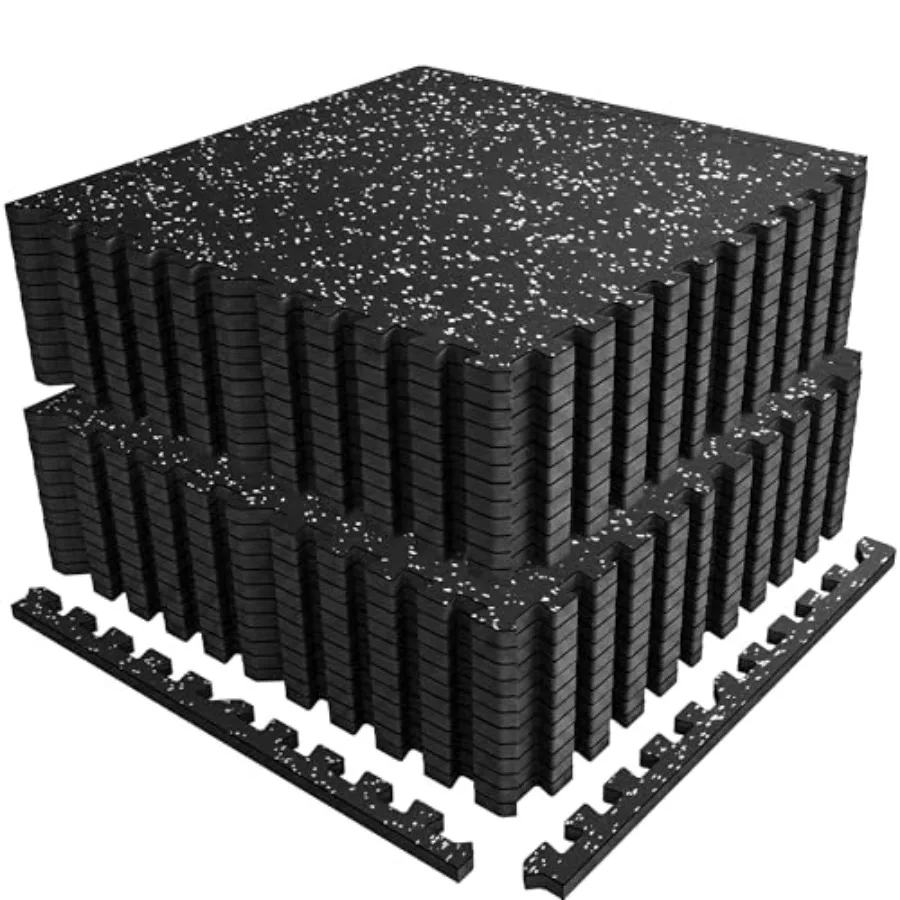
- Interlocking or roll format for straightforward installation
How to Use
Lay on a clean, dry, flat subfloor. Let the rubber acclimatise and lie flat for 24 to 48 hours before use — new rubber holds a curl and will want to lift at the edges. New rubber flooring has a distinct smell for the first week or two; ventilate the room well. Note honestly: 14mm protects against normal training loads, but no home flooring makes it safe to drop heavy loaded barbells repeatedly — that needs dedicated platforms and, usually, a ground floor.
Specifications
| Material | Heavy duty rubber |
|---|---|
| Thickness | 0.56 in (14 mm) |
| Protects | Subfloor, and the equipment |
| Benefits | Noise reduction, impact absorption, grip |
| Installation | Lay flat on a clean dry subfloor; allow 24–48 hours to settle |
| Note | New rubber has a strong odour for 1–2 weeks — ventilate well |
Care & Maintenance
Sweep and damp mop with mild detergent. Avoid solvent-based cleaners, which degrade rubber.
What’s in the Box
Rubber gym flooring (quantity as selected)

Reviews
There are no reviews yet.