

How a Band Turns an Impossible Pull-Up Into a Repeatable One
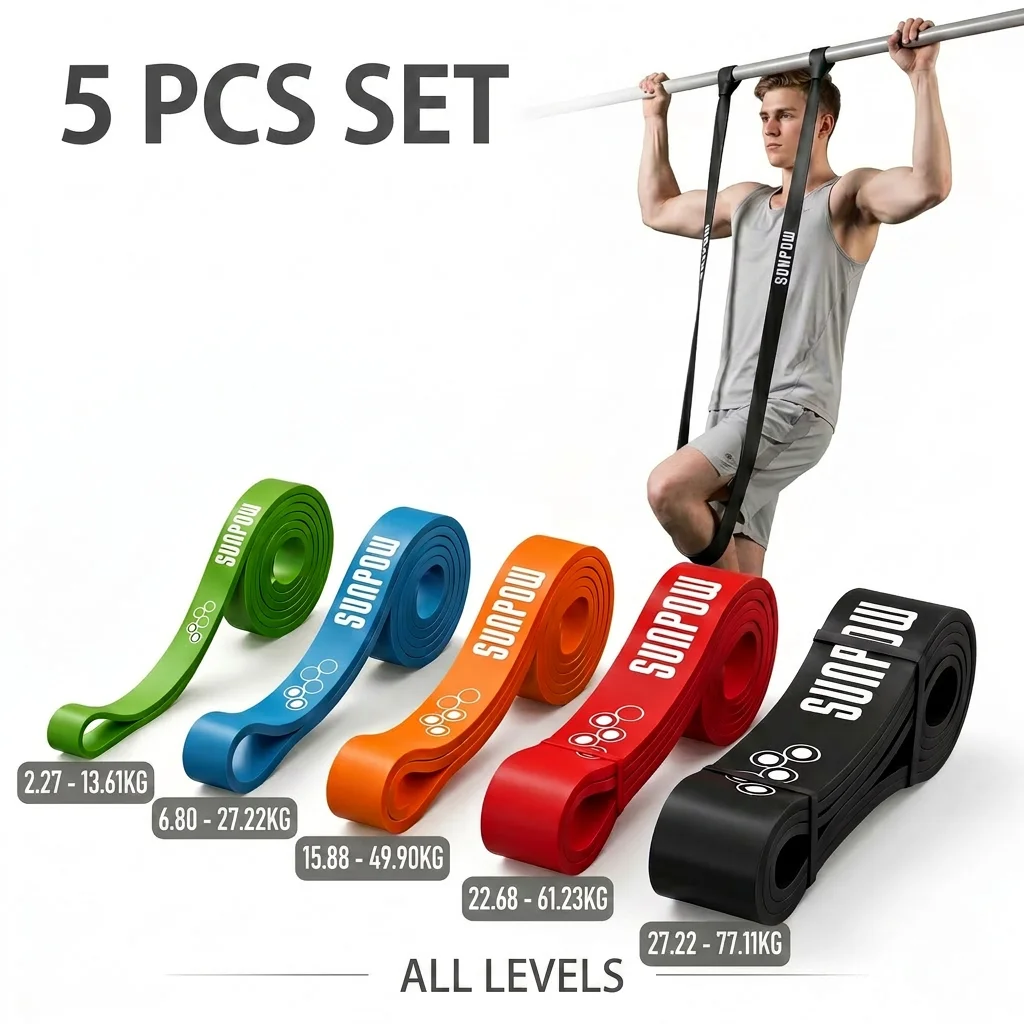
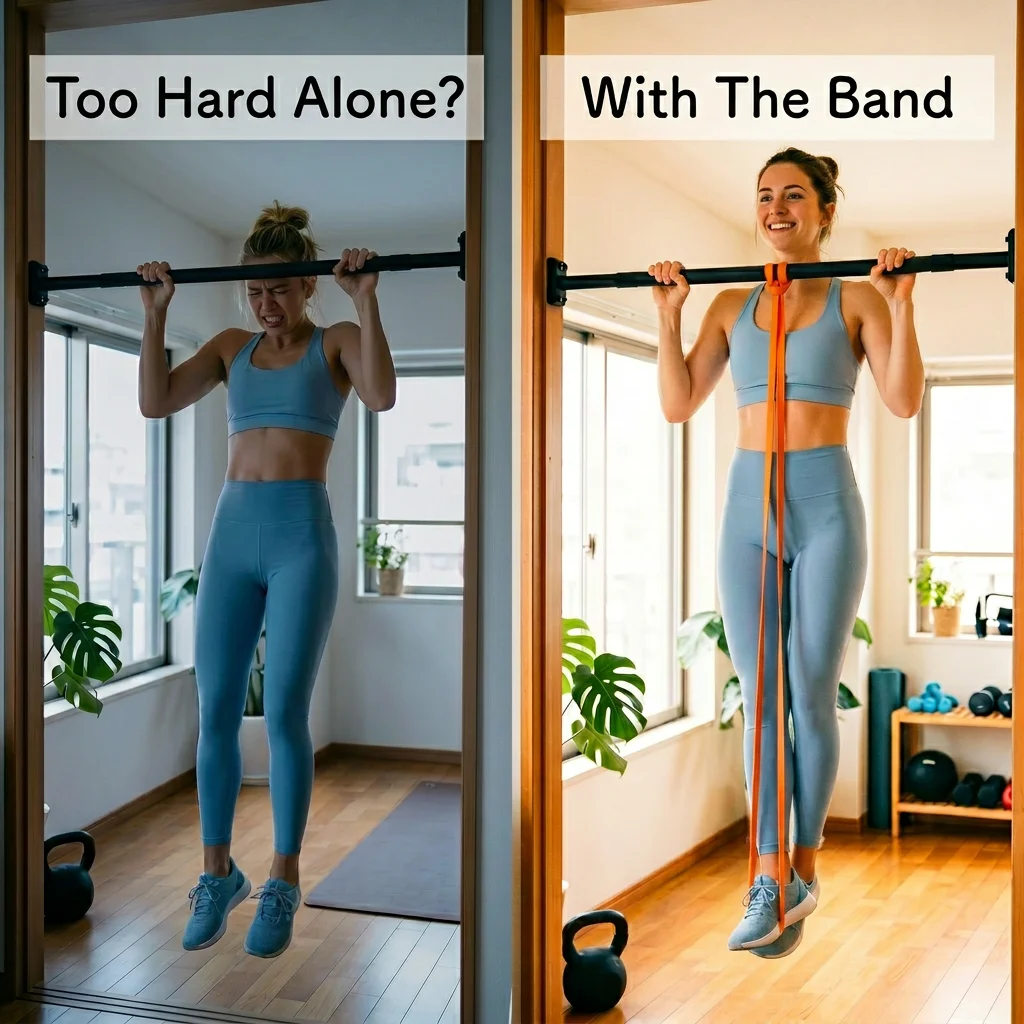
A pull-up is a fixed-load exercise: you weigh what you weigh, and there is no lighter dumbbell to reach for. That is why so many people stall at zero reps forever. A looped band under the foot or knee stores elastic energy when stretched at the bottom of the hang and returns it exactly where you need it most — the dead-hang start, where your lats are at their longest and weakest. As you rise and the band shortens, its assistance falls away, so the top of the movement stays honest. You get to practise the full range of motion with real technique, then step down through lighter bands as you get stronger, which is progressive overload in reverse.
Key Benefits
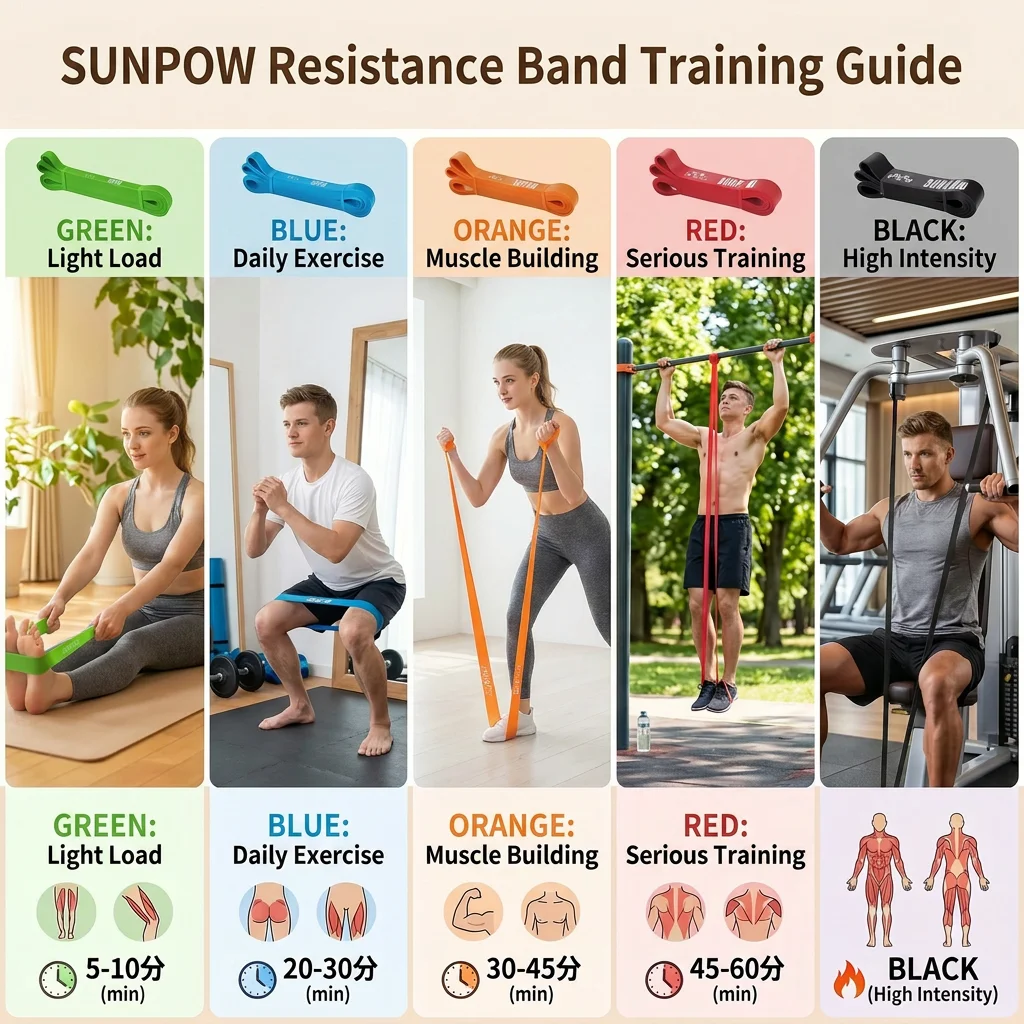
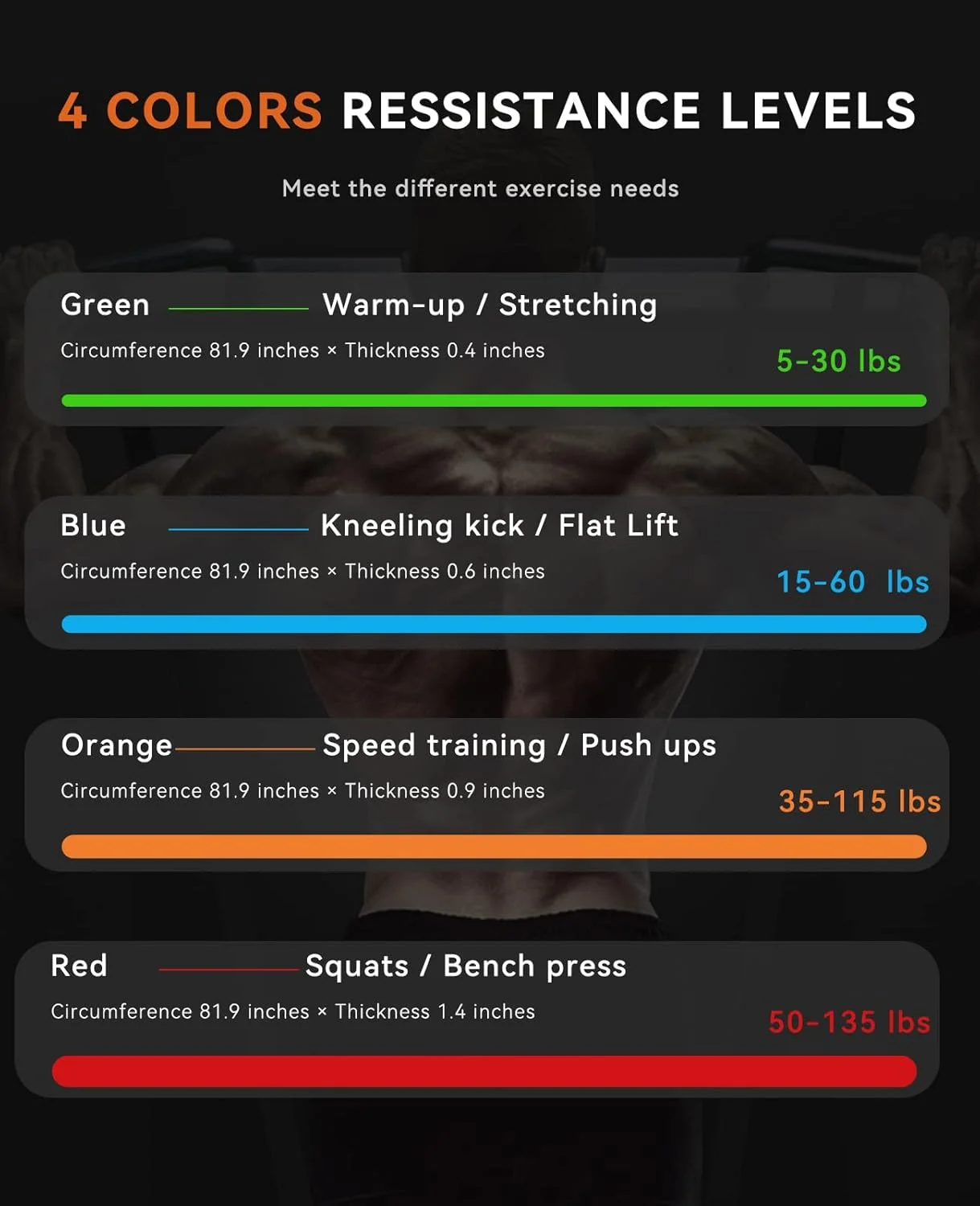
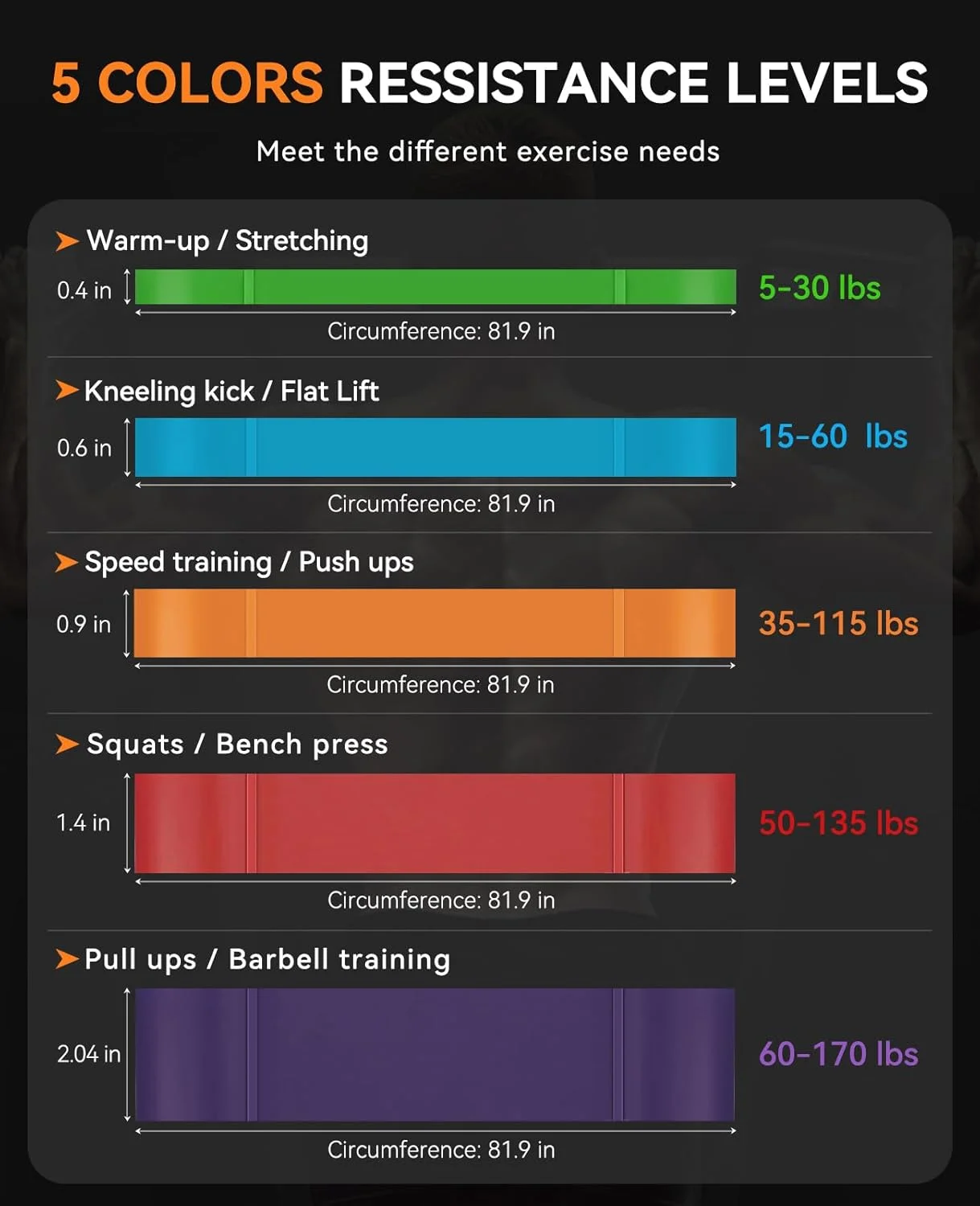
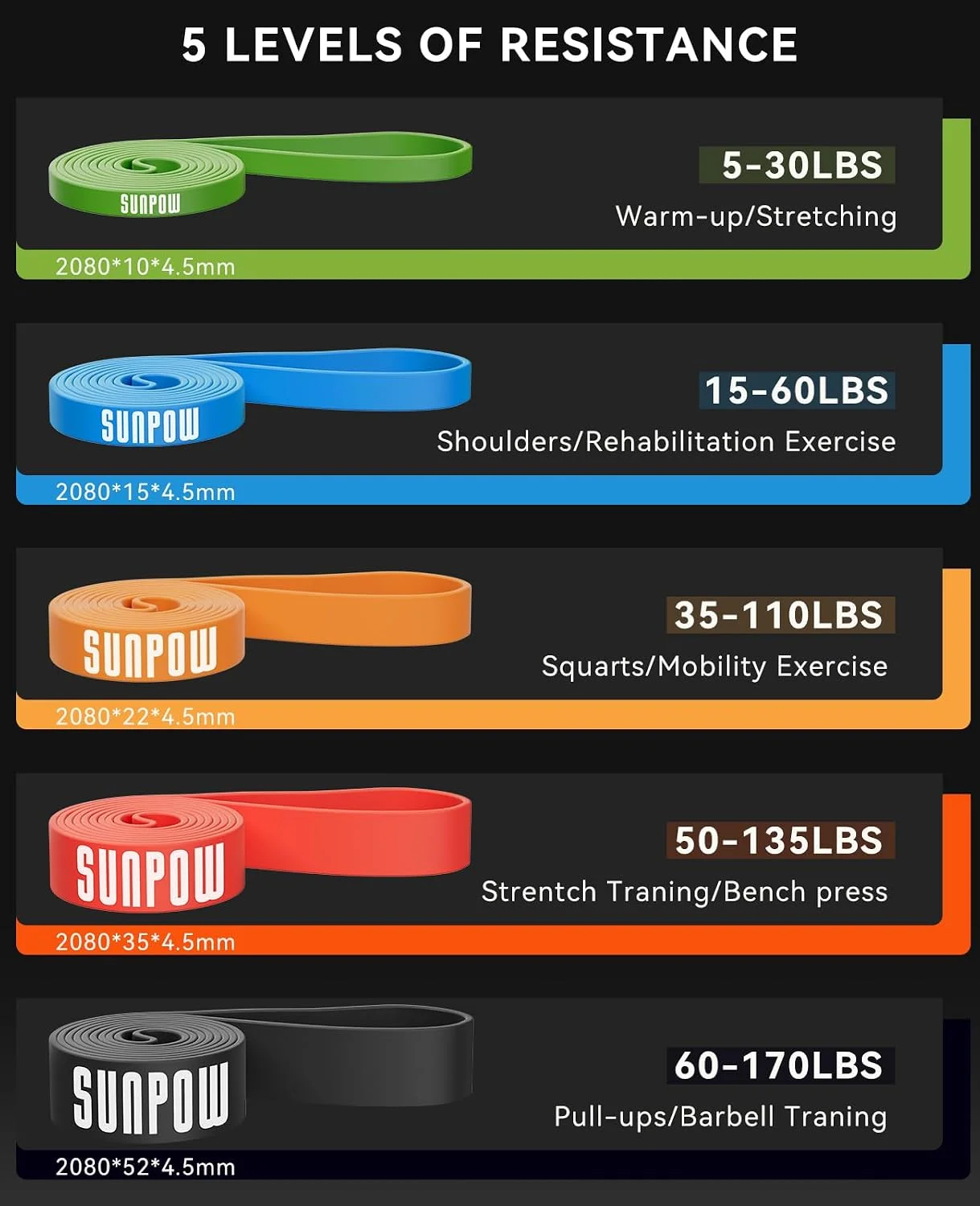
- Five levels means a real progression, not a cliff. Dropping from a thick band to nothing is a jump most people cannot make. Graded resistance lets you step down band by band until the band is gone.
- Assistance is greatest where you are weakest. Elastic tension peaks at the bottom of the hang and fades near the top — the opposite of a machine assist, and a much better match for the strength curve of a pull-up.
- Layered natural latex resists snapping. Continuous latex layers, rather than glued strips, distribute load across the band and are far more durable under repeated deep stretch.
- Doubles as a mobility and warm-up tool. Shoulder dislocates, banded hamstring stretches, hip distractions and pull-aparts all use the same loops.
- Adds resistance as well as removing it. The same bands loop over a bar for pull-downs, or around your legs for squats, glute bridges and lateral walks.
- Travels in a pocket. Five bands weigh less than a single dumbbell and turn any bar, tree branch or door frame into a workout.
How to Use
Loop one end of the band over the bar and pass it through itself to cinch it. Pull the bottom loop down, place one foot (more assistance, less stable) or one knee (less assistance, easier to control) into it, and step up carefully — the band will yank you upward if you let go. Take the dead hang, brace, and pull with your elbows driving down toward your ribs rather than yanking your chin over the bar. When you can perform 8–10 clean reps with a band, move to the next band down. Safety matters here: inspect every band for nicks, cuts or dry cracking before each use, because a band that fails under tension does so violently. Never stretch a band toward your face, never look directly down into a loaded band, and make sure the anchor point genuinely takes your weight before you commit to it.
Specifications
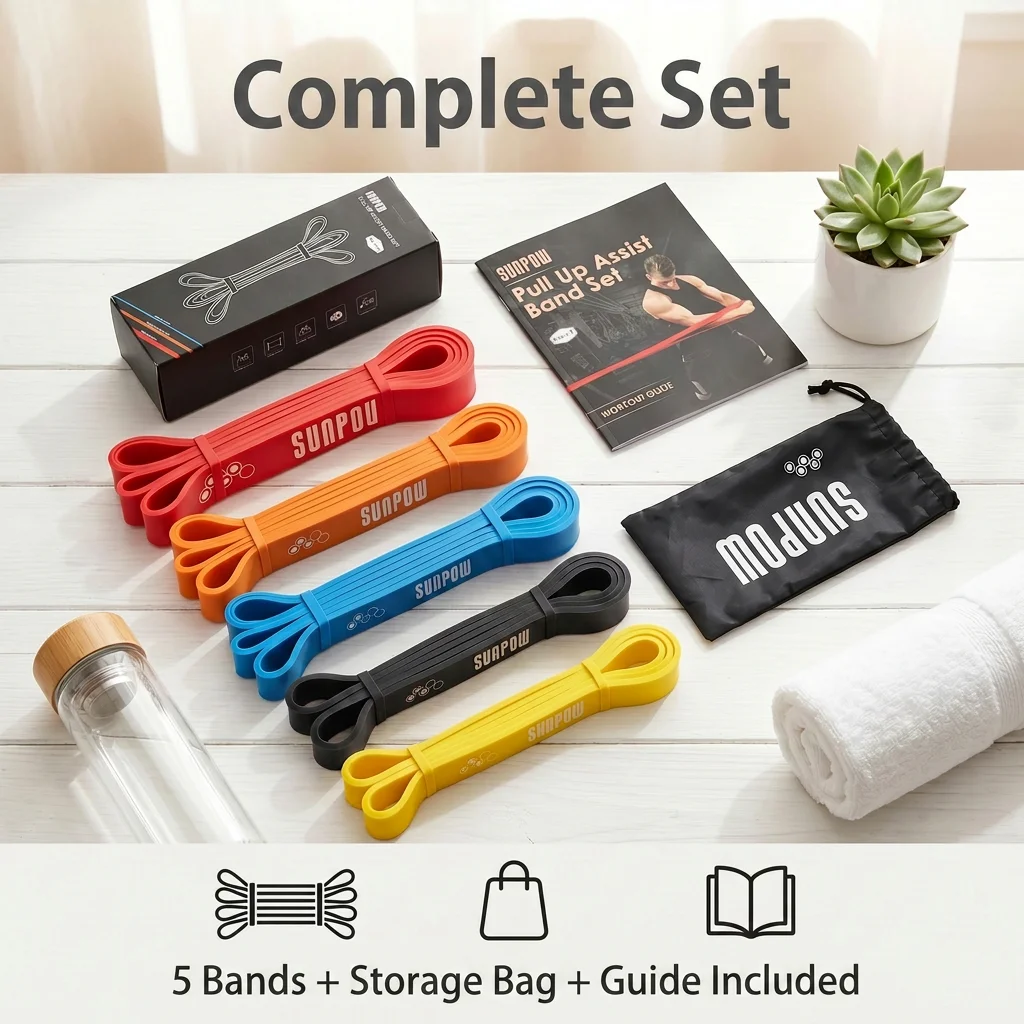
| Set | 5 loop bands of graded resistance |
|---|---|
| Material | Layered natural latex |
| Length | Continuous loop (standard pull-up assist length) |
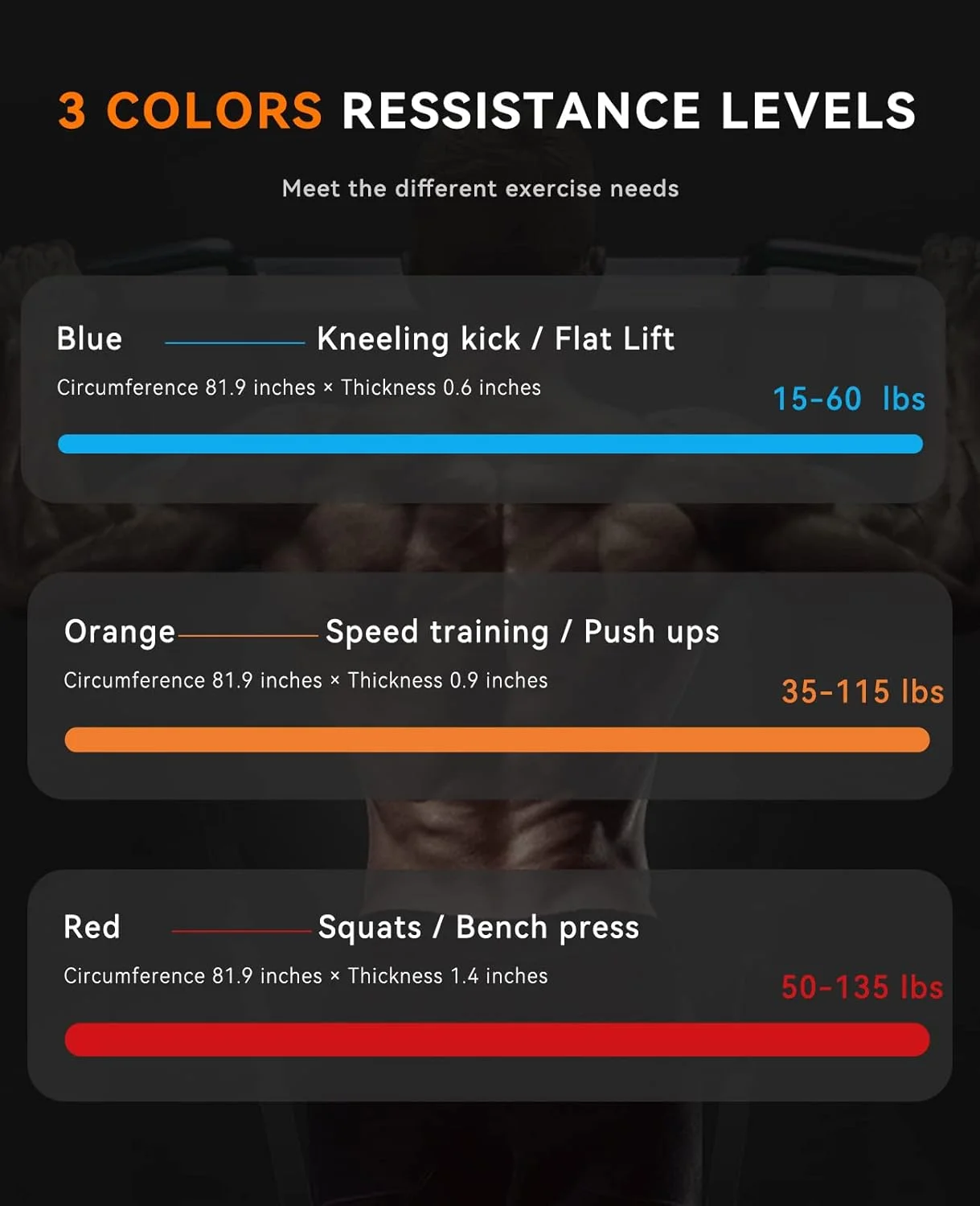
| Resistance range | Light to heavy — exact band weights variant dependent |
| Use | Pull-up assistance, resistance training, stretching, mobility |
| Anchoring | Cinch over a pull-up bar, rack or sturdy anchor |
| Users | Men and women, all levels |
| Storage | Rolls into a small bag |
Care & Maintenance
Keep bands away from direct sunlight, heat and chlorine — UV and ozone are what actually kill latex, long before the training does. Wipe them dry after sweaty sessions and store them loosely, not stretched or knotted. Do not use them on rough, splintered or textured bars without protecting the contact point, as small nicks are where failures start. Retire any band showing cracks, tears or a chalky, brittle surface. Latex allergy sufferers should not use these.
What’s in the Box
5 x natural latex loop resistance bands in graded resistances, plus a carry bag. Bar and anchor not included.

Reviews
There are no reviews yet.