Short Blades, Better Kick Mechanics
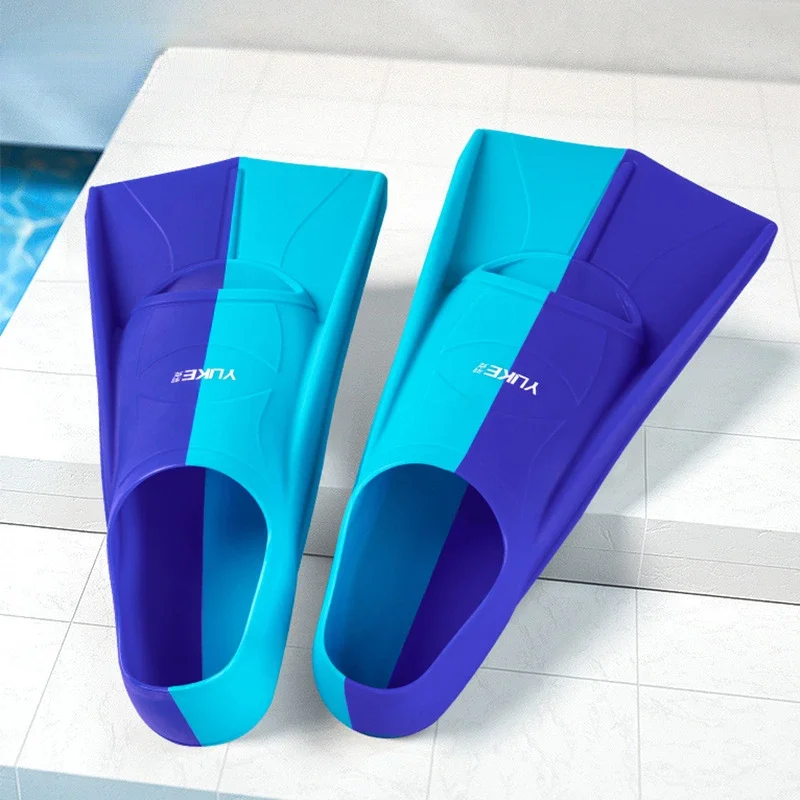
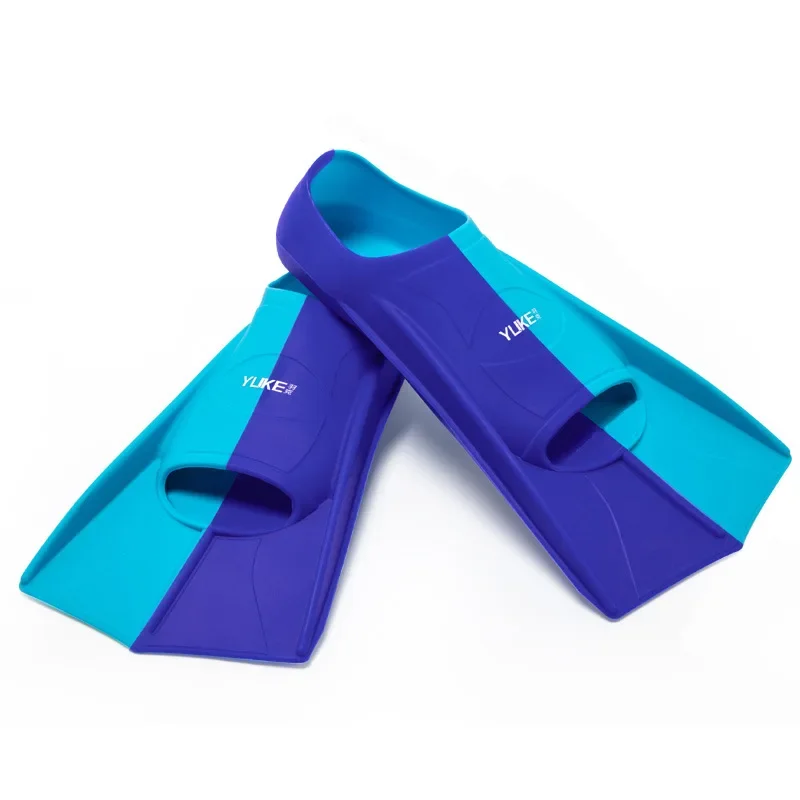
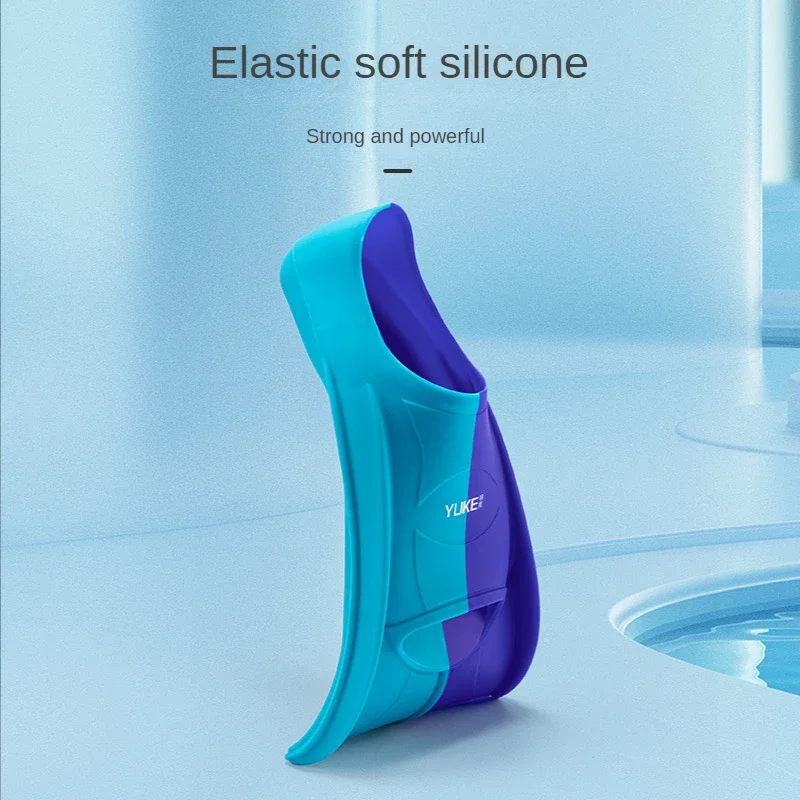
Most swimmers kick from the knee, which produces drag rather than propulsion. Short-blade fins increase the surface area of the foot modestly — enough to load the ankle into plantarflexion and force the drive to originate at the hip, but not so much that your kick cadence collapses to an unnatural crawl. The extra propulsion also lifts the hips toward the surface, which means you can hold a good horizontal body position long enough to actually practise your catch and rotation instead of fighting to stay afloat. Long blades feel faster; short blades teach better.
Key Benefits
- Preserves natural kick tempo. Long dive fins force a slow, exaggerated kick. Short blades let you kick at close to swim cadence, so the pattern you drill is the pattern you race.
- Builds ankle plantarflexion. Stiff ankles are the most common reason a kick goes nowhere. Fins gently load the ankle into a pointed position over time.
- Raises the hips. Better body position means less drag, which lets you focus on stroke work rather than survival.
- Soft silicone foot pocket. Comfortable enough for repeated pool sets, where a hard plastic pocket would shred your instep by the third length.
- Doubles for snorkelling and shallow diving. Short fins are easy to pack and easy to control in confined water or near a reef.
- Adds honest resistance to leg sets. The calves and hip flexors work noticeably harder — expect them to feel it the next day.
How to Use
Wet both the fin and your foot before putting them on; dry silicone drags on skin and is a fast route to a heel blister. Kick from the hip with a long leg and a loose, relaxed ankle — the fin should snap through the water, not chop. Introduce them gradually: one or two short kick sets in your first few sessions rather than a whole workout. Calf cramping is very common when you first use fins, so stop and stretch at the first sign rather than kicking through it. If you get any rubbing at the heel or instep, wear thin neoprene socks. Children should always be supervised in the water, and fins should never be worn walking on a poolside — they are a trip hazard.
Specifications
| Type | Short-blade training fins |
|---|---|
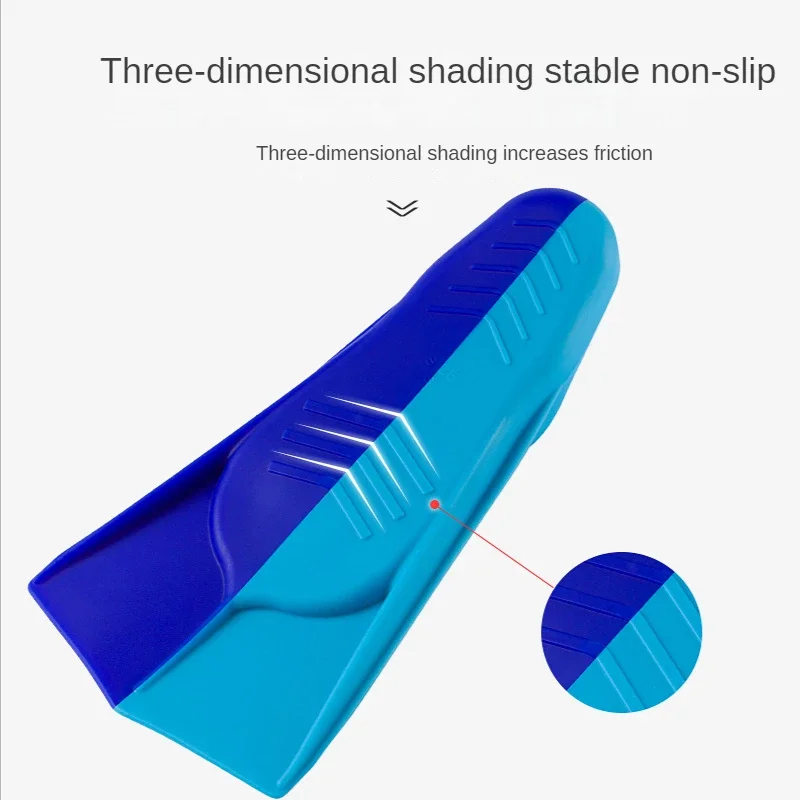
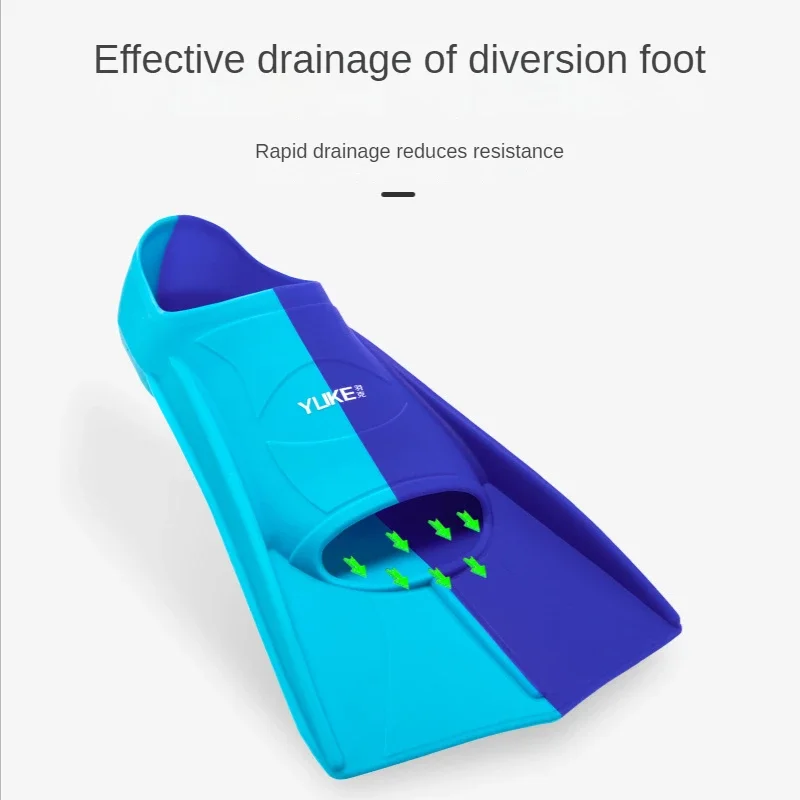
| Material | Silicone foot pocket and blade |
| Blade length | Short — designed for technique work, not maximum speed |
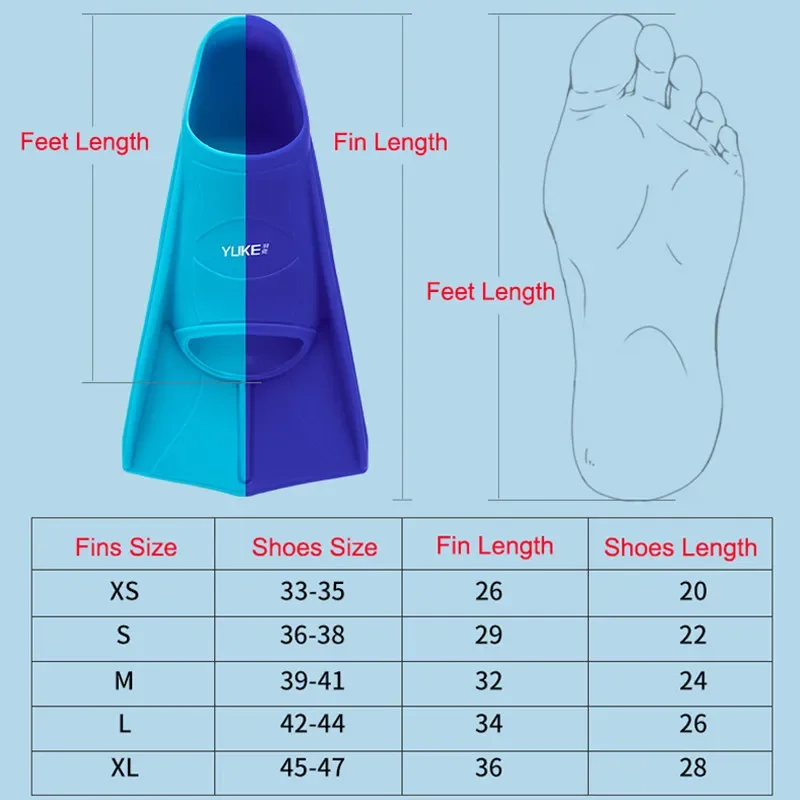
| Sizes | Adult and junior sizing available — variant dependent |
| Primary use | Swim technique, kick sets, ankle mobility |
| Secondary use | Snorkelling, shallow scuba, flippers for recreational swimming |
| Fit | Closed heel foot pocket |
| Set contents | Variant dependent — check the option selected |
Care & Maintenance
Rinse thoroughly in fresh water after every swim. Chlorine and salt both attack silicone over time, and sunlight is worse than either — never leave fins drying on a hot poolside or in a car boot. Dry them out of direct sun and store them flat or hanging so the blades don’t take a permanent bend. Do not fold them into a tight bag for long periods.
What’s in the Box
1 x pair of swim training fins. Mesh carry bag and additional accessories are variant dependent.
Reviews
There are no reviews yet.