
What a String Dampener Actually Does (and What It Doesn’t)
When the ball leaves the strings, the string bed rings at a high frequency — that’s the ‘ping’. A dampener is a small rubber block wedged between the main strings below the crosses; its mass and damping absorb that high-frequency string oscillation and turn the sound into a dull thud. Here is the part the marketing usually skips: the frequencies that reach your arm come mostly from the frame flexing, not the strings, and dampeners sit outside the string bed’s hitting area. So they change feel and sound. They do not meaningfully reduce the shock load that causes tennis elbow.
Key Benefits
- Kills the string ping — replaces the sharp ring with a muted thud, which many players find easier to time and less distracting on long baseline rallies.
- Cleaner feedback on contact — with the high-frequency ring gone, you notice the lower-frequency information that actually tells you where on the bed you hit the ball.
- Zero performance penalty — a dampener sits below the crosses, outside the hitting zone. It does not change power, spin or string movement.
- Honest on injury — dampeners do not prevent or treat tennis elbow. The evidence points to grip size, string tension, string material, technique and load management. If your elbow hurts, address those, not this.
- Stays put — a snug rubber fit between the two central main strings means it survives serves and overheads instead of pinging into the net after four games.
- Cheap, reversible personal preference — plenty of pros use one, plenty refuse. Try it for a session; if you prefer the raw string sound, pull it out in two seconds.
How to Use
Fit the dampener between the two central main (vertical) strings, below the lowest cross string — that’s the only legal position under the rules of tennis, which permit dampeners solely outside the pattern of crossed strings. Push it in so the grooves grip both mains and it can’t rotate freely; if it spins with a fingertip, it’s too loose and will fly out. Give the strings a gentle pluck: a dead thud means it’s seated, a residual ring means push it in further. Remove and refit it whenever you restring. Do not try to use a dampener as a substitute for treating arm pain — persistent elbow, wrist or shoulder pain wants a physio and a look at your string setup, not a piece of rubber.
Specifications
| Product type | String vibration dampener (shock absorber) |
|---|---|
| Material | Flexible rubber / silicone-type elastomer |
| Fit | Between the two central main strings, below the bottom cross |
| Racket compatibility | Universal — fits standard 16×19 and 18×20 string patterns |
| Legality | Permitted under ITF rules when mounted outside the crossed string pattern |
| Quantity | Variant dependent |
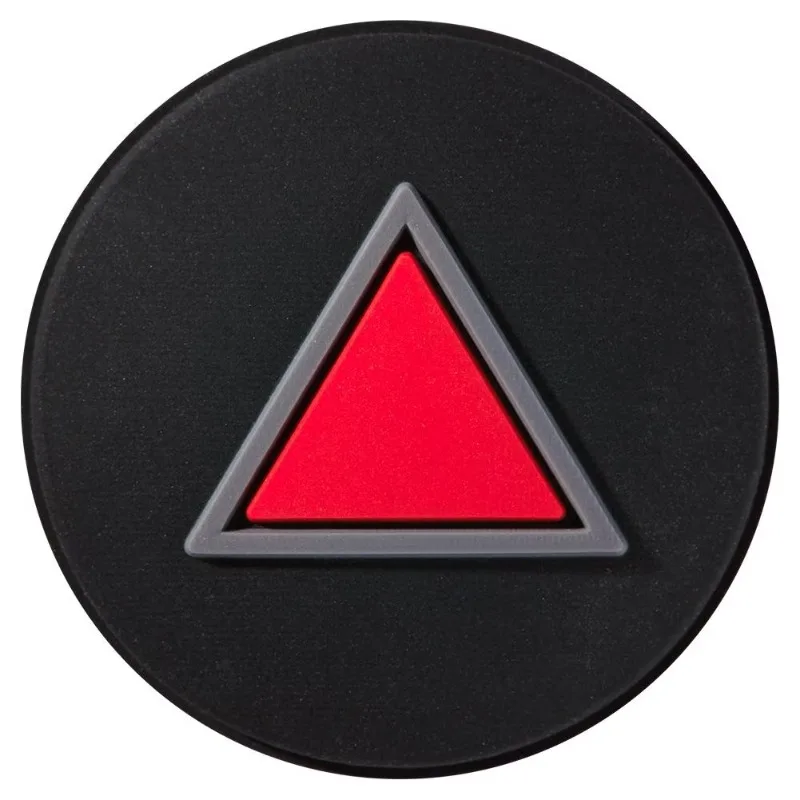
| Colour / design | Variant dependent |
| Weight impact | Negligible; does not alter swing weight in any meaningful way |
Care & Maintenance
Wipe with a damp cloth to remove court dust and clay, which grinds into the rubber and makes it brittle. Keep the racket out of a hot car boot — heat is what hardens and cracks the elastomer. Replace the dampener when it loses grip or splits; a hardened one no longer damps and simply rattles.
What’s in the Box
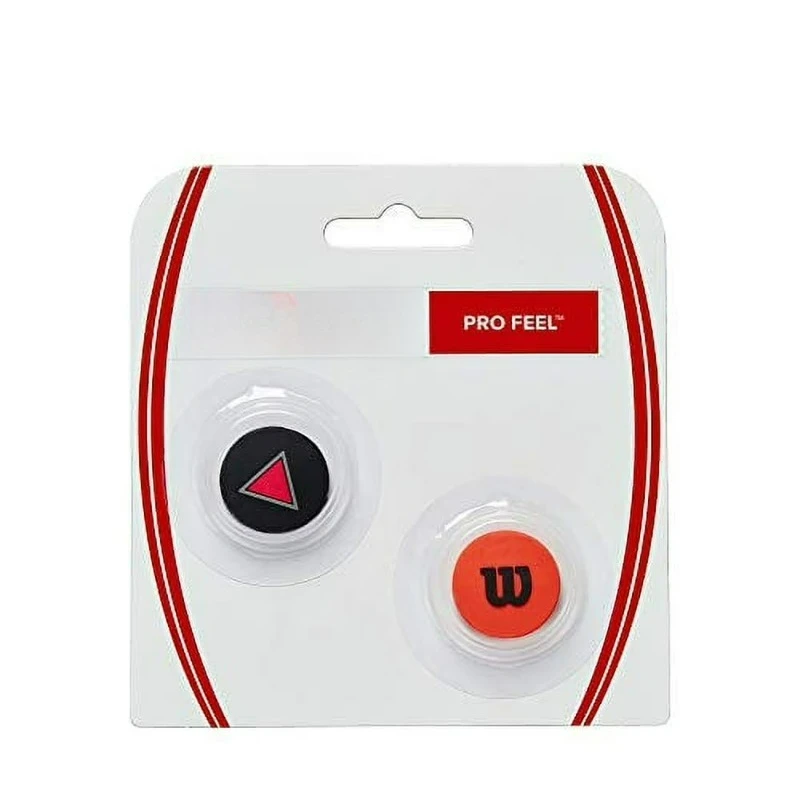
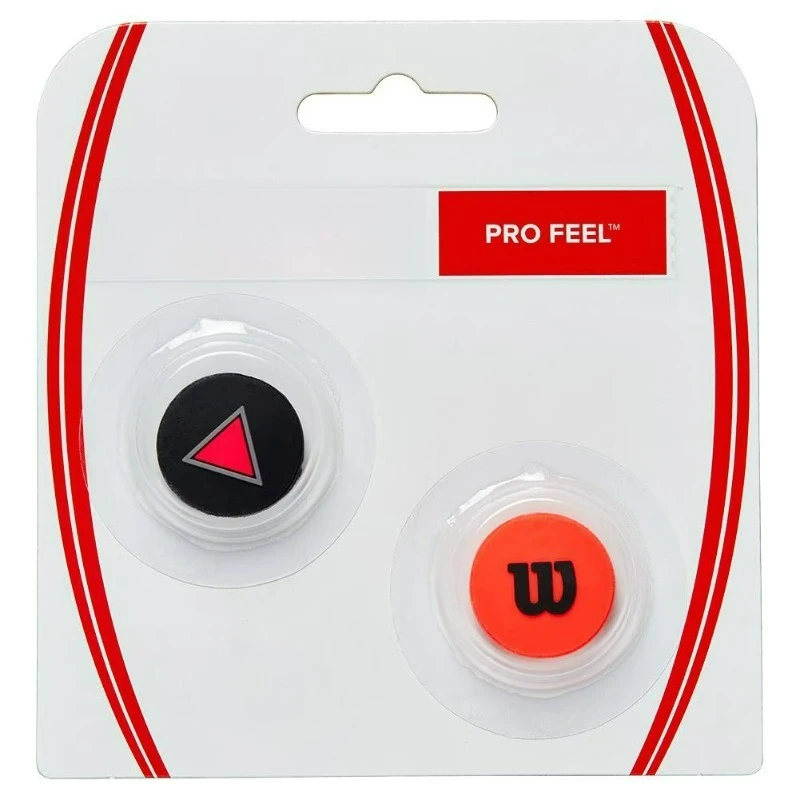
Tennis string dampeners as per the quantity and design of your chosen variant. Racket not included.


Reviews
There are no reviews yet.