What Six Hours in a Bad Chair Does to Your Pelvis
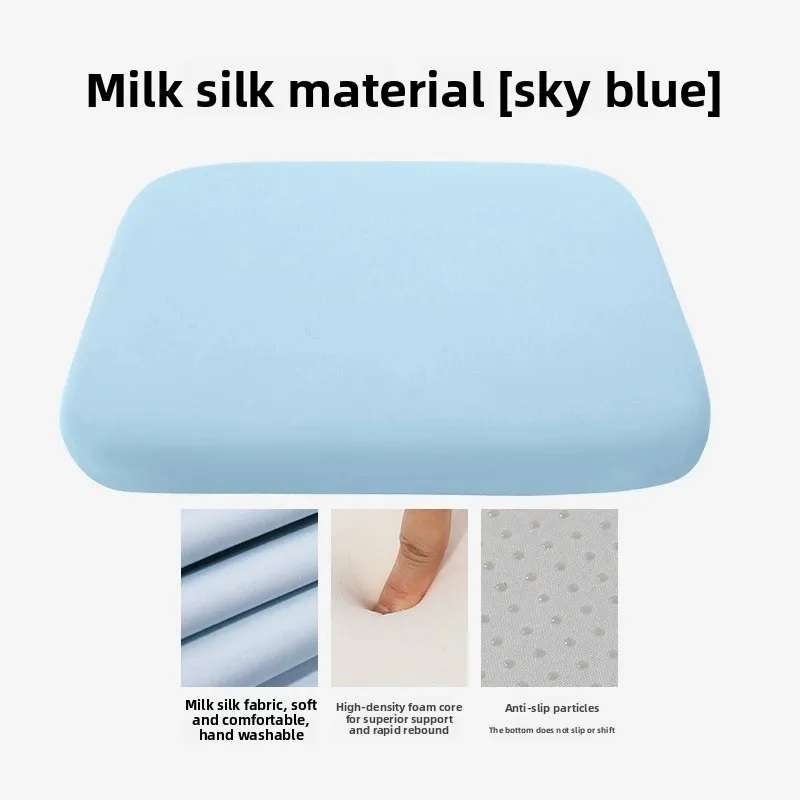
When you sit, roughly your entire upper-body weight funnels through two small bones — the ischial tuberosities — and, if you slump, the tailbone. A flat, worn or hard seat concentrates that load into a small area, compressing soft tissue and reducing blood flow, which is why the discomfort creeps in around hour two rather than immediately. It also tips the pelvis backward, and a posteriorly tilted pelvis drags the lumbar spine into flexion no matter how good the backrest is. A thick, dense foam cushion spreads that pressure over a wider surface and restores a level, slightly forward-tipped seat base, so your spine can find neutral without you having to consciously hold it there.
Key Benefits
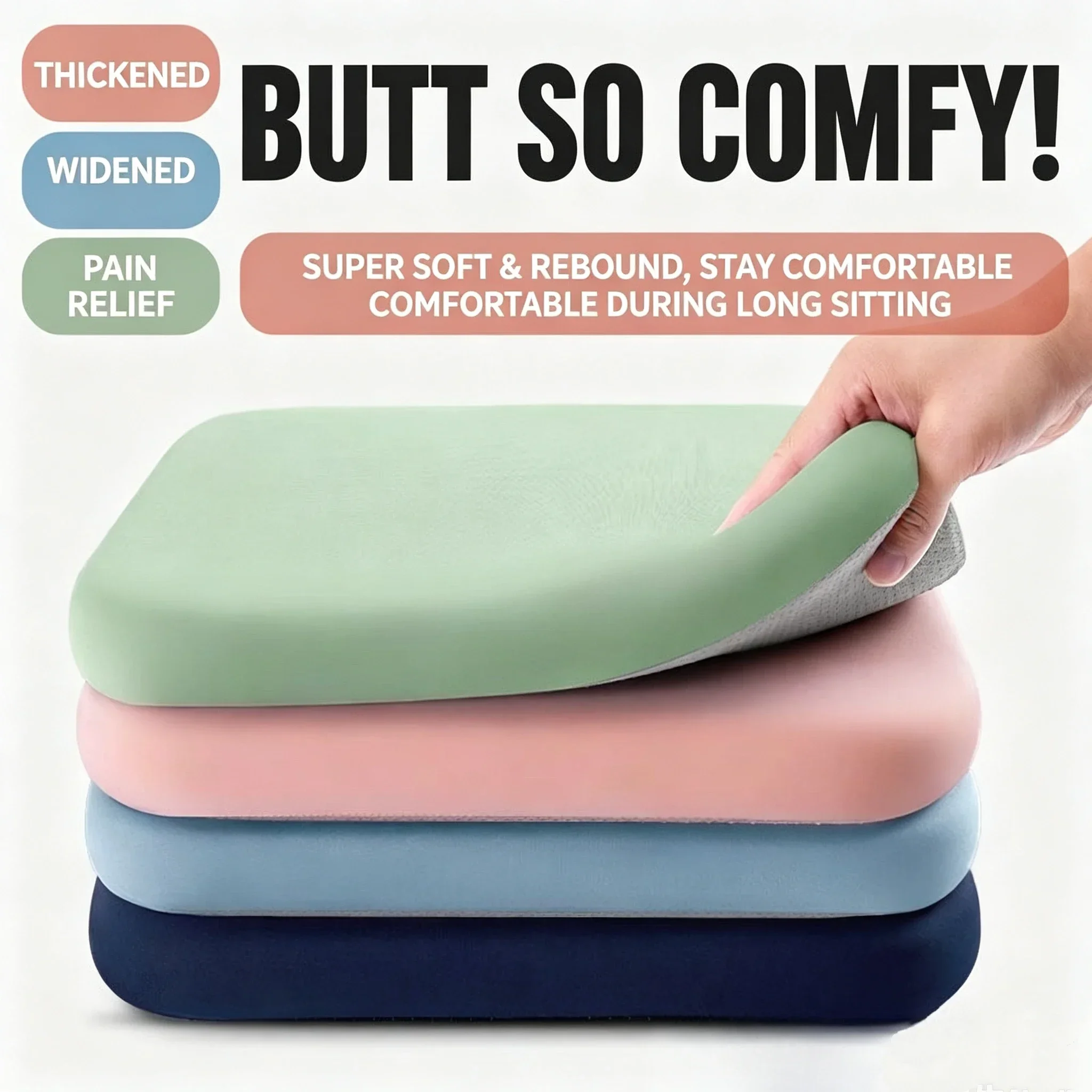
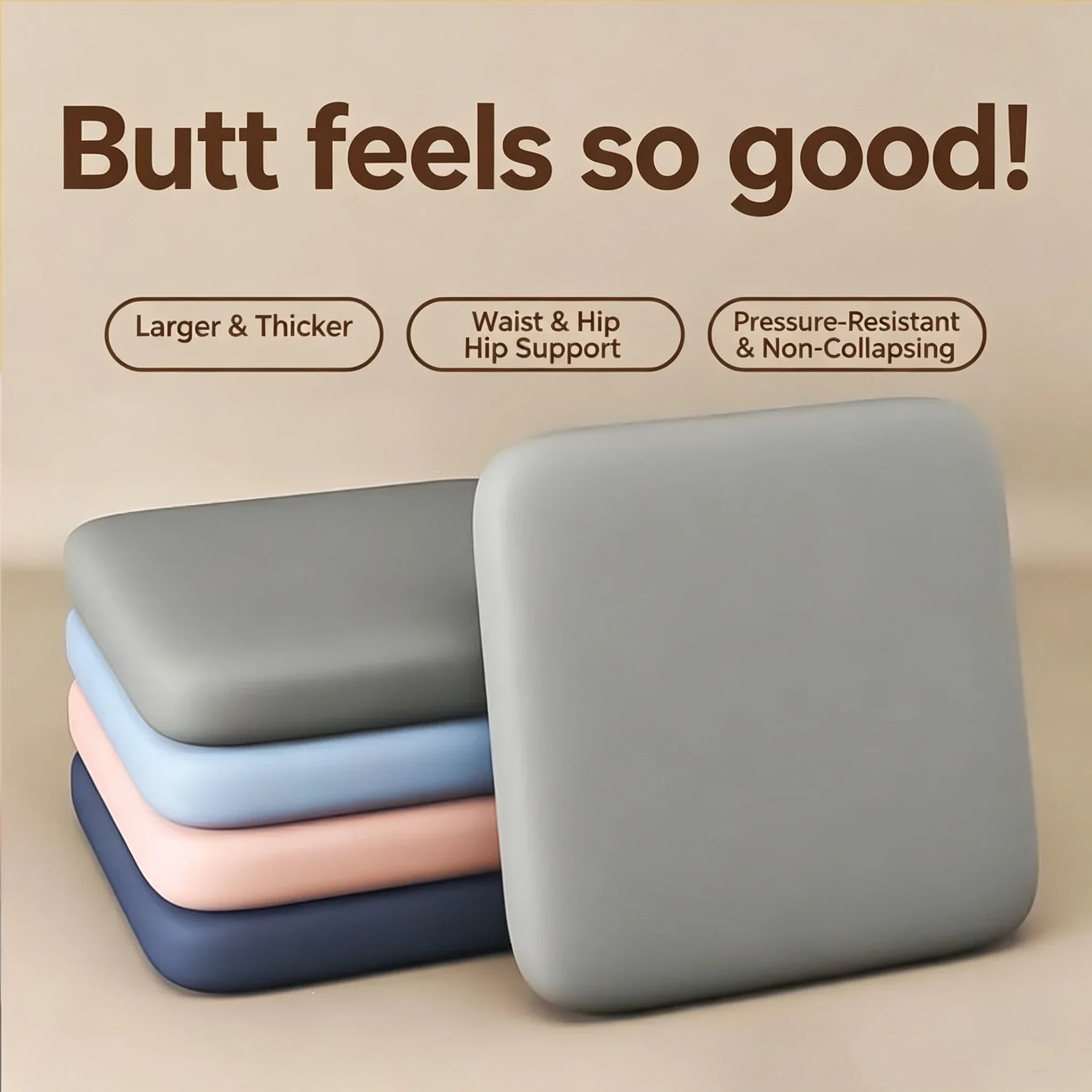
- Spreads load instead of concentrating it. Dense foam distributes body weight across the whole sit surface rather than pinning it under two bones — which is the actual mechanism behind the relief.
- Levels the pelvis, and the spine follows. Fix the base and the lumbar curve largely takes care of itself; propping up the low back on a collapsing seat rarely works.
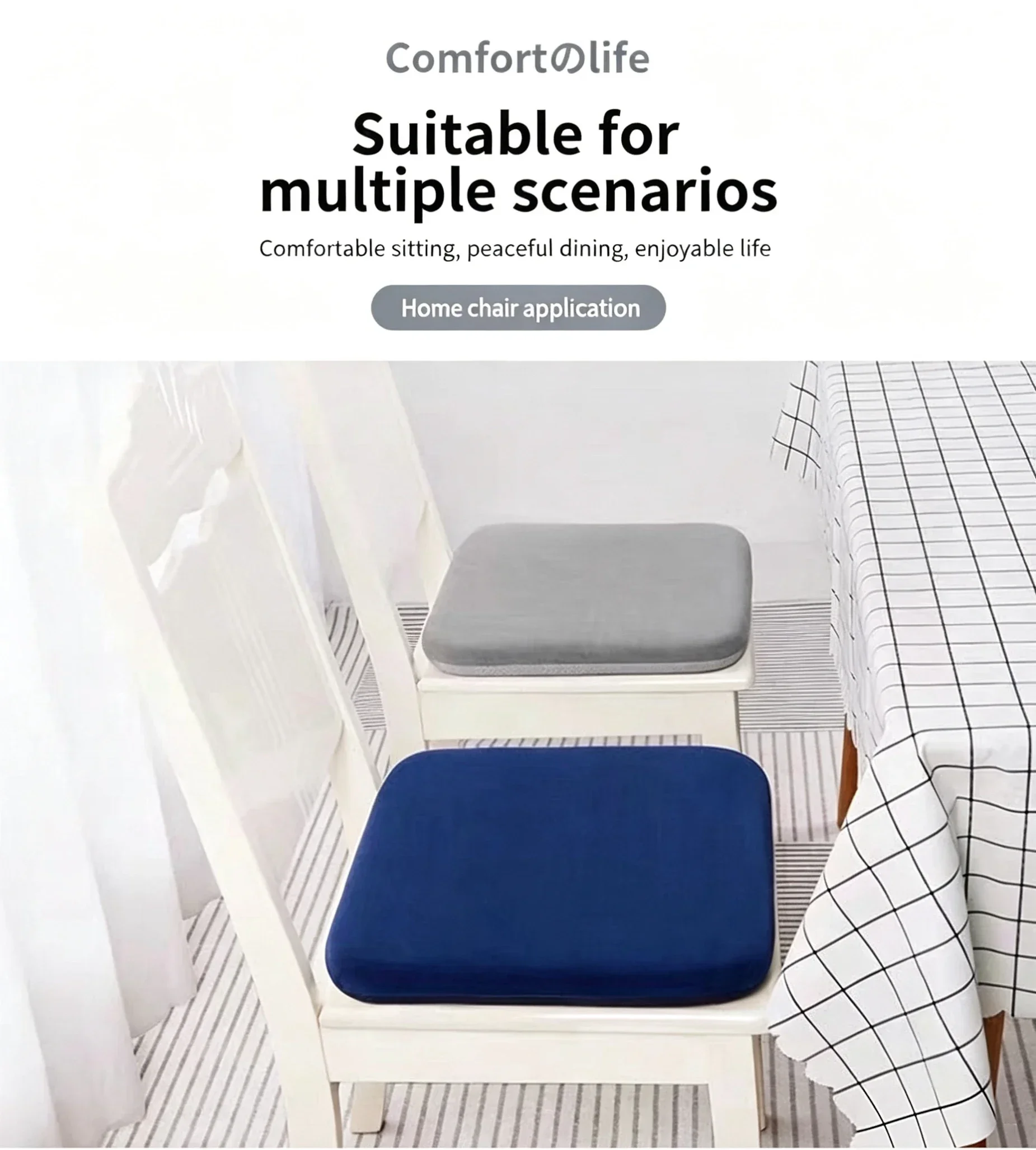
- Rescues a bad chair without replacing it. Car seats, dining chairs, office chairs, stadium seats and hard desk chairs are the usual culprits, and they are not always yours to change.
- Genuinely useful for tailbone sensitivity. Extra thickness under the sit bones lifts the coccyx away from hard contact — helpful after a fall or during long drives.
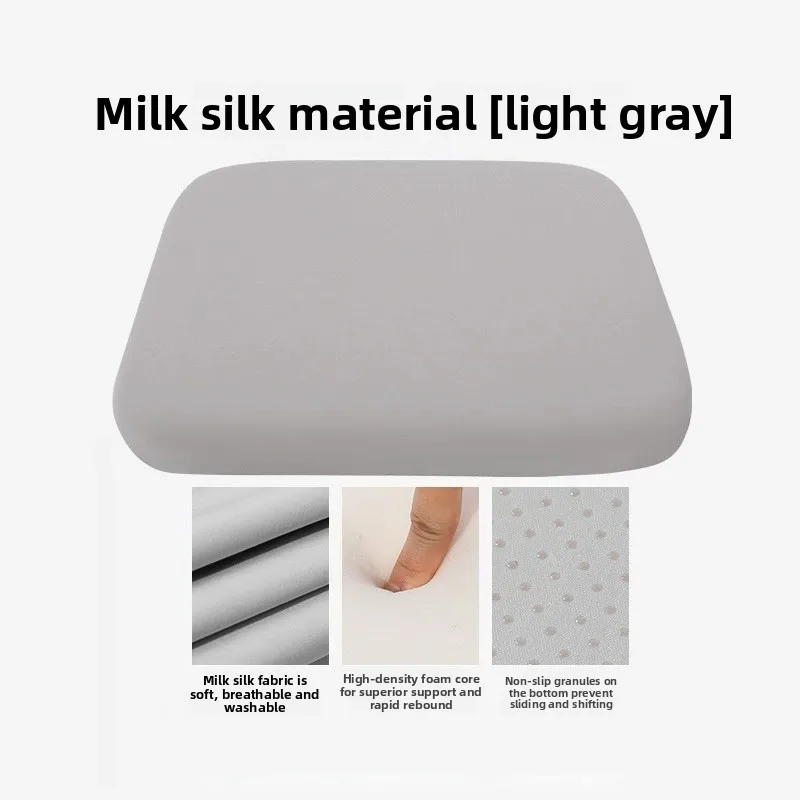
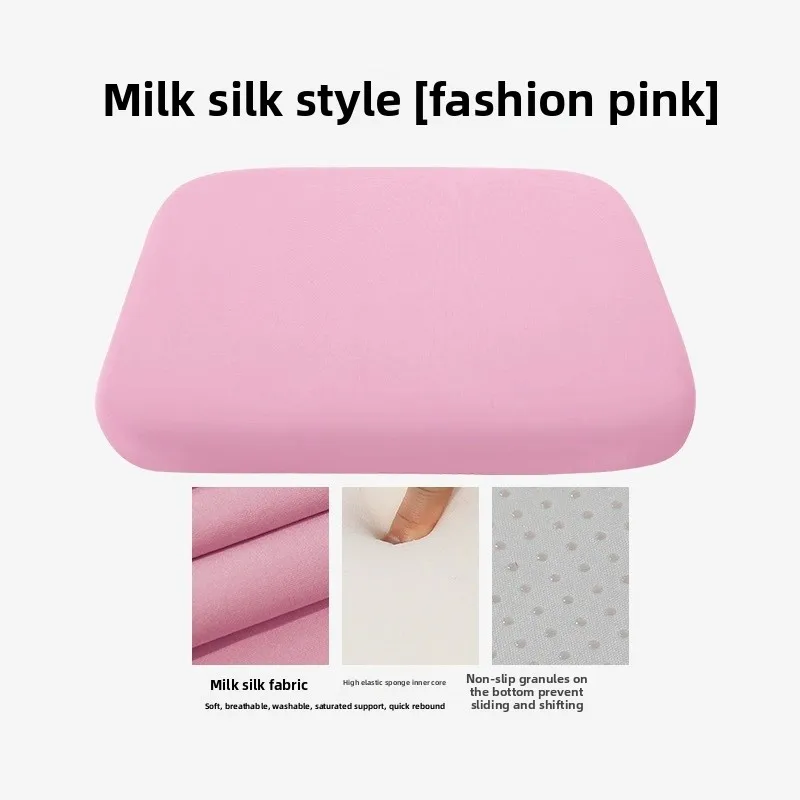
- Non-slip base keeps it under you. A cushion that slides forward on a car seat every time you brake is a cushion you stop using.
- Honest limit: a cushion improves the surface you sit on. It does not fix sitting for eight hours straight. Nothing does except standing up.
How to Use
Place the cushion on the seat with the non-slip surface down and sit fully back so your sit bones land on the thickest part, not perched on the front edge. Your feet should be flat on the floor with knees at roughly hip height or slightly below — if the cushion raises you so much that your knees end up above your hips, lower the chair or the pelvis tips backward again and you have gained nothing. In a car, check that the extra height does not compromise your view, your reach to the pedals, or the geometry of the seatbelt across your hips. And regardless of how good it feels, get up and move every 30–45 minutes; the best posture is the next one. If you have persistent tailbone or sciatic pain, or numbness in the legs, see a clinician rather than buying more cushions.
Specifications
| Type | Thick high-density foam seat cushion |
|---|---|
| Fill | Ultra-soft foam core (density and height variant dependent) |
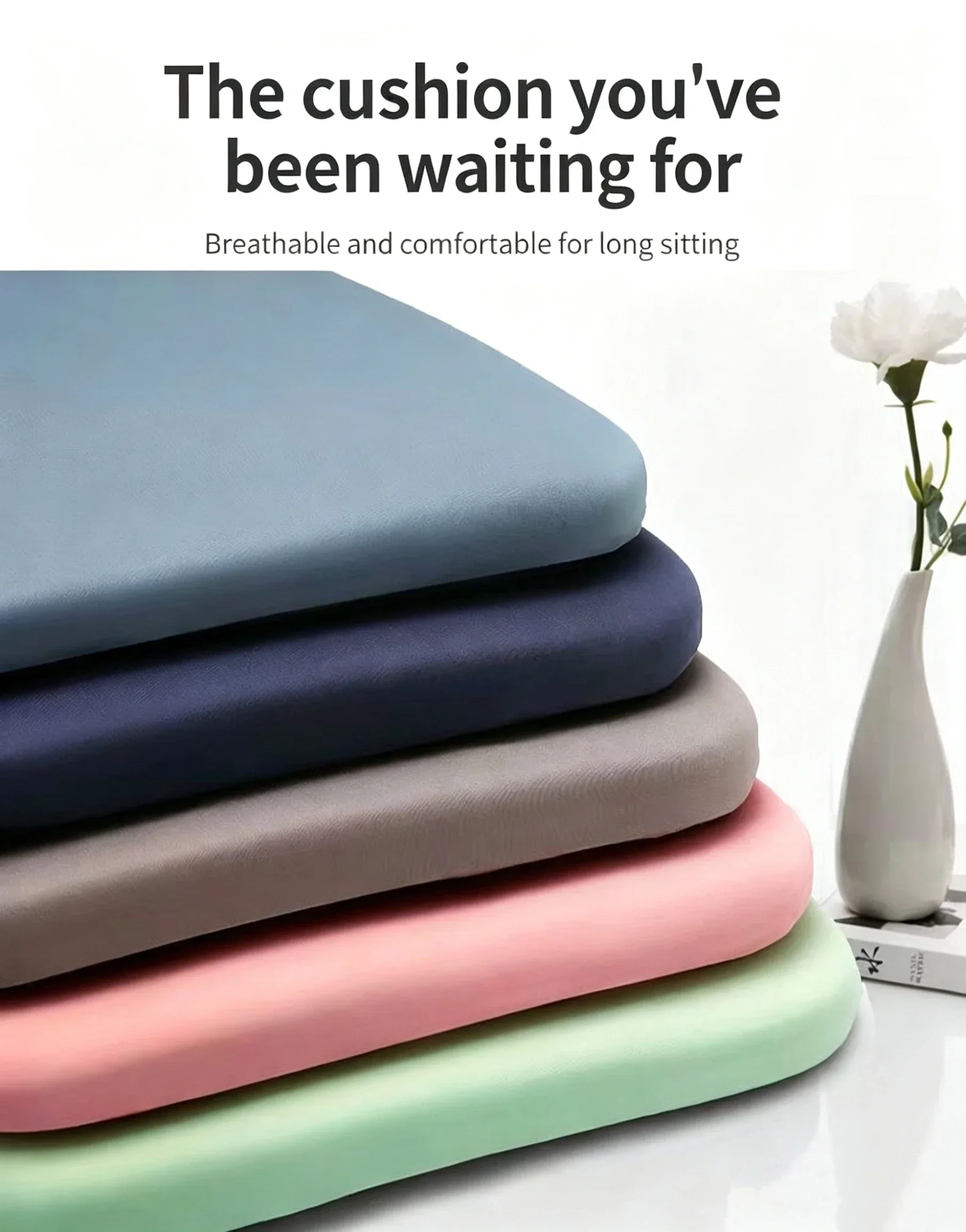
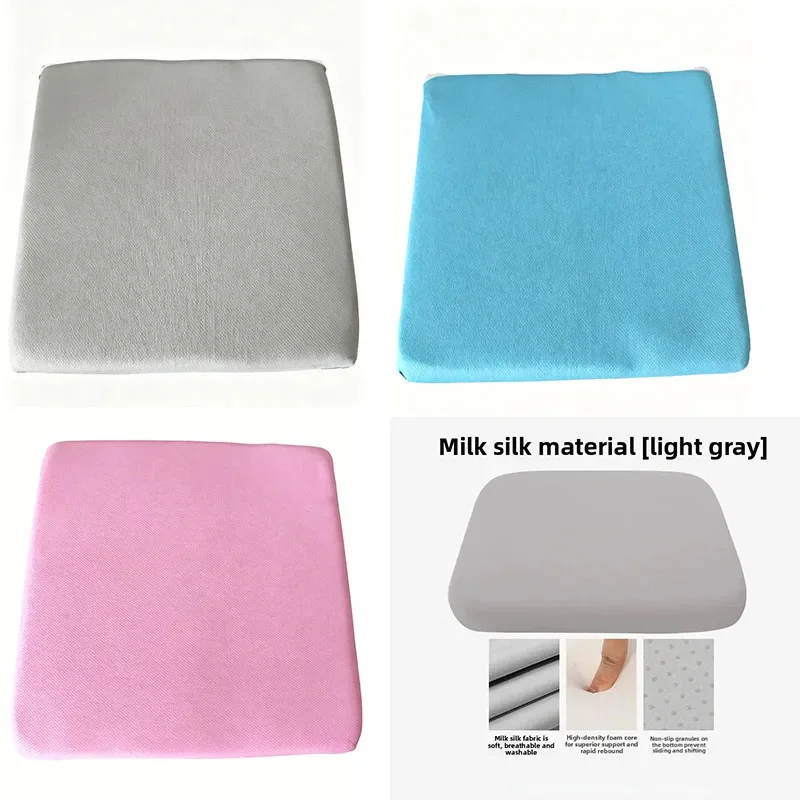
| Cover | Removable fabric cover |
| Base | Non-slip underside |
| Use | Office chair, car seat, dining chair, wheelchair, travel |
| Target | Sit-bone and tailbone pressure relief, pelvic levelling |
| Portability | Lightweight, carry-friendly |
| Best for | Desk workers, drivers, long commutes, post-injury sitting |
Care & Maintenance
Remove the cover and machine wash cool; air dry rather than tumble drying, as heat shrinks covers and warps foam. Do not machine wash or soak the foam core — spot clean it and let it dry completely, since damp foam holds odour permanently. Air the cushion regularly and store it flat rather than compressed or folded, which permanently deforms foam.
What’s in the Box
1 x thick foam seat cushion with removable cover and non-slip base.

Reviews
There are no reviews yet.