Training the Half-Second Before the Movement
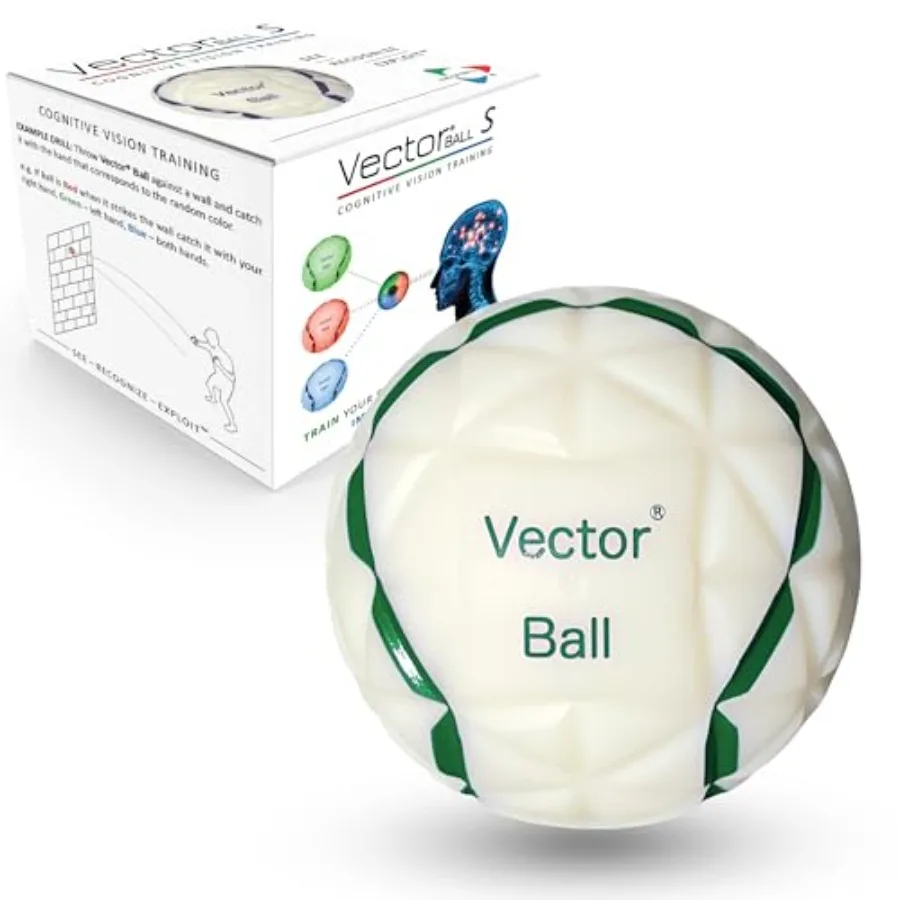
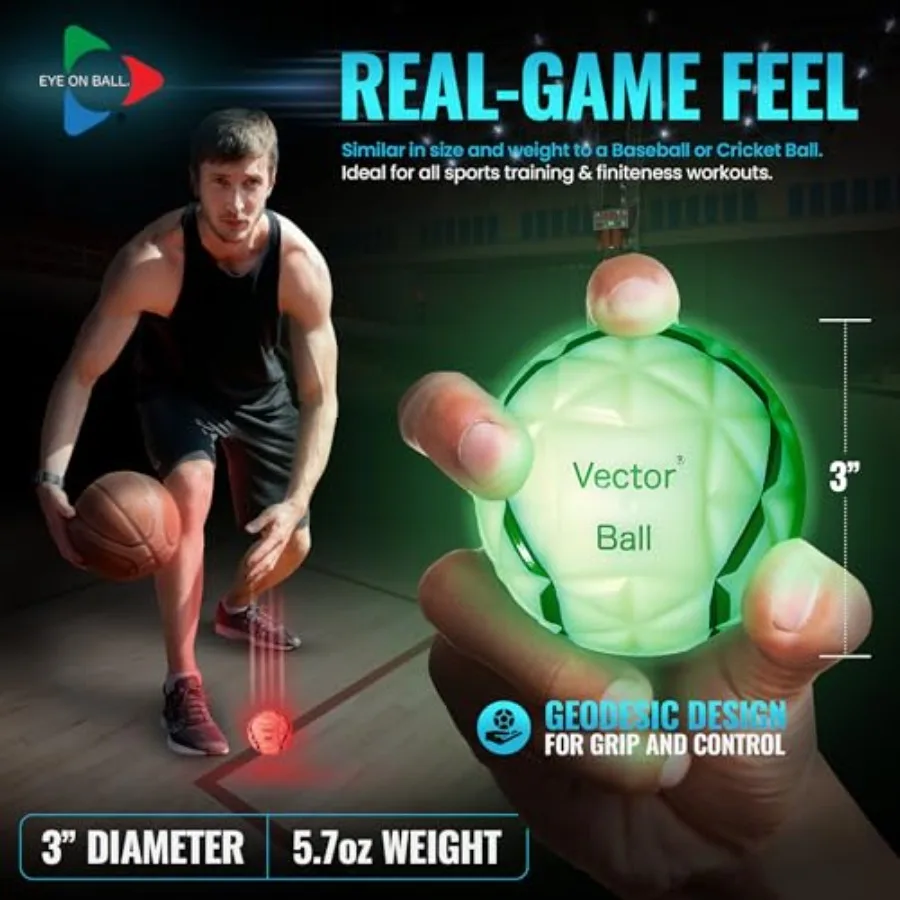
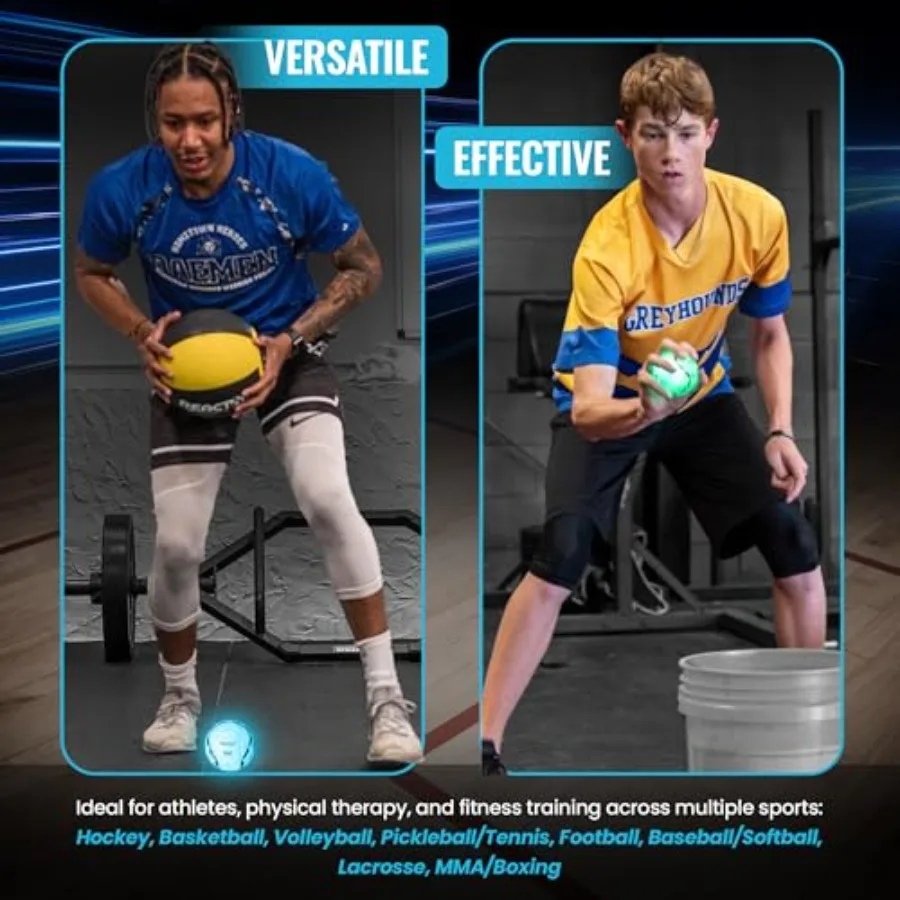
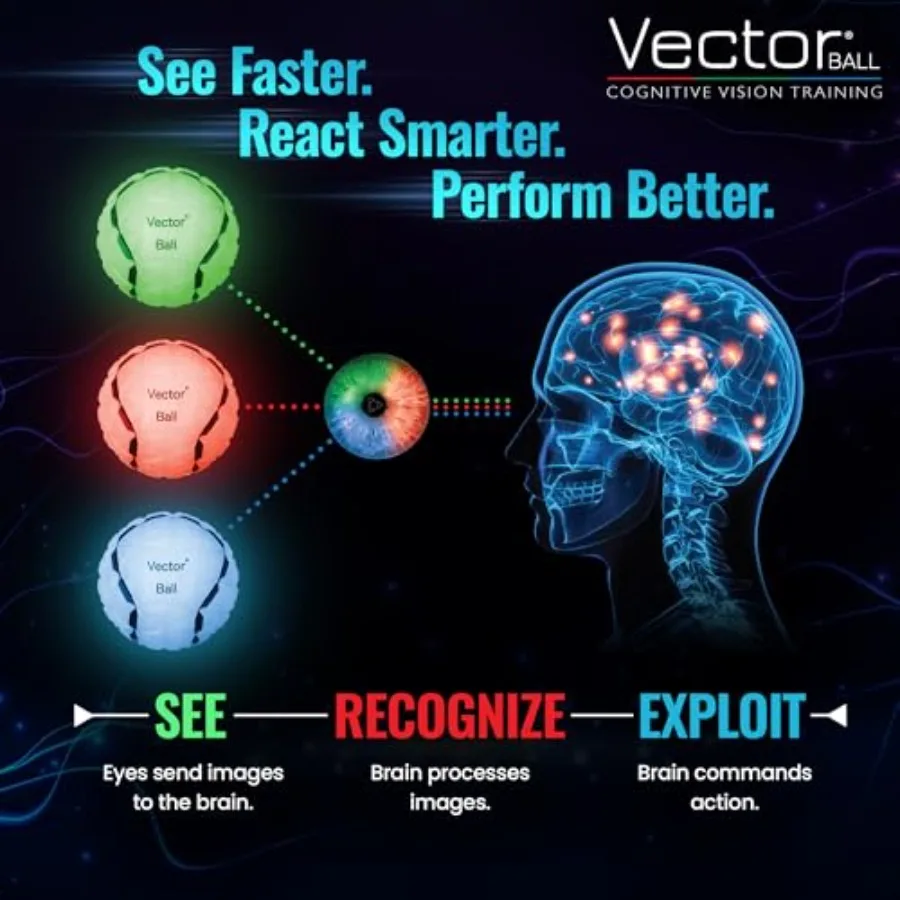
Every athletic response runs through the same chain: your eyes detect a stimulus, your nervous system processes it and selects a response, then your muscles execute. Strength training only touches the last link. A reaction ball attacks the first two. Its faceted, irregular surface makes the rebound direction genuinely unpredictable, so no amount of anticipation helps — you are forced to process visual information and produce a motor response under real time pressure, over and over. The adaptation you get is neural: faster stimulus recognition and quicker response selection, not bigger muscles.
Key Benefits
- Unpredictable rebound by design. The multi-faceted shape means the ball leaves the wall or floor on an angle you cannot pre-compute. That uncertainty is the training stimulus — a round ball lets you cheat by predicting.
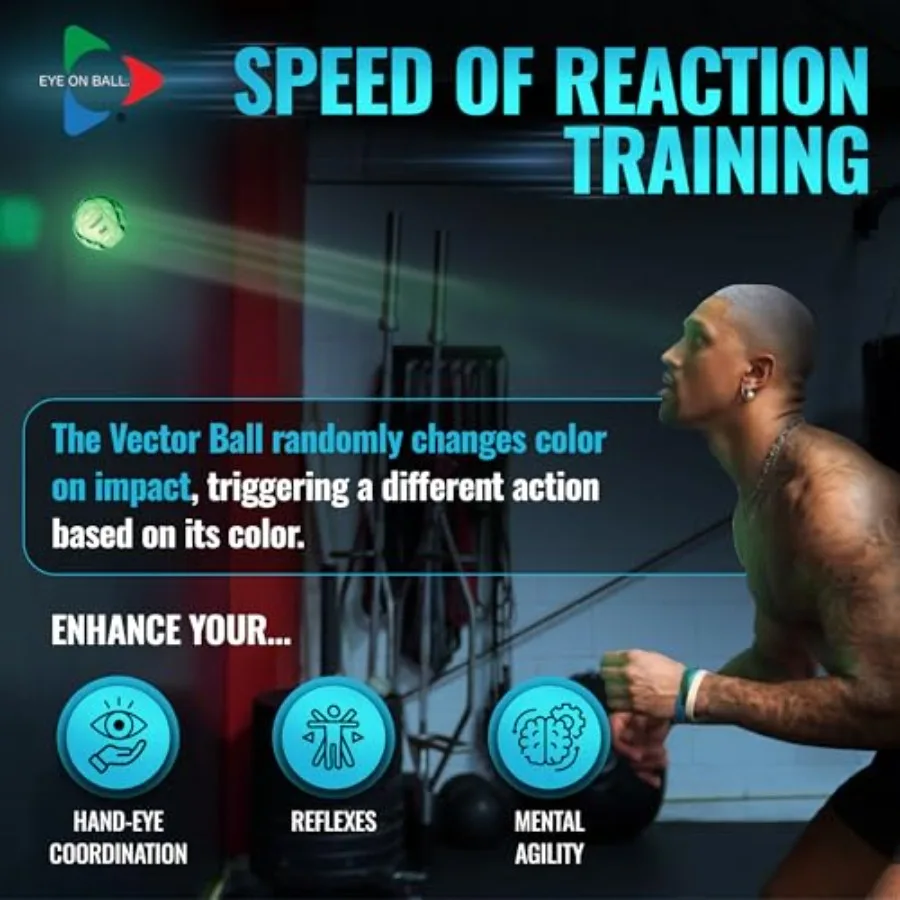
- Trains the perception-action loop, not just the hands. Reaction is detection plus decision plus movement. Drilling with an unpredictable object loads all three at once, which a cone drill with a known pattern does not.
- Scales from beginner to brutal. Start with a two-handed catch off a wall at two metres. Progress to one hand, then your non-dominant hand, then two balls, then have a partner drop it behind you on a call.
- An honest note on what transfers. Reaction training is largely task-specific. This will make you demonstrably better at reacting to an erratic bouncing ball, and it is a good general warm-up for the nervous system — but it will not make you a faster sprinter, and ‘neuro-visual’ is a marketing phrase, not a distinct physiological system.
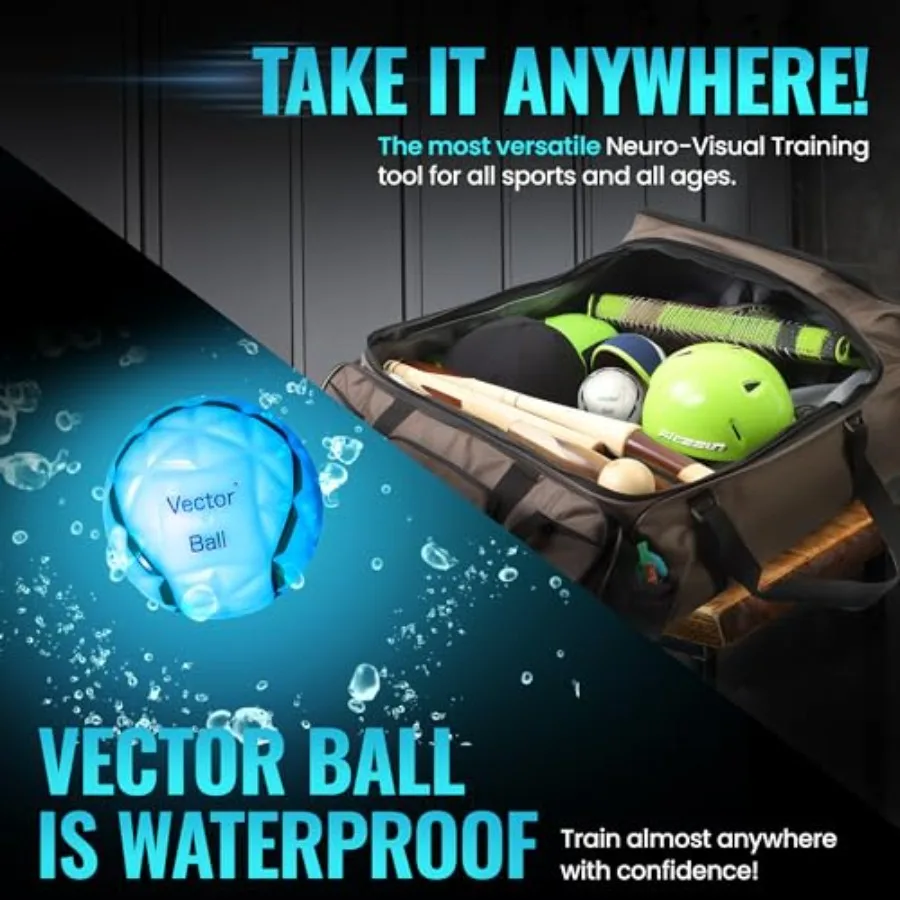
- Waterproof and surface-agnostic. Works on concrete, grass, gym floors, wet or dry — so it goes in the kit bag and gets used rather than staying in a drawer.
- Useful far beyond sport. Reaction and hand-eye drills are staples in return-to-play protocols after concussion and in fall-prevention work for older adults, both under appropriate professional supervision.
How to Use
Stand about two metres from a solid wall with a clear floor. Throw the ball at the wall underarm and catch the rebound with two hands, staying on the balls of your feet with knees soft so you can move in any direction. Work in short bursts — 20 to 30 seconds of continuous catching, then rest — because reaction training degrades quickly with fatigue and you learn nothing once you’re gassed. Progress by reducing your distance to the wall (less time to respond), catching one-handed, using the non-dominant hand only, or having a partner call a target as they release it. SAFETY: clear the space first — the ball goes where it wants, and so will you. Do not drill in a room with breakables, screens or a coffee table you will trip over. Beginners should stand further back rather than closer; a hard rebound at close range arrives at your face before you can react, which is exactly the failure mode this ball is designed to create. Eye protection is sensible for close-range work with children.
Specifications
| Type | Irregular-bounce reaction / agility training ball |
|---|---|
| Bounce | Unpredictable, multi-faceted surface |
| Waterproof | Yes |
| Environment | Indoor or outdoor; hard surfaces give the sharpest rebound |
| Colour | Green, red and blue |
| Trains | Reaction time, hand-eye coordination, agility, decision speed |
| Suits | Racquet and team sports, boxing, goalkeeping, return-to-play and fall-prevention drills |
| Diameter & weight | Variant dependent — check the listing |
Care & Maintenance
Rinse off grit after outdoor use and wipe dry — embedded grit scuffs the facets and dulls the very edges that make the bounce unpredictable. Store away from direct sunlight and heat, which harden rubber and change the rebound over time. Retire it if the surface splits or the facets wear smooth, because at that point it bounces like a normal ball and no longer does the one job you bought it for.
What’s in the Box
1 × reaction ball. Additional balls, cones or a carry bag are not included unless the listed variant states otherwise — a second ball is worth adding if you plan to progress to two-ball drills.
Reviews
There are no reviews yet.