A Rebounder Doesn’t Make You Train Harder. It Makes You Train More.
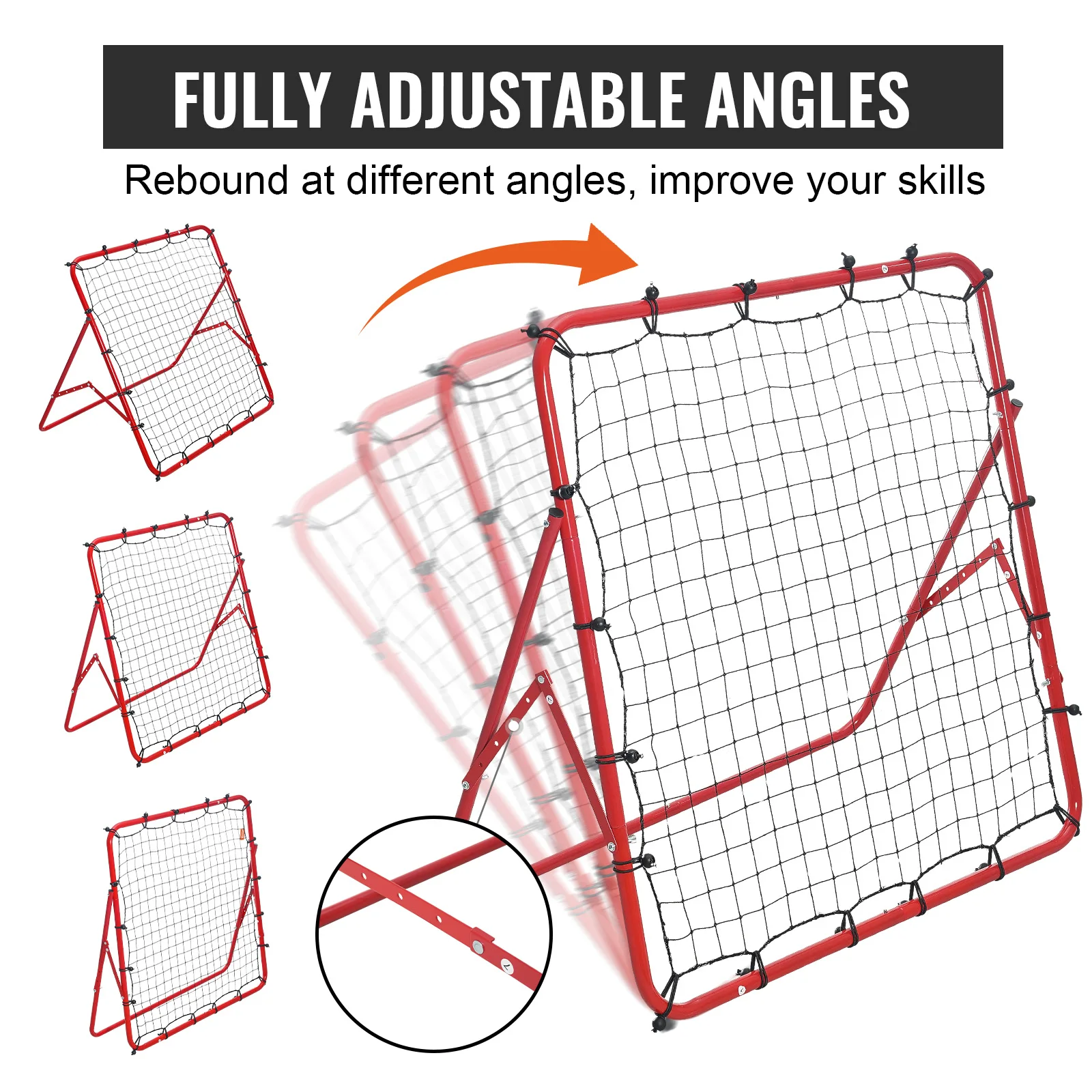
Skill acquisition scales with repetitions, and solo football training collapses because the ball goes away every time you strike it. A tensioned rebound net returns the ball automatically, which raises the number of touches per hour by an order of magnitude compared with kicking at a wall and chasing. The adjustable angle is the actual feature: set it flat and the ball comes back low along the ground for first-touch and passing drills; tilt it back and the ball returns as an aerial ball for volleys, headers, and chest control. One frame, two completely different training modes.
Key Benefits
- Massively more touches per session. The ball comes back to you instead of into the neighbour’s hedge. This is the entire point, and it’s a big one.
- Adjustable angle changes the drill. Flat for ground passes and first touch; angled back for volleys, headers, and chest control. You’re buying two training tools.
- Trains the first touch, which is what actually separates players. Receiving under slight time pressure, repeatedly, is exactly how a heavy touch becomes a soft one.
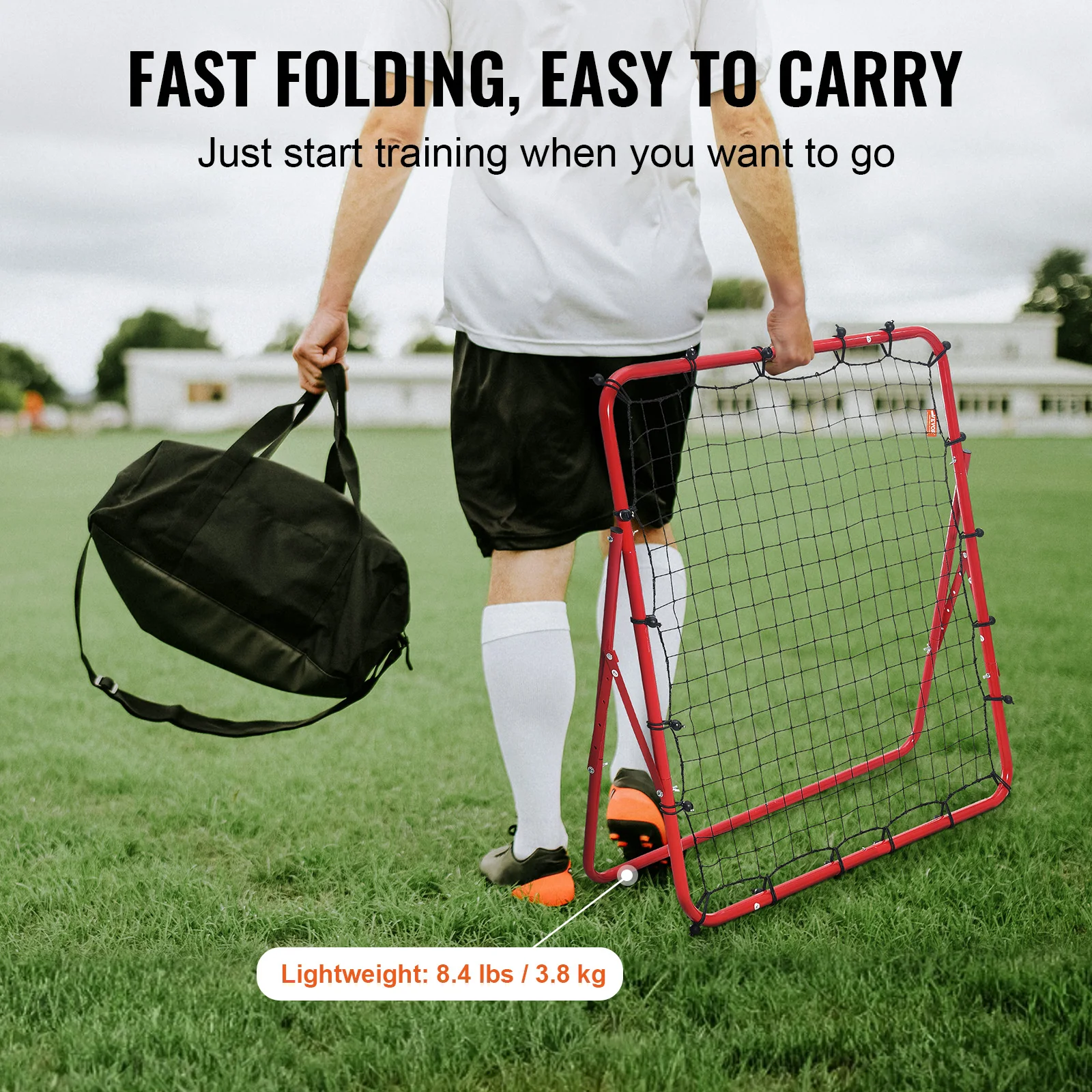
- Portable frame. Breaks down to move between garden, park, and pitch — solo training only happens if the setup is quick.
- Works for goalkeepers too. Unpredictable returns at varied angles are useful reaction and handling work.
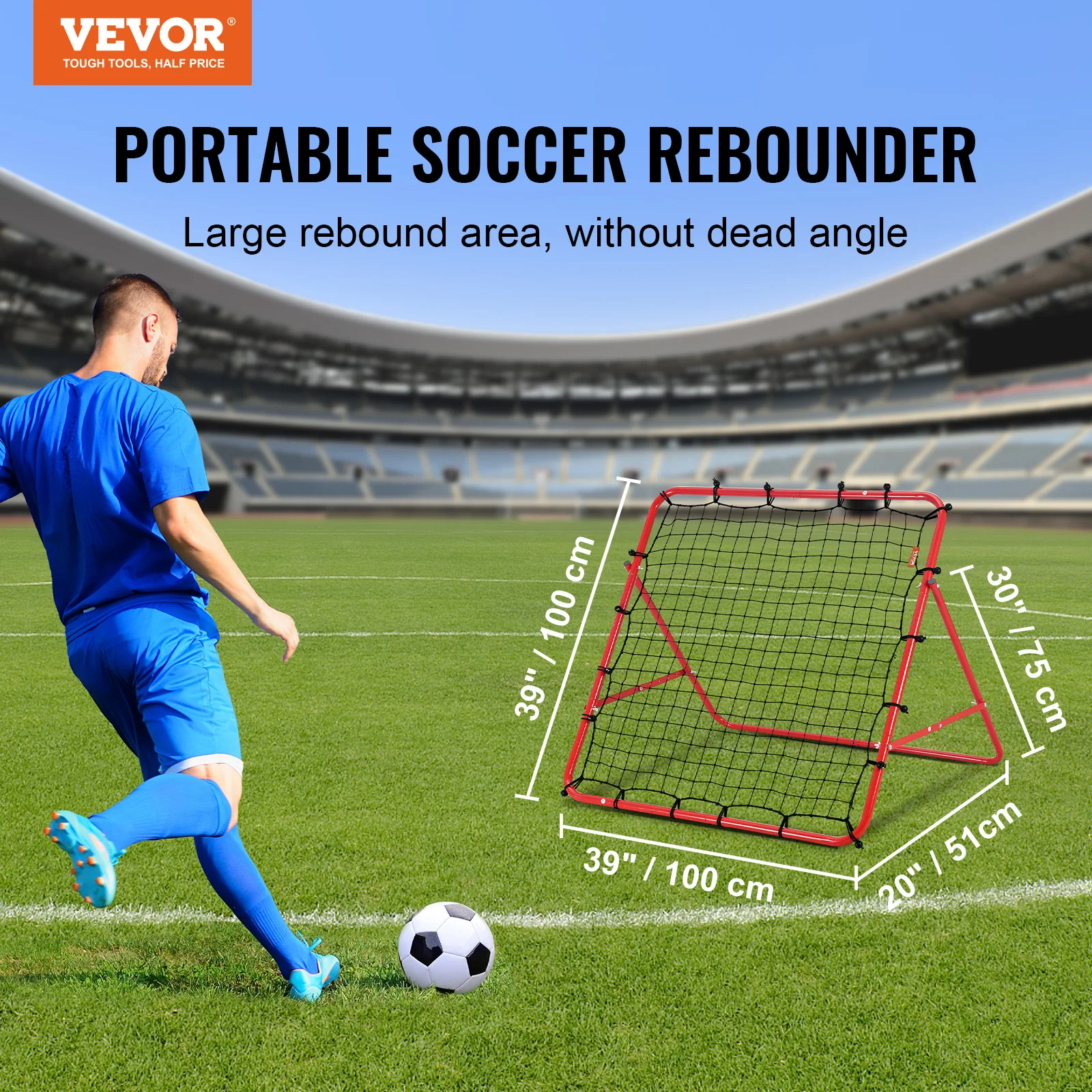
- Honest note on the listed size: the supplier lists this as “39×39FT”, which is not credible for a portable rebounder — this is almost certainly a unit error in the supplier’s data (39×39 inches would be typical). We have not independently measured it. Please treat the dimension as unverified and check with us before ordering if exact size matters to you.
How to Use
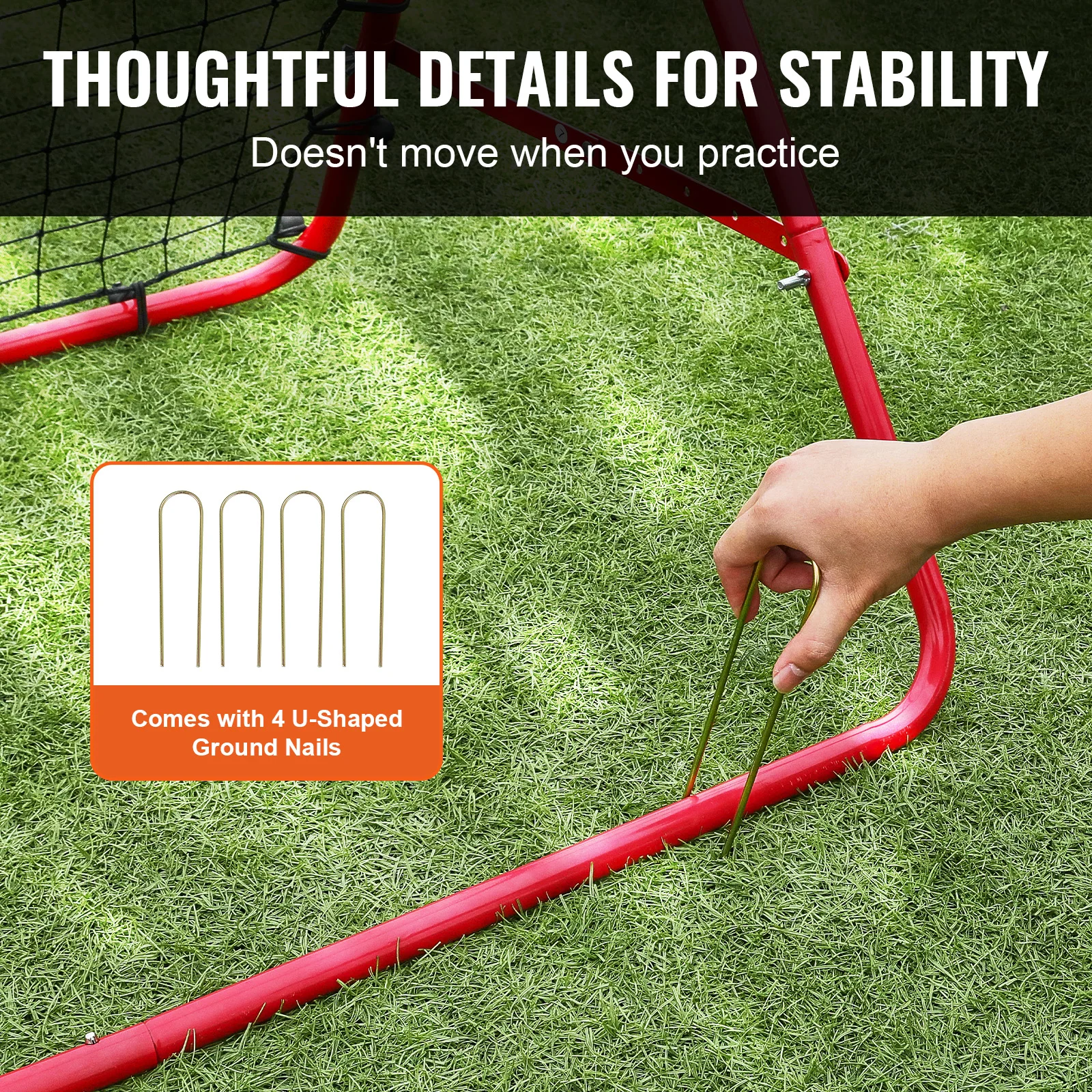
Set the net up on flat, level ground with clear space behind and around you, and peg or weight the frame down — a rebounder under tension with a ball striking it repeatedly will walk, tip, or lift in a gust of wind if it isn’t anchored. Check the bungee cords and net tension before every session; a cord that lets go under load snaps back with real force, so inspect for fraying and replace worn cords rather than risking it. Start with a flat angle for simple pass-and-receive: strike the ball, take the return with the inside of the foot, and set it up again — aim for continuous rhythm rather than power. Once your touch is reliable, tilt the frame back for aerial returns and work volleys and headers. Don’t stand too close on the aerial setting; you need time to read the ball. Keep bystanders, pets, and children clear of the rebound zone — the ball comes back faster than people expect.
Specifications
| Product type | Soccer / football rebounder net |
|---|---|
| Brand | VEVOR |
| Angle | Adjustable — ground returns to aerial returns |
| Frame | Portable, breaks down for transport |
| Trains | First touch, passing, volleys, headers, chest control, goalkeeping |
| Listed size | 39 × 39 (unit as listed by supplier is “FT” — believed to be an error; unverified) |
| Setup | Assembly required; anchoring strongly recommended |
| Use | Outdoor, level ground |
Care & Maintenance
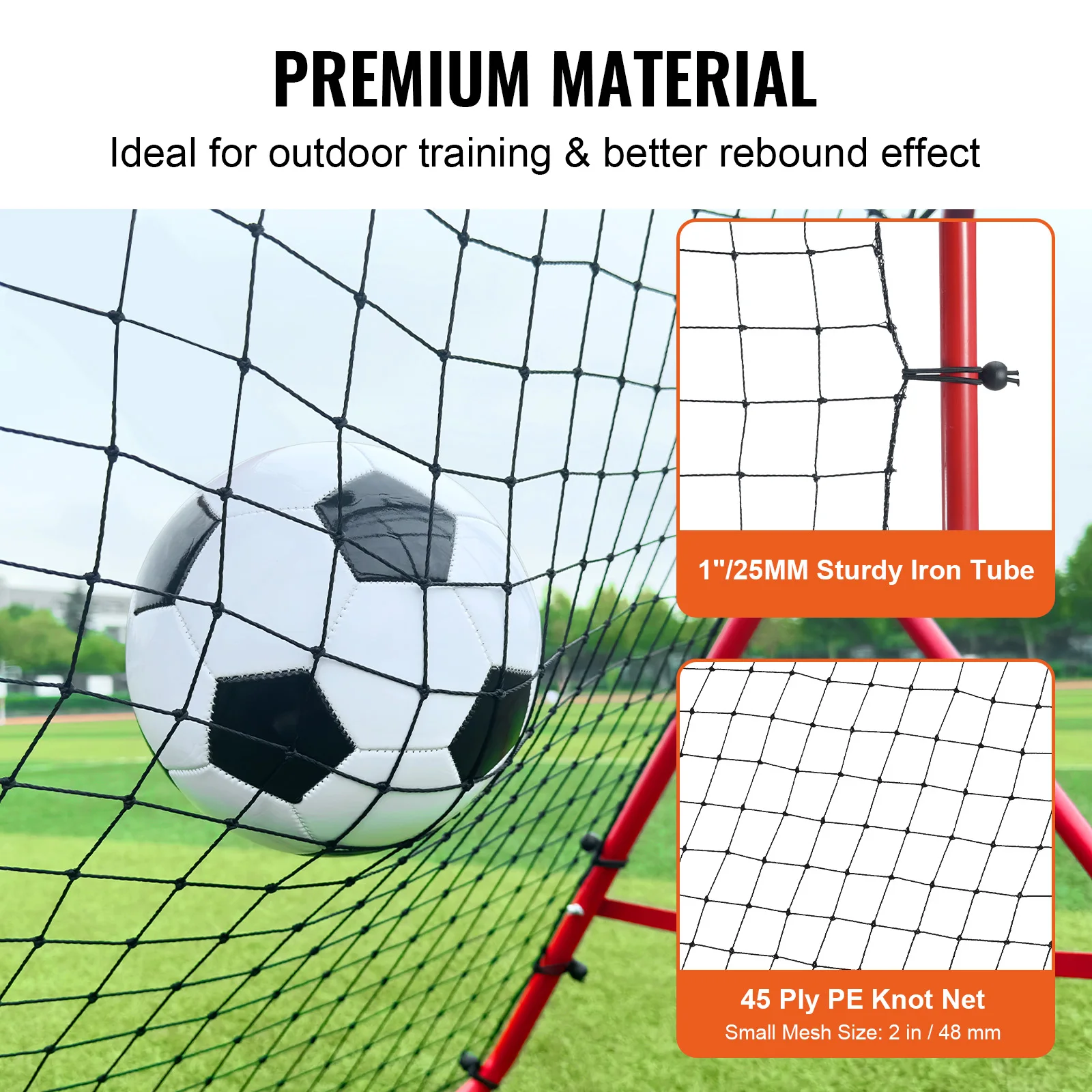
Inspect the bungee cords, net, and frame joints before every use — the cords are the part that fails, and they fail suddenly. Replace any cord that shows fraying, whitening, or loss of elasticity. Dry the net before storing; a net packed away damp will mildew and rot at the knots. Store out of direct sunlight, since UV degrades both the net fibres and the elastic. Loosen the tension for long-term storage rather than leaving the cords permanently stretched.
What’s in the Box
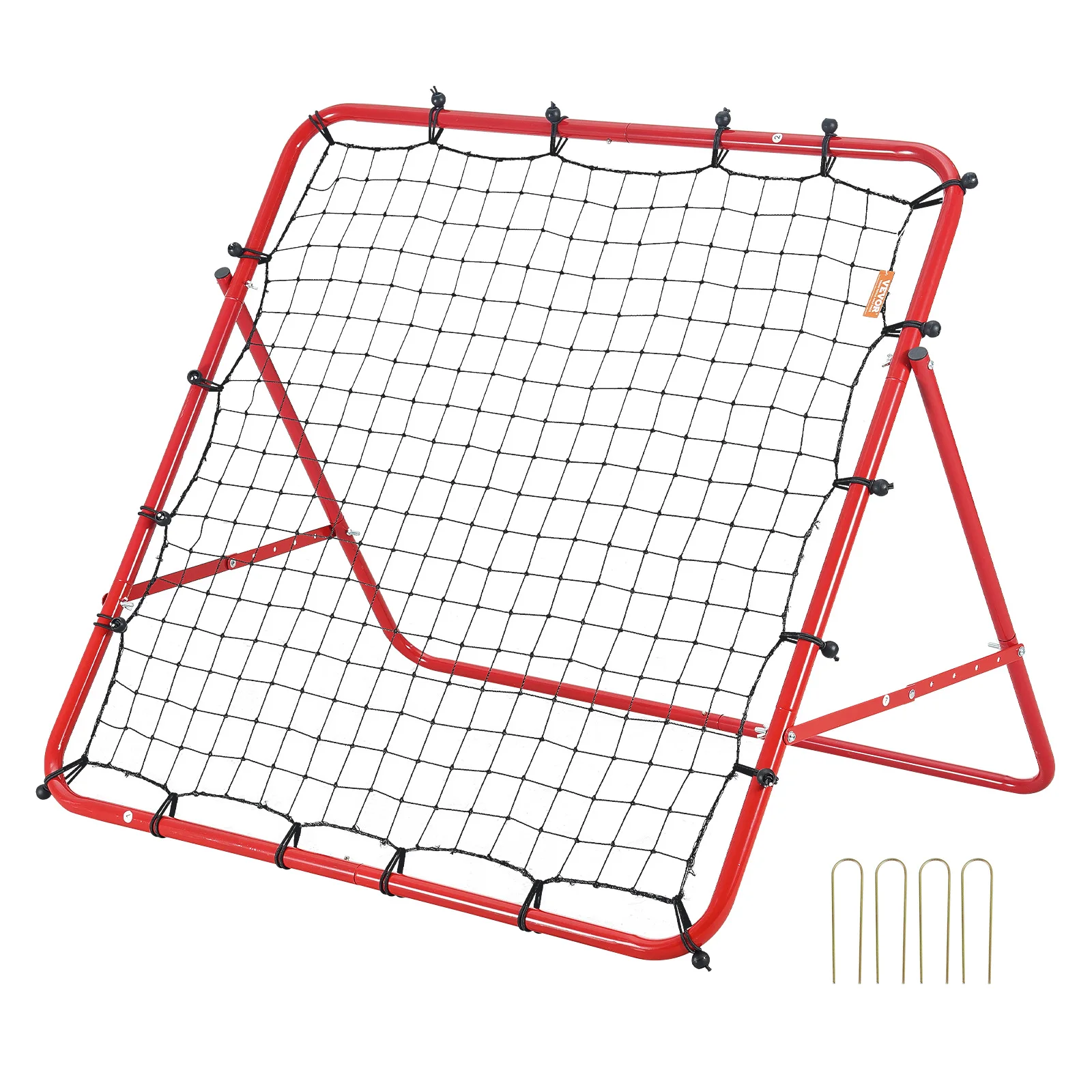
Rebounder frame sections, rebound net, bungee/tension cords and connectors, and ground pegs (contents may vary by supplier batch). Ball not included.
Reviews
There are no reviews yet.