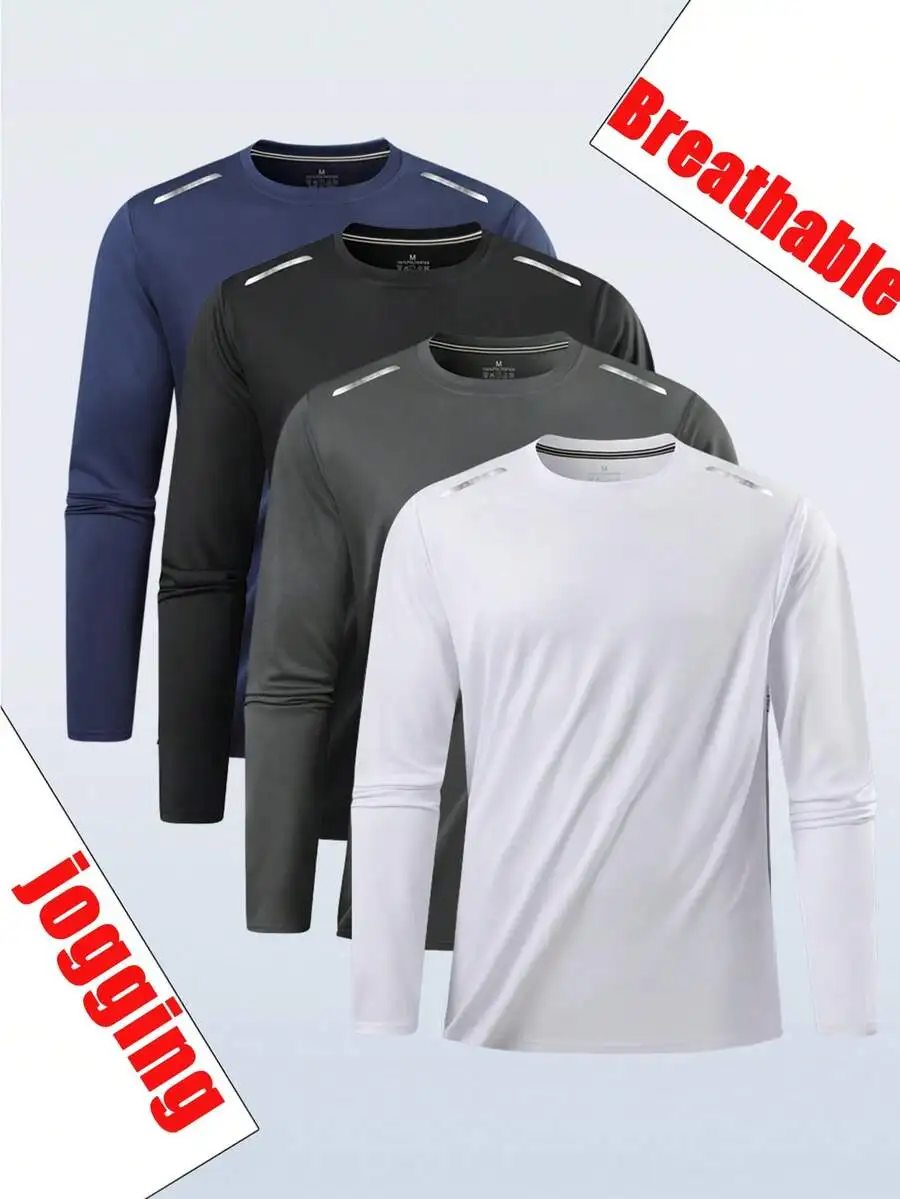
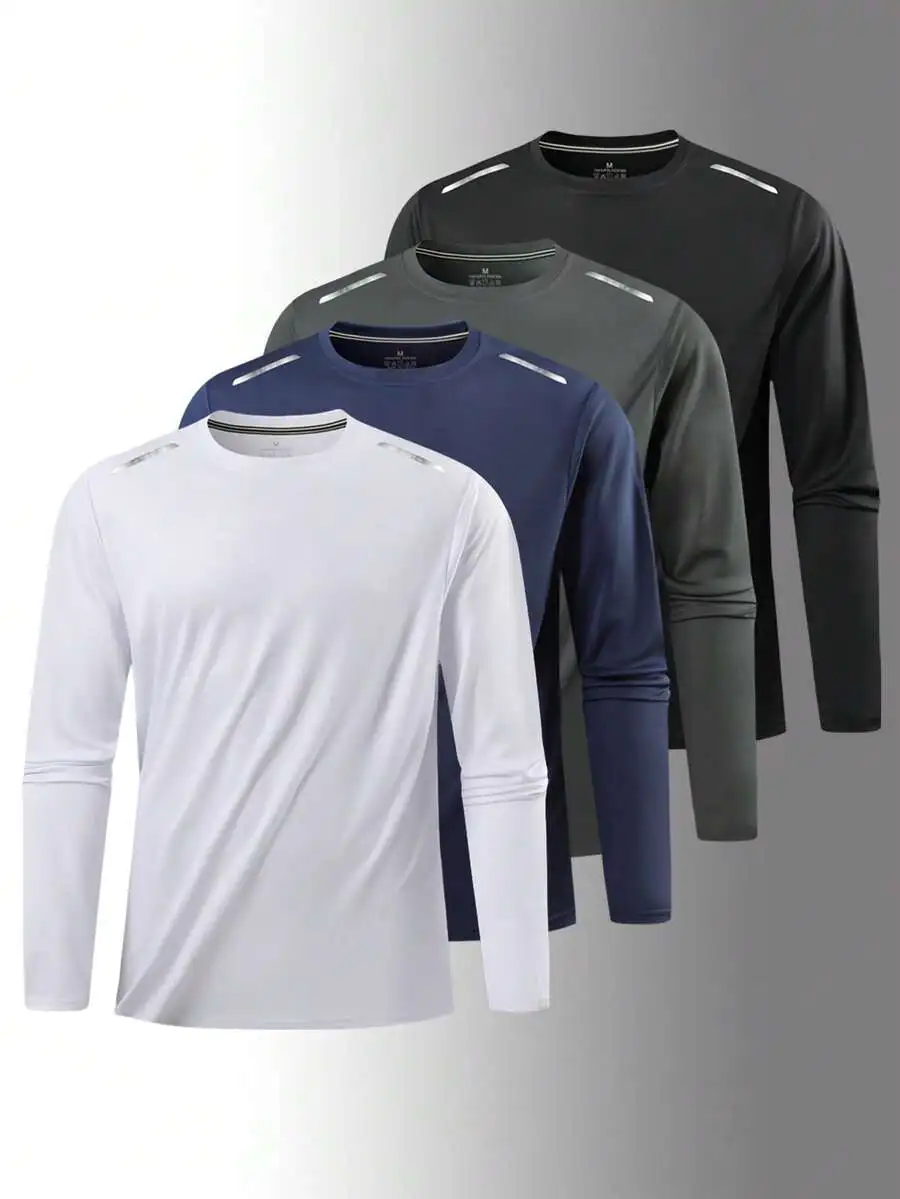
What a Compression Base Layer Actually Does For You
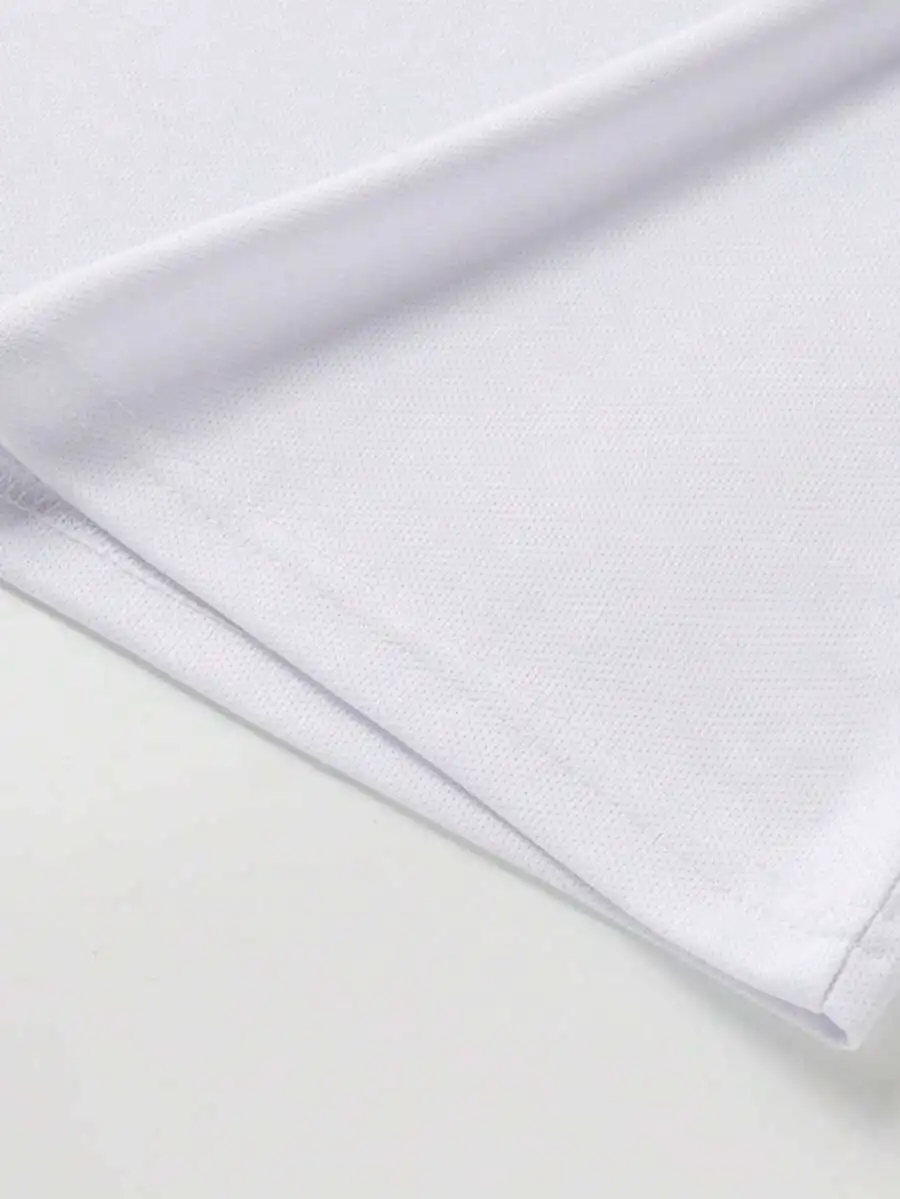
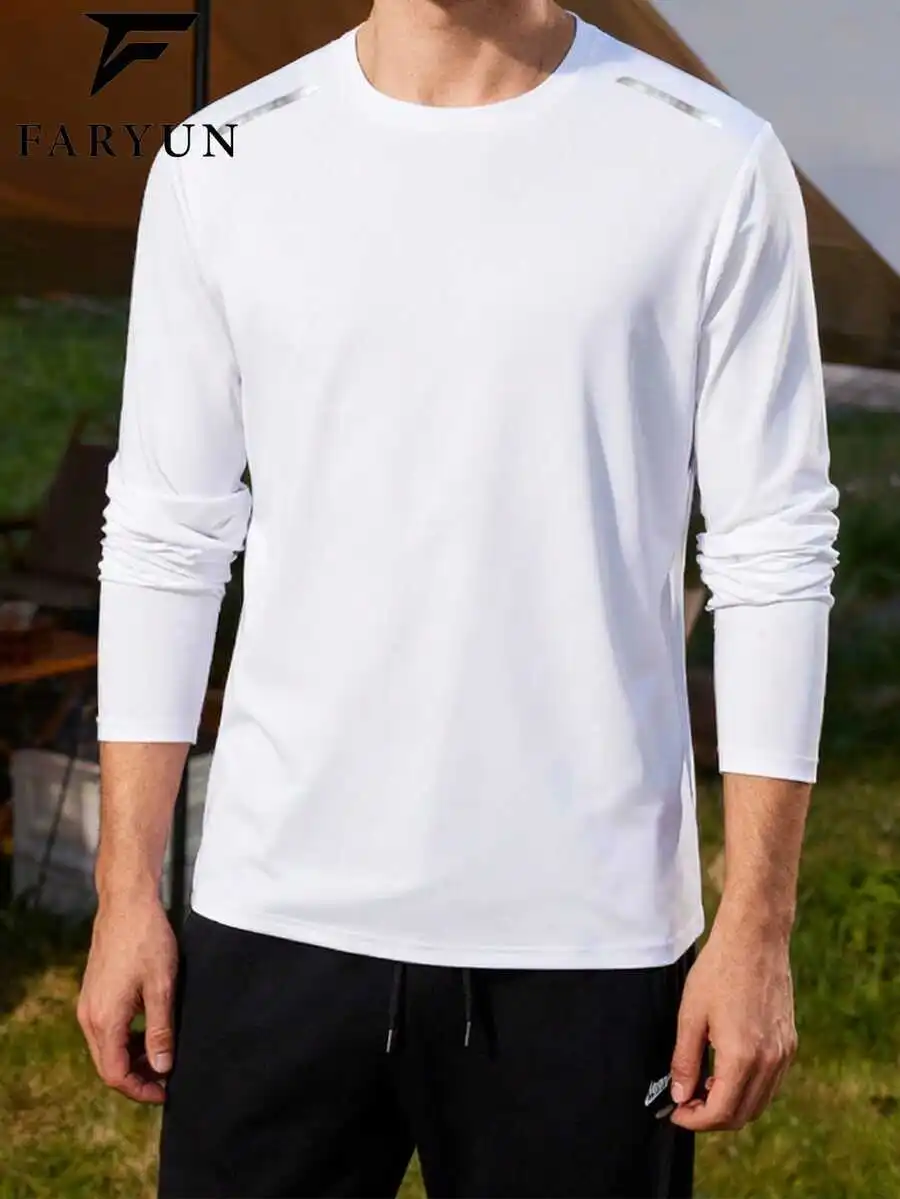
The useful physics of a base layer is thermal and hydraulic, not magical. Sweat sitting on skin is what makes you cold; a fitted synthetic knit pulls that moisture along its fibres to the outer face of the fabric where it can evaporate, keeping a dry layer of air next to the skin. The close fit also removes the fabric flap that causes chafing under a pack strap or a bib number. Honest note: compression wear has not been shown to reliably boost strength, speed or endurance. Some athletes report reduced muscle vibration and less post-exercise soreness. Buy it for comfort, thermoregulation and coverage — those effects are real and immediate.
Key Benefits
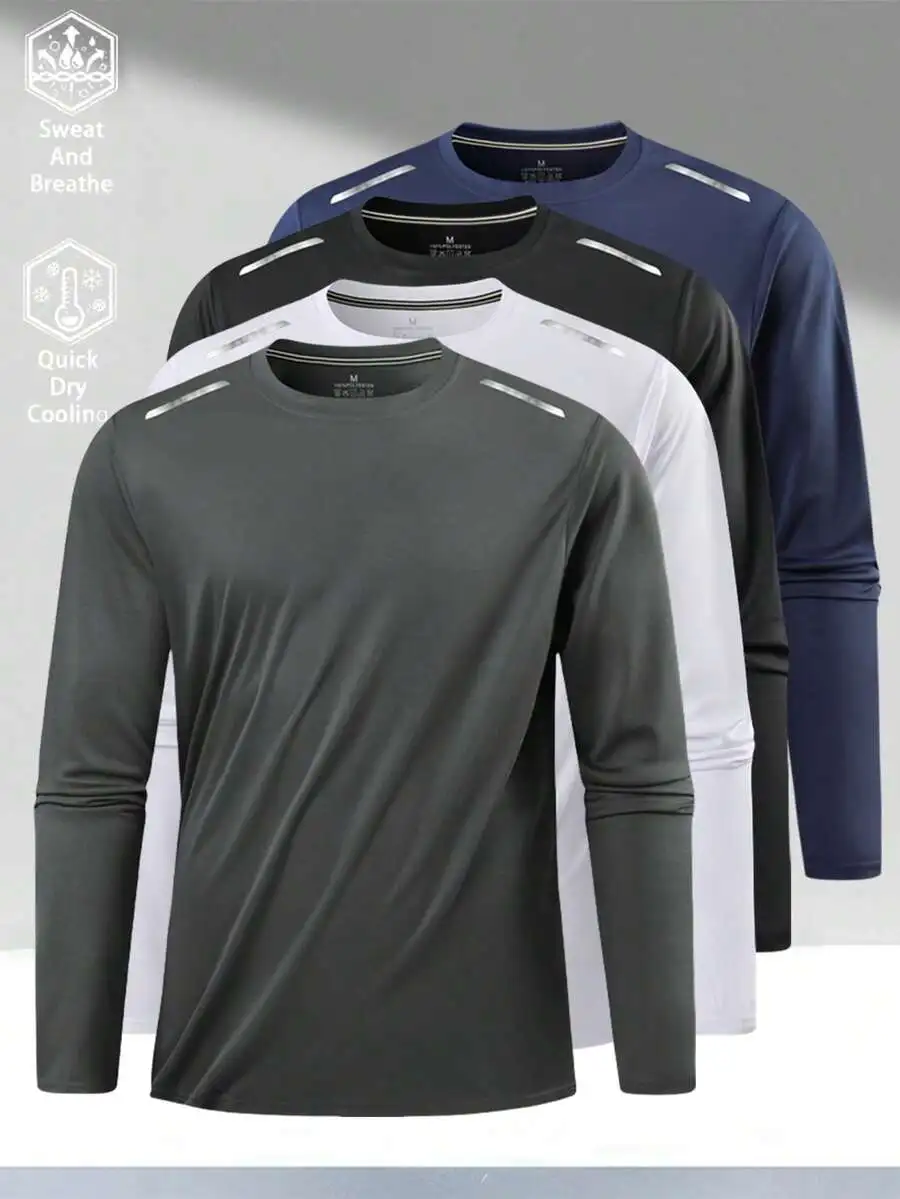
- Moisture-wicking knit keeps a dry layer against the skin. Sweat is drawn outward to evaporate instead of pooling, which is what prevents the cold, clammy feeling on a windy run.
- Quick-dry fabric for back-to-back sessions. Rinses and dries far faster than cotton, so it is practical for travel, multi-day trips and daily training.
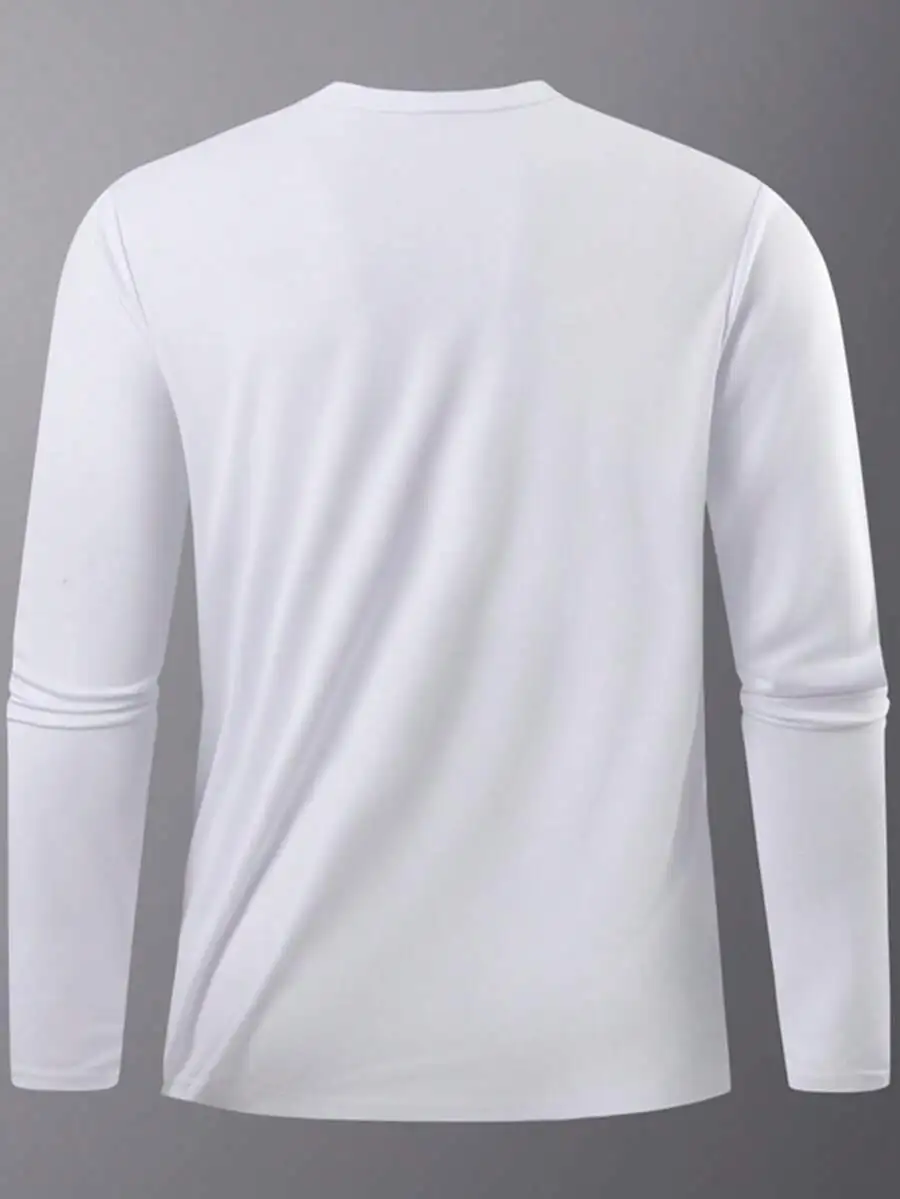
- Second-skin fit eliminates chafing. No loose fabric to rub under rucksack straps, harnesses or an outer shell on long efforts.
- Full-length sleeves add light coverage. Useful sun and wind protection for outdoor training without the bulk of a jacket.
- Layers cleanly under anything. Thin enough to sit invisibly beneath a jersey, hoodie or shell as the temperature drops.
- An honest fit note. Compression garments run deliberately snug. If you are between sizes or prefer a relaxed feel, size up — a base layer should be firm, never restrictive or breath-limiting.
How to Use
Wear it directly against the skin — a base layer with a cotton t-shirt underneath cannot wick anything and defeats the entire point. Roll the top up like a sock and unroll it over the torso rather than dragging it, which puts less strain on the seams. In cold conditions add an insulating mid-layer and a windproof shell over it; in warm conditions wear it alone. It should feel snug and supportive across the chest and shoulders but must never restrict your breathing or leave deep marks in the skin. If you have circulatory problems, diabetes or neuropathy, check with your doctor before wearing tight-fitting compression garments for long periods.
Specifications
| Product type | Long sleeve compression base layer top |
|---|---|
| Fit | Compression / second-skin |
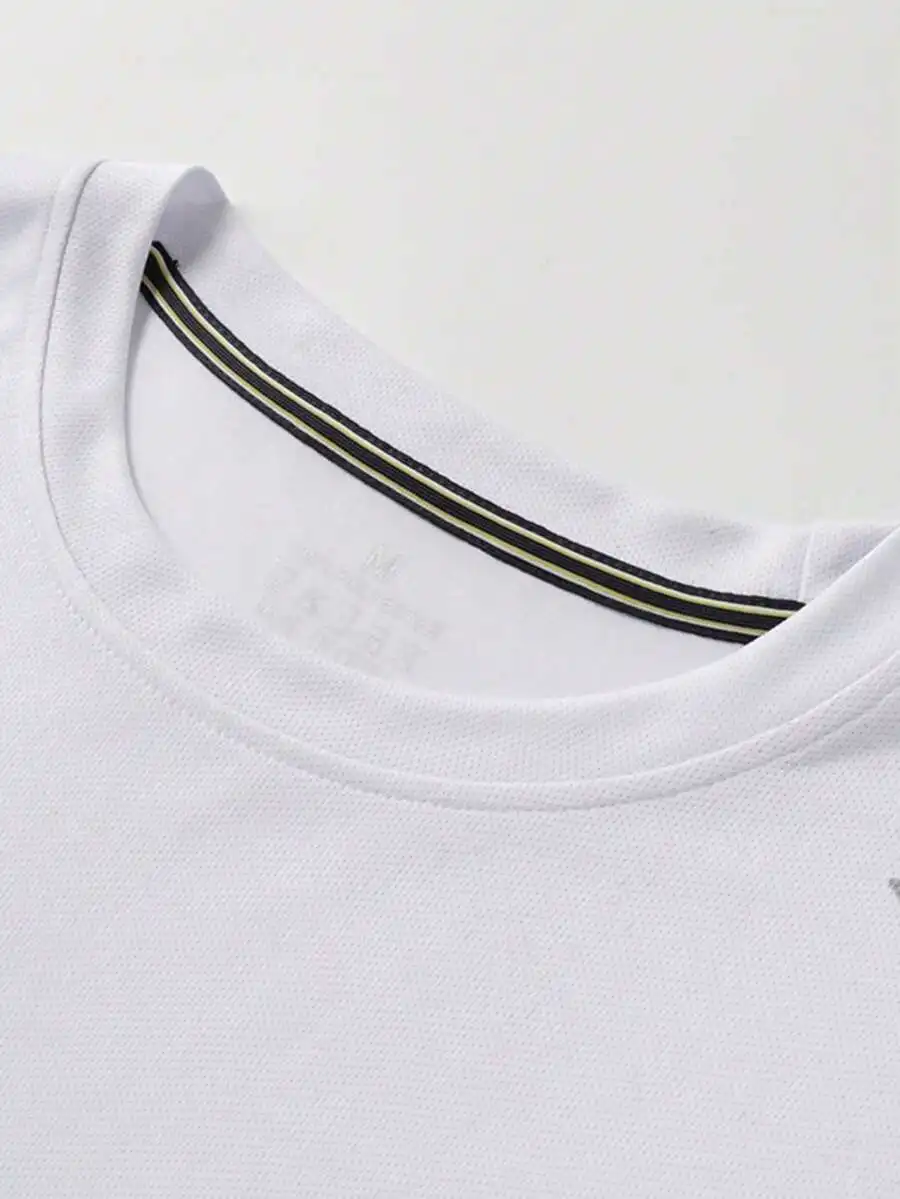
| Fabric properties | Lightweight, quick-dry, moisture-wicking, breathable |
| Sleeve | Long sleeve |
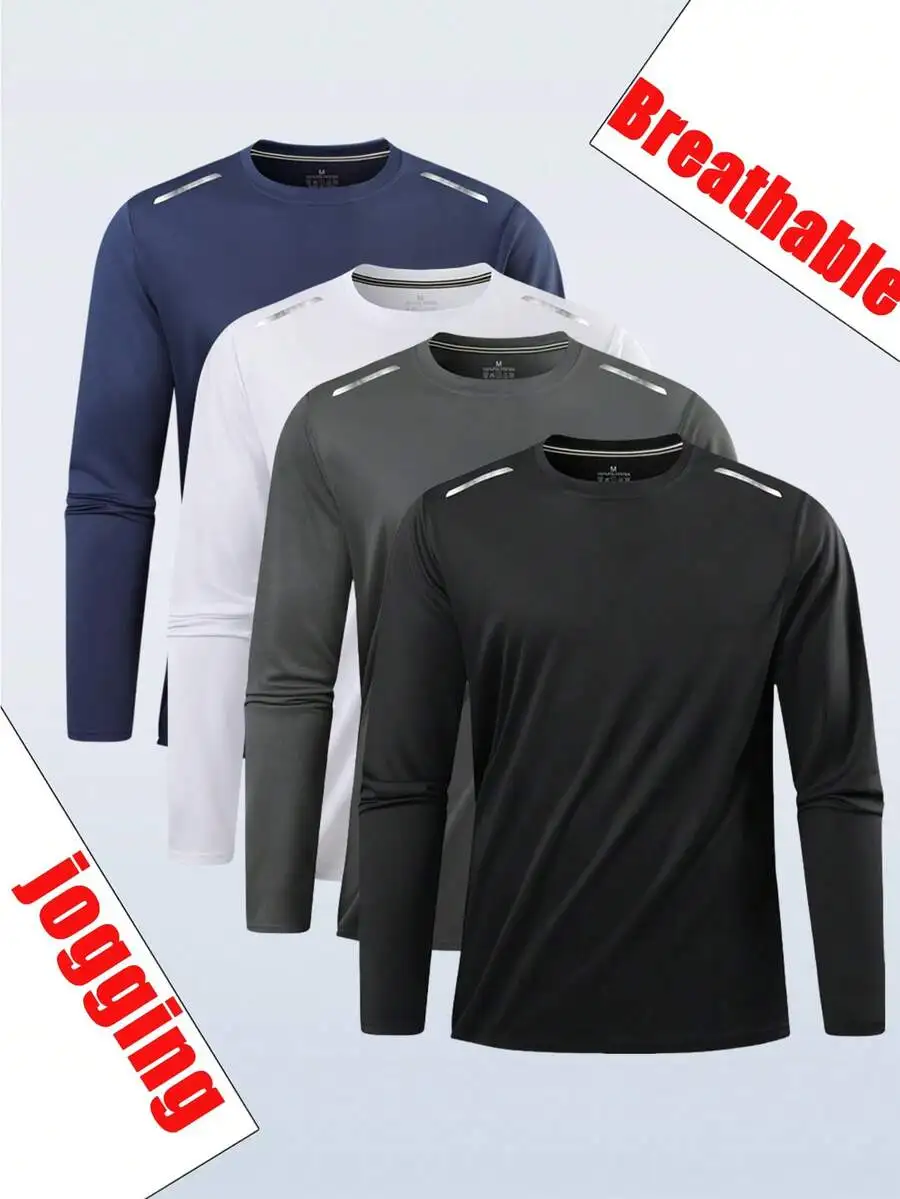
| Colours available | White, Black, Dark Grey |
| Sizes available | XS, S, M, L, XXL, XXXL |
| Best for | Running, cycling, gym, hiking, cold-weather layering |
| Wash | Machine washable, cold |
| Exact fabric blend & weight | Variant dependent — see product options |
Care & Maintenance
Machine wash cold on a gentle cycle with similar synthetics and hang to dry — the fabric dries quickly on its own. Do not use fabric softener: it coats the fibres and destroys the wicking action that you bought the garment for. Skip the tumble dryer, hot iron and bleach, all of which damage elastane and cost you the stretch. Wash after every session; synthetics hold onto odour-causing bacteria more stubbornly than cotton does.
What’s in the Box
1 x men’s long sleeve compression base layer top. Colour and size as selected at checkout.
Reviews
There are no reviews yet.