The Thumb Is Usually the Problem
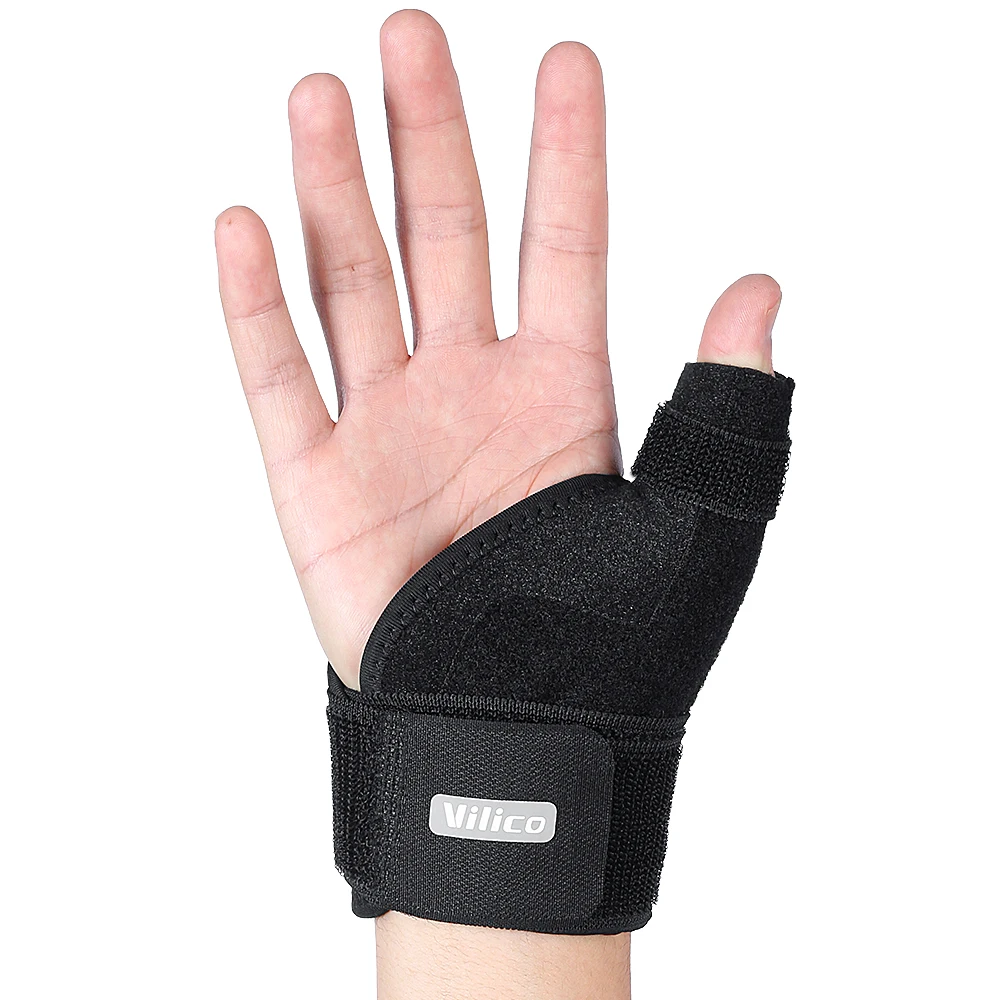
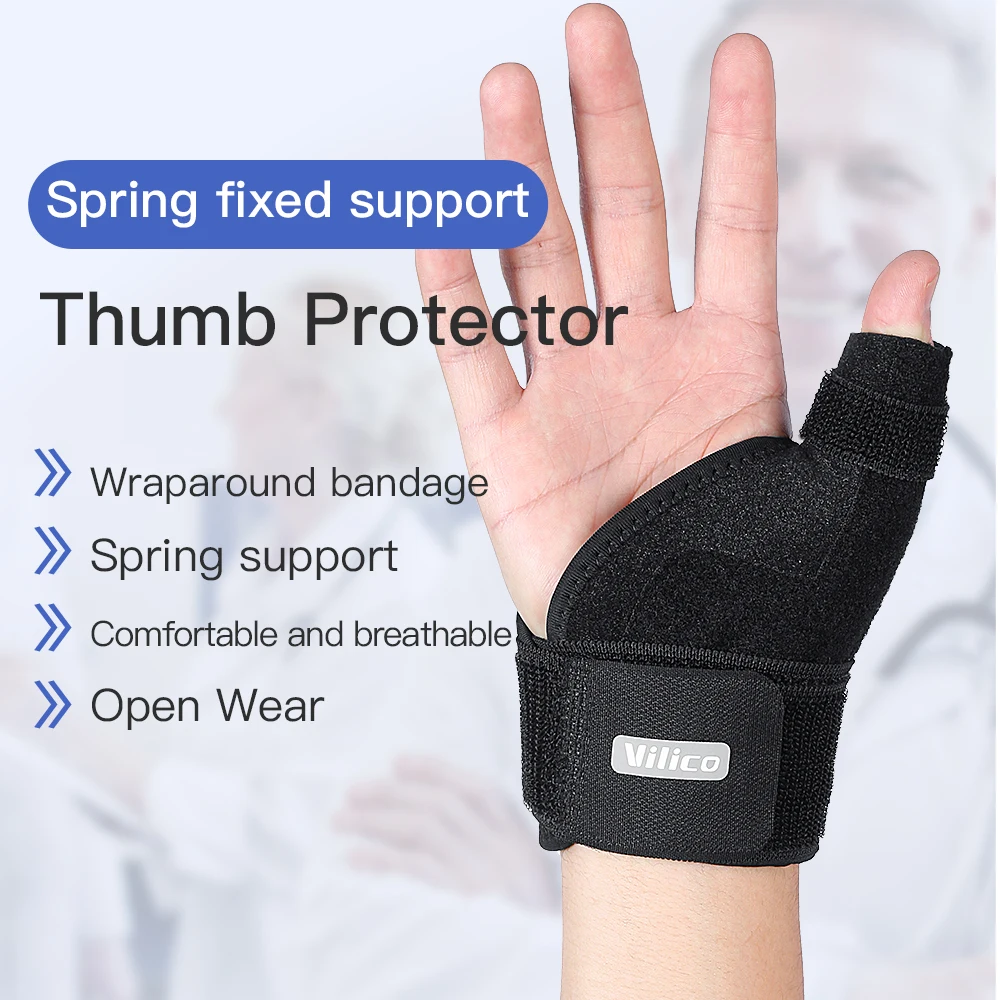
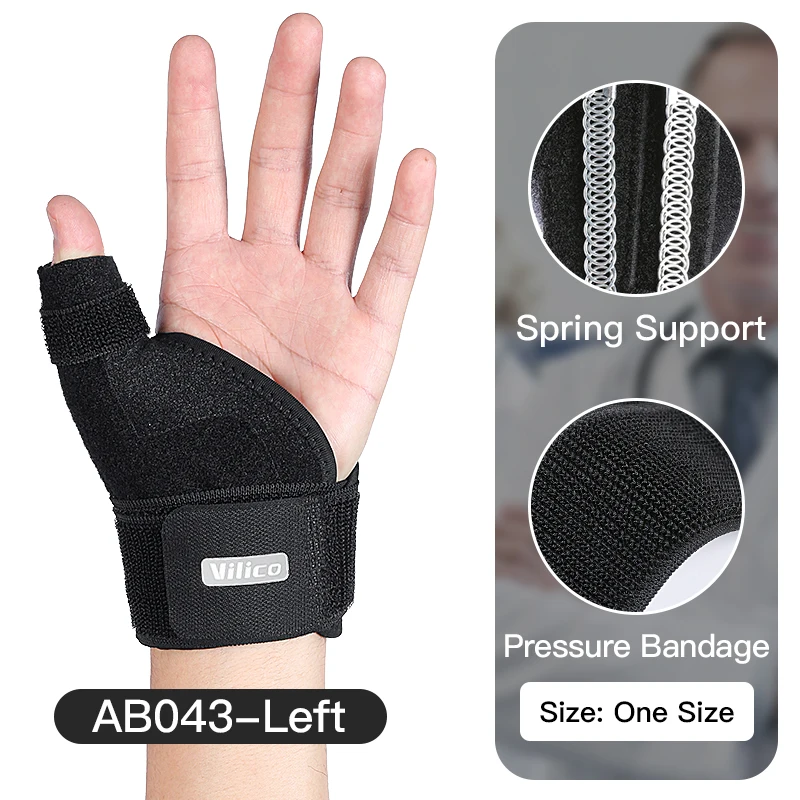
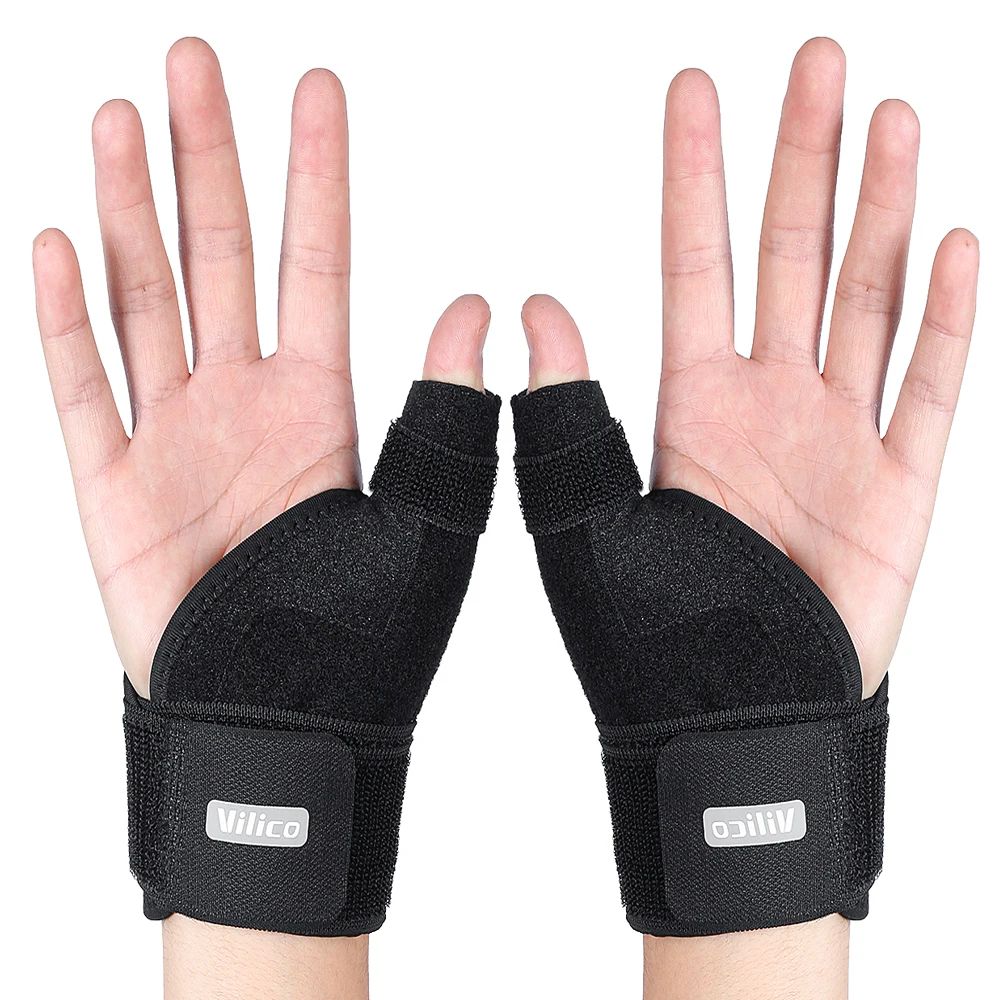
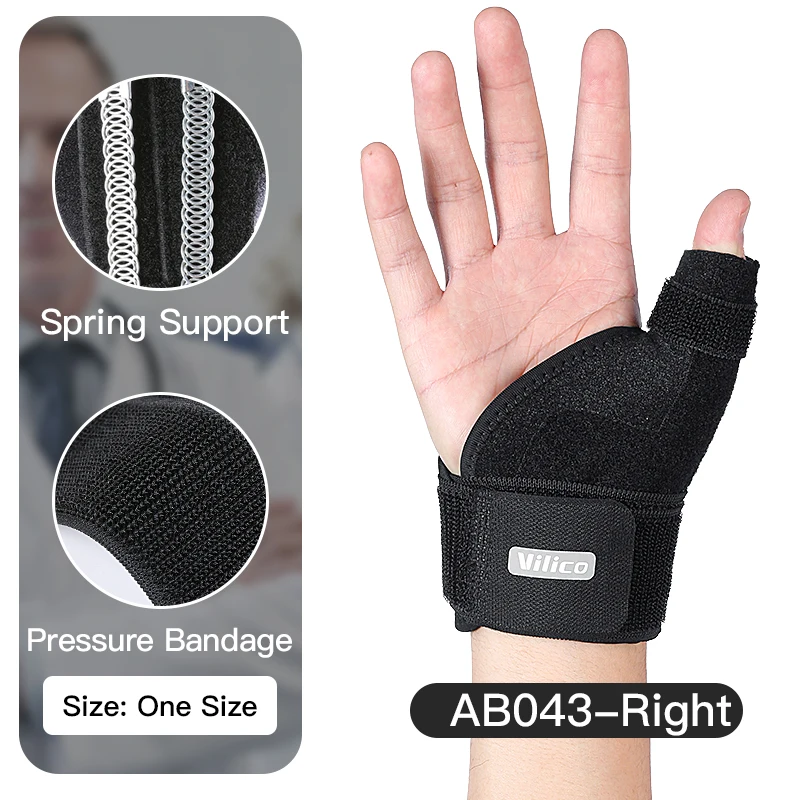
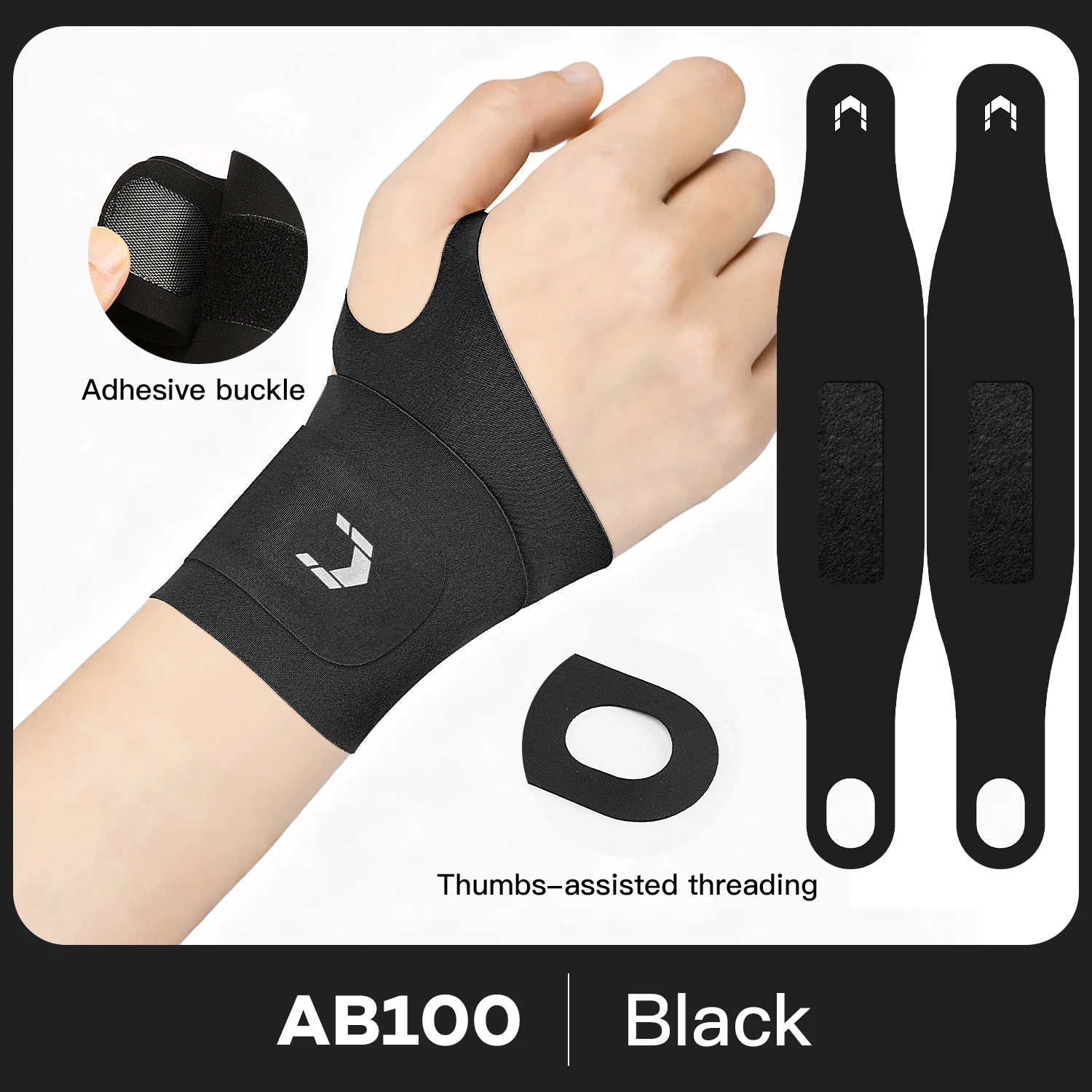
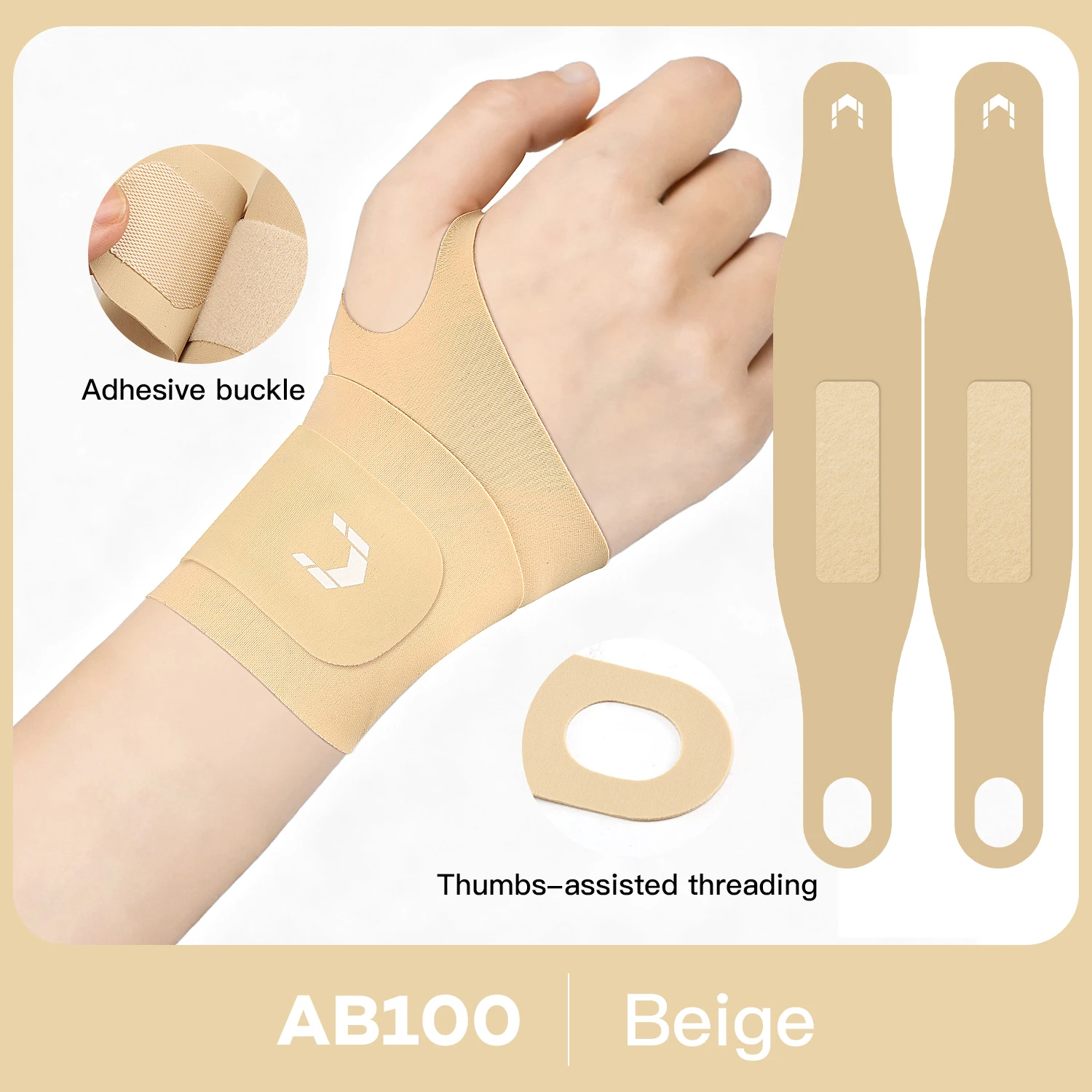
Most wrist braces support the wrist and leave the thumb free — which is useless if your pain is De Quervain’s tenosynovitis, the tendon irritation at the base of the thumb that flares from repetitive gripping, lifting a baby, or a keyboard and mouse. That condition needs the thumb itself held still. A splint with a thumb spica does exactly that, while leaving the fingers free enough to function.
Key Benefits
- Thumb splint plus wrist support — immobilises the joint that’s actually irritated
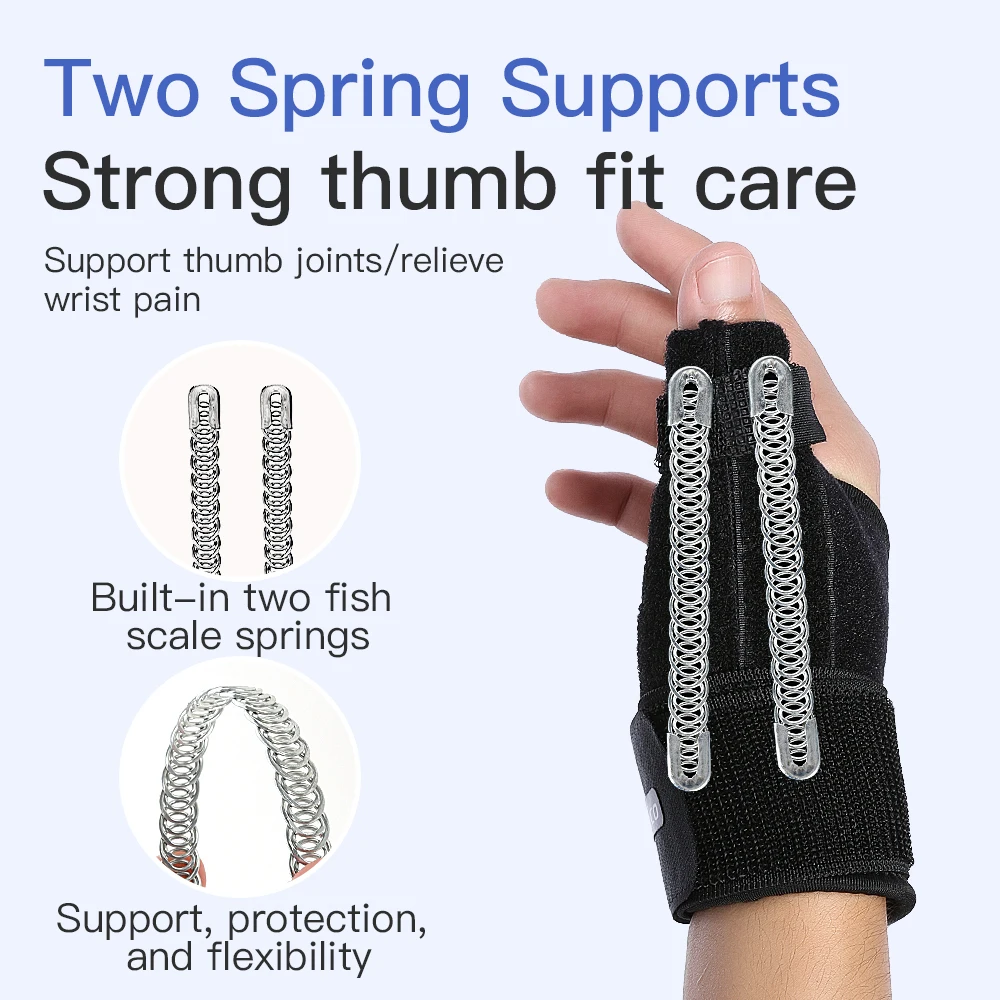
- Removable rigid stay for adjustable levels of support
- Fingers stay free so you can still work
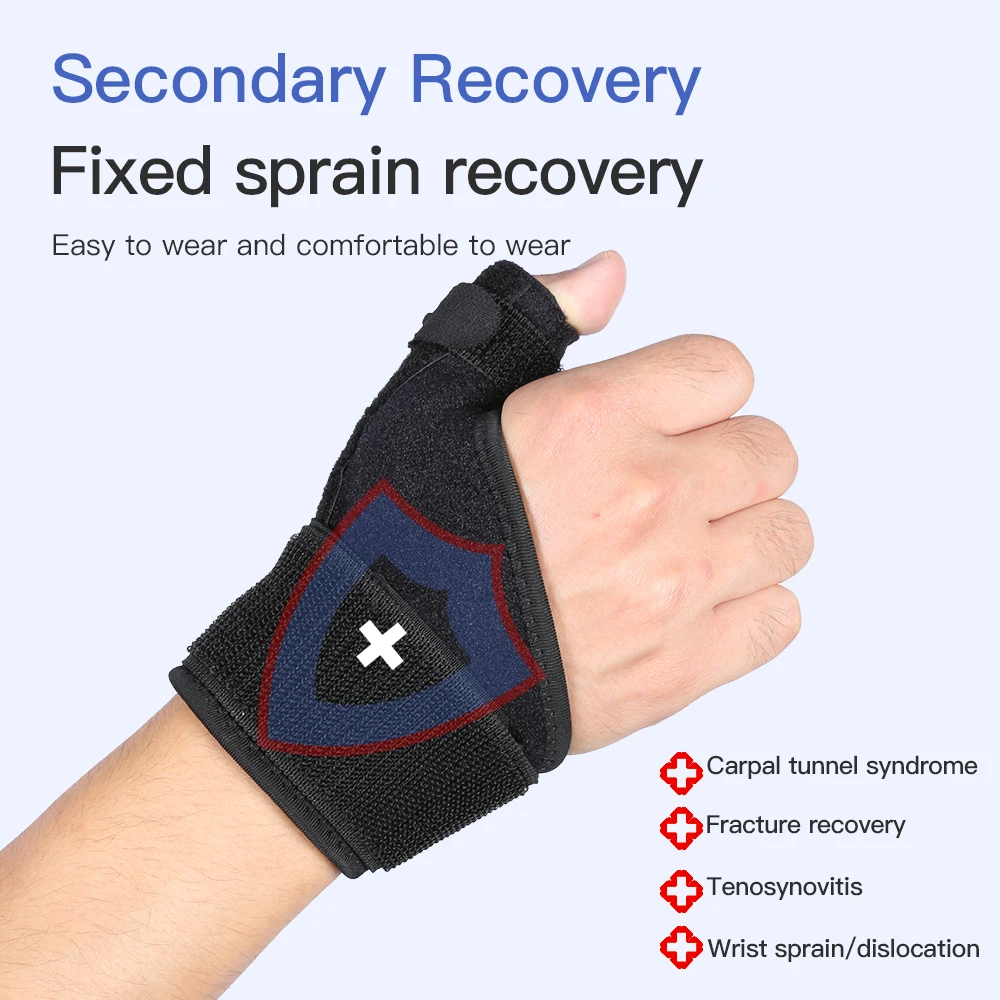
- Used for De Quervain’s, thumb sprains, base-of-thumb arthritis and RSI
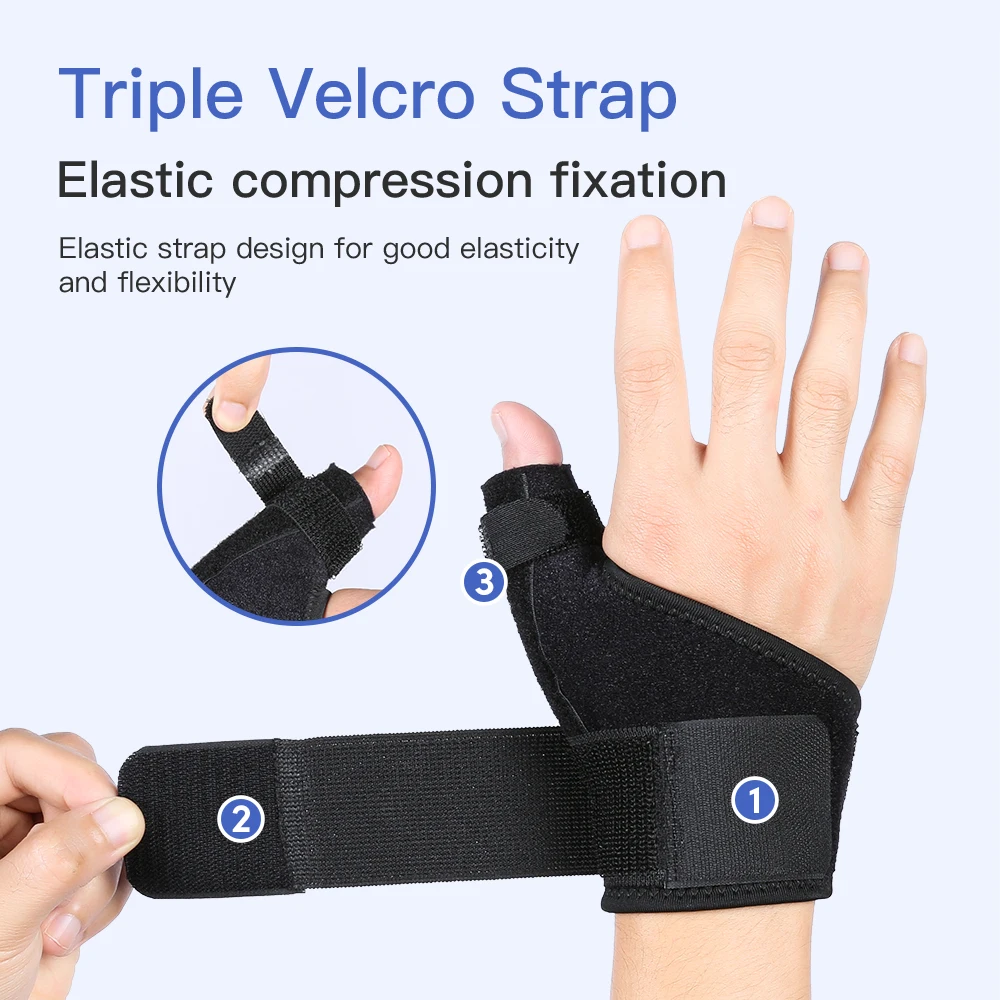
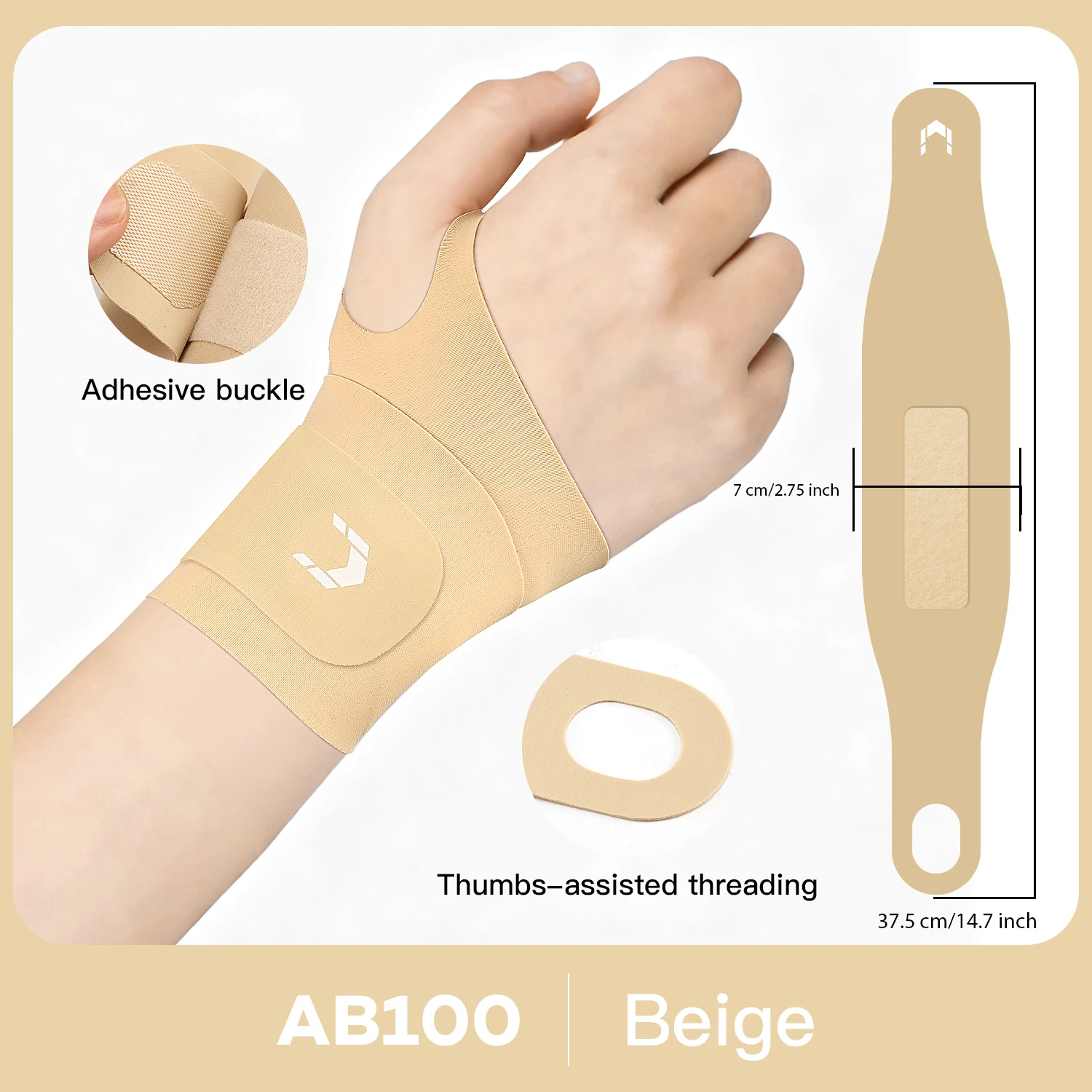
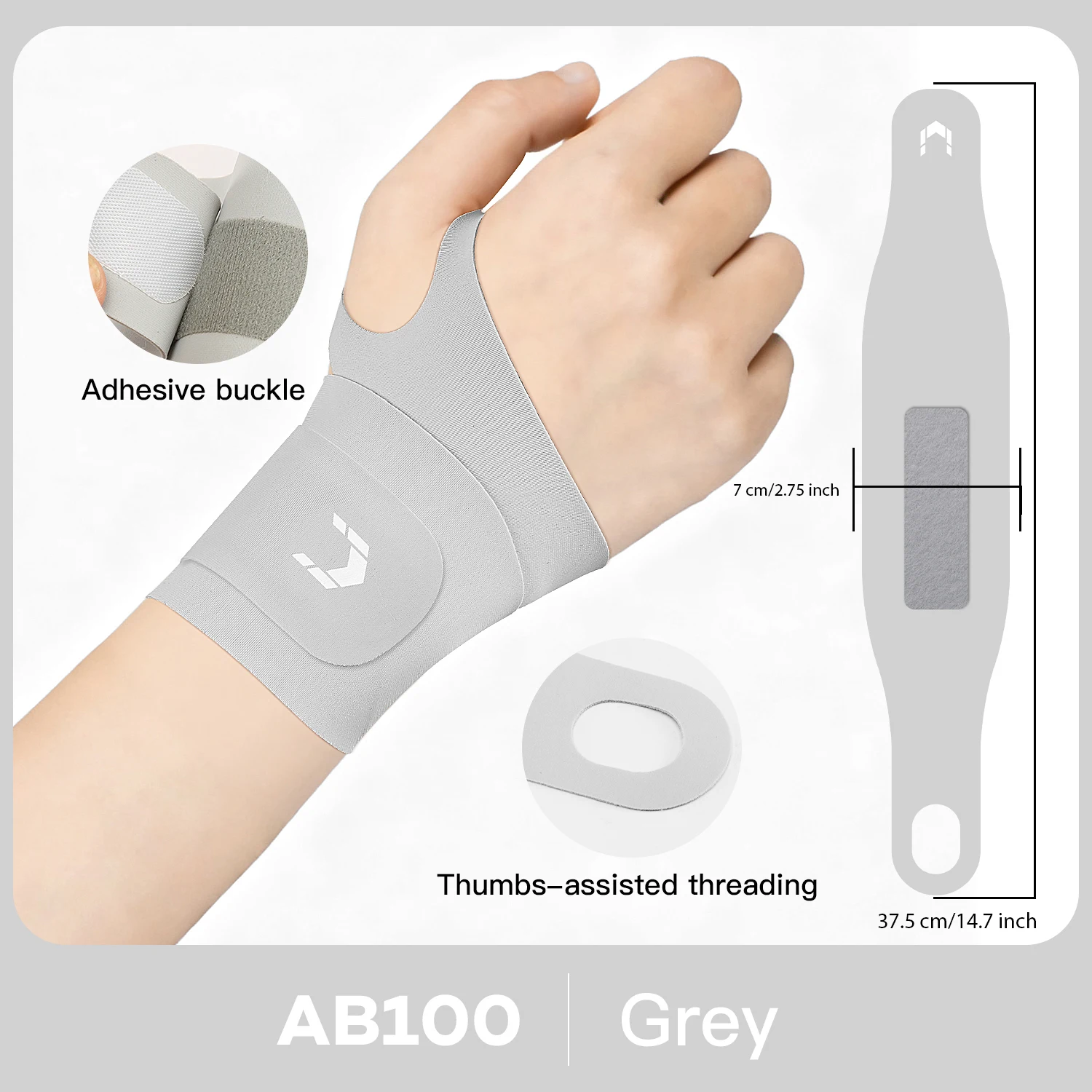
- Adjustable straps for a precise fit
- Breathable material for all-day wear
How to Use
Fit so the thumb is comfortably supported and the wrist is held in a neutral position — not bent back. Snug, never numbing. Often worn overnight for De Quervain’s, when the tendon can rest properly. If you have persistent thumb-base pain, see a physiotherapist or GP: a splint rests an irritated tendon, but it does not address the loading pattern that irritated it, and most cases need both.
Specifications
| Type | Wrist and thumb support splint |
|---|---|
| Support | Thumb spica + wrist stay |
| Stay | Removable rigid support |
| Adjustment | Adjustable straps |
| Fingers | Left free |
| Material | Breathable |
| Best for | De Quervain’s tenosynovitis, thumb sprains, base-of-thumb arthritis, RSI |
| Note | Rests the tendon — pair with physiotherapy for lasting recovery |
Care & Maintenance
Remove the rigid stay before washing. Hand wash cold, air dry flat.
What’s in the Box
1 × Wrist & Thumb Support Brace, removable stay
Reviews
There are no reviews yet.