Micro-Loading: Why a 1–15 lb Dumbbell Earns Its Place
Strength adaptation depends on progressive overload — adding a small, tolerable increment of load once the current one stops being hard. For the small muscles, that increment has to be small. A rotator cuff performing external rotation is working in single-digit pounds; jumping from 5 lb to 10 lb is a hundred-percent increase that the tissue cannot absorb. A threaded adjustable dumbbell lets you add one plate at a time, which is precisely the resolution that shoulder rehab, wrist work and unilateral accessory training require and that fixed dumbbell sets never offer at the light end.
Key Benefits
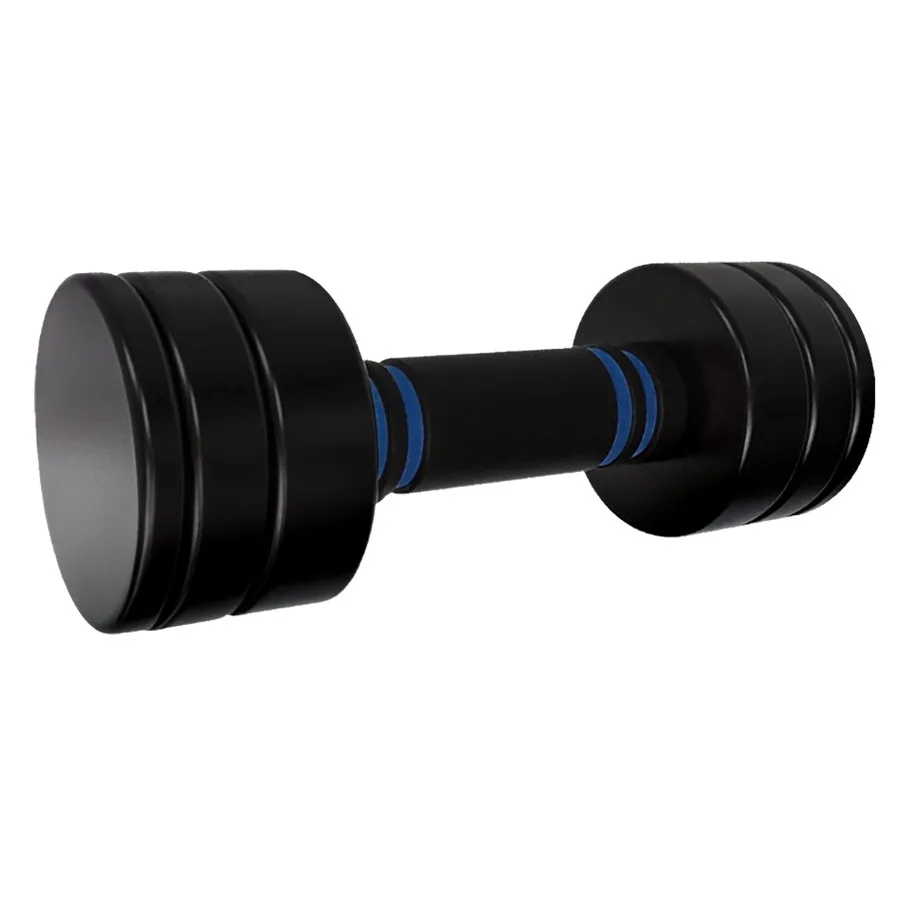
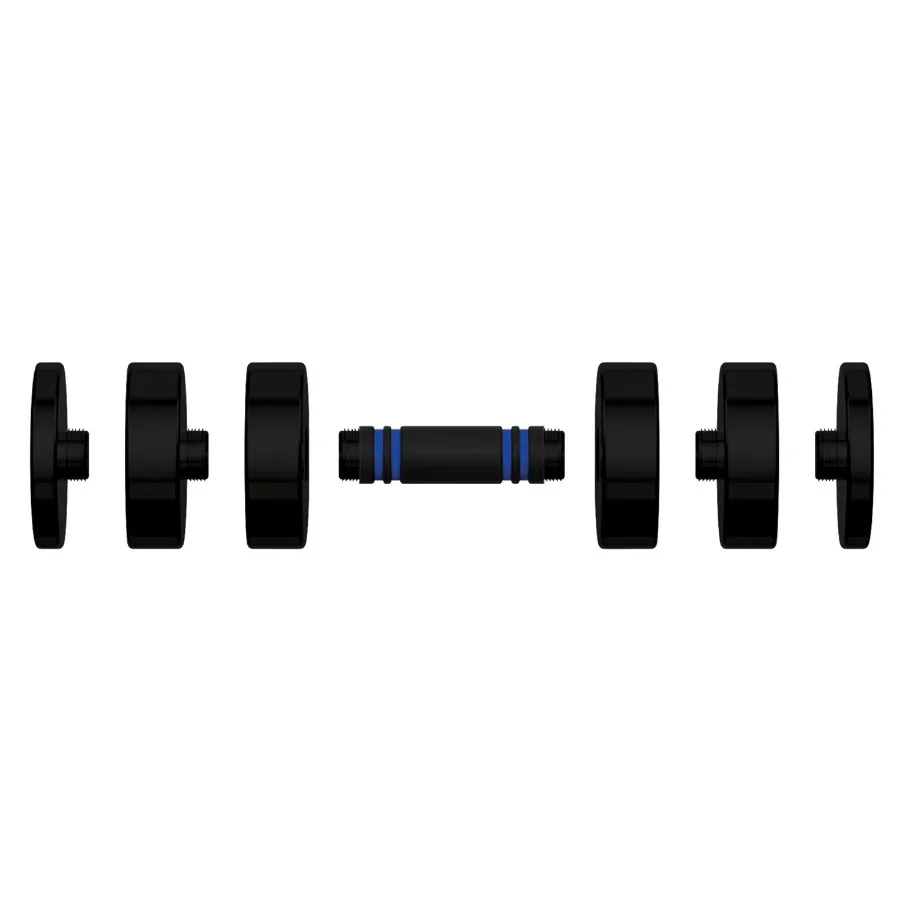
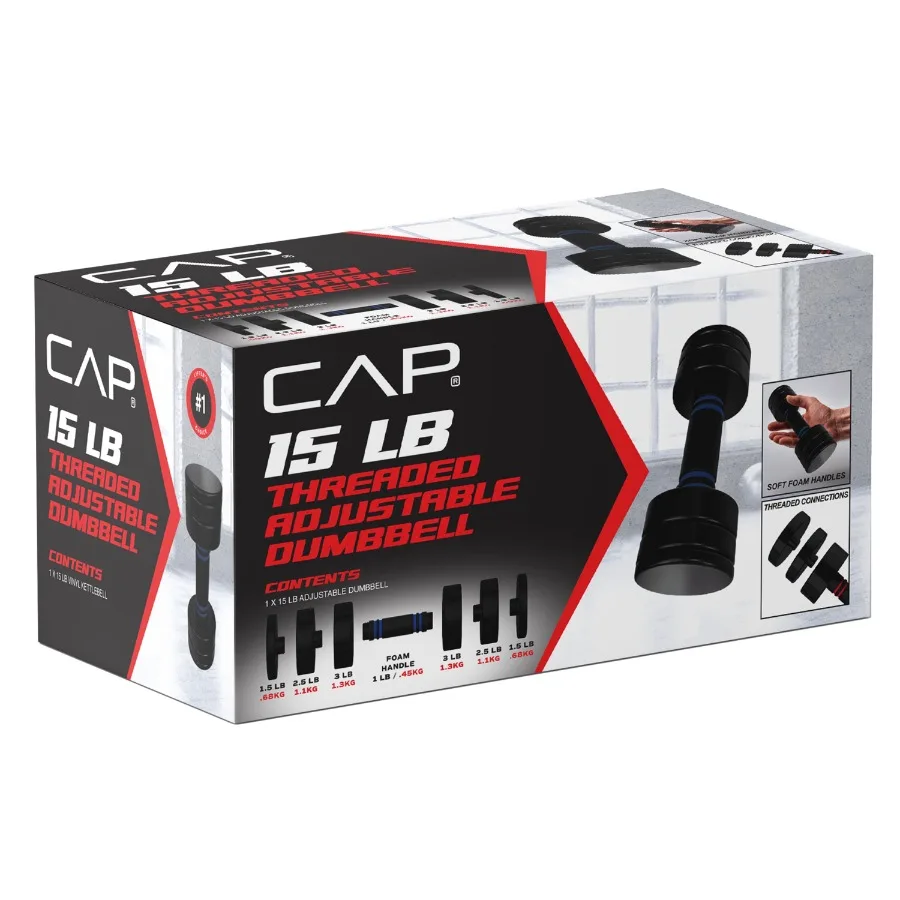
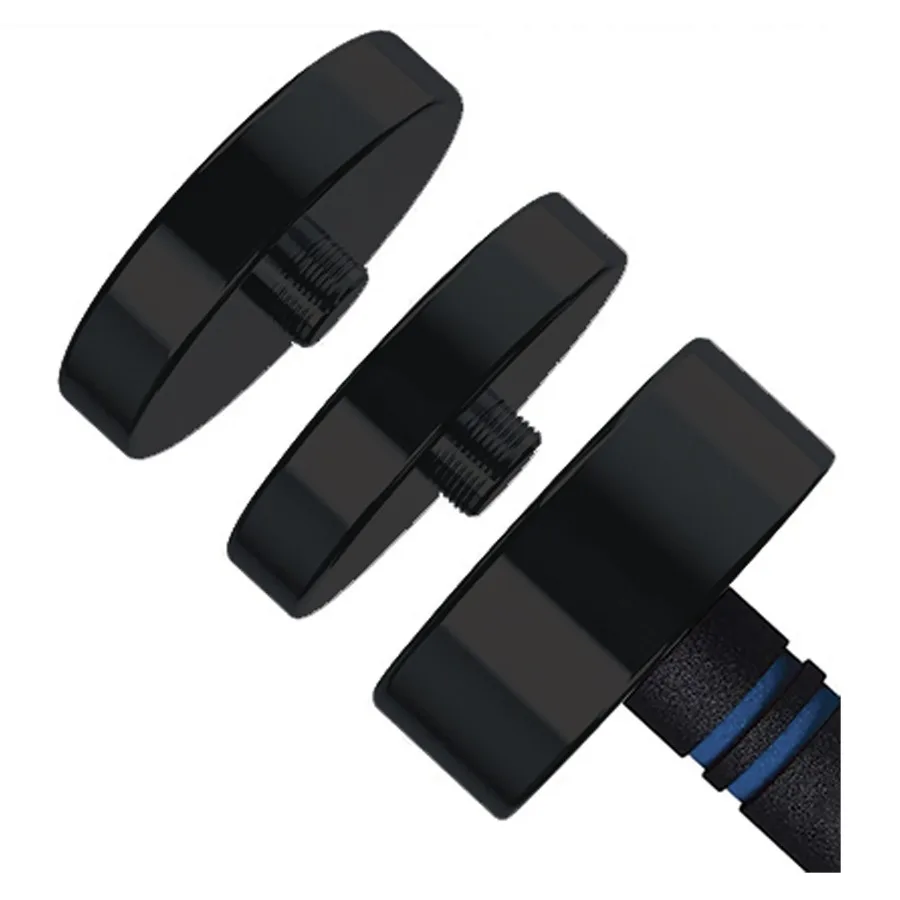
- Six loads from one tool. Threaded collars and stackable plates let you dial the weight between roughly 1 lb and 15 lb, replacing a rack of light fixed dumbbells that would cost more and occupy a shelf.
- Increments small enough for rehab. Rotator cuff, forearm, and post-injury protocols progress in tiny steps. This is one of the few tools that actually provides them, rather than forcing a doubling of load.
- Foam handle for high-rep work. Light dumbbells get used for long sets — lateral raises, tricep kickbacks, shoulder circuits. Foam padding is what stops your grip failing before the target muscle does.
- Ideal for unilateral training. Training one side at a time exposes and corrects left–right strength asymmetries that a barbell hides. Light loads are all you need to do it.
- Small footprint. Under a desk, in a wardrobe, in a suitcase. The barrier to home training is almost always storage, not enthusiasm.
- Honest about its ceiling. 15 lb will not build your squat, deadlift, or back. This is a light-load dumbbell for shoulders, arms, rehab, conditioning and accessory work — buy it for that, and it is excellent.
How to Use
Slide the plates onto the threaded bar in matched pairs so the weight is even on both sides, then screw the collars down firmly by hand until there is no rattle — an unbalanced or loose dumbbell is how people drop weights on their feet. Check the collars before every set, not just at the start of a session; threads work loose under repeated deceleration. For rehab and shoulder work, choose a load you can control for 12–15 slow reps with a pause at the top; speed is not the point, tension is. For arm work, prioritise a full range of motion over adding plates. Safety: never leave a partially assembled dumbbell on the floor, keep plates away from children and toes, and stop any set the moment you cannot control the eccentric — the lowering phase is where light dumbbells still injure people.
Specifications
| Type | Adjustable threaded dumbbell |
|---|---|
| Weight range | Approx. 1–15 lb (6 configurations) |
| Adjustment | Threaded bar with screw-down collars |
| Handle | Foam-padded grip |
| Colour | Black / blue |
| Quantity | Variant dependent — check whether single or pair |
| Best for | Shoulder work, arms, rehab, unilateral accessory training, conditioning |
| Not suitable for | Heavy compound lifting (squat, deadlift, row) |
Care & Maintenance
Wipe the bar and plates down after use — sweat is salt water and it will pit and rust bare metal threads. Keep the threads clean and, if the collars begin to bind, clean the grit out of the thread rather than forcing them. Store dry; a damp garage will corrode this faster than any amount of training. Inspect the collars regularly and stop using the dumbbell if a collar no longer tightens fully.
What’s in the Box
Threaded dumbbell handle with foam grip, weight plates and screw collars, as supplied with the selected variant. Confirm on the variant whether the listing is for a single dumbbell or a pair.
Reviews
There are no reviews yet.