A Posture Brace Is a Cue, Not a Cure
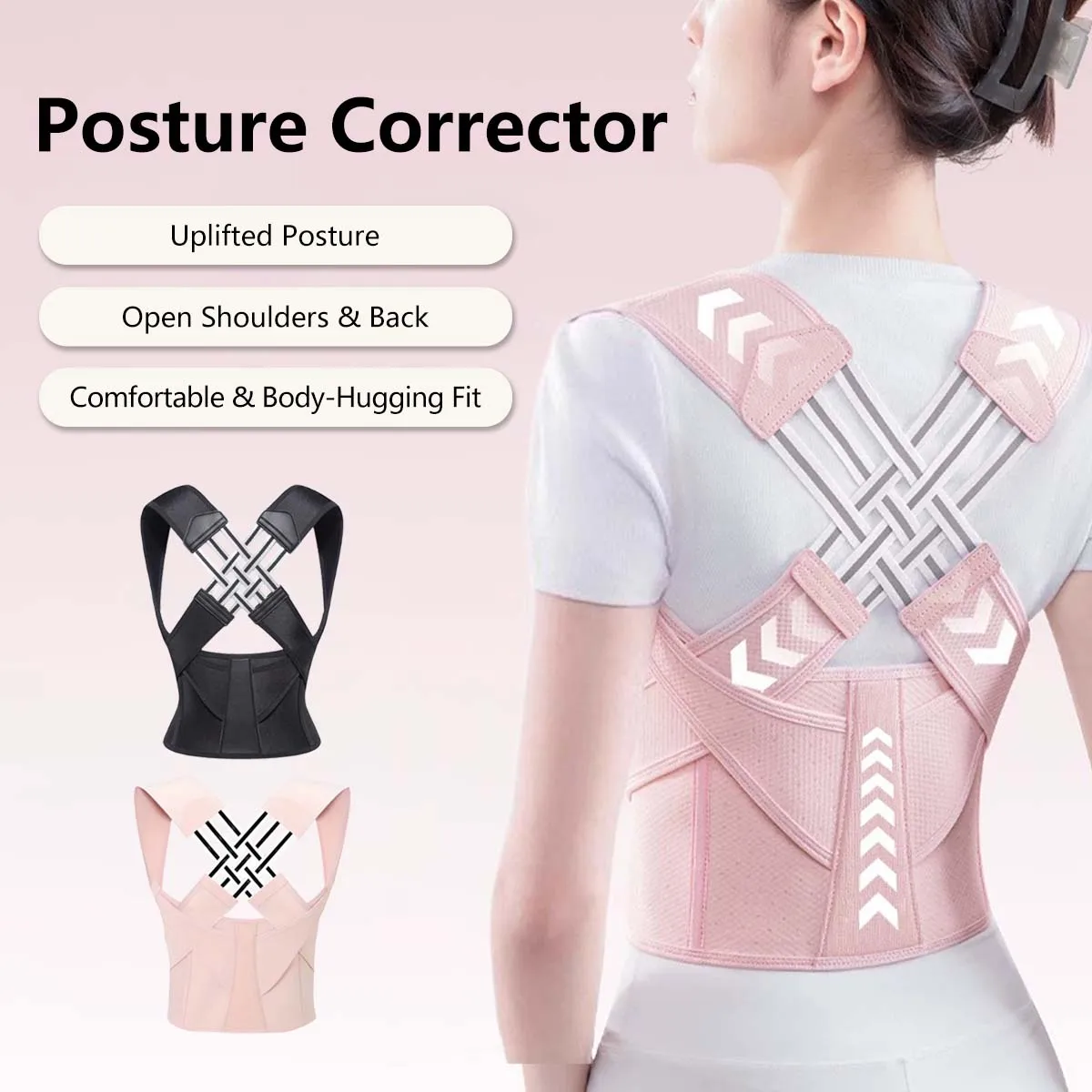
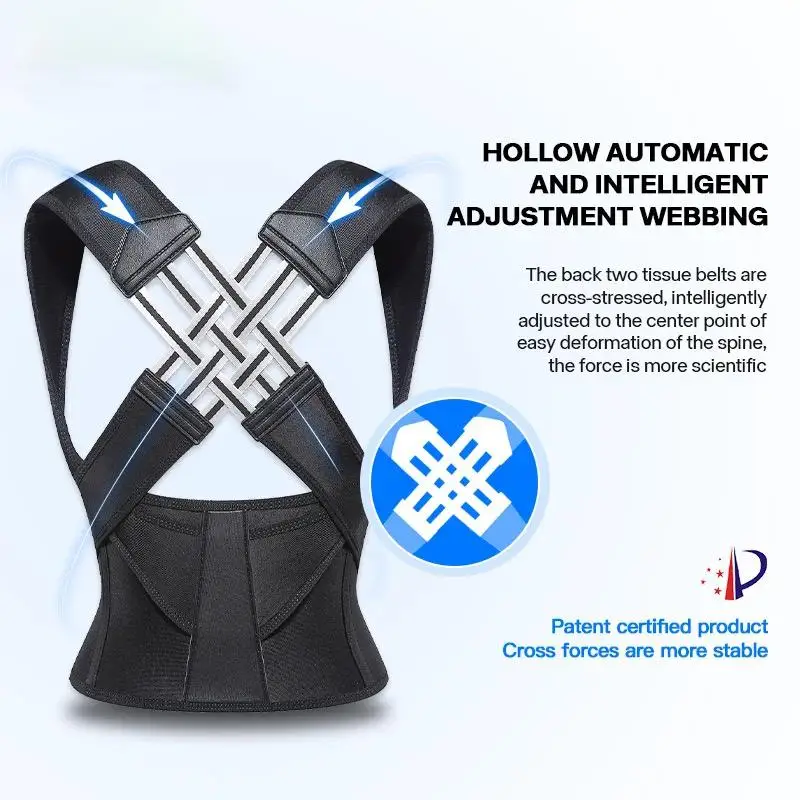
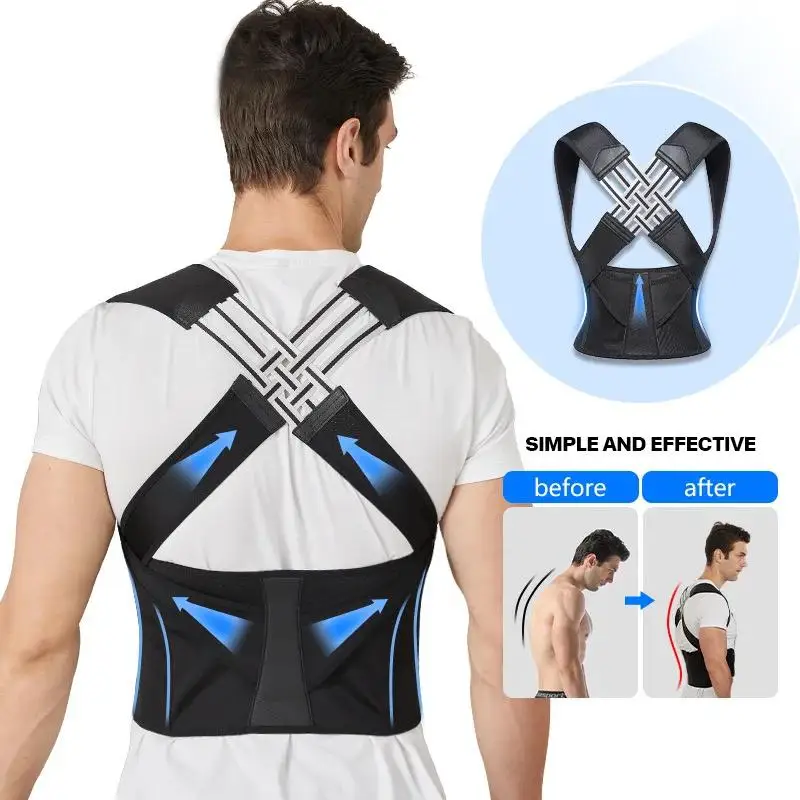
Let’s be direct, because most listings for this product are not. A posture corrector does not realign your spine, does not permanently fix rounded shoulders, and does not ‘train your waist’. What it does is apply gentle tension across the front of the shoulders so that when you slump, you feel it. That feedback loop — proprioceptive cueing — is real and useful, because most postural collapse is an unconscious habit, and the brace makes the habit conscious. But posture is ultimately held by muscle: your lower traps, rhomboids, and deep neck flexors. If you wear a brace all day, those muscles do less work, not more, and you can end up more dependent and weaker than when you started. Use it as a training wheel, not a wheelchair.
Key Benefits
- Provides real proprioceptive feedback — you feel the pull the instant you round forward, which is what breaks an unconscious slumping habit.
- Adjustable straps for a genuine fit — tension should be firm enough to notice, never tight enough to dig into the armpits or restrict circulation.
- Useful in short, targeted doses — 15 to 30 minutes during desk work or a commute is where it earns its keep, not eight hours a day.
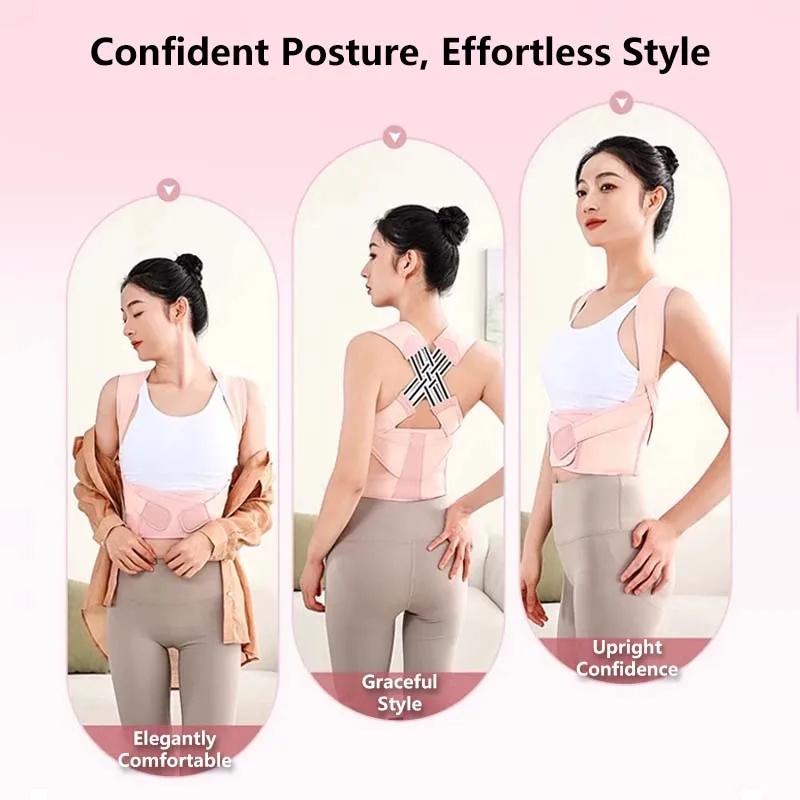
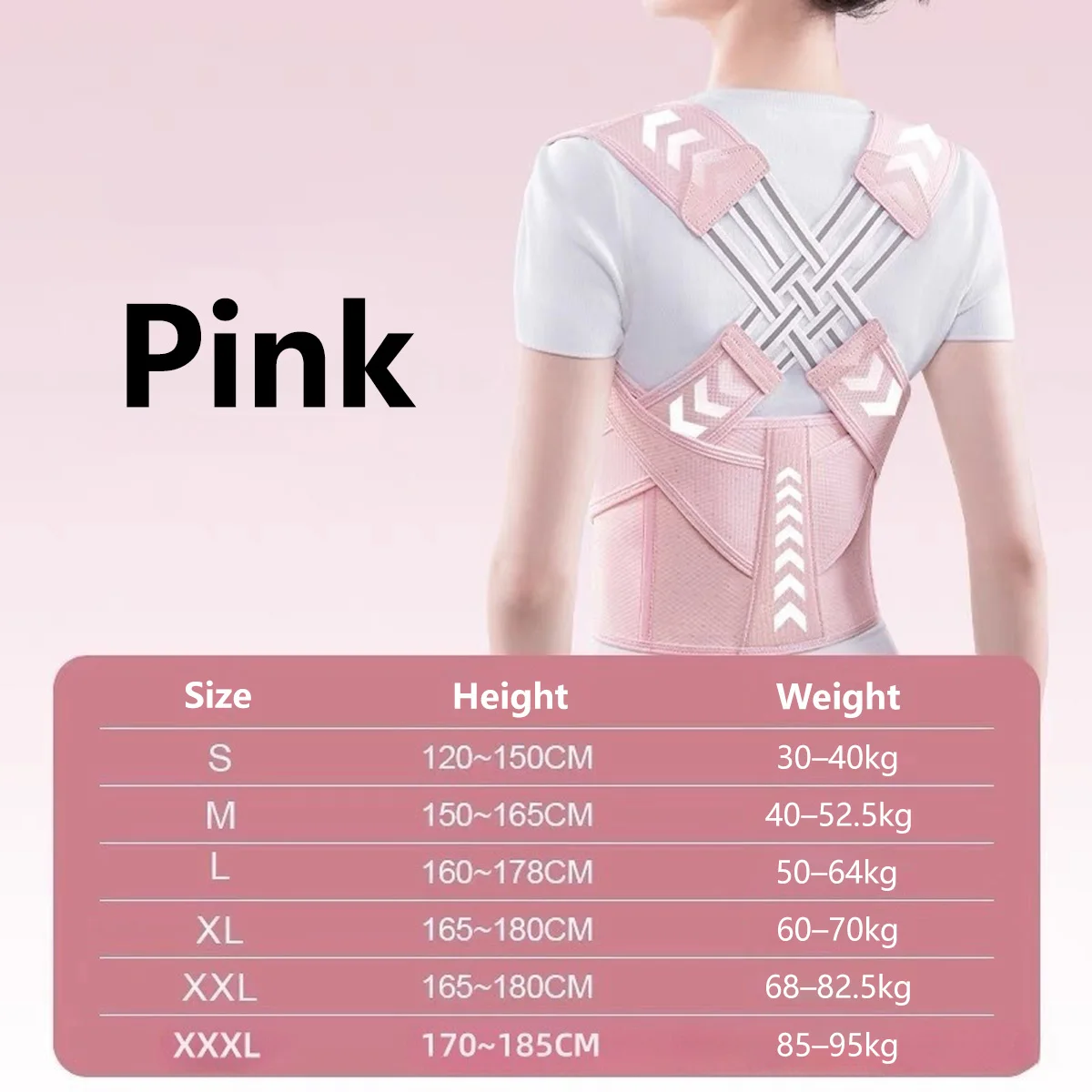
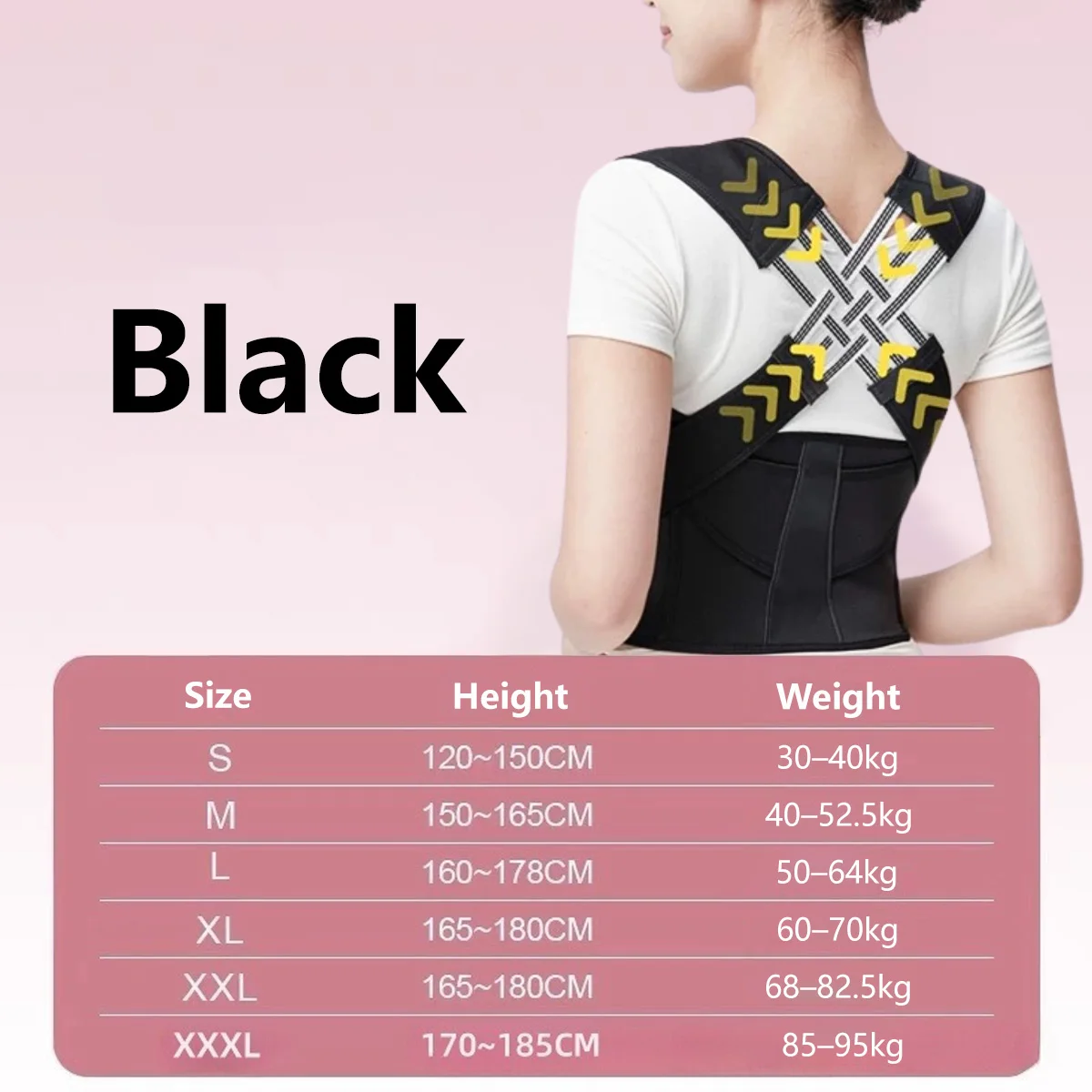
- Discreet under clothing — the low-profile figure-8 design can be worn under a shirt so you’ll actually use it rather than leaving it in a drawer.
- Unisex, adjustable sizing — the strap system accommodates a range of chest and shoulder widths for men and women.
- Honest limits stated up front — this is not a cure for scoliosis, kyphosis, disc pathology, or chronic back pain, and it will not correct spinal alignment. If you have a diagnosed spinal condition, see a physiotherapist.
How to Use
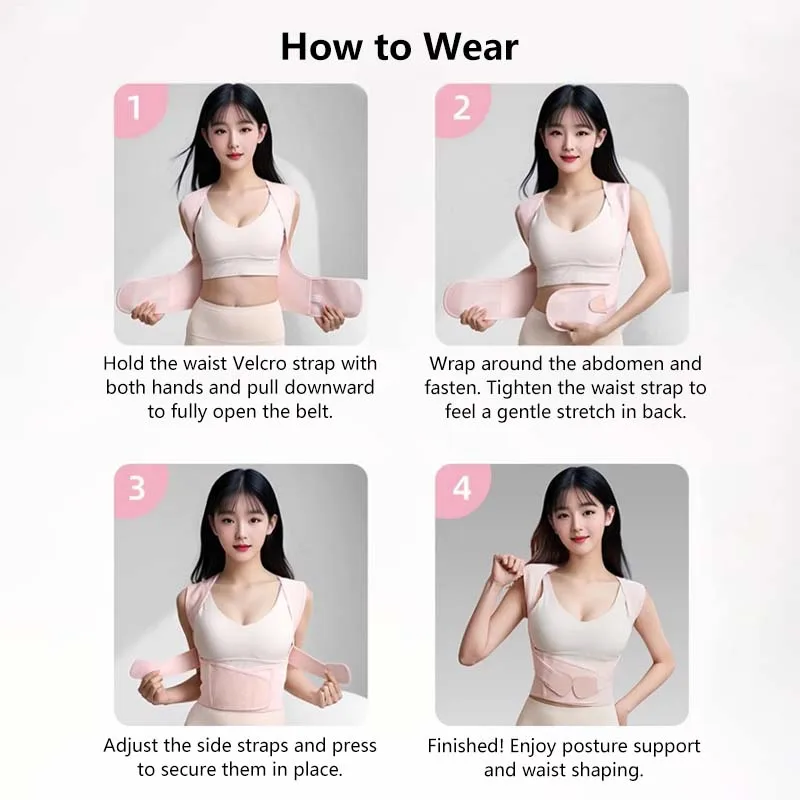
Put the brace on over a thin t-shirt, not bare skin — the straps will chafe the armpits otherwise. Slip your arms through the loops like a backpack, then draw the rear straps until you feel a light backward pull across the shoulders. Set the tension so it gently reminds you to sit tall; if it forces you into position or you cannot comfortably reach forward, it is too tight. Start at 10 to 15 minutes per day and build to no more than 30 to 45 minutes in a single stretch. Critically, pair it with strengthening — band pull-aparts, face pulls, prone Y-raises, and chin tucks — because those are what actually change your posture long-term. Safety: remove it immediately if you feel numbness, tingling, pins and needles, or coldness in the arms or hands; that indicates the straps are compressing nerves or blood vessels. Do not sleep in it. Do not wear it under clothing all day. Do not use it if you have a fracture, recent surgery, osteoporosis, or a diagnosed spinal condition without clearance from a clinician.
Specifications
| Type | Adjustable posture corrector / upper back brace |
|---|---|
| Design | Figure-8 shoulder strap with adjustable rear tension |
| Material | Breathable neoprene or fabric with elastic straps |
| Fit | Unisex, adjustable; size chart variant dependent |
| Recommended wear | 15-45 min per session, not all day |
| Worn | Over a thin layer of clothing |
| Not a treatment for | Scoliosis, kyphosis, disc injury, chronic back pain |
| Pair with | Rows, face pulls, band pull-aparts, chin tucks |
Care & Maintenance
Hand wash in cool water with mild detergent and air dry away from direct heat. Do not machine wash or tumble dry — heat destroys the elastic and the brace loses the tension it depends on. Check the straps and stitching regularly; once the elastic has stretched out and no longer provides resistance, the brace is no longer doing anything and should be replaced. Store flat or loosely rolled, not crumpled.
What’s in the Box
1 x adjustable posture corrector brace. Instructions or size guide included where the variant specifies.
Reviews
There are no reviews yet.