How a Sleeve Protects an Ankle Without Immobilising It
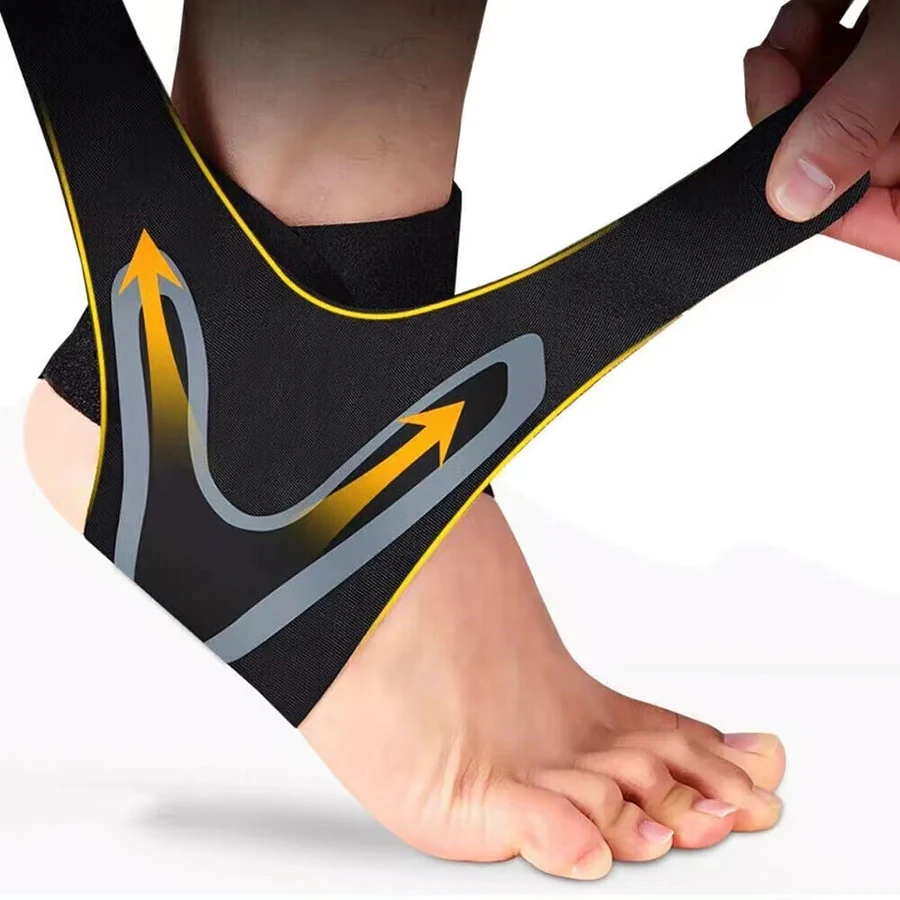
A compression sleeve works mostly through your nervous system, not through mechanical bracing. The fabric loads the skin’s mechanoreceptors, sharpening proprioception — your brain’s sense of where the joint sits in space. That improves the reaction speed of the peroneal muscles, the ones that catch the ankle when it starts to roll. Graduated compression also raises interstitial pressure, which limits post-exercise swelling and helps clear fluid from a joint that’s already inflamed. So it reduces re-injury risk by improving your control, not by blocking the movement.
Key Benefits
- Sharper joint awareness. Continuous skin pressure feeds proprioceptive information to the muscles that stabilise the ankle — the mechanism behind sleeves reducing recurrent sprains in people with chronic instability.
- Less swelling after load. Compression opposes fluid pooling around the malleoli, so the ankle feels less puffy and stiff the morning after a run or a match.
- Heel and arch relief. The compressive wrap supports the plantar fascia’s attachment and the surrounding soft tissue, which many people with plantar fasciitis find takes the edge off the first-step-in-the-morning pain.
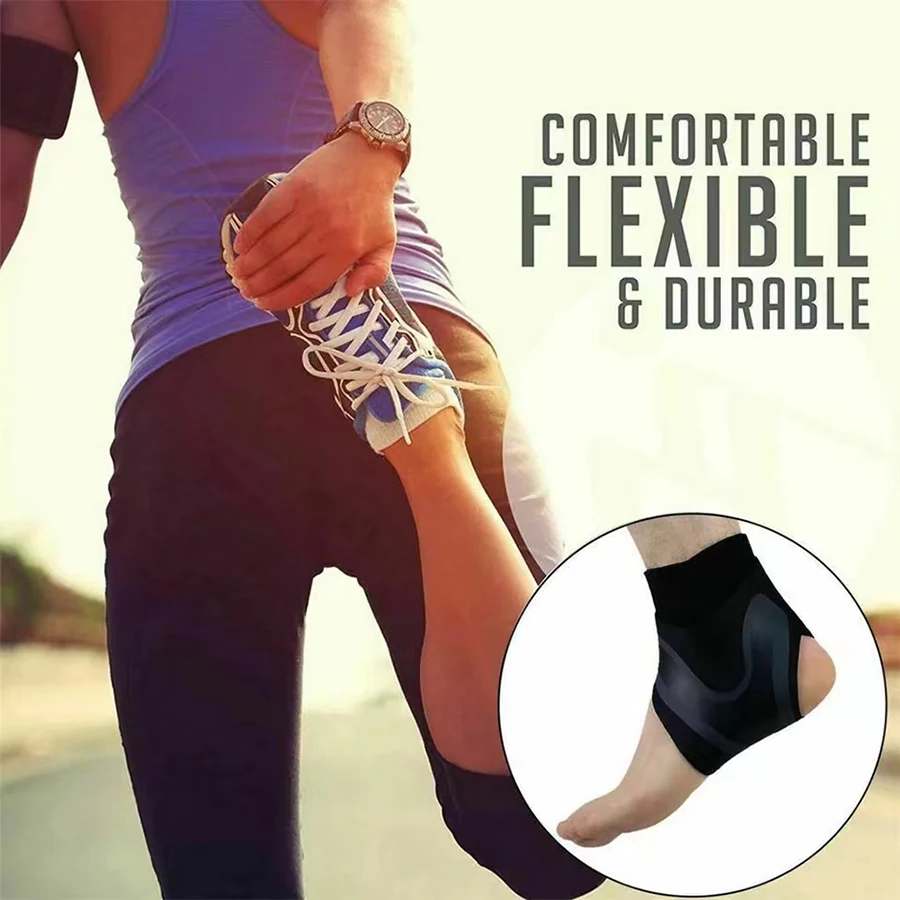
- Breathable enough to actually train in. It’s built as a sock-style sleeve, so it fits inside a running shoe or football boot rather than forcing you into oversized footwear.
- Warmth without bulk. Keeping the joint warm maintains soft-tissue extensibility, which is why a stiff ankle often moves better with a sleeve on.
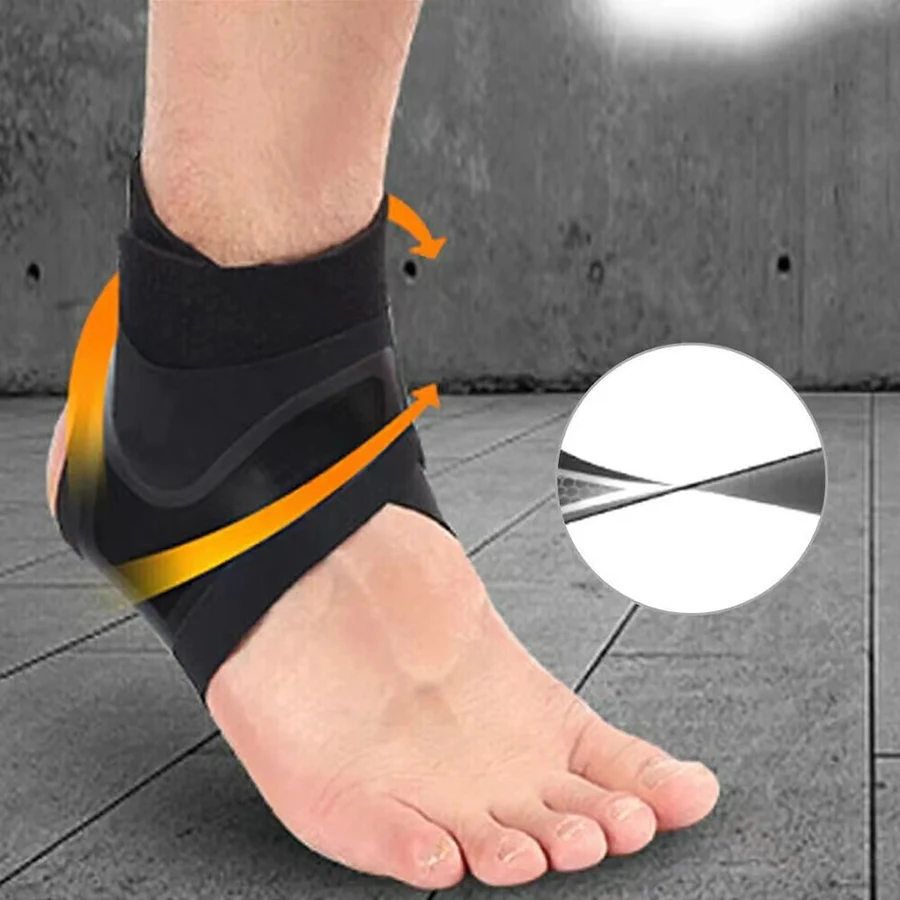
- Full range of motion preserved. You can still push off and dorsiflex properly. Nothing about it changes your gait the way a rigid brace does.
How to Use
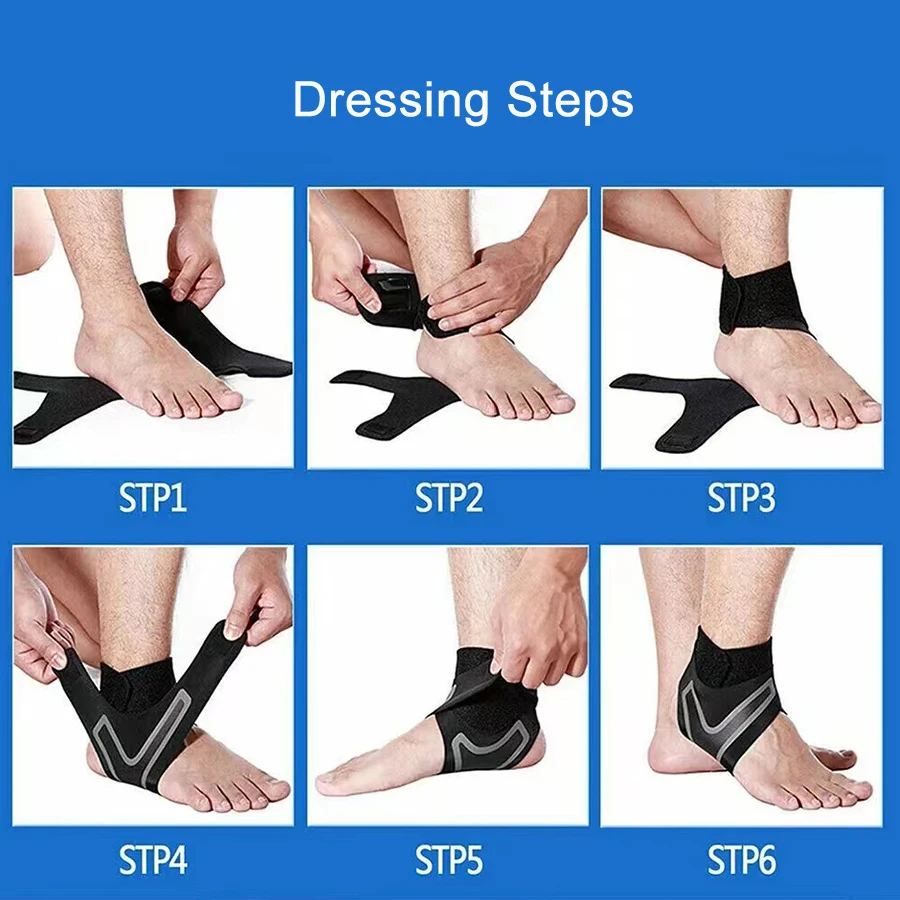
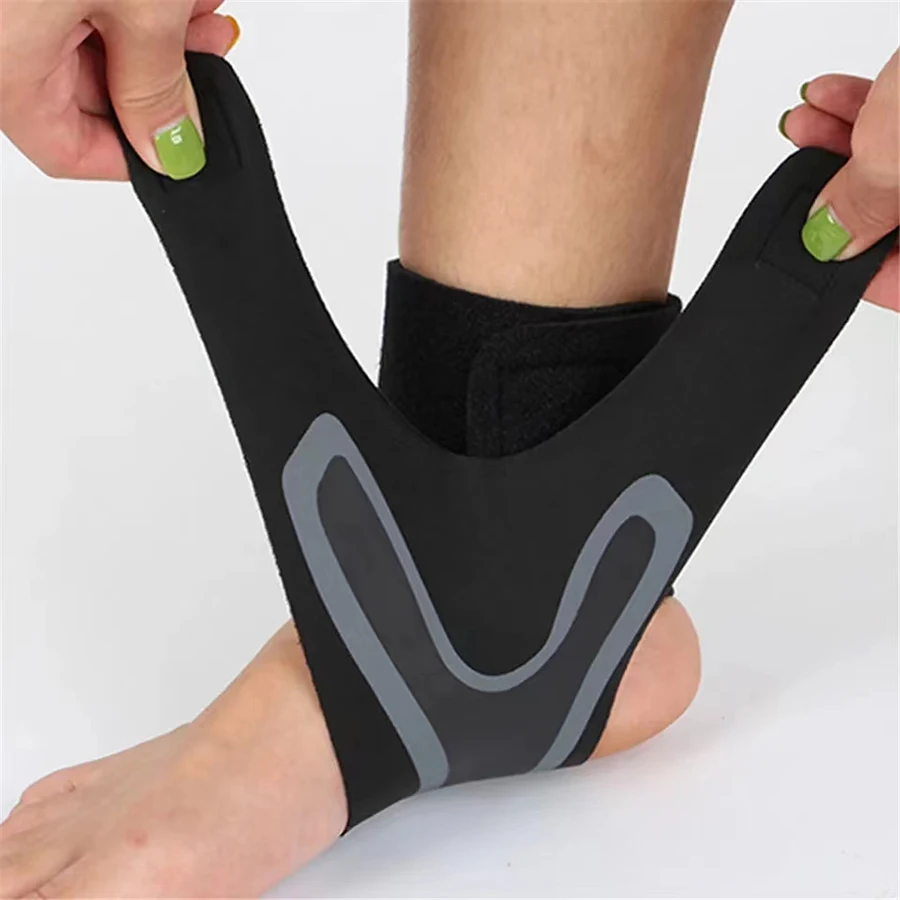
Roll the sleeve on like a sock rather than stretching and yanking it, and settle it so the heel opening sits properly under the heel with no folds or bunching — a wrinkle under load becomes a blister. It should feel firm and supportive, never tight. Wear it during activity and for a couple of hours afterwards if you’re managing swelling. Two honest caveats worth knowing: this is a sleeve, not a rigid brace — after a moderate or severe sprain, where the ankle is unstable and won’t take weight, you need proper assessment and likely a stirrup brace or boot, not a sleeve. And despite what plantar fasciitis product listings often imply, a compression sleeve is not a dorsiflexion night splint; it doesn’t hold the foot in a stretched position overnight. Remove it immediately if you get numbness, tingling, pins and needles, or any colour change in your toes.
Specifications
| Product type | Compression ankle support sleeve |
|---|---|
| Quantity | 1 piece |
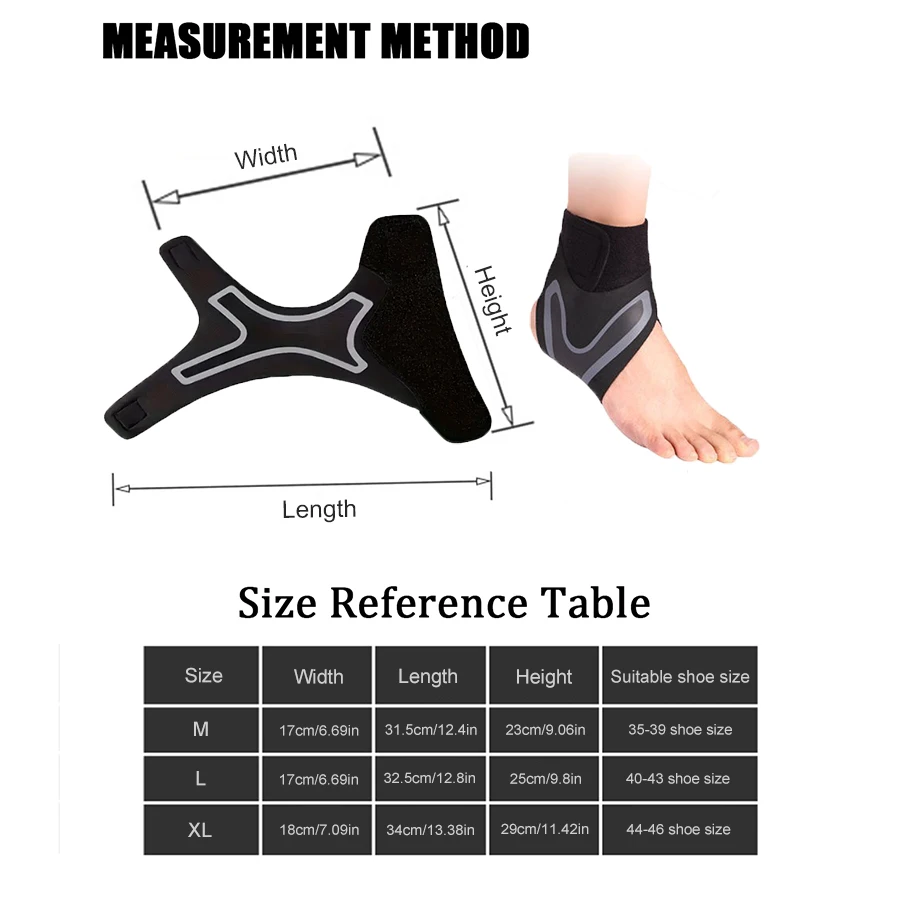
| Sizes | M, L, XL |
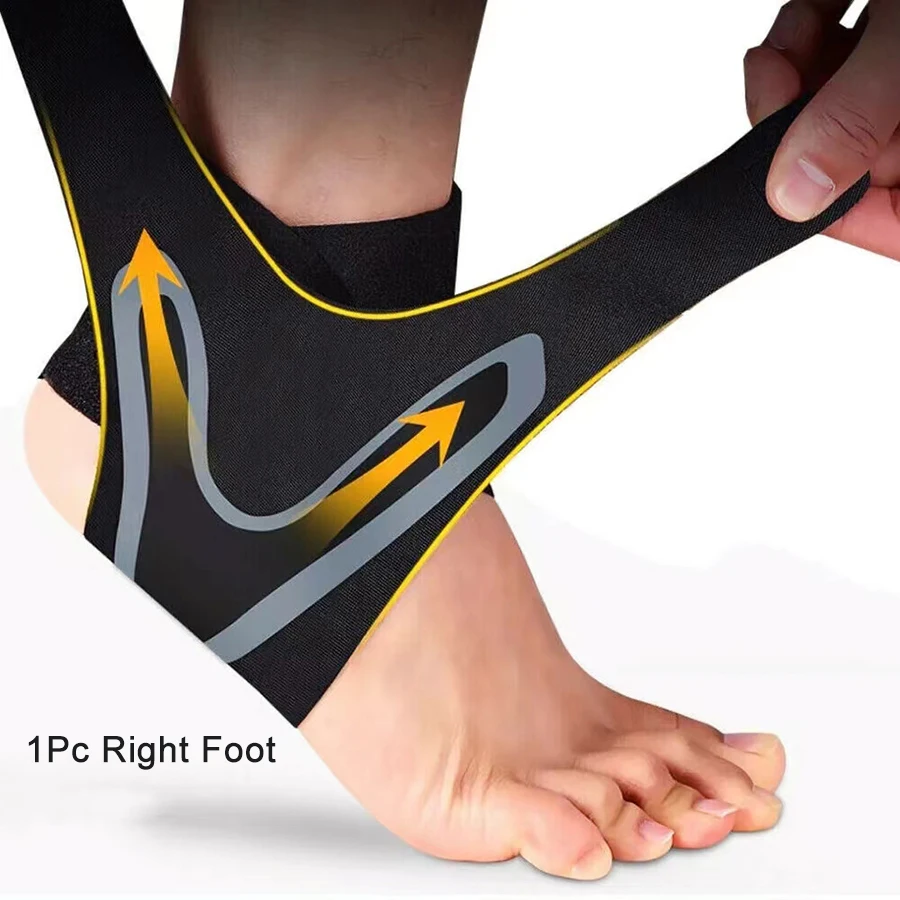
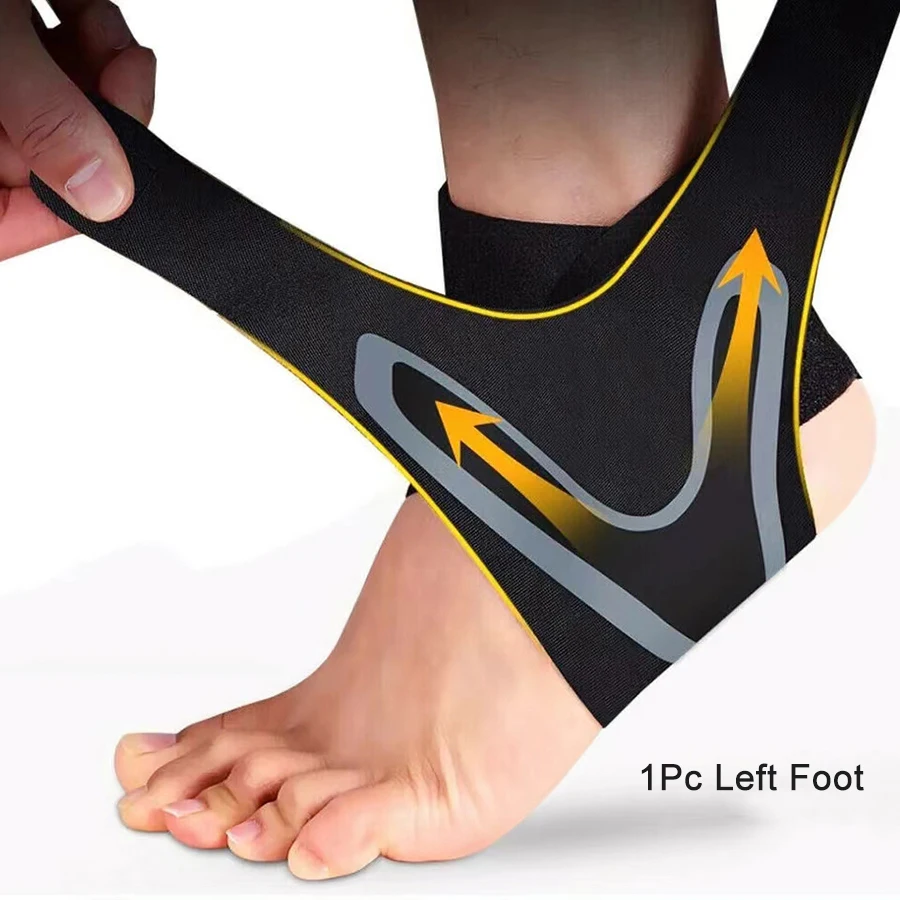
| Colour / side | Black — left or right (variant dependent) |
| Primary uses | Running, football, cycling, basketball, daily wear |
| Commonly used for | Ankle sprain support, chronic instability, plantar fasciitis, Achilles and heel pain |
| Construction | Breathable elasticated knit sleeve, open heel design |
| Support level | Light to moderate — flexible, not immobilising |
Care & Maintenance
Hand wash in cool water with mild detergent and press the water out — never wring or twist the sleeve, which breaks the elastic fibres and is the usual reason a sleeve goes baggy after a month. Air dry flat, away from direct heat and sunlight. Never tumble dry, iron, or use fabric softener: softener coats the elastane and permanently kills the compression. If you’re wearing it daily, buy two and rotate, since elastic needs a rest day to recover its shape too.
What’s in the Box
1 × compression ankle brace sleeve in your selected size and side. Sold singly — order two if you want a matching pair.
Reviews
There are no reviews yet.