Why Running Against Resistance Makes You Faster When You Take It Off
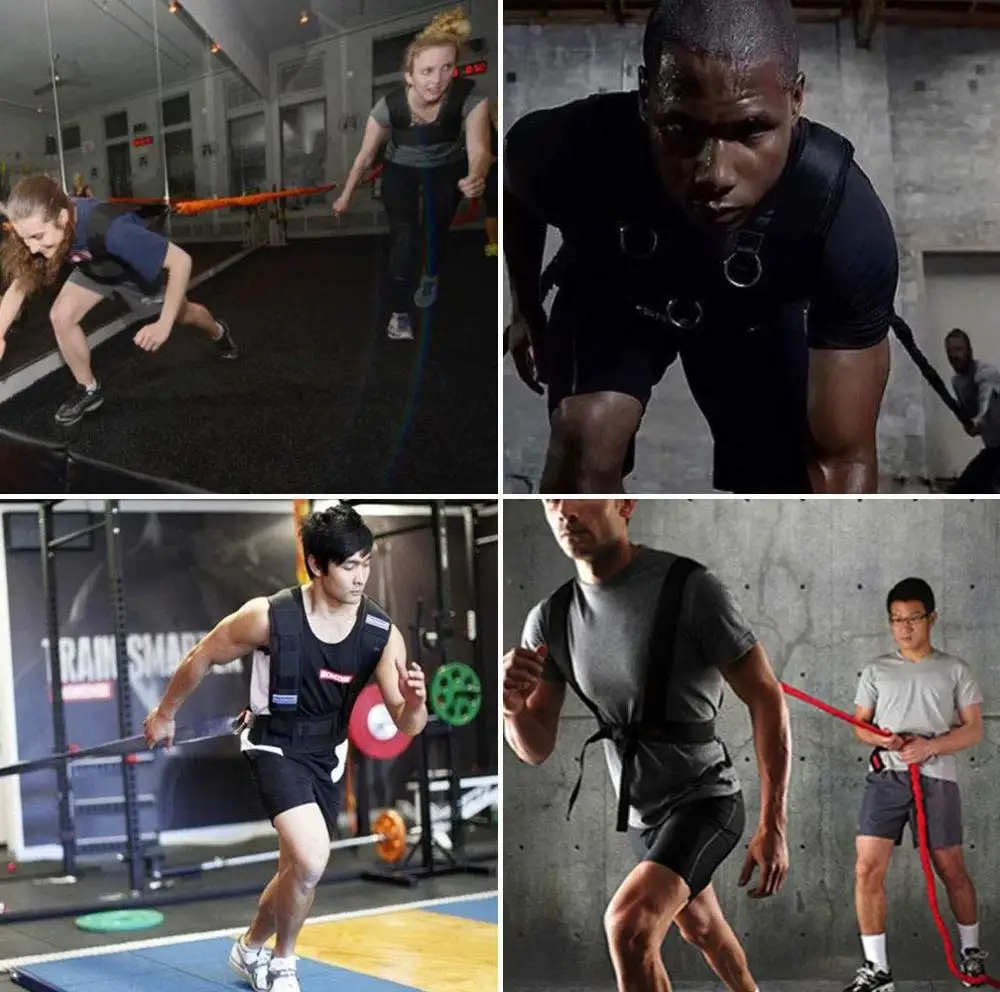
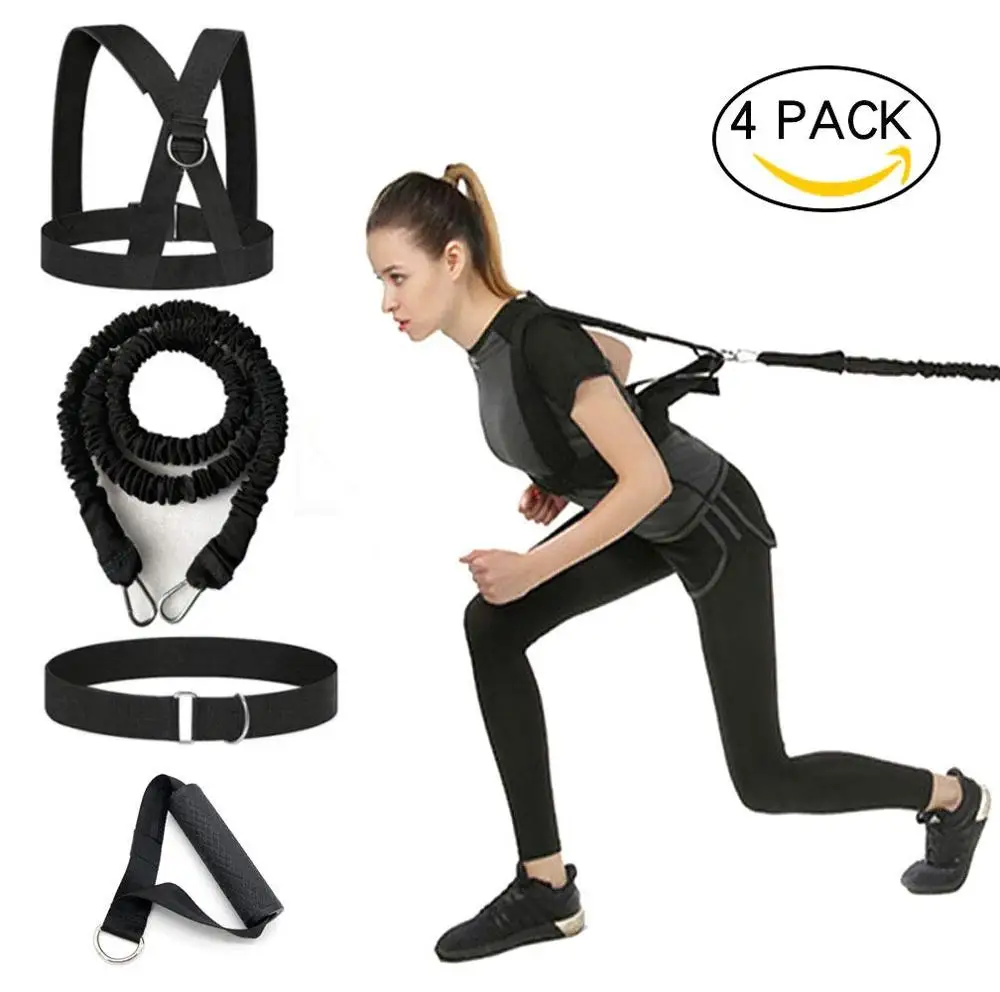
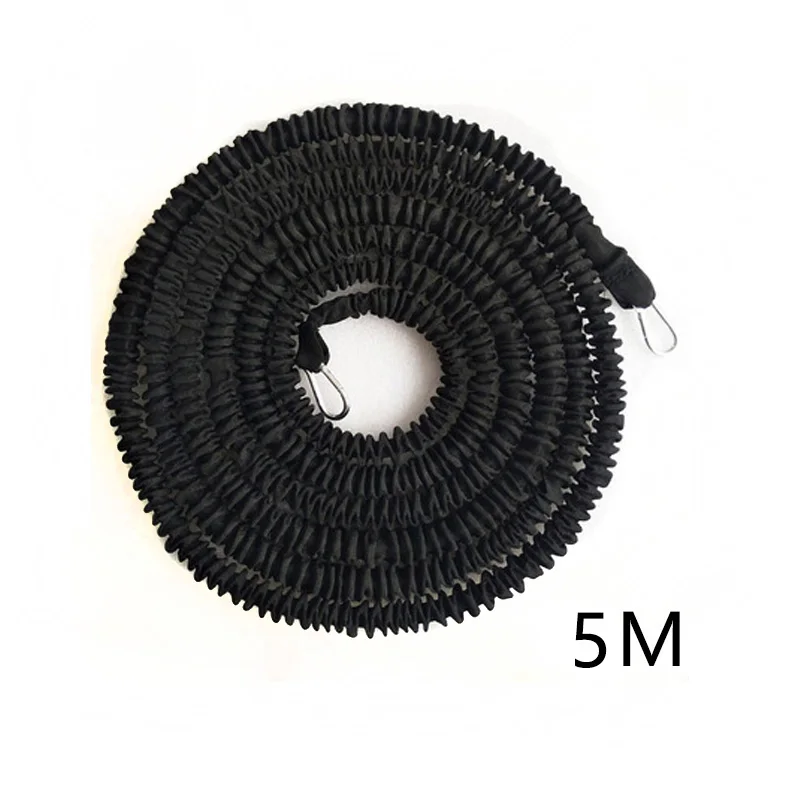
Acceleration is not about lifting your knees; it is about how much horizontal force you can put into the ground in the fraction of a second your foot is down. A bungee cord attacks that directly. The elastic pulls you backwards, so to move forward you must lean further, drive harder and hold ground contact fractionally longer — exactly the mechanics of a good first three steps. Because the cord’s resistance grows as it stretches, load increases through the acceleration phase rather than hitting you all at once. Used for short, sharp, fully-recovered efforts, it trains force production. Used for long, tired reps, it just trains you to run badly.
Key Benefits
- Overloads the acceleration phase — the accommodating resistance rises as the cord stretches, matching the exact moment you need to produce force into the ground.
- Trains change of direction, not just straight lines — anchored laterally, it loads the hip abductors and adductors for defensive slides, fencing lunges and hockey crossovers.
- Vertical jump and hip extension — anchored to the floor, it turns squat jumps into a resisted triple-extension drill through the ankles, knees and hips.
- Partner or solo — clip it to a training partner for reactive chase-and-release drills, or to a fixed anchor for solo resisted starts.
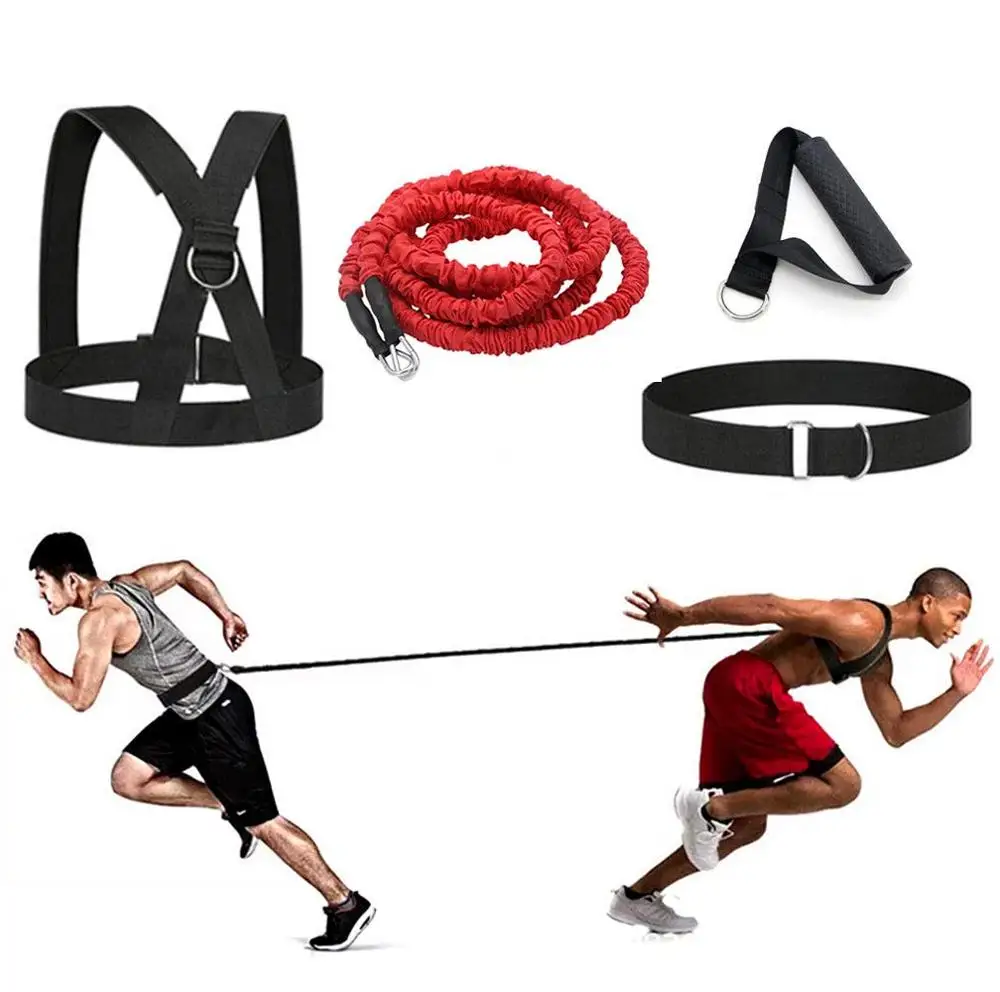
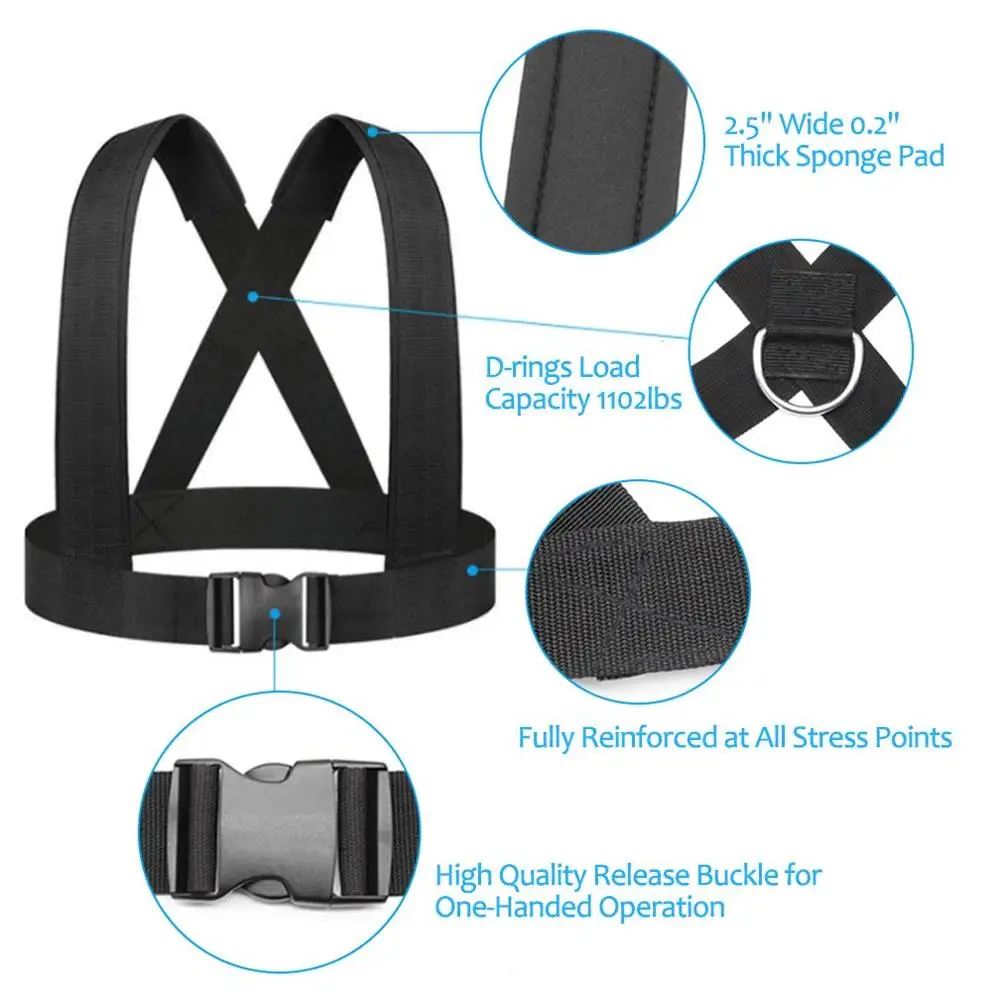
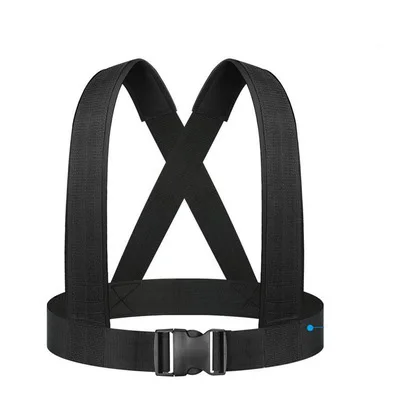
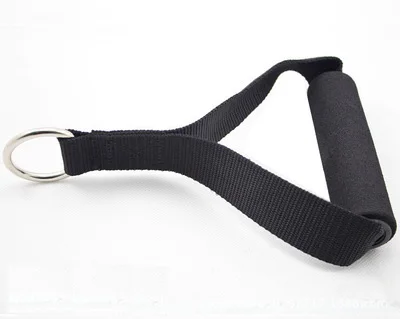
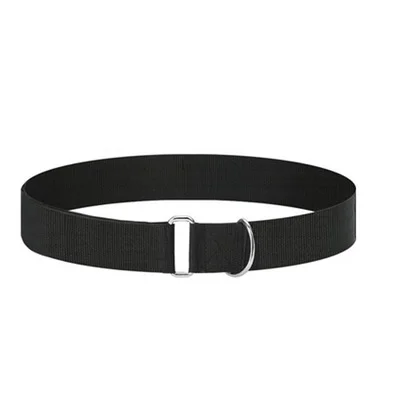
- Configurable set — belt, vest, handles and multiple rope lengths let you run resisted, assisted (over-speed) or lateral work from the same kit.
- Fits in a kit bag — an entire speed-and-agility session that costs less and weighs less than one dumbbell.
How to Use
Anchor one end to a solid, immovable point — a partner in a stable stance, a post, or a rig. Never anchor to furniture, a door, a fence panel or anything that can move or splinter. Fit the belt or vest snugly on the hips, not the waist. Work in short bursts: 8–15 metres of resisted acceleration, walk back, full recovery, 6–10 reps. Speed work degrades fast when you’re tired, so stop the session when your reps get slower rather than pushing through. Safety, and this genuinely matters with elastic: inspect the cord end to end before every single use and retire it at the first nick, fray or exposed inner fibre. Never over-stretch beyond roughly three times the resting length, never stand in the recoil path, and never stretch the cord towards your own or anyone else’s face. Clear the run-out area before you start.
Specifications
| Product type | Bungee resistance / speed training cord set |
|---|---|
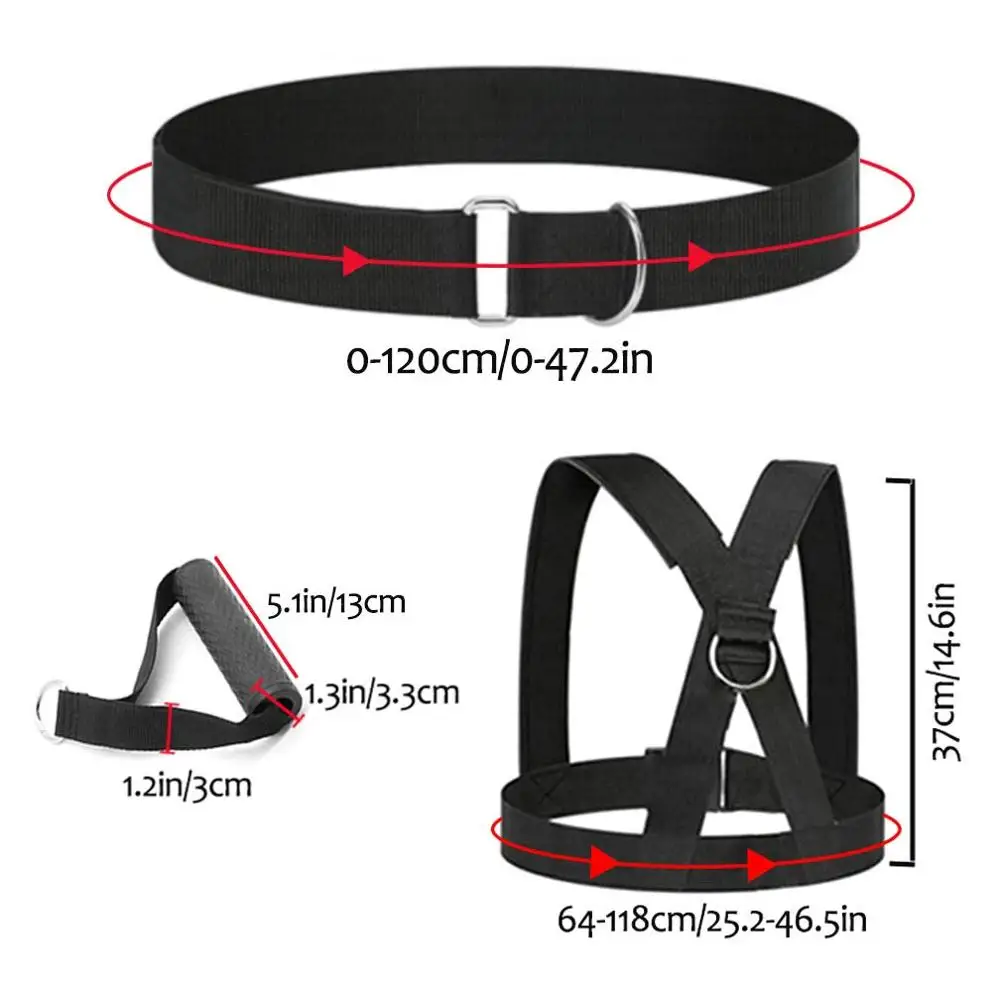
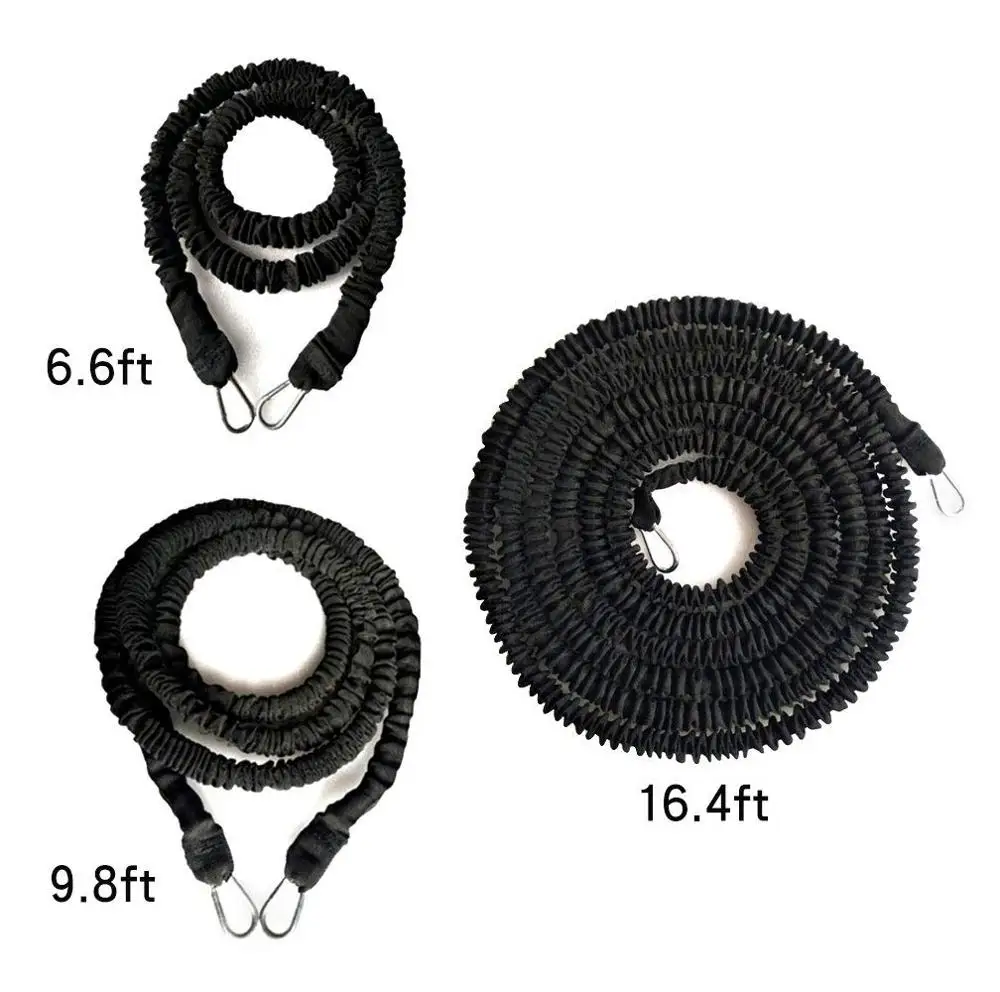
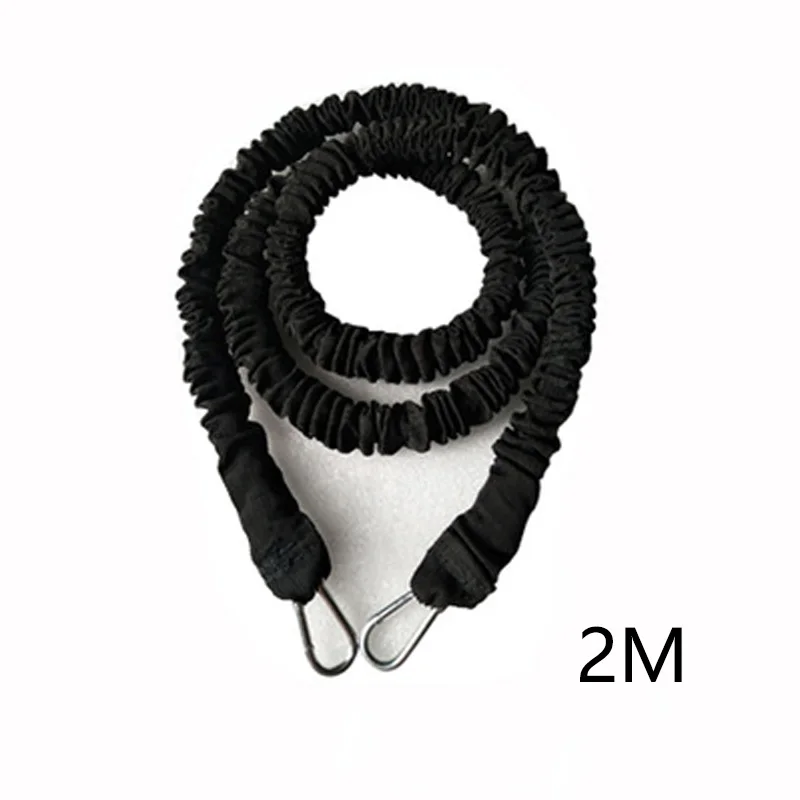
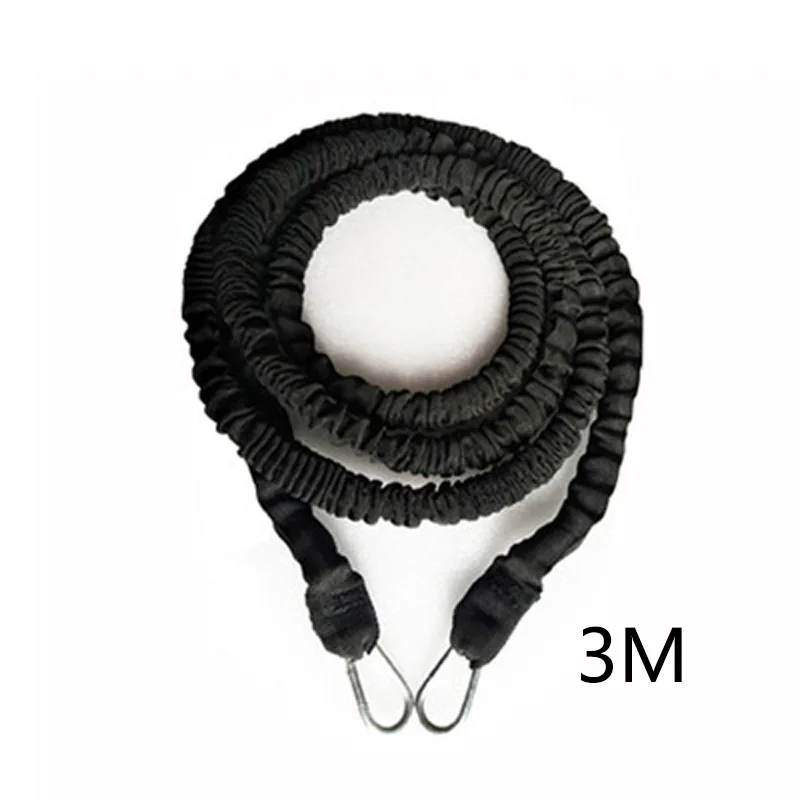
| Configurations | Vest, belt, handle, and 2 m / 3 m / 5 m rope options (variant dependent) |
| Resistance profile | Accommodating — increases as the cord stretches |
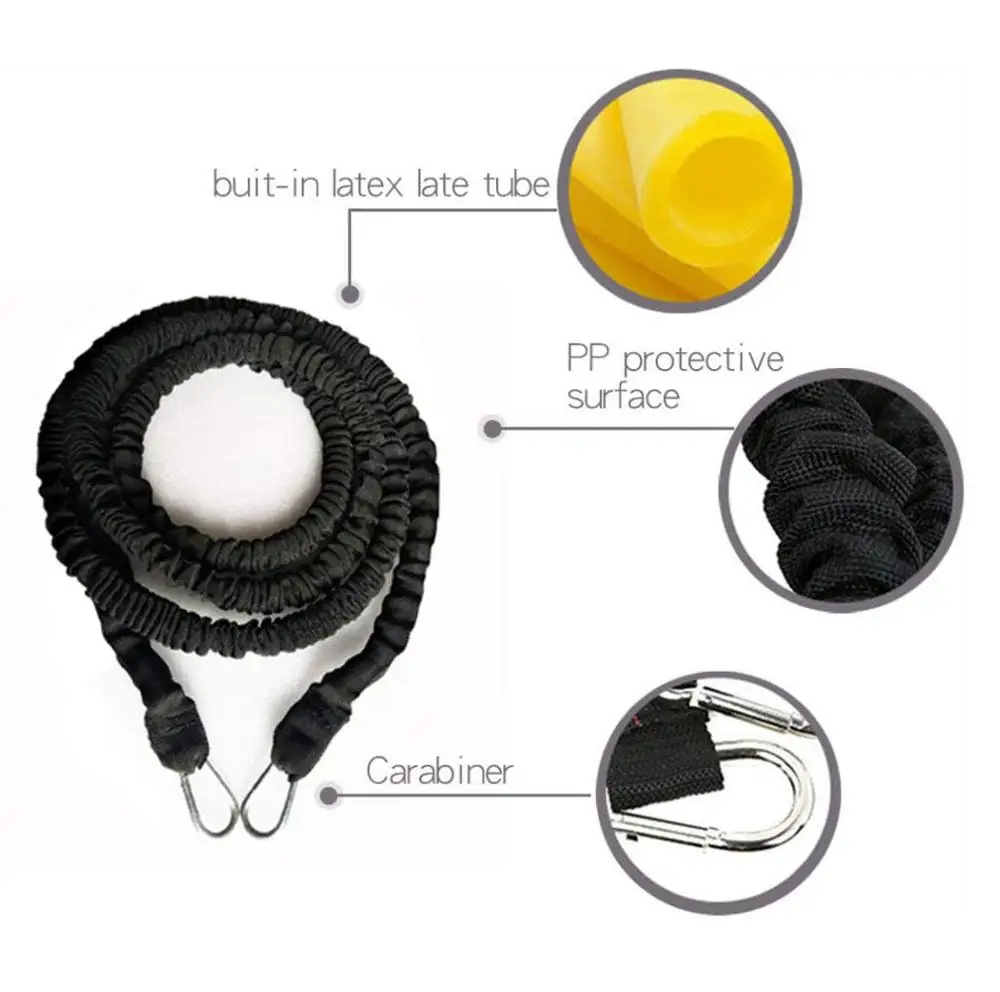
| Attachment | Clip / carabiner style connectors |
| Primary uses | Resisted sprints, lateral agility, vertical jump, fencing footwork |
| Anchor requirement | Fixed structural anchor or a stable training partner |
| Sport applications | Hockey, football, fencing, basketball, track |
| Cord material | Latex/rubber elastic core with protective sleeve |
Care & Maintenance
Elastic dies from three things: sunlight, oil and grit. Store the cord out of direct UV, keep it away from lubricants and solvents, and rinse off sand or grit that can abrade the sleeve. Dry fully before coiling — never store it stretched or knotted, which creates permanent weak points. Inspect before every use and replace the cord entirely once the sleeve is torn or the elastic feels slack or looks glossy and cracked.
What’s in the Box
Bungee resistance cord with connectors, plus the belt, vest, handles or rope length matching your selected variant. Component mix is variant dependent — check the option you choose.
Reviews
There are no reviews yet.