Why an Offset Weight Trains Shoulders That Barbells Never Reach
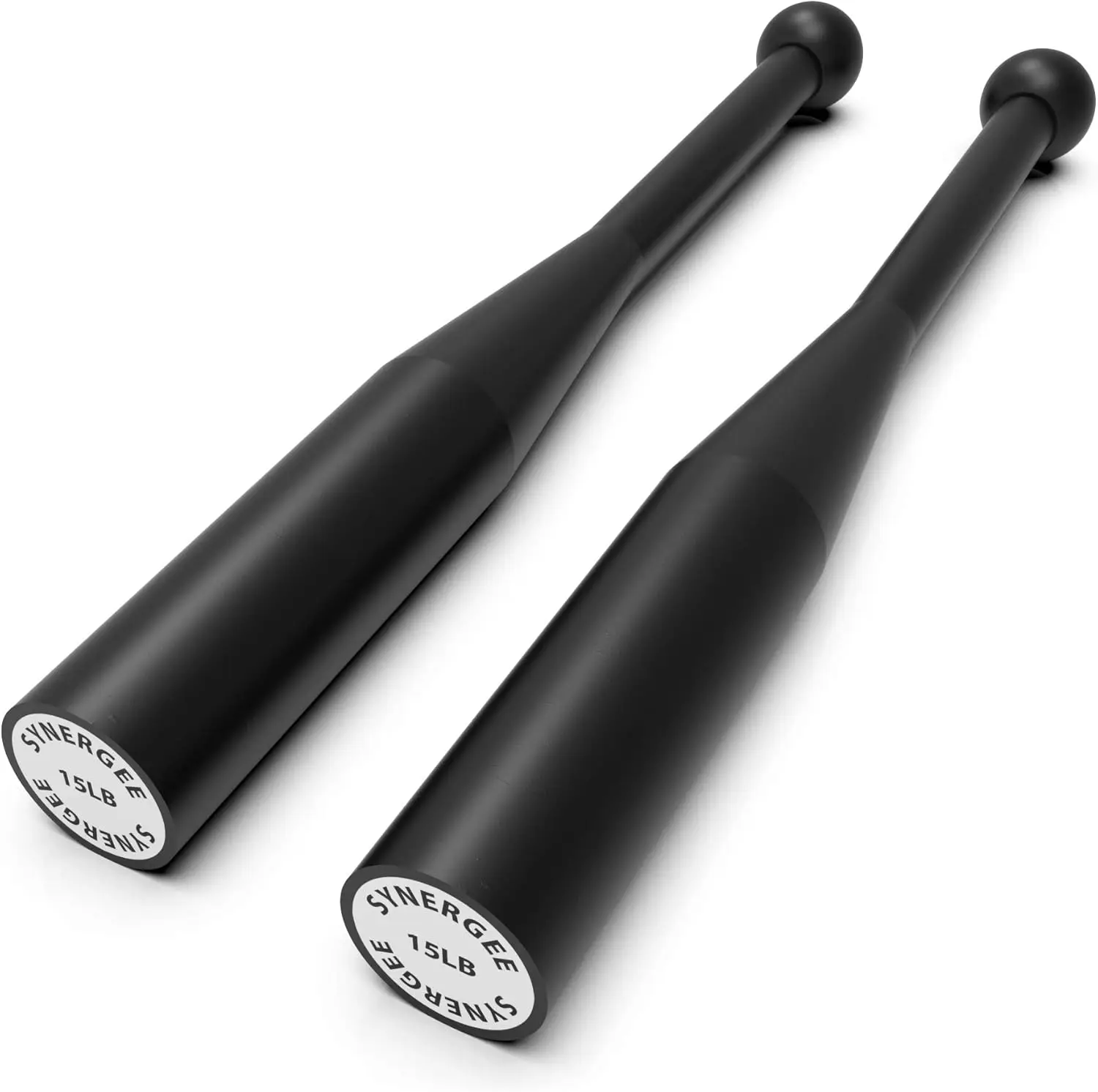
An Indian club’s mass sits at the far end of a long handle, well away from your grip. That offset centre of mass turns every swing into a torque problem: the club constantly tries to rotate out of your hand, and your fingers, forearm rotators, rotator cuff and scapular stabilisers must resist it continuously through a full circular arc. Barbells and dumbbells load flexion and extension in straight lines. Clubs load rotation, circumduction and end-range shoulder positions under a small, sustained torque — the exact positions overhead athletes lose first and injure most.
Key Benefits
- Torque, not just load — the long lever means a 2lb club challenges the wrist and forearm far more than 2lb of dumbbell ever could.
- Grip and forearm endurance — the club is trying to escape your hand for the entire set, which is a very different demand from a heavy static hold.
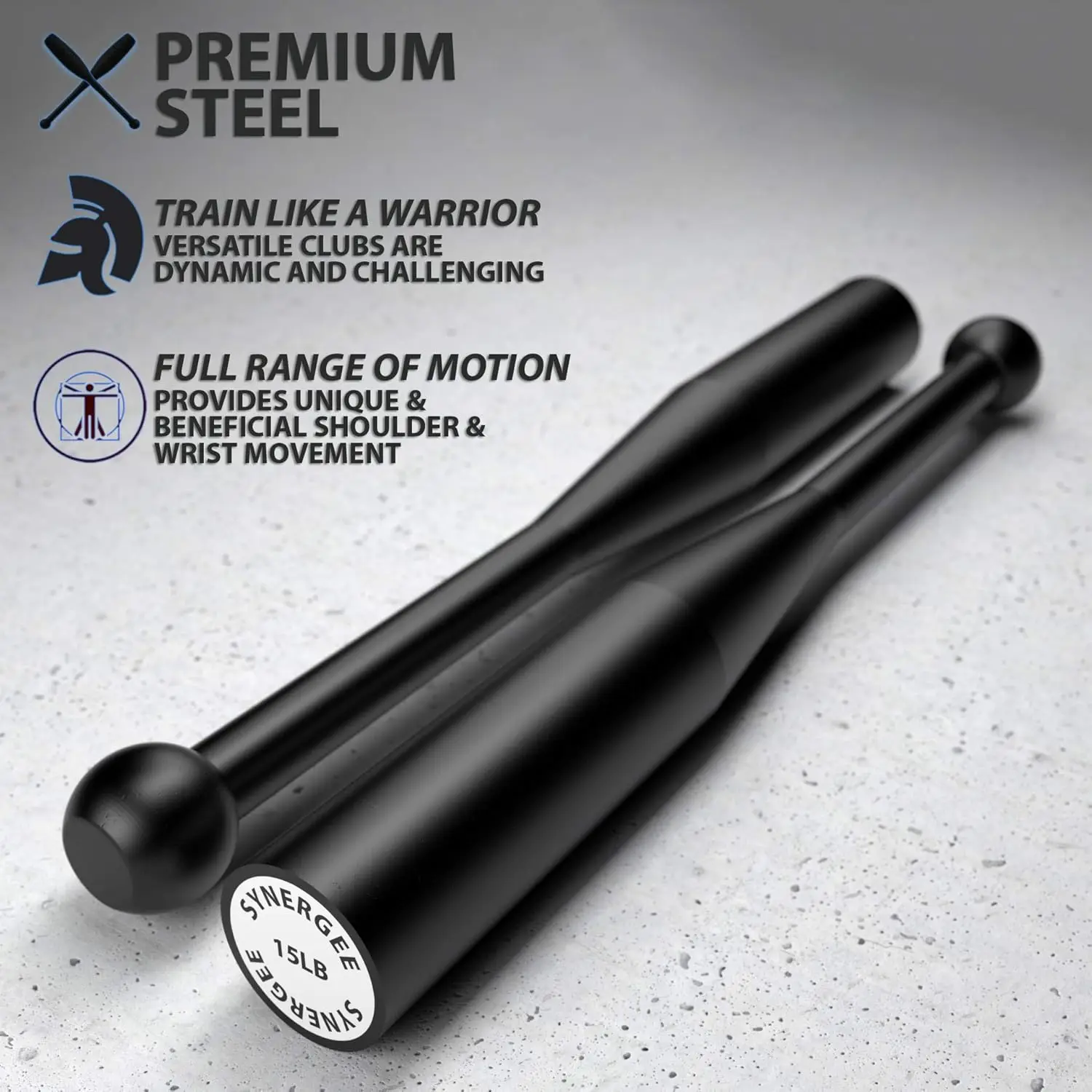
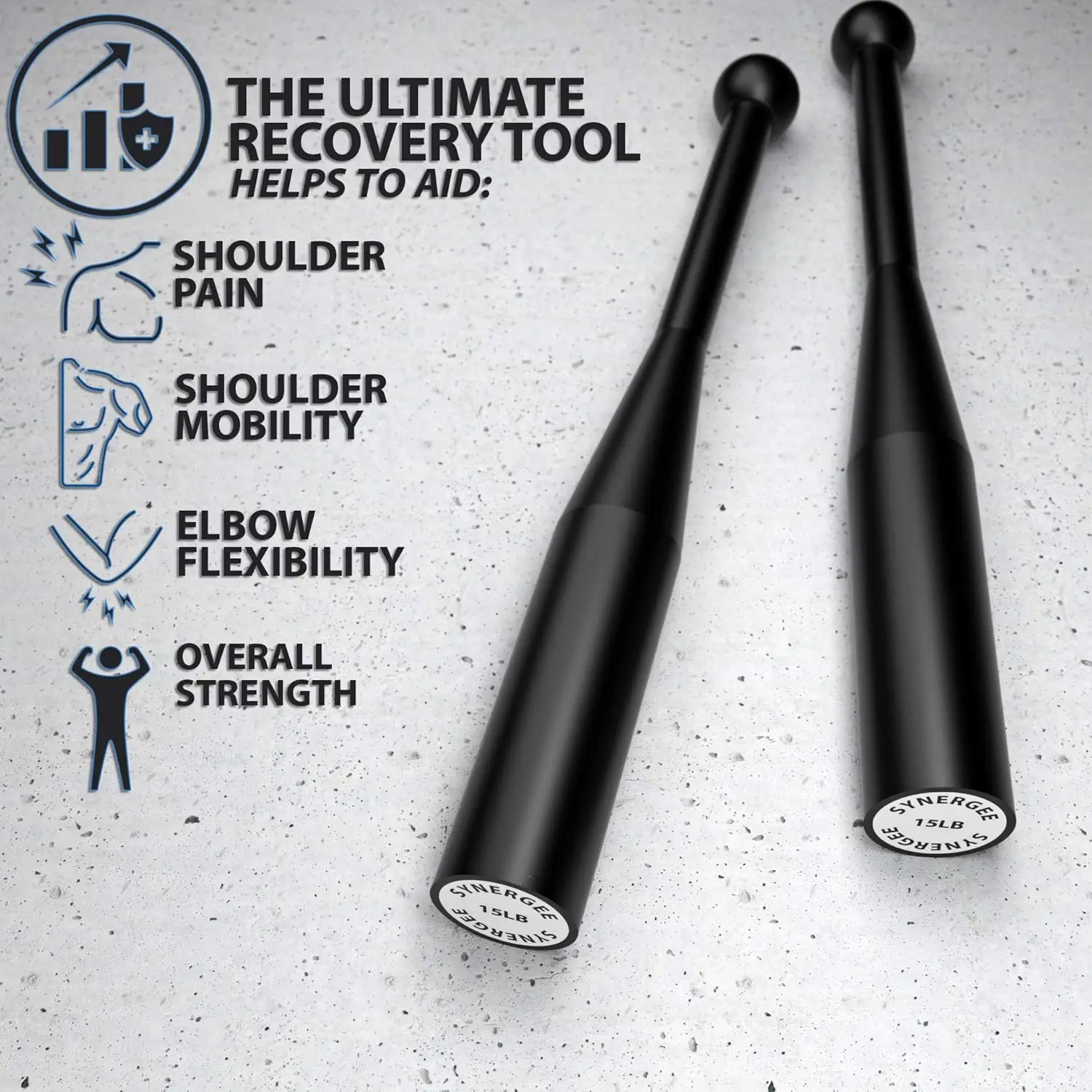
- Shoulder mobility under control — swings take the joint through full circumduction while the cuff works, building range you can actually stabilise rather than passive flexibility.
- Excellent as a warm-up or a session in itself — light clubs before a press or a throw; heavy clubs as demanding conditioning.
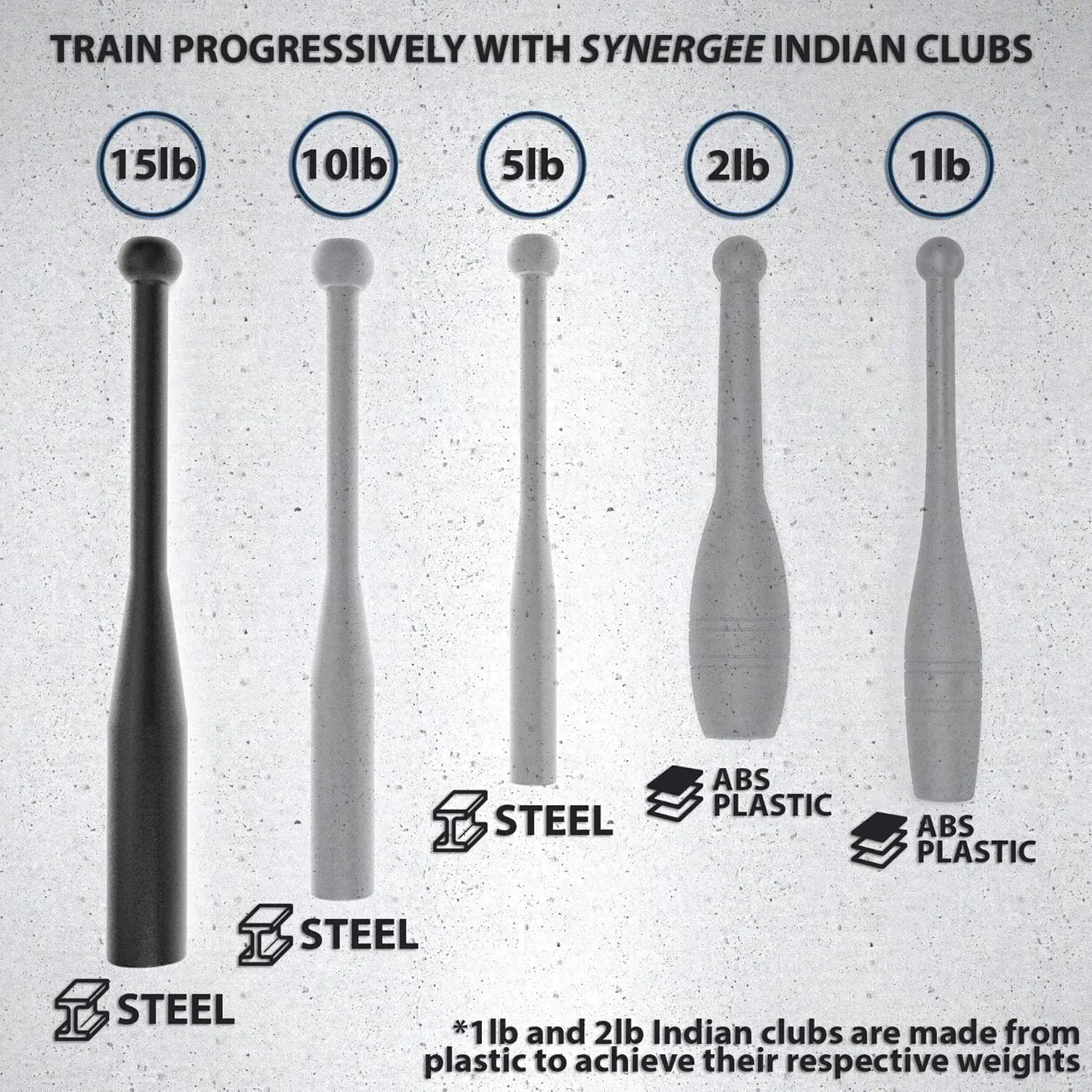
- Weights from 1lb to 15lb, sold in pairs — the jump from 1lb to 2lb is genuinely significant once the lever is doing the work, so do not judge by the number.
- Steel construction, effectively a lifetime tool — no foam, no seams, nothing to perish.
How to Use
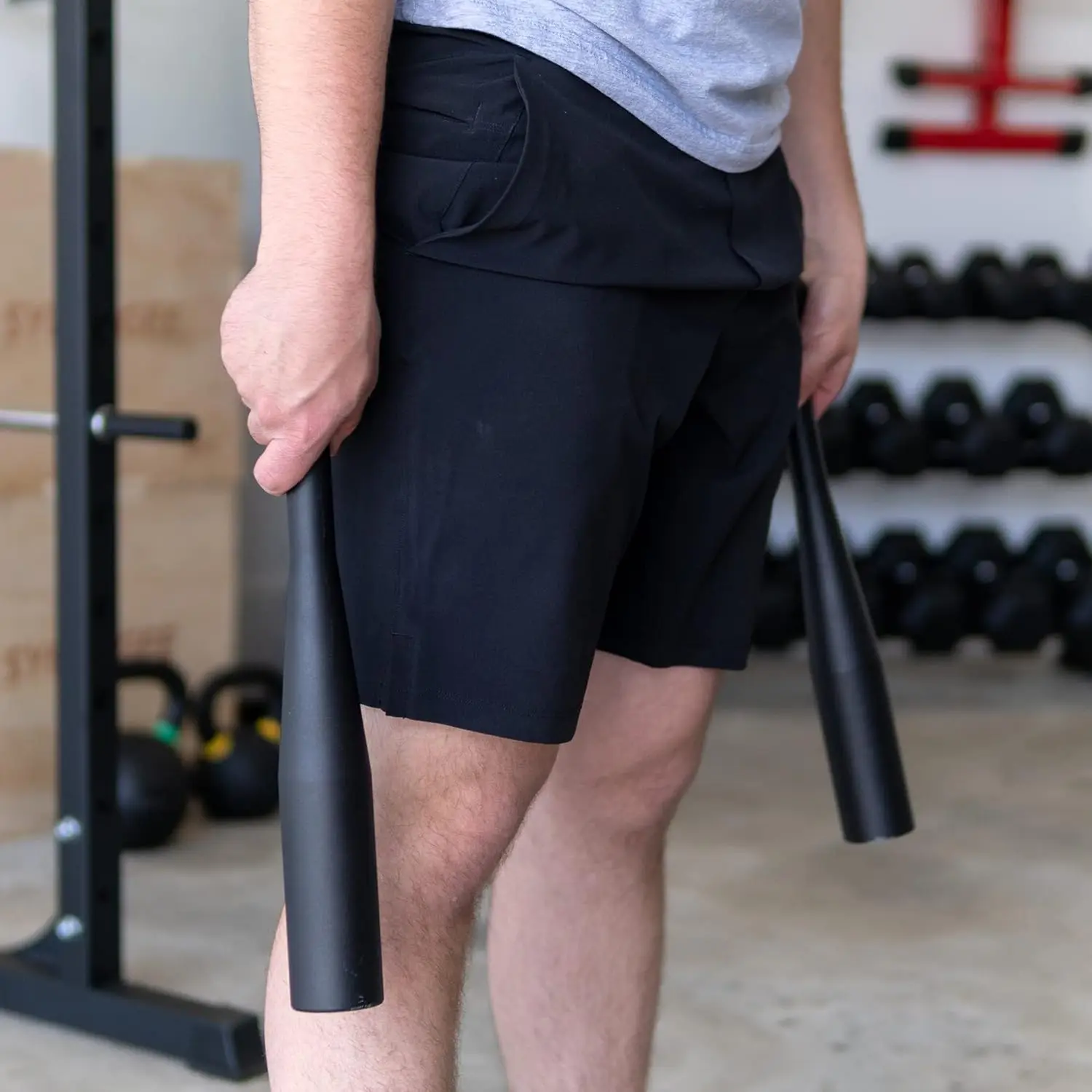
Start far lighter than your ego suggests — 1lb or 2lb clubs, single-handed, with the other hand free. Learn front swings, then inner and outer circles, keeping the elbow relatively close and letting the club travel behind the head in a smooth arc rather than being muscled around. Breathe, move slowly, and stop when technique degrades, not when the muscle burns. Safety matters here more than with most equipment: clear a space with nothing overhead and no one behind you, since the club’s arc travels behind your head and a mis-timed release turns a steel club into a projectile. Warm the shoulders up first, never swing through shoulder or wrist pain, and build up over weeks — heavy clubs in untrained hands are a reliable way to strain a wrist or a cuff.
Specifications
| Product type | Steel Indian clubs for grip, forearm and shoulder training |
|---|---|
| Material | Steel |
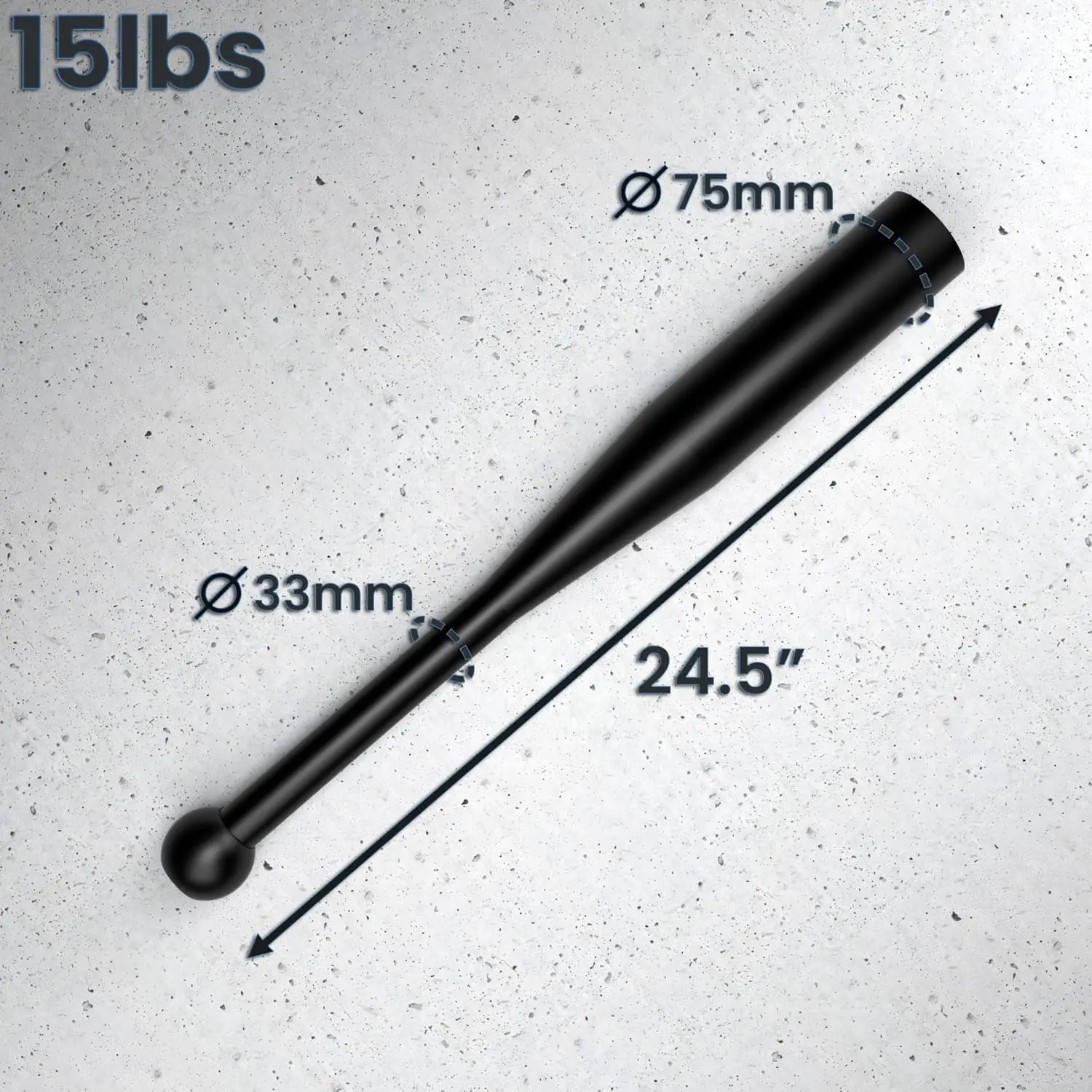
| Weight options | 1lb, 2lb, 5lb, 10lb, 15lb (per club — select at checkout) |
| Sold as | A pair |
| Trains | Grip, forearm rotators, rotator cuff, scapular stabilisers, shoulder mobility |
| Recommended start | 1–2lb for most beginners, regardless of barbell strength |
| Suitable for | Warm-ups, mobility work, conditioning, club swinging practice |
| Dimensions | Variant dependent — length scales with weight |
Care & Maintenance
Steel clubs need almost nothing, but they will rust if stored damp. Wipe sweat off after every session and keep them in a dry room, not a garage that condensates. A light coat of machine oil once or twice a year keeps the finish sound. Store them lying down or in a rack — a club that topples from a shelf can dent a floor or a foot.
What’s in the Box
One pair of steel Indian clubs in the selected weight. Instructional material is not included; there are excellent free swinging tutorials available.
Reviews
There are no reviews yet.