A Word to Musicians, First
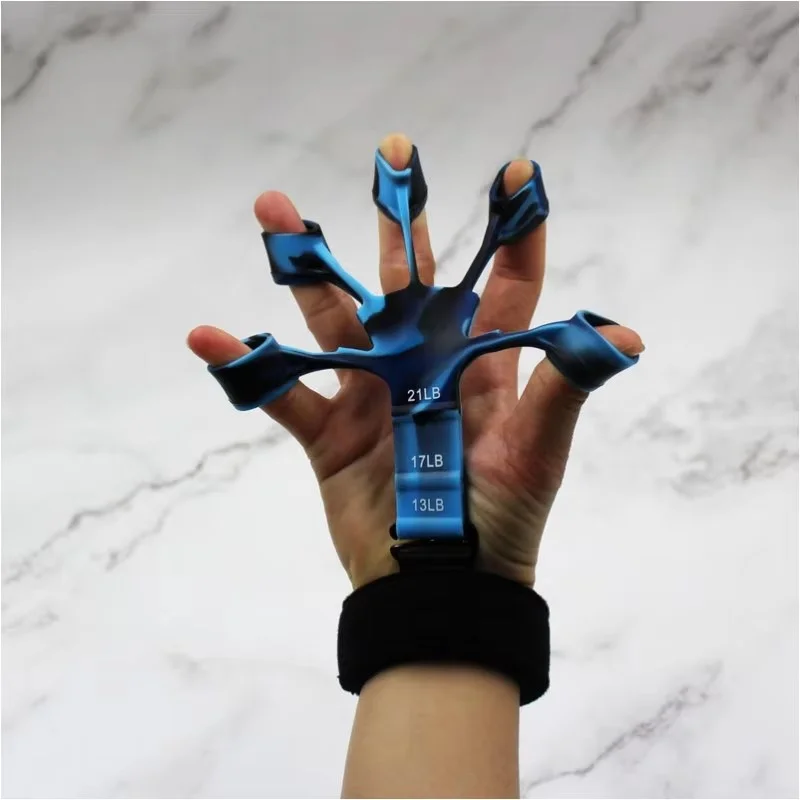
Guitarists buy these to build finger strength, and it’s worth being clear about something: most fretting difficulty is not a strength problem. It’s technique, hand position, and action height. Meanwhile, the most common injuries among musicians are overuse injuries — tendinopathy and RSI from too much repetition, not too little strength. A finger exerciser can genuinely help with independence and endurance. Used obsessively, on top of hours of practice, it can also be the thing that tips a hand into overuse. Train with it lightly, and stop if anything hurts.
Key Benefits
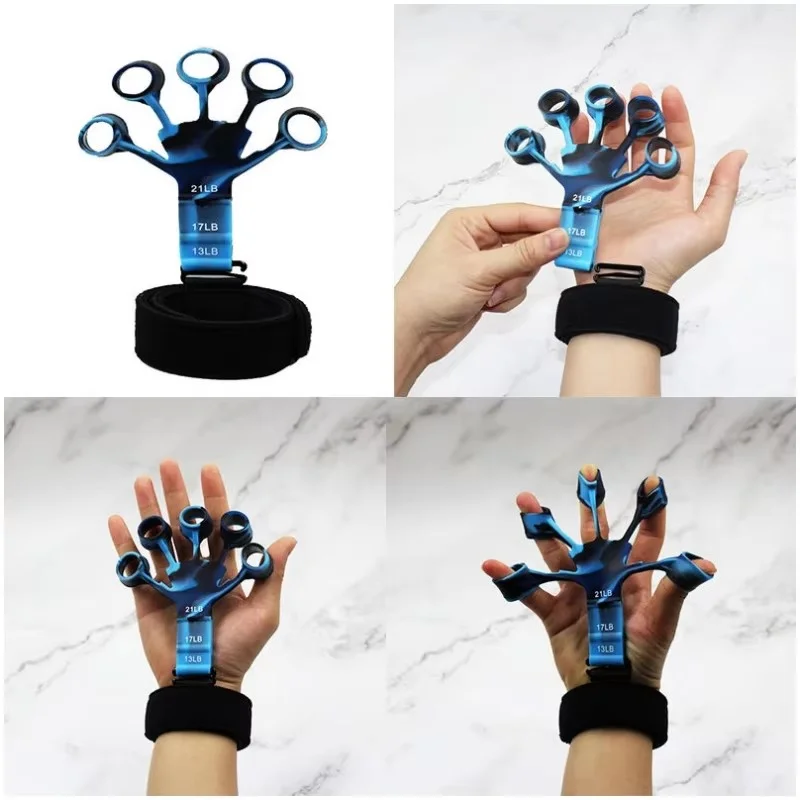
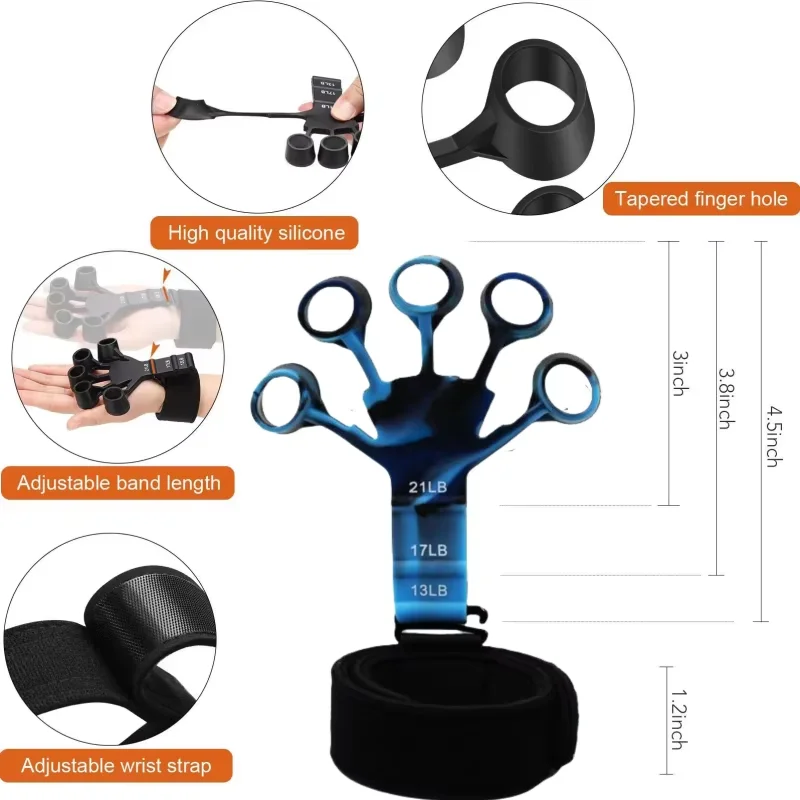
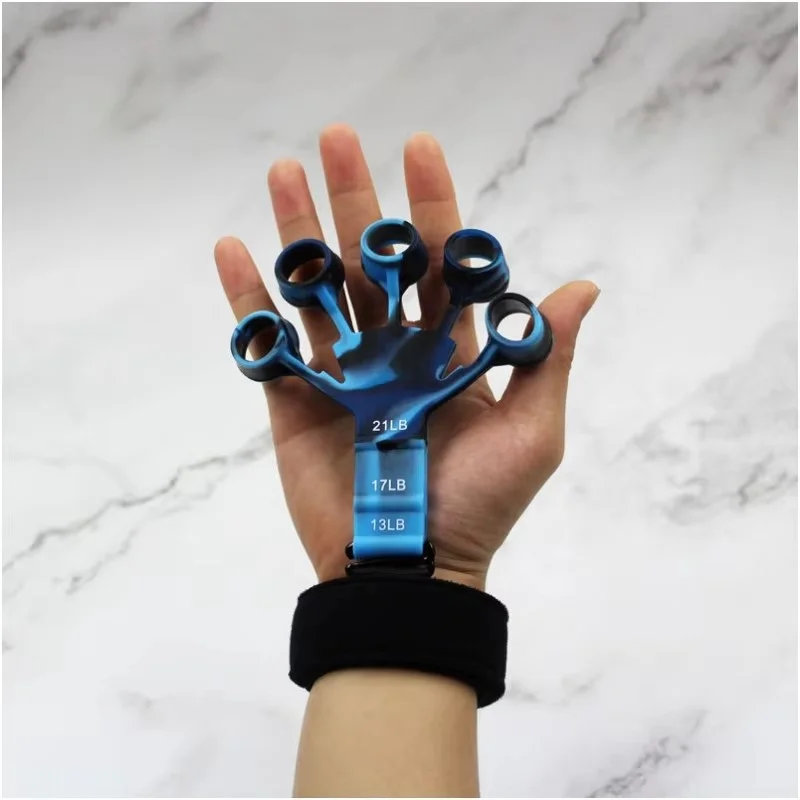
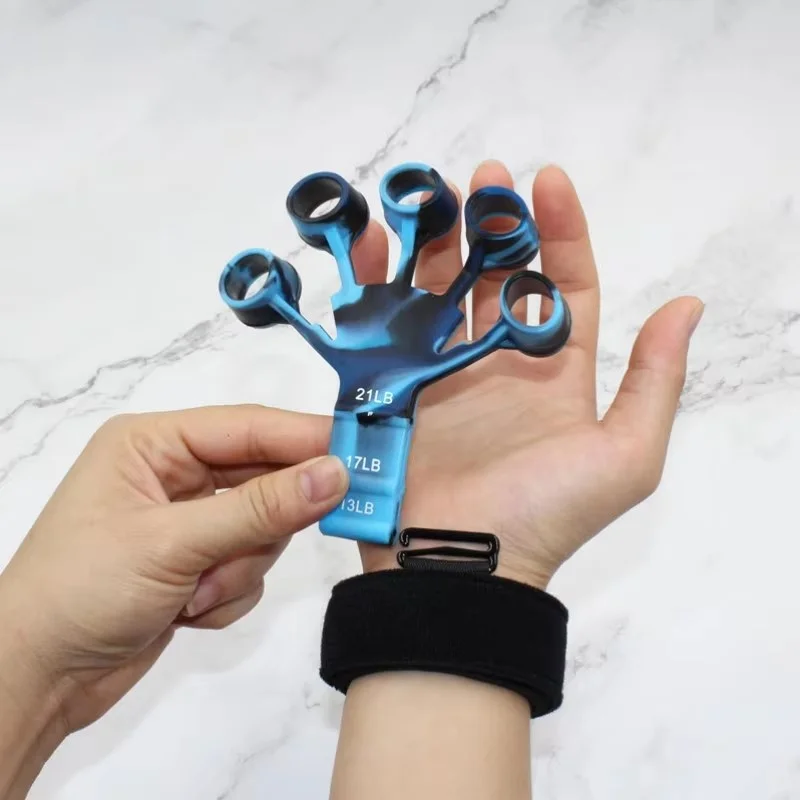
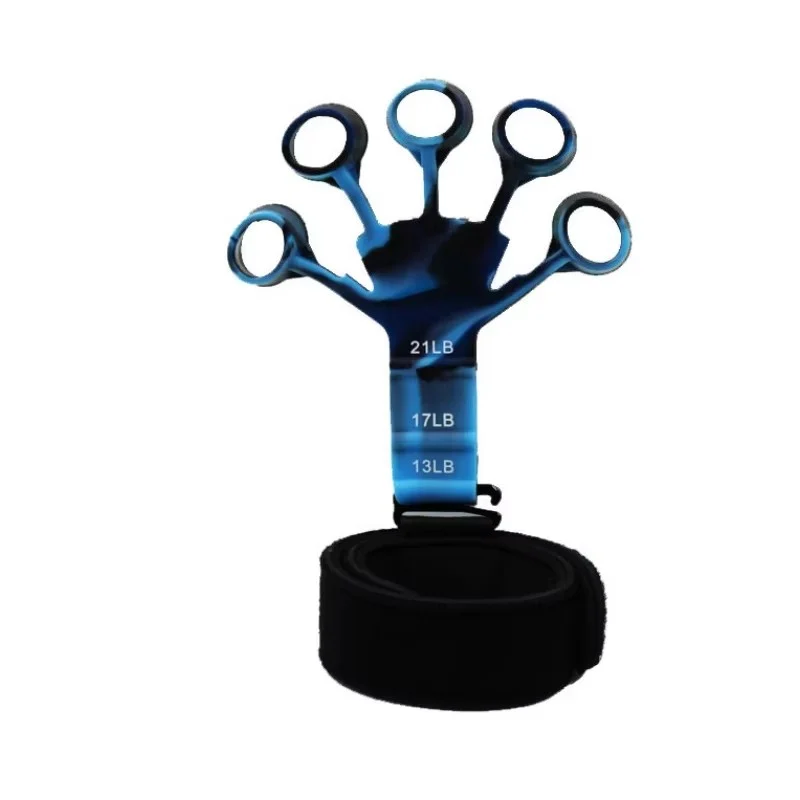
- Independent finger resistance — each finger works separately
- Builds finger independence and endurance for the fretting hand
- Portable — practise finger control away from the instrument
- Adjustable tension on most models
- Also used in hand rehabilitation
- Silent
How to Use
Press each finger, release slowly, 10 to 15 reps per finger. Keep volume modest — this is in addition to hours of playing, and hands have a finite tolerance. Never train through pain. Stop immediately and rest if you feel any pain in the fingers, hand, wrist or forearm, and see a doctor if it persists; musician overuse injuries are far easier to prevent than to cure. If fretting feels hard, get your instrument’s action checked before assuming it’s a strength issue.
Specifications
| Type | Independent finger exerciser |
|---|---|
| Resistance | Adjustable per finger (model dependent) |
| Trains | Finger independence, endurance, dexterity |
| Best for | Guitarists, pianists, musicians, hand rehabilitation |
| Important | Keep volume low — overuse, not weakness, is the main musician injury |
| Stop if | You feel any finger, hand, wrist or forearm pain |
Care & Maintenance
Wipe with a dry cloth. Keep the mechanism free of grit.
What’s in the Box
1 × Finger Exerciser
Reviews
There are no reviews yet.