Rips Are A Friction Problem, Not A Toughness Problem
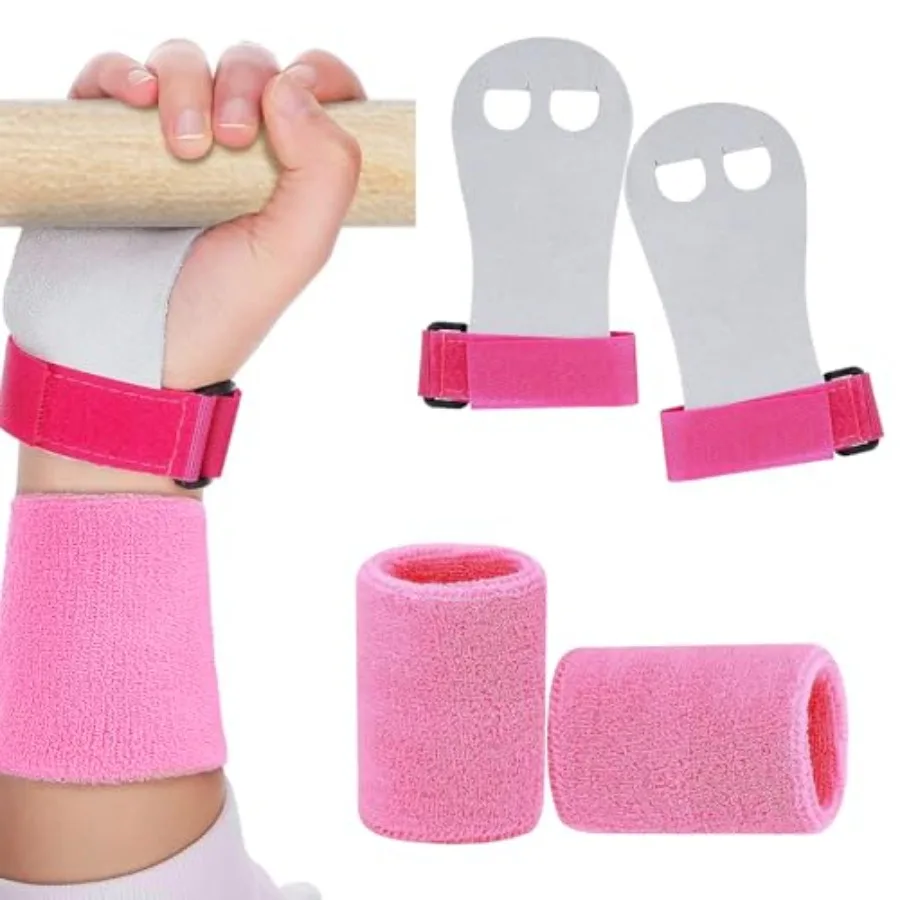
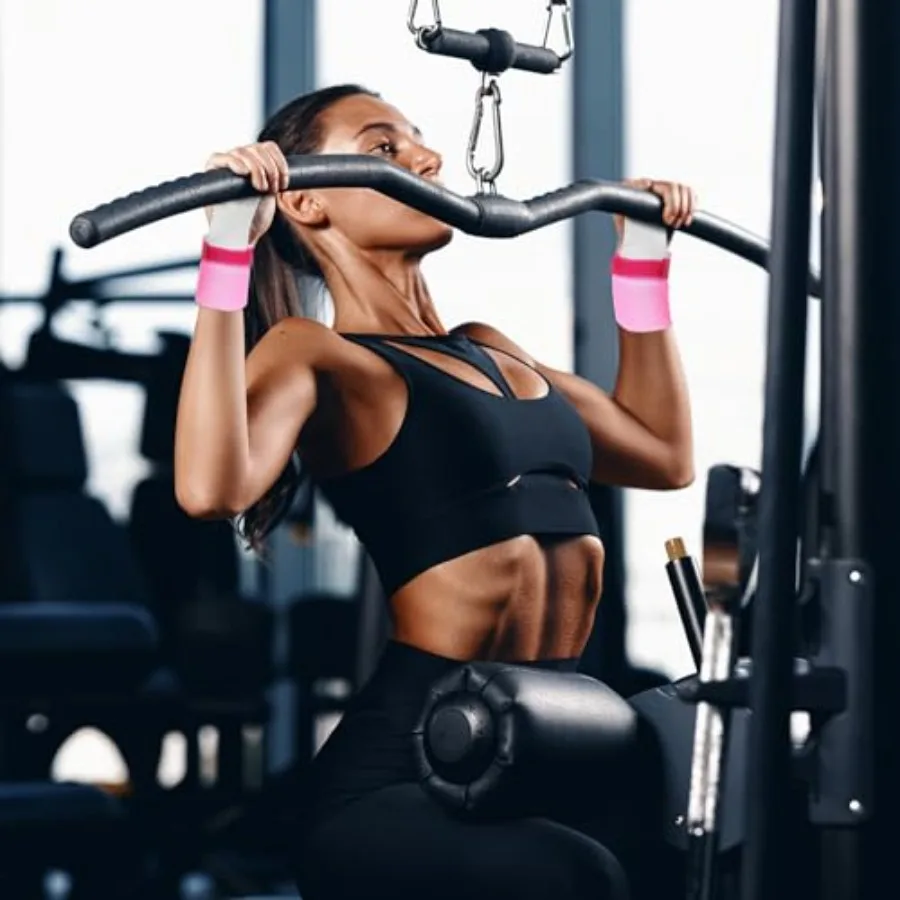
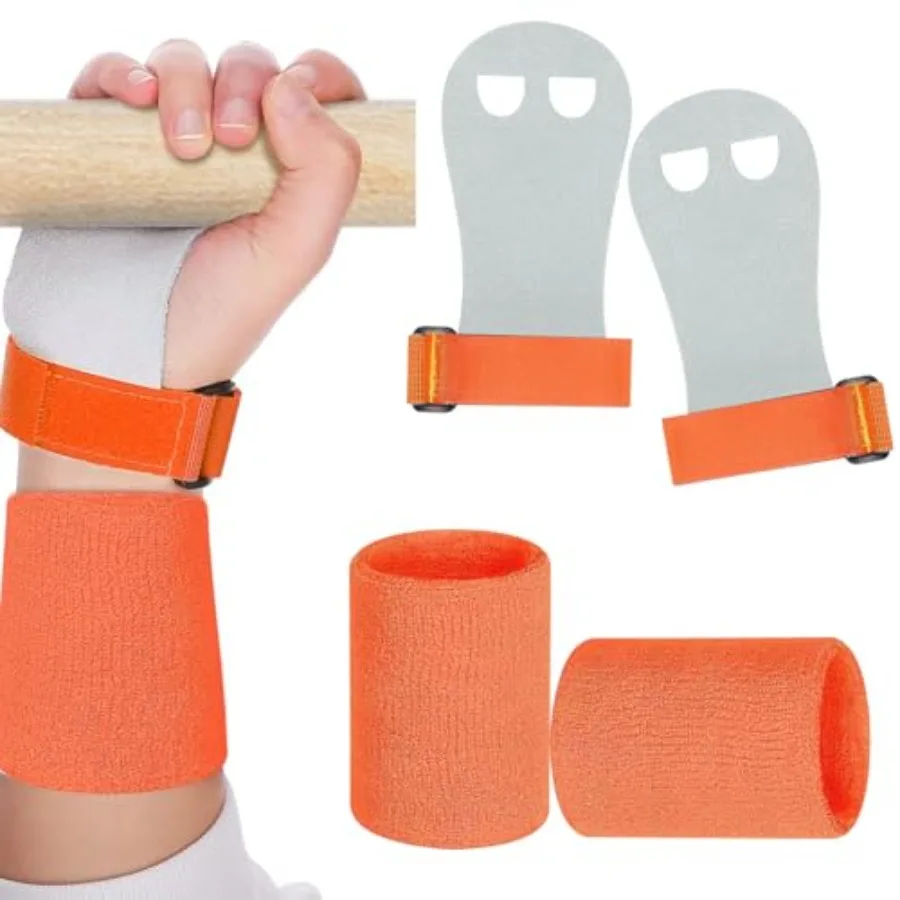
A hand tear on a pull-up bar is a shear injury. As you rotate around the bar, the bar wants to roll against your palm, but the callus is anchored to the skin beneath it, so the layers slide against each other until one lets go. Chalk makes that worse, not better – it increases friction, which is exactly what creates the shear. A grip works by putting a smooth, replaceable layer between skin and steel, so the sliding happens between the grip and the bar rather than inside your hand. The wrist wrap is a separate job: it limits the end-range extension that gets loaded during kipping and toes-to-bar.
Key Benefits
- Moves the shear off your skin. The grip surface slides on the bar so your palm does not, which is the actual mechanism behind fewer rips.
- Integrated wrist support. The wrap limits end-range wrist extension under load, which is where a lot of bar-work wrist soreness comes from.
- Lets you finish the workout. The most common reason people stop a set of pull-ups or muscle-ups is not fatigue – it is hand pain.
- Two-piece set. Both hands covered, in a size and colour you choose at checkout.
- Straight talk about what grips do not do. They do not make you tear-proof – a bad rip is still possible on high-volume kipping. They do not build grip strength; if anything, they let you train longer, which builds it for you. And they slightly increase the effective thickness of the bar in your hand, which takes a couple of sessions to adjust to.
- Not for use on an open rip. Covering a raw tear with a grip traps sweat and dirt on an open wound. Let it close first.
How to Use
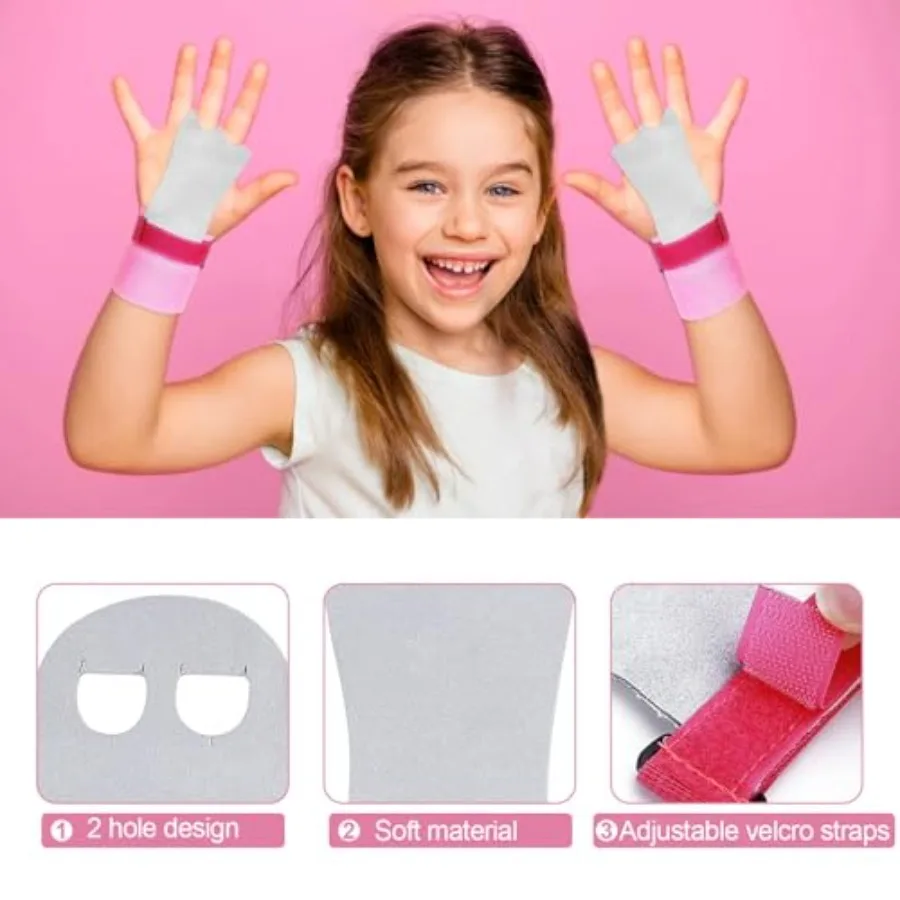
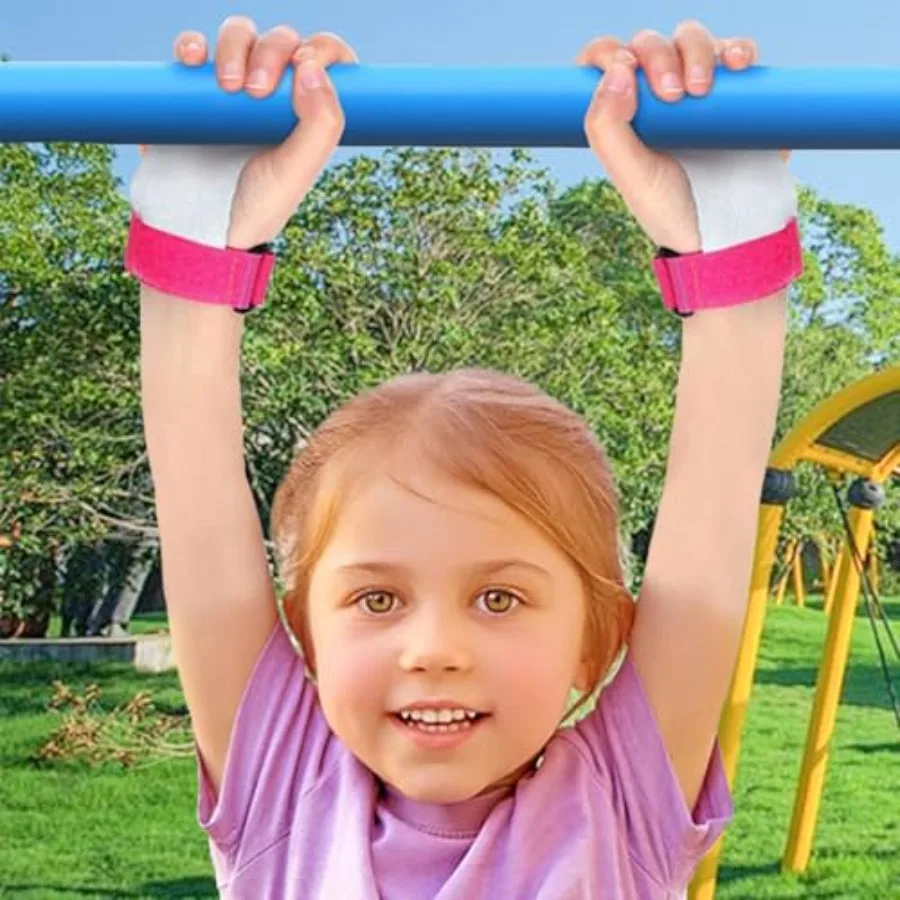
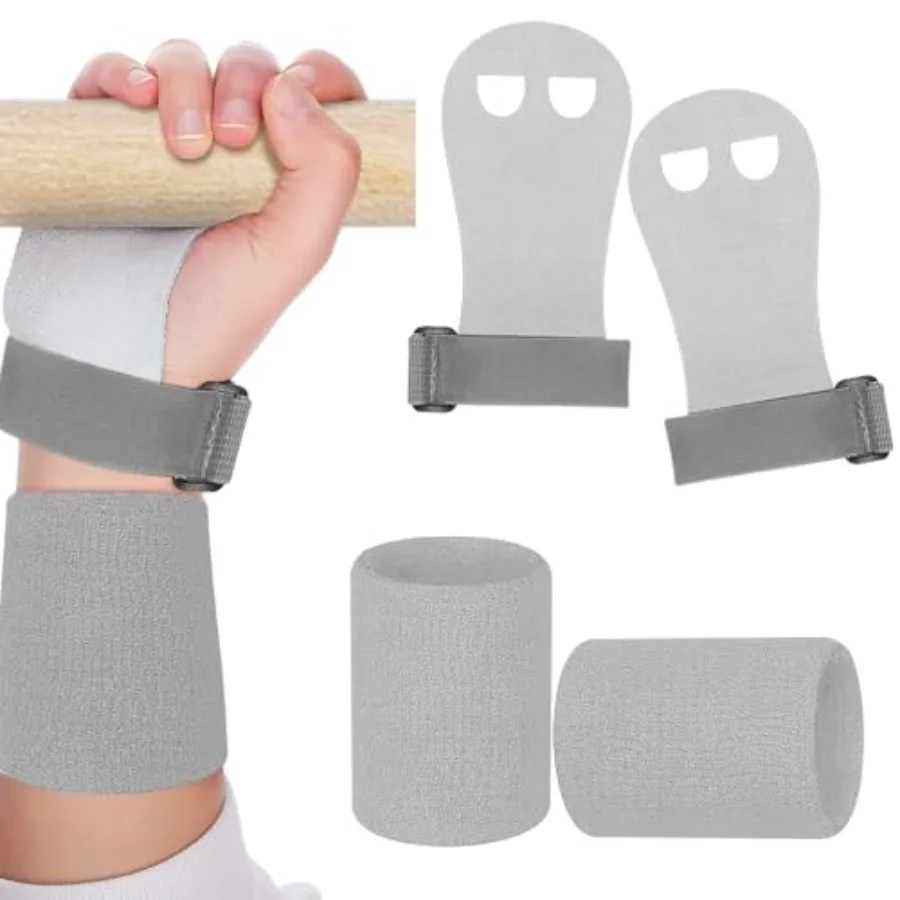
Fit the grip so the finger holes sit at the base of your fingers and the leather is smooth and flat across the palm, then fasten the wrist strap snugly – firm enough not to rotate, loose enough that a finger slides underneath and your fingertips do not tingle. On the bar, pull a little slack of the grip material over the bar and let your fingers close on top of it; that fold is what does the work. Use less chalk than you would bare-handed, because chalk on a grip adds friction where you want the sliding to happen. Break new grips in gradually over two or three light sessions – stiff new leather can itself cause a blister. Inspect the strap and stitching before each session and retire a grip if the palm is thinning, cracked or the stitching is pulling; a grip that tears mid-swing means an uncontrolled drop from the bar. Do not use them on an open or healing rip, and never wear them so tight that your hand goes numb.
Specifications
| Set | 2 pieces (pair) |
|---|---|
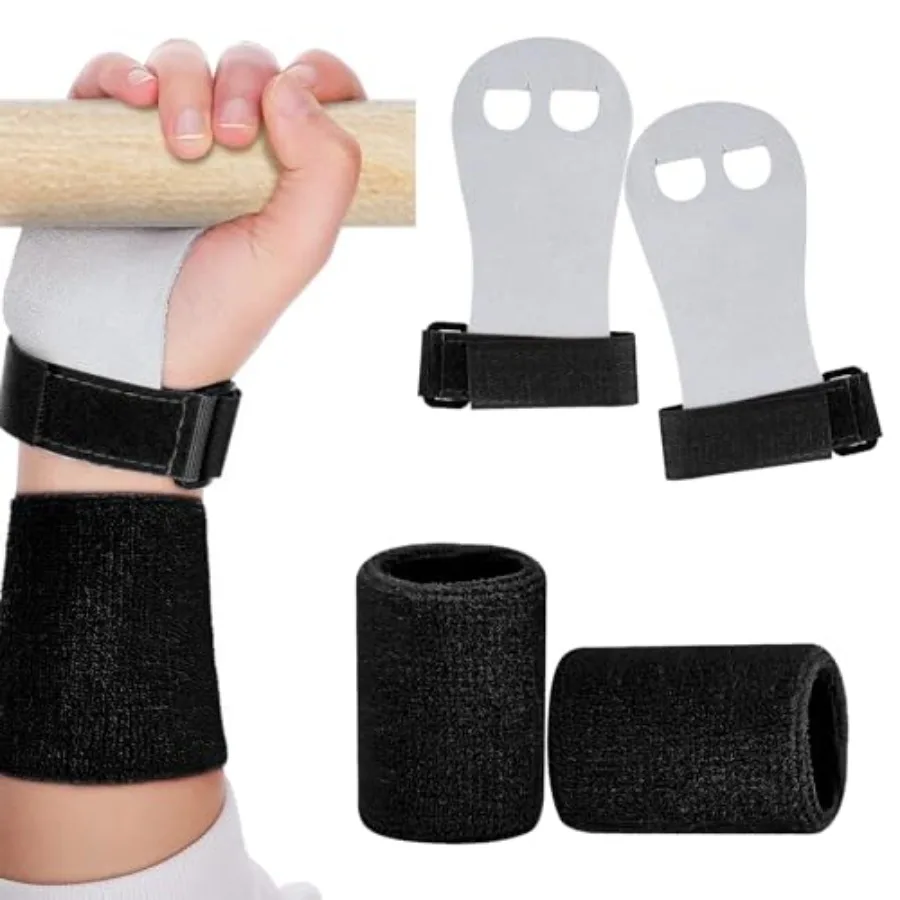
| Palm | Protective grip panel with finger holes |
| Wrist | Integrated adjustable wrist strap |
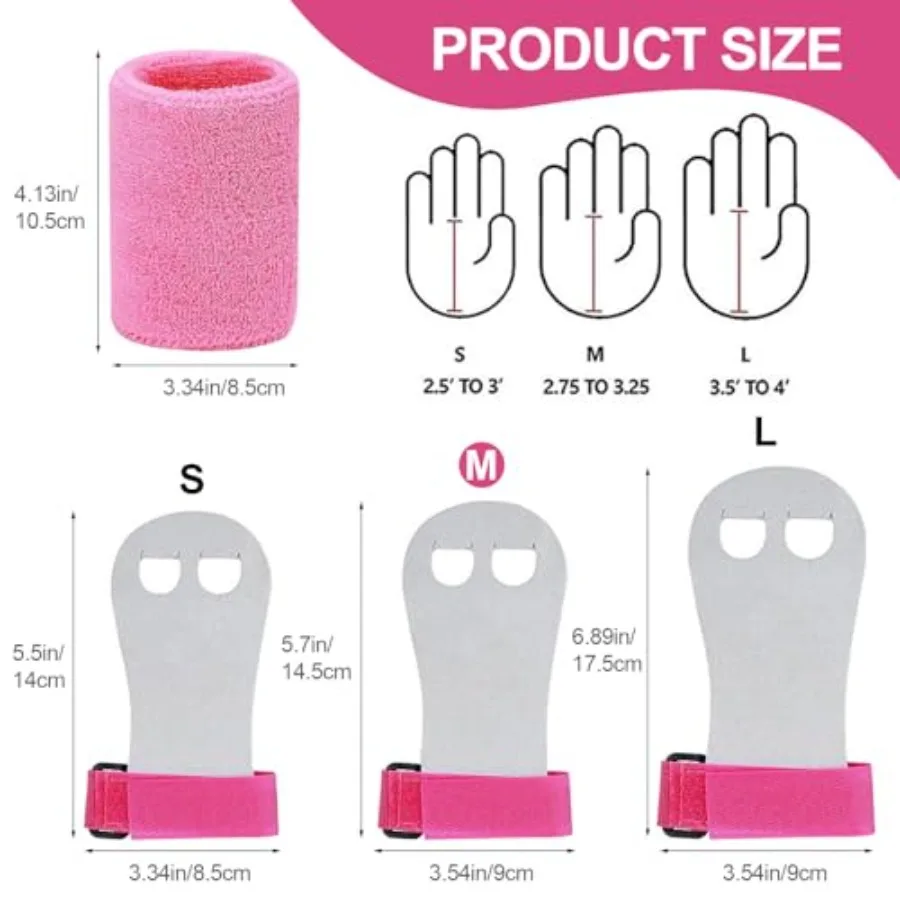
| Size | Medium |
| Colours | Pink, grey, black, orange |
| Best for | Pull-ups, toes-to-bar, kipping, gymnastics bar, ring work |
| Not suitable for | Use over an open or healing rip |
| Break-in | 2-3 light sessions recommended |
Care & Maintenance
Sweat is what kills grips. Air-dry them fully after every session rather than leaving them balled up in a gym bag, where they stay damp and the material stiffens and cracks. Wipe the palm with a dry cloth to lift chalk residue; do not machine wash or tumble dry, and do not dry them on a radiator, which makes the material brittle. Check the stitching and the strap regularly and replace the pair once the palm panel thins or cracks – a grip is a wear item, not a lifetime purchase.
What’s in the Box
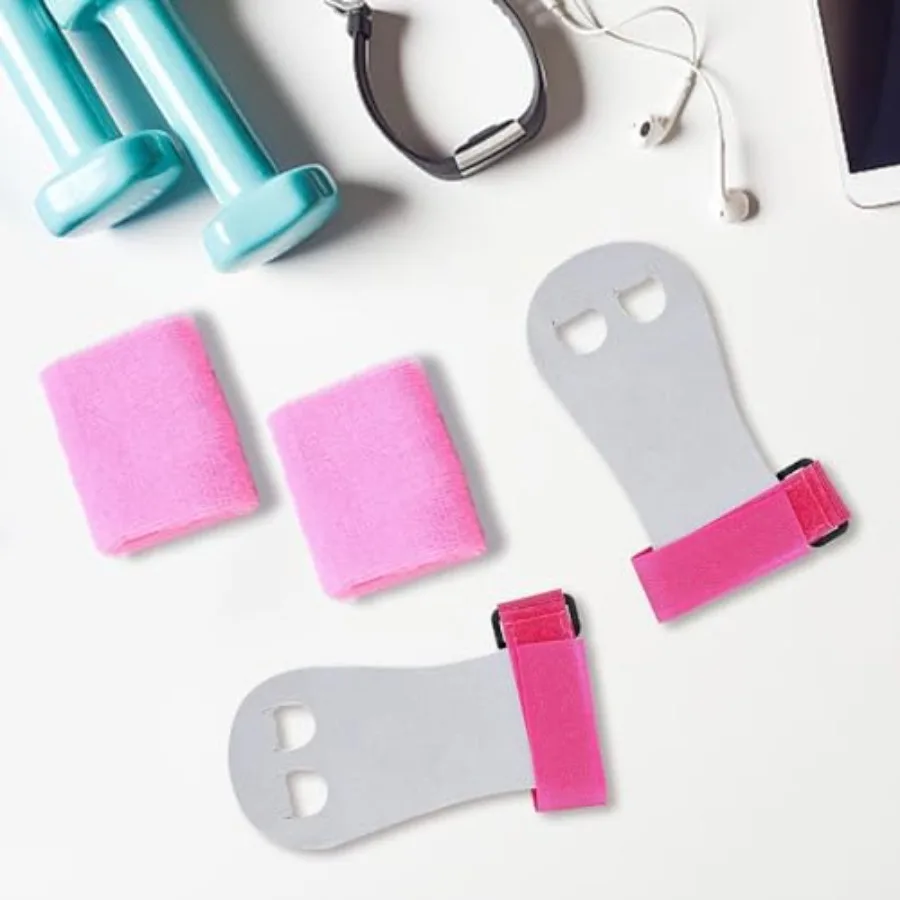
2 x gymnastics hand grips with integrated wrist straps (one pair). Size Medium; colour selected at checkout.
Reviews
There are no reviews yet.