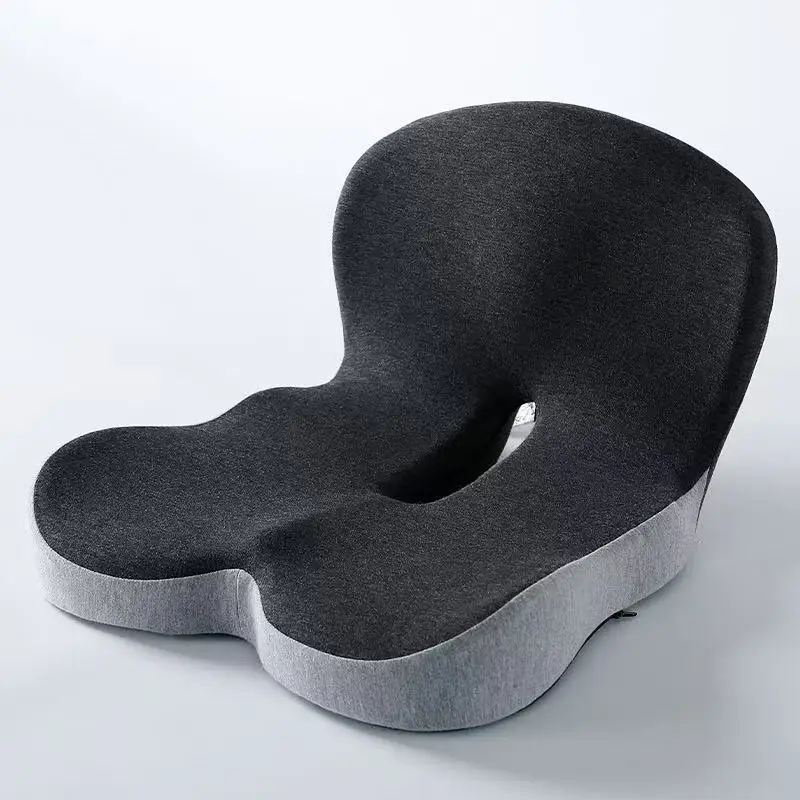
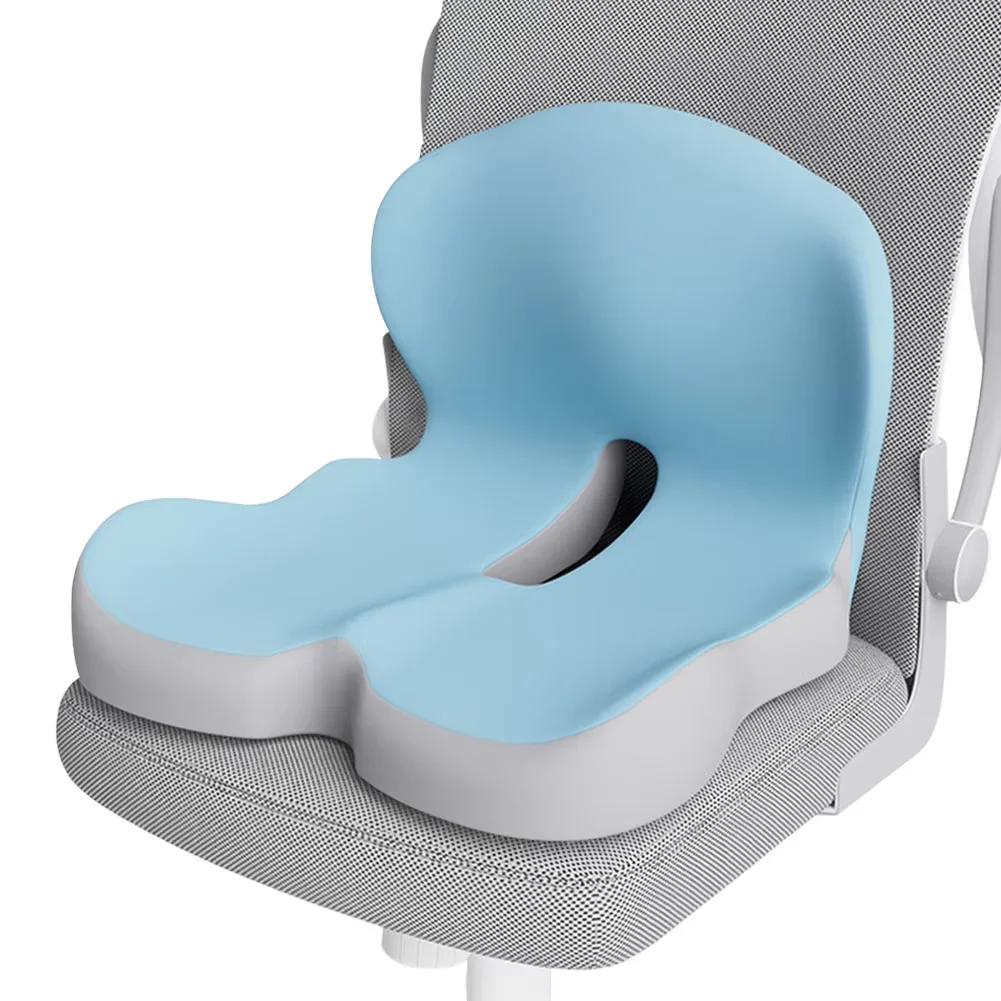
Fix the Seat and the Backrest Together, Not Separately
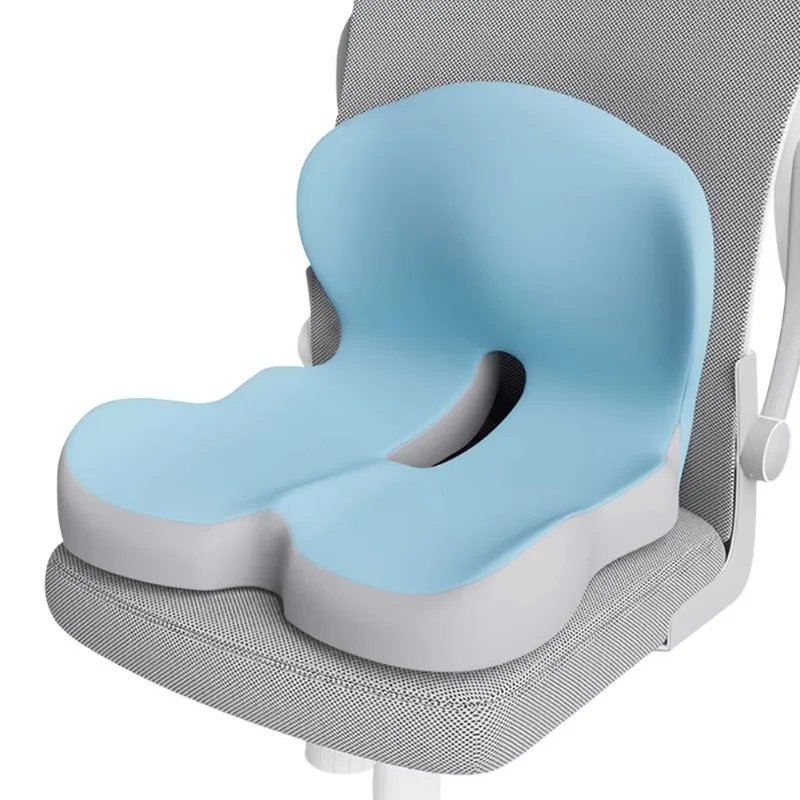
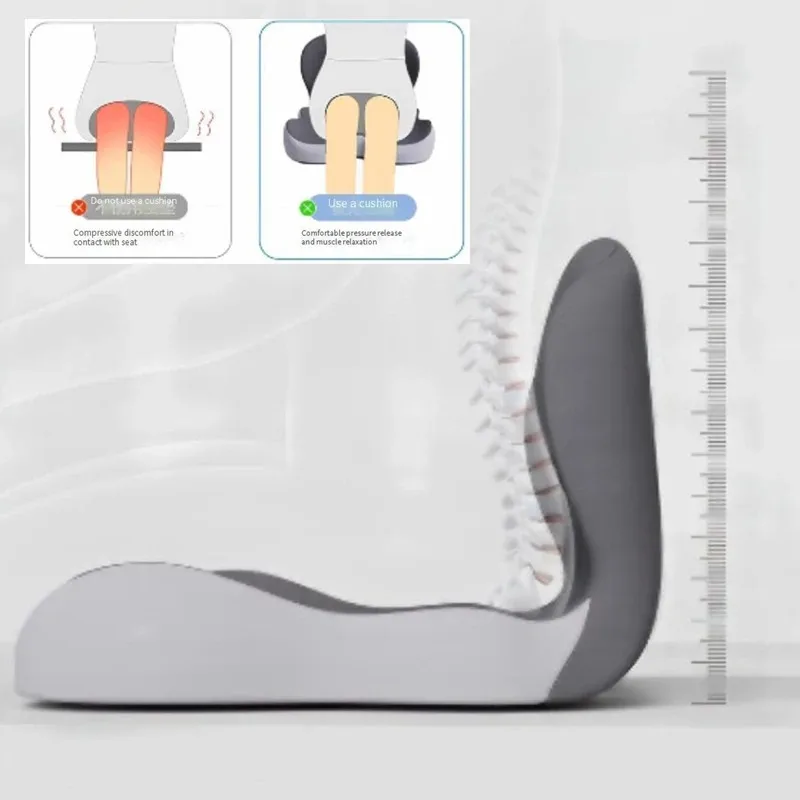
Lower-back discomfort in a chair usually starts at the pelvis. A soft or backward-sloping seat lets the pelvis roll backwards, and when it does the lumbar spine follows — the natural inward curve flattens, the discs take more load, and the deep spinal muscles hold a low-grade contraction for hours. Supporting the lumbar curve alone does not solve it, because the pelvis is still rolling away underneath. An L-shaped cushion addresses both ends of the same problem in one piece: it firms and levels the seat pan so the pelvis stays upright, and fills the hollow behind the lumbar spine so the curve is supported rather than propped.
Key Benefits
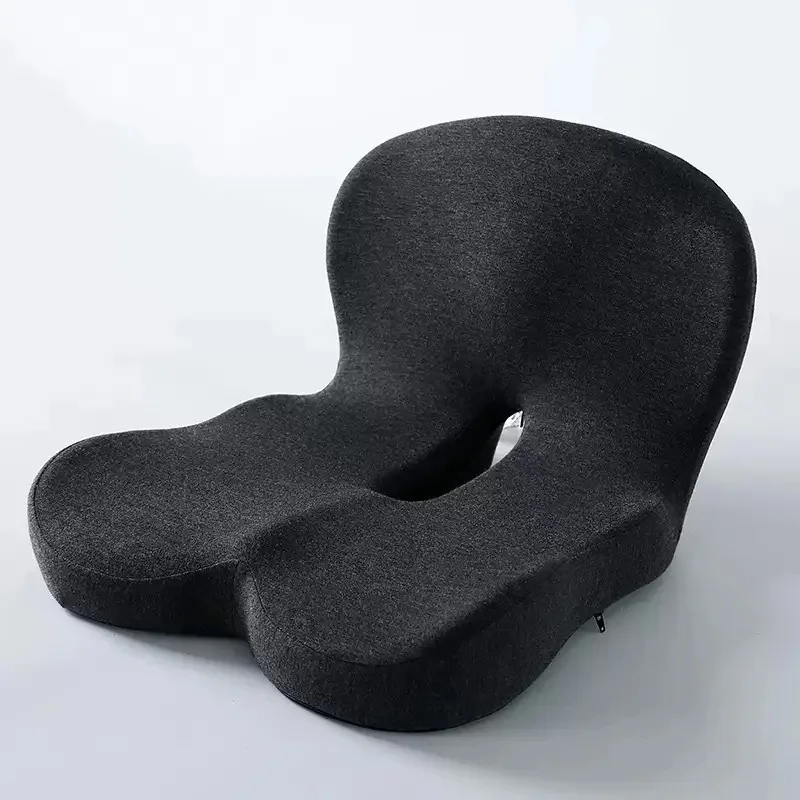
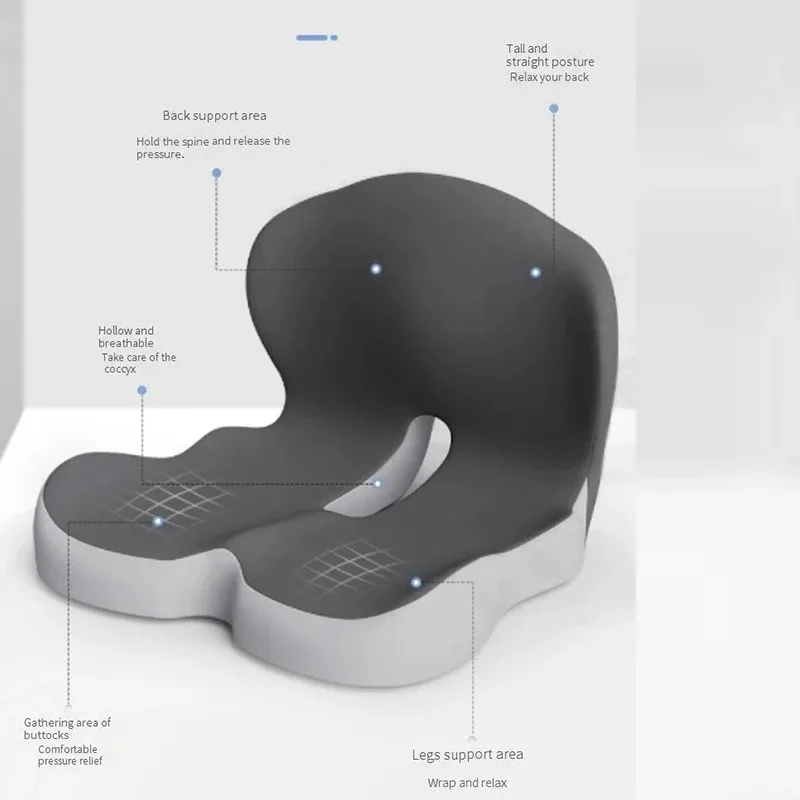
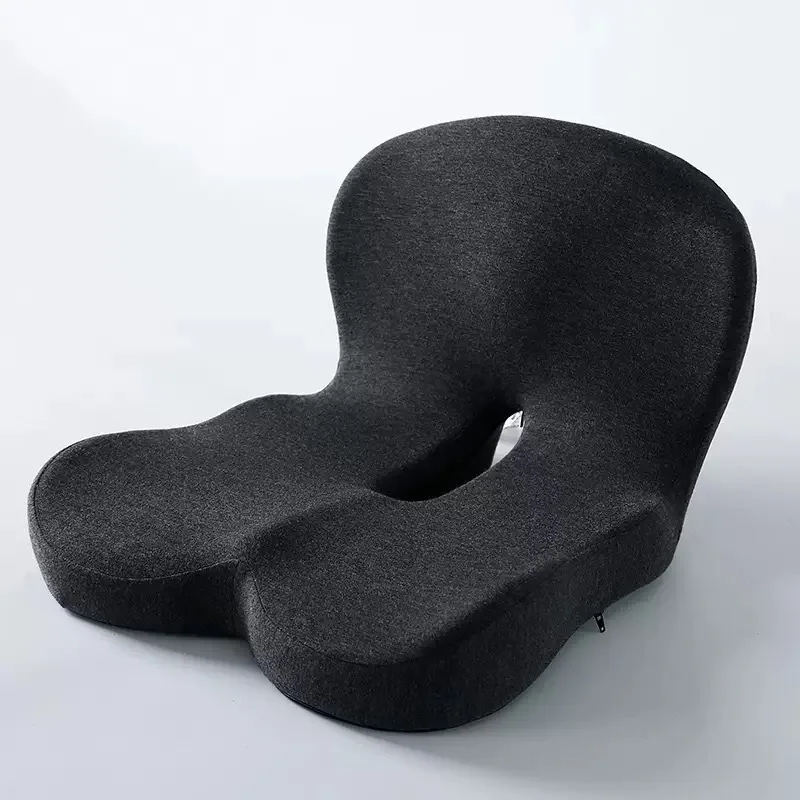
- One continuous piece: the seat and lumbar sections are a single L, so the back support cannot slide away from the seat and end up somewhere useless — the standard failure of two-piece cushion sets.
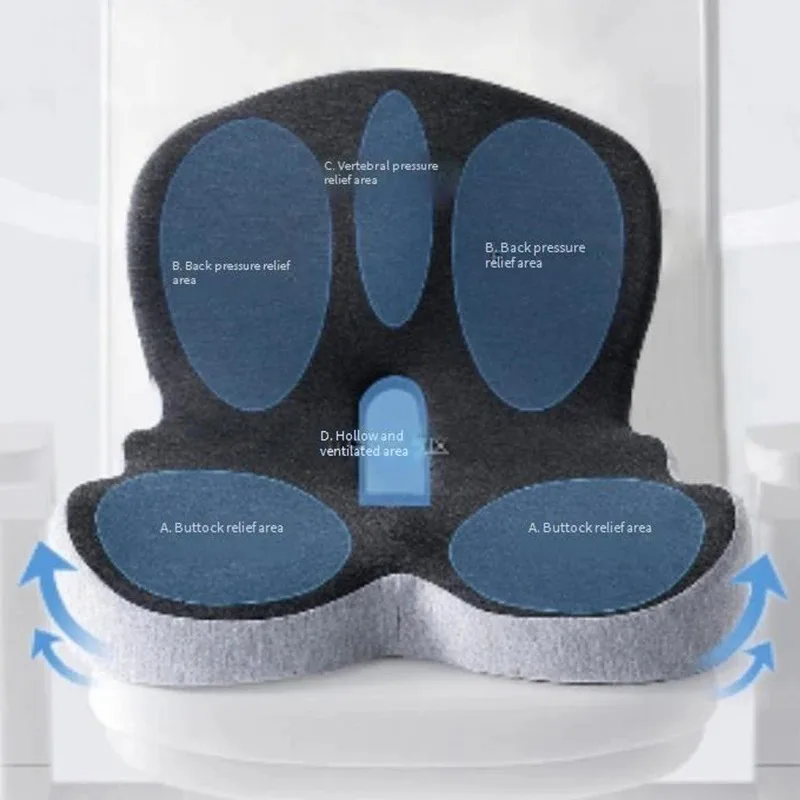
- Stabilises the pelvis: a firm, level seat surface resists the backward pelvic roll that flattens the lumbar curve, which is the actual origin of most seated back ache.
- Fills the lumbar hollow: the vertical section supports the natural inward curve of the lower back instead of leaving it unsupported against a flat backrest.
- Memory foam load spreading: the foam conforms to your shape and distributes weight across a wider contact area instead of concentrating it on the sitting bones.
- Works across seats: the same cushion transfers between a car seat, a desk chair and a gaming chair, so your seated position stays consistent across the places you sit most.
- An honest limit: a cushion is a positioning aid, not a treatment. It does not correct spinal alignment, cure back pain, or reverse posture problems — and no cushion does. It makes a good position easier to hold; it does not hold it for you.
How to Use
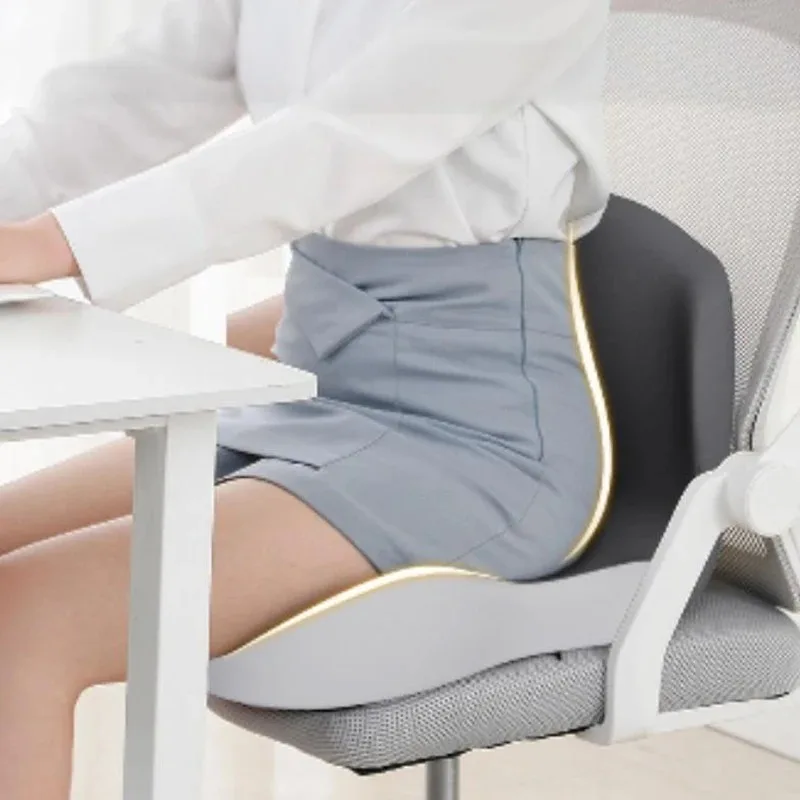
Push the cushion fully back into the chair so the corner of the L meets the corner of the seat and backrest — a gap there defeats the whole design. Sit right back into it so your bottom is in contact with the vertical section, rather than perching forward and leaving the lumbar support behind you. Aim for hips level with or slightly above the knees, feet flat on the floor (or on the pedals, in a car), and the backrest taking real weight. In a car, check that the cushion does not raise you so far that headroom, mirror sightlines or your reach to the pedals is compromised, and never fit anything that interferes with the seatbelt path across the hips and chest. Safety and expectations: the single most important thing for a seated back is not the cushion — it is getting up. Stand, walk or change position every 30 to 45 minutes. If you have persistent back pain, pain radiating down a leg, numbness or weakness, see a clinician rather than shopping for a better cushion.
Specifications
| Shape | One-piece L-shaped (integrated seat and lumbar sections) |
|---|---|
| Fill | Memory foam |
| Dimensions | Approximately 44 x 42 x 32 cm |
| Colour options | Black, grey or blue — variant dependent |
| Intended use | Car and truck seats, office chairs, gaming and desk chairs |
| Support targets | Pelvic position and lumbar curve |
| Cover | Variant dependent — see listing options |
Care & Maintenance
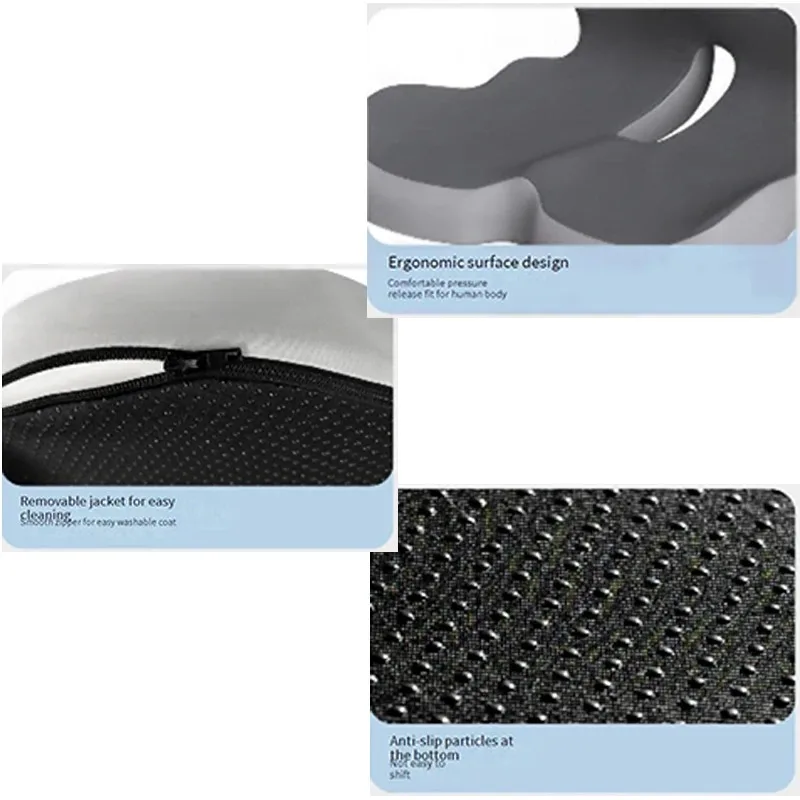
Memory foam should not be soaked, machine washed or tumble-dried — water breaks down the foam structure and it never fully recovers. Spot-clean the surface with a damp cloth and mild detergent and let it air-dry completely. If your variant has a removable cover, wash the cover only, following its own label. Air the cushion periodically, especially if it lives in a car, and keep it out of prolonged direct sunlight and heat, which make foam brittle. Replace it when the foam stops springing back and stays compressed, since a flattened cushion no longer supports the pelvis and is doing nothing for you.
What’s in the Box
1 x L-shaped memory foam seat and lumbar cushion in the colour selected. Straps and cover configuration are variant dependent.
Reviews
There are no reviews yet.