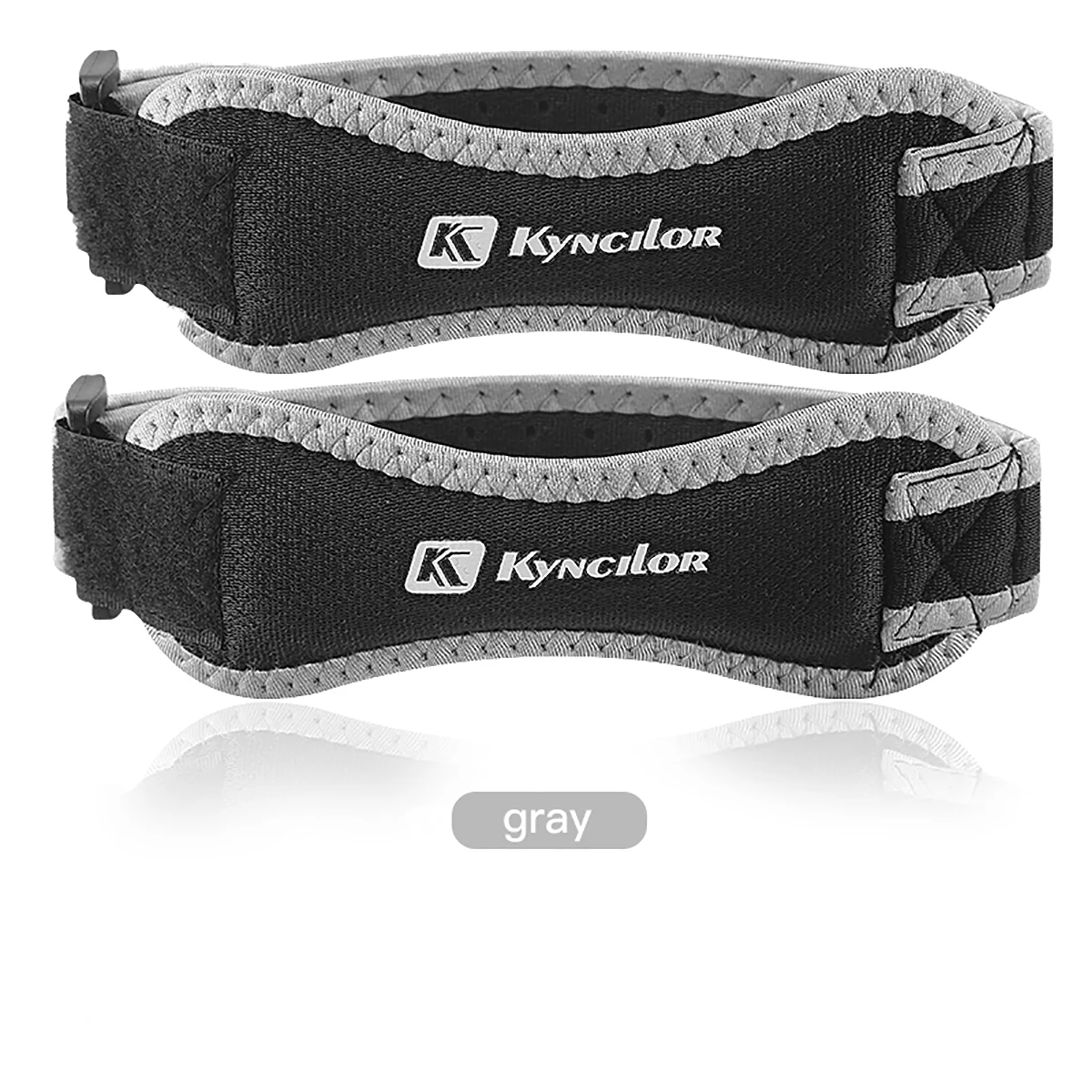
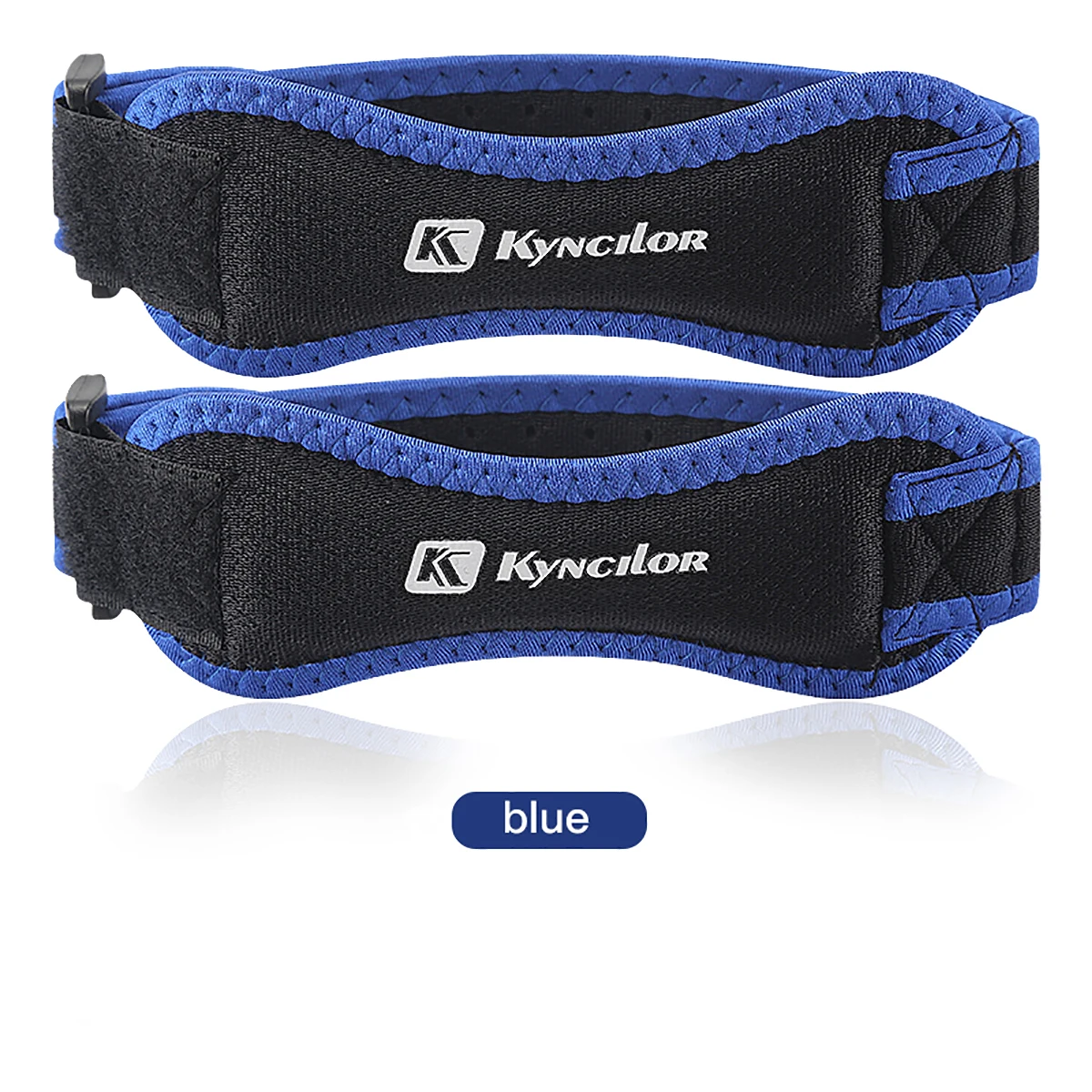
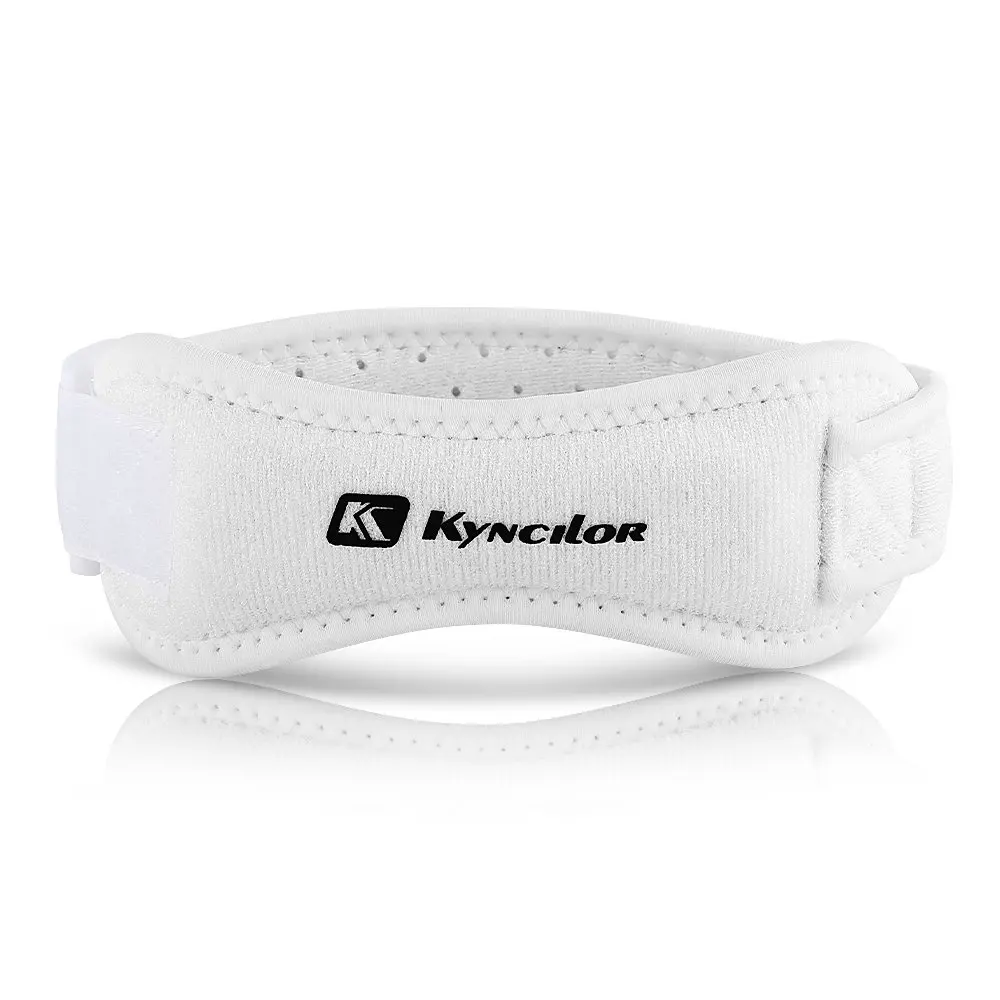
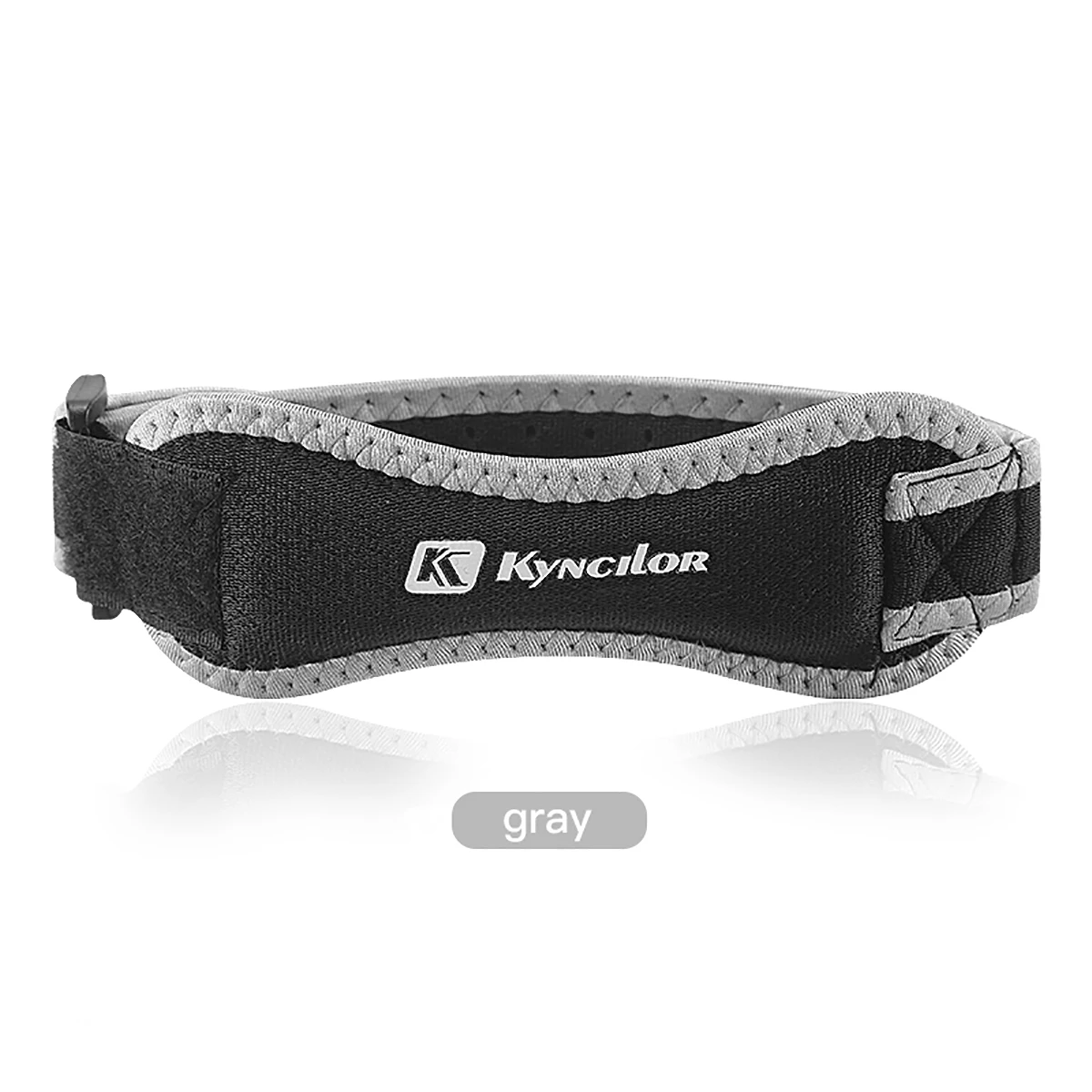
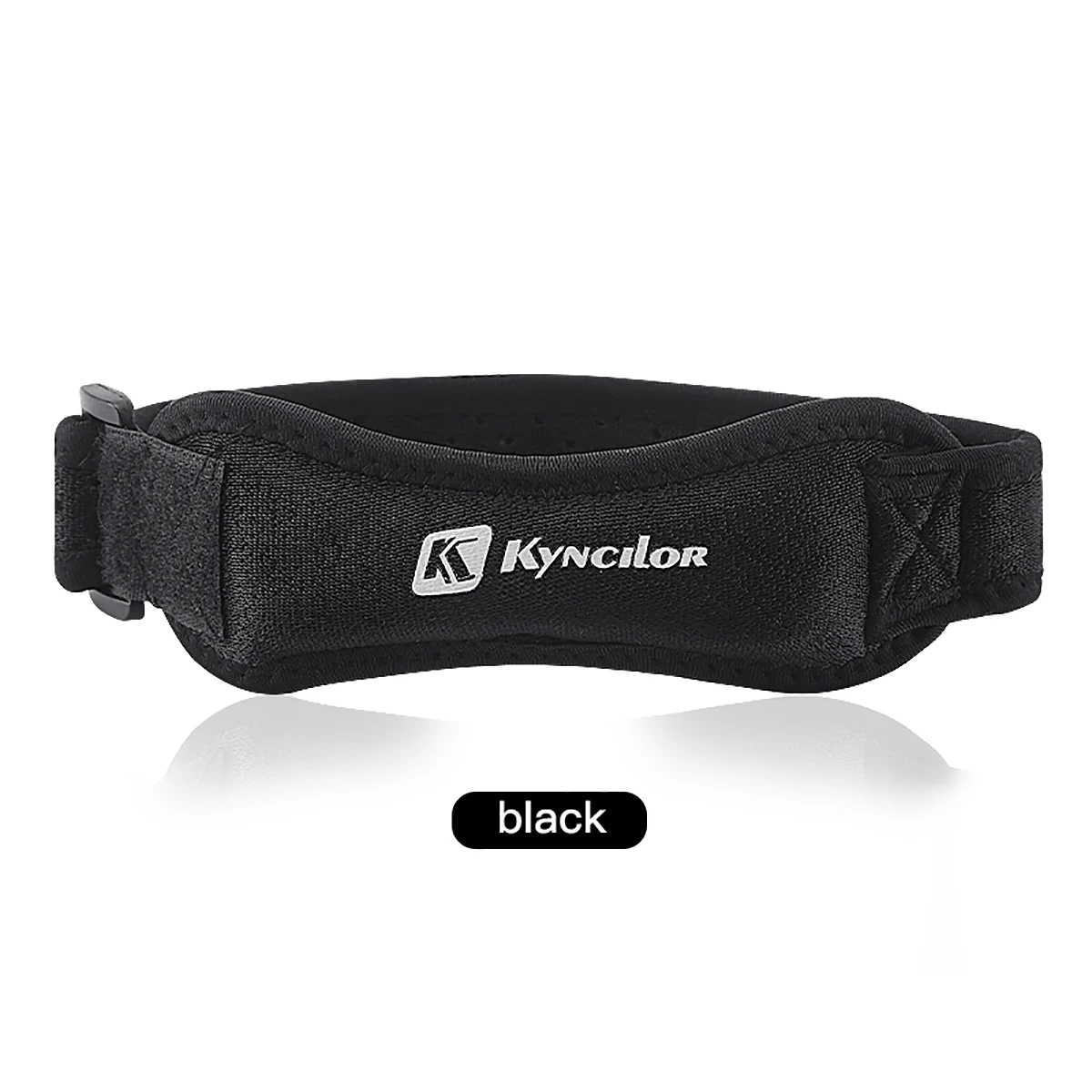
One Strap, Below the Kneecap
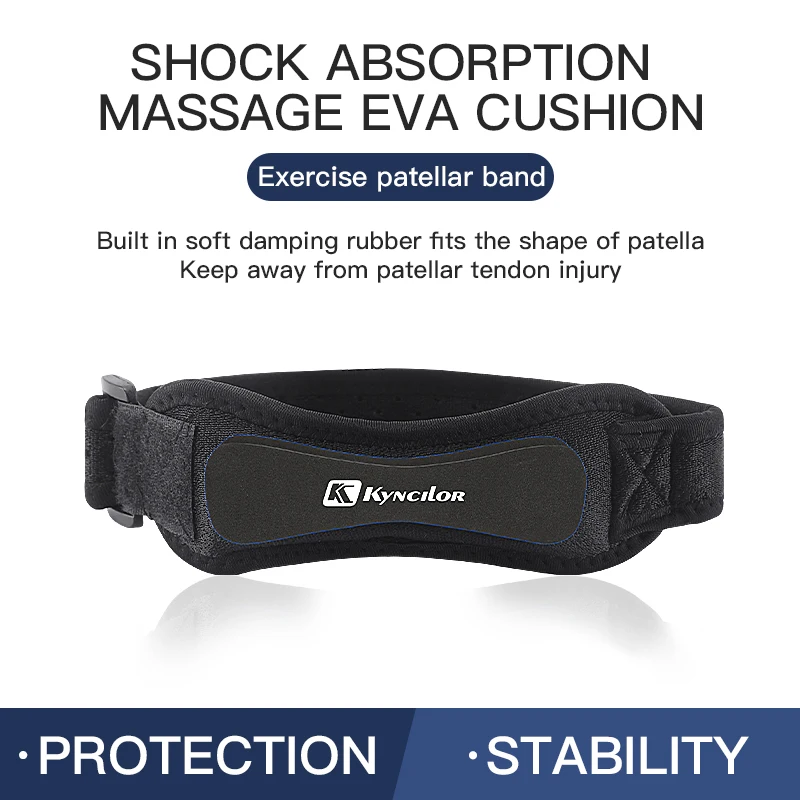
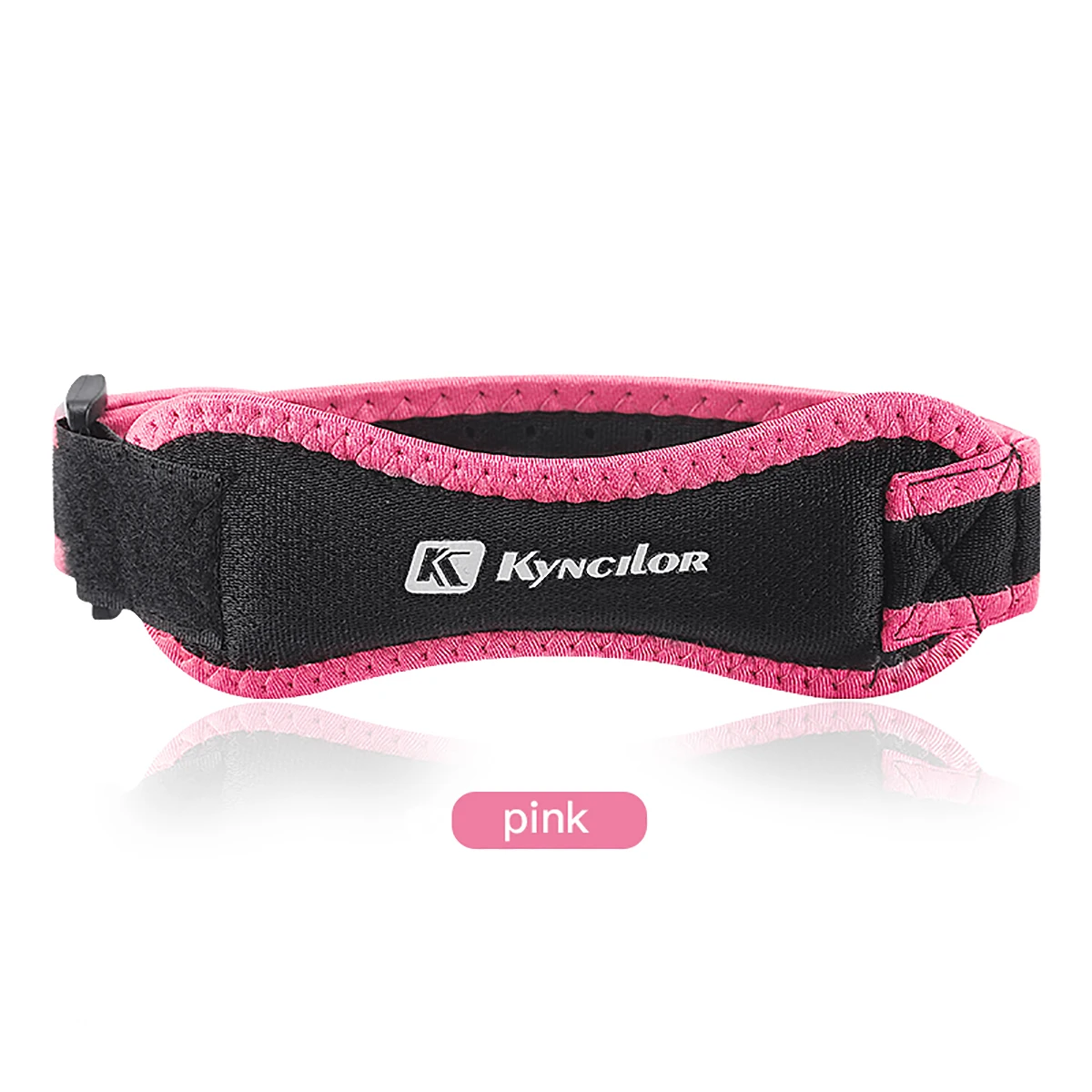
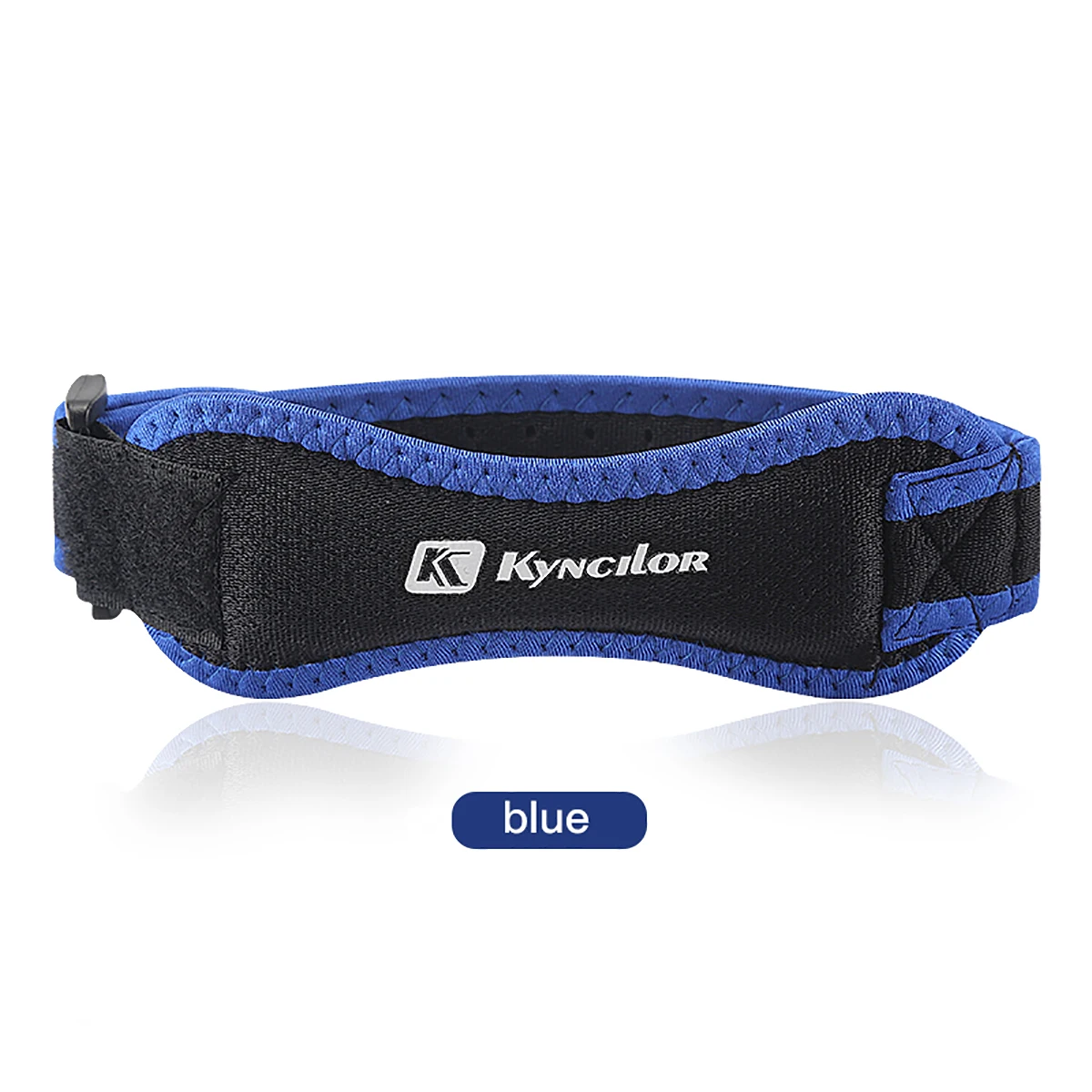
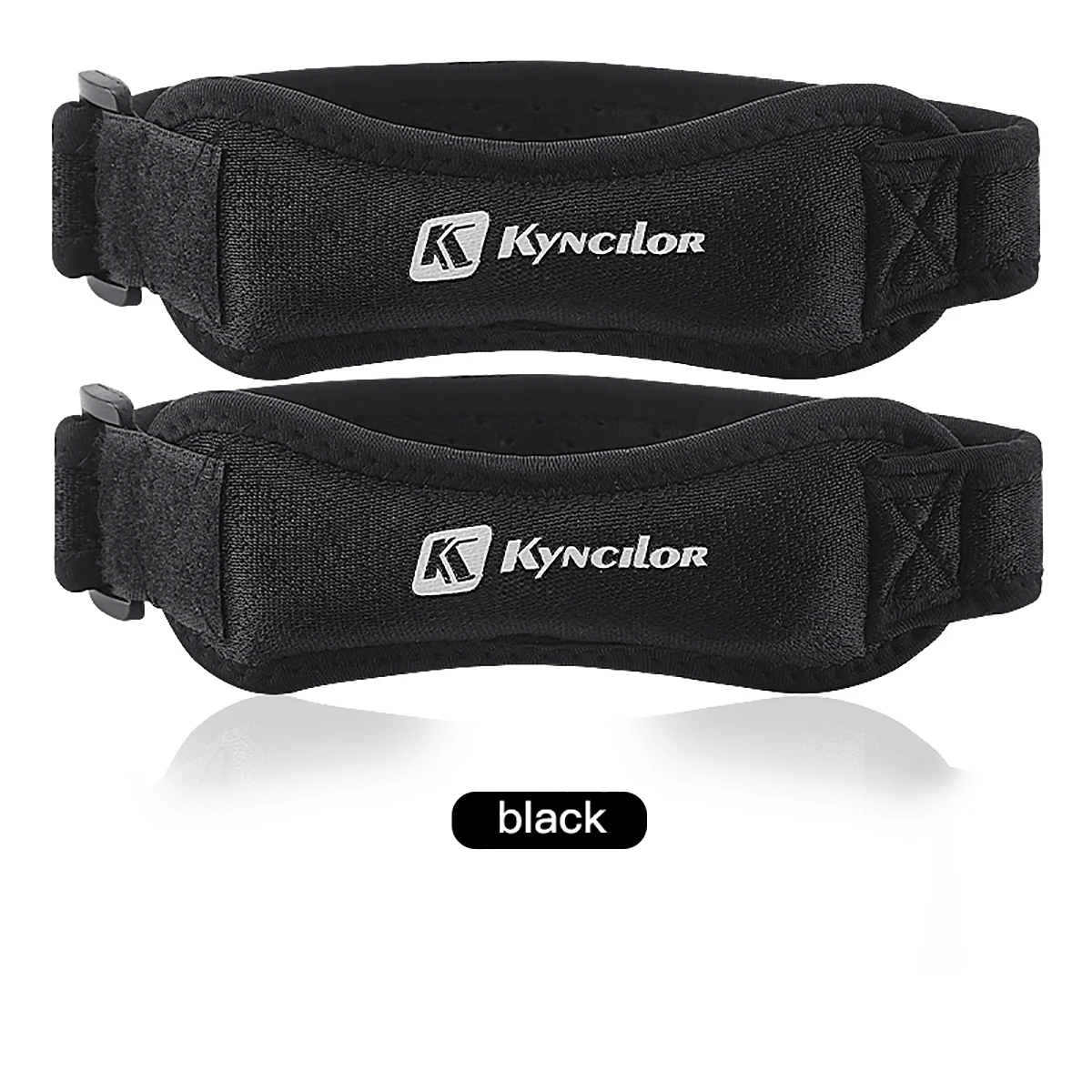
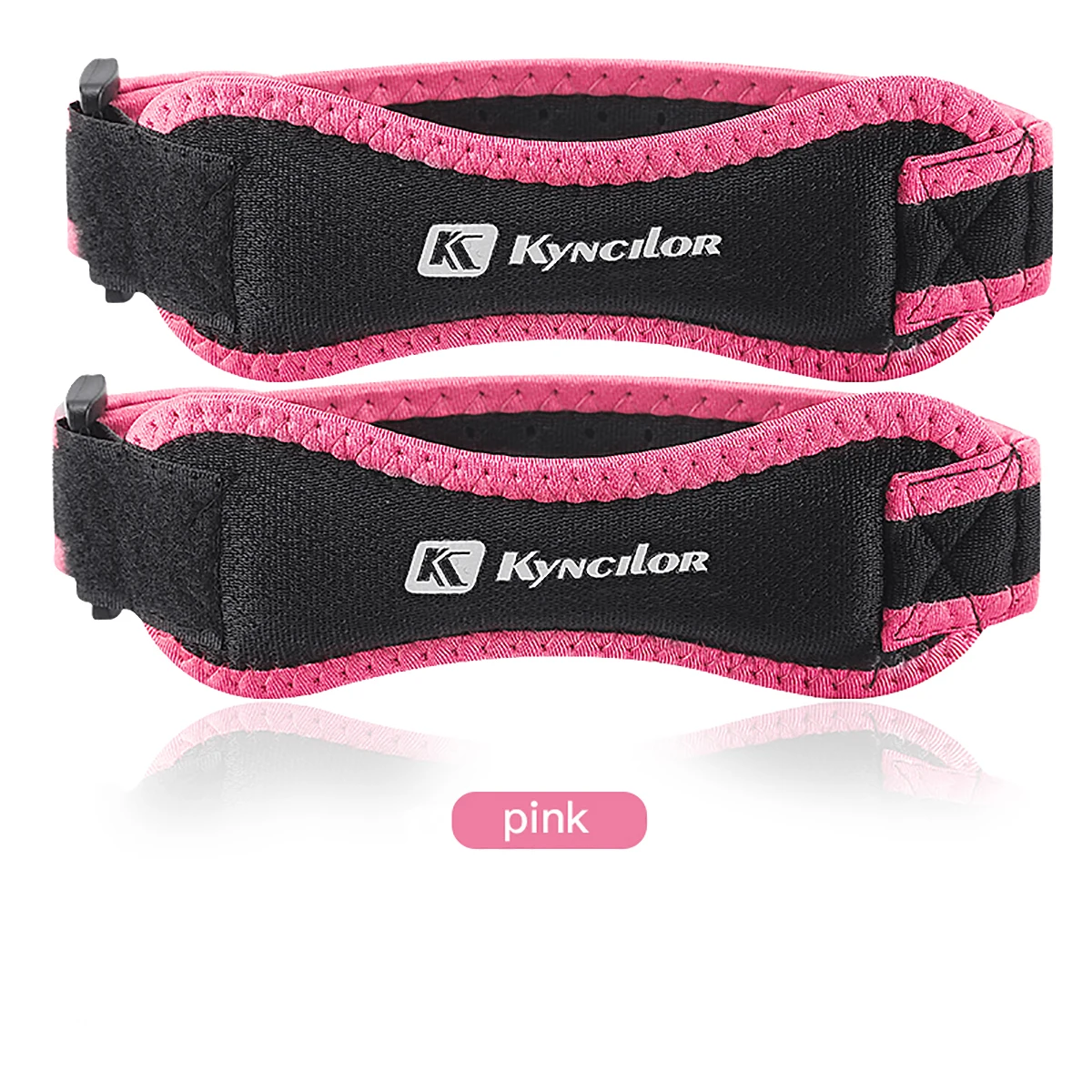
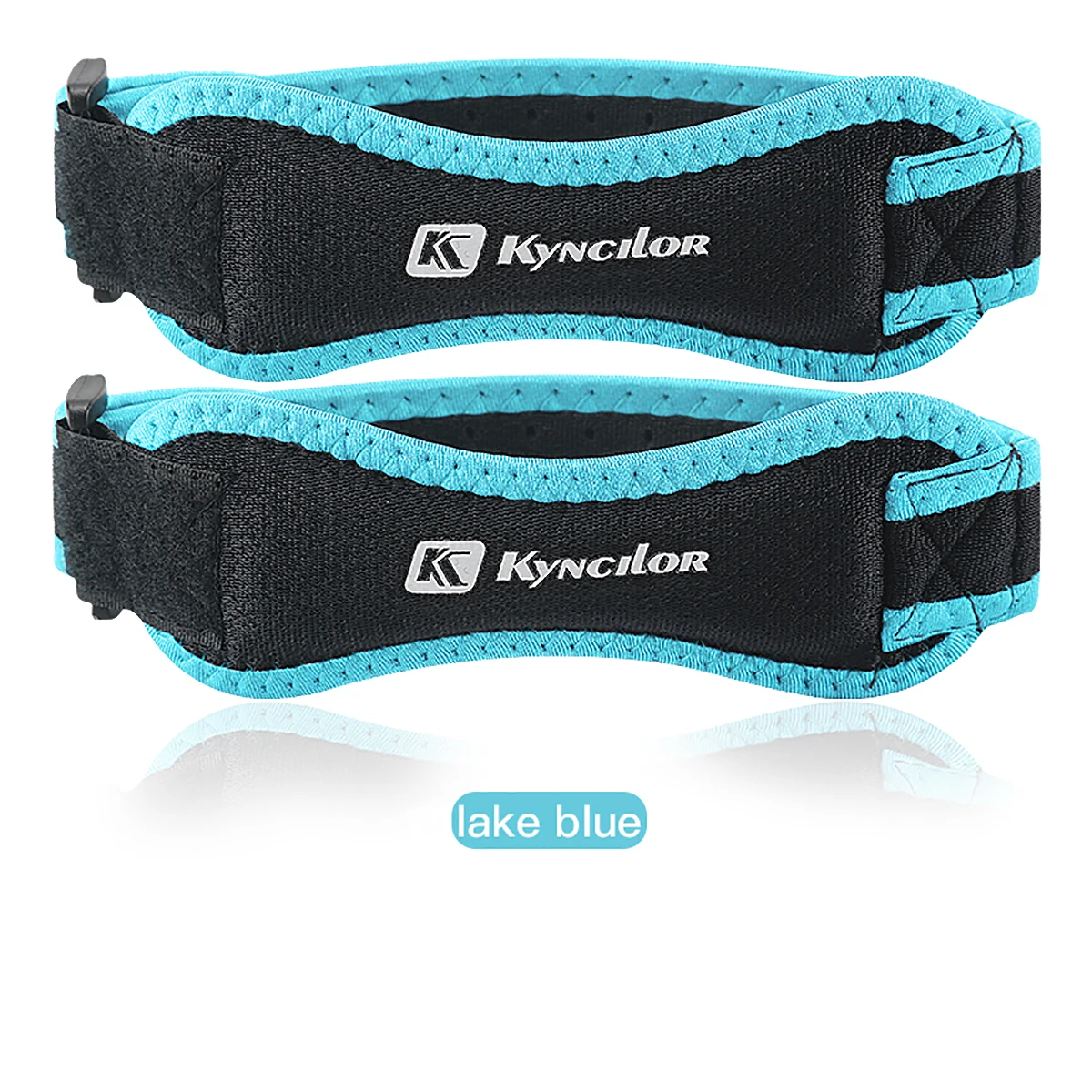
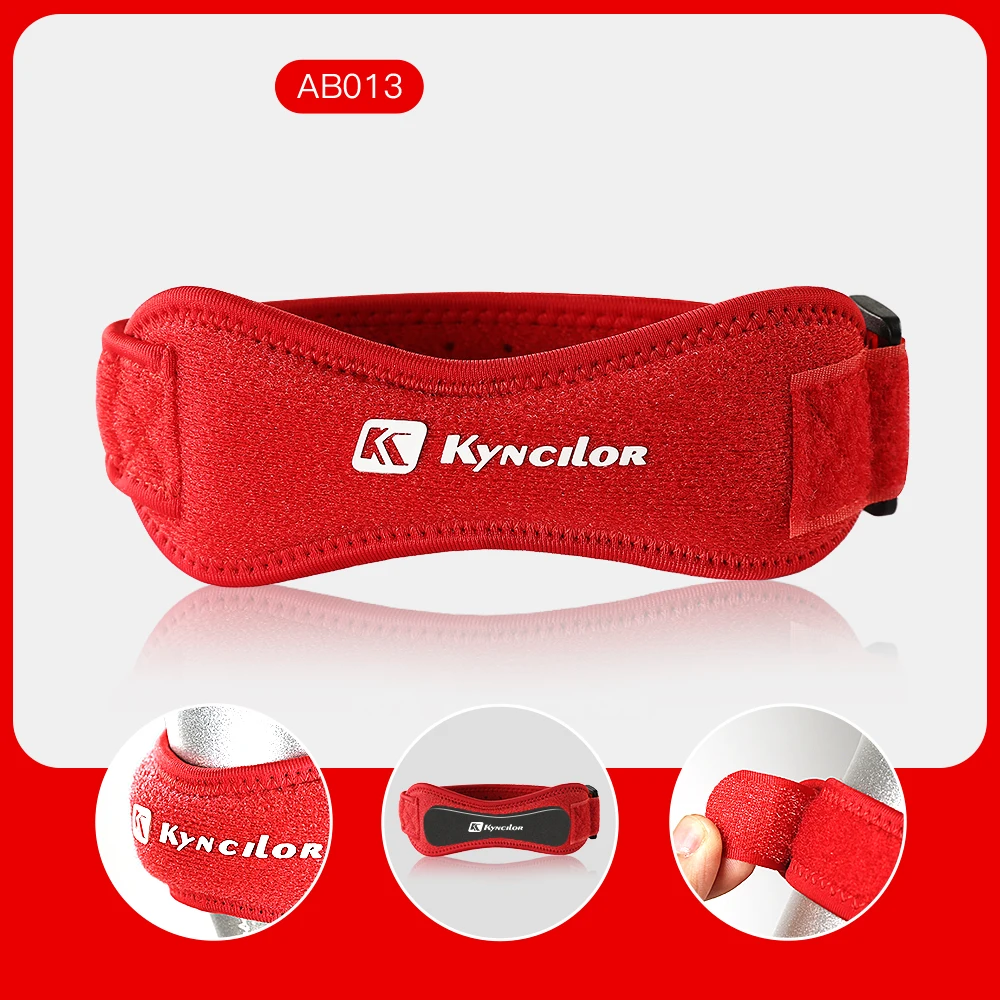
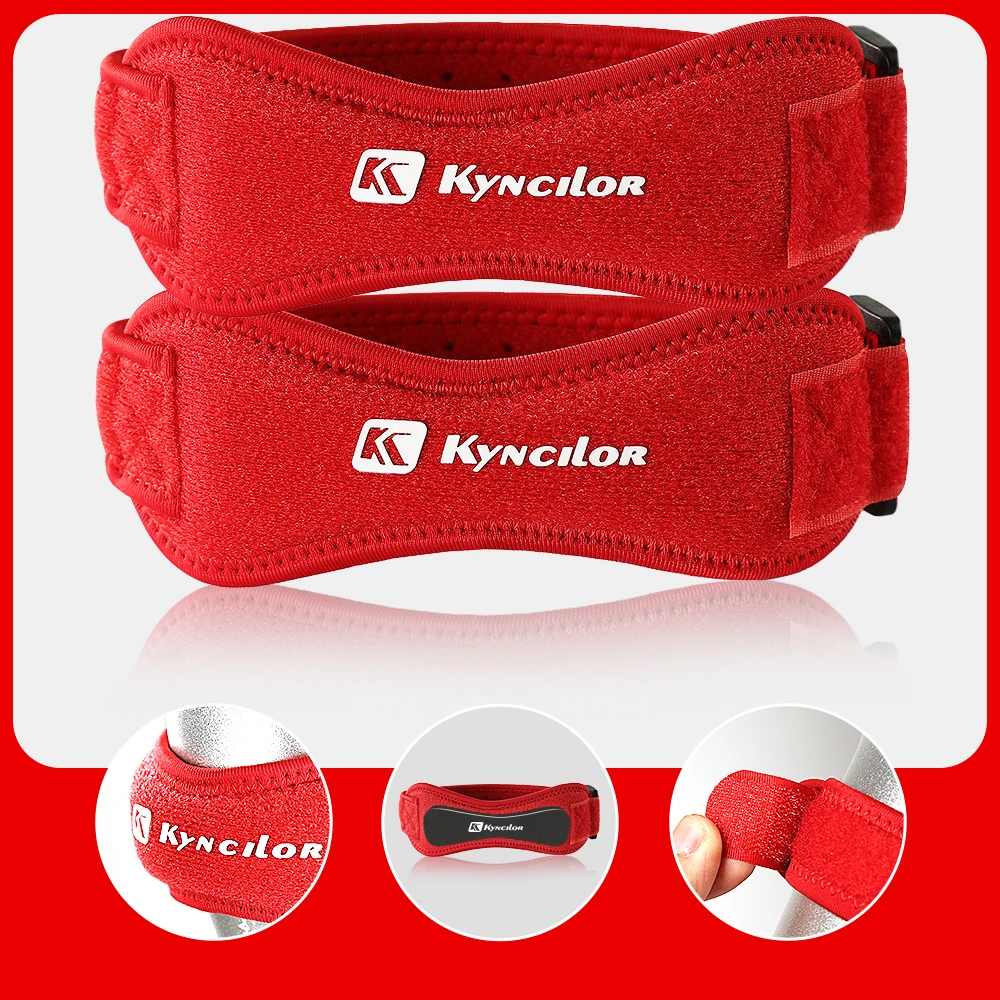
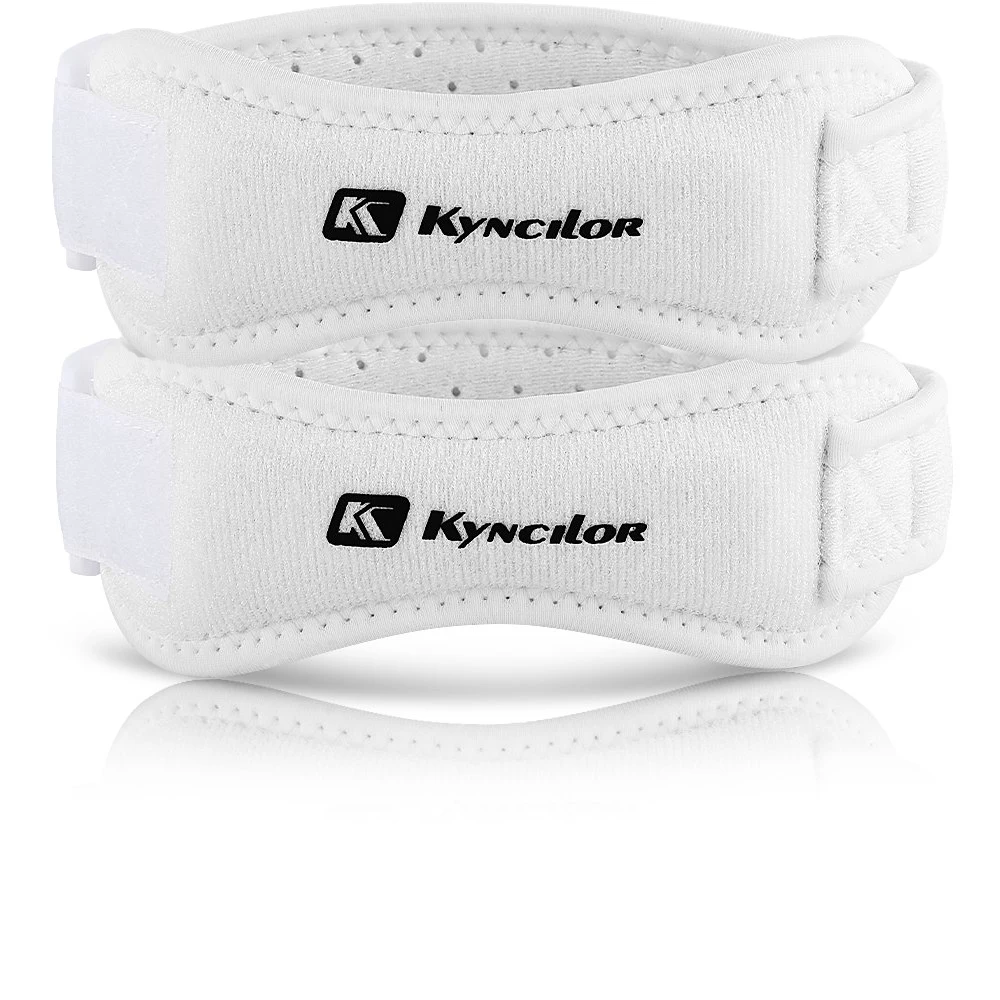
Patellar tendinopathy — runner’s knee, jumper’s knee — is pain in the tendon just below the kneecap, and it’s caused by load concentrating in one spot. A patella strap works mechanically: worn just below the kneecap, it alters the angle at which the tendon pulls and spreads the load across a broader area. It doesn’t cure the tendon, but it very often lets you keep training while it heals.
Key Benefits
- Silicone pressure pad sits directly on the patellar tendon
- Redistributes tendon load during running, jumping and squatting
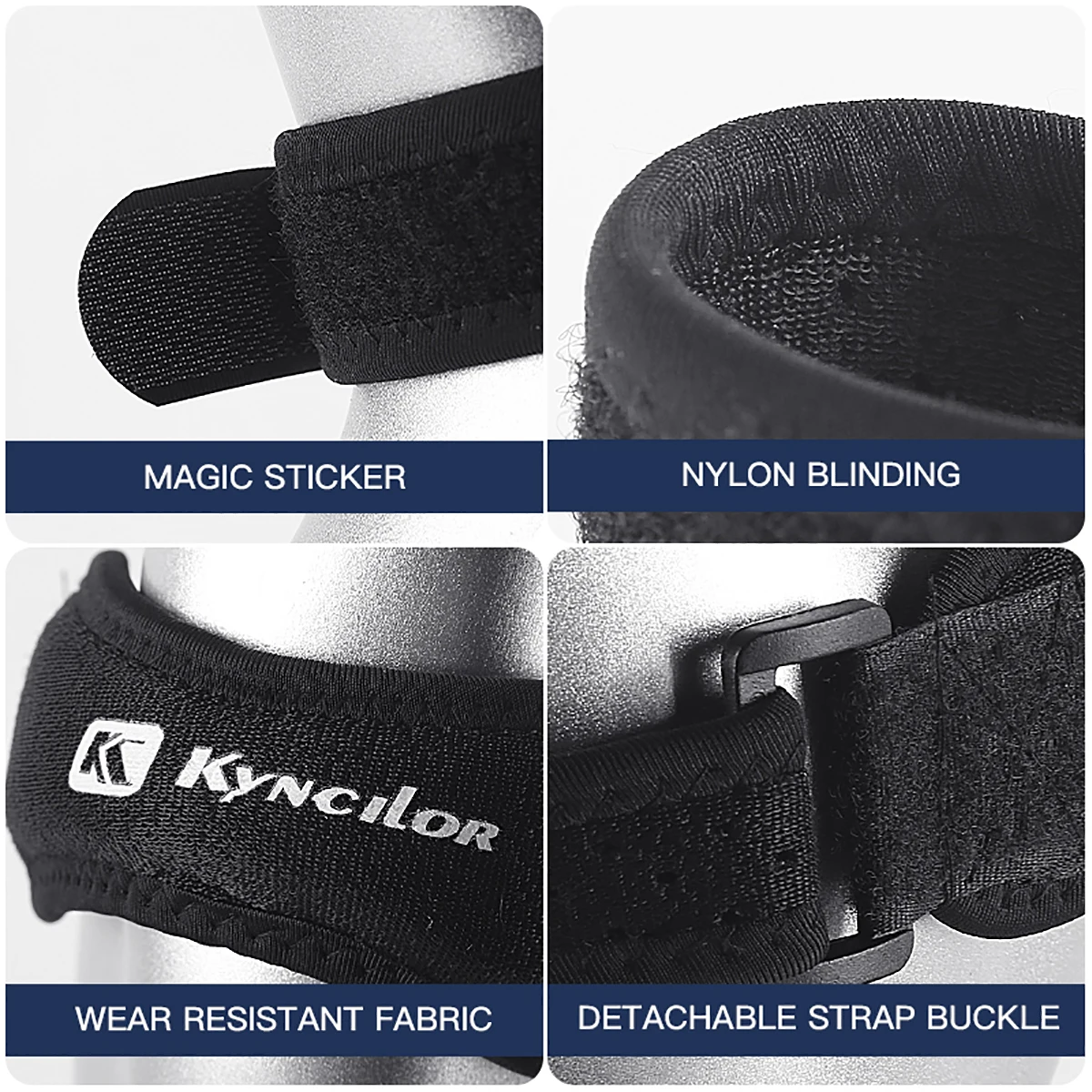
- Fully adjustable strap to set the exact pressure
- Commonly used for runner’s knee, jumper’s knee and Osgood-Schlatter
- Low-profile — fits under trousers and inside sports kit
- Fits either knee
How to Use
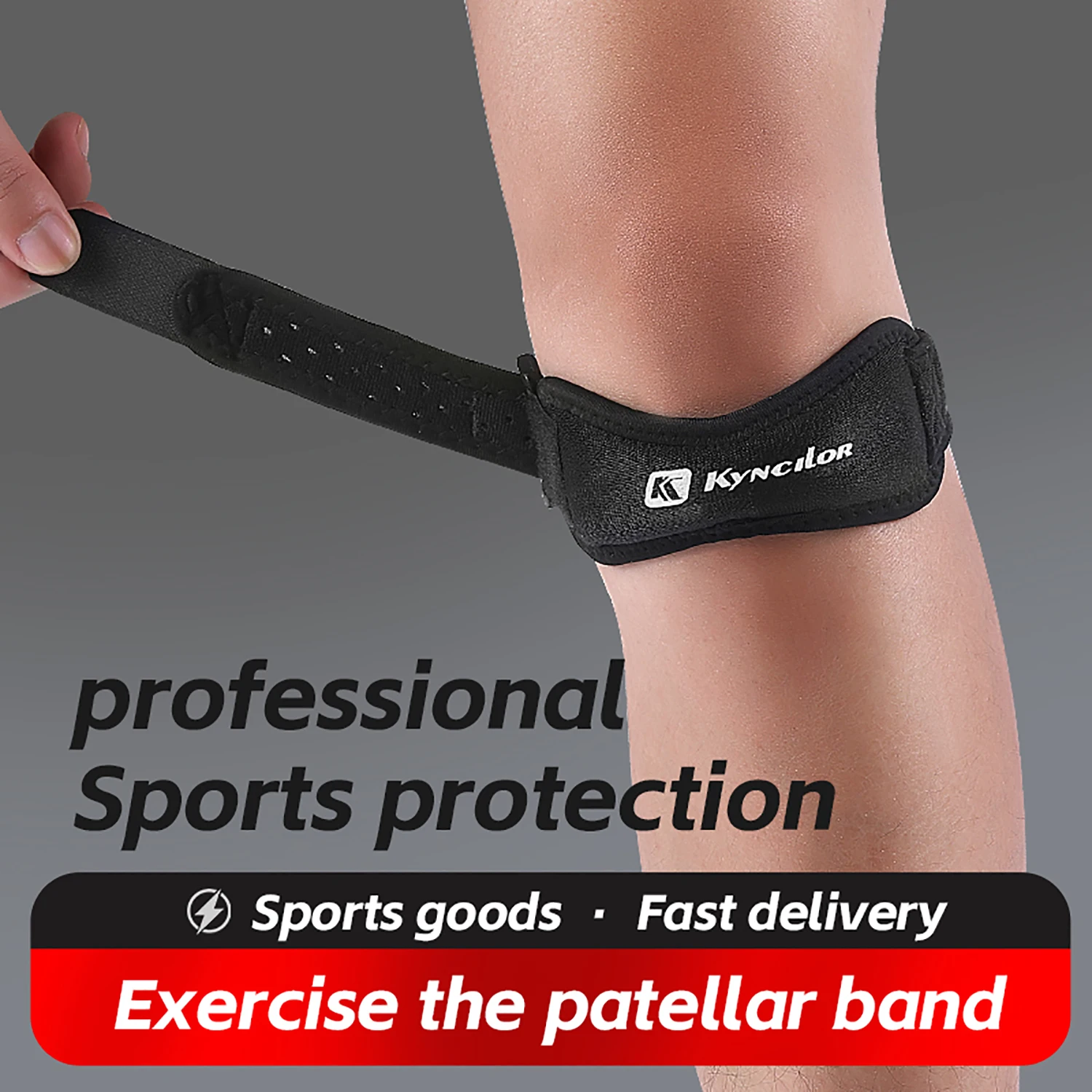
Position the strap over the tendon just below the kneecap, not over the kneecap itself. Tighten so it’s firm and stays put — you should still be able to bend the knee fully. Wear during activity and remove afterwards. If pain persists beyond a few weeks, see a physiotherapist: a strap manages symptoms, it does not rehabilitate a tendon. Progressive loading does that.
Specifications
| Type | Adjustable patellar tendon strap |
|---|---|
| Pad | Silicone gel pressure pad |
| Adjustment | Fully adjustable strap closure |
| Fits | Either knee |
| Best for | Runner’s knee, jumper’s knee, patellar tendinopathy, Osgood-Schlatter |
| Wear | During activity |
| Note | Manages symptoms — see a physiotherapist for tendon rehabilitation |
Care & Maintenance
Hand wash cold with mild soap, air dry. Do not machine wash or tumble dry.
What’s in the Box
1 × Patella Knee Strap
Reviews
There are no reviews yet.