

Three Bands, Most of a Gym
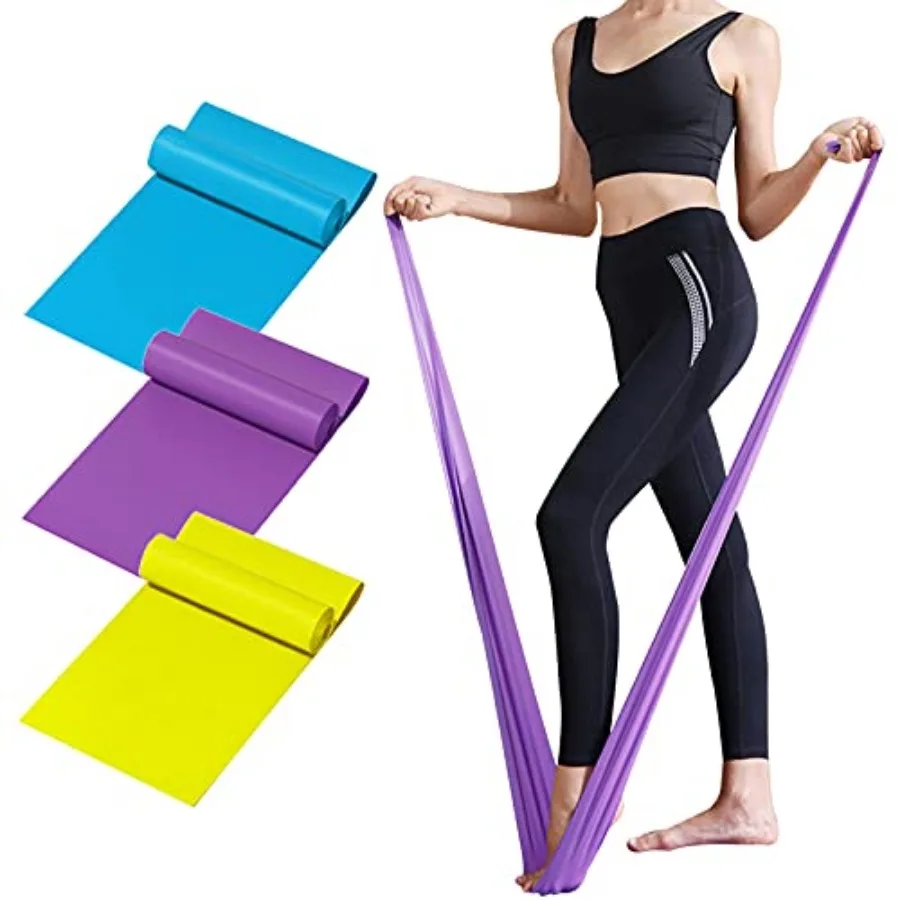
Resistance bands do something free weights cannot: they get harder as you lengthen them. That ascending curve matches how your joints actually produce force — weakest at full stretch, strongest at contraction — which is exactly why physical therapists reach for them first. Three tension levels is the sweet spot: light for shoulder rehab and warm-ups, medium for most upper body work, heavy for glutes and legs.
Key Benefits
- Three progressive tension levels so you can add load as you get stronger
- Ascending resistance curve that matches the body’s natural strength curve
- Joint-friendly — the standard tool in physical therapy and rehab for a reason
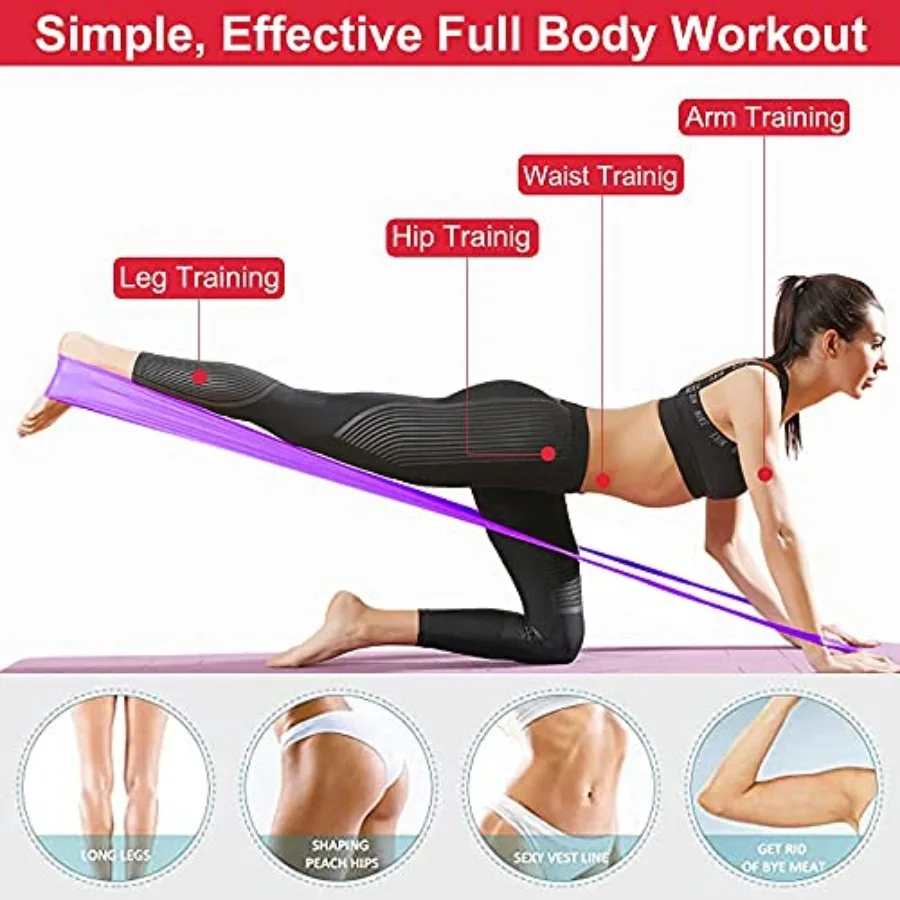
- Trains every major muscle group: shoulders, back, chest, arms, glutes, legs
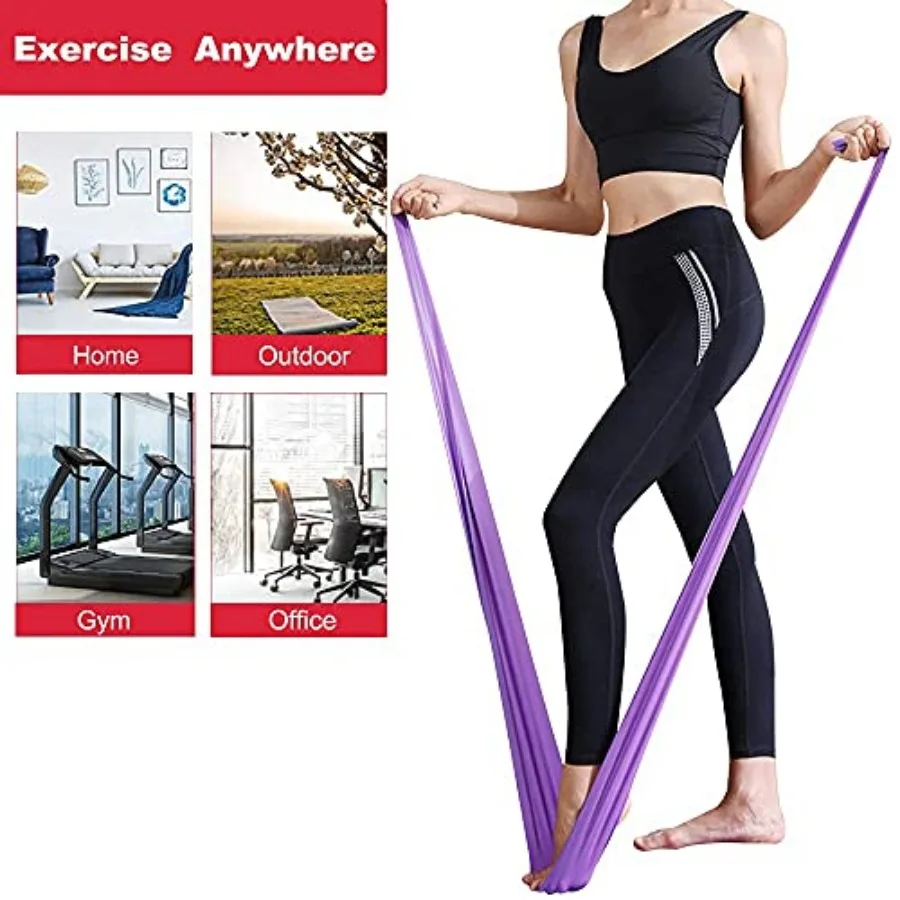
- Packs into a drawer or suitcase — no excuse on the road
- Natural latex with high elastic recovery
How to Use
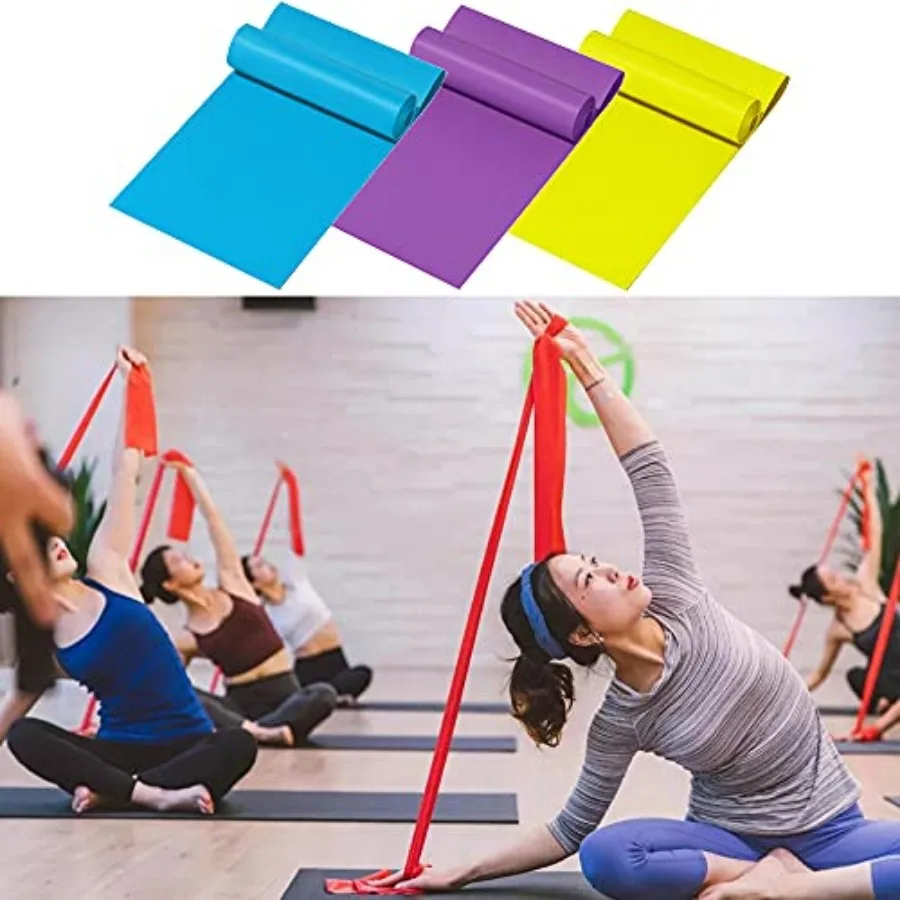
Anchor the band underfoot, around a post, or in a door anchor. Move slowly and control the return — the eccentric, lowering phase is where most of the strength gain lives. Two to three sets of 10 to 15 reps. Inspect bands for nicks or tears before every session and replace any that are damaged; a band that snaps under tension can injure you. Never stretch a band toward your face.
Specifications
| Contents | 3 resistance bands |
|---|---|
| Tension levels | Light, Medium, Heavy |
| Material | Natural latex |
| Use | Strength training, physical therapy, rehab, mobility |
| Trains | Shoulders, back, chest, arms, glutes, legs |
| Portability | Packs flat — suitable for travel |
Care & Maintenance
Wipe clean and air dry. Store away from direct sunlight and heat, both of which degrade latex. Do not use talc or oil-based products on the bands.
What’s in the Box
3 × Resistance Bands (light, medium, heavy)
Reviews
There are no reviews yet.